Introduction
Set in Amsterdam’s lively Westerpark, the Zuiveringsgebouw (Purification Building) is a landmark of the city’s industrial past and its modern cultural life. Once a vital part of the Westergasfabriek—the gasworks that helped illuminate Amsterdam’s streets—this late 19th-century building now embodies successful urban renewal, blending robust industrial architecture with contemporary art, events, and sustainability. This guide details the Zuiveringsgebouw’s history, architectural features, visitor information, and its role as a model for adaptive reuse and community engagement (Braaksma & Roos; Rijksmonumenten; amsterdamcitycard.com).
Photo Gallery
Explore Zuiveringsgebouw (Westergas) in Pictures

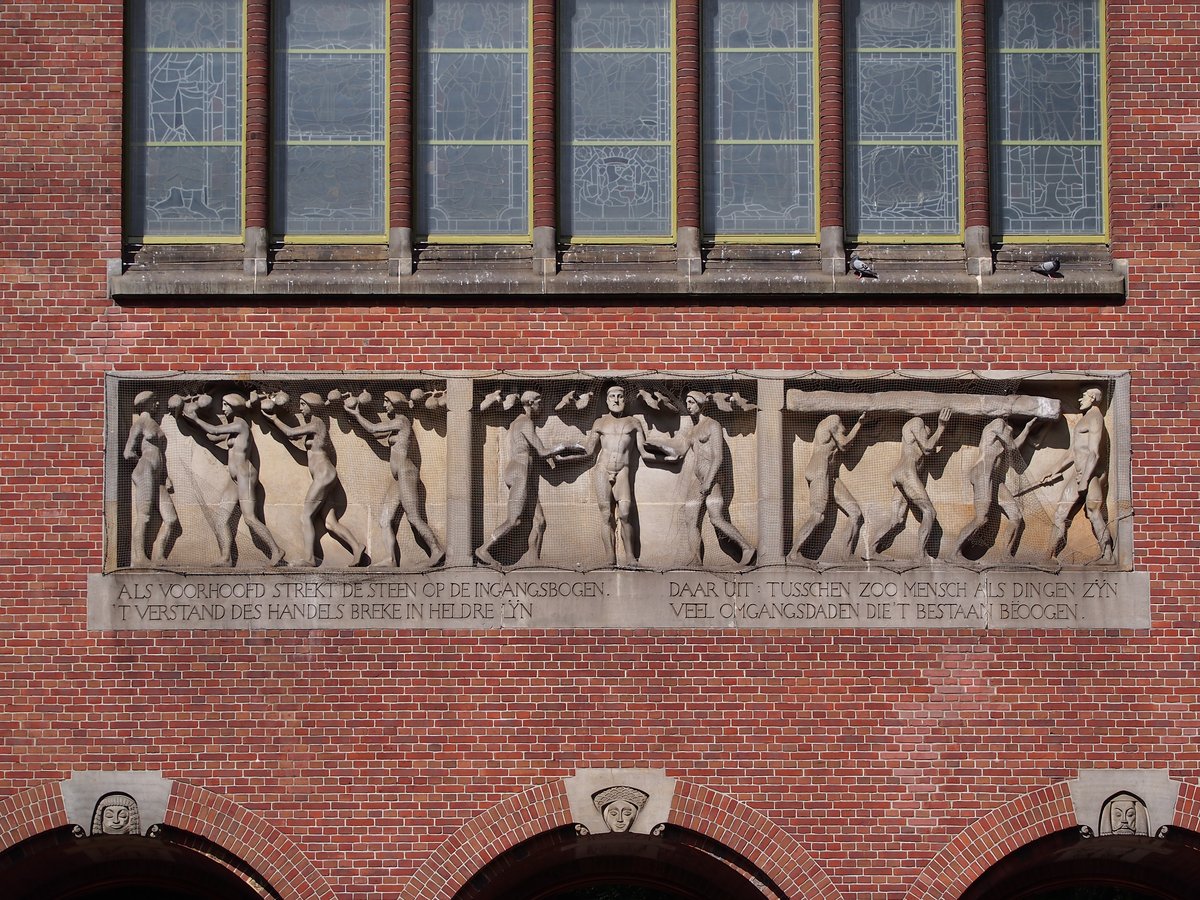
Detailed view of the historic water purification building in Amsterdam showcasing ornate facade and architectural elements from Wiki Loves Monuments 2011

Historic Amsterdam water purification building showcasing intricate brick architecture under a clear blue sky, part of Wiki Loves Monuments 2011

Photograph of the historic Zuiveringsgebouw building located in Amsterdam, captured during Wiki Loves Monuments 2011.

The historic Zuiveringsgebouw building located in Amsterdam, featured in the Wiki Loves Monuments 2011 collection.

Photograph of the historic Zuiveringsgebouw building in Amsterdam showcasing its classic architecture and cultural heritage, uploaded as part of Wiki Loves Monuments 2011.

Exterior view of a historic water purification building in Amsterdam featuring classical architectural design, captured during Wiki Loves Monuments 2011

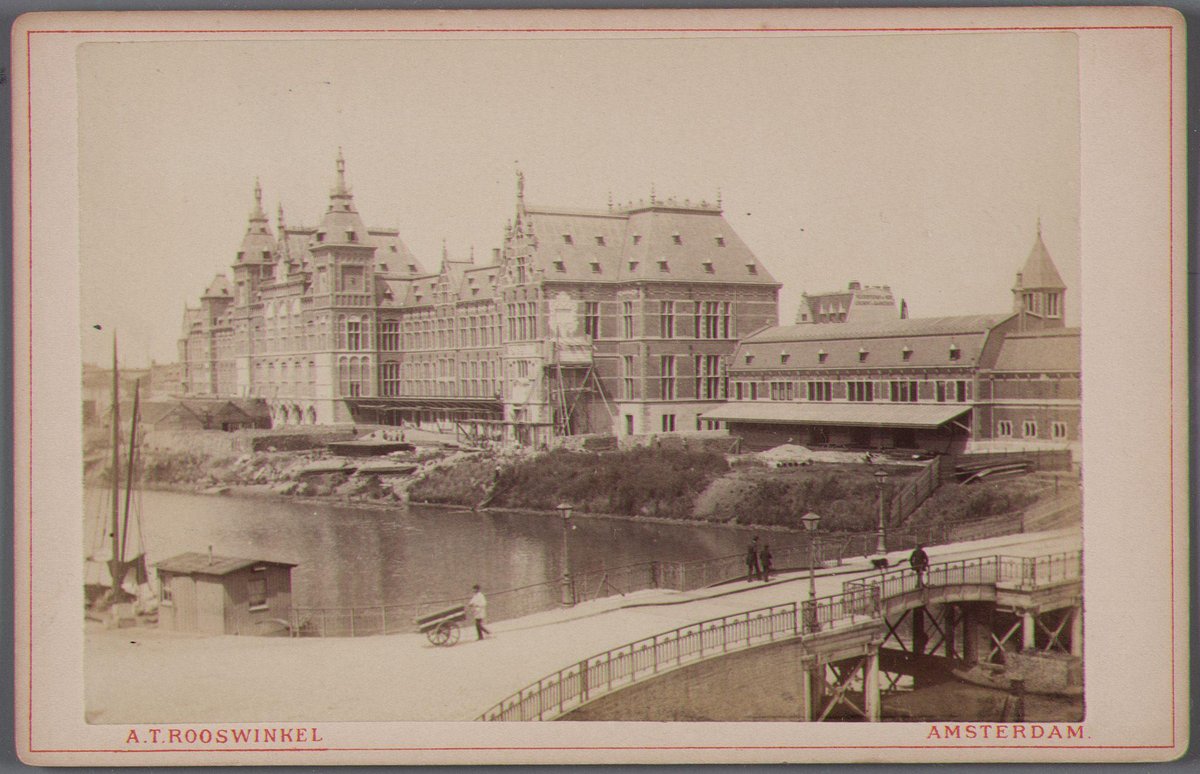
Vintage postcard showing Haarlemmerweg De Gasfabriek gas factory area in Amsterdam circa 1900

Scenic view of Westerpark in Amsterdam featuring lush green lawns, tall trees, and walking trails under a clear sky

Beautiful scenic view of Westerpark, a large urban park in Amsterdam, showcasing lush green trees and clear sky

View of historic Westergasfabriek industrial buildings surrounded by green park at Westerpark, Amsterdam
Origins and Construction
The Zuiveringsgebouw was constructed in the late 1800s as a cornerstone of the Westergasfabriek complex, designed to purify coal gas for Amsterdam’s burgeoning street lighting and domestic needs. Strategically situated between waterways and rail lines, the site allowed efficient transport of coal and distribution of gas throughout the city (Braaksma & Roos).
The building featured twin purification halls with three-aisled layouts, supported by exposed Polonceau trusses—a notable combination of wood and iron. These trusses provided both strength and flexibility, with safety measures like an unboarded roof to reduce the risk of explosion. Annexes housed the lime-slaking process, while the central section stored iron oxide, integral to removing sulfur compounds from the gas (Rijksmonumenten; Amsterdam op de Kaart).
Industrial Function and Urban Impact
As part of the Westergasfabriek, the Zuiveringsgebouw was central to Amsterdam’s modernization, supplying coal gas for lighting and heating. The purification process was labor-intensive and technologically advanced for its time. Byproducts like sulfur and ammonia were sold to other industries, reflecting the interconnectedness of Amsterdam’s industrial economy and contributing to the city’s growth (Braaksma & Roos).
Decline and Transformation
By the 1960s, natural gas had replaced coal gas, leading to the closure of the Westergasfabriek in 1967. Decades of industrial use left the site polluted and derelict. In the 1990s, the city launched extensive environmental remediation and a visionary redevelopment plan. The goal was to preserve the unique industrial architecture—especially the Zuiveringsgebouw—and transform the area into a creative “Cultural Village” (westergas.nl; Braaksma & Roos).
Architectural Features and Heritage Status
The Zuiveringsgebouw’s architecture is distinguished by exposed brickwork, large arched windows, and the rare Polonceau trusses, which remain a highlight for visitors and architecture enthusiasts. The building’s robust industrial character is preserved, while flexible event spaces and modern amenities have been seamlessly integrated.
Today, the Zuiveringsgebouw—alongside the rest of the Westergas complex—is a protected national monument (rijksmonument), celebrated for its historical, architectural, and technological significance (Rijksmonumenten).
Visiting Information: Hours, Tickets, Accessibility, and Tips
Visiting Hours
- General Hours: Tuesday–Sunday, 10:00 AM–6:00 PM (closed Mondays and public holidays).
- Some events or exhibitions may offer extended evening hours.
Tickets
- Entry: Free for most general access; ticketed entry applies to special exhibitions, immersive art shows (such as Fabrique des Lumières), and certain events.
- Purchasing: Tickets can be bought online via the official Westergas website or at venue box offices.
Accessibility
- Fully wheelchair accessible with ramps and accessible restrooms.
- Assistance is available upon request.
Getting There
- Public Transport: Tram lines 3, 10, and 14; several bus routes serve the Westerpark area.
- Cycling: Ample bike parking on site.
- Car: Limited parking; public transport or bicycles recommended.
Visitor Tips
- Check the Westergas agenda for the latest event and exhibition schedules.
- Arrive early for popular events, especially in summer.
- Explore the surrounding Westerpark for green spaces and picnics.
- Try local food at the Westergas Food Hall, Pacific, or Brouwerij Troost.
- The site is family- and pet-friendly.
Cultural and Community Role
The Zuiveringsgebouw is a centerpiece of Westergas's vibrant cultural life, hosting art exhibitions, festivals, performances, and community events. Its flexible interiors and preserved industrial details provide a unique setting for creative endeavors—ranging from the immersive digital art of Fabrique des Lumières to culinary festivals and open-air film screenings (amsterdamcitycard.com).
Events like the Milkshake Festival and Amsterdam Coffee Festival are held annually, making the area a magnet for locals and travelers alike. The adjacent Jordaan neighborhood and the broader Westerpark offer additional attractions, shops, and eateries.
Sustainability Initiatives
Zuiveringsgebouw and the Westergas complex are committed to sustainability through:
- Adaptive Reuse: Preserving and repurposing historic structures to minimize waste and carbon emissions (I amsterdam).
- Green Technologies: Improved insulation, energy-efficient lighting, and renewable energy (solar panels) supply part of the site’s needs (Earthava).
- Resource Management: Water-saving fixtures, rainwater harvesting, recycling, and composting.
- Circular Economy Partnerships: Collaborations with local enterprises to support zero waste and recycling initiatives (Impact Hub Amsterdam).
Key Attractions at Westergas
- Gashouder: Iconic event venue for major festivals, concerts, and exhibitions (westergas.nl).
- Fabrique des Lumières: Immersive digital art center located in the Zuiveringsgebouw, featuring large-scale projections (welikeamsterdam.com).
- De Wester (Transformatorhuis): Venue for exhibitions and creative workshops.
- Sunday Market: Monthly artisan market with food, crafts, and live music (welikeamsterdam.com).
- Dining & Nightlife: Pacific, Brouwerij Troost, Westergasterras, and more.
- Cinema: The Ketelhuis screens Dutch and international films.
- Family Activities: Playgrounds, open green spaces, and kid-friendly performances.
Frequently Asked Questions (FAQ)
Q: What are the Zuiveringsgebouw visiting hours?
A: Tuesday–Sunday, 10:00 AM–6:00 PM; closed Mondays and public holidays.
Q: Are tickets required?
A: General entry is free; ticketed entry applies to some exhibitions and events.
Q: Is the building wheelchair accessible?
A: Yes, with full barrier-free access.
Q: How do I get there?
A: By tram, bus, bicycle, or limited car parking; Westerpark is easily accessible from the city center.
Q: Are pets and families welcome?
A: Yes, the site is both family- and pet-friendly.
Q: Are guided tours available?
A: Yes, guided tours covering history, architecture, and sustainability are offered periodically—check the event calendar for details.
Visuals and Media
- Exterior: The Zuiveringsgebouw’s striking brickwork and Polonceau trusses.
- Interior: Spacious halls with high ceilings and preserved industrial details.
- Events: Art exhibitions, festivals, and community gatherings in action.
- Immersive Art: Digital projections at Fabrique des Lumières.
For images, see official Westergas and tourism websites.
Listen to the full story in the app
Your Personal Curator, in Your Pocket.
Audio guides for 1,100+ cities across 96 countries. History, stories, and local insight — offline ready.
Audiala App
Available on iOS & Android
Join 50k+ Curators
Sources
-
verified
Braaksma & Roos Architectenbureau
Westergasfabriek Amsterdam
-
verified
Rijksmonumenten
Westergasfabriek Zuiveringsgebouw Amsterdam
-
verified
Amsterdam City Card
Westergas – Read this before your visit
-
verified
Westergas
About Westergas
-
verified
I amsterdam
Westerpark: Art and Culture
-
verified
Earthava
10 Sustainability Trends
Last reviewed: