Introduction to Zuidplein Amsterdam
Zuidplein is a vibrant urban square at the heart of Amsterdam’s Zuidas district, reflecting both the city’s rich historical evolution and its position as a leader in sustainable, forward-thinking urban planning. Developed as part of Amsterdam’s expansion during the Dutch Golden Age and later transformed through modernist and contemporary planning, Zuidplein serves as a busy transport interchange, a hub of business activity, and an accessible space for community and cultural events. Its seamless integration of architecture, green spaces, and connectivity makes it essential for anyone seeking to experience the modern and historical sides of Amsterdam (Sapiens Travel; Zuidas history; Amsterdam.info; Iamsterdam).
Zuidplein is open to the public 24/7 with no entrance fee, and benefits from outstanding transport links via Amsterdam Zuid station. Seasonal markets, cultural events, and exhibitions frequently bring the square to life, supported by infrastructure that ensures accessibility for visitors of all mobility levels.
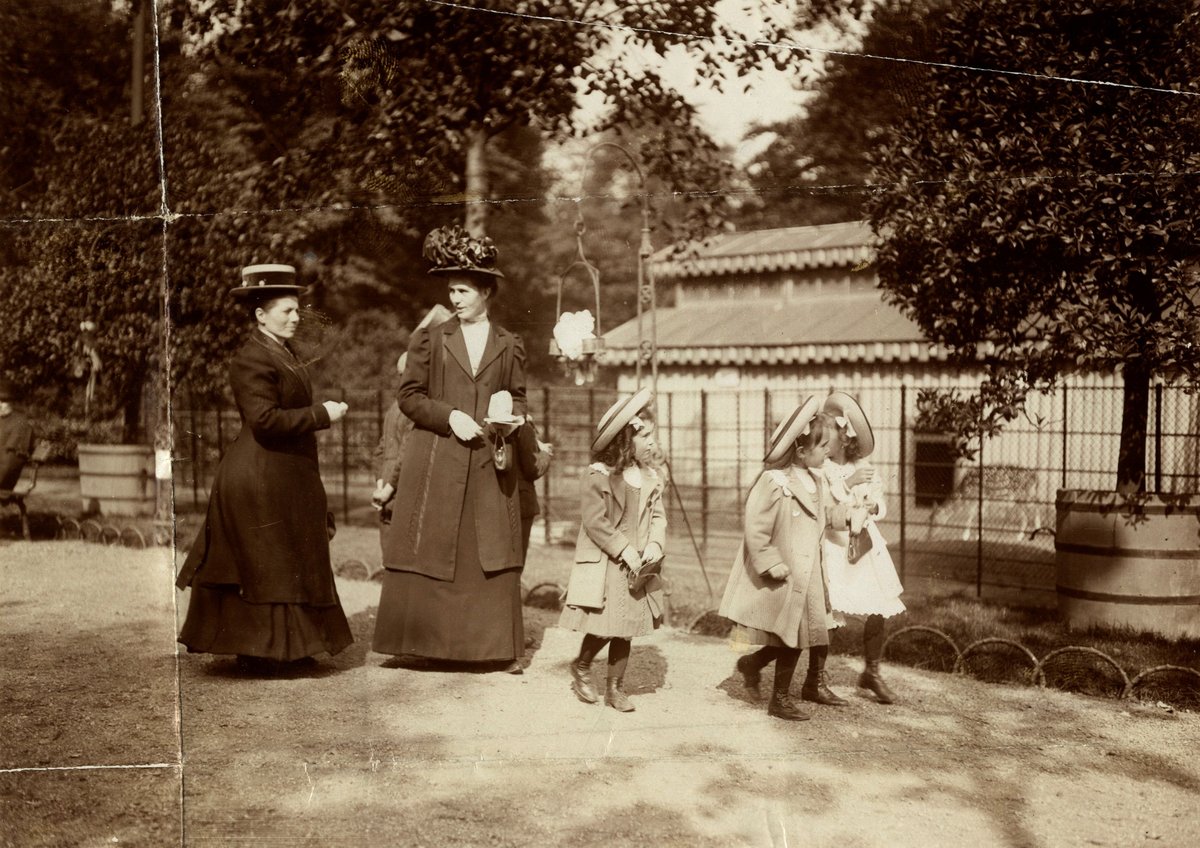
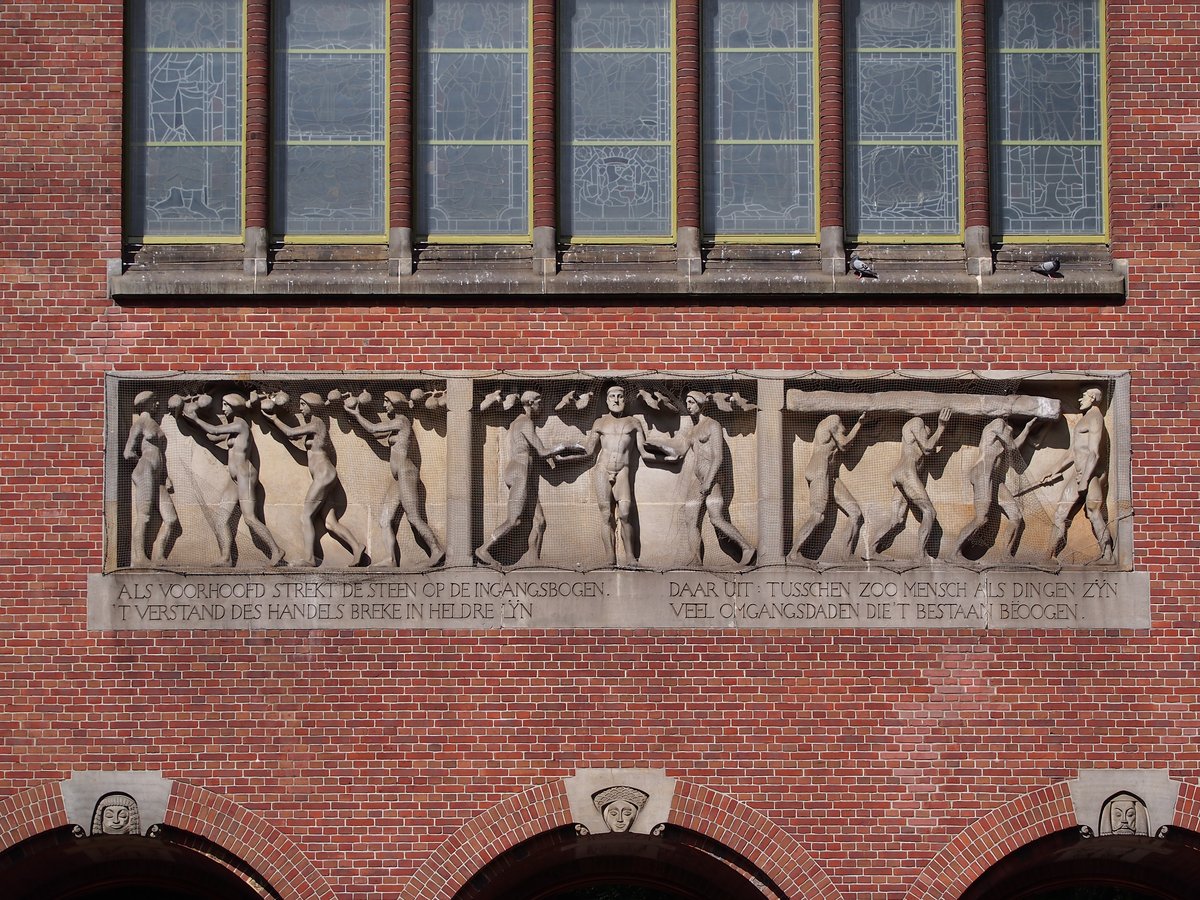
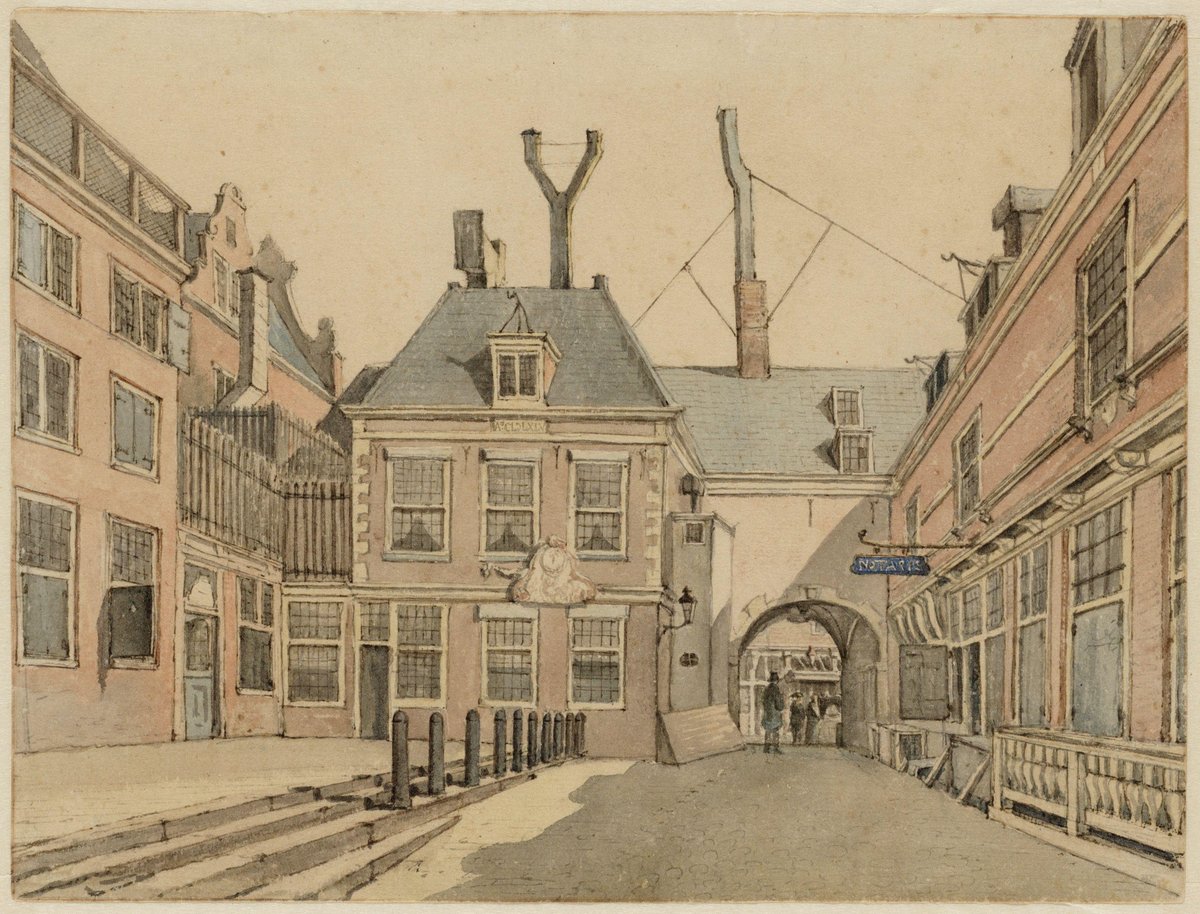
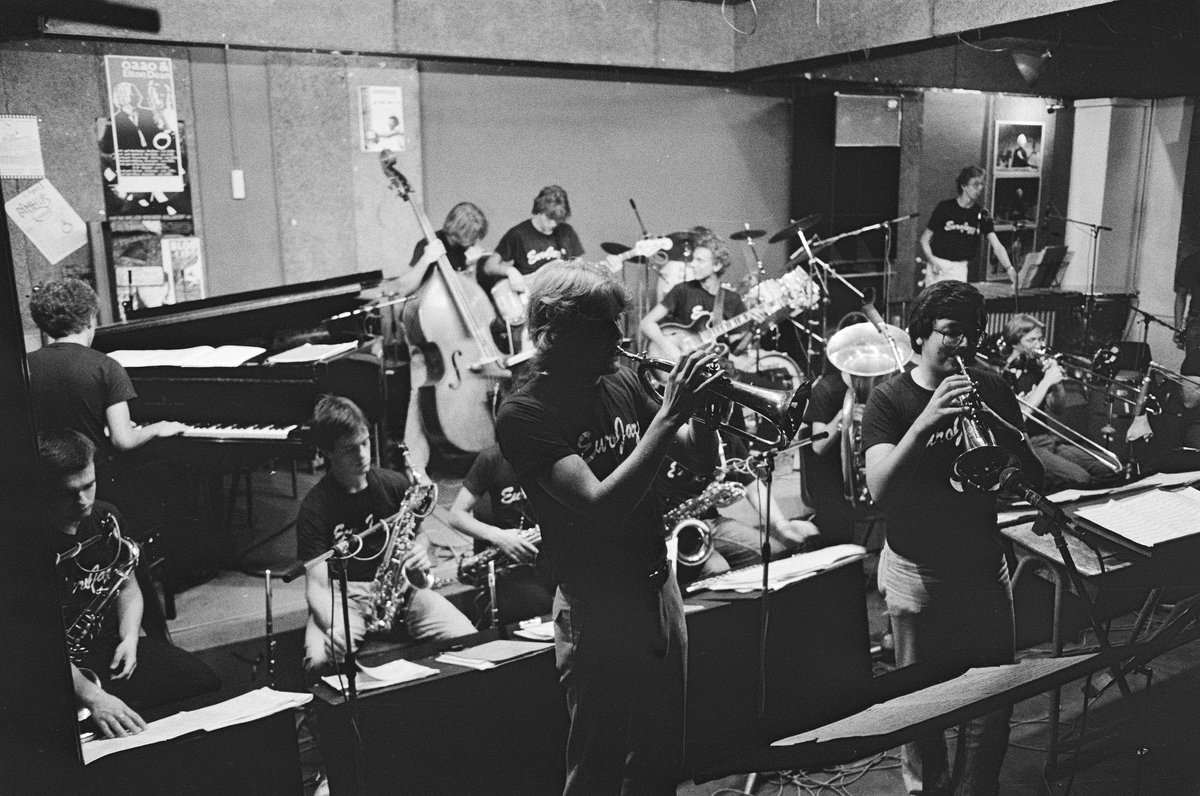
Photo Gallery
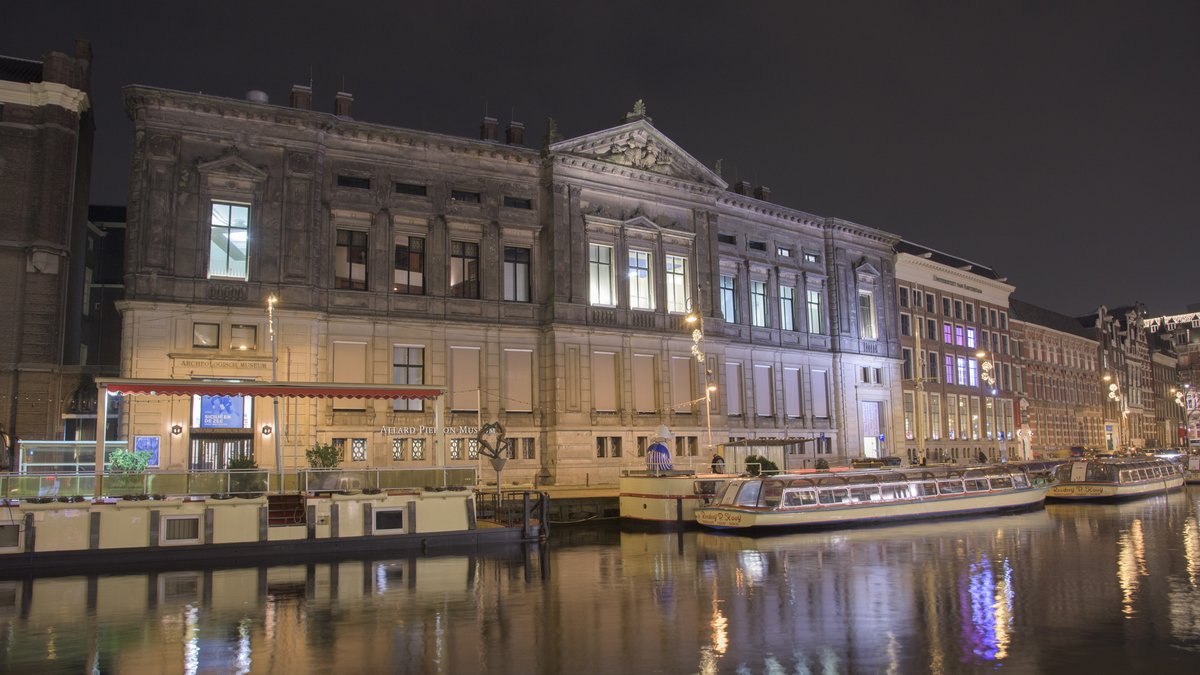
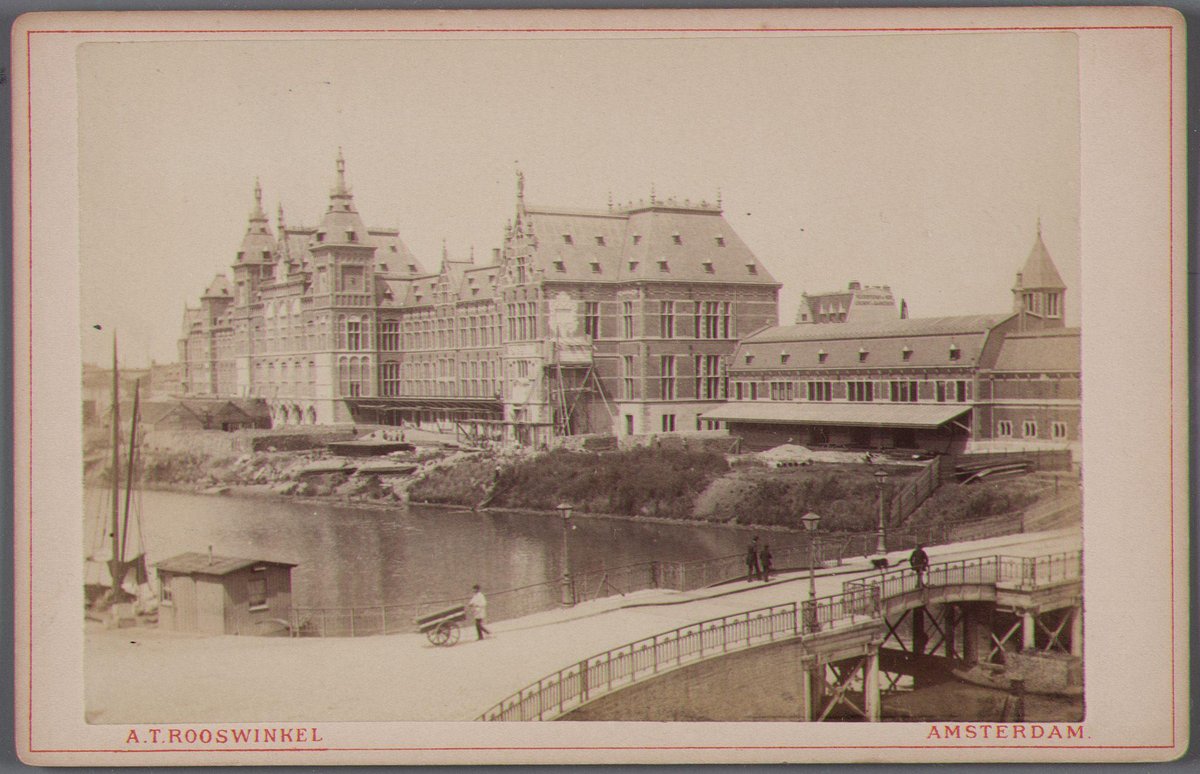
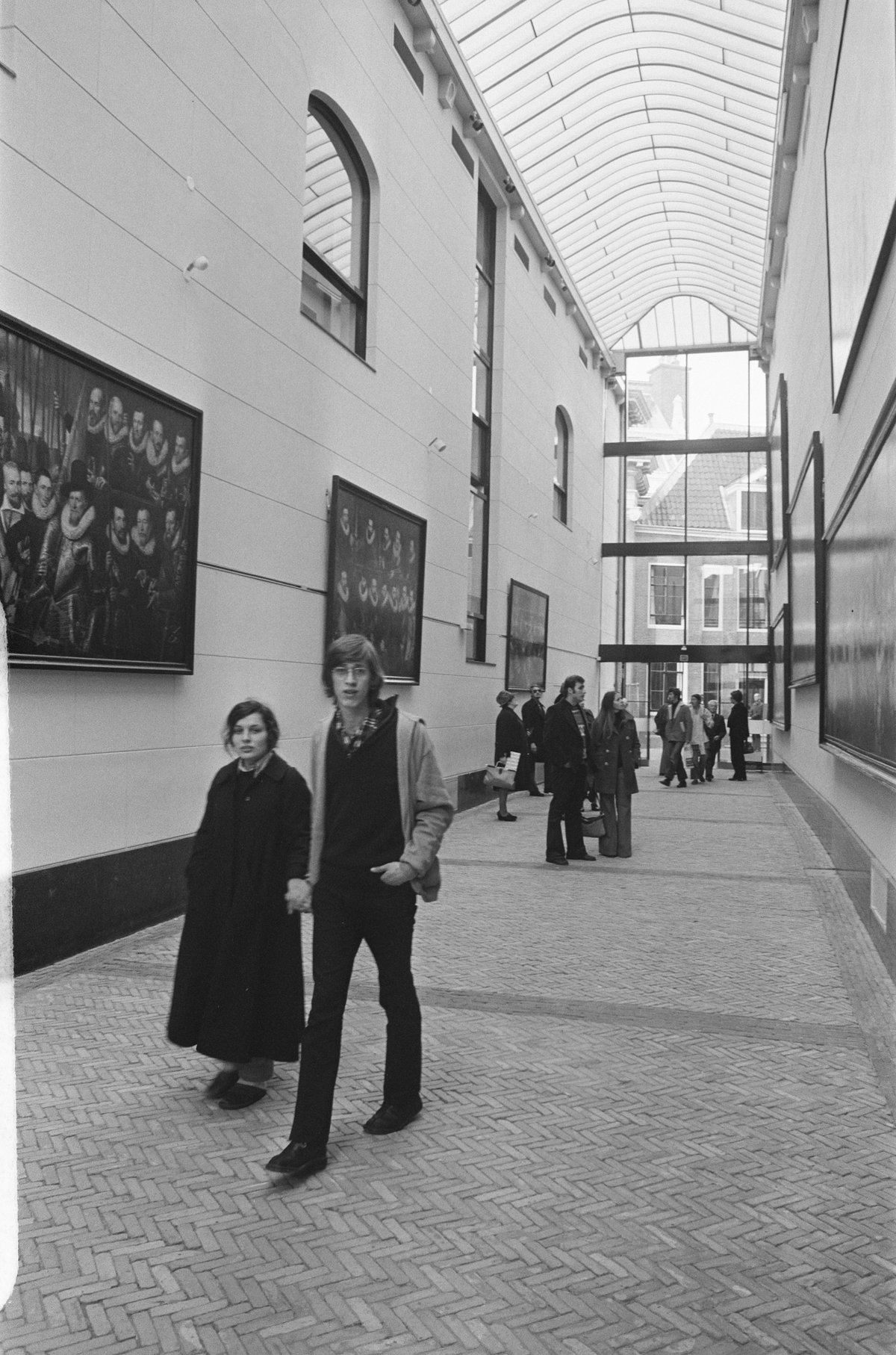
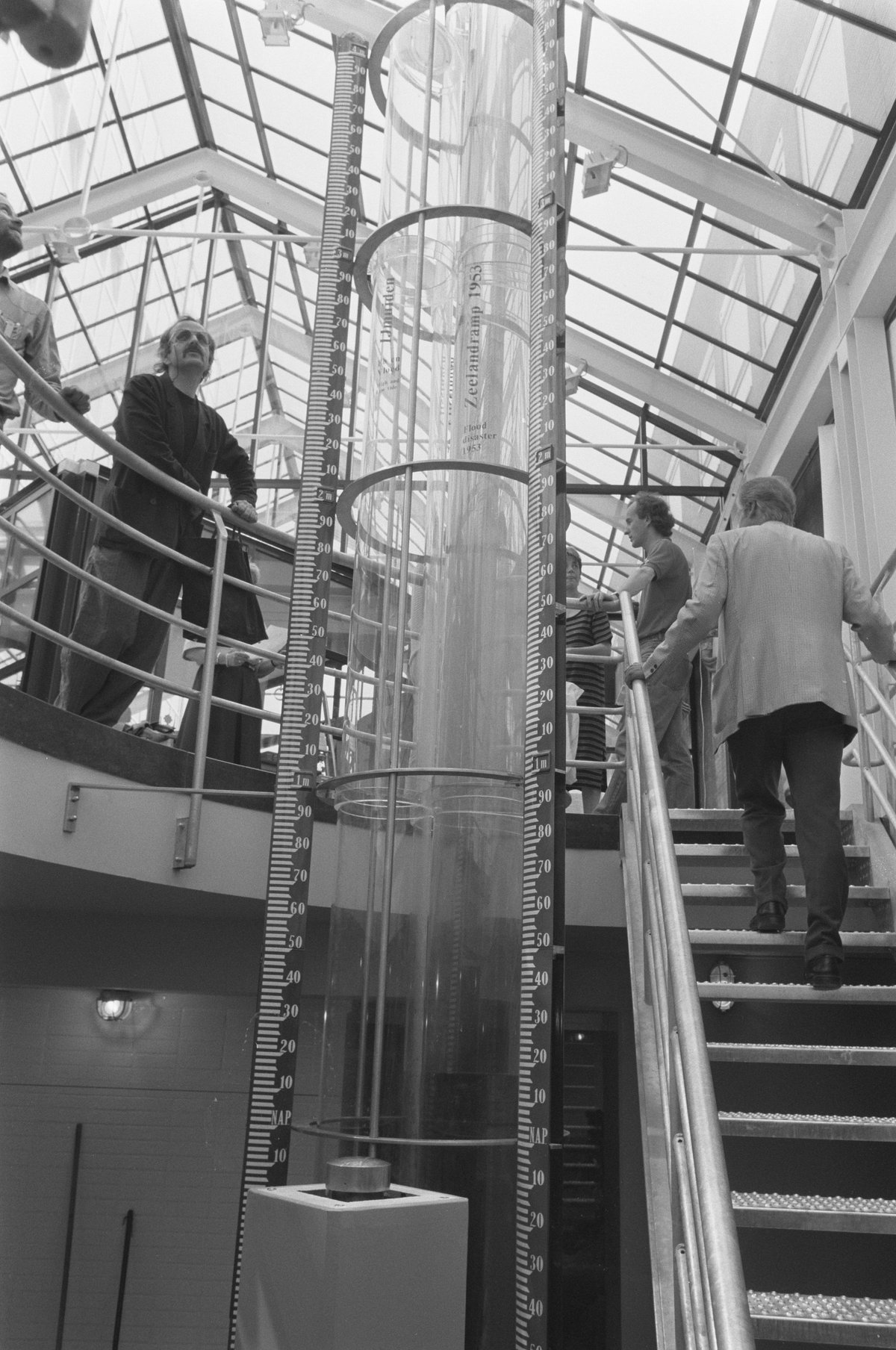
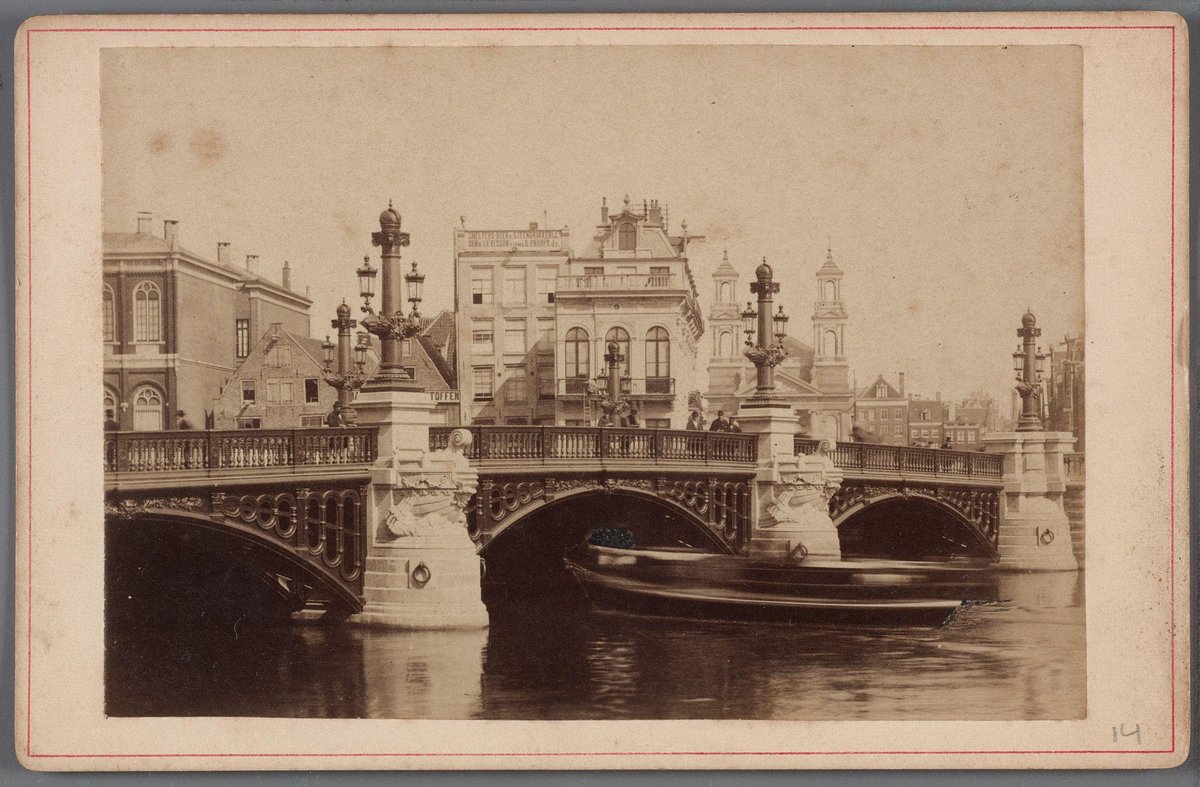
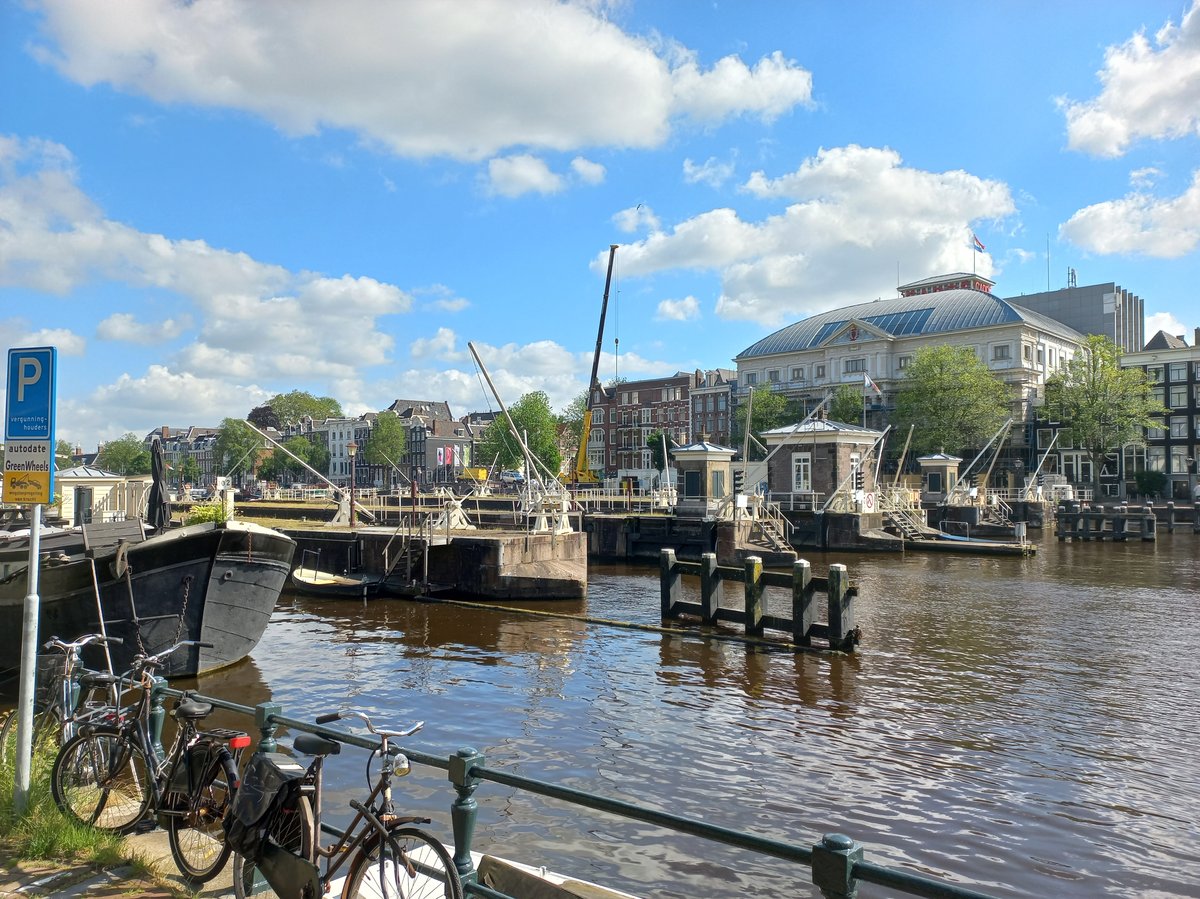
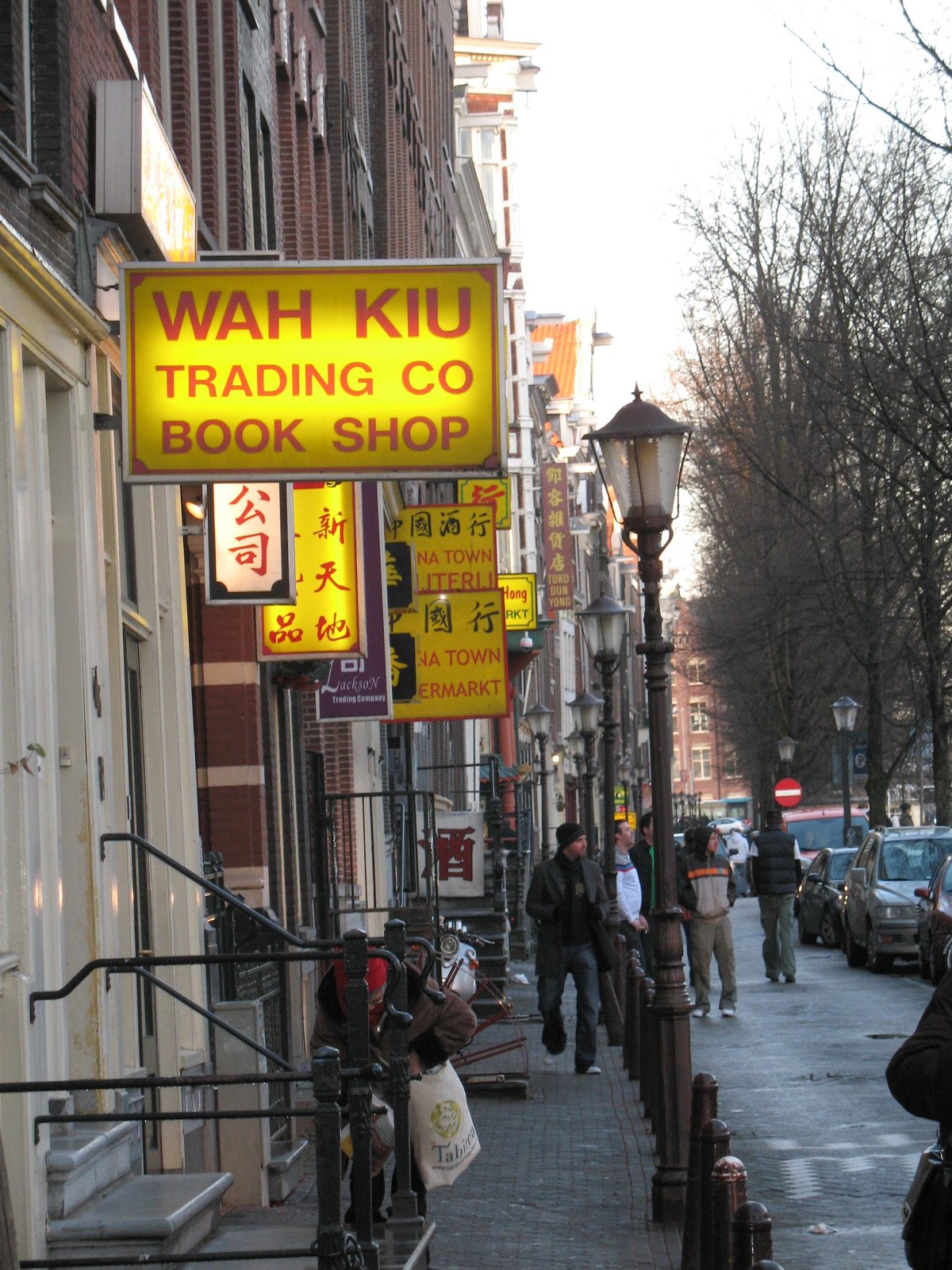
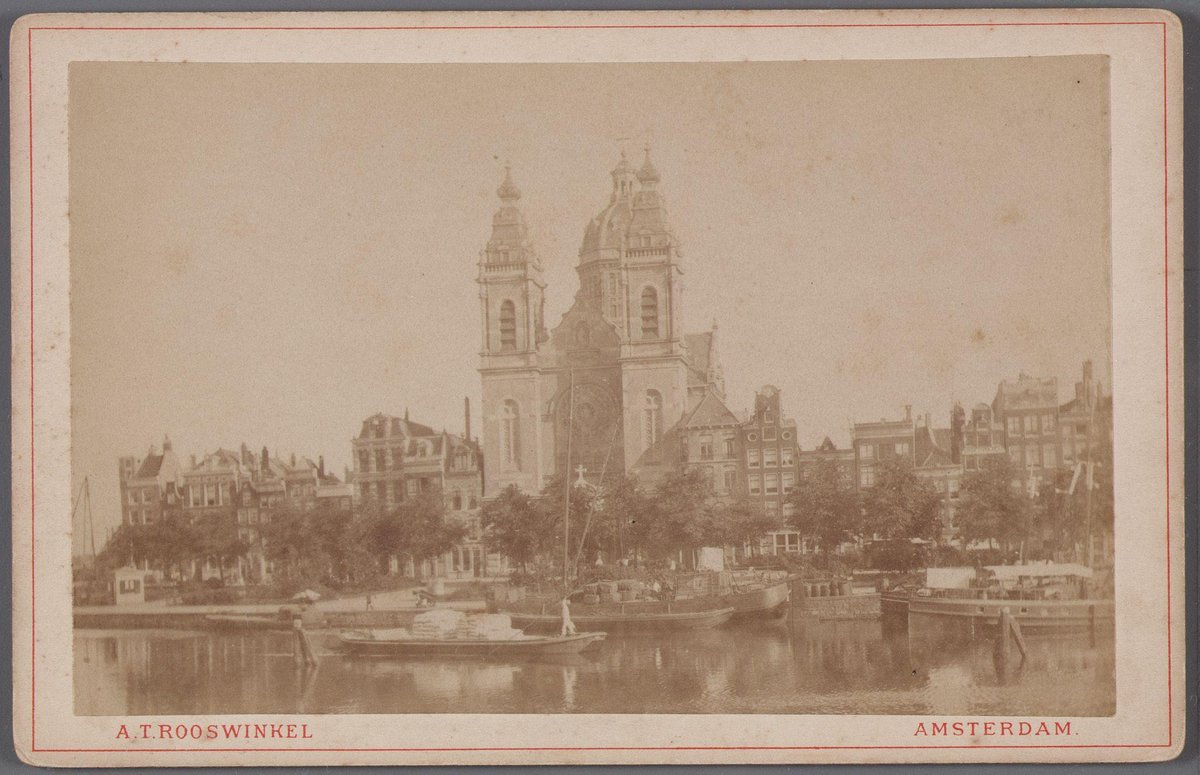
Explore Zuidplein in Pictures
Seventeenth-Century Foundations and Amsterdam’s Expansion
The foundation of Zuidplein is deeply connected to Amsterdam’s explosive growth during the Dutch Golden Age. Between 1585 and 1663, the city’s built-up area expanded more than fivefold, driven by economic growth and innovative urban planning (Sapiens Travel). Iconic features like the Grachtengordel (canal ring) were established during this time, serving as models for later developments, including the southern areas that would become Zuidplein.
Urban expansion during this period was marked by balancing idealistic planning with the practical challenges of water management and soil conditions (Academia.edu). This pragmatic approach laid the groundwork for Amsterdam’s enduring commitment to functional and inclusive urban spaces.
Twentieth-Century Urban Planning and the Emergence of Zuidplein
The twentieth century brought modernist visions to Amsterdam’s cityscape. Planners sought to decentralize the city and relieve congestion in the historic core by developing new districts along radial roads, including the area now known as Zuidplein (Academia.edu). These plans emphasized accessibility, open public spaces, and a harmonious relationship with nature.
Zuidplein was conceived as a functional and accessible space, reflecting the city’s focus on creating modern environments suitable for a growing and increasingly diverse population.
Post-War Development and the Garden City Movement
After World War II, Amsterdam faced the challenge of providing housing for a rapidly expanding population. Inspired by the Garden City movement, new neighborhoods—including Zuidplein—were developed with light, air, green space, and community well-being in mind (Thoth.nl). This period marked a shift toward more open, spacious urban layouts that remain characteristic of Zuidplein today.
Zuidplein’s Integration with Modern Amsterdam
Zuidplein’s development has always been closely linked to broader city initiatives focused on heritage preservation, adaptive reuse, and the expansion of public transport (Medium). It serves as a connector between the historic center and the contemporary Zuidas business district, with easy access to major cultural institutions and parks.
The square’s design reflects Amsterdam’s values of sustainability and inclusivity, featuring green spaces, pedestrian-friendly layouts, and accessible public amenities.
Architectural and Social Importance
Zuidplein is characterized by its blend of modernist and contemporary architecture, public art installations, and landscaped gardens. These features create a dynamic environment that encourages social interaction and cultural exchange. The square regularly hosts events, markets, and performances, reinforcing its role as a vital gathering point for locals and visitors.
Urban Renewal and Sustainability
Recent decades have seen Zuidplein benefit from significant urban renewal, including sustainable upgrades to infrastructure, mixed-use developments, and improved public spaces (Medium). These initiatives exemplify Amsterdam’s vision for a resilient, livable city that can adapt to changing needs while prioritizing environmental responsibility.
Connectivity and Accessibility
Zuidplein’s centrality is enhanced by its excellent transport connections. The square is served by trains, trams, buses, and metro lines at Amsterdam Zuid station, making it one of the most accessible locations in the city (Amsterdam.info). Cycling is also encouraged, with dedicated bike lanes and ample parking.
The area is designed to accommodate visitors of all abilities, with smooth pathways, ramps, tactile guidance, and accessible restrooms.
Visiting Zuidplein: Hours, Tickets, and Tours
- Hours: Zuidplein is open 24 hours a day, year-round.
- Tickets: No ticket is required to enter the square. Some events or guided tours may charge a fee; check official sources for details.
- Tours: Guided walking and cycling tours are available, focusing on architecture, history, and urban development. Advance booking is recommended.
- Accessibility: Step-free access, tactile paving, accessible toilets, and elevators are standard. Public transport serving Zuidplein is also fully accessible (I amsterdam: Accessibility).
Nearby Attractions and Photographic Highlights
- Rijksmuseum, Van Gogh Museum, and Stedelijk Museum: Located at Museumplein, a short tram ride from Zuidplein, these world-class institutions are must-visits.
- Vondelpark: Amsterdam’s largest city park, ideal for relaxation and outdoor activities.
- Beatrixpark: A tranquil green space within walking distance.
- Amstel River: Offers scenic routes for walking and cycling.
Photographers will appreciate Zuidplein’s architectural contrasts, public art, and vibrant street life.
Special Events and Culture
Zuidplein regularly hosts outdoor markets, art installations, concerts, and local festivals. Check Iamsterdam or Zuidplein events for current listings.
Tips for Visiting Zuidplein
- Best Time: Spring and summer offer the best weather and more frequent events.
- Getting There: Use public transport for convenience, especially during construction or busy periods.
- Amenities: Cafes, restrooms, ATMs, and free Wi-Fi are available nearby.
- Safety: The area is safe, but be mindful of pickpockets in crowded spots (Amsterdam.info).
- Payment: Cards and contactless payments are widely accepted; carry some coins for small purchases (Happy to Wander).
- Cycling: Use dedicated bike lanes and park in authorized areas.
St. Bavo Church at Zuidplein: A Historical Gem
History and Significance
St. Bavo Church, named after Saint Bavo of Ghent, is a striking neo-Gothic structure in Amsterdam Zuid, renowned for its stained glass, woodwork, and prominent spire. It serves as a center for worship, culture, and community events, reflecting the area’s diverse heritage.
Visiting Hours and Tickets
- Hours: Monday–Saturday: 10:00–17:00; Sunday: 12:00–16:00
- Admission: Free; donations welcome.
- Guided Tours: €10 per person, available in English and Dutch. Book online or on-site (St. Bavo Church Official Website).
Accessibility
The church offers step-free access, ramps, accessible restrooms, and assistance by request.
Highlights and Photography
Marvel at the stained glass windows and, during special openings, climb the bell tower for panoramic city views. Photography is permitted except during services.
Getting There & Nearby Attractions
- Transport: Easily reached by tram, bus, or bicycle from Zuidplein.
- Nearby: Museumplein, Beatrixpark, and Zuidas business district.
Responsible Tourism
Support local businesses, use sustainable transport, and respect church etiquette during your visit.
Practical Details
- Access: Zuidplein is always open; individual business hours vary.
- Transport: Amsterdam Zuid station is the main hub.
- Parking: Limited; public transport is preferable.
- Facilities: Public restrooms, ATMs, luggage storage, and bike parking are available.
FAQ
Is Zuidplein open and free to visit?
Yes, the square is open 24/7 with free public access.
How do I get there?
Take a train, tram, metro, or bus to Amsterdam Zuid station.
Is Zuidplein accessible for disabled visitors?
Yes, the area and public transport are fully accessible.
Are there events at Zuidplein?
Yes, from markets to concerts—see official event calendars for details.
Where can I park?
Parking is limited; use public transport where possible.
Visual Highlights


Listen to the full story in the app
Your Personal Curator, in Your Pocket.
Audio guides for 1,100+ cities across 96 countries. History, stories, and local insight — offline ready.
Audiala App
Available on iOS & Android
Join 50k+ Curators
Sources
- verified
- verified
- verified
- verified
- verified
- verified
- verified
-
verified
Visiting the St
Bavo Church in Amsterdam Zuidplein, 2025, St. Bavo Church Official Website
Last reviewed: