Introduction
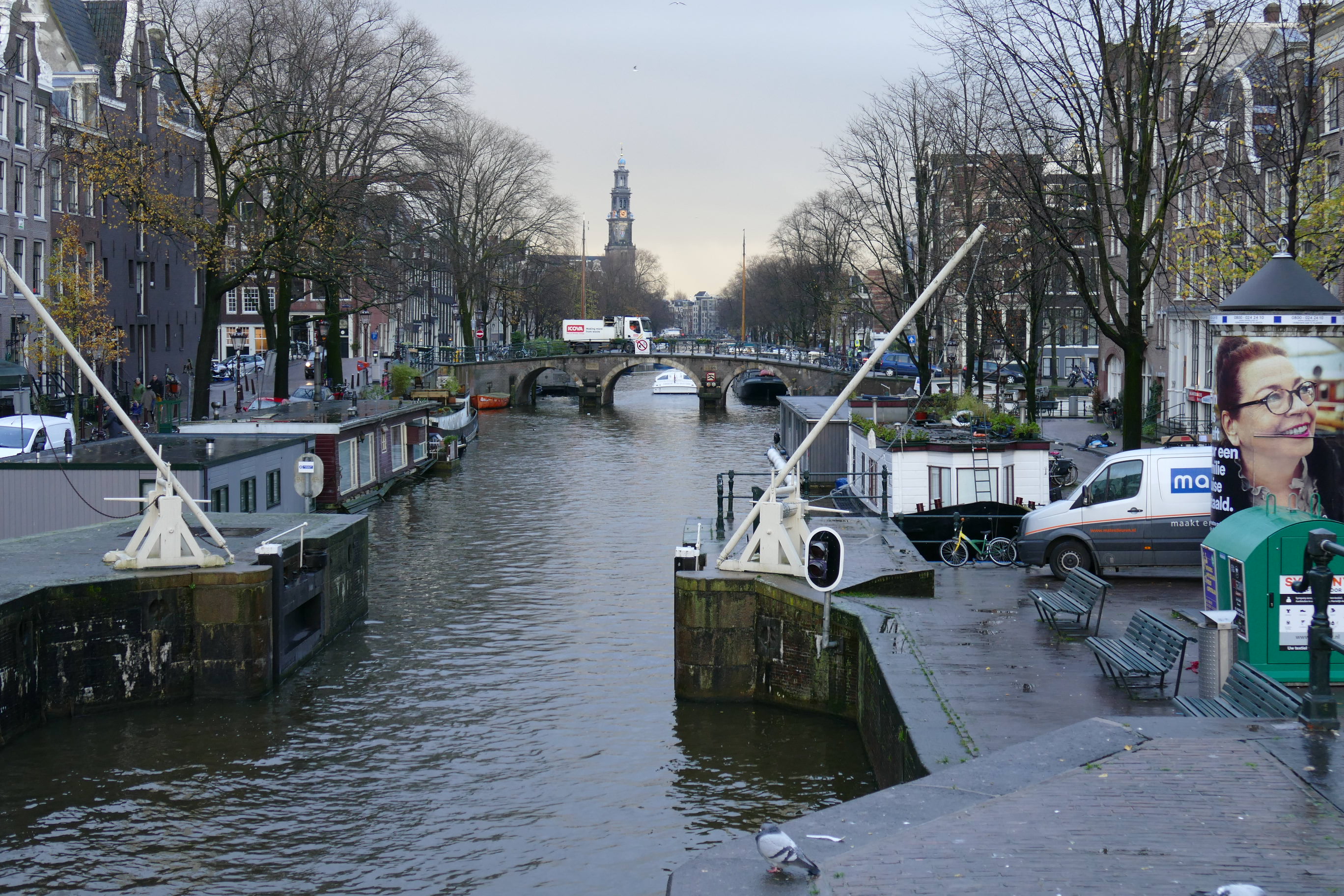
Nestled in the heart of Amsterdam’s historic canal belt, the Westerkerk is an enduring emblem of Dutch cultural heritage, religious transformation, and architectural splendor. Constructed between 1620 and 1631 during the Dutch Golden Age, this Protestant church, designed by architect Hendrick de Keyser and completed by his son Pieter, remains the largest church in the Netherlands built specifically for Protestant worship. Its striking Dutch Renaissance design, crowned by the imposing Westertoren, not only shapes the Amsterdam skyline but also symbolizes the city’s embrace of religious tolerance and prosperity (Wikipedia: Westerkerk; AmsterdamCityCard).
Westerkerk’s close proximity to the Anne Frank House and its role as Rembrandt van Rijn’s final resting place endow it with profound cultural and artistic significance. Its vibrant musical tradition, accessibility, and welcoming attitude toward visitors make it a cornerstone of Amsterdam’s civic and spiritual life. This comprehensive guide offers essential details on visiting hours, tickets, accessibility, guided tours, and tips for making the most of your visit, along with the church’s historical context and cultural resonance (Westerkerk Official Website; I amsterdam).
Origins and Construction
Westerkerk (“Western Church”) was erected during a period of rapid urban expansion and religious change in Amsterdam. Construction began in 1620, with the church completed and inaugurated in 1631. Unlike the city’s older churches that were repurposed for Protestant use, Westerkerk was purpose-built for the Dutch Reformed Church, reflecting the city’s growing Protestant identity following the Reformation (Wikipedia: Westerkerk).
The church is positioned between the Prinsengracht and Keizersgracht canals, at the edge of the Jordaan district. Its location in the expanding canal district underscored Amsterdam’s rising economic and social prominence during the 17th century (Wikipedia: Westerkerk).
Architectural Significance
Westerkerk is a quintessential example of Dutch Renaissance architecture. Designed by Hendrick de Keyser, the church features a restrained yet grand aesthetic, with a 58-meter-long nave, 29-meter width, and a unique patriarchal cross floor plan formed by two Greek crosses. The exterior’s red brick and sandstone are accented by tall, rectangular windows, filling the interior with natural light (AmsterdamCityCard; myamsterdampass.com).
The harmonious proportions and understated ornamentation reflect Protestant ideals of simplicity and clarity, emphasizing the congregation’s unity and the central role of preaching. The church’s original main entrance on Westermarkt is now lost, but the existing entrance maintains the building’s inviting and dignified presence (AmsterdamCityCard).
The Westertoren: Amsterdam’s Tallest Church Tower
The Westertoren (Western Tower) is the most iconic feature of Westerkerk, soaring 85 meters (279 feet) above the city. Completed in 1638, its blue and gold spire is crowned with the Imperial Crown of Austria, a nod to Emperor Maximilian I and Amsterdam’s historical ties to the Holy Roman Empire (myamsterdampass.com). The tower remains a beloved city symbol, providing panoramic views of Amsterdam’s canals and rooftops from its observation deck. Access to the deck is limited to small groups, and advance booking is strongly recommended (introducingamsterdam.com).
The Westertoren also houses a carillon of 50 bells, chiming melodiously throughout the day, and a monumental clock that was a significant technological achievement in the 17th century (amsterdamcitycard.com). The bells, played live on Tuesdays, continue to be a cherished part of the Amsterdam soundscape.
The Organ and Musical Heritage
Reflecting Calvinist traditions, Westerkerk did not originally include an organ. In 1686, the grand Duyschot organ was installed by Roelof Barentszn Duyschot and later expanded by Christiaan Vater, a student of Arp Schnitger. This historic instrument remains the centerpiece of the church’s vibrant music program, featured in regular concerts and services (Wikipedia: Westerkerk; amsterdam.info).
Westerkerk’s exceptional acoustics make it a favored venue for classical music performances, including organ recitals, choral concerts, and special festivals such as “Geen dag zonder Bach” in August (westerkerk.nl).
Bells and Carillon
The Westertoren houses Amsterdam’s largest bell, cast by Assuerus Koster in 1636, weighing more than 7,500 kg and inscribed “VERBUM DOMINI MANET IN ETERNUM.” The carillon, with 51 bells, is played weekly by the city carillonneur (as of 2024, Boudewijn Zwart), with live performances every Tuesday from 12:00 to 13:00 (Wikipedia: Westerkerk; passport2amsterdam.com). The bells’ regular chimes and special recitals are a distinctive feature of the church’s identity.
Notable Historical Connections
Rembrandt’s Burial
Westerkerk is the final resting place of Rembrandt van Rijn, the master Dutch painter. Buried here in 1669, his exact grave location remains unknown, but a memorial inspired by “The Night Watch” was installed in 1909. Rembrandt’s lover Hendrickje Stoffels and son Titus are also buried here, and his birthday is celebrated annually with a special concert (Wikipedia: Westerkerk; myamsterdampass.com).
Anne Frank and the Church
The church’s proximity to the Anne Frank House is deeply significant. Anne frequently mentioned the Westertoren bells in her diary while in hiding, describing them as a source of comfort and hope. A statue of Anne Frank stands outside the church at Westermarkt, highlighting this poignant connection (Wikipedia: Westerkerk; Mike’s Travel Guide).
Royal Connections
Westerkerk hosted the wedding of Princess Beatrix and Prince Claus in 1966, an exception to the tradition of holding royal weddings in the Nieuwe Kerk due to renovations at the time (Wikipedia: Westerkerk).
Visiting Westerkerk: Hours, Tickets, and Access
Opening Hours
- Monday to Friday: 10:00 AM – 5:00 PM
- Saturday & Sunday: 11:00 AM – 5:00 PM
- Carillon Live Performance: Tuesdays, 12:00 PM – 1:00 PM
Hours may vary during holidays or special events; check the official website for updates.
Admission and Tickets
- General Admission: €7
- Reduced (students, seniors): €5
- Children under 12: Free
- Westertoren Tower Climb: Separate ticket required (typically €9 adults, €5 children; prices may vary). Advance booking is essential due to limited capacity (Mike’s Travel Guide).
Tickets can be purchased online at the Westerkerk Official Website or at the entrance.
Accessibility
- The main church is wheelchair accessible, with ramps and elevators available.
- The Westertoren climb is not accessible to visitors with limited mobility, as access is via a steep, narrow staircase (I amsterdam).
- Assistance for visitors with disabilities is available upon request.
Guided Tours and Special Events
- Guided Tours: Available daily in multiple languages, providing rich insights into the church’s history, architecture, and musical legacy.
- Concerts and Festivals: The church hosts regular organ and choral concerts, as well as festivals like the Canal Festival and “Geen dag zonder Bach.”
- Photography: Permitted inside the church except during services and concerts.
Events and Community Engagement
Westerkerk remains an active place of worship and community hub, hosting Dutch Reformed services and a variety of cultural events open to the public. The church is a venue for city festivals, classical music concerts, and community commemorations, reinforcing its role as a key player in Amsterdam’s civic life (passport2amsterdam.com; westerkerk.nl).
The grounds also feature important memorials, including the Homomonument and the Anne Frank statue, reflecting the church’s commitment to inclusivity and human rights (adequatetravel.com).
Travel Tips and Nearby Attractions
- Location: Prinsengracht 281, 1016 GW Amsterdam. In the Jordaan district, near the Anne Frank House and canal cruises (Klook).
- Getting There: Tram lines 13 and 17 (stop: Westermarkt) provide easy access. Walking and cycling are also convenient options.
- Best Times to Visit: Early mornings or late afternoons on weekdays are quieter. Book tower climb tickets in advance, especially during peak season (Solo Sophie).
- Amenities: No café onsite; many options available in the nearby Jordaan. Public restrooms are not available inside the church.
- Nearby Sights: Anne Frank House, Jordaan district, canal cruises, local markets, and boutique shops.
Frequently Asked Questions (FAQ)
Q: What are Westerkerk’s opening hours?
A: Monday to Friday, 10:00 AM–5:00 PM; weekends 11:00 AM–5:00 PM (hours may vary for events and holidays).
Q: How do I buy tickets?
A: Purchase tickets online at the official site or at the entrance. Westertoren climb tickets require advance booking.
Q: Is Westerkerk wheelchair accessible?
A: The main church is accessible; the tower climb is not suitable for visitors with mobility challenges.
Q: Are there guided tours?
A: Yes, daily guided tours are available in several languages.
Q: Can I climb the Westertoren?
A: Yes, when open. The climb involves steep stairs and is not recommended for those with limited mobility. Book in advance.
Q: Can I take photographs inside?
A: Photography is allowed except during services and concerts.
Visuals and Media Suggestions
-
Images:
- Exterior view: “Westerkerk Amsterdam exterior with iconic Westertoren tower”
- Interior: “Westerkerk Amsterdam interior Dutch Renaissance architecture”
- Organ: “Historic Duyschot organ inside Westerkerk Amsterdam”
- View from tower: “Panoramic view of Amsterdam from Westerkerk tower”
-
Maps and Virtual Tours:
- Embedded Google Map of Westerkerk location
- Official virtual tour
Listen to the full story in the app
Your Personal Curator, in Your Pocket.
Audio guides for 1,100+ cities across 96 countries. History, stories, and local insight — offline ready.
Audiala App
Available on iOS & Android
Join 50k+ Curators
Sources
- verified
- verified
- verified
- verified
- verified
- verified
Last reviewed:


