Introduction
Weesperplein, located in the vibrant heart of Amsterdam, stands as a living testament to the city’s rich historical tapestry, architectural evolution, and cultural diversity. Named after the former Weesperpoort city gate, the square bridges Amsterdam’s historic canal belt and its eastern neighborhoods. Today, Weesperplein is more than a bustling public square; it is a nexus of public transport, a crossroads of Jewish heritage, and a showcase of Amsterdam’s ongoing commitment to sustainability and inclusive urban design (Amsterdam Spotted; GVB).
Whether you’re a history buff, architecture enthusiast, or a traveler seeking easy access to Amsterdam’s renowned attractions, Weesperplein offers a window into the city’s evolving identity. This comprehensive guide covers everything you need to know about visiting Weesperplein: its history, cultural highlights, visitor information, travel tips, accessibility, and recommendations for making the most of your time in Amsterdam.
Photo Gallery
Explore Weesperplein in Pictures
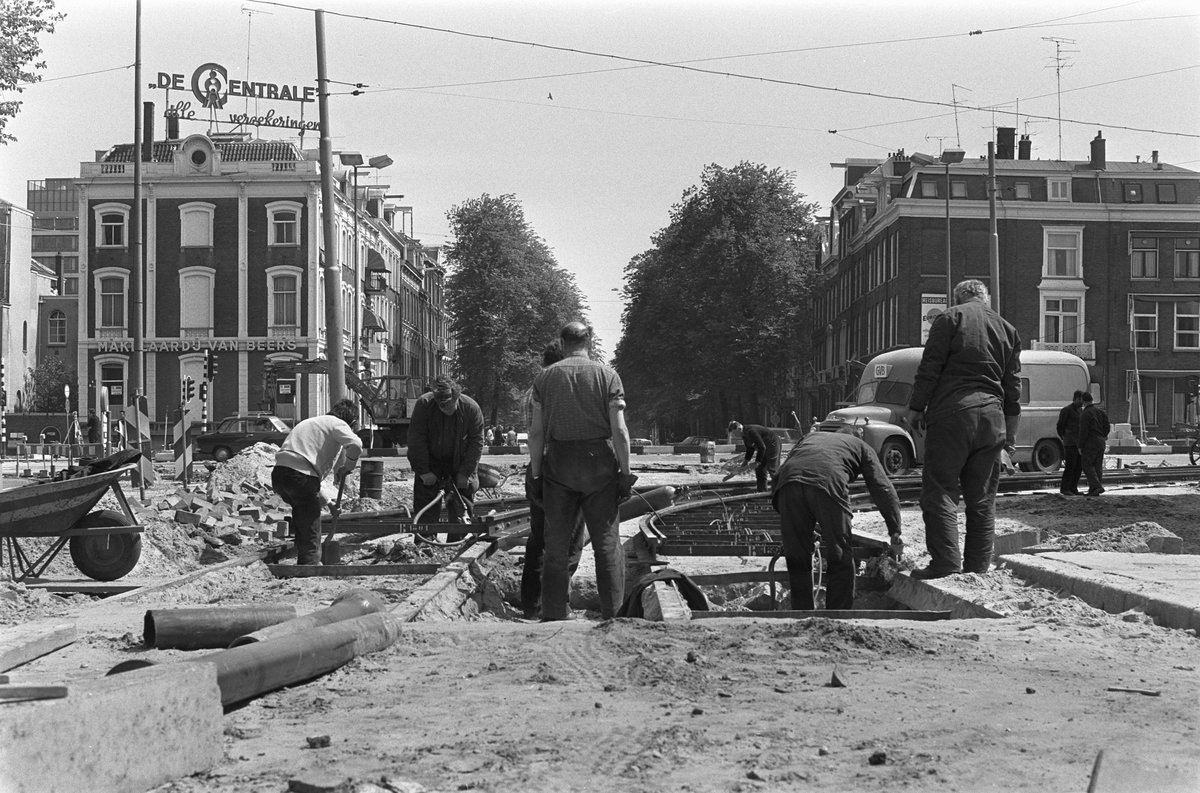
Black and white photo from 1972 showing construction workers installing tram rails for metro development in Wibautstraat, Amsterdam, capturing historical urban public transport infrastructure building activities.
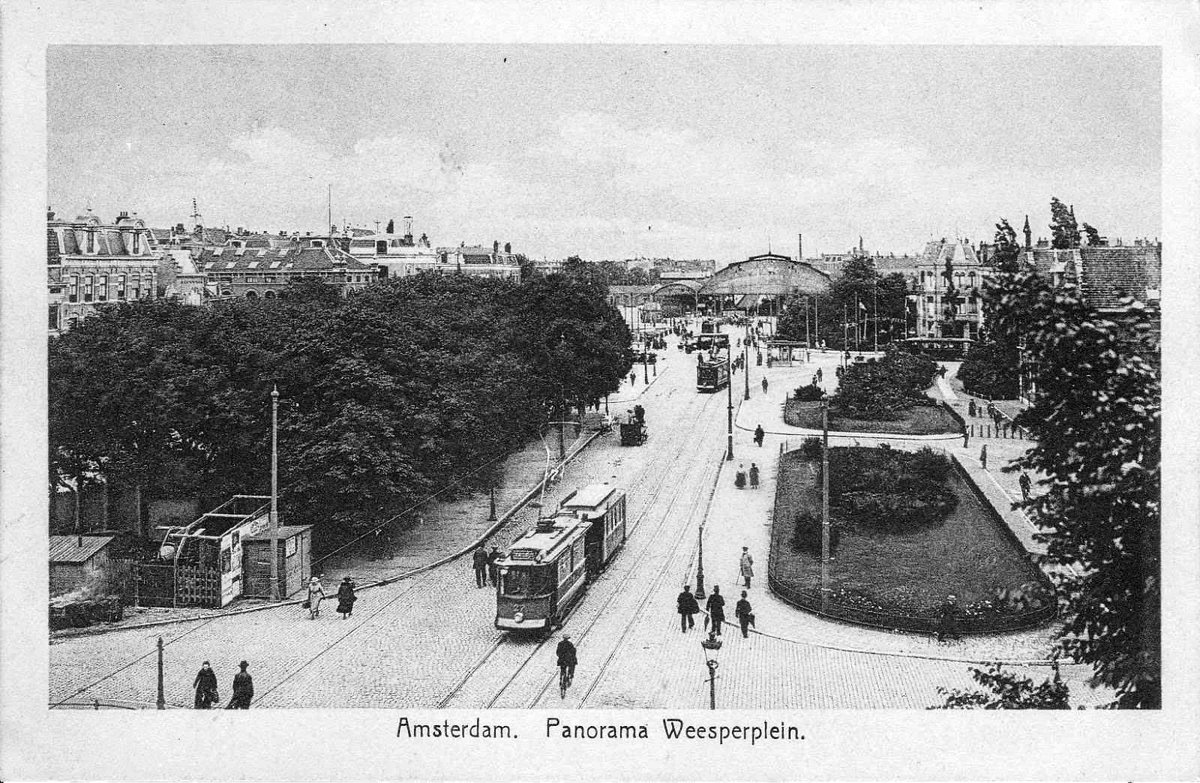
Historic panoramic photograph of Weesperplein in Amsterdam, taken between 1900 and 1914, showing early 20th century urban architecture and street layout.
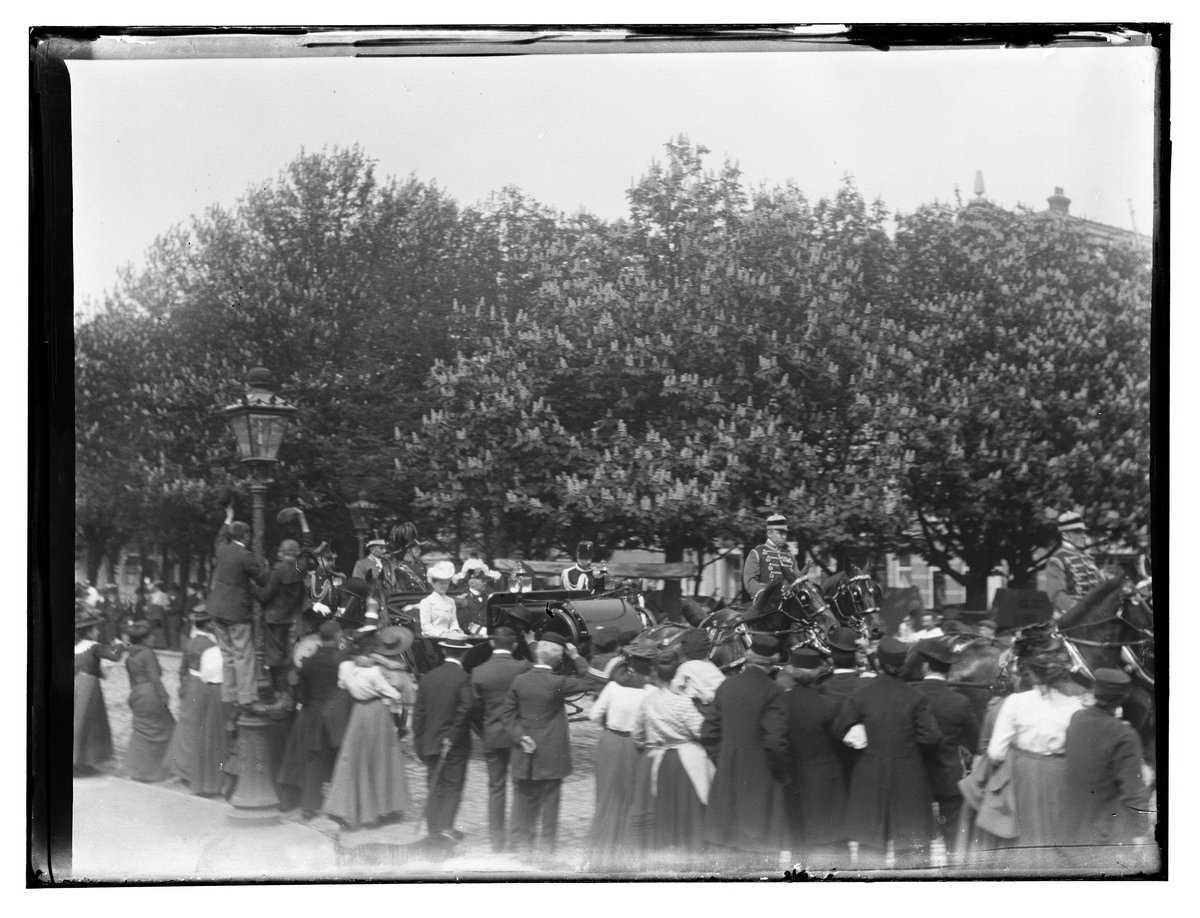
Historical photograph from 1903 showing the royal procession of Queen Wilhelmina and Prince Hendrik passing the Weesperplein in Amsterdam, captured by photographer Jacob Olie.
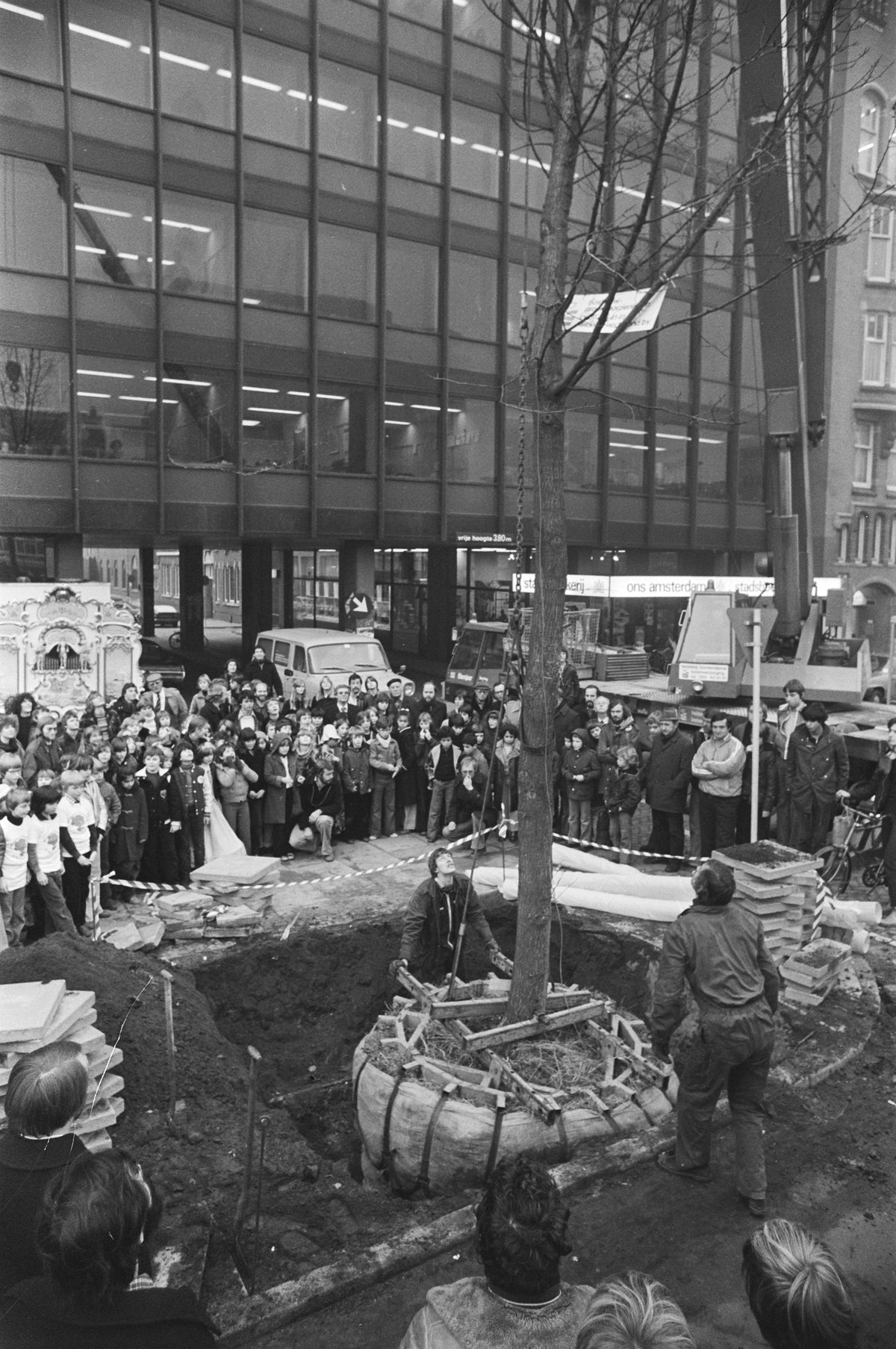
Black and white photo showing trees planted on Weesperplein square in Amsterdam after the completion of the metro, featuring the first tree on the square, dated December 20, 1977.
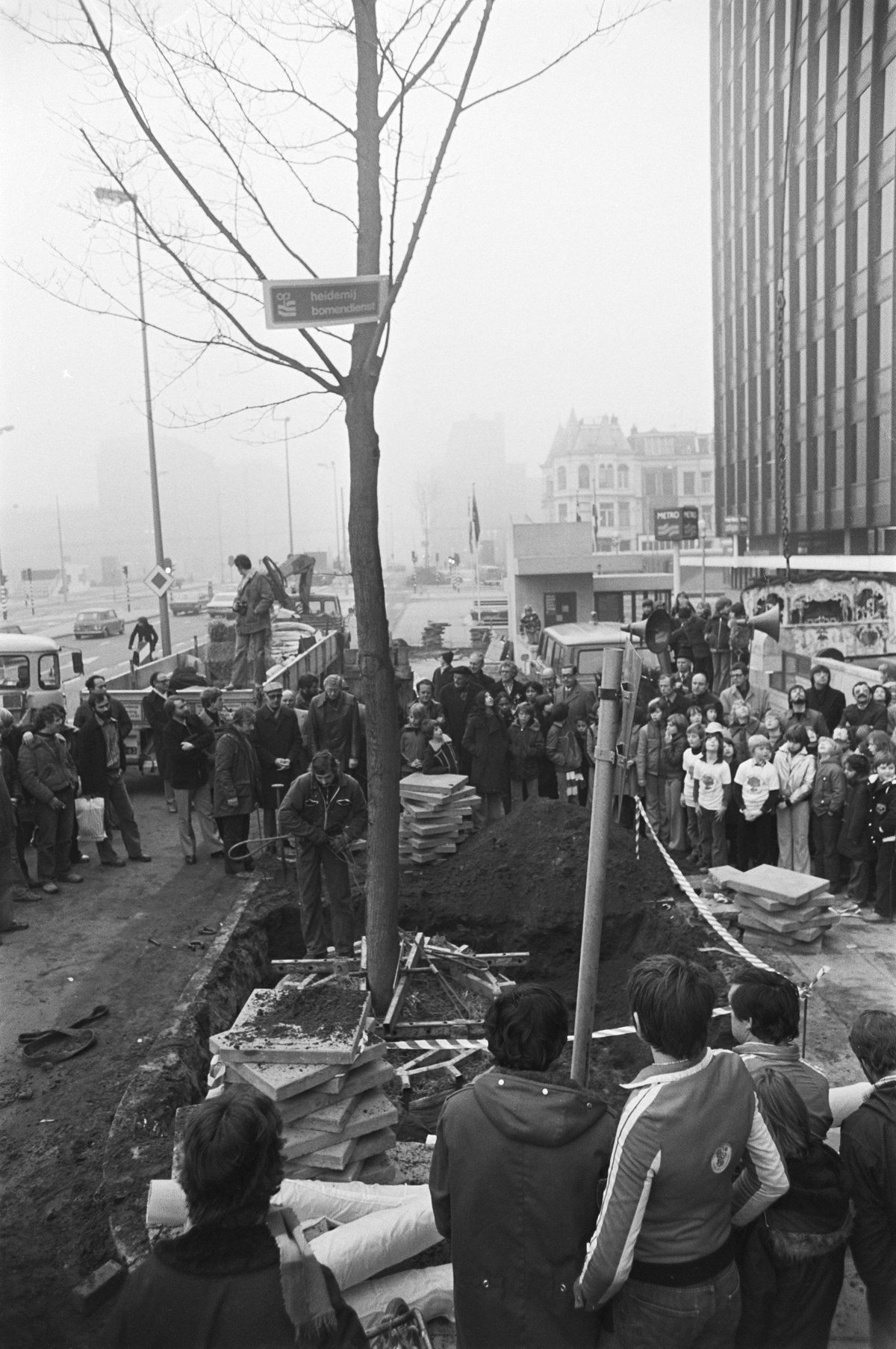
Black and white photo showing the first tree planted on Weesperplein in Amsterdam, marking the completion of metro construction on December 20, 1977. Photographed by Koen Suyk for Anefo, archived at the Nationaal Archief.
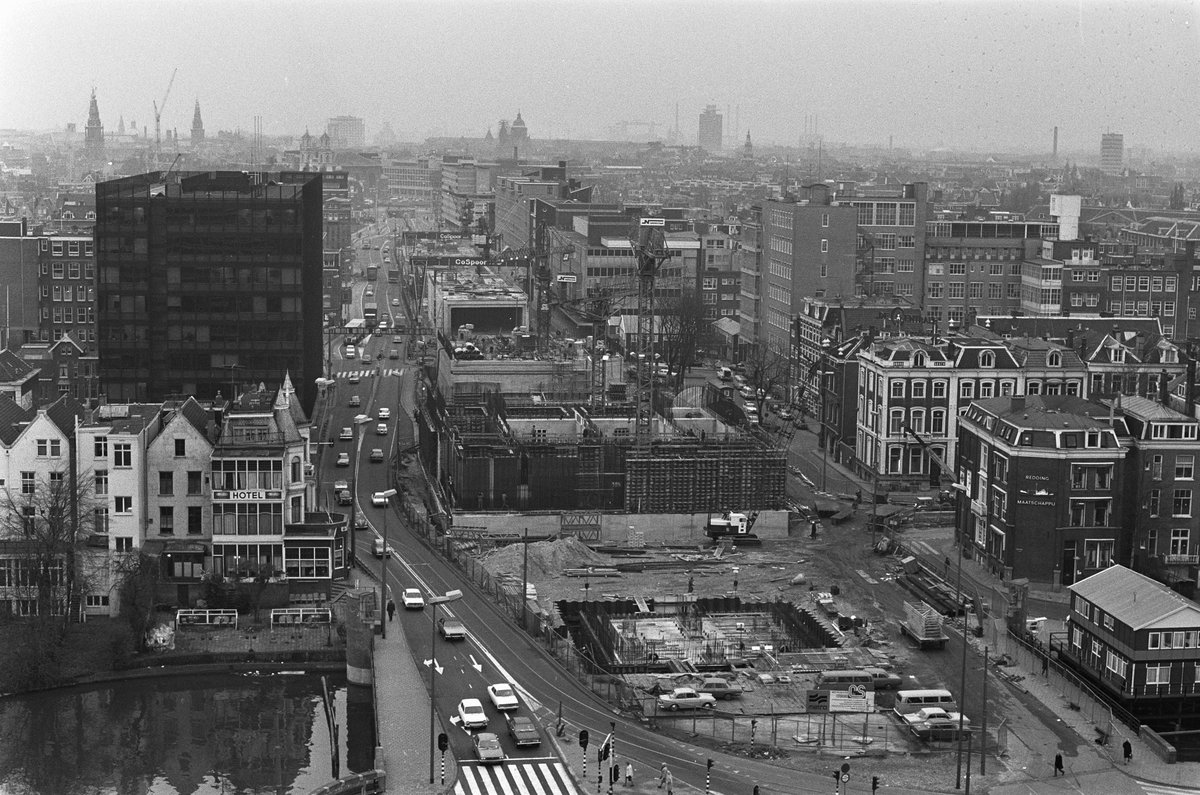
Black and white photograph showing the construction of the metro station at Weesperplein in Amsterdam, taken on January 11, 1973. Image depicts workers and construction site in the city street, part of the metro expansion project.
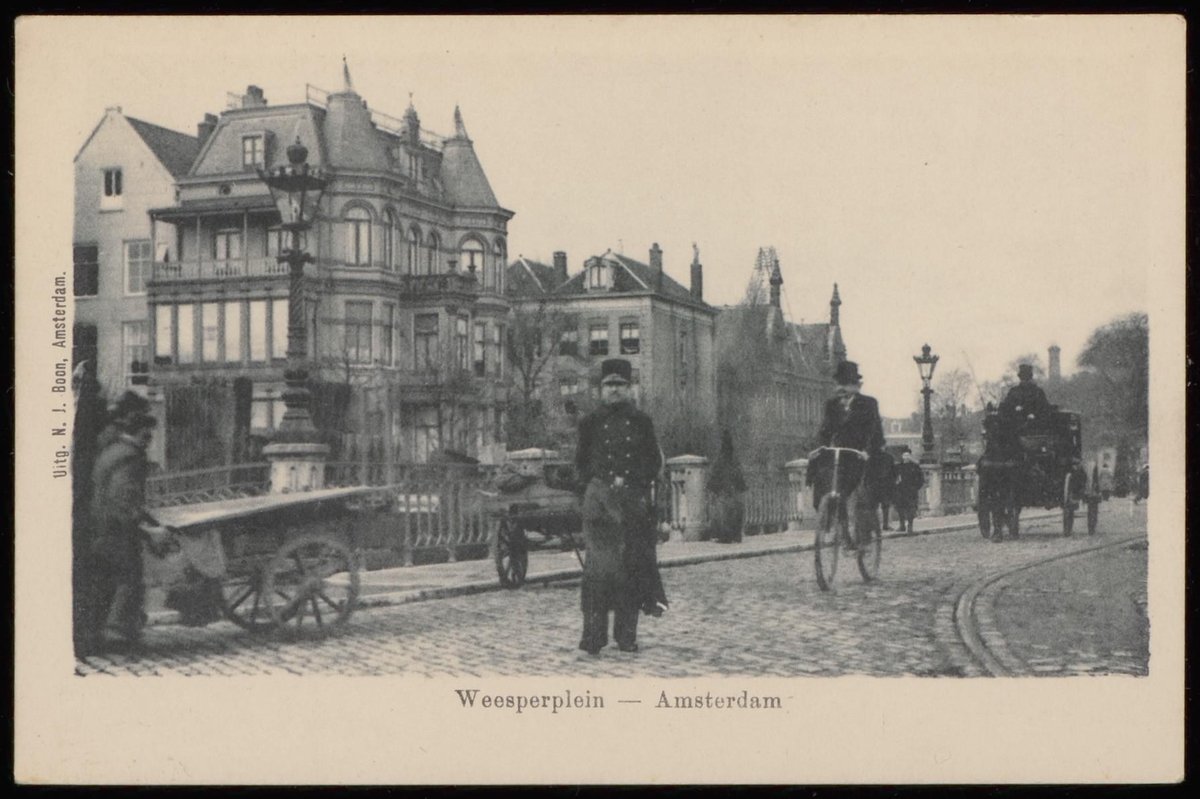
Historical postcard image depicting a bridge over the Singelgracht canal looking towards Weesperplein, with the rear side of Sarphatistraat visible on the left. Published by N.J. Boon in Amsterdam around 1900, part of the Stadsarchief Amsterdam postcard collection.
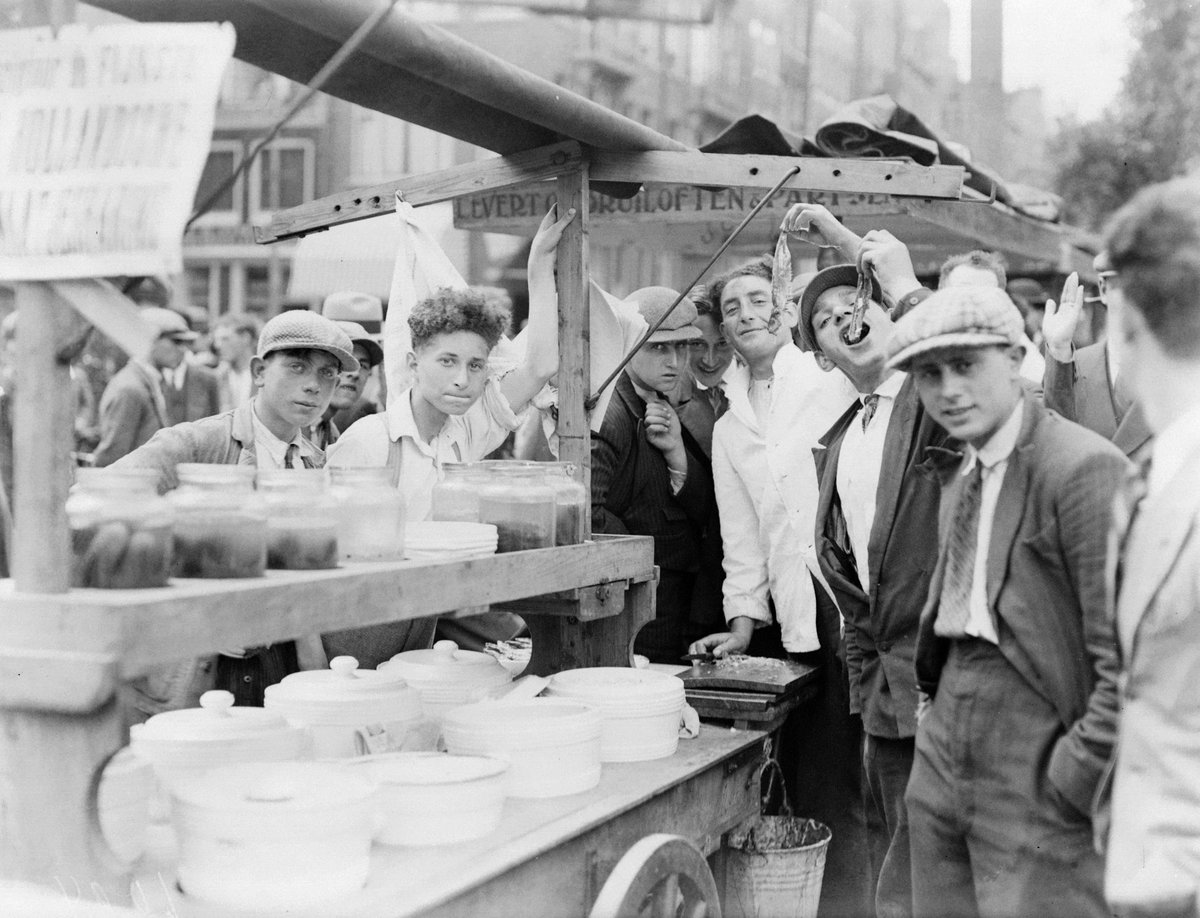
Black and white photo of a herring cart at the Weesperplein market in Amsterdam, taken in 1932 by photographer Willem van de Poll, part of the Van de Poll photo collection in the Nationaal Archief.
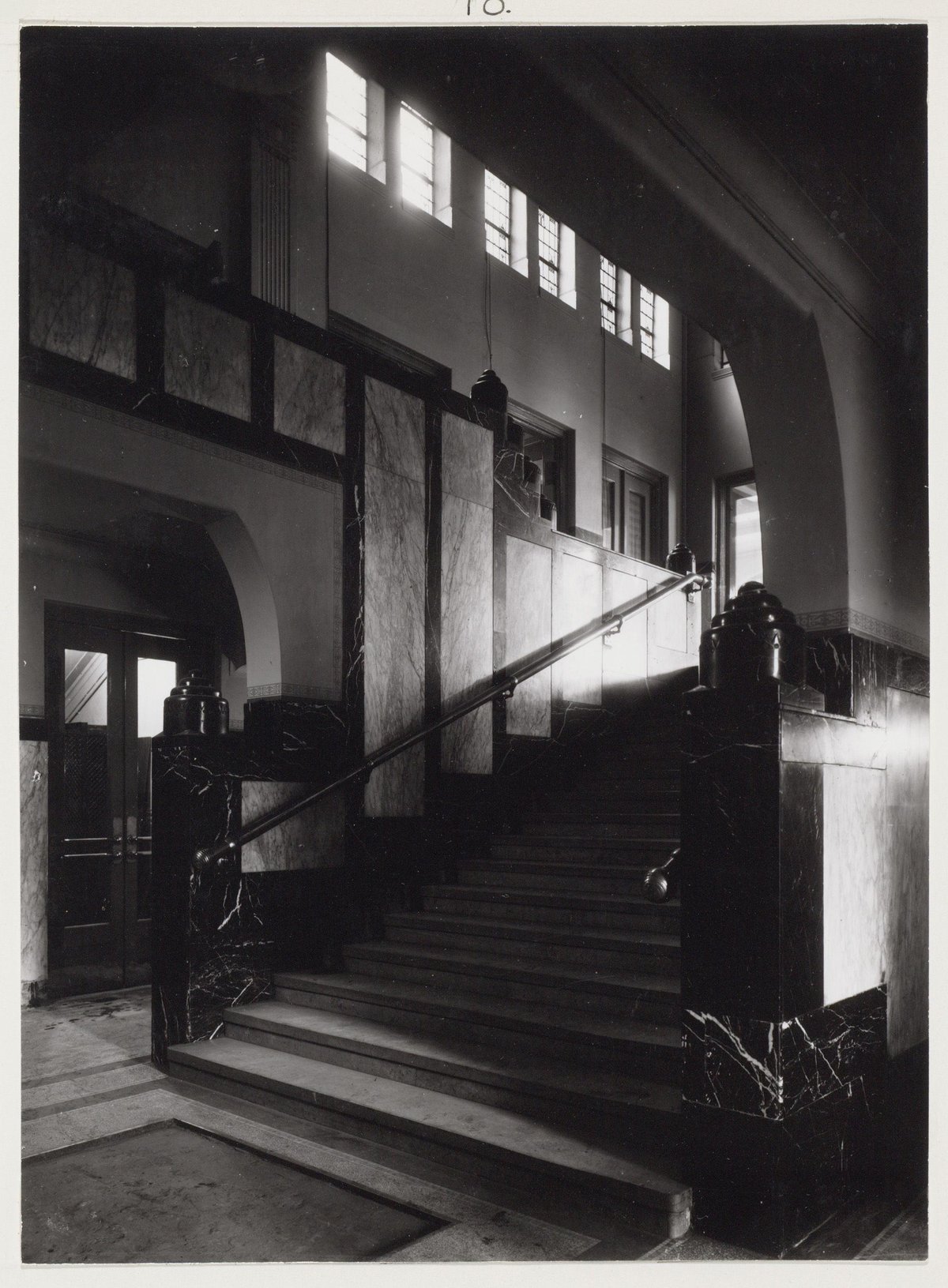
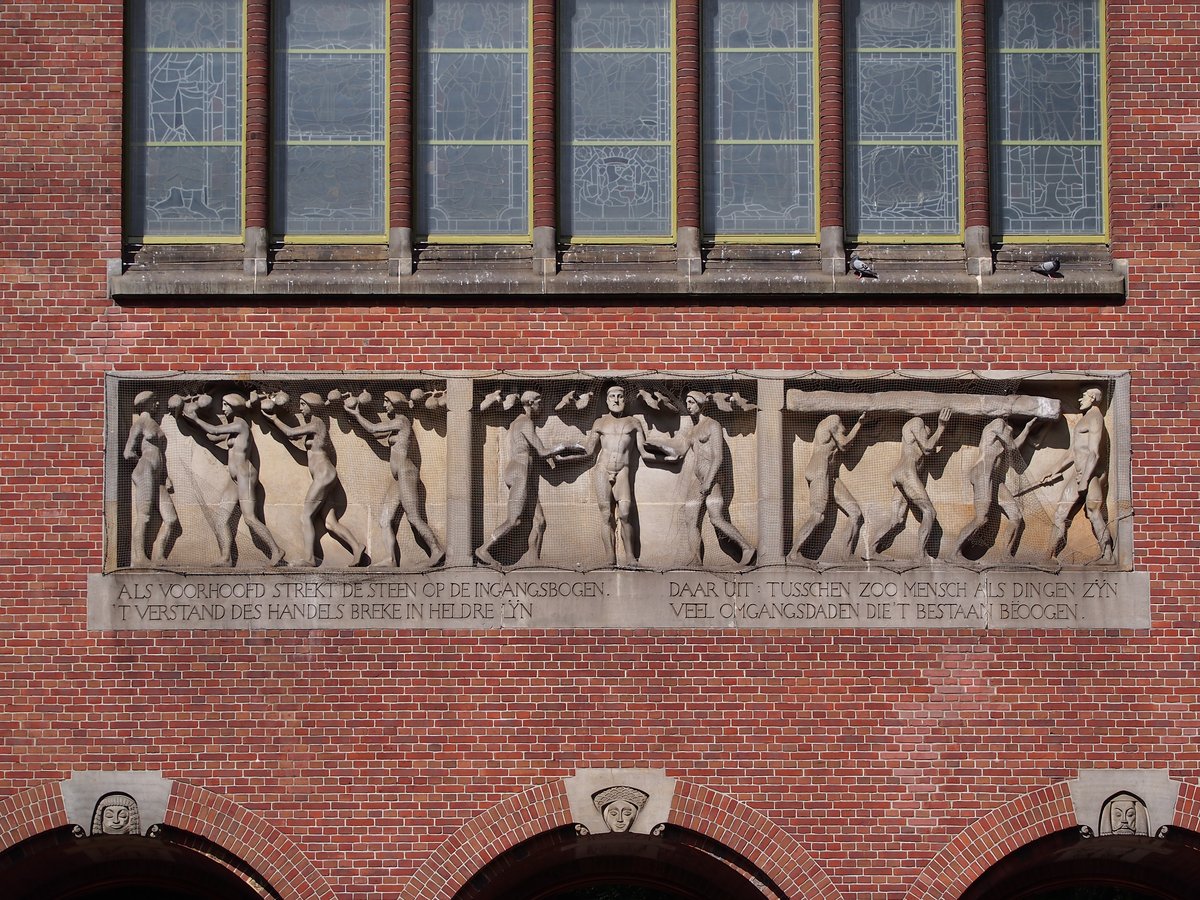
Historic interior photo of the hall at Weesperplein 2-4, Beurs voor de Diamanthandel, designed by architect G.A. van Arkel, captured in 1918 by Atelier J. Merkelbach. Part of the Collectie Atelier J. Merkelbach.
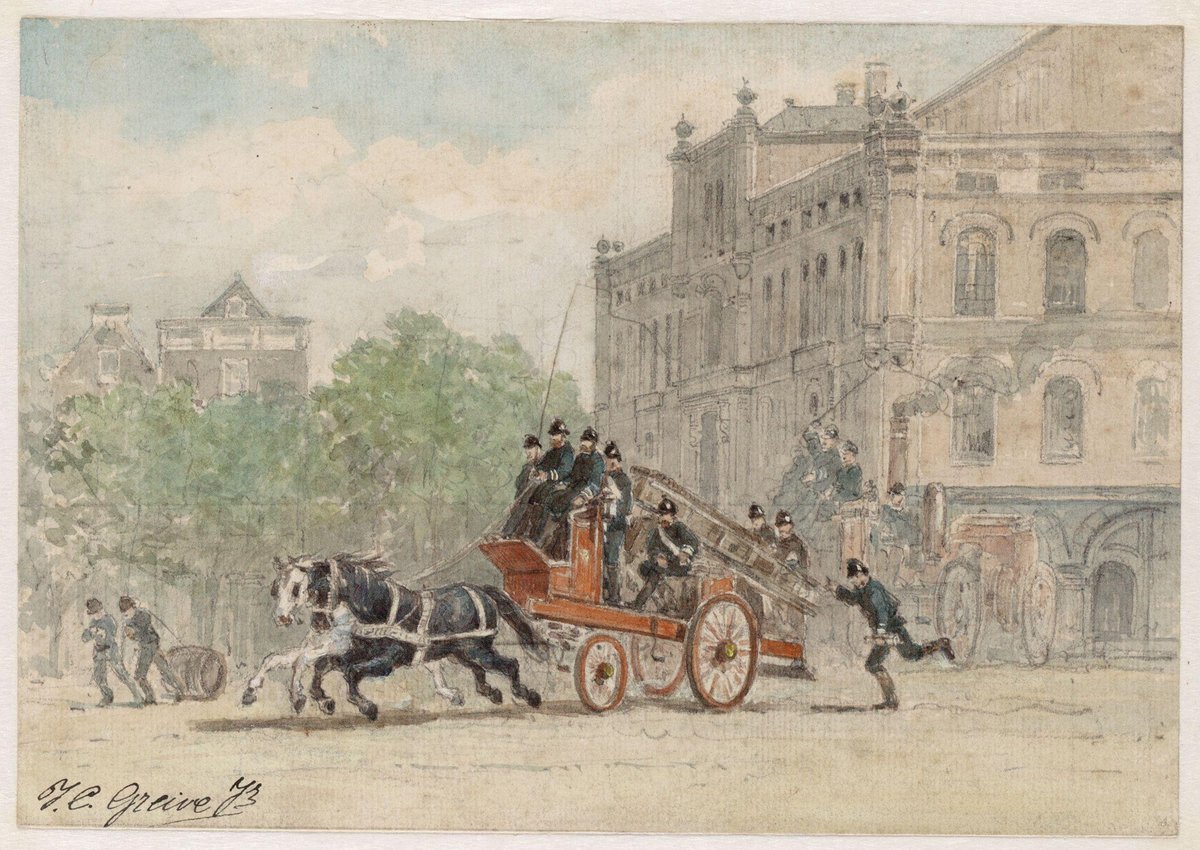
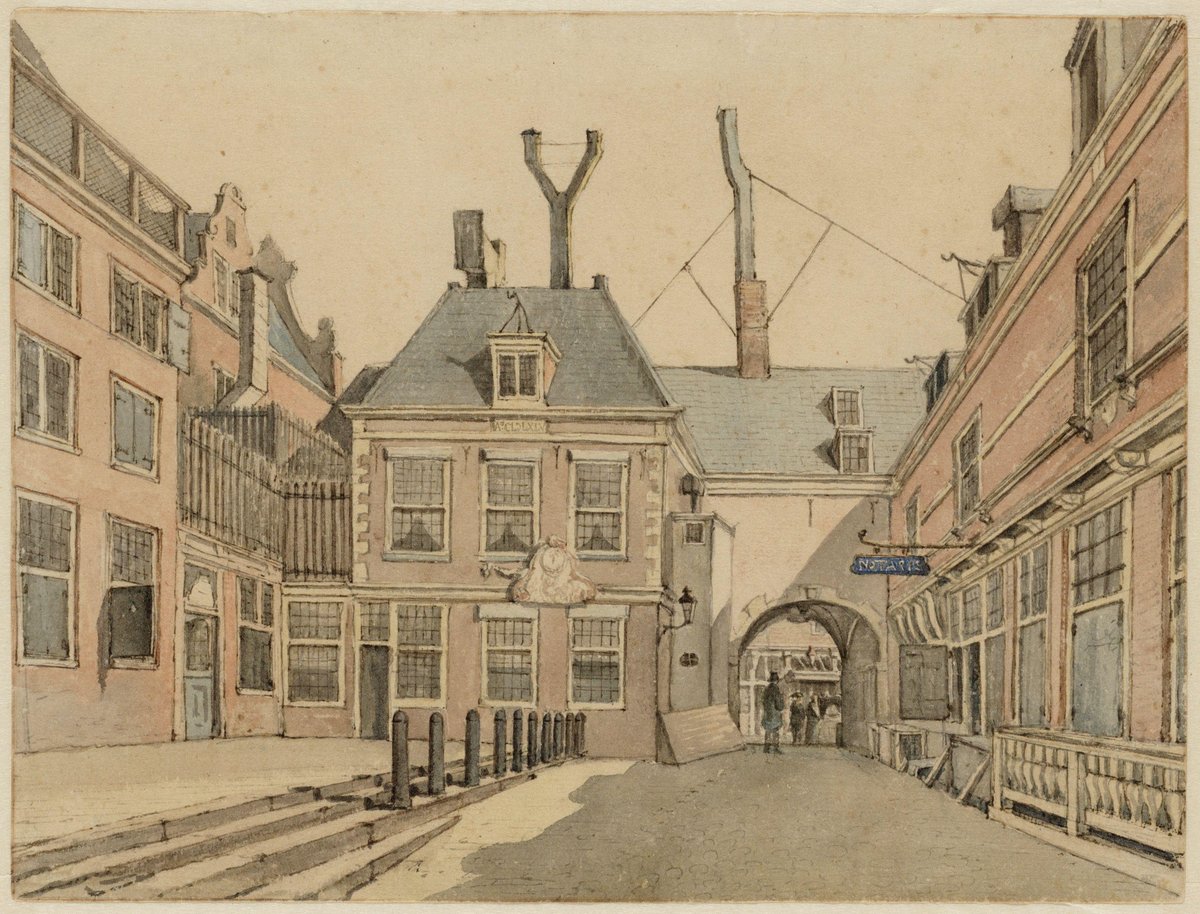
Color pencil and brush drawing by Johan Conrad Greive Jr. circa 1870 showing firefighters rushing out from the fire station at Weesperplein, Amsterdam. Historic image from the Stadsarchief Amsterdam collection, depicting the old fire station building later used as Building and Housing Supervision of
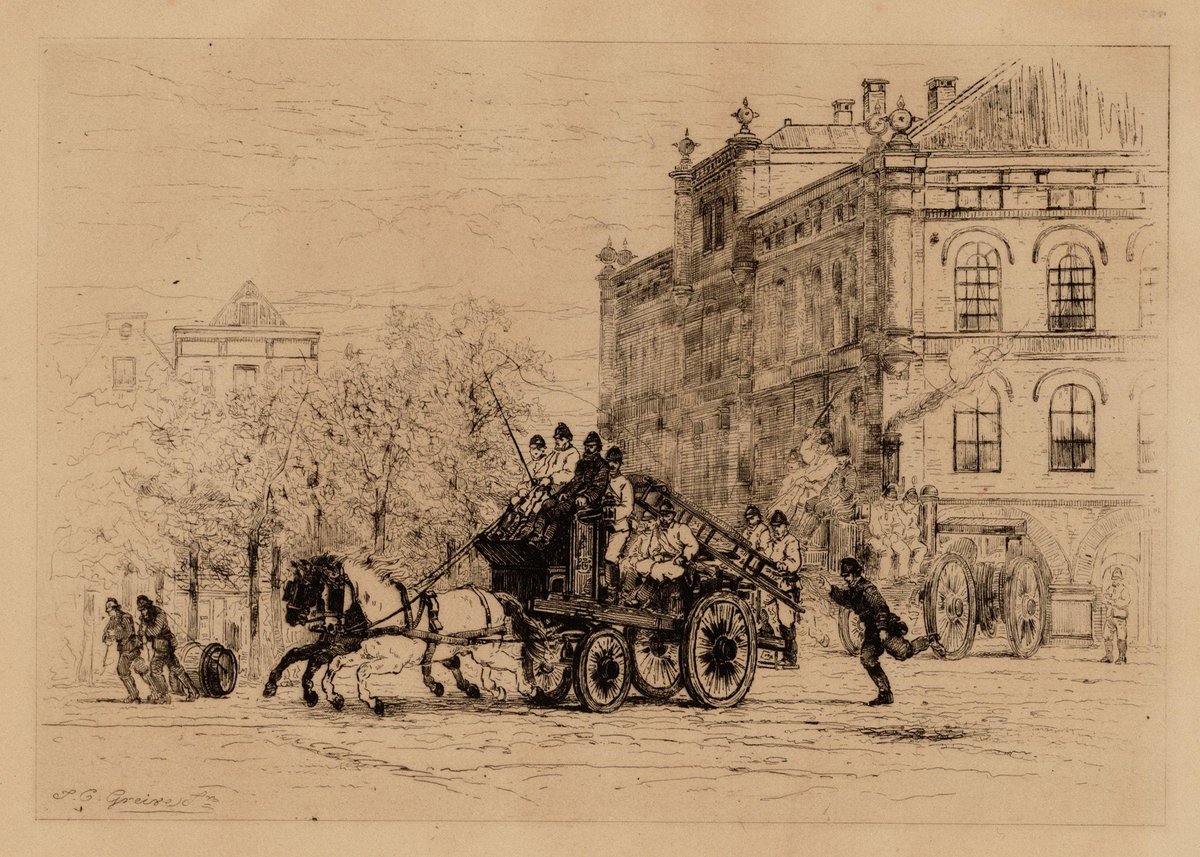
Ets van Johan Conrad Greive jr (1837-1891) toont brandweer die uitrukken vanaf de brandweerkazerne op Weesperplein, Amsterdam. Het gebouw was later bekend als Bouw-en Woningtoezicht. Afbeelding uit de Collectie Stadsarchief Amsterdam.
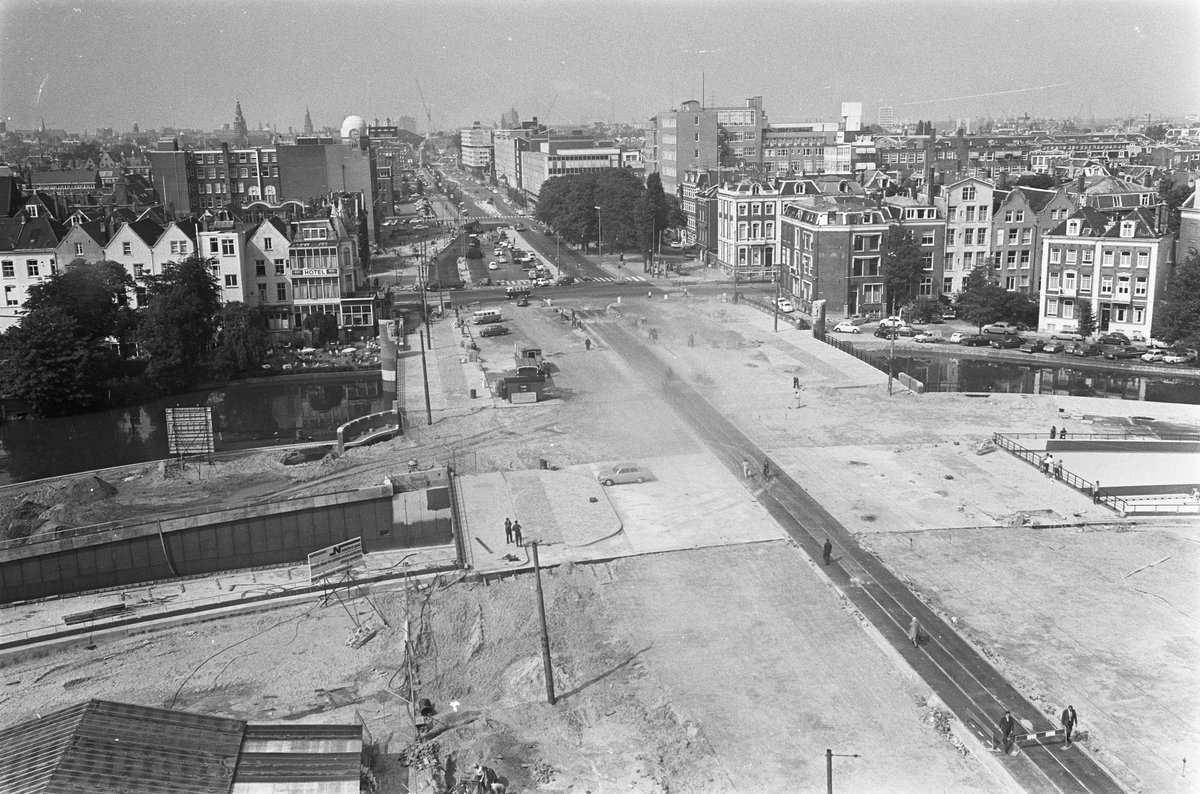
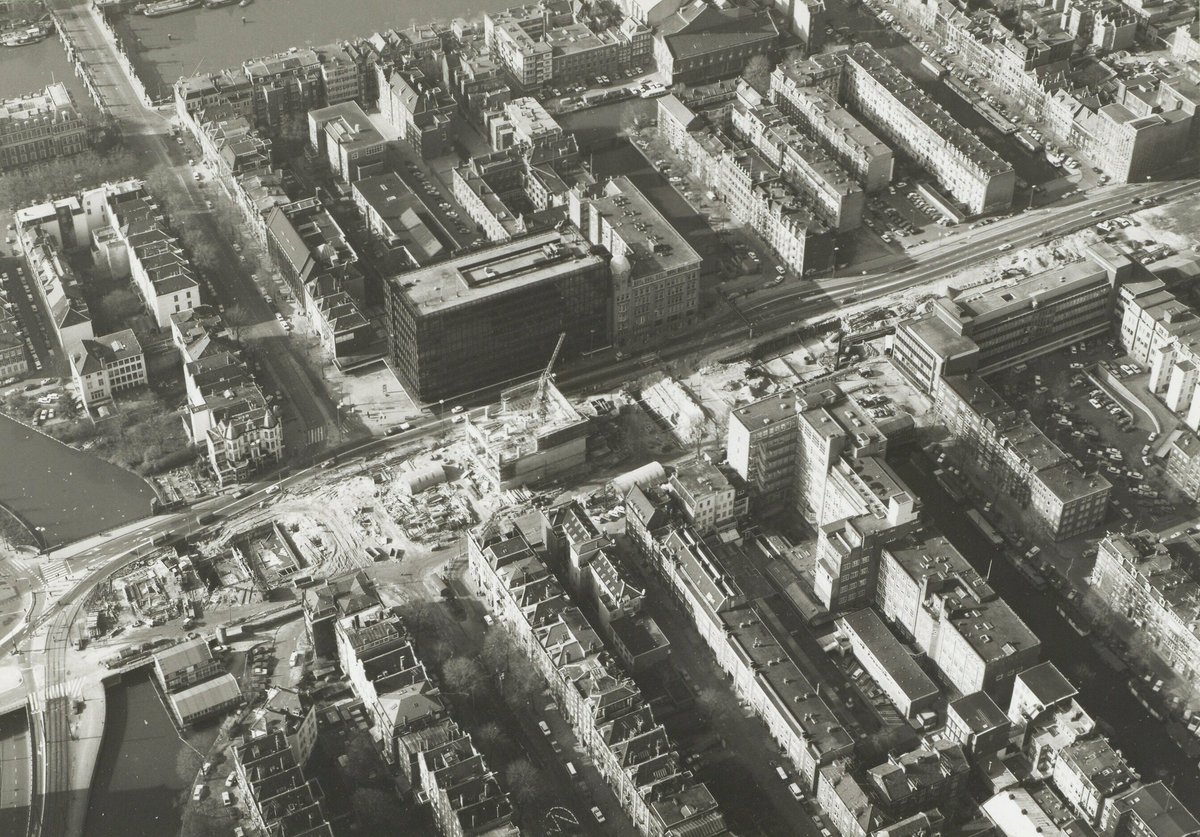
Aerial black and white photograph showing the construction work at the Sarphatistraat and Wibautstraat intersection in Amsterdam, North Holland, dated August 22, 1968. Image from the Anefo photo collection, part of the Nationaal Archief.
Origins and Evolution
Weesperplein’s origins date back to the city’s 19th-century expansion, when the Weesperpoort city gate marked Amsterdam’s southeastern boundary. The square was initially used as a “wagenplein” (carriage parking area), welcoming travelers arriving from the south and southeast (nl.wikipedia.org). Over time, it became an important transit point, social hub, and a marker of Amsterdam’s transition from a fortified medieval town to a modern metropolis.
Photographs from the late 1800s depict Weesperplein as a lively urban space, reflecting Amsterdam’s rapid urbanization and the growing need for organized public infrastructure. The demolition of the Weesperpoort and the later construction of the Weesperplein metro station in the 1970s reinforced the square’s status as a key transportation hub.
Jewish Heritage and Memory
Situated at the edge of Amsterdam’s historic Jewish Quarter, Weesperplein is deeply entwined with the city’s Jewish history. Before World War II, the area was home to a vibrant Jewish community, with institutions like the Joodse Invalide (Jewish care home) and the Weesperpleinsynagoge. The devastation of the Holocaust is memorialized through monuments such as the Monument van Joodse Erkentelijkheid, a symbol of gratitude and remembrance (joodsamsterdam.nl).
Architectural Landmarks and Jewish Heritage
Diamantbeurs (Diamond Exchange)
The early 20th-century Diamantbeurs stands on Weesperplein's west side, reflecting Amsterdam’s historic diamond trade. Its architectural style and recent renovations highlight the city’s blend of heritage and innovation.
Weesperstaete (“The Coffin”)
Known locally as “De Doodskist” for its distinctive shape, the 1971 Weesperstaete building exemplifies postwar modernism and adaptive reuse. Once home to the University of Amsterdam’s psychological lab, it now houses municipal offices (nl.wikipedia.org).
Dr. Meijer de Hondbrug & Hildo Krop Sculptures
The Dr. Meijer de Hondbrug, spanning the Nieuwe Achtergracht, is adorned with animal sculptures by famed artist Hildo Krop, showcasing Amsterdam’s tradition of integrating public art with infrastructure.
Former Joodse Invalide and Weesperpleinziekenhuis
The building at the corner of Weesperplein and Nieuwe Achtergracht opened in 1937 as a Jewish care home. Today, it houses the city’s Public Health Service, but its origins are preserved as an enduring reminder of the area’s pre-war Jewish life (joodsamsterdam.nl).
Historic Fire Station
Amsterdam’s first fire station, built in 1874, still stands on the square’s east side, a rare example of 19th-century municipal architecture (nl.wikipedia.org).
Monument van Joodse Erkentelijkheid
This monument, designed by Jobs Wertheim, commemorates the Jewish community’s gratitude to the Dutch after World War II. Relocated several times, it returned to Weesperplein in 2021 as a powerful symbol of remembrance (nl.wikipedia.org).
Urban Renewal, Green Initiatives, and Public Art
Recent years have seen Weesperplein transformed by urban renewal projects that prioritize green spaces, pedestrian accessibility, and public art. Gabriel Lester’s 2022 “Peel Plaza” installation brings contemporary art, greenery, and seating, redefining the square as a space for relaxation and community (Landezine Award). New plantings and redesigned streets reflect Amsterdam’s broader commitment to sustainability and public well-being (campus.uva.nl).
Transportation and Visitor Information
Getting There
Weesperplein is one of Amsterdam’s most accessible locations:
- Metro: Lines 51, 53, and 54 stop at Weesperplein station.
- Tram: Lines 1, 7, and 19 serve the area.
- Cycling: Extensive bike lanes and parking facilities support Amsterdam’s cycling culture.
- Car: Limited and expensive parking—public transport is highly recommended (GVB).
Visiting Hours and Tickets
- Square: Open 24/7, free to access.
- Nearby Museums: Typically open 10:00 AM – 5:00 PM; check individual websites for current hours.
- Public Transport: Services operate approximately 6:00 AM – 12:30 AM. GVB tickets are required for metro/tram travel (Travel Guide Amsterdam).
Accessibility
The square and metro station are fully accessible, with elevators, ramps, and tactile paving. Public transport staff are available to assist visitors with disabilities (I amsterdam).
Nearby Attractions and Experiences
- Amstel Hotel: Grand 19th-century architecture and riverside views.
- Hermitage Amsterdam: Major art museum with changing exhibitions.
- Artis Zoo: One of Europe’s oldest zoos, perfect for families.
- Carré Theatre: Amsterdam’s iconic performance venue.
- Jewish Cultural Quarter: Museums and synagogues highlighting Amsterdam’s Jewish heritage.
- Plantage District & Parks: Enjoy Sarphatipark and Oosterpark for green escapes (Amsterdam.info).
Tips for Visitors
- Best Time to Visit: June offers pleasant weather and festivals; early mornings and late afternoons are less crowded (clinkhostels.com).
- Getting Around: Use GVB’s app for real-time updates; explore the city on foot or by bike for an immersive experience.
- Dining: Enjoy a mix of Dutch and international cuisine at nearby eateries, from traditional cafés to multicultural restaurants.
- Safety: The area is safe, but always remain vigilant, especially during busy events.
- Cultural Etiquette: Be respectful at Jewish heritage sites and monuments, as these are places of remembrance.
Frequently Asked Questions (FAQ)
Q: What are Weesperplein’s visiting hours?
A: The square is open 24/7; nearby museums have their own hours.
Q: Is there an entrance fee?
A: No, Weesperplein is free to visit. Some attractions require separate tickets.
Q: Is Weesperplein accessible for visitors with disabilities?
A: Yes, the square and metro station are fully accessible.
Q: How can I get to Weesperplein?
A: Use metro lines 51, 53, or 54, or tram lines 1, 7, or 19. Cycling is also encouraged.
Q: Are guided tours available?
A: Yes, several city walking tours include Weesperplein and its historical context.
Q: What are the highlights nearby?
A: Hermitage Amsterdam, Artis Zoo, Jewish Cultural Quarter, Amstel Hotel, and Carré Theatre.
Listen to the full story in the app
Your Personal Curator, in Your Pocket.
Audio guides for 1,100+ cities across 96 countries. History, stories, and local insight — offline ready.
Audiala App
Available on iOS & Android
Join 50k+ Curators
Sources
- verified
- verified
- verified
- verified
- verified
- verified
- verified
- verified
Last reviewed: