Introduction
Welcome to our comprehensive guide on Het Stenen Hoofd, one of Amsterdam's unique historical and cultural sites. This guide is designed to provide you with all the essential information you need to plan your visit, whether you're a history enthusiast or a casual visitor looking to explore the unique blend of cultural events and historical significance that this site offers. From its origins as a bustling pier in the early 20th century to its current status as a vibrant cultural hub, Het Stenen Hoofd has a rich history that reflects the dynamic evolution of Amsterdam's maritime and industrial heritage.
Constructed in 1902 to serve the Holland-Amerika Lijn, Het Stenen Hoofd replaced the earlier wooden 'Suezsteigers' and was a critical node for the transfer of goods from ships to trains and trucks. Designed by the Dienst der Publieke Werken (Public Works Department), the pier featured a sand-filled basin supported by approximately 11,000 piles driven into the IJ River (Wikipedia). Despite its decline in the 1970s and partial dismantling in 1978, the site has seen various redevelopment plans and preservation efforts led by the Stichting Het Stenen Hoofd (Foundation Het Stenen Hoofd) (Stichting Stenen Hoofd).
Today, Het Stenen Hoofd is not only a place of historical interest but also a popular location for cultural activities, especially during the summer months. The site hosts a variety of events, from open-air film festivals to art installations, attracting both locals and tourists. Its transformation from a neglected pier to a cultural hotspot exemplifies the resilience and adaptability of Amsterdam's urban spaces (Amsterdamse Binnenstad).
Photo Gallery
Explore Stenen Hoofd, Amsterdam in Pictures
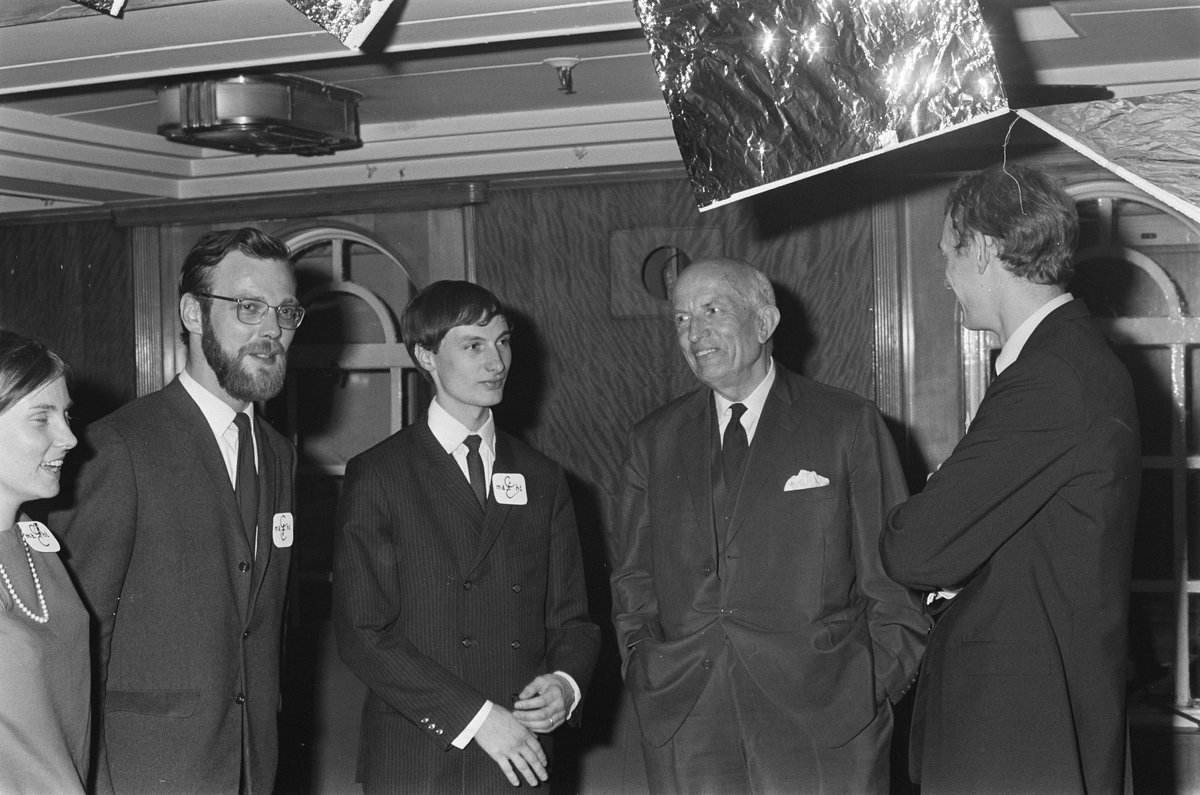
Black and white photo of the 5th Congress of the Social Interacademiale held on the student ship Caledonia, Amsterdam, April 9, 1969. Officials including Alderman Koets, Chairman Winters, C. Houmes, and Vice-Chairman Pieter are in discussion. The ship was used as accommodation for male students by t
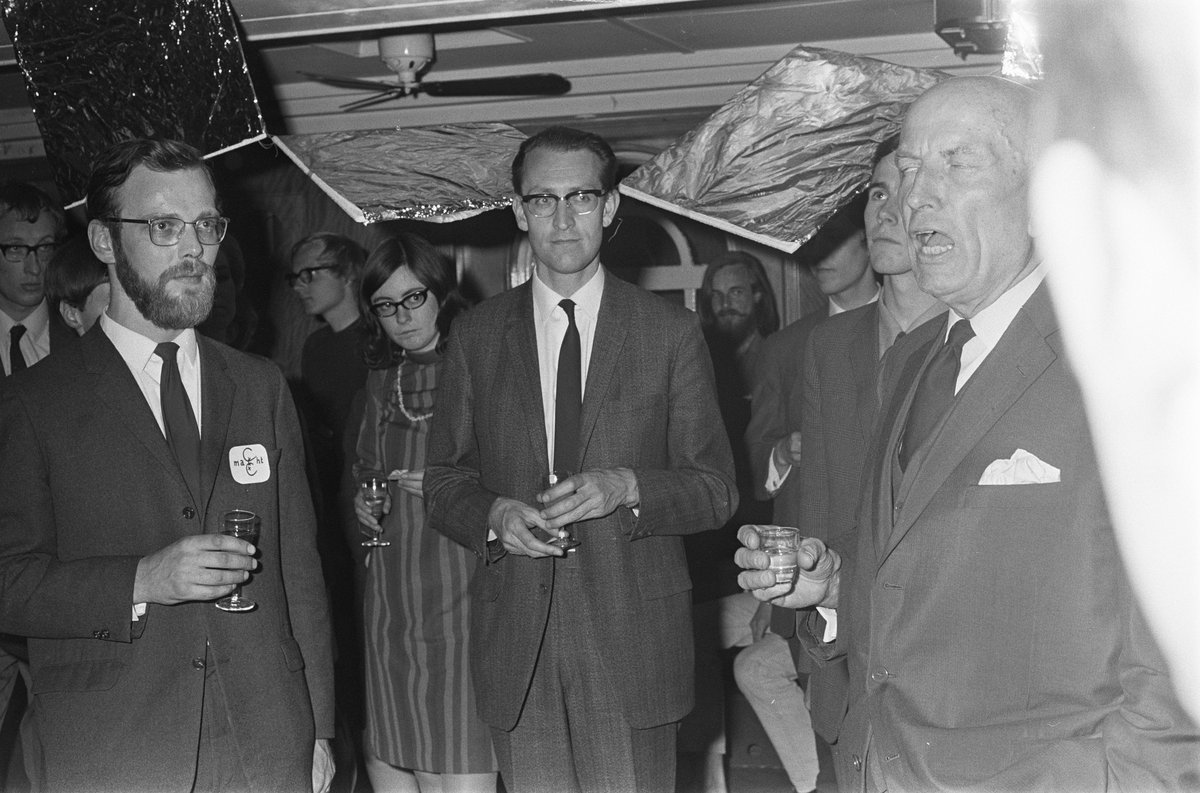
Historic black and white image capturing the 5th Congress of the Social Interacademic held on the student ship 'Caledonia' in Amsterdam, dated April 9, 1969. Shows wethouder Koets speaking with chairman Winters and vice-chairman Pieter aboard the ship acquired by Stichting Studentenhuisvesting for m
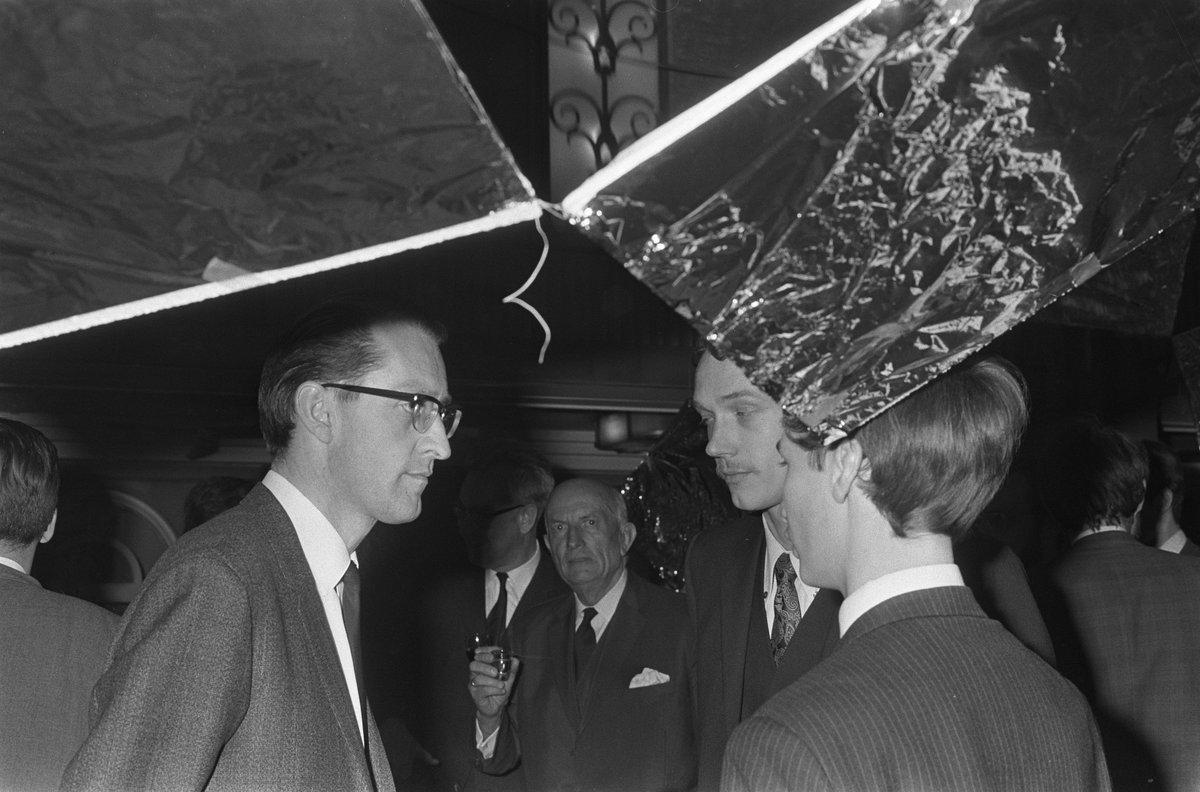
Historic black and white photograph capturing the 5th Congress of the Social Interacademiale held aboard the student ship Caledonia in Amsterdam on April 9, 1969. Alderman Koets is seen conversing with chairman Winters, alongside C. Houmes and vice-chairman Pieter, representing the student housing f
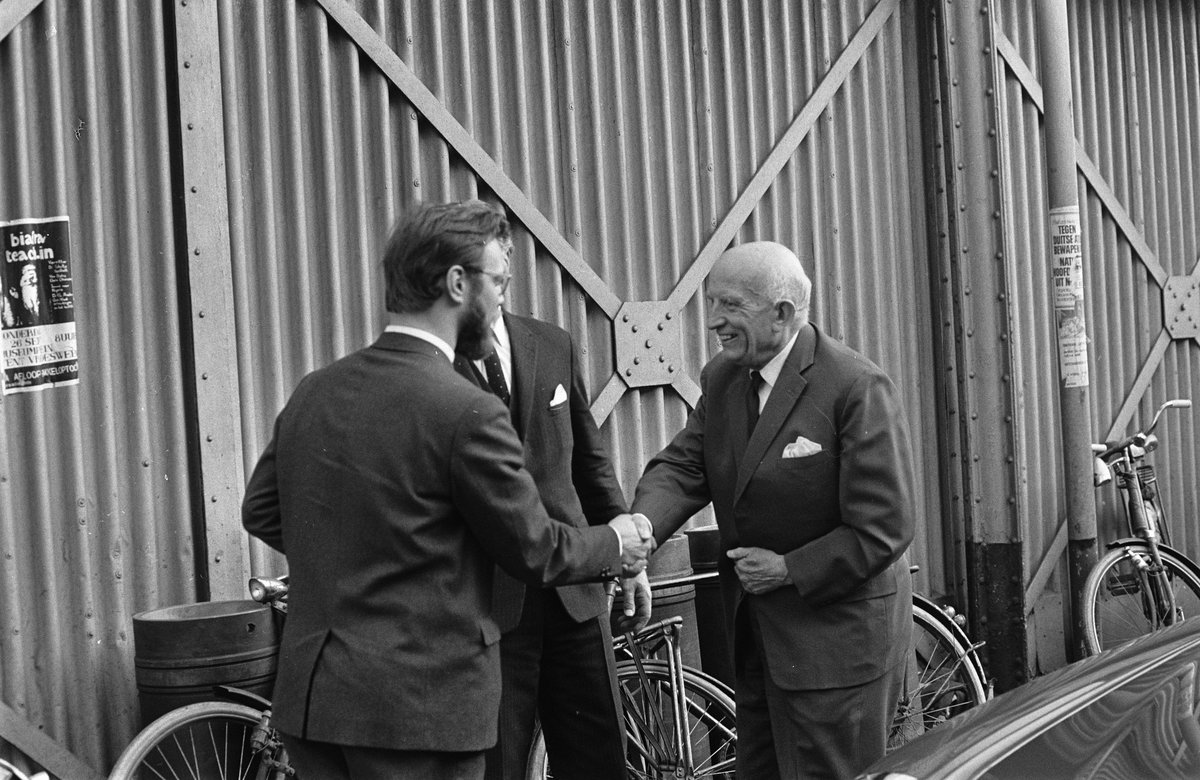
Black and white photo from April 9, 1969, showing the 5th Congress of the Social Interacademic held on the student ship Caledonia in Amsterdam. Alderman Koets is seen in conversation with chairman Winters, L.C. Houmes, alderman Koets, and vice-chairman Pieter. The ship served as accommodation for ma
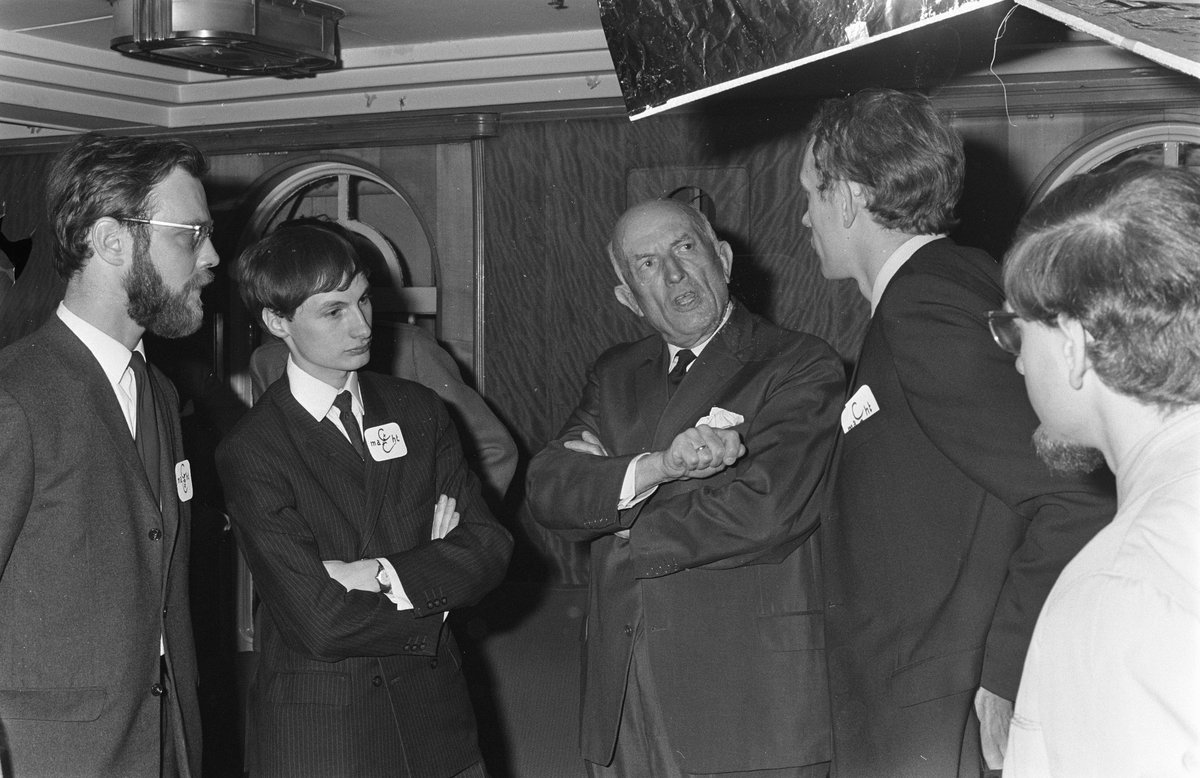
Black and white photo of the 5th Congress of the Social Interacademiale held on the student ship Caledonia in Amsterdam on April 9, 1969. Features officials including wethouder Koets, chairman Winters, C. Houmes, and vice-chair Pieter discussing during the event. Photo by Rob Mieremet, archived by t
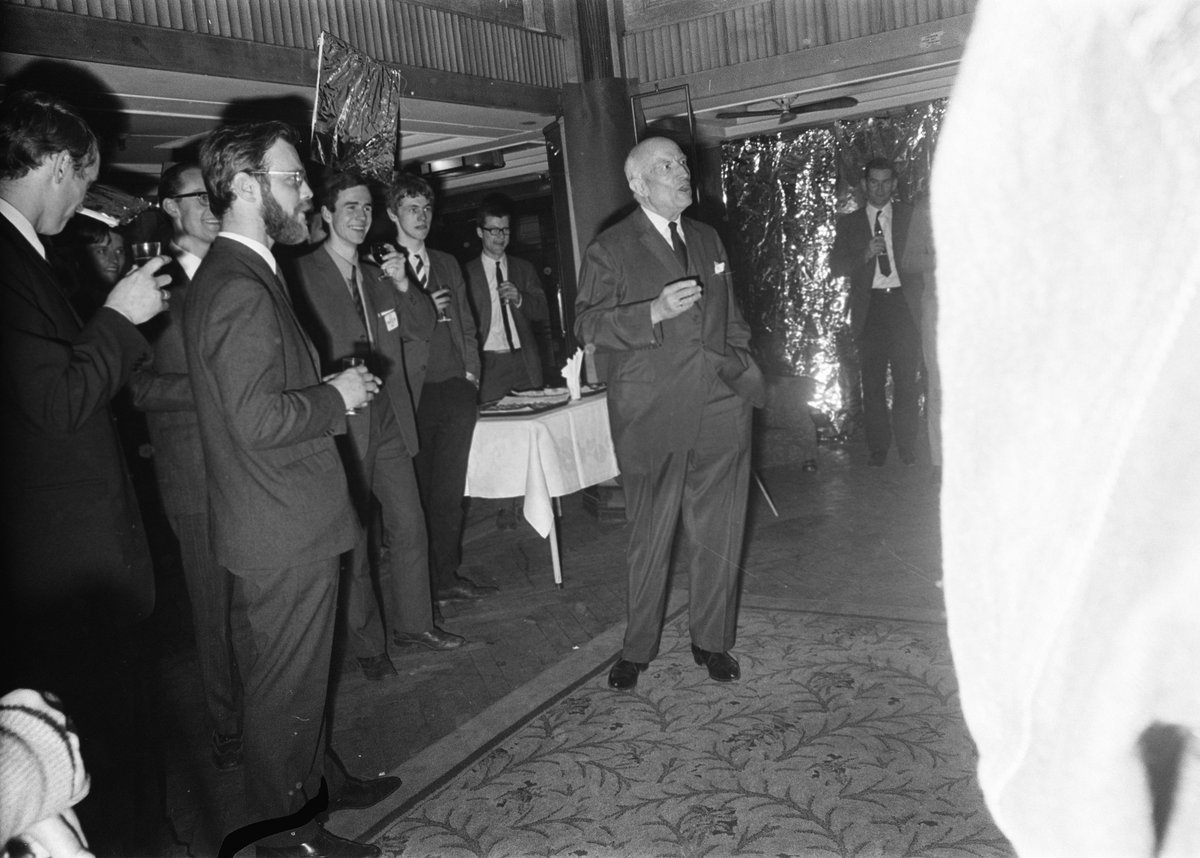
Historical black and white photograph depicting the 5th Congress of the Social Interacademiale held on the student ship Caledonia in Amsterdam on April 9, 1969. Features alderman Koets in conversation with chairman Winters, C. Houmes, vice-chairman Pieter. The ship was used as a male student accommo
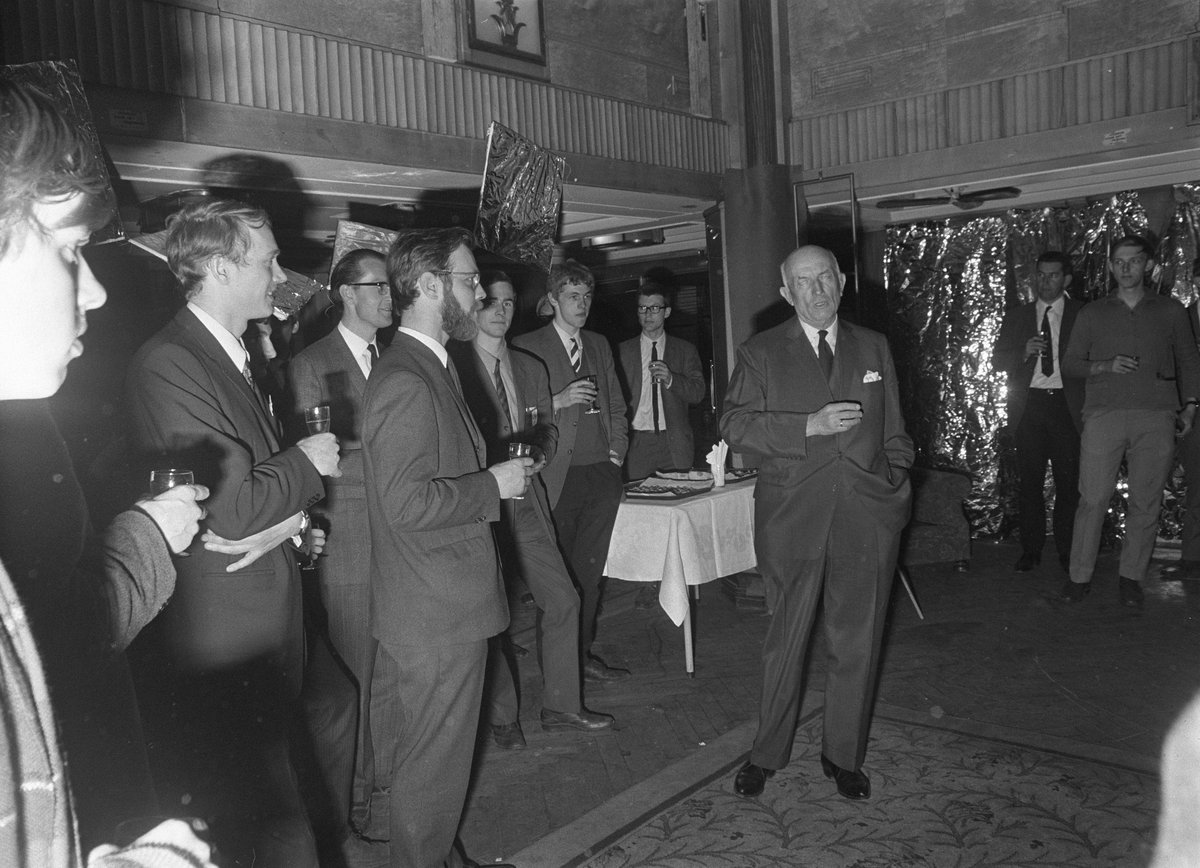
Historic black and white image from April 9, 1969, capturing the 5th Congress of the Social Interacademiale held on the student ship Caledonia in Amsterdam. The photo features Wethouder Koets speaking with Chairman Winters, L C Houmes, and Vice Chairman Pieter, highlighting a moment of discussion at
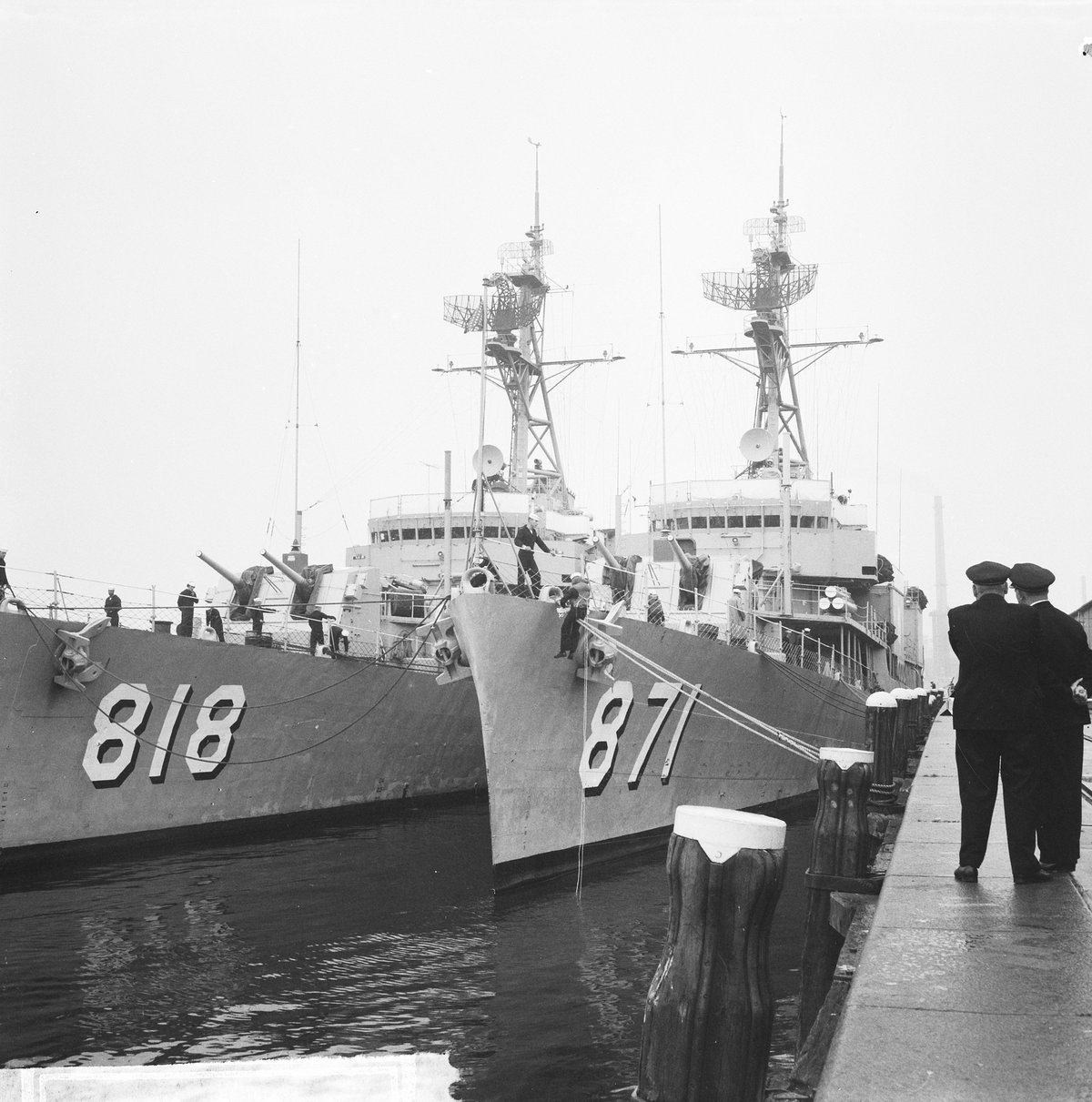
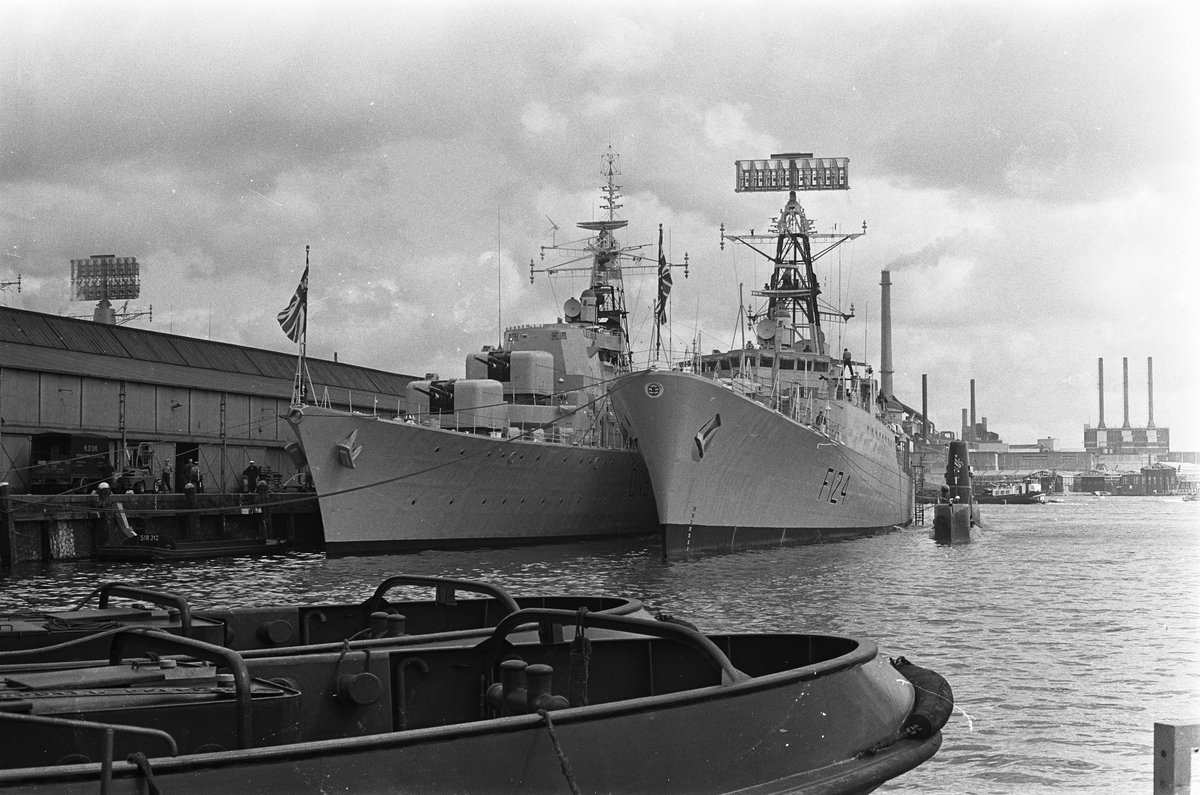
Black and white photo depicting two American navy destroyers docked at the Stenen Hoofd quay in Amsterdam during a fleet visit on June 18, 1964. Captured by photographer F.N. Broers, from the Anefo collection at the Nationaal Archief.
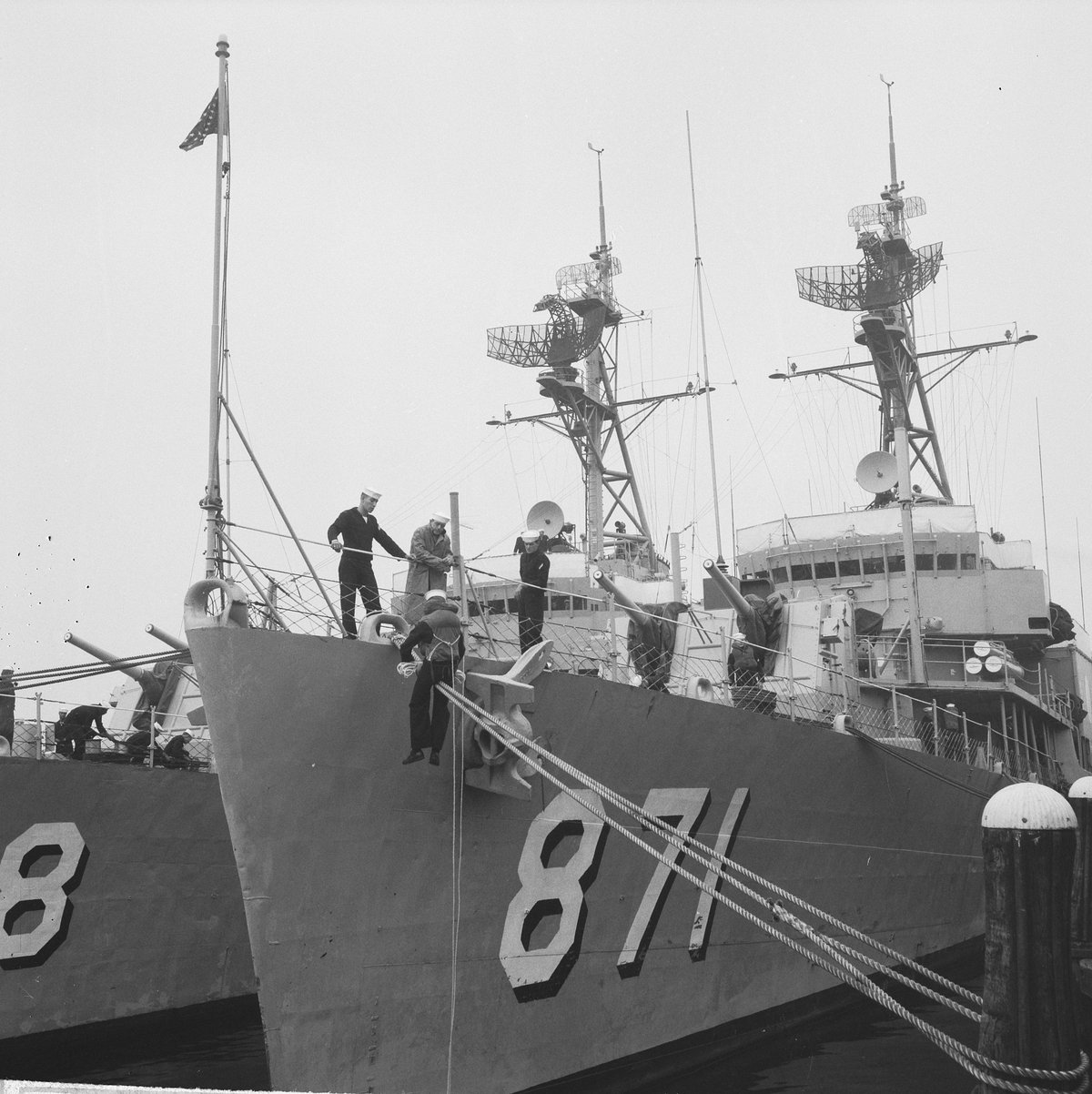
Black and white photograph showing two American Navy fighter jets parked at the 'Stenen Hoofd' pier during the American fleet visit in Amsterdam, North Holland on June 18, 1964. Photo taken by F.N. Broers / Anefo, part of the National Archive collection.
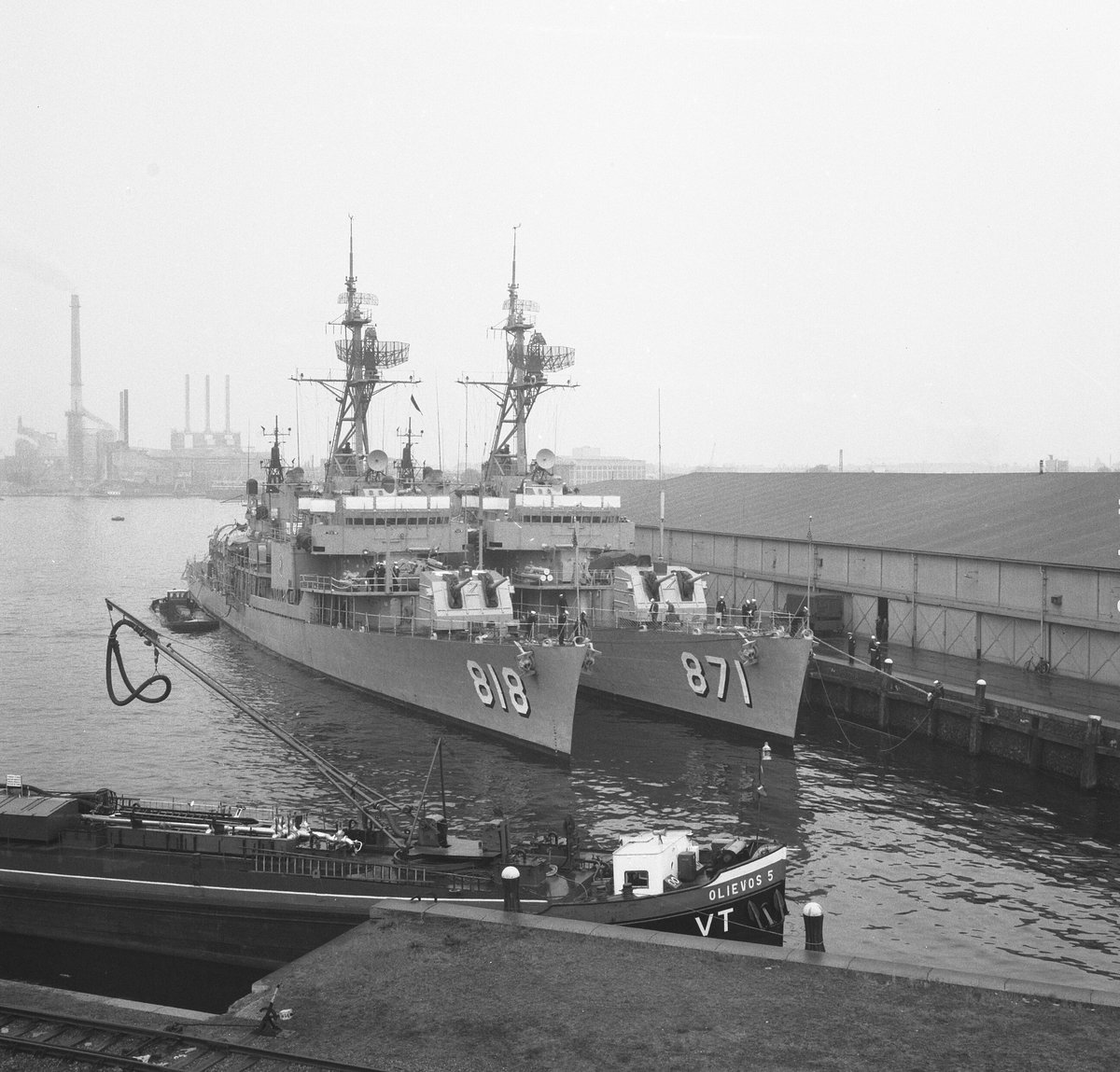
Black and white photo showing two American navy hunter ships docked at the Stenen Hoofd in Amsterdam during a naval fleet visit on June 18, 1964, captured by photographer F.N. Broers for the Anefo photo collection.
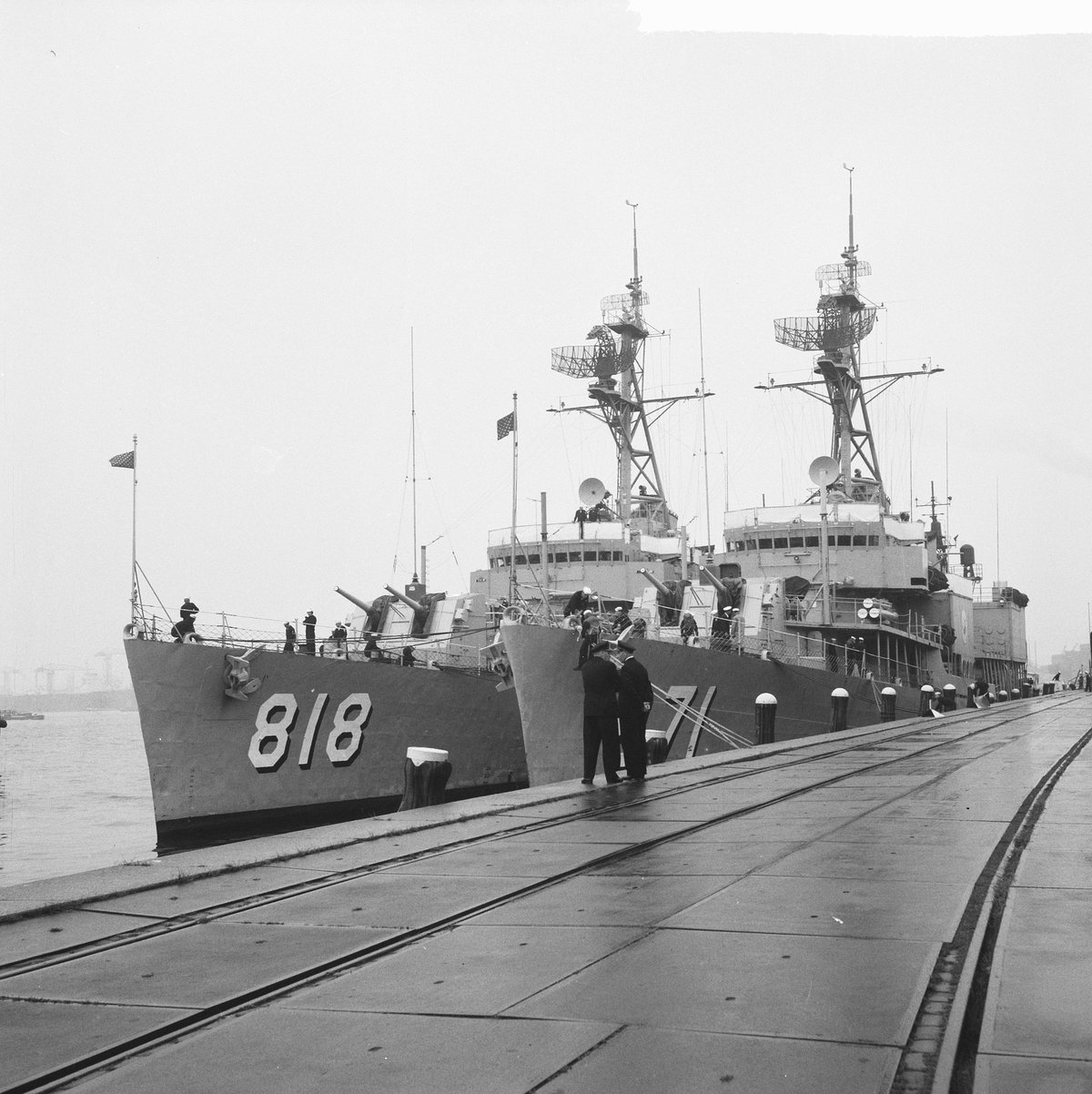
Black and white photo showing two American fighter jets at the Stone Head in Amsterdam during the US fleet visit on June 18, 1964. Taken by photographer F.N. Broers from Anefo, part of the National Archive collection.
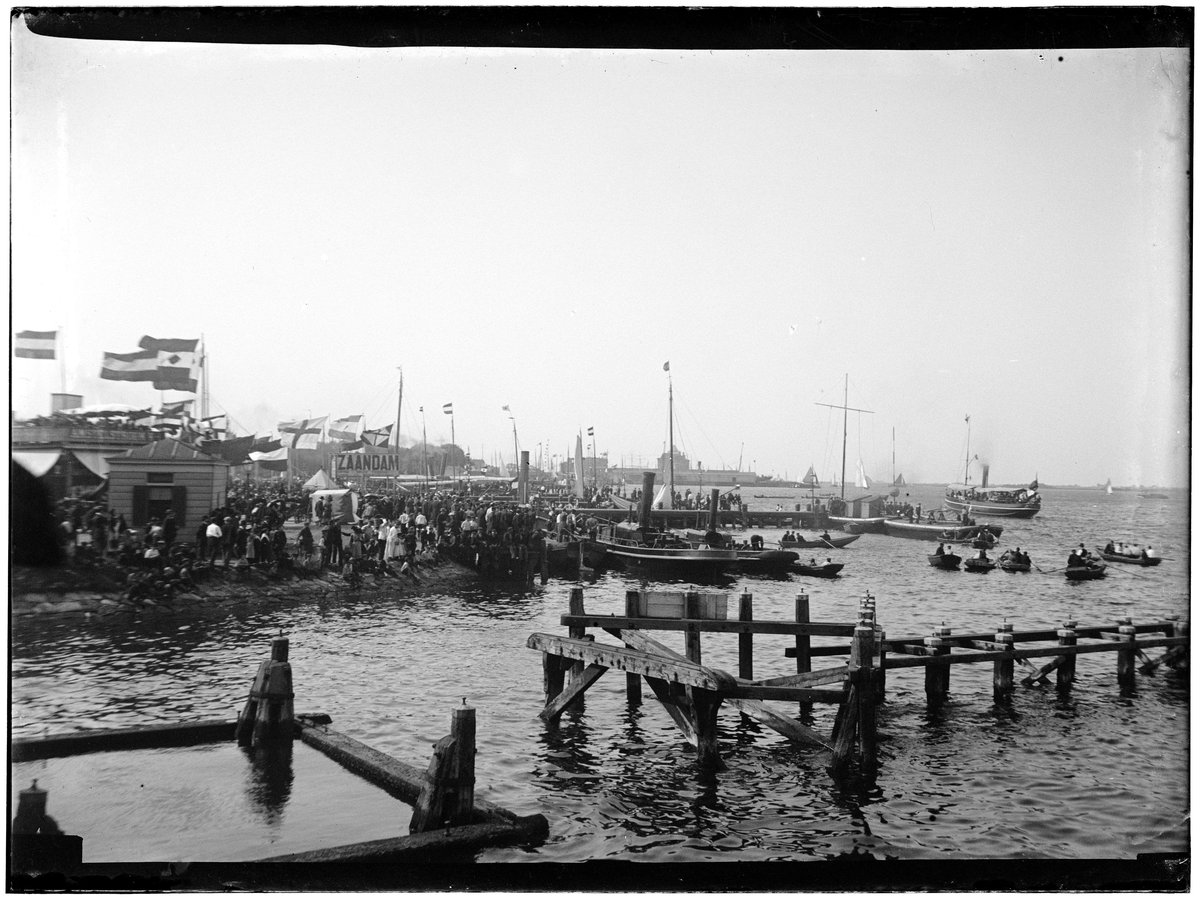
Historic photo showing public interest at Ruijterkade near western underpass for ship arrival during 1894-1900, with the Stenen Hoofd visible in the background, captured by Benjamin Wilhelmus Stomps.
Historical Background of Het Stenen Hoofd
Early Development and Purpose
Het Stenen Hoofd, a stone pier located along the Westerdoksdijk on the IJ in Amsterdam, was constructed in 1902. This pier was initially developed to serve the Holland-Amerika Lijn, a shipping line established in 1873 that operated routes from Rotterdam and later from Amsterdam. The pier replaced the earlier wooden 'Suezsteigers,' which had become inadequate by the early 1900s (Wikipedia).
Construction and Design
The construction of Het Stenen Hoofd was overseen by the Dienst der Publieke Werken (Public Works Department). The pier was designed to be more accessible for goods wagons from the railways, facilitating the transfer of goods from ships to trains and trucks. The structure consisted of a sand-filled basin supported by approximately 11,000 piles driven into the IJ (Stichting Stenen Hoofd).
Architectural Features
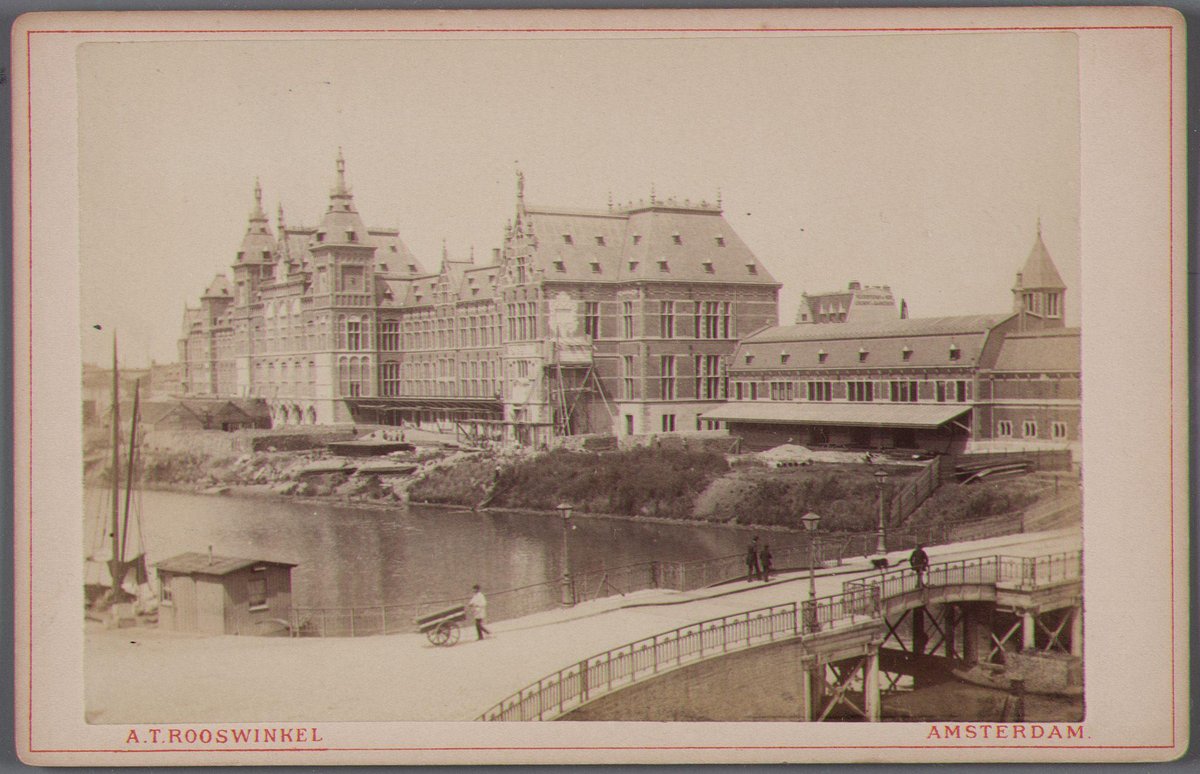
In 1906, an iron warehouse was erected on the pier, followed by a distinctive office building with a turret designed by Bernard Springer. This building served as an architectural accent in the Westerdok area and was influenced by the design principles of H.P. Berlage, evident in its proportions and the use of clean brickwork combined with natural stone for ornamentation (Amsterdamse Binnenstad).
Operational Years
From its completion in 1902 until 1968, Het Stenen Hoofd was actively used for the transfer of goods. The pier saw a variety of ships, including tourist vessels and naval ships, dock at its facilities. However, the number of ships using the pier began to decline shortly after its completion. For instance, in 1906, only 14 ships docked at the pier, and by 1908, this number had decreased to seven (Amsterdamse Binnenstad).
Decline and Dismantling
The decline of Het Stenen Hoofd began in the 1970s. The iron warehouse and office building were demolished in 1978 due to structural concerns. The pier itself was partially dismantled, with the head of the pier being excavated, leaving the foundation piles exposed above the water. This transformation resulted in the creation of a lagoon-like area known as the 'natte punt' (Wikipedia).
Attempts at Redevelopment
Since the 1970s, various redevelopment plans for Het Stenen Hoofd have been proposed but not realized. These plans ranged from establishing a luxury residential area to creating a heliport or a detention center. Despite these ambitious proposals, the site remained largely undeveloped and was used for temporary activities (Stichting Stenen Hoofd).
Preservation Efforts
In recent years, efforts have been made to preserve Het Stenen Hoofd and prevent further demolition. The Stichting Het Stenen Hoofd (Foundation Het Stenen Hoofd) has played a crucial role in these preservation efforts. The foundation's initiatives have included organizing cultural events and advocating for the site's historical significance. These efforts have helped to maintain public interest and prevent the complete erasure of this historical pier (Amsterdamse Binnenstad).
Current Use and Cultural Significance
Today, Het Stenen Hoofd is a popular location for various cultural activities, especially during the summer months. The pier hosts film screenings and serves as a city beach, attracting both locals and tourists. Despite its dilapidated state, the site remains a significant part of Amsterdam's maritime history and continues to be a place of interest for those exploring the city's industrial past (Amsterdamse Binnenstad).
Visitor Information
Visiting Hours and Tickets
Het Stenen Hoofd is open to the public year-round. There is no admission fee to visit the site, making it an accessible destination for all. However, special events such as film screenings may require tickets. It's recommended to check the official website or social media channels for the latest updates on event schedules and ticket information.
Travel Tips
Het Stenen Hoofd is easily accessible by public transportation. The nearest tram and bus stops are within walking distance. For those driving, there are parking facilities available nearby. Visitors are encouraged to wear comfortable shoes as the terrain can be uneven.
Nearby Attractions
While visiting Het Stenen Hoofd, take the opportunity to explore other nearby attractions such as the Anne Frank House, the Westerpark, and the NDSM Wharf. These sites offer a variety of cultural and historical experiences that complement a visit to Het Stenen Hoofd.
Accessibility
The site is partially accessible to visitors with mobility issues. While the main areas are accessible, some parts of the pier may be challenging to navigate. It's advisable to contact the site management in advance for detailed accessibility information.
Special Events and Guided Tours
Het Stenen Hoofd hosts a variety of special events throughout the year, including film screenings, art installations, and music performances. Guided tours are occasionally available, providing deeper insights into the site's history and significance. Check the official website for the latest information on upcoming events and tours.
Photographic Spots
Photography enthusiasts will find plenty of opportunities to capture stunning images of Het Stenen Hoofd. Popular spots include the exposed foundation piles and the lagoon-like 'natte punt.' The site offers a unique blend of historical architecture and natural beauty, making it a perfect location for photography.
FAQ
Q: What are the visiting hours for Het Stenen Hoofd?
A: Het Stenen Hoofd is open year-round, with no specific visiting hours. However, special events may have designated times.
Q: Is there an admission fee to visit Het Stenen Hoofd?
A: No, there is no admission fee. Some special events may require tickets.
Q: How can I get to Het Stenen Hoofd?
A: The site is accessible by public transportation, with nearby tram and bus stops. Parking facilities are also available.
Q: Are there guided tours available?
A: Guided tours are occasionally offered. Check the official website for the latest information.
Listen to the full story in the app
Your Personal Curator, in Your Pocket.
Audio guides for 1,100+ cities across 96 countries. History, stories, and local insight — offline ready.
Audiala App
Available on iOS & Android
Join 50k+ Curators
Sources
- verified
- verified
- verified
- verified
Last reviewed: