Introduction: Discovering Stadsschouwburg Amsterdam—A Cultural Icon
Located at the heart of the lively Leidseplein square, Stadsschouwburg Amsterdam is a cornerstone of Dutch theatrical tradition and architectural grandeur. With origins dating back to the 17th century and a striking neo-Renaissance building completed in 1894, the theatre has endured fires, reconstructions, and cultural shifts to remain a leading stage for dramatic arts and innovative performances. Today, visitors can explore both its opulent historic auditorium and state-of-the-art modern spaces, while enjoying a diverse program that ranges from classical plays to contemporary dance and international festivals. This comprehensive guide details everything you need for your visit—including hours, ticketing, accessibility, guided tours, and nearby attractions—promising a rich cultural experience in the heart of Amsterdam (supertravelr.com, ita.nl, amsterdam.info, Triphobo).
- A Brief History of Stadsschouwburg Amsterdam
- Architectural Highlights
- Visitor Information: Hours, Tickets, and Accessibility
- Facilities & Services
- Nearby Attractions & Travel Tips
- Frequently Asked Questions
- Conclusion & Recommendations
- References
Photo Gallery
Explore Stadsschouwburg Amsterdam in Pictures
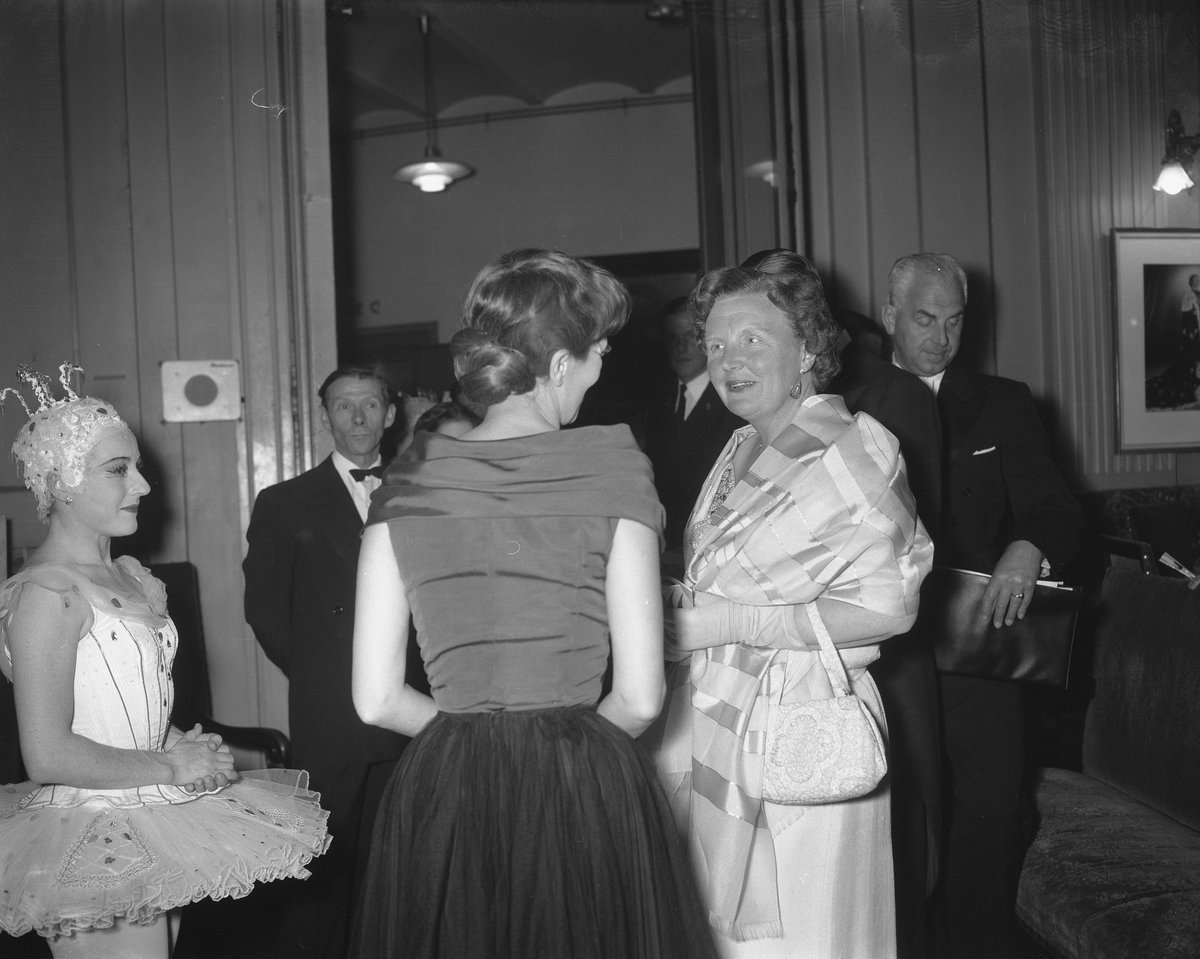
Black and white photo of the 10th anniversary celebration of Ballet der Lage Landen at Stadsschouwburg in Amsterdam on May 29, 1957, featuring Queen Juliana. Photograph taken by Joop van Bilsen, part of the Anefo photo collection at the Nationaal Archief.
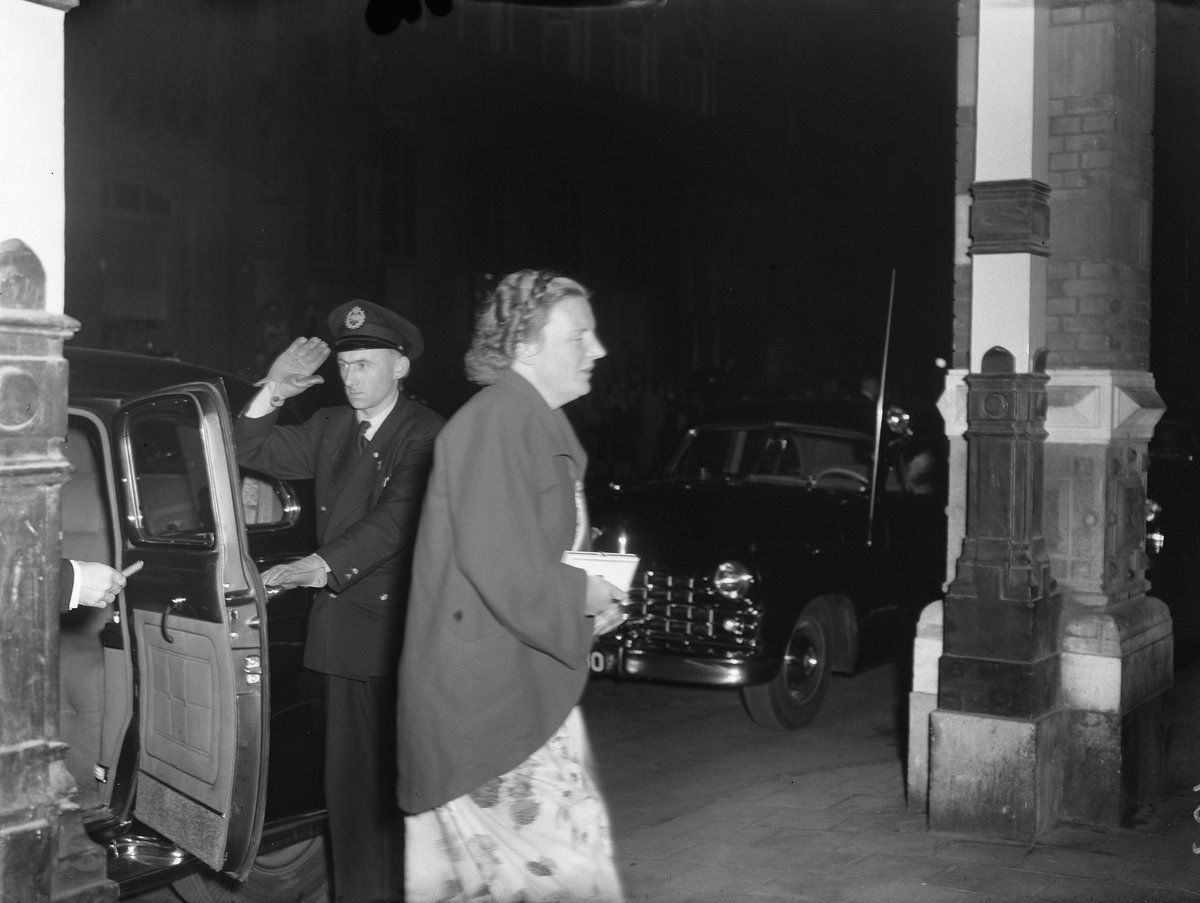
Historical black-and-white photo showing Princess Juliana and Prince Bernhard arriving at the Stadsschouwburg in Amsterdam on September 2, 1948, to attend the premiere of the play '1948 ANNO CHRISTI' directed by A. Defresne during Queen Wilhelmina's 50th reign jubilee celebrations.
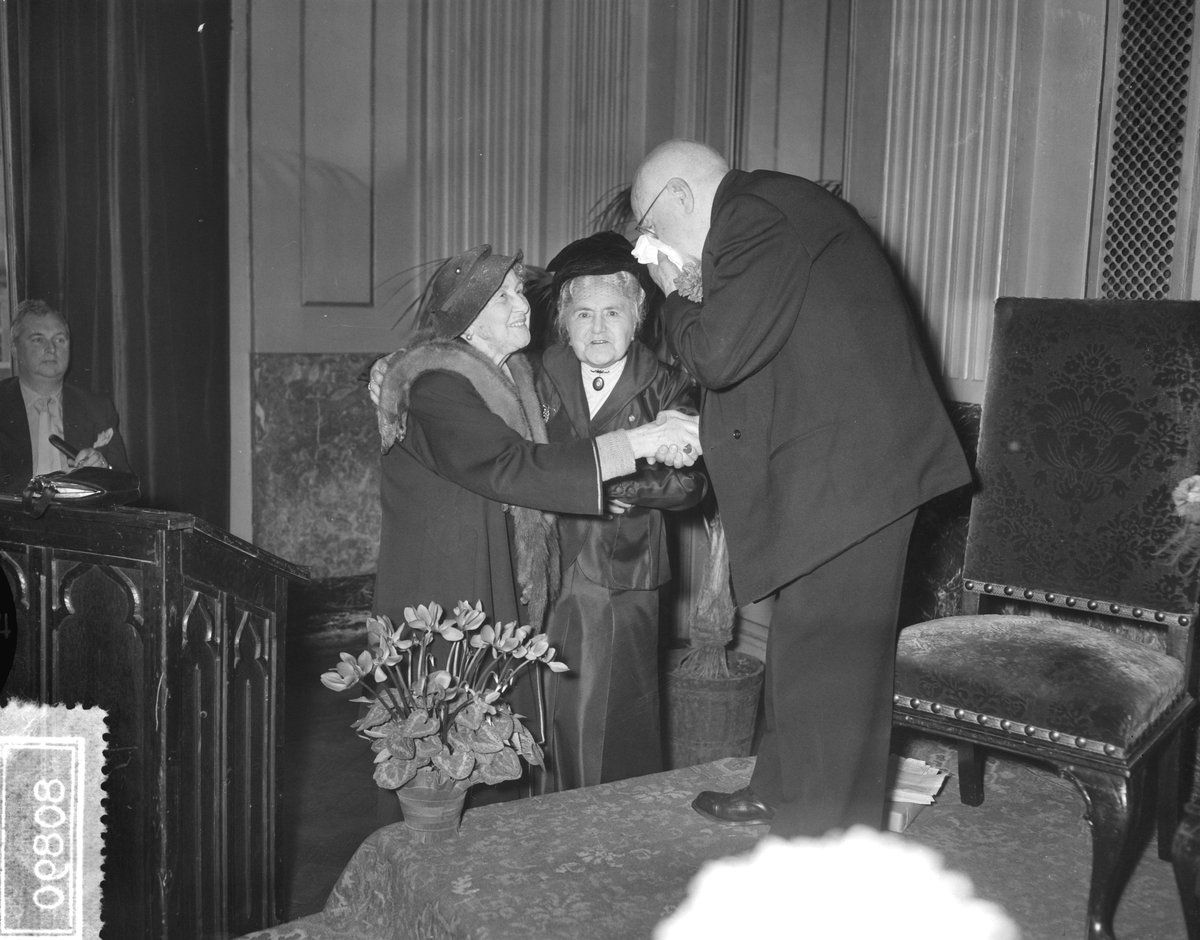
Black and white photograph of actor Mari van Warmelo at his 90th birthday reception in the foyer of Stadsschouwburg Amsterdam in 1956, accompanied by Mien Erfmann-Sasbach and Rika Hopper, captured by photographer Harry Pot.
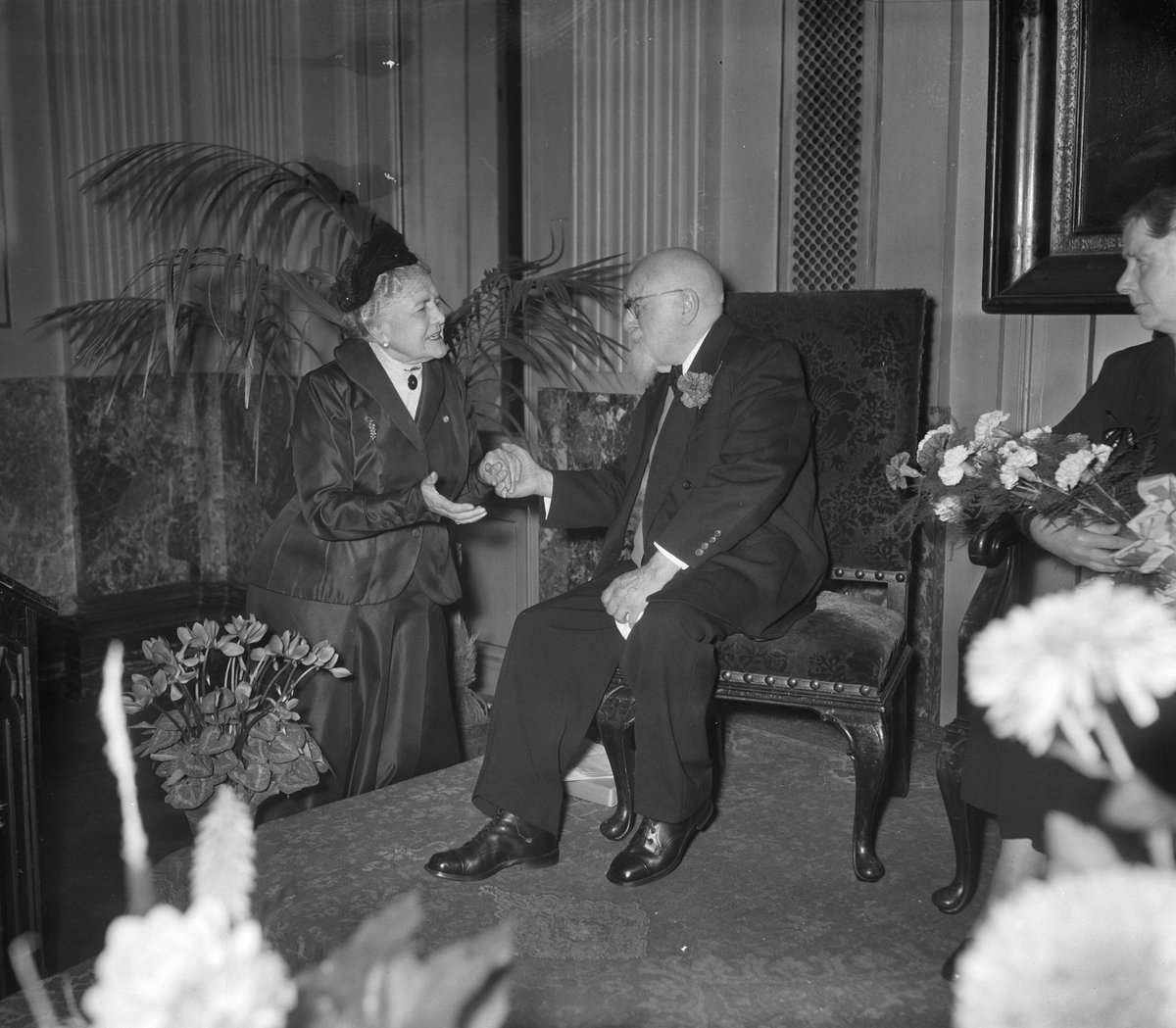
Black and white photograph from 1956 showing actor Mari van Warmelo celebrated by actress Rika Hopper during his 90th birthday reception at the foyer of Stadsschouwburg Amsterdam, captured by photographer Harry Pot.
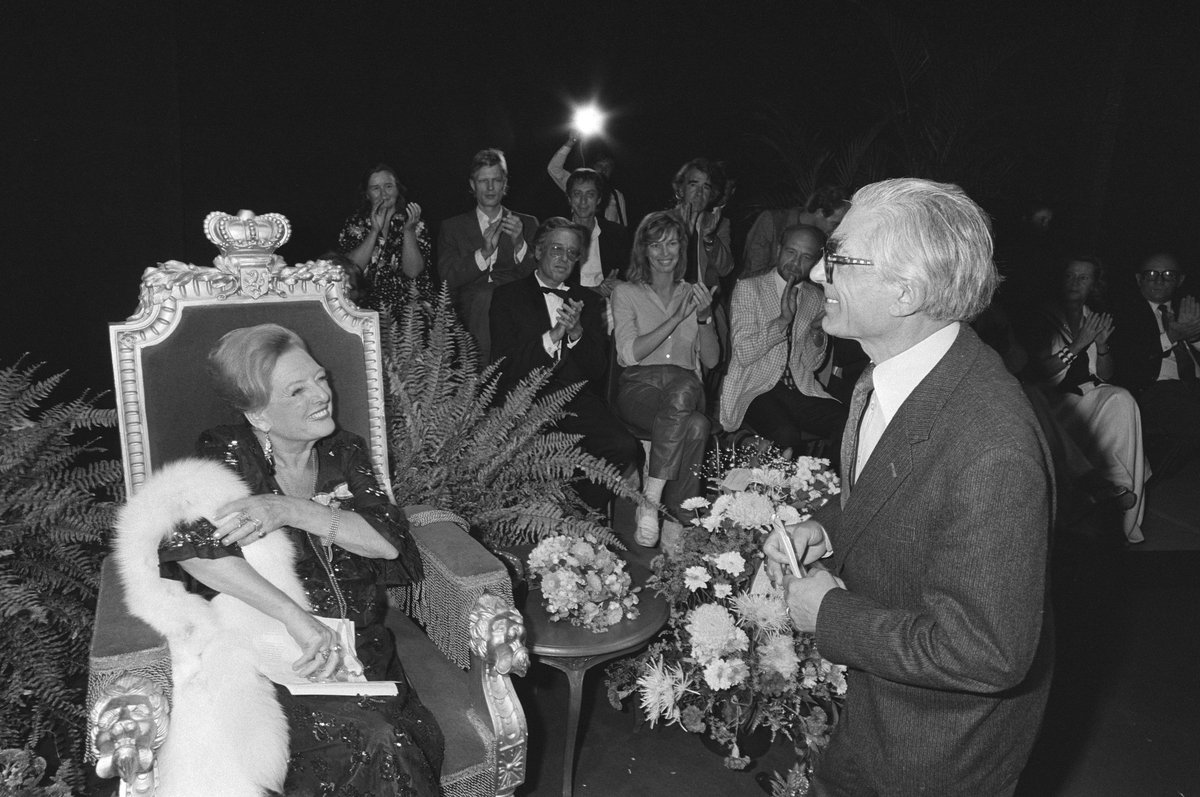
Black and white photo of actress Ank van der Moer seated on stage at Amsterdam Stadsschouwburg attentively listening to the speech by Mayor Wim Polak on September 12, 1981, celebrating her 50 years in theater.
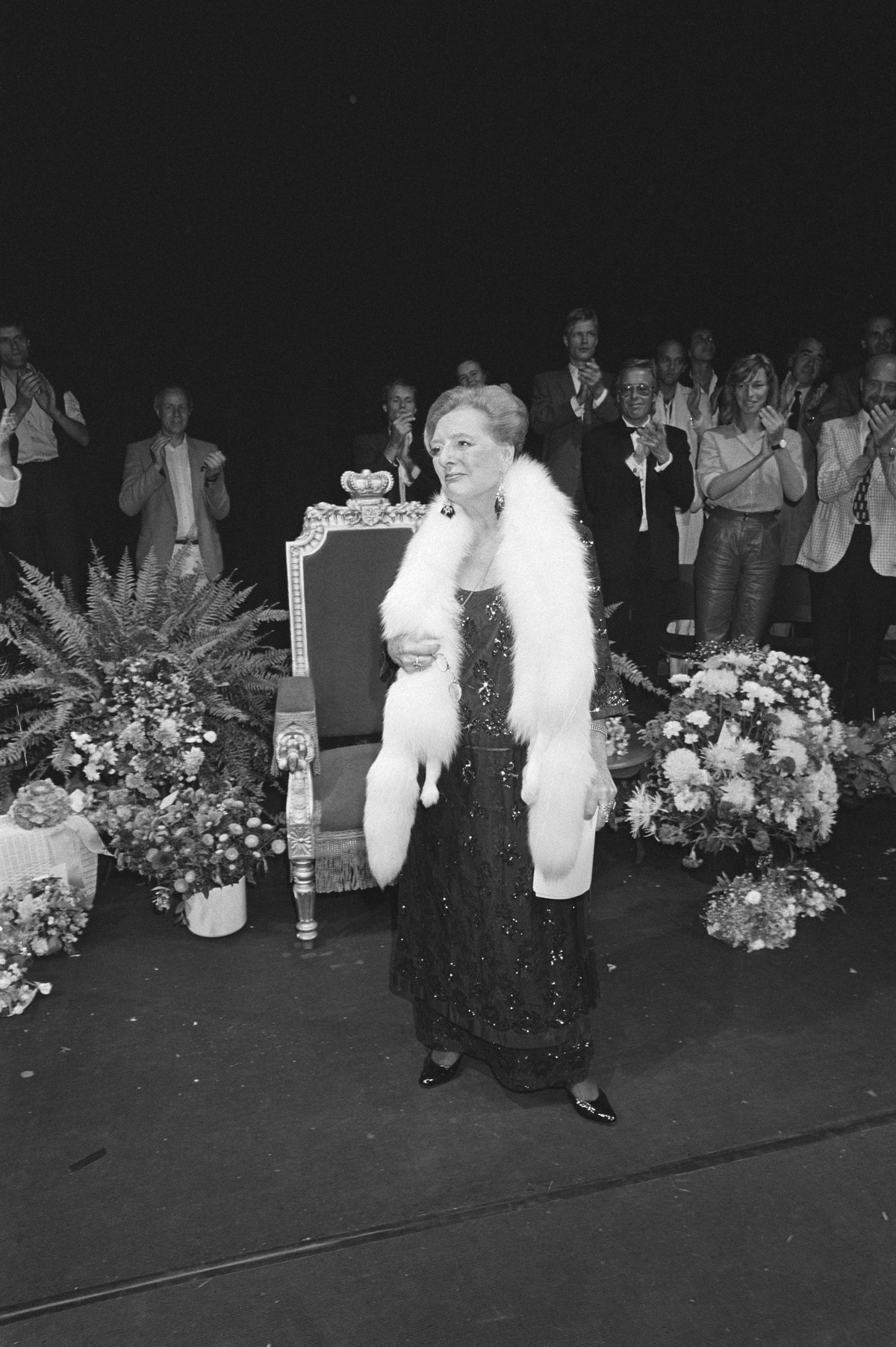
Black and white photo of actress Ank van der Moer being honored and standing while receiving applause at Amsterdam Stadsschouwburg on September 12, 1981, celebrating her 50 years in theater, photographed by Marcel Antonisse and part of the Anefo collection in the Nationaal Archief.
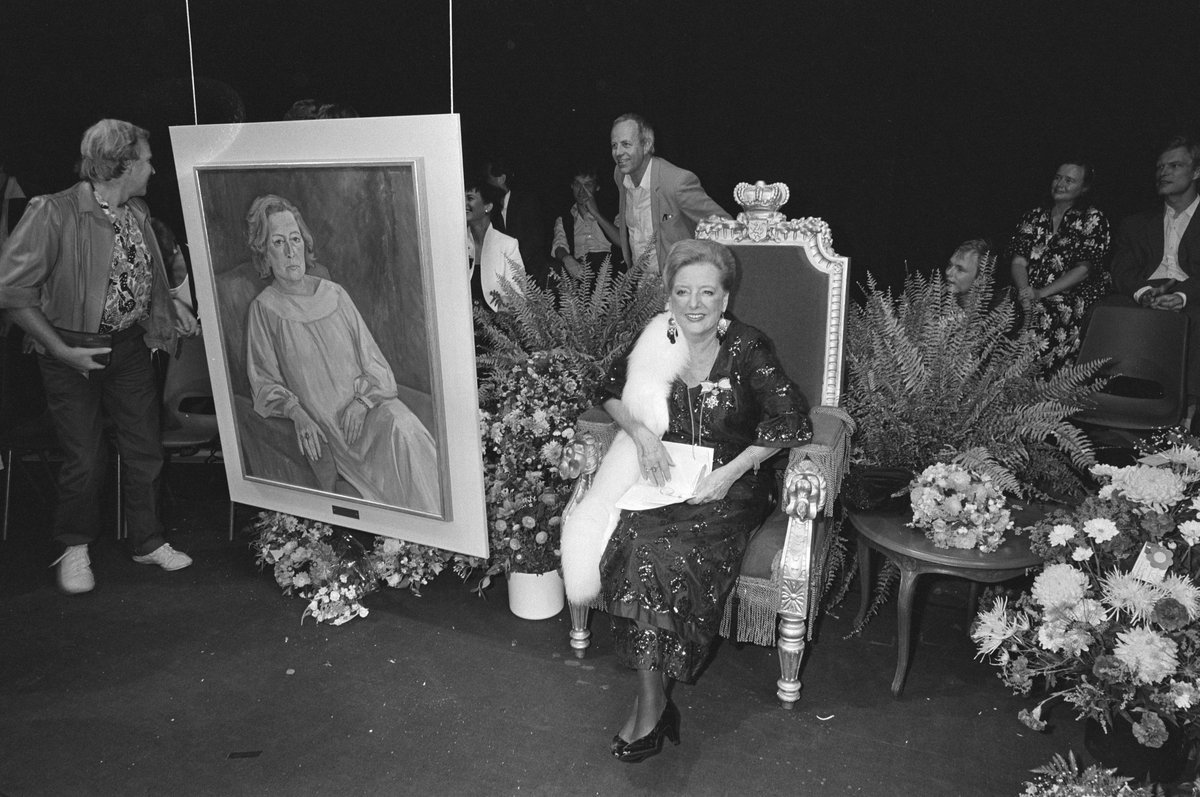
Black and white photo of actress Ank van der Moer seated on the stage of Amsterdam Stadsschouwburg beside a large painted portrait given to her in honor of her 50-year theater jubilee, taken on September 12, 1981, by photographer Marcel Antonisse.
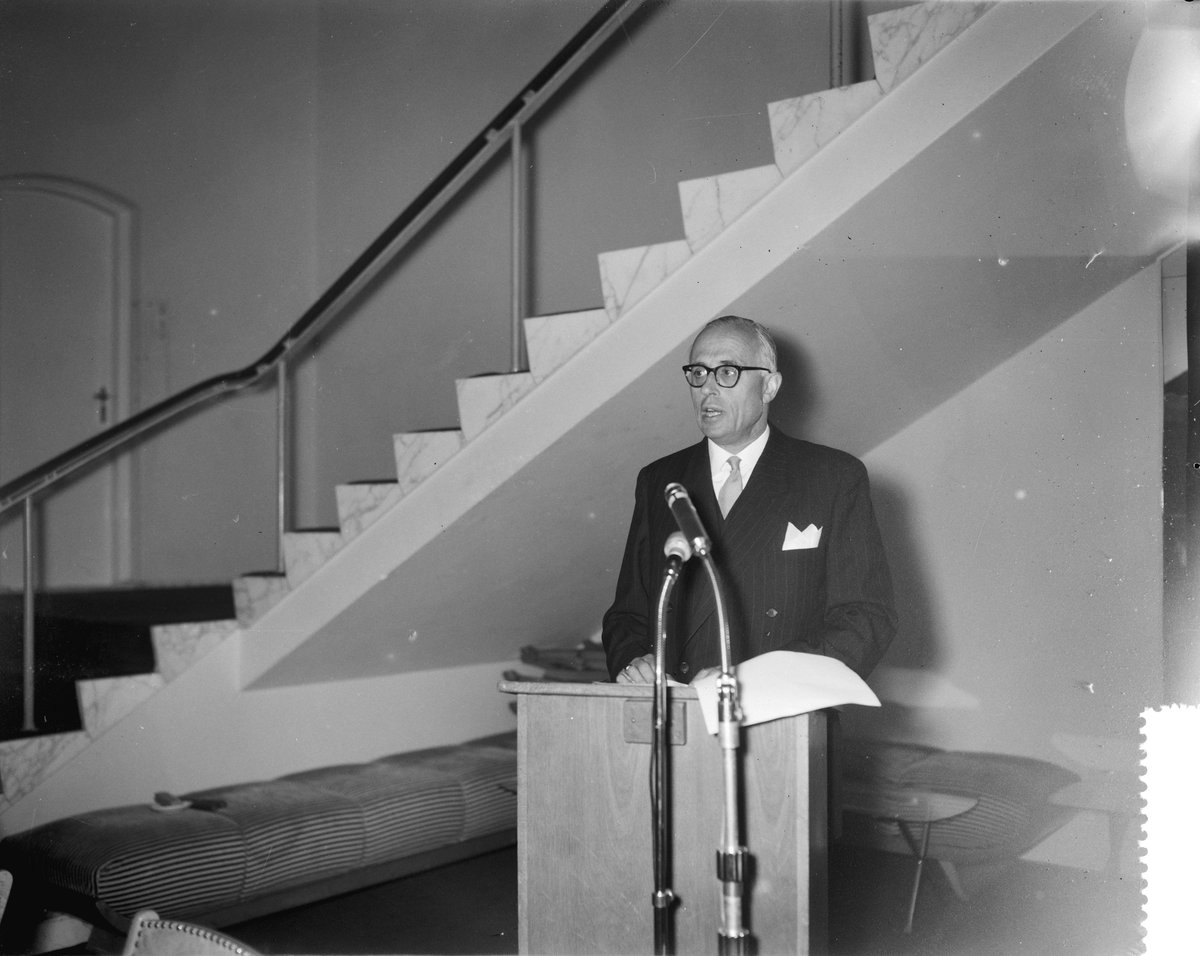
Historic black and white photo capturing Afrikadag at Stadsschouwburg theater commemorating 15 years of the Afrikainstituut on June 30, 1959. Photographed by Joop van Bilsen, part of Anefo collection at Nationaal Archief.
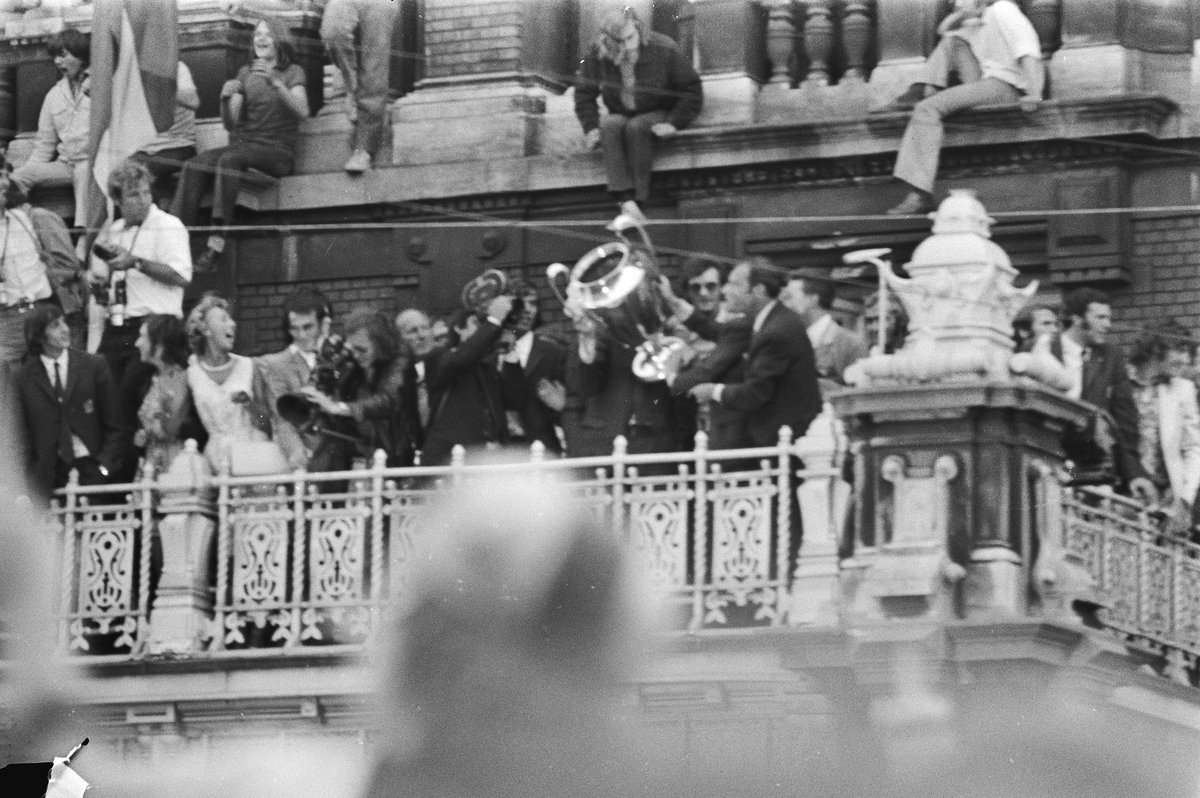
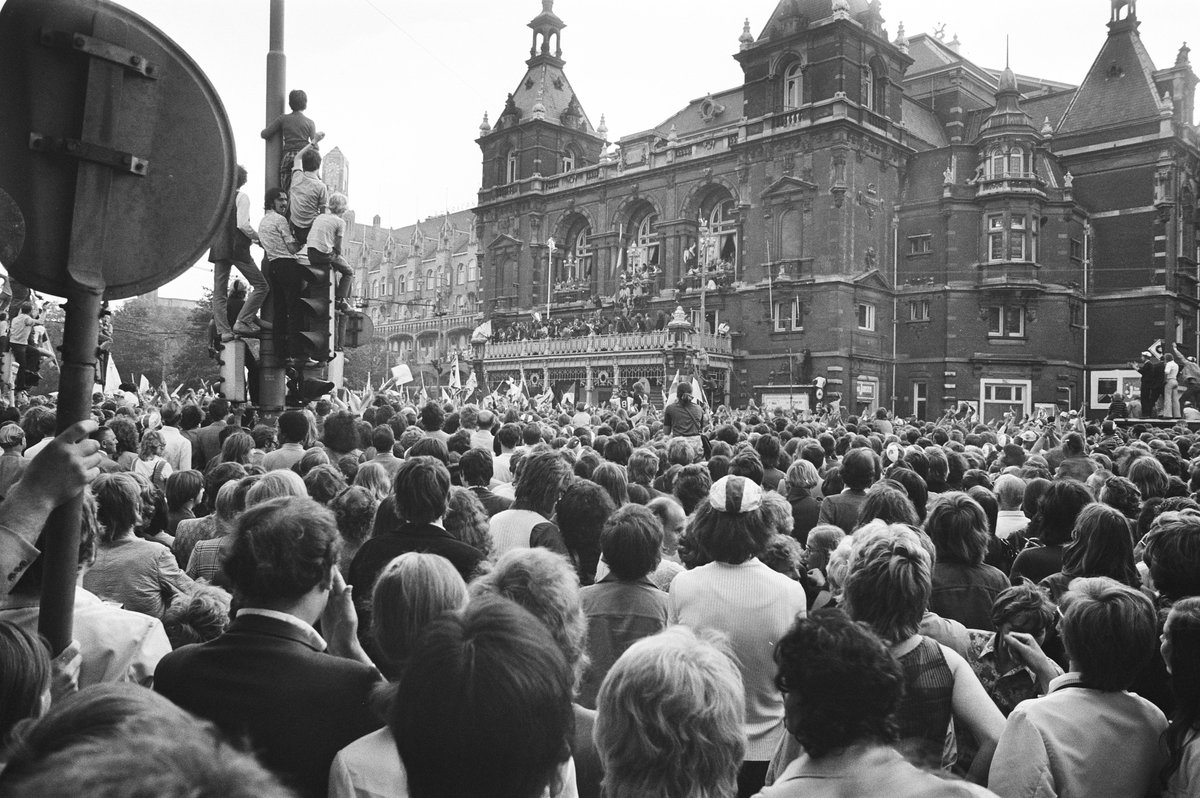
Black and white photo of Ajax football players on a balcony at Stadsschouwburg, Amsterdam, being cheered by a large crowd during a celebration on June 3, 1971.
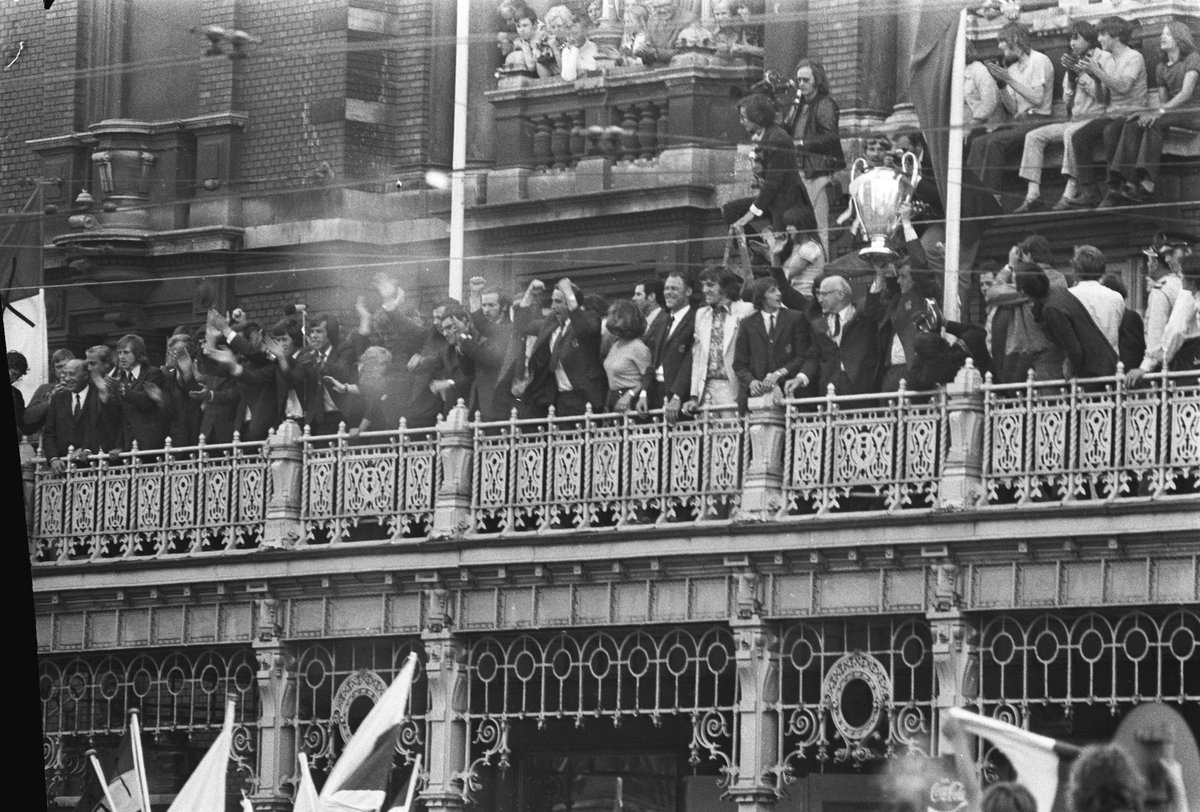
Black and white photo of Ajax football players standing on a balcony at the Stadsschouwburg in Amsterdam being celebrated by a huge crowd on June 3, 1971
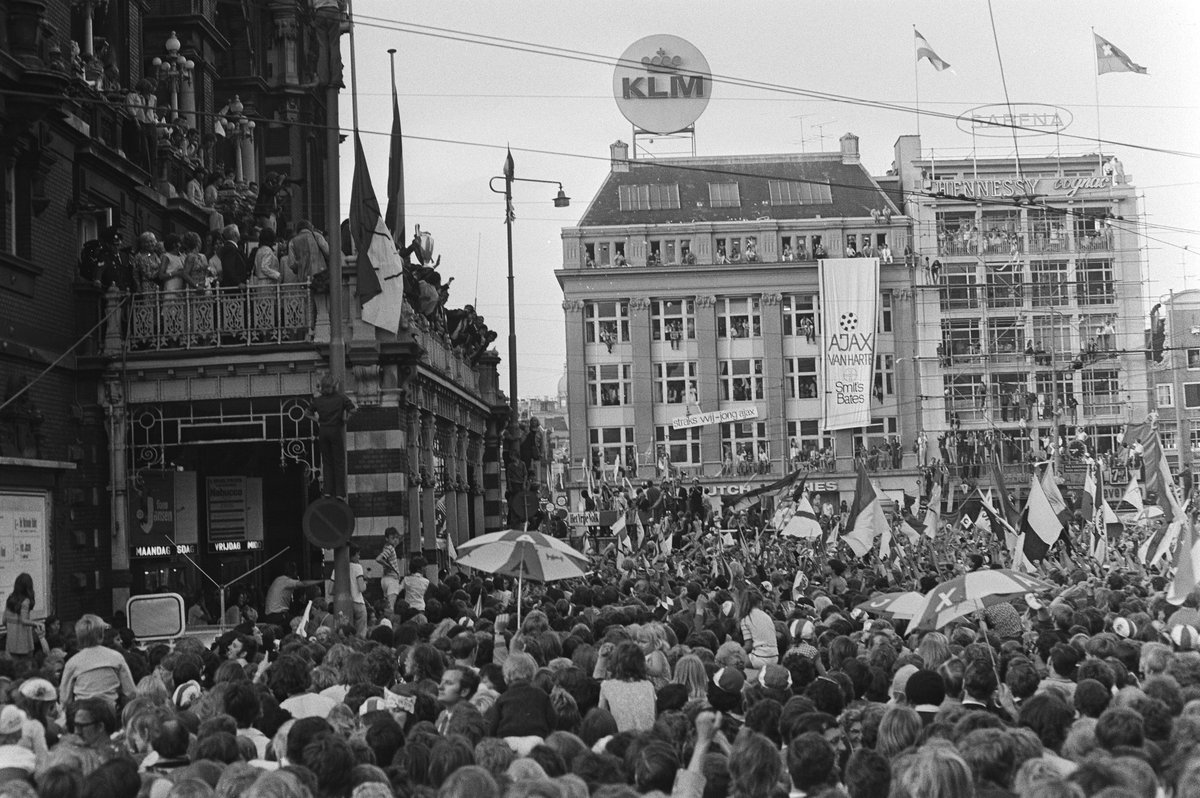
Black and white photo of Ajax football players standing on a balcony at Stadsschouwburg Amsterdam, celebrated by a large enthusiastic crowd on June 3, 1971.
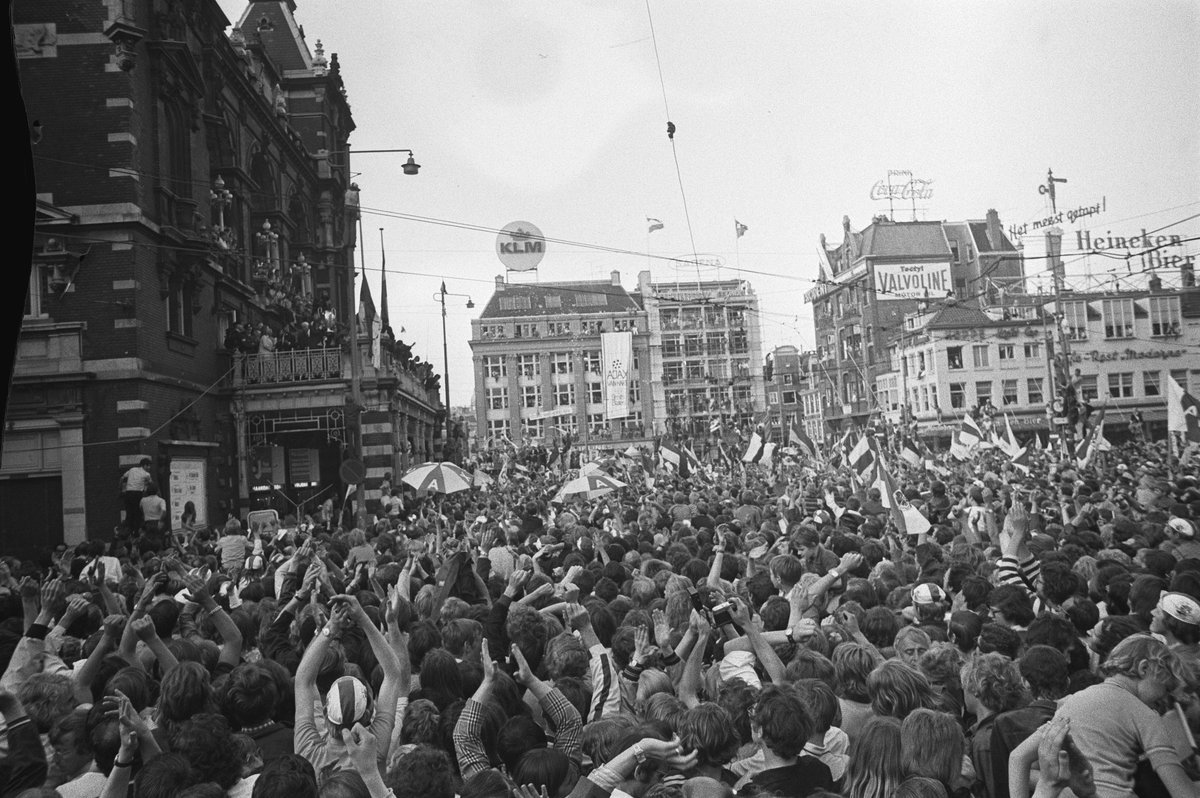
Black and white photo of Ajax football team standing on balcony at Stadsschouwburg Amsterdam, celebrated by huge crowd on June 3, 1971. Sports event, football players, public celebration in Amsterdam, Noord-Holland.
A Brief History of Stadsschouwburg Amsterdam
Origins and Evolution
Amsterdam’s theatrical tradition began in the early 17th century, when poetic societies commissioned Jacob van Campen to design the city’s first permanent theatre, "de Schouwburg," in 1637. This venue was central to the Dutch Golden Age of theatre, hosting both local and international productions (supertravelr.com). As demand for theatre grew, the building underwent renovations in the 1660s, introducing advanced stage machinery and expanding its capacity.
Tragedy and Renewal
A devastating fire in 1772 destroyed the original theatre and nearby houses, leading to the construction of a replacement on Leidseplein, which opened in 1774. Over the years, the theatre experienced further changes, including architectural enhancements and name changes reflecting the political climate. Despite another catastrophic fire in 1890, the city’s commitment to the arts was unwavering, resulting in the creation of the current, more resilient neo-Renaissance edifice (ita.nl).
Modern Era and Cultural Impact
Completed in 1894, the present Stadsschouwburg became the premier venue for dramatic arts, opera, and ballet. In 2009, the addition of the modern Rabozaal and the Nieuwe Foyer revitalized the building, blending historical elegance with contemporary functionality. The 2018 merger with Toneelgroep Amsterdam to form Internationaal Theater Amsterdam (ITA) further cemented its role as a hub for innovative programming and international collaboration (amsterdam.info).
Architectural Highlights
Exterior: Neo-Renaissance Grandeur
The Stadsschouwburg’s façade, designed by A.L. van Gendt and the Springer brothers, is a masterpiece of neo-Renaissance architecture. With its red brick, decorative stonework, and ornate towers, the building dominates Leidseplein and recalls the prestige of Amsterdam’s late 19th-century aspirations (ITA History).
Interior: Opulent Auditorium & Modern Additions
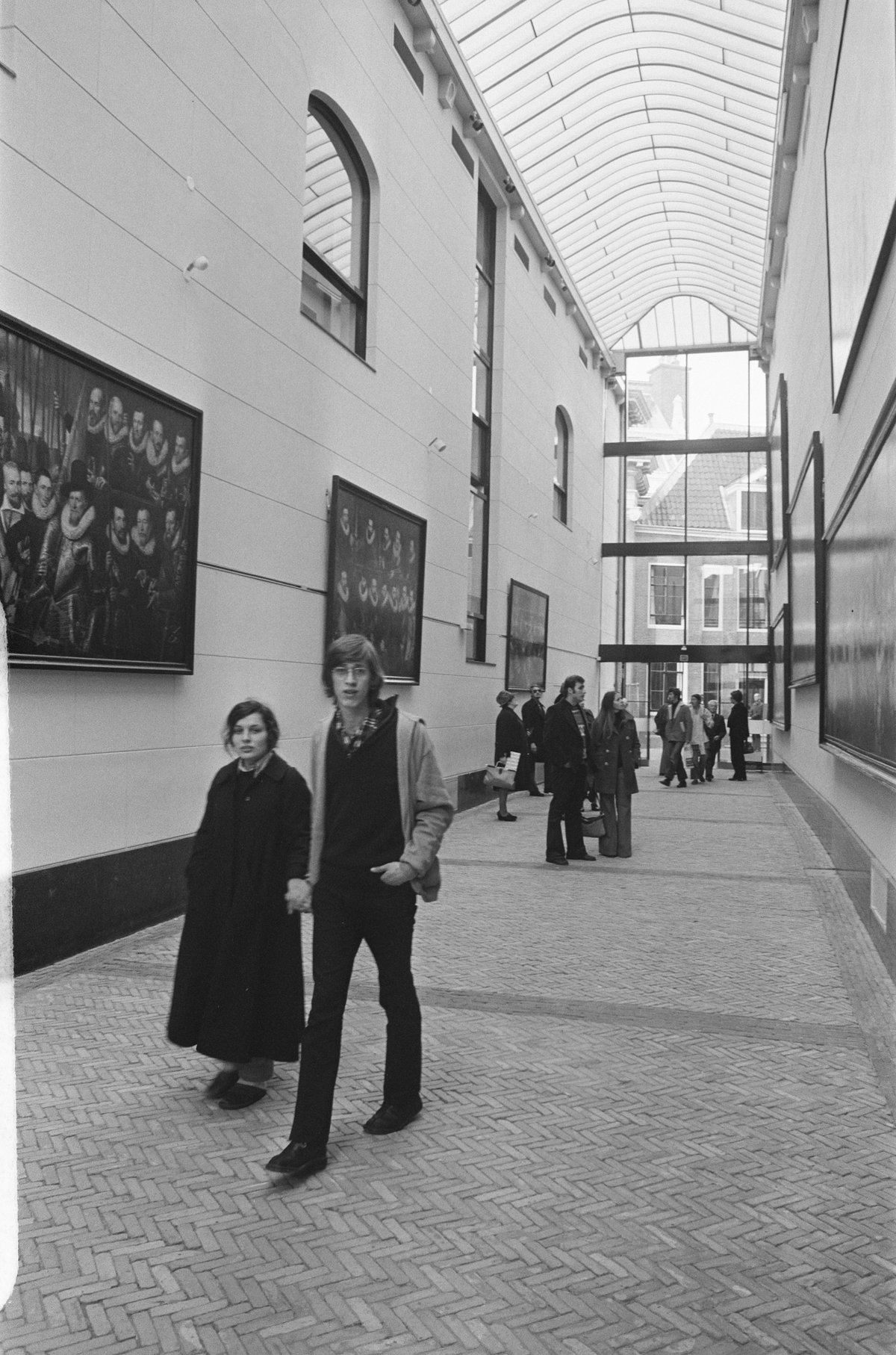
Inside, visitors are greeted by grand staircases, plush red velvet seating, gilded balconies, and elaborate chandeliers. The horseshoe-shaped main auditorium, seating around 1,200, evokes the ambiance of a royal theatre (amsterdam.info). The Rabozaal, opened in 2009, introduces a flexible, contemporary performance space, while the Nieuwe Foyer—a glass-walled lounge suspended above the canal—offers stunning city views. The portrettengalerij (portrait gallery) celebrates Dutch theatre icons (ITA History).
Visitor Information: Hours, Tickets, and Accessibility
Visiting Hours
- Box Office: Typically open Monday to Saturday, 1:00 PM to 6:00 PM, and 90 minutes prior to performances.
- General Visits: Public areas and guided tours are often accessible during box office hours; performances may extend opening times. Always check the ITA website for current schedules and events.
Tickets
- Purchase Options: Buy tickets online via the ITA ticket portal, by phone (+31 (0)20 624 23 11), or at the box office.
- Pricing: Ticket prices range from €15 to €65 depending on performance, seat location, and demand. Early bookings typically secure lower prices.
- Discounts: Students, seniors, and groups may be eligible for discounts.
- Special Events: The theatre hosts festivals like Brandhaarden, Julidans, and the Holland Festival (ITA).
- Surtitles: Many Thursday night performances feature live English surtitles, making shows accessible to non-Dutch speakers (Amsterdam Tips).
Accessibility
- Physical Access: Wheelchair-accessible entrances, seating, restrooms, and elevators throughout the building.
- Services: Assistance for visitors with disabilities can be arranged; advance notice is recommended.
- Companions: Carers or assistance dogs are welcome with prior notification.
- Hearing & Visual Accessibility: Some performances offer hearing loops or other aids—check the I amsterdam accessibility guide.
Facilities & Services
- Dining: The on-site café/brasserie serves light bites, drinks, and meals before and after performances. The Nieuwe Foyer is a favorite spot to relax during intermissions.
- Cloakroom & Lockers: Staffed cloakroom and lockers are available for personal belongings.
- Wi-Fi & Info: Free Wi-Fi in public areas; multilingual staff at the box office.
- Guided Tours: Explore backstage, the auditorium, and portrait gallery with pre-booked guided tours.
- Sustainability: The theatre prioritizes energy-efficient lighting, water-saving fixtures, and responsible renovations (ITA History).
Nearby Attractions & Travel Tips
Attractions Within Walking Distance
- Leidseplein: Amsterdam’s entertainment hub, filled with bars, cafés, and nightlife.
- Rijksmuseum: 10–15 minute walk; home to Dutch artistic masterpieces.
- Van Gogh Museum & Stedelijk Museum: Both located on Museumplein, easily reached by foot or tram.
- Vondelpark: Amsterdam’s largest park, perfect for a stroll or picnic.
- DeLaMar Theater: Adjacent, offering additional theatre and musical performances.
- The 9 Streets (De Negen Straatjes): A picturesque shopping district with boutiques and cafés.
Dining & Amenities
- Popular Restaurants: Café Americain, The Pantry, Foodhallen.
- Quick Bites: FEBO, Albert Heijn supermarket.
- Shopping: Kalverstraat and Spiegelkwartier for retail and antiques.
- Accommodation: Hotels like American Hotel Amsterdam, Hotel Vondel, and local hostels.
- Transportation: Leidseplein is a major tram hub (lines 1, 2, 5, 7, 12, 19). Taxis, Uber, and Bolt operate in the area.
- Accessibility: Streets and public transport are generally wheelchair-friendly.
Visitor Tips
- Book tickets early for the best seats and prices.
- Arrive at least 30 minutes before performances.
- Check for English surtitles if you’re not fluent in Dutch.
- Reserve accessible seating in advance if needed.
- Use nearby luggage storage for a hands-free experience.
- Combine your visit with nearby museums or a canal cruise for a full cultural day.
Frequently Asked Questions
Q: What are the visiting hours?
A: The box office is open Monday–Saturday, 1:00 PM–6:00 PM, and 90 minutes before shows. Performances may run outside these hours—see the ITA website for details.
Q: How do I buy tickets?
A: Purchase online, by phone, or at the box office. Early booking is recommended.
Q: Is the theatre wheelchair accessible?
A: Yes, including accessible entrances, seating, and restrooms.
Q: Are guided tours available?
A: Guided tours can be booked in advance and cover the theatre’s history, architecture, and backstage areas.
Q: Are there performances in English?
A: Many shows are in Dutch, but English surtitles are offered on Thursdays and select other performances.
Q: What are nearby places to visit?
A: Leidseplein, Rijksmuseum, Van Gogh Museum, Vondelpark, and DeLaMar Theater are all close by.
Listen to the full story in the app
Your Personal Curator, in Your Pocket.
Audio guides for 1,100+ cities across 96 countries. History, stories, and local insight — offline ready.
Audiala App
Available on iOS & Android
Join 50k+ Curators
Sources
- verified
- verified
- verified
- verified
- verified
- verified
- verified
Last reviewed: