Plan and listen to Royal Tropical Institute Building with Audiala.
Audio guide in your pocket, itinerary in your browser. Built for the way you actually visit.
Introduction
The Koninklijk Instituut voor de Tropen (KIT), or Royal Tropical Institute, is a historic institution located in Amsterdam, founded in 1910. Initially serving as the Colonial Institute, KIT's primary focus was on tropical hygiene and economic exploitation of the Dutch East Indies (now Indonesia). Over the past century, KIT has evolved into a multidisciplinary center for research, education, and cultural exchange, addressing global challenges like poverty, inequality, and sustainable development (source).
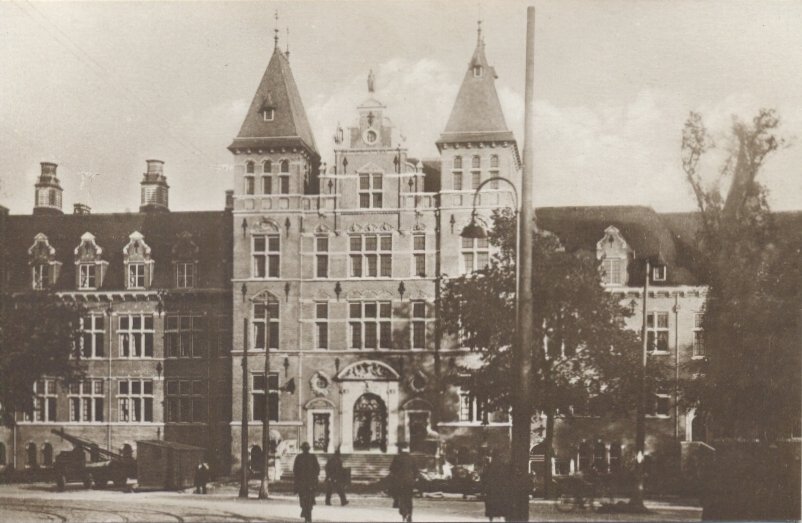
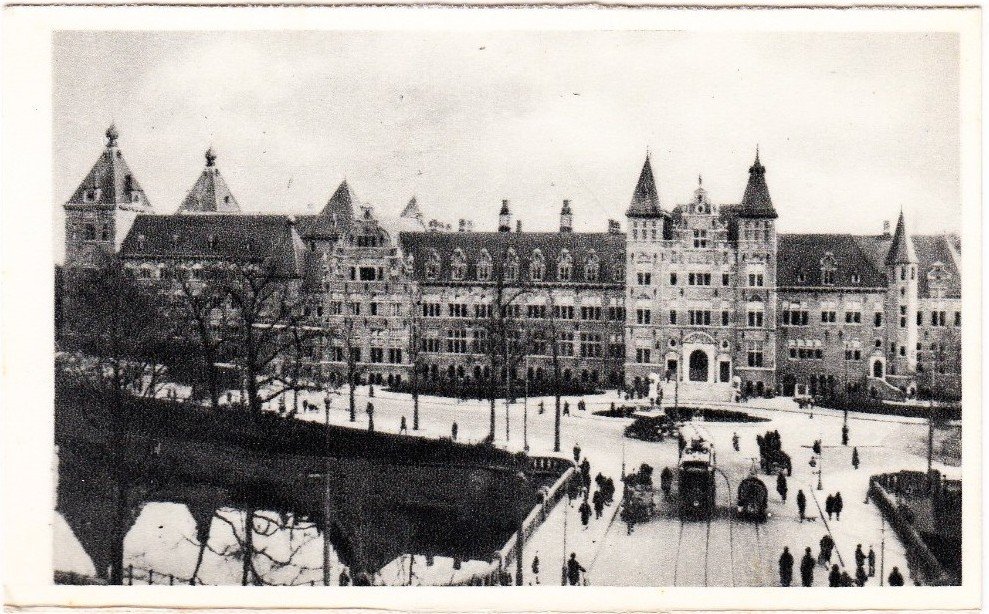
Today, KIT contributes significantly to global health, sustainable economic development, and social transformation. Its grand architecture, designed by J.J. van Nieukerken, houses laboratories, lecture halls, and an extensive library dedicated to tropical studies. Visitors can explore its history and contemporary relevance through the Tropenmuseum, which showcases over 175,000 objects from diverse cultures across Asia, Africa, Latin America, and the Caribbean (source).

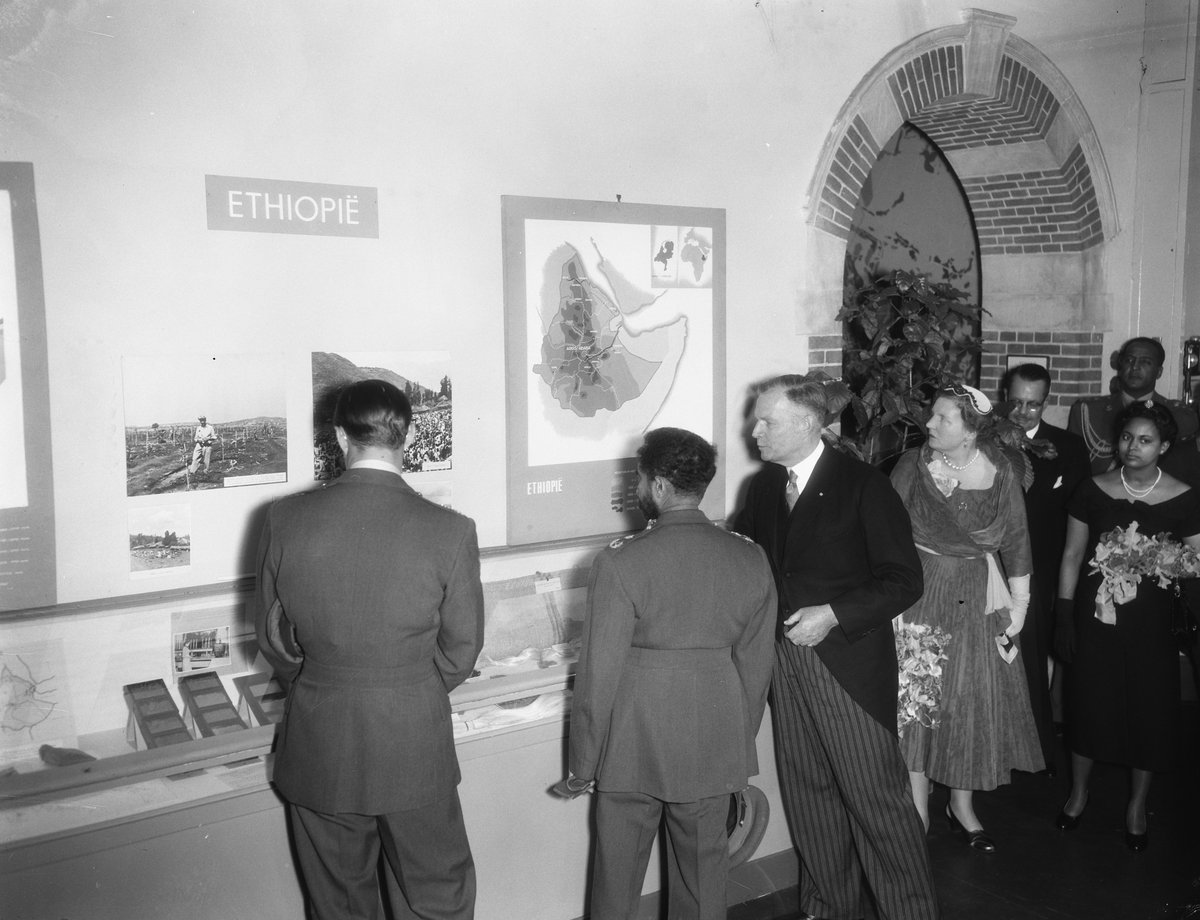
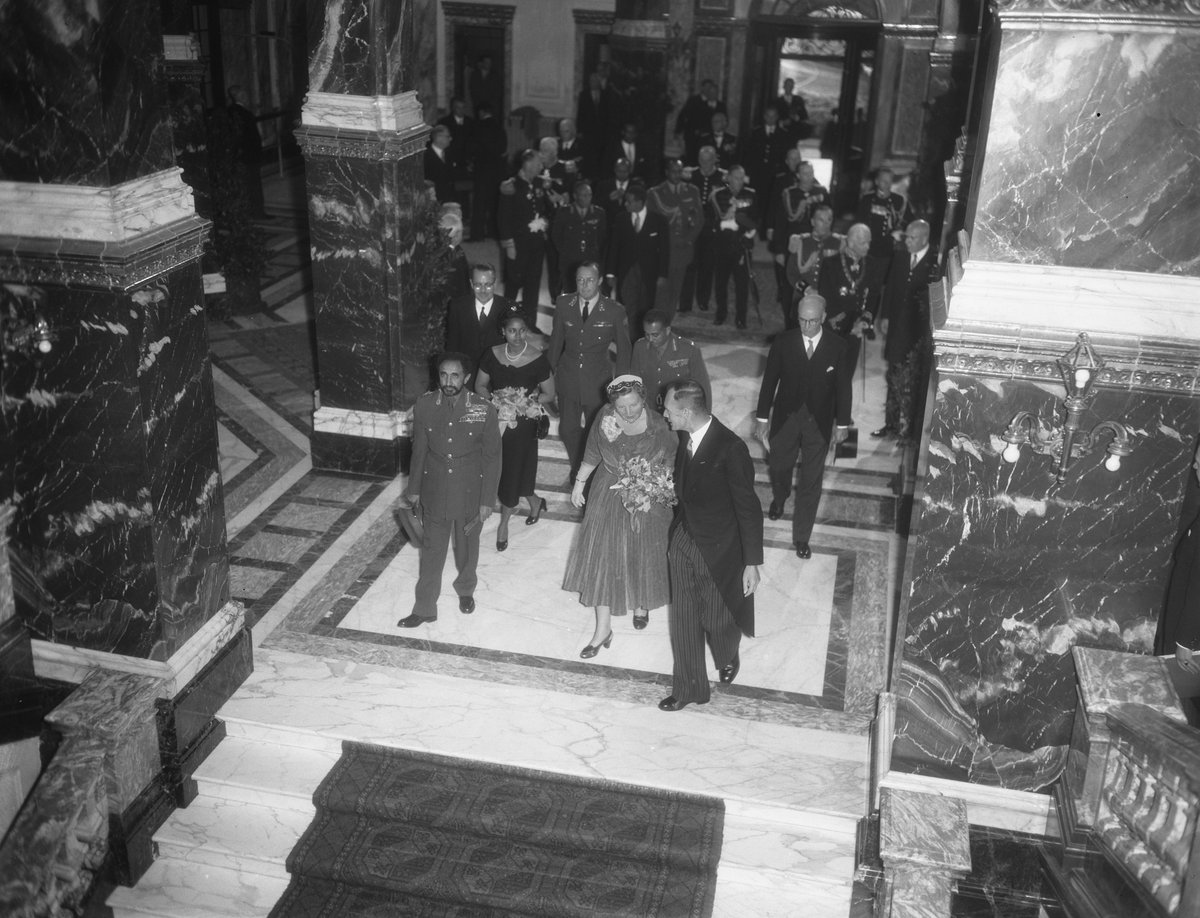


History and Evolution
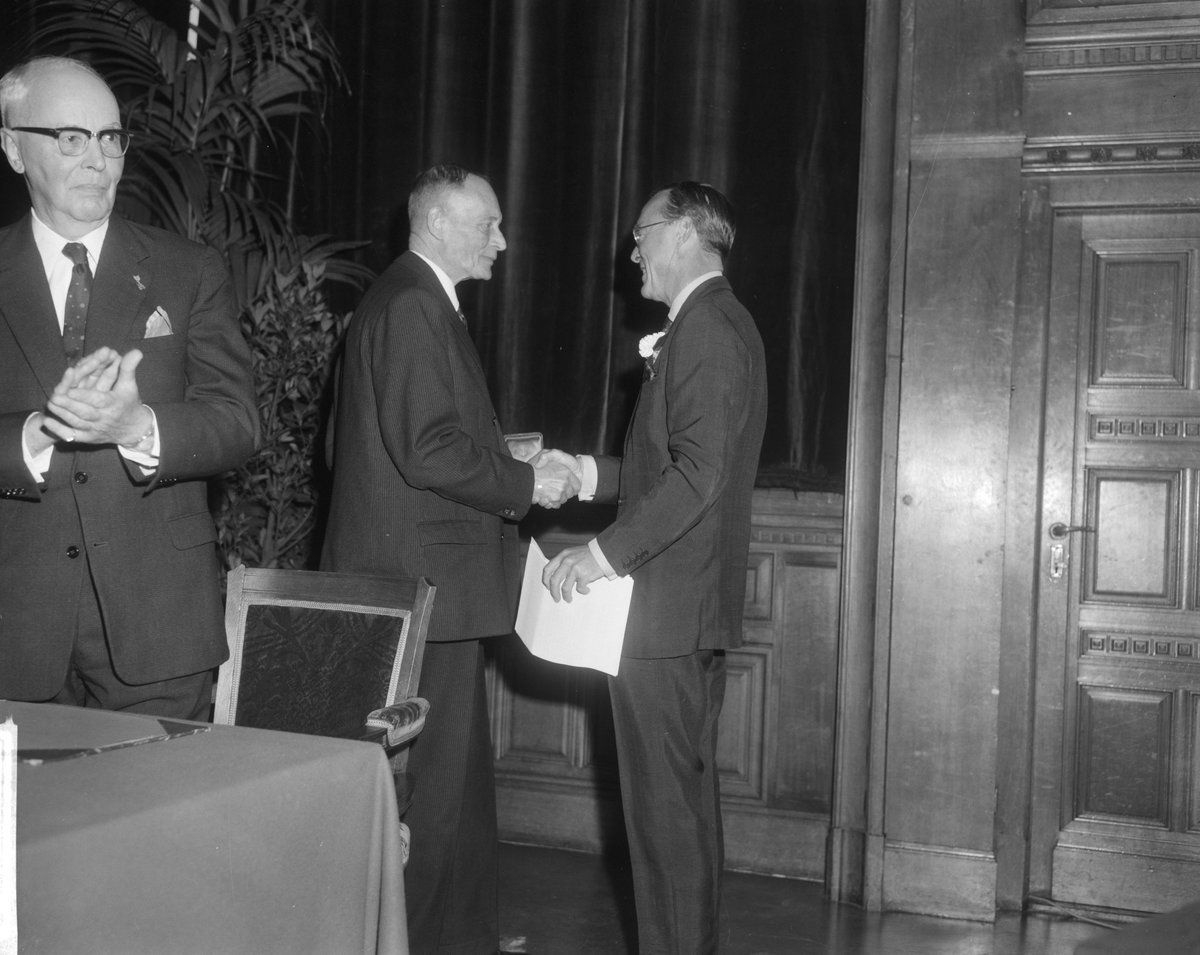
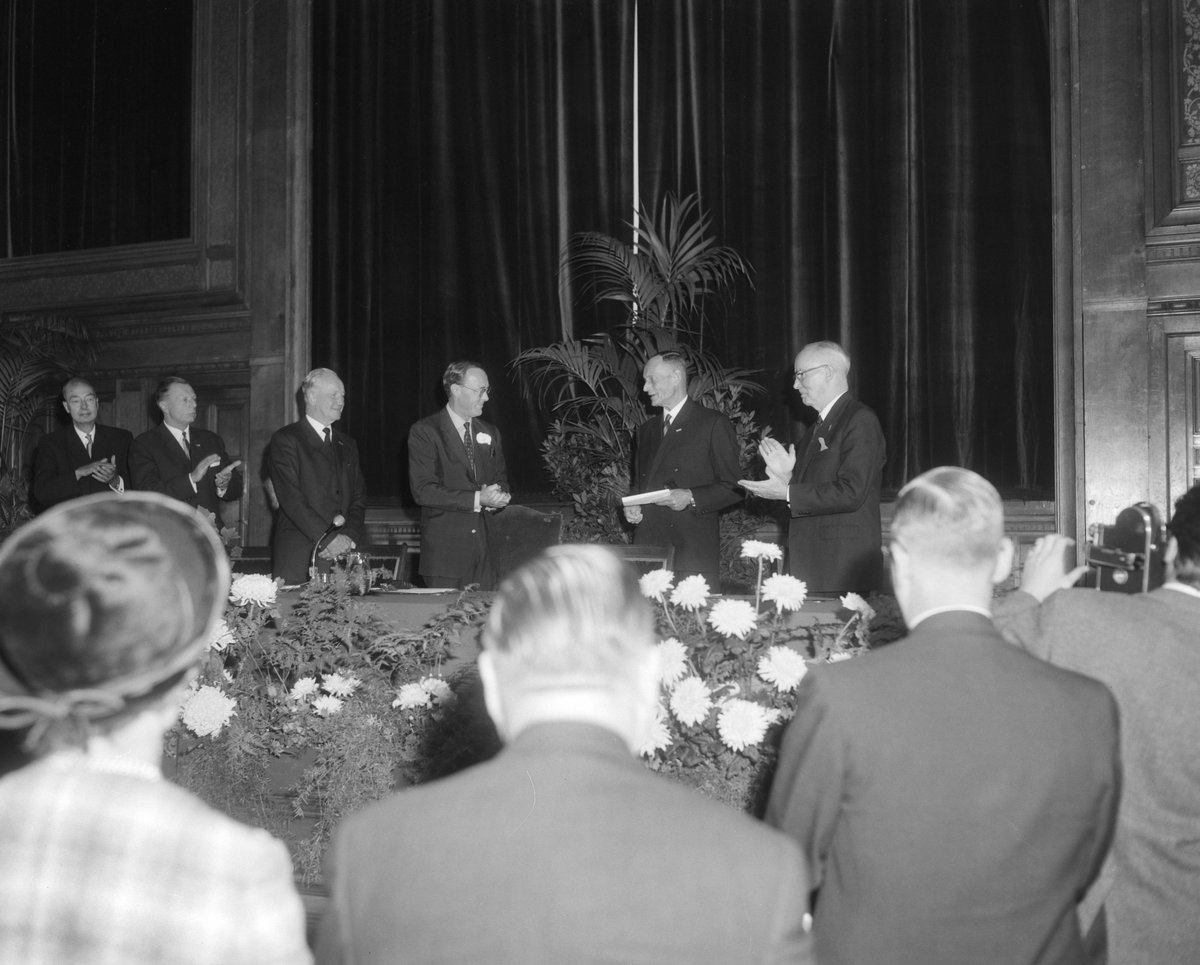
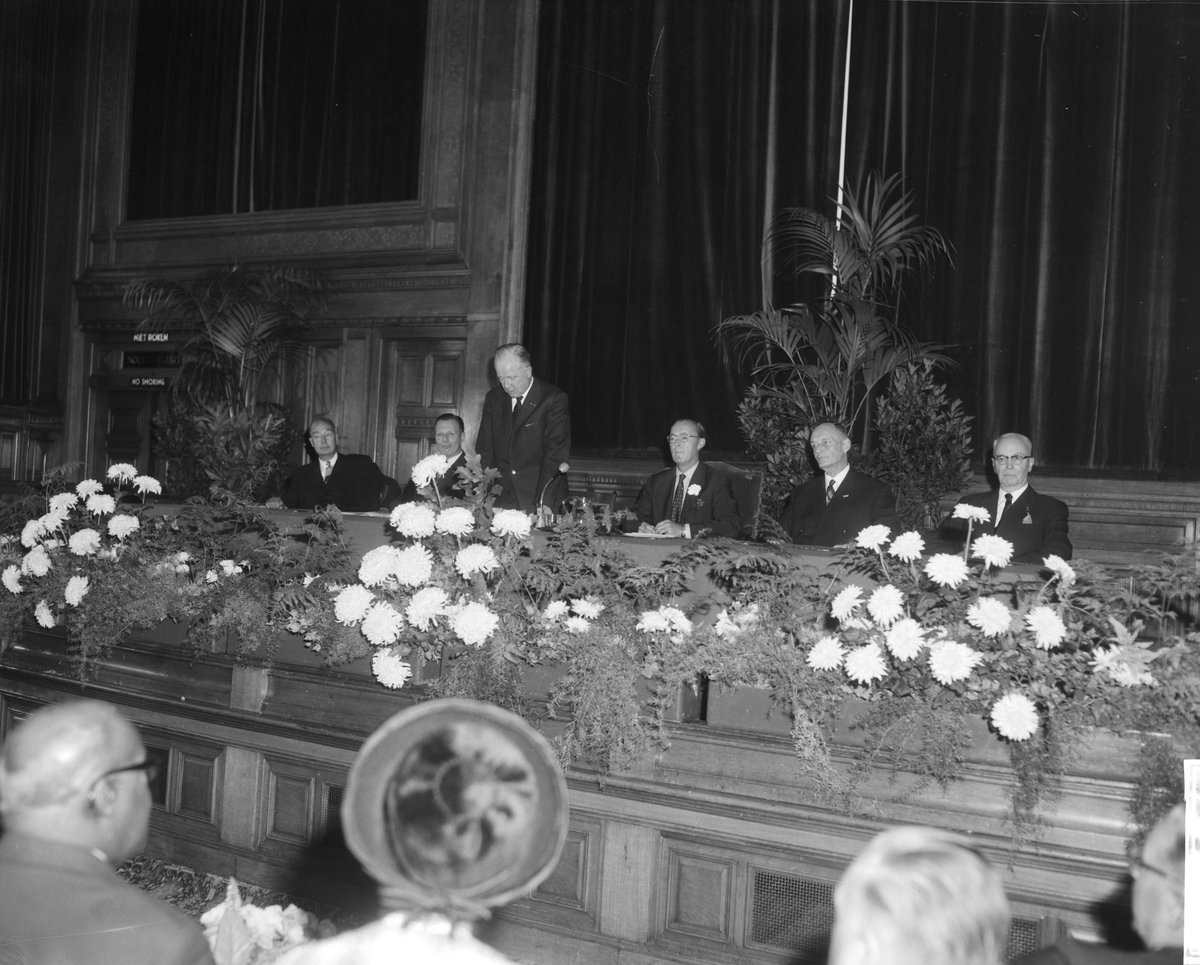
The Koninklijk Instituut voor de Tropen (KIT) has a history as complex as the cultures it showcases. Founded in 1910 as the Colonial Institute, its initial function was tied to the Netherlands' colonial ambitions. The institute focused on research and education for the economic exploitation of the Dutch East Indies.
Early Years: Focus on Tropical Hygiene and Economic Exploitation
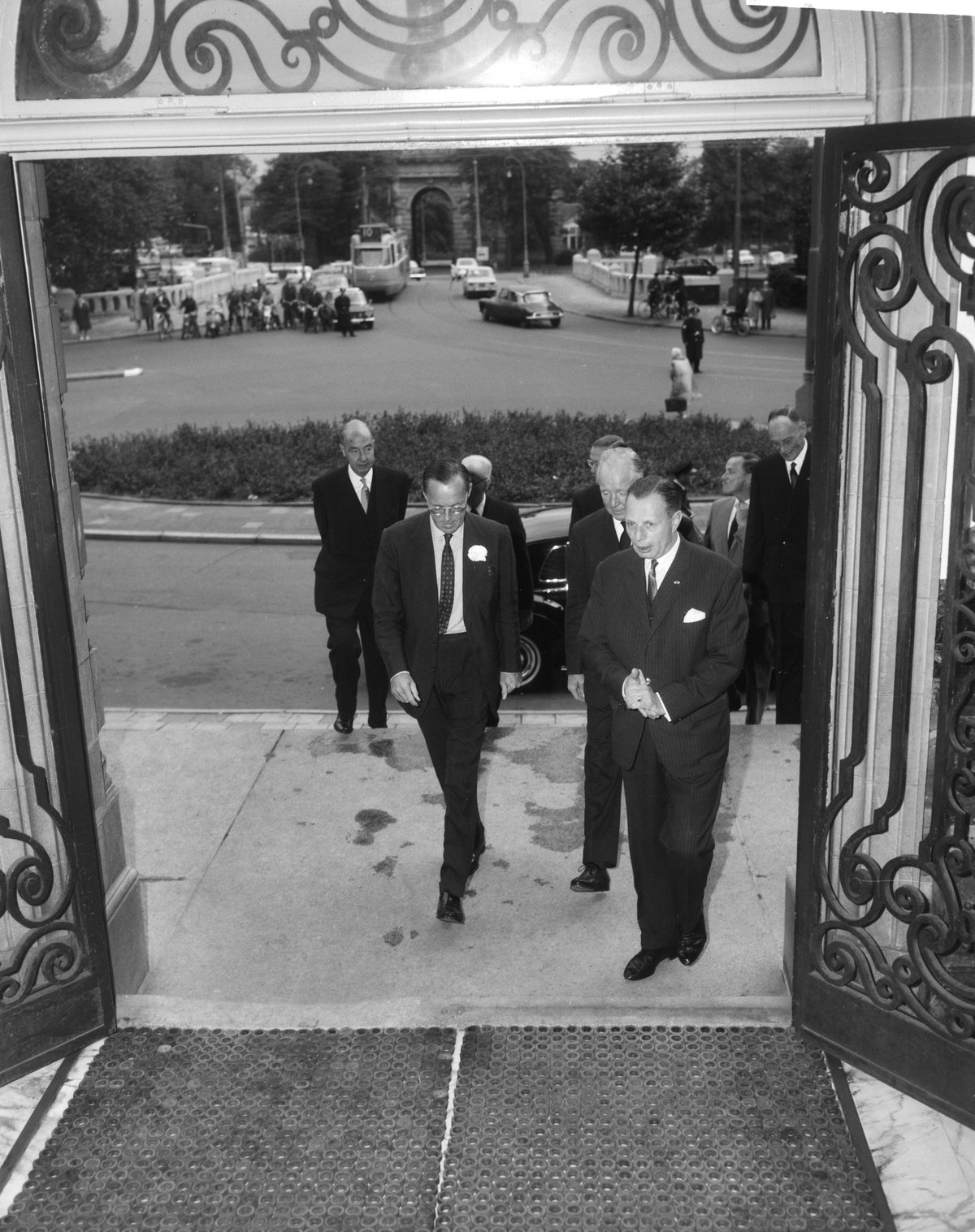
In its early years, KIT advanced tropical medicine and hygiene, contributing to combating diseases like malaria and cholera. However, this progress was aligned with a colonial agenda aimed at improving health and productivity in the colonies to serve Dutch economic interests. The grand architecture by J.J. van Nieukerken embodies this duality, with its imposing facade and ornate details housing laboratories, lecture halls, and a vast library.
Post-Colonial Era: Shifting Focus
The end of World War II and Indonesian independence in 1949 marked a turning point for KIT. The institute transitioned from a colonial to a global development-oriented approach. This involved acknowledging its controversial past and embracing a broader scope and commitment to international development. KIT's research and educational programs expanded to include social sciences, economics, and cultural studies, focusing on global challenges like poverty, inequality, and sustainable development.
Visitor Information
Ticket Prices and Opening Hours
Visitors can explore KIT during its regular opening hours:
- Opening Hours: 10:00 AM to 5:00 PM, Tuesday to Sunday.
- Ticket Prices:
- Adults: €15
- Seniors (65+): €12
- Students: €10
- Children (4-12): €7.50
- Children under 4: Free
Travel Tips
Maximize your visit with these tips:
- Purchase tickets online in advance to avoid long queues.
- Join guided tours for deeper insights into KIT's history and collections.
- Allocate at least two hours to explore the museum and exhibits fully.
Nearby Attractions and Accessibility
KIT is located in Amsterdam, a city rich in attractions. Nearby sites include:
- Oosterpark: A beautiful urban park ideal for a stroll or picnic.
- Artis Zoo: One of Europe's oldest zoos, perfect for family visits.
- Hortus Botanicus: A historic botanical garden with rare plants and trees.
The institute is easily accessible by public transport. Tram lines 9 and 14 stop nearby, and there are ample parking facilities for those arriving by car.
The Tropenmuseum: A Window into World Cultures
The Tropenmuseum, part of KIT, showcases over 175,000 objects reflecting diverse cultures from Asia, Africa, Latin America, and the Caribbean. Initially a colonial museum, it has evolved to promote intercultural understanding and appreciation through exhibitions, educational programs, and cultural events.
Contemporary Relevance: Addressing Global Challenges in the 21st Century
KIT continues to address global challenges, focusing on issues like climate change, migration, and healthcare, with a special emphasis on sustainable solutions for developing countries. Its expertise in tropical medicine and global health is crucial in tackling emerging infectious diseases. KIT offers master's and postgraduate programs in international development and public health, attracting a global student body (source).
A Place of Learning, Reflection, and Engagement
KIT stands as a testament to the evolving relationship between the Netherlands and its colonial past. It offers a stimulating environment for learning, reflection, and engagement with global issues through its architecture, museum collections, and exhibitions.
FAQ
- What are the visiting hours for KIT?
- The institute is open from 10:00 AM to 5:00 PM, Tuesday through Sunday.
- How much are tickets for KIT?
- Ticket prices range from €7.50 for children to €15 for adults.
- What can I see at the Tropenmuseum?
- The Tropenmuseum features over 175,000 objects from diverse cultures across Asia, Africa, Latin America, and the Caribbean.
Listen to the full story in the app
The whole Royal Tropical Institute Building,
told well.
Audio guides for 1,100+ cities across 96 countries. History, stories, and local insight — offline ready.
Verified, and shown.
Researched and written by the Audiala editorial team from historical records, architectural archives, and local expertise.
Researched from Wikidata, Wikipedia & official sources · fact-checked · How we make our guides →