Plan and listen to Portuguese Synagogue with Audiala.
Audio guide in your pocket, itinerary in your browser. Built for the way you actually visit.
Introduction
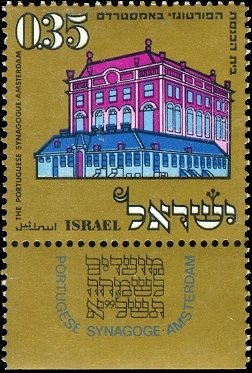
The Portuguese Synagogue, or Esnoga, stands as a majestic symbol of Amsterdam’s Sephardic Jewish heritage. Established in 1675 by Jews fleeing the Iberian Inquisition, this 17th-century architectural masterpiece is among Europe’s oldest functioning synagogues. With its stunning candlelit interior, the Esnoga is not only a place of worship but also a living museum, housing the world’s oldest continually used Jewish library—Ets Haim—and an extraordinary collection of ceremonial artifacts. This guide details its historical and cultural significance, practical information for visiting, and tips for making the most of your experience (World Jewish Travel; Jewish Cultural Quarter; Amsterdam.info).
- Origins and Sephardic Migration
- Community Formation and Growth
- Religious and Cultural Flourishing
- The Synagogue’s Construction and Architecture
- Religious Significance and Living Traditions
- Visitor Information: Hours, Tickets, and Accessibility
- Nearby Attractions and Cultural Context
- Frequently Asked Questions (FAQ)
- Conclusion and Planning Your Visit
- Sources and Further Reading


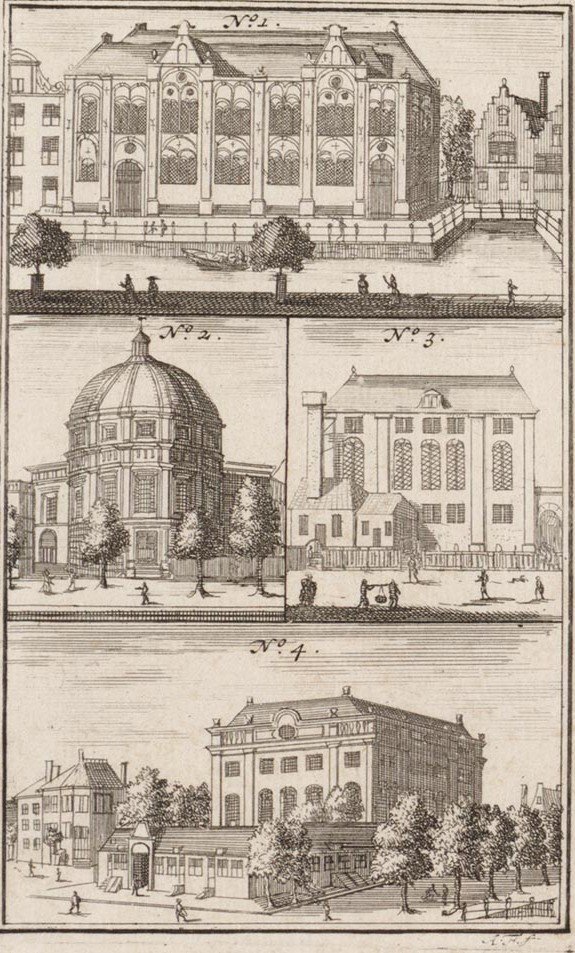

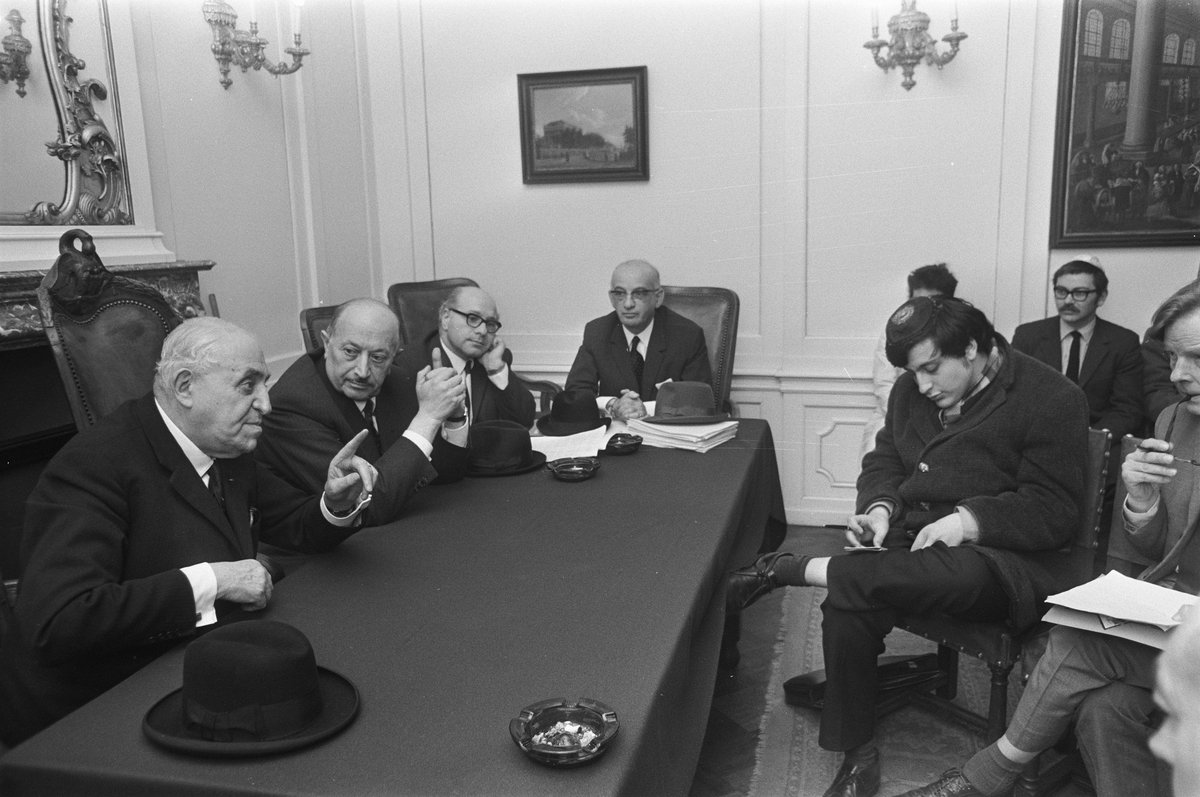
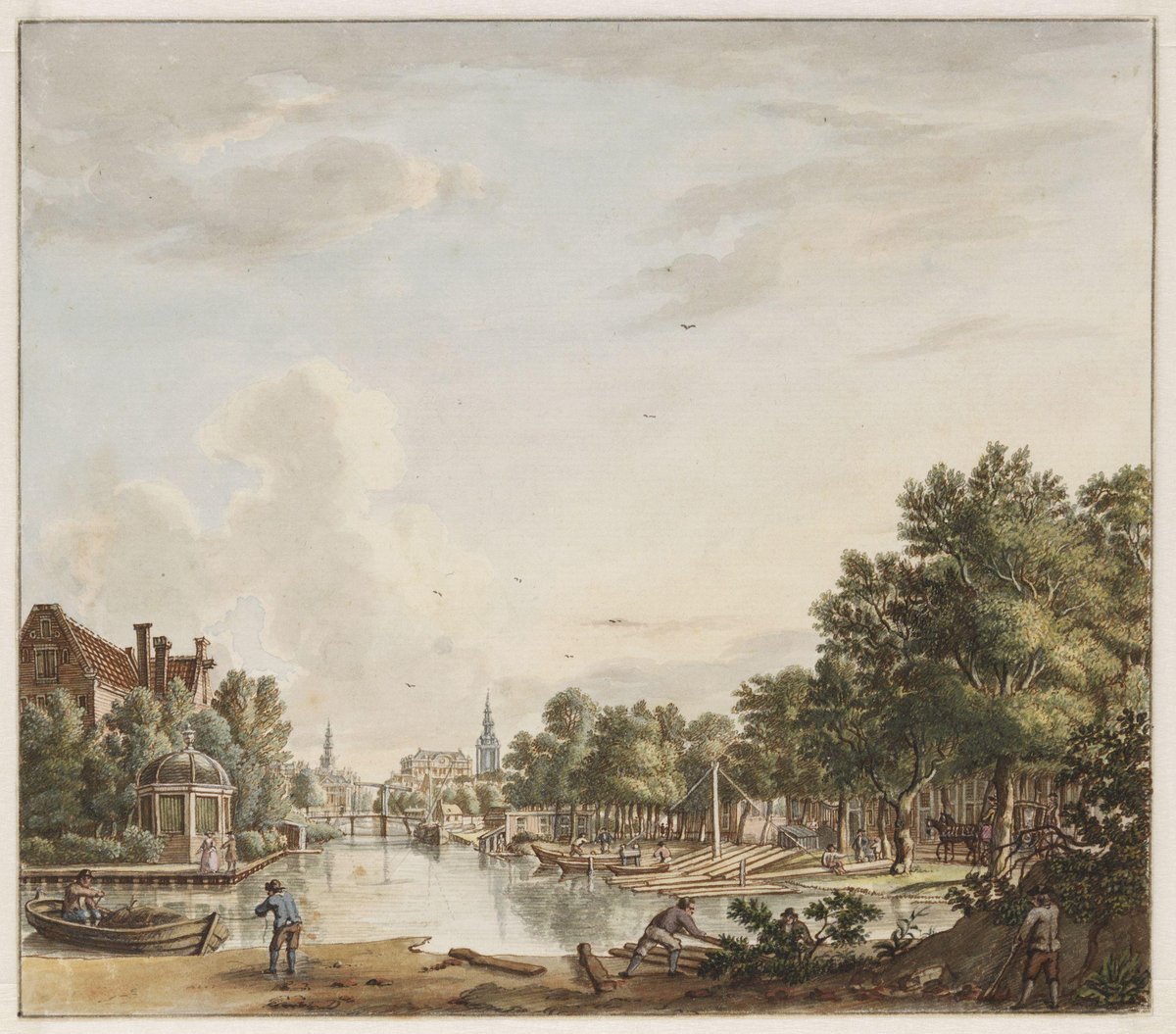
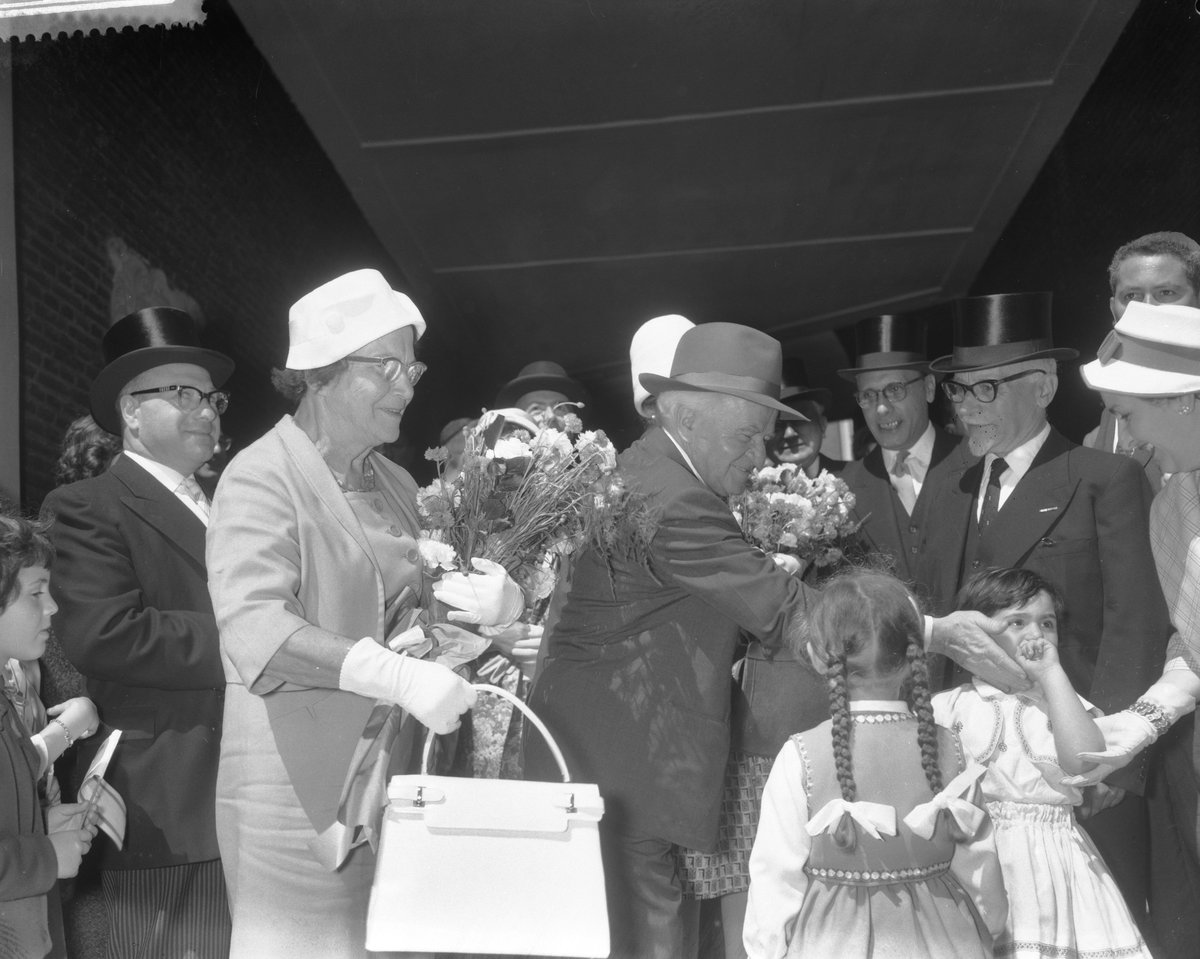
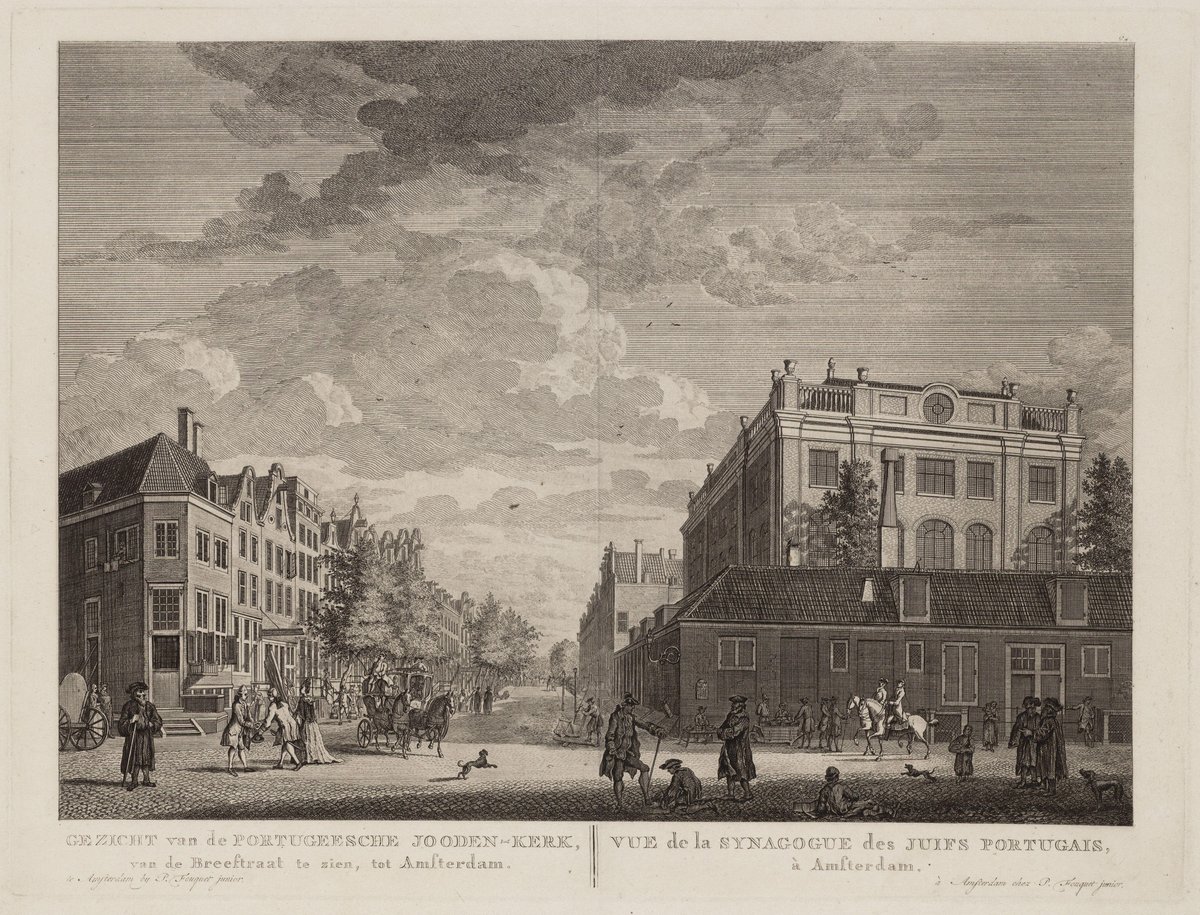

Origins and Sephardic Migration
The Portuguese Synagogue’s roots trace back to the turmoil of the late 15th and early 16th centuries, when Spain and Portugal expelled or forcibly converted their Jewish populations (World Jewish Travel). Many conversos, or secret Jews, sought refuge in Amsterdam, drawn by its reputation for religious tolerance and economic opportunity (Aish.com; Wikipedia). This migration laid the foundation for a flourishing Sephardic community in the Dutch Republic.
Community Formation and Growth
Initially, the Sephardic Jews of Amsterdam formed three separate congregations, reflecting diverse origins and traditions. In 1639, these merged into one unified community, Kahal Kadosh Talmud Torah, known as the Portuguese Jewish congregation. The term “Portuguese” was deliberately chosen—partly for political reasons, as the Dutch were at war with Spain, and also to reflect the dominant spoken language (Aish.com). Early services included Portuguese to accommodate newcomers relearning Jewish practices.
Religious and Cultural Flourishing
The 17th century marked a golden age for Amsterdam’s Portuguese Jews. The community prioritized education, founding the Ets Haim library in 1616—the oldest functioning Jewish library in the world (Wikipedia). Leading rabbis and scholars from across Europe were invited, and the local yeshiva became a beacon of learning. Economically, Sephardic Jews contributed significantly to Amsterdam’s rise as a commercial hub, particularly through trade and the diamond industry (Aish.com).
The Synagogue’s Construction and Architecture
Historical Context and Building Design
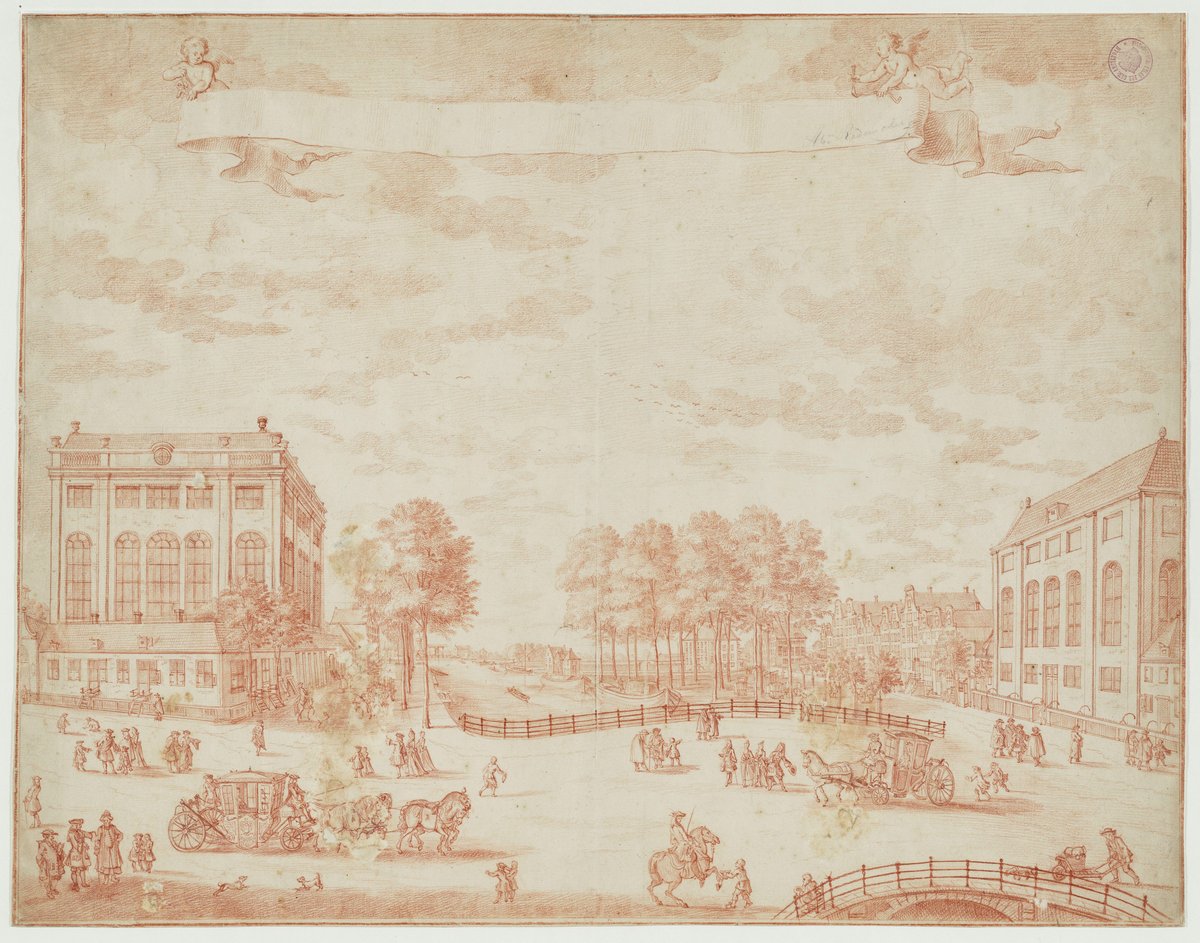
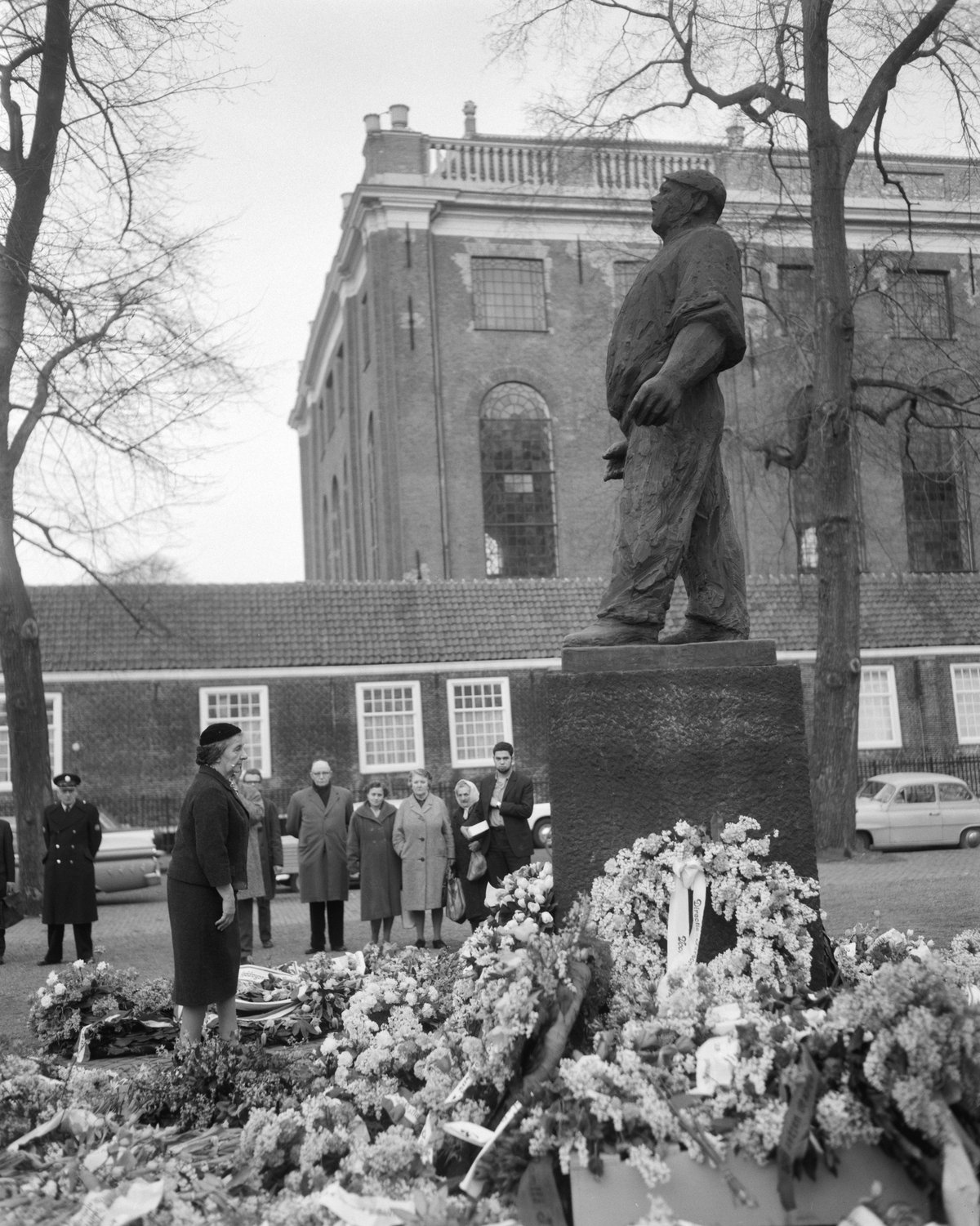
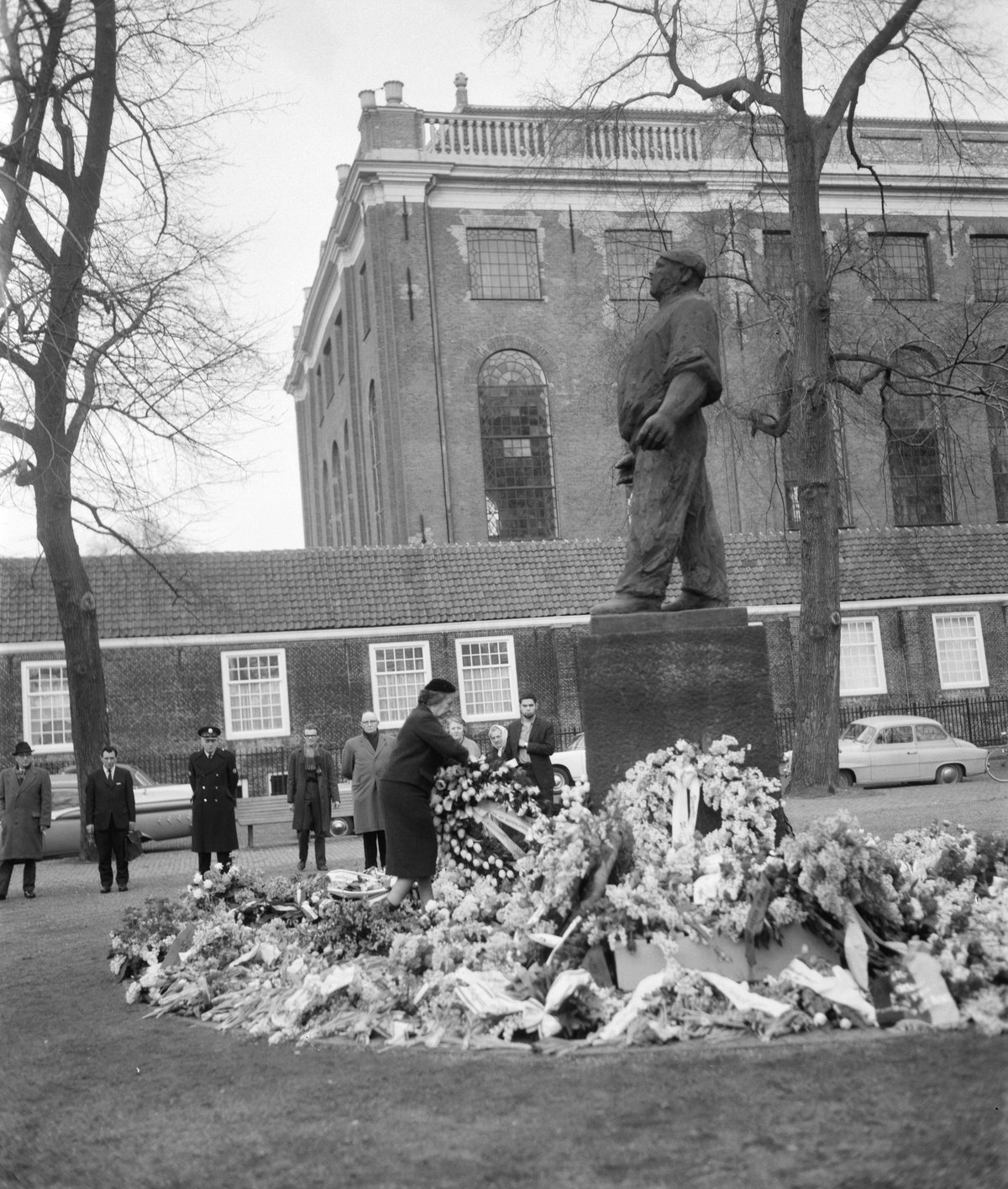
By the mid-17th century, the prosperity and size of the Portuguese Jewish community inspired the construction of a monumental synagogue. Designed by Elias Bouman and completed in 1675, the Esnoga was modeled after the biblical Temple of Solomon and intended as the largest synagogue of its time (Cultureelerfgoed; amsterdamforvisitors.com). Its location at Mr. Visserplein 3 places it at the heart of the Jewish Cultural Quarter.
Exterior and Interior Features
The building’s sober brick façade is adorned with a Hebrew inscription from Psalm 5:8, symbolizing gratitude and faith (amsterdamforvisitors.com). The vast, column-free sanctuary seats up to 1,600 and features a women’s gallery supported by twelve stone columns representing the tribes of Israel. Seventy-two tall windows and approximately 1,000 hand-lit candles illuminate the interior, which is covered with sand to muffle footsteps—a Dutch custom (amsterdam.info; european-traveler.com). The bimah (tebah) and Holy Ark (Hechal) are placed at opposite ends, following Sephardic tradition.
The Ets Haim Library
An integral part of the complex is the Ets Haim – Livraria Montezinos library, housing rare manuscripts and books in an environment recognized by UNESCO for its cultural importance (amsterdamtips.com; JGuide Europe).
Religious Significance and Living Traditions
The Esnoga remains the spiritual nucleus of Amsterdam’s Sephardic community (esnoga.com). Shabbat and holiday services are held regularly, with traditional liturgy, Portuguese Hebrew pronunciation, and rituals preserved since the 17th century (wikipedia). Ceremonies such as weddings and bar mitzvahs maintain the community’s rich customs. The building’s lack of electric lighting and heating preserves its historical ambiance, offering an authentic experience for both worshippers and visitors (temples.org).
Visitor Information: Hours, Tickets, and Accessibility
Visiting Hours
- General hours: Typically open Sunday to Thursday, 10:00–17:00. Closed Fridays, Saturdays, and Jewish holidays. Hours may vary for special events—check the official website for updates (Museum.nl).
Tickets and Admission
- Standard adult ticket: €18 (as of June 2025)
- Discounts: Available for students, children, and seniors
- Museum Pass: Free entry for Netherlands Museum Pass holders
- Combined ticket: Admission includes access to all Jewish Cultural Quarter sites for a full week (Museum.nl)
- Purchase: Tickets available online or at the entrance; advance booking recommended, especially for events
Accessibility
- The main prayer hall is wheelchair accessible; some annexes and the library may have limited access due to historic preservation (Museum.nl).
- Assistance is available upon request; contact staff ahead for special needs.
- Cloakroom for storing large bags and backpacks.
Guided Tours and Audio Guides
- Guided tours: Offered daily in several languages; provide in-depth historical and architectural context.
- Audio guides: Included in the ticket price; ideal for independent exploration (HollyMelody).
Visitor Etiquette and Dress Code
- Modest dress required; men must cover their heads (kippahs provided).
- Photography permitted in the main hall for personal use (no flash/tripods); restrictions during services or events.
- Silence or quiet conversation expected, particularly during religious services (HollyMelody).
Special Events
- The Esnoga hosts candlelight concerts, lectures, and cultural events. Highlights include performances by renowned musicians in the atmospheric candlelit hall (I amsterdam; Amsterdam Tips).
- Advance booking for concerts is recommended.
Nearby Attractions and Cultural Context
Located at the heart of the Jewish Cultural Quarter, the Portuguese Synagogue is steps away from:
- Jewish Historical Museum
- National Holocaust Museum
- Hollandsche Schouwburg
- Waterlooplein market
- Hermitage Amsterdam
The area is accessible by Metro (Waterlooplein station), tram, and bicycle, and offers cafes, restaurants, and boutiques, making it easy to plan a full day’s itinerary (Museum.nl).
Frequently Asked Questions (FAQ)
What are the regular opening hours?
Sunday–Thursday, 10:00–17:00; closed Fridays, Saturdays, and Jewish holidays. Always check the official website for current details.
How do I buy tickets?
Tickets are available online or at the entrance. Advance purchase is recommended (Jewish Cultural Quarter).
Is the synagogue accessible to wheelchair users?
The main hall is accessible; some annexes have limited access. Staff assistance is available.
Are guided tours available?
Yes, in multiple languages. Audio guides are also included with admission.
Can I take photos inside?
Yes, in the main hall for personal use—no flash or tripods. Restrictions may apply during services/events.
Is there a dress code?
Modest dress is required; men must cover their heads (kippahs provided).
What else can I visit nearby?
All Jewish Cultural Quarter sites are accessible with your ticket, including museums and Holocaust memorials.
Tickets & tours.
These are guided options from our partners — same price as booking direct.
Prices are indicative — final pricing and availability are confirmed at checkout. Audiala may earn a commission from bookings made through these links.
Listen to the full story in the app
The whole Portuguese Synagogue,
told well.
Audio guides for 1,100+ cities across 96 countries. History, stories, and local insight — offline ready.
Verified, and shown.
Researched and written by the Audiala editorial team from historical records, architectural archives, and local expertise.
Researched from Wikidata, Wikipedia & official sources · fact-checked · How we make our guides →