Plan and listen to Pampus with Audiala.
Audio guide in your pocket, itinerary in your browser. Built for the way you actually visit.
Introduction
Fort Pampus, located on an artificial island in the IJmeer near Amsterdam, is a historical gem that offers visitors a glimpse into the Netherlands' rich military heritage. Constructed between 1887 and 1895, Fort Pampus was an integral part of the Defense Line of Amsterdam (Stelling van Amsterdam), a 135-kilometer ring of fortifications designed to protect the city from invasions by flooding the surrounding polders. This unique fortification, now a UNESCO World Heritage site, showcases late 19th-century military engineering and serves as a testament to Dutch ingenuity (UNESCO, Pampus).
Strategically positioned to control access to the IJmeer and the North Sea Canal, Fort Pampus played a crucial role in the defense of Amsterdam. Its heavy artillery and advanced engineering features, such as state-of-the-art ventilation and water filtration systems, highlight its importance during its time of operation. Despite becoming obsolete by World War I due to advancements in military technology, the fort has been meticulously restored and now serves as a popular tourist destination and educational site (Amsterdam Info, Fort Pampus).
Visitors to Fort Pampus can explore its various exhibits, participate in guided tours, and enjoy special events that bring history to life. The fort is accessible by ferry from Muiden or Amsterdam IJburg, making it a convenient and enriching addition to any Amsterdam itinerary (Iamsterdam).

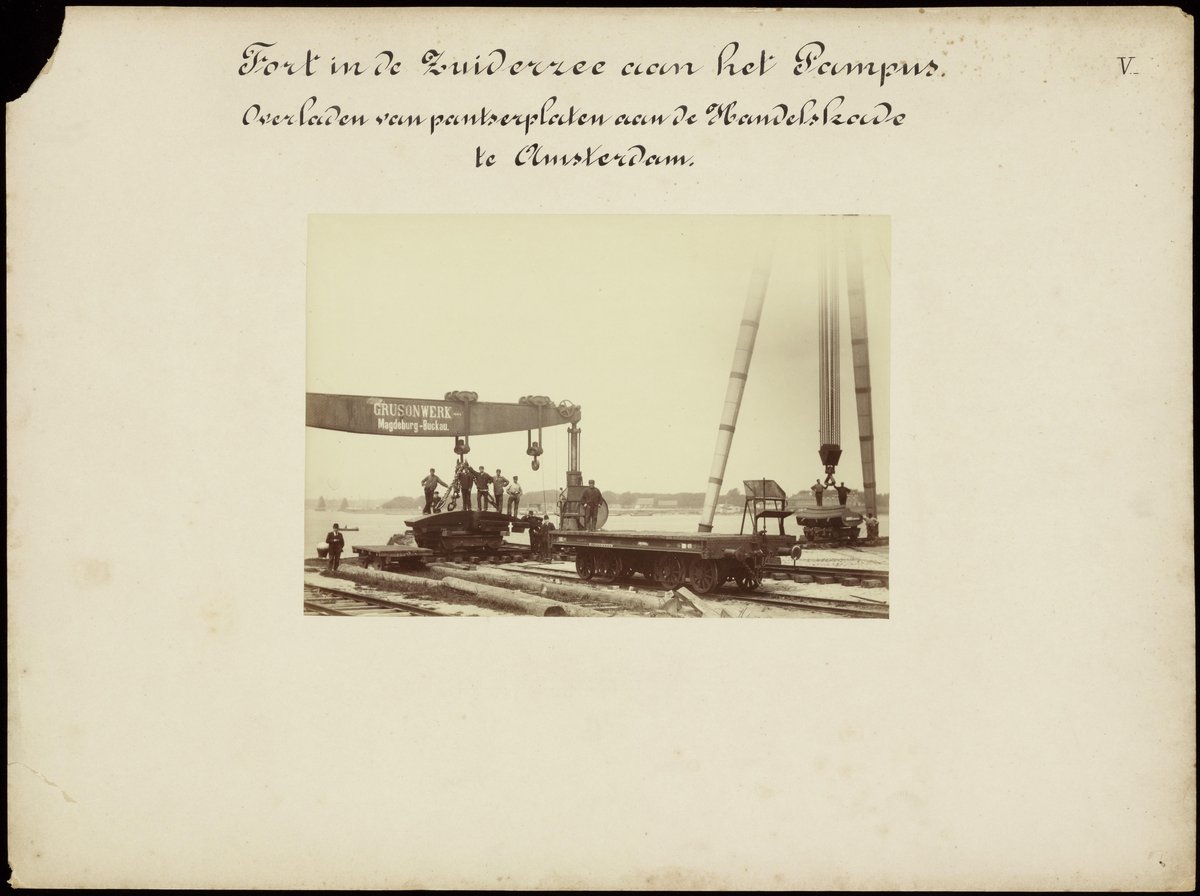
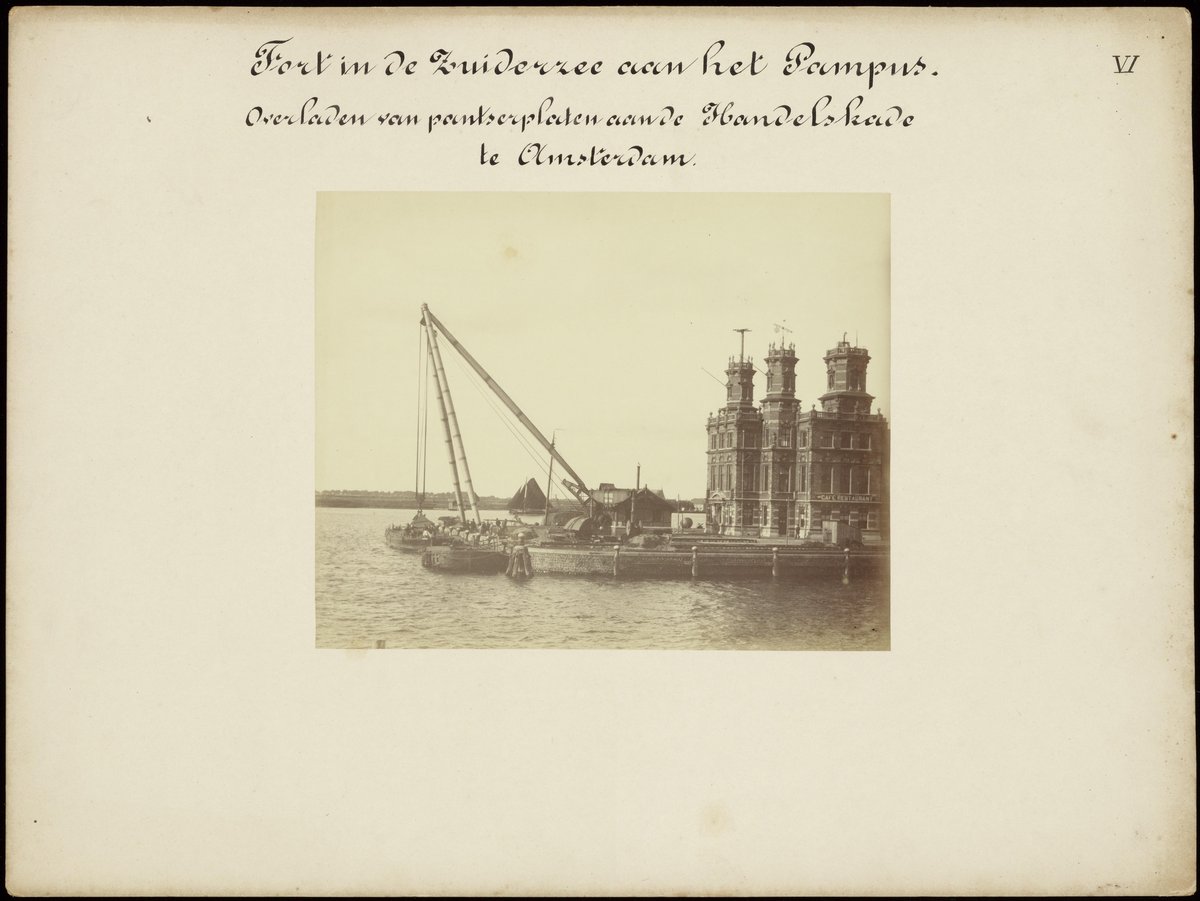
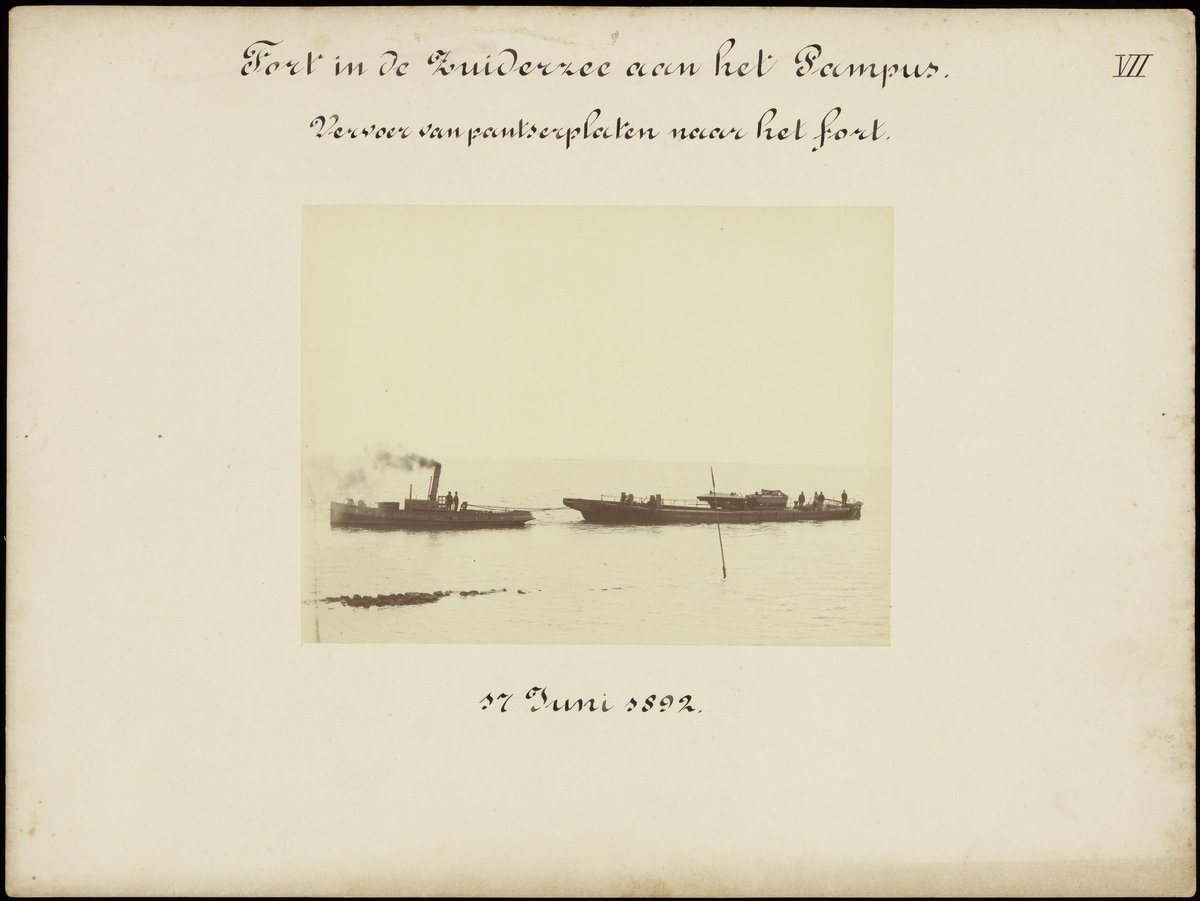
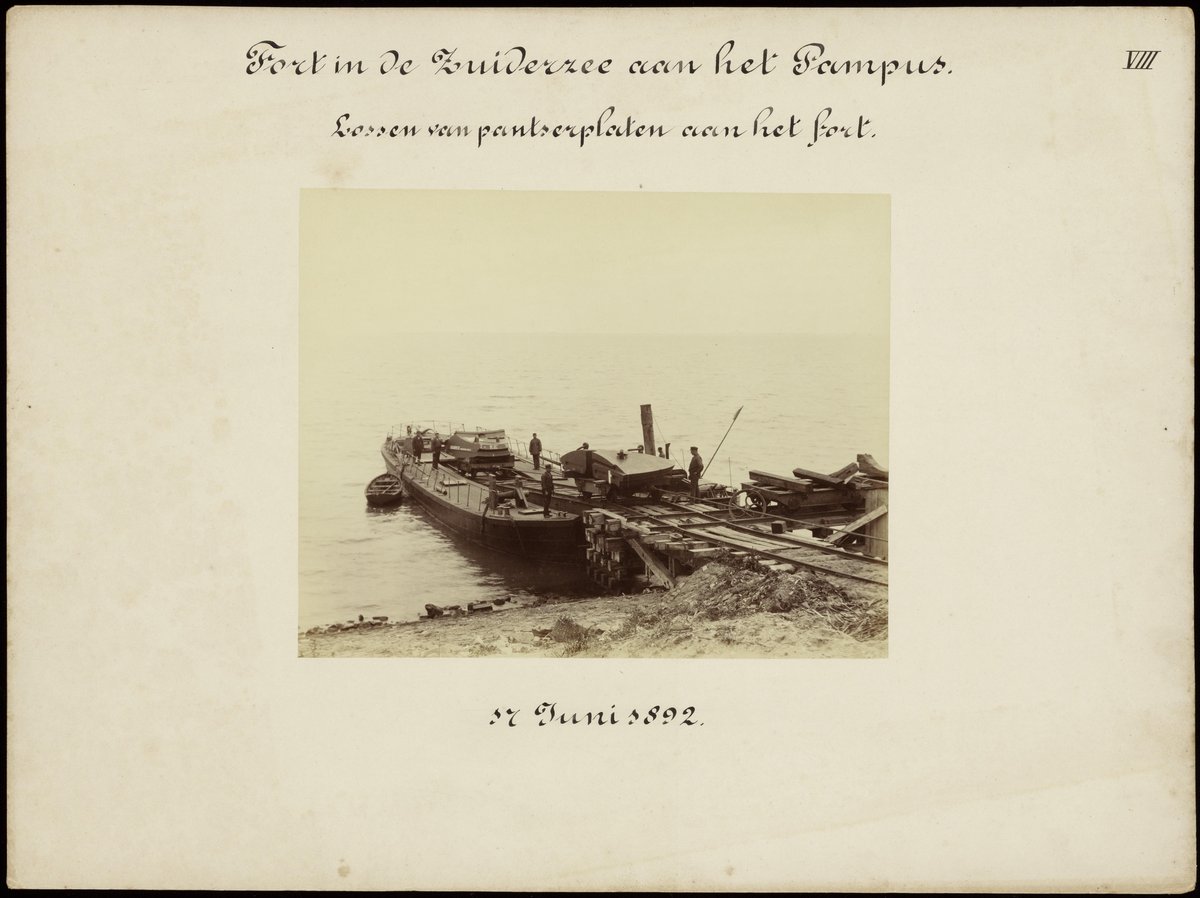
Early Conception and Construction
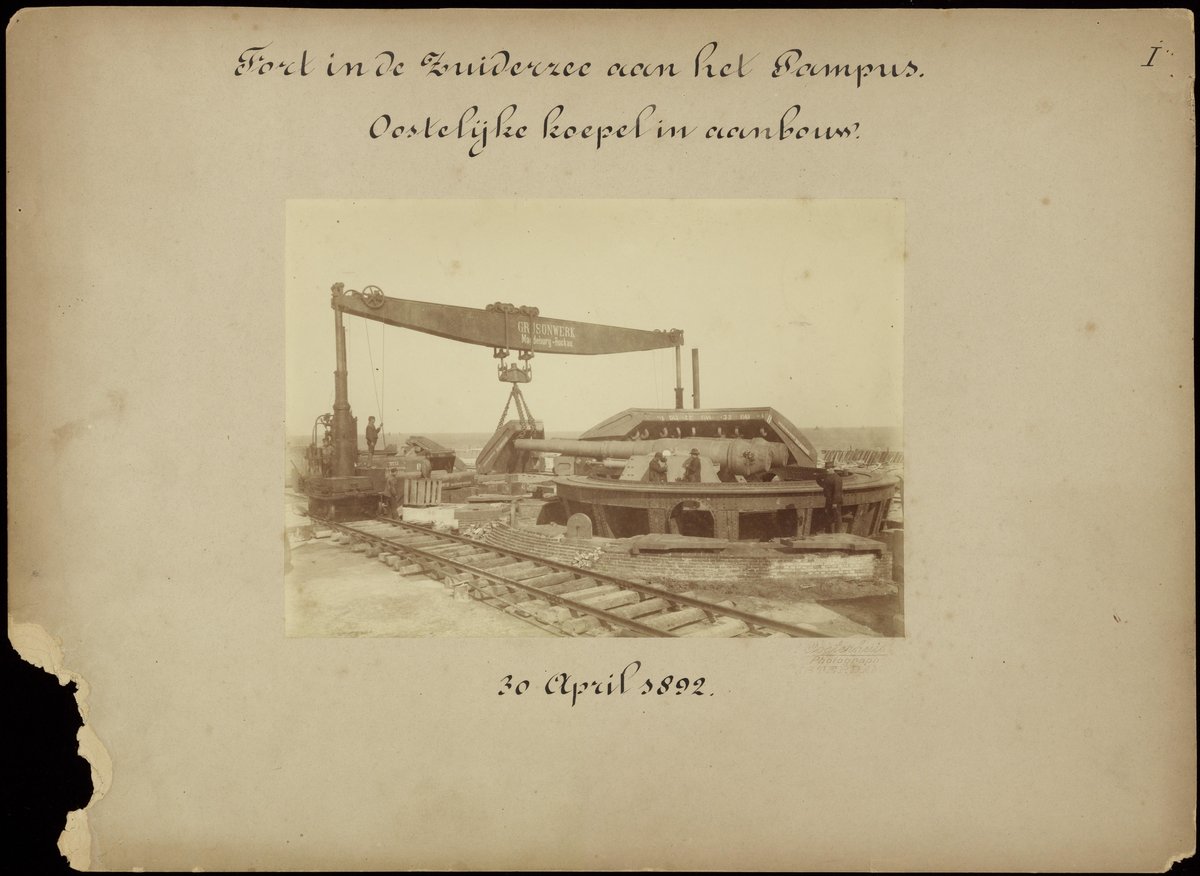
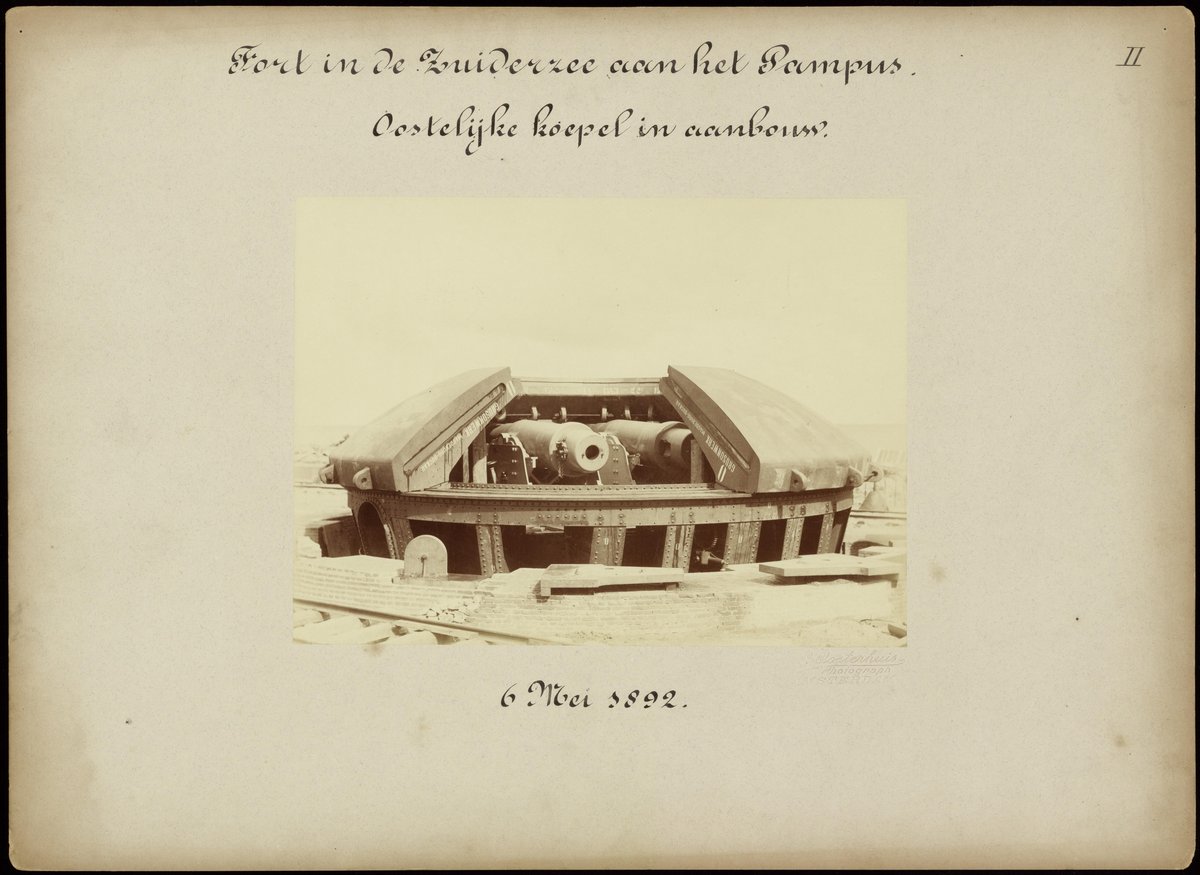
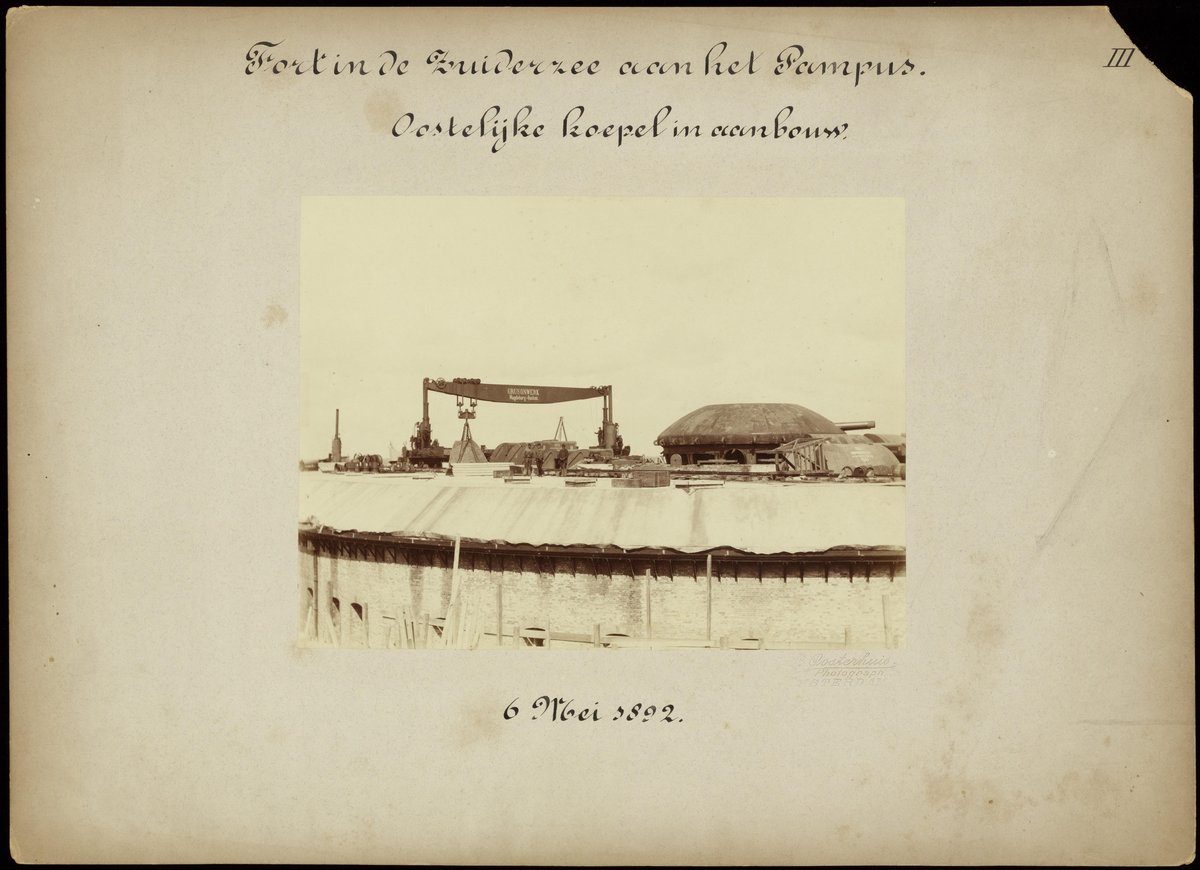
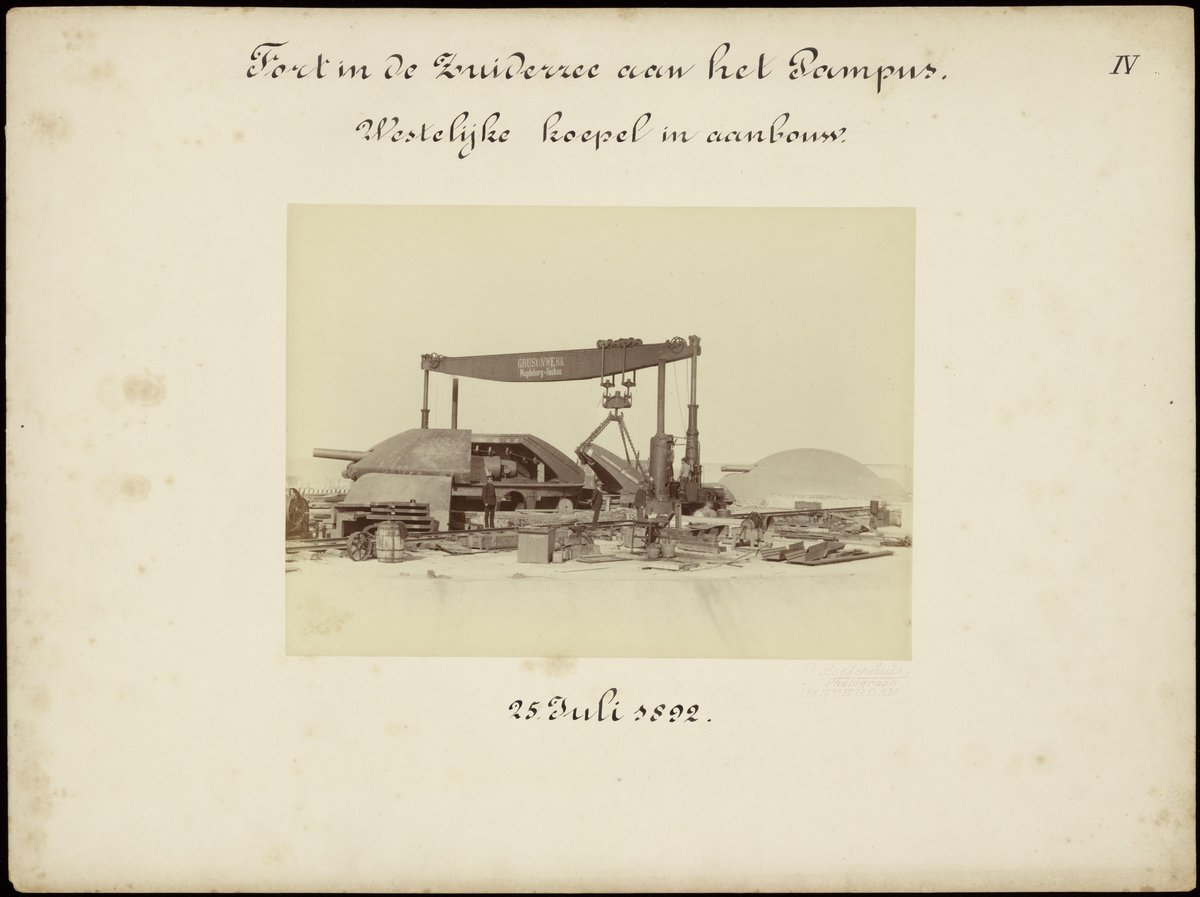
Fort Pampus was constructed between 1887 and 1895 as part of the Defense Line of Amsterdam, a 135-kilometer-long ring of fortifications around the city. This defense line was designed to protect Amsterdam from potential invasions by flooding the surrounding polders, making the land impassable for enemy forces. The fort itself was built on a sandbank known as Pampus, which had been a navigational challenge for ships entering Amsterdam since the 17th century (Pampus).
Strategic Importance
Fort Pampus was strategically positioned to control access to the IJmeer and the North Sea Canal, crucial for the defense of Amsterdam. The fort's primary role was to serve as a coastal battery, equipped with heavy artillery to defend against naval attacks. It was part of a broader network of 42 forts and batteries that made up the Defense Line of Amsterdam, a UNESCO World Heritage site since 1996 (UNESCO).
Architectural Design
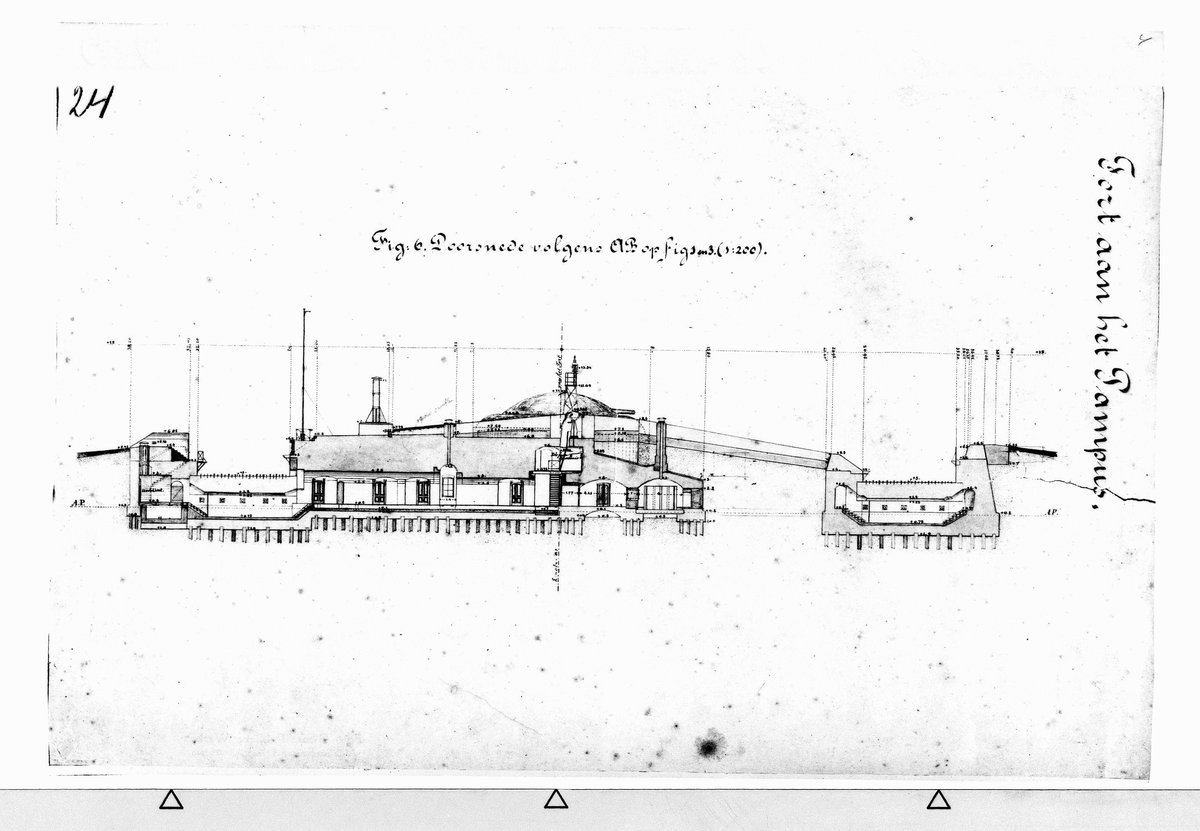
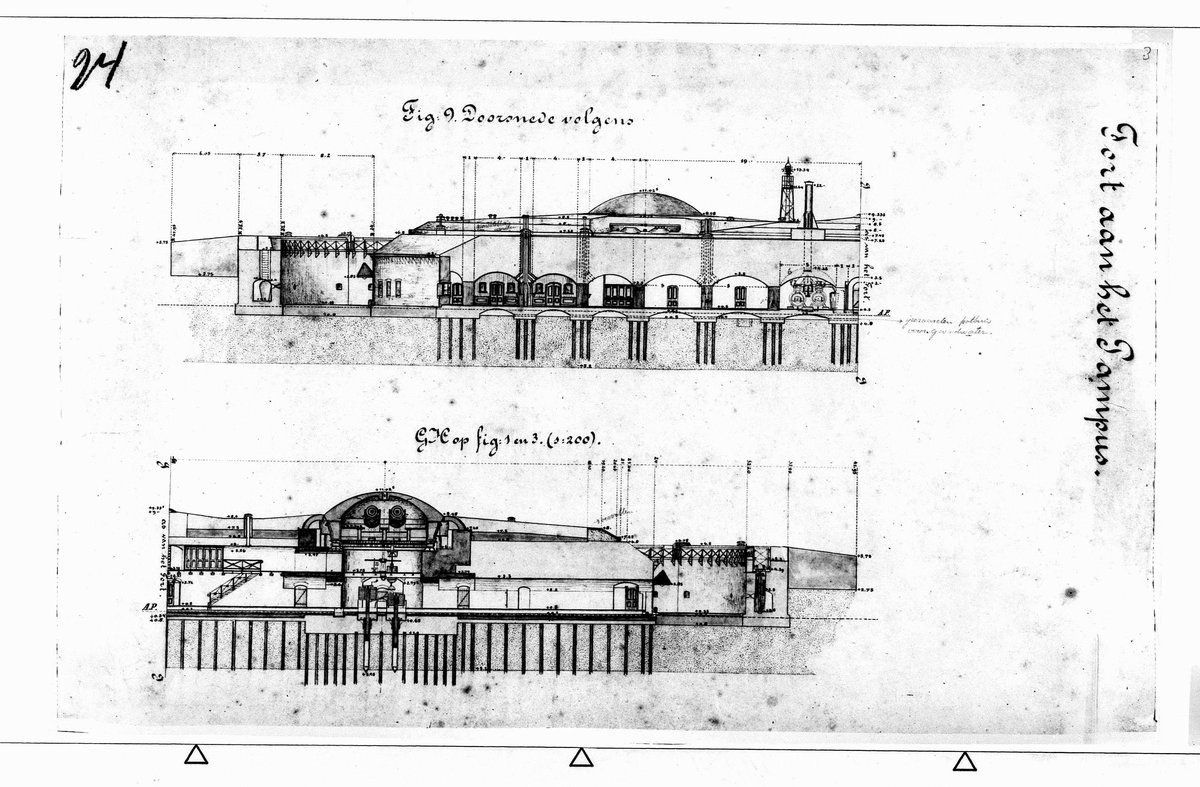
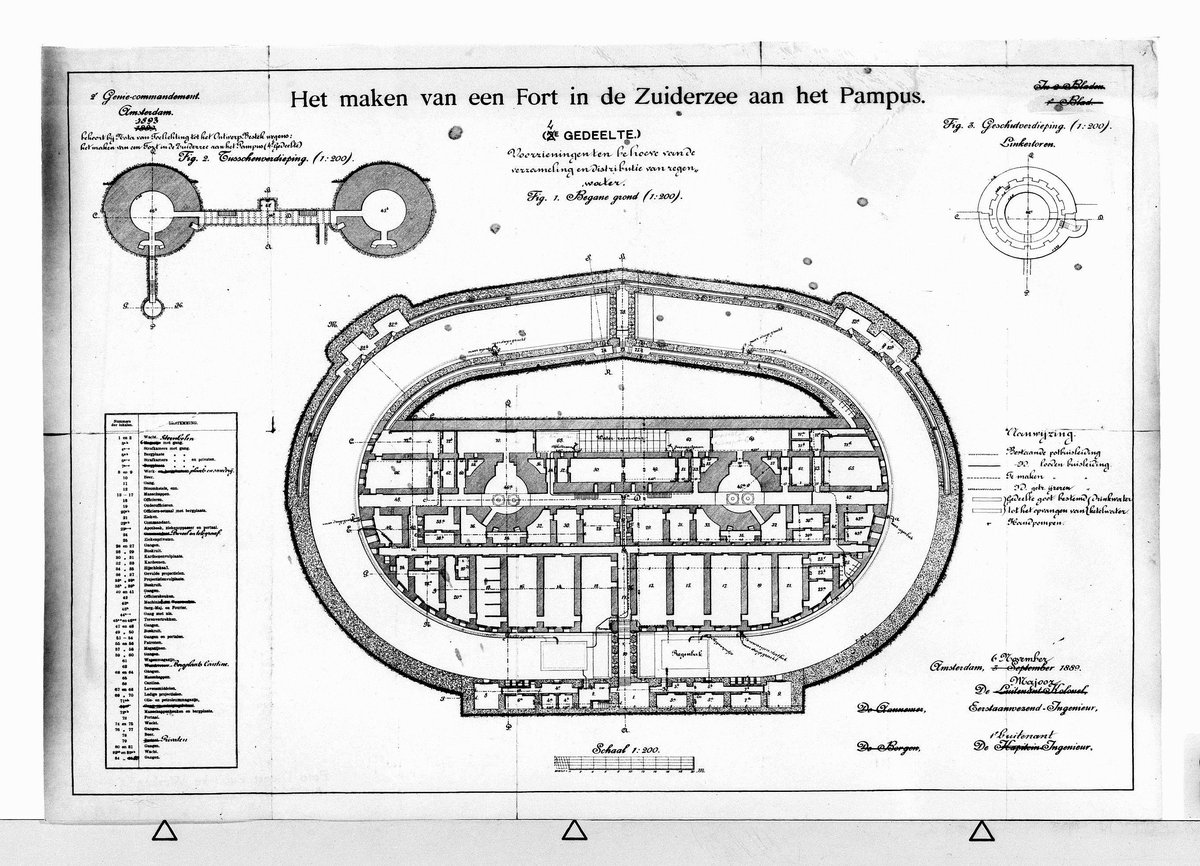
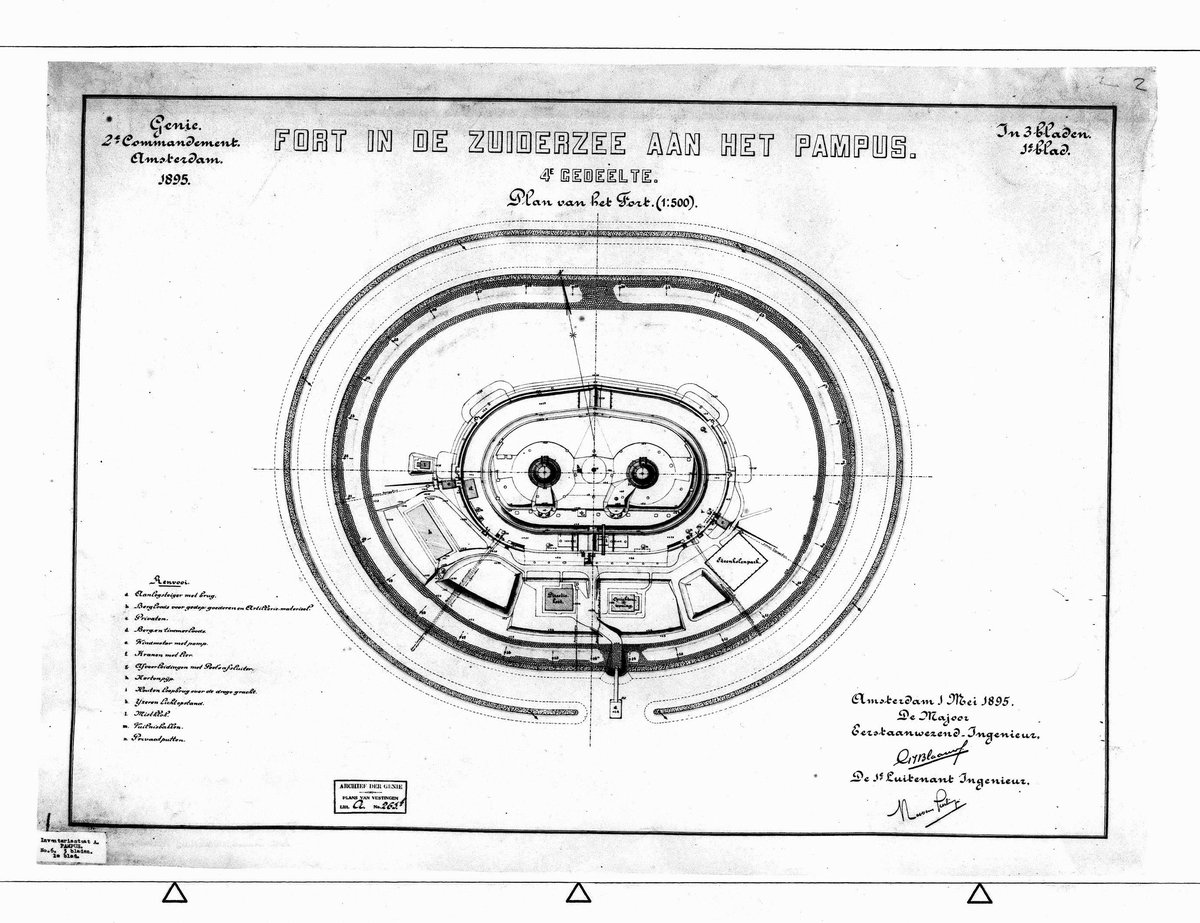
The design of Fort Pampus is a testament to late 19th-century military engineering. The fort is a circular structure with a diameter of approximately 200 meters, featuring thick concrete walls and a central courtyard. The main building is surrounded by a moat, and the entire structure is covered with earth to provide additional protection against artillery fire. The fort's armament included four 24 cm coastal guns, two 15 cm guns, and several smaller cannons and machine guns (Fort Pampus).
Military Use and Decline
Fort Pampus was manned by the Dutch military from its completion in 1895 until the early 20th century. However, advances in military technology, particularly the development of long-range artillery and aircraft, rendered the fort obsolete by the time of World War I. During the war, the fort was used primarily as a training facility and storage depot. By the 1930s, Fort Pampus had been largely abandoned, and it saw little use during World War II (Amsterdam Info).
Post-War Period and Restoration
After World War II, Fort Pampus fell into disrepair. The Dutch government sold the fort in 1952, and it remained neglected for several decades. In the 1980s, efforts to preserve and restore the fort began, led by the Stichting Forteiland Pampus (Pampus Island Foundation). The foundation aimed to restore the fort to its former glory and open it to the public as a historical monument and museum (Pampus).
Modern-Day Significance
Today, Fort Pampus is a popular tourist destination and an important cultural heritage site. The fort has been meticulously restored, and visitors can explore its various rooms and corridors, which house exhibits on the history of the Defense Line of Amsterdam and the fort's role in Dutch military history. The site also hosts various events and activities, including guided tours, educational programs, and historical reenactments (Iamsterdam).
Visitor Information
- Visiting Hours: Fort Pampus is open to visitors from April to October, with opening hours from 10:00 AM to 5:00 PM on weekdays and from 10:00 AM to 6:00 PM on weekends.
- Tickets: Ticket prices are €15 for adults, €10 for children aged 4-12, and free for children under 4. Family tickets and group discounts are also available (Pampus).
- Accessibility: The fort is accessible by ferry from Muiden or Amsterdam IJburg. The site is partially accessible to visitors with disabilities, and it is recommended to check the fort's official website for detailed accessibility information.
Special Events
Fort Pampus hosts a variety of special events throughout the year, including historical reenactments, educational programs, and seasonal festivals. Check the fort's event calendar on their official website for the latest updates.
Exhibits
The fort's exhibits cover a range of topics, including the history of the Defense Line of Amsterdam, the fort's military significance, and the daily life of soldiers stationed there. Interactive displays and guided tours provide a comprehensive and engaging visitor experience.
Technological Innovations
One of the unique aspects of Fort Pampus is its use of innovative technology for the time. The fort was equipped with a state-of-the-art ventilation system to ensure a supply of fresh air to the underground rooms and corridors. It also had a sophisticated water collection and filtration system to provide clean drinking water for the garrison. These features highlight the advanced engineering skills employed in the construction of the fort (Fort Pampus).
Cultural Impact
Fort Pampus has also played a role in Dutch popular culture. The phrase "voor Pampus liggen," meaning "to be so exhausted that one cannot move," originated from the sandbank Pampus, where ships would often be delayed waiting for high tide to enter Amsterdam. This cultural reference underscores the fort's historical significance in Dutch maritime history.
Travel Tips and Nearby Attractions
- Travel Tips: When planning your visit, consider checking the weather forecast as the ferry ride can be affected by adverse weather conditions. Wearing comfortable shoes is recommended as there is a lot of walking involved.
- Nearby Attractions: While visiting Fort Pampus, you can also explore nearby attractions such as the Muiderslot Castle, the city of Muiden, and the picturesque village of Durgerdam. These sites offer additional historical and cultural experiences to enrich your trip.
FAQ
Q: What are the visiting hours for Fort Pampus?
A: Fort Pampus is open from April to October, weekdays from 10:00 AM to 5:00 PM, and weekends from 10:00 AM to 6:00 PM.
Q: How much are tickets to Fort Pampus?
A: Tickets are €15 for adults, €10 for children aged 4-12, and free for children under 4.
Q: Is Fort Pampus accessible for visitors with disabilities?
A: The site is partially accessible to visitors with disabilities. Check the official website for detailed accessibility information.
Listen to the full story in the app
The whole Pampus,
told well.
Audio guides for 1,100+ cities across 96 countries. History, stories, and local insight — offline ready.
Verified, and shown.
Researched and written by the Audiala editorial team from historical records, architectural archives, and local expertise.
Researched from Wikidata, Wikipedia & official sources · fact-checked · How we make our guides →