Plan and listen to Our Lord In The Attic Museum with Audiala.
Audio guide in your pocket, itinerary in your browser. Built for the way you actually visit.
Introduction
Experience a hidden chapter of Amsterdam’s religious and architectural history at Our Lord in the Attic Museum (Ons’ Lieve Heer op Solder). Tucked away within a 17th-century canal house, this clandestine Catholic church offers a rare window into the city’s past, reflecting the resilience and ingenuity of Amsterdam’s Catholic community during a time of religious repression (Amsterdam.info, AmsterdamTips). This guide provides a comprehensive overview—covering the museum’s origins, architectural marvels, practical visitor information, and key travel tips—to help you make the most of your visit.




History and Origins
Building the Hidden Church
Our Lord in the Attic Museum stands at Oudezijds Voorburgwal 38-40, in the heart of Amsterdam. The canal house was constructed in 1630 and, between 1661 and 1663, was converted into a secret Catholic church by Jan Hartman, a prosperous Catholic merchant (Amsterdam.info).
Religious Context and Tolerance
The Alteration of 1578 brought Protestant dominance to Amsterdam, making public Catholic worship illegal. Catholics, unable to practice openly, created “schuilkerken” (hidden churches) in private homes, with city authorities often tolerating these spaces due to prevailing ideals of freedom of conscience (AmsterdamTips).
Architectural Features
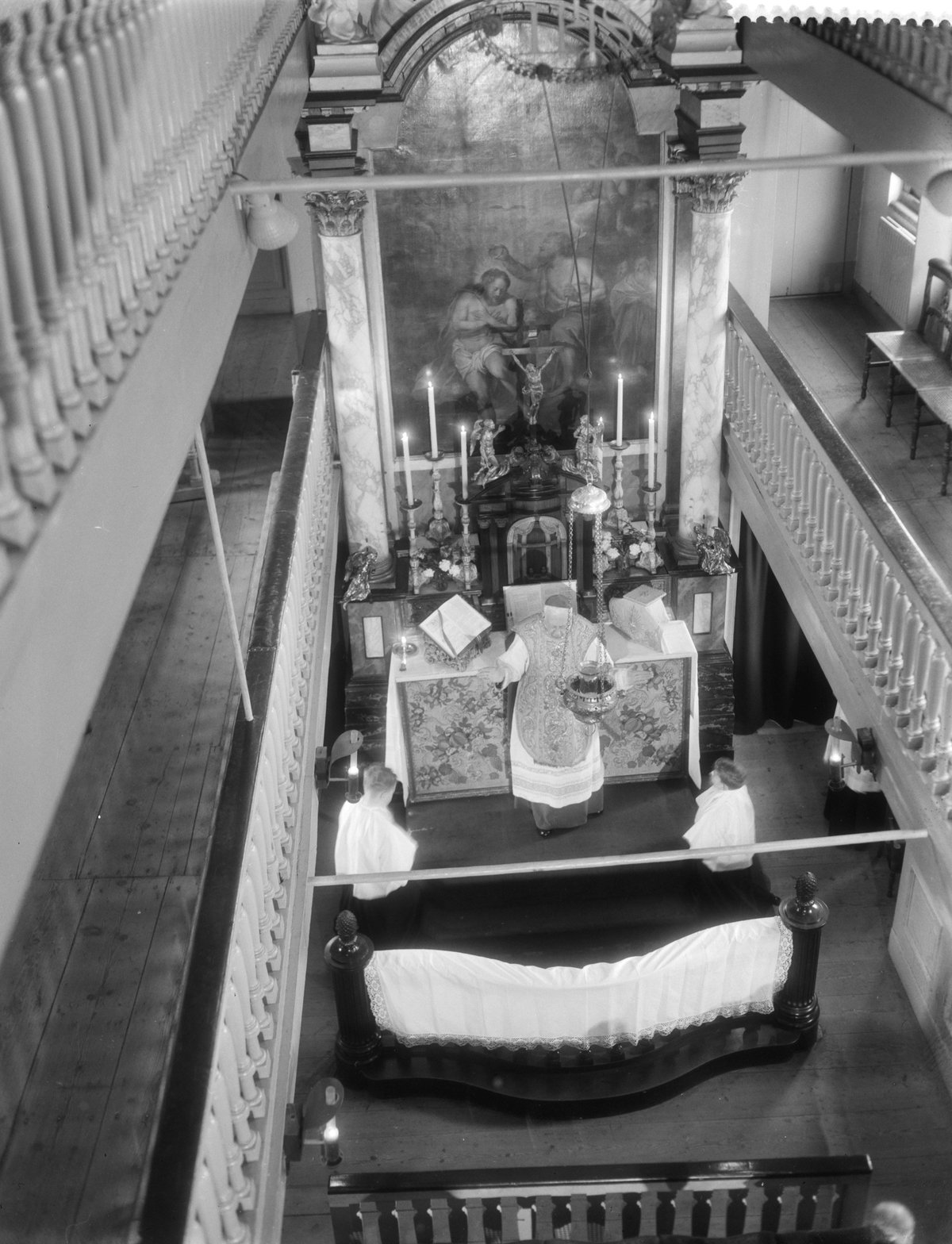
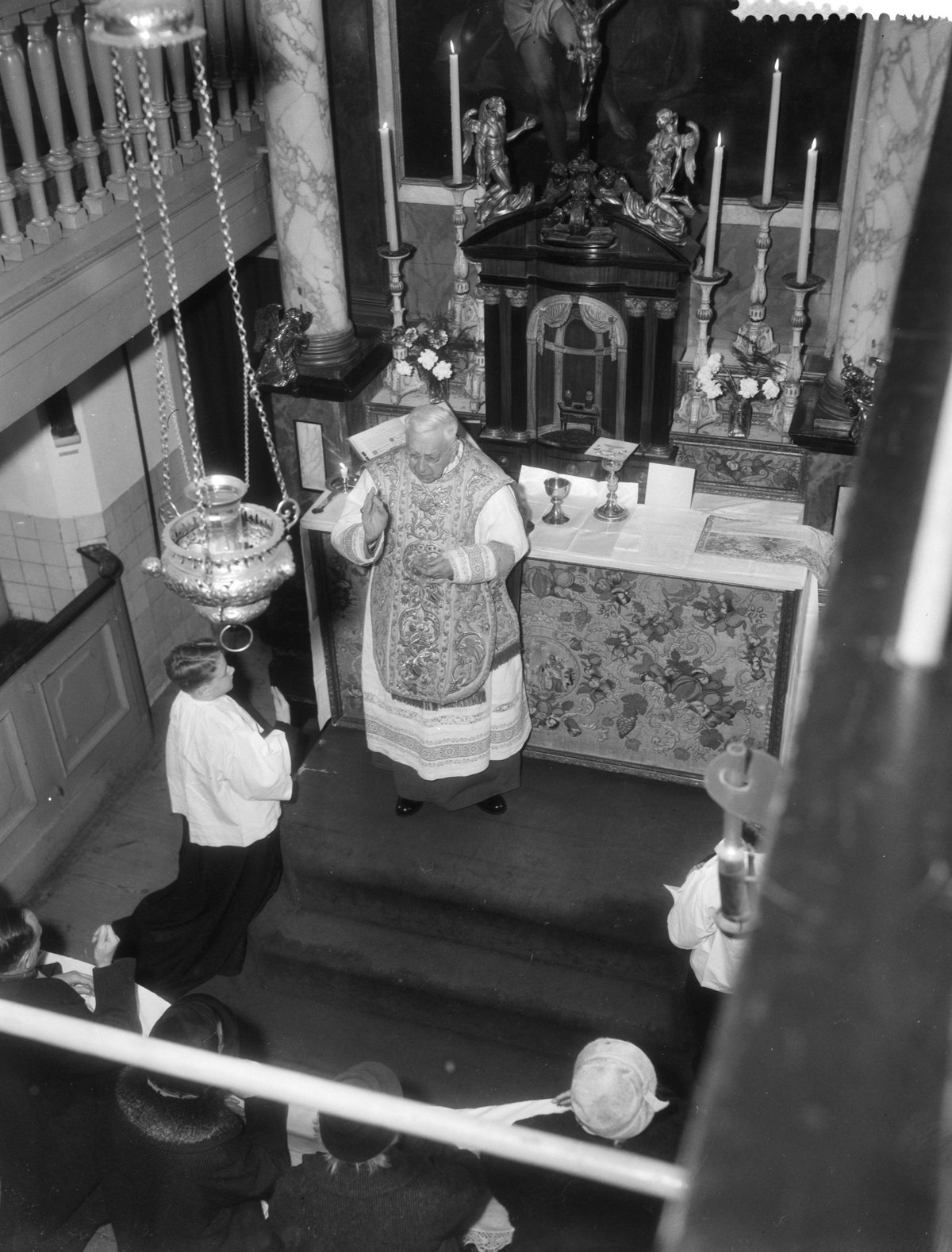
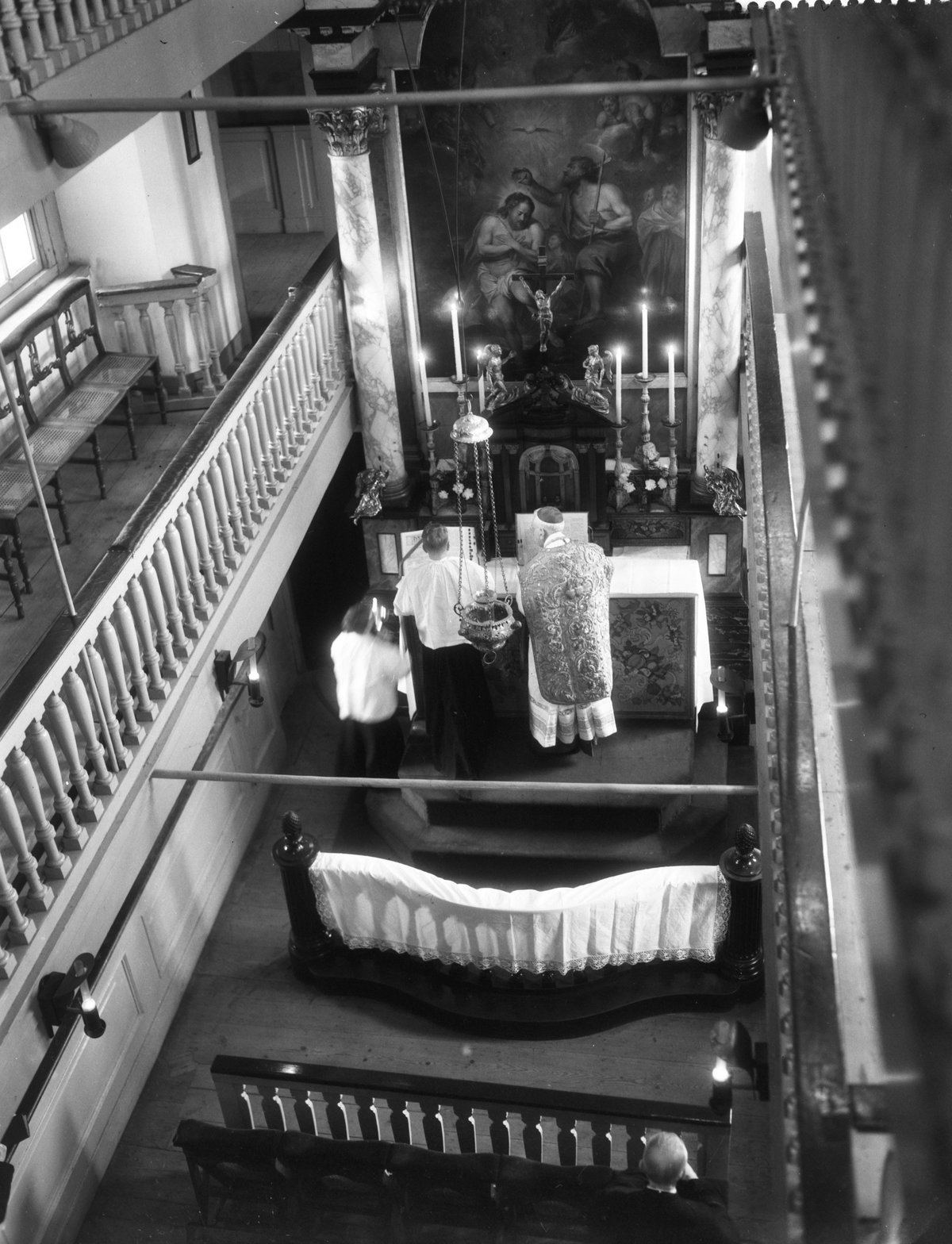
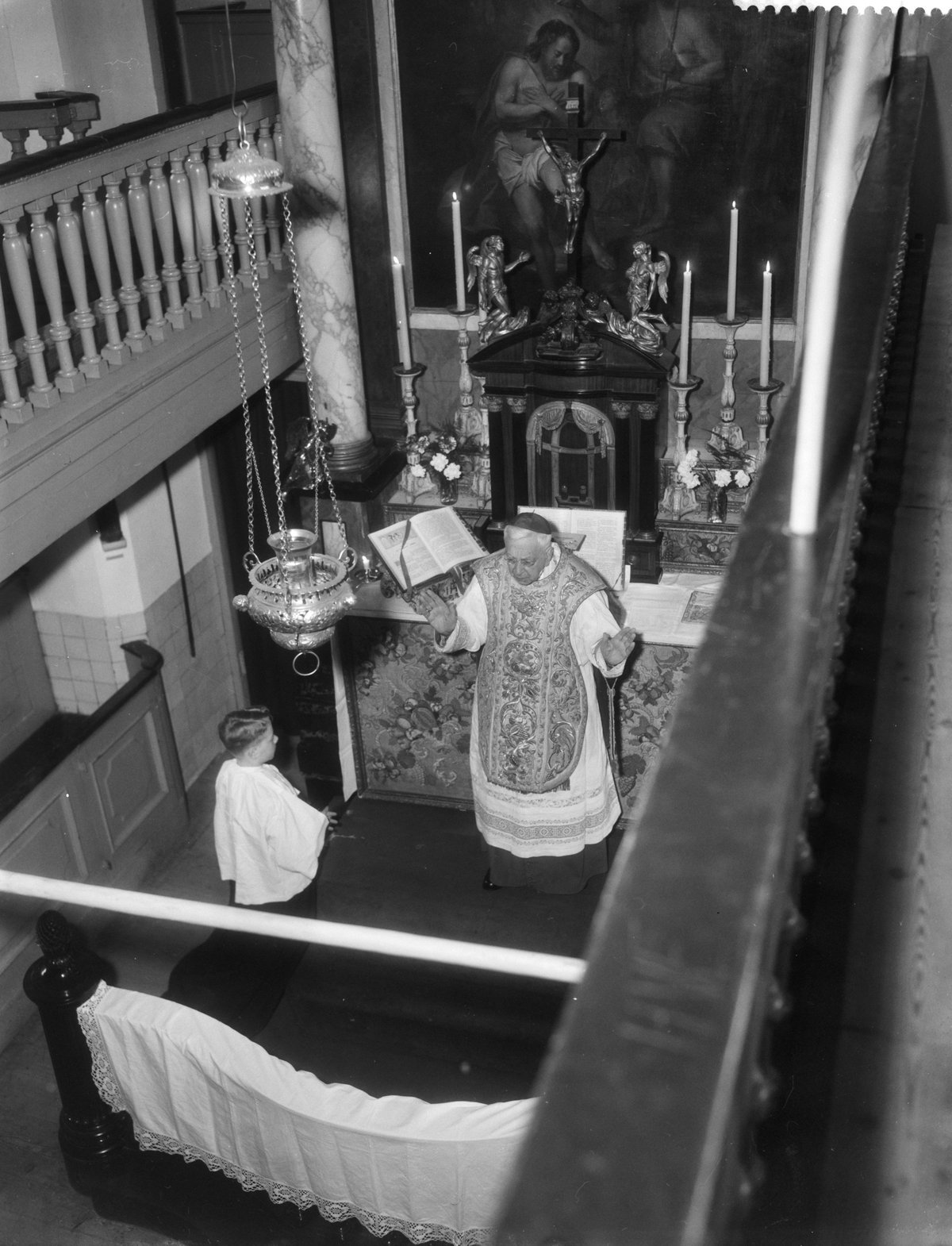
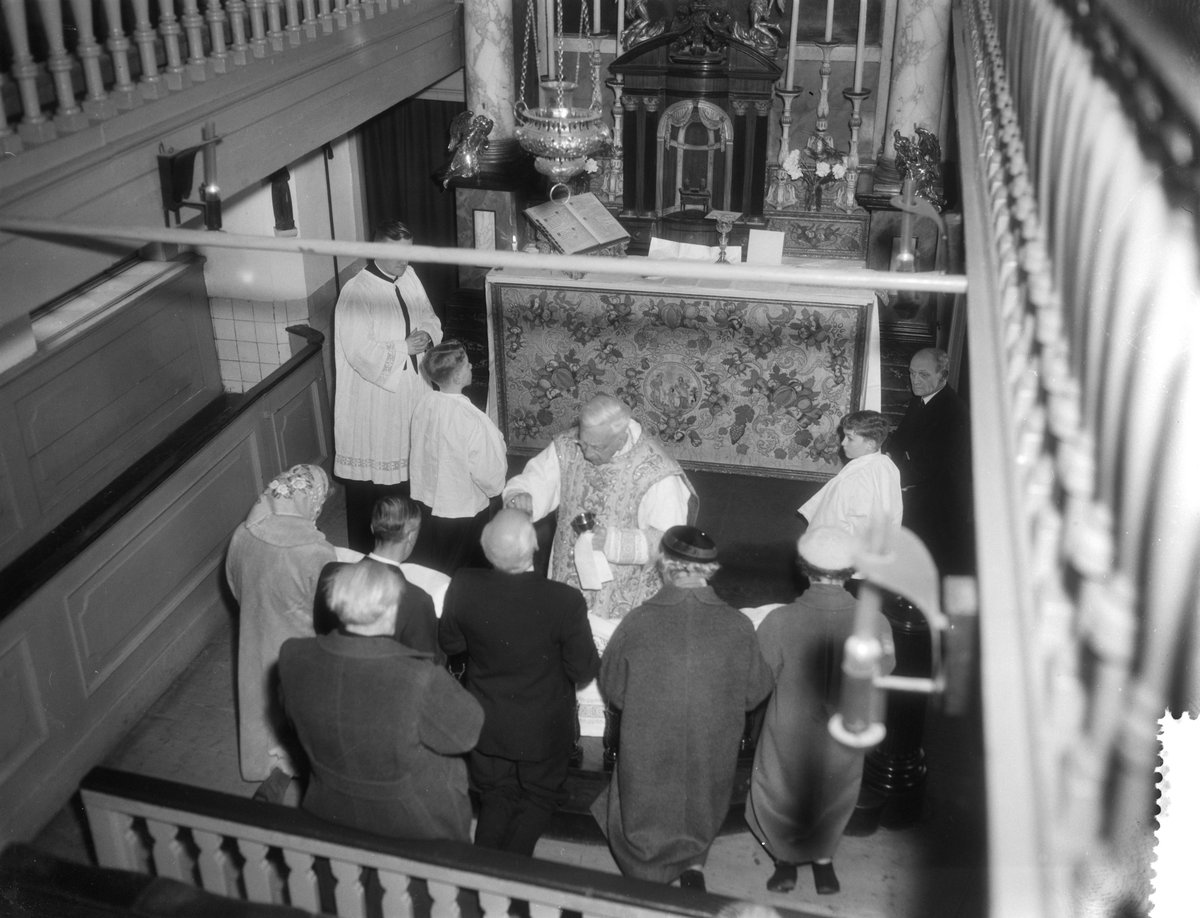
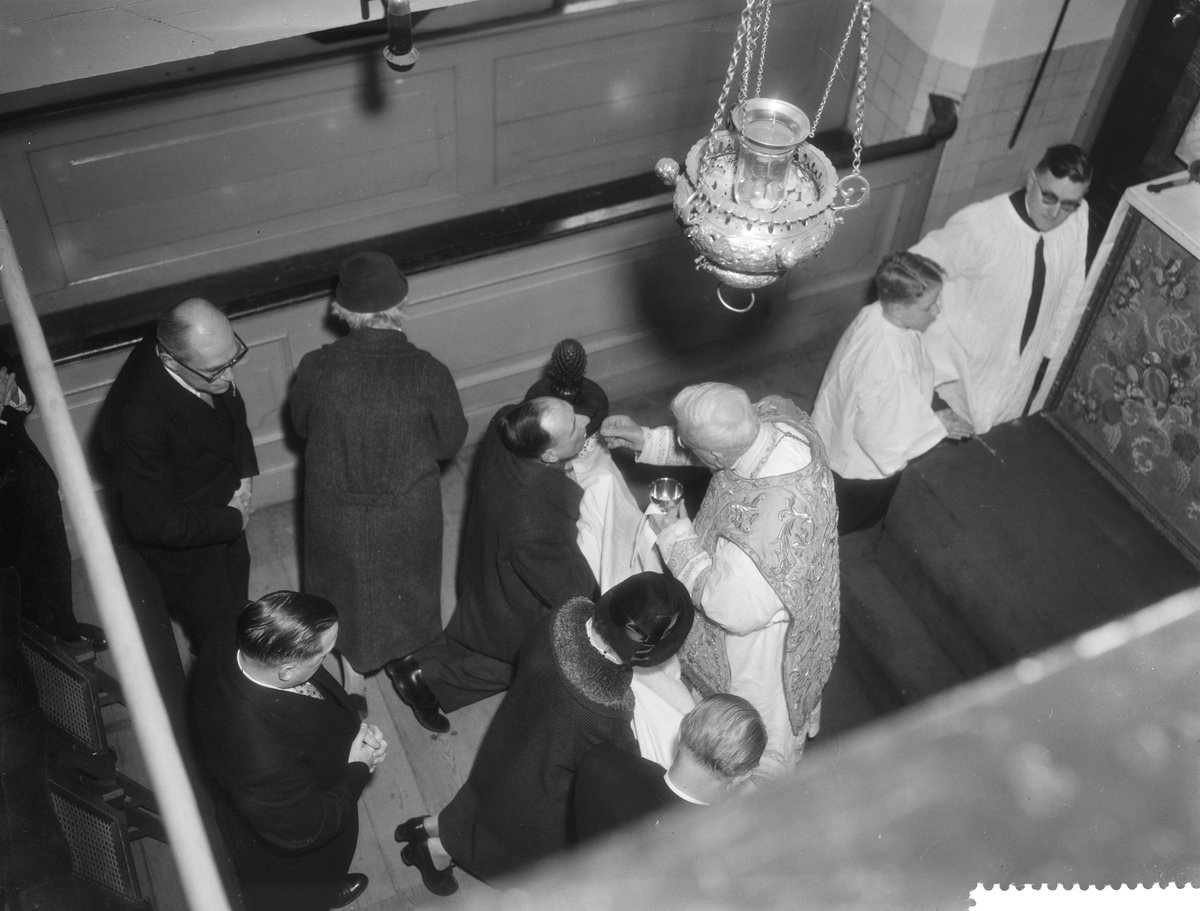
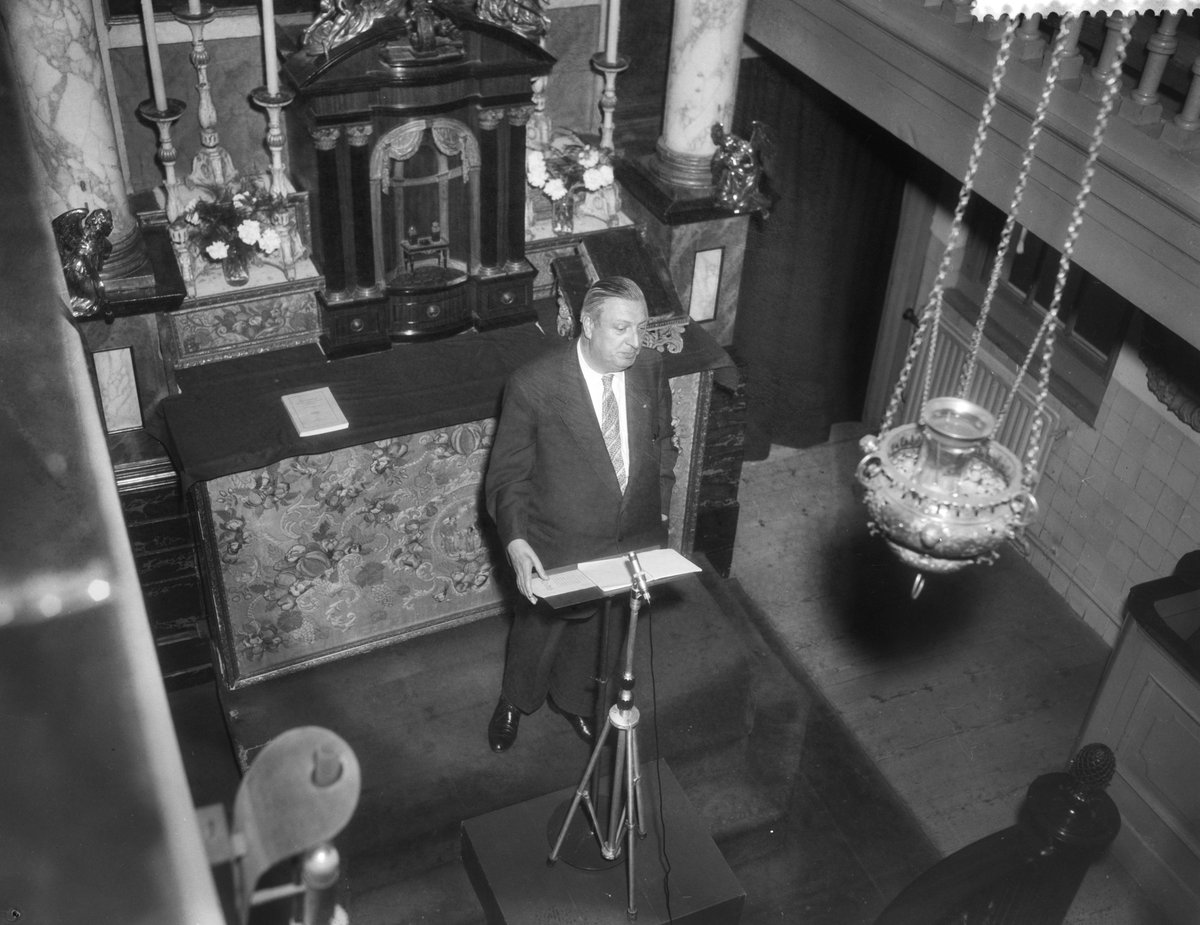
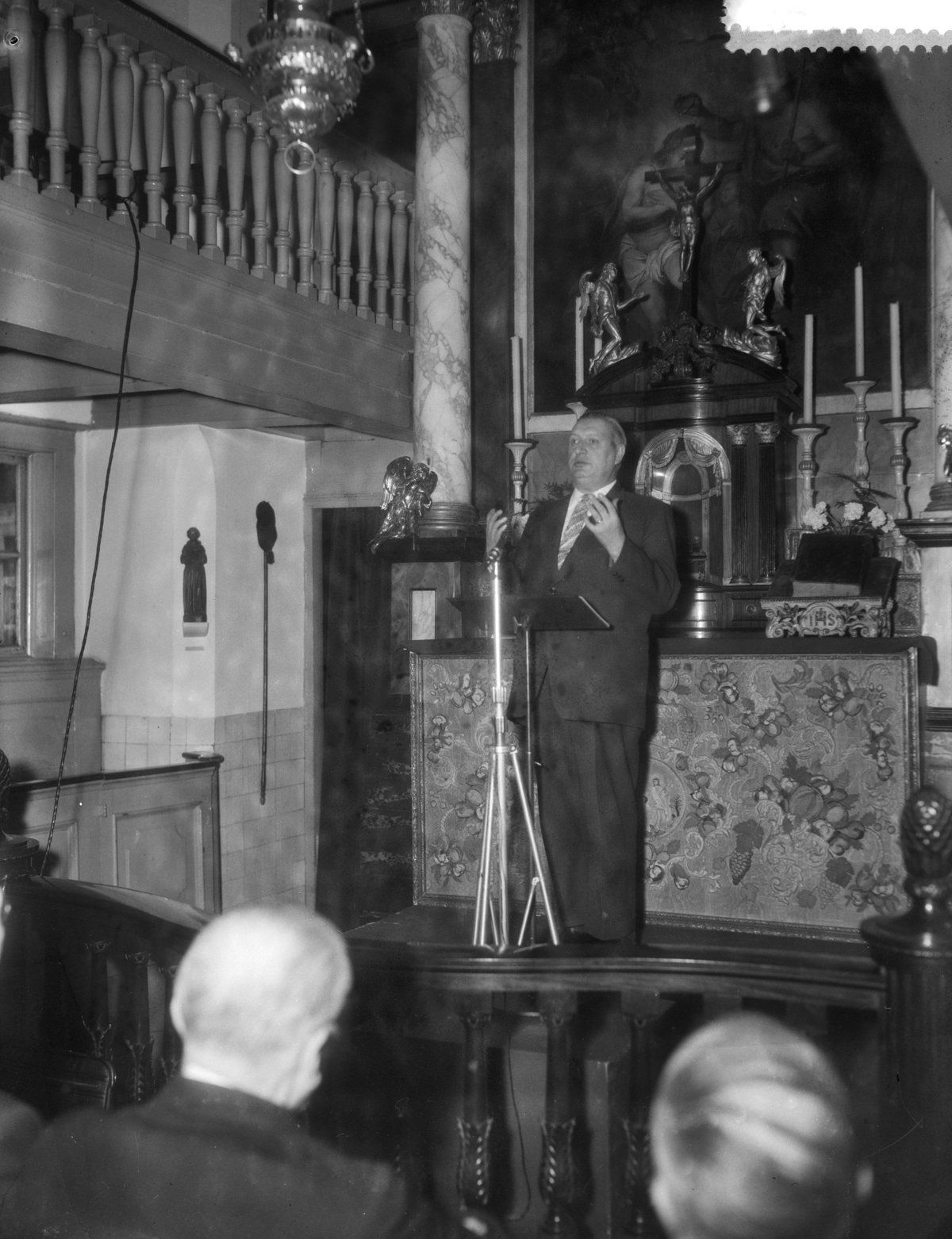
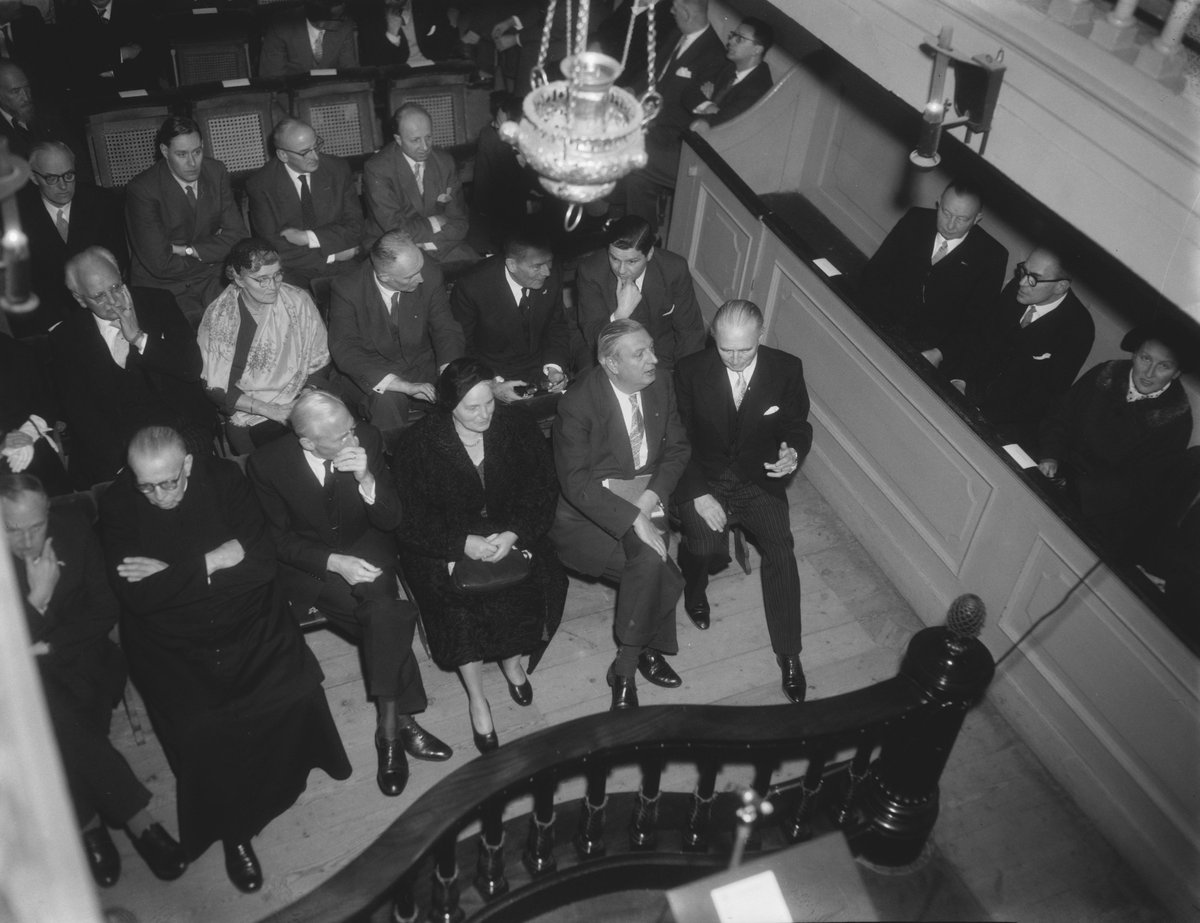
The attic church ingeniously utilizes the upper three floors of the canal house. Designed to accommodate up to 150 worshipers, it features a richly decorated Baroque altar, a pulpit, and an organ. Notable artistic highlights include an altarpiece by Jacob de Wit, completed in 1716, and intricate 18th-century woodwork (Introducing Amsterdam, source). Narrow benches and suspended semi-floors maximize the limited space, exemplifying 17th-century architectural creativity.
Transition to Museum and Recognition
After the opening of the Church of St. Nicholas in 1887, Our Lord in the Attic was no longer needed as a clandestine church. It was converted into a museum in 1888, becoming Amsterdam’s second oldest museum after the Rijksmuseum (Wikipedia). The museum has undergone several renovations, most recently in 2015, when a modern extension was added to enhance accessibility and visitor engagement (AmsterdamTips). In 2024, the museum received the European Heritage Label, recognizing its role in the history of religious tolerance in Europe (Wikipedia).
Visitor Experience and Amenities
Visitors explore meticulously preserved historical rooms, including the kitchen, confessional, and living quarters, culminating in the awe-inspiring attic church. The museum offers a multilingual audio tour, providing historical context and enriching the self-guided experience (source). A museum café and shop—both accessible without a ticket—offer refreshments and gifts. While the museum strives to accommodate all visitors, the original steep and narrow staircases make full wheelchair access impossible (source).
Practical Information: Tickets and Hours
Opening Hours
- Monday to Saturday: 10:00 AM – 6:00 PM
- Sunday: 1:00 PM – 6:00 PM
- Special Holiday Hours: December 25–26 and January 1, 1:00 PM – 5:00 PM; December 31, 10:00 AM – 4:00 PM
- Closed on King's Day (April 27)
(source)
Ticket Prices
- Adults: €12.50
- Youth (5–17): €6
- Children under 5: Free
- Family tickets: From €22 (one adult and one child)
- Discounts: Available for Museumkaart, ICOM, Stadspas, iAmsterdam City Card, Amsterdam Pass, Vereniging Rembrandt, and Vriendenpas holders (source, source)
Tickets can be purchased online or at the museum entrance.
Travel Tips and Nearby Attractions
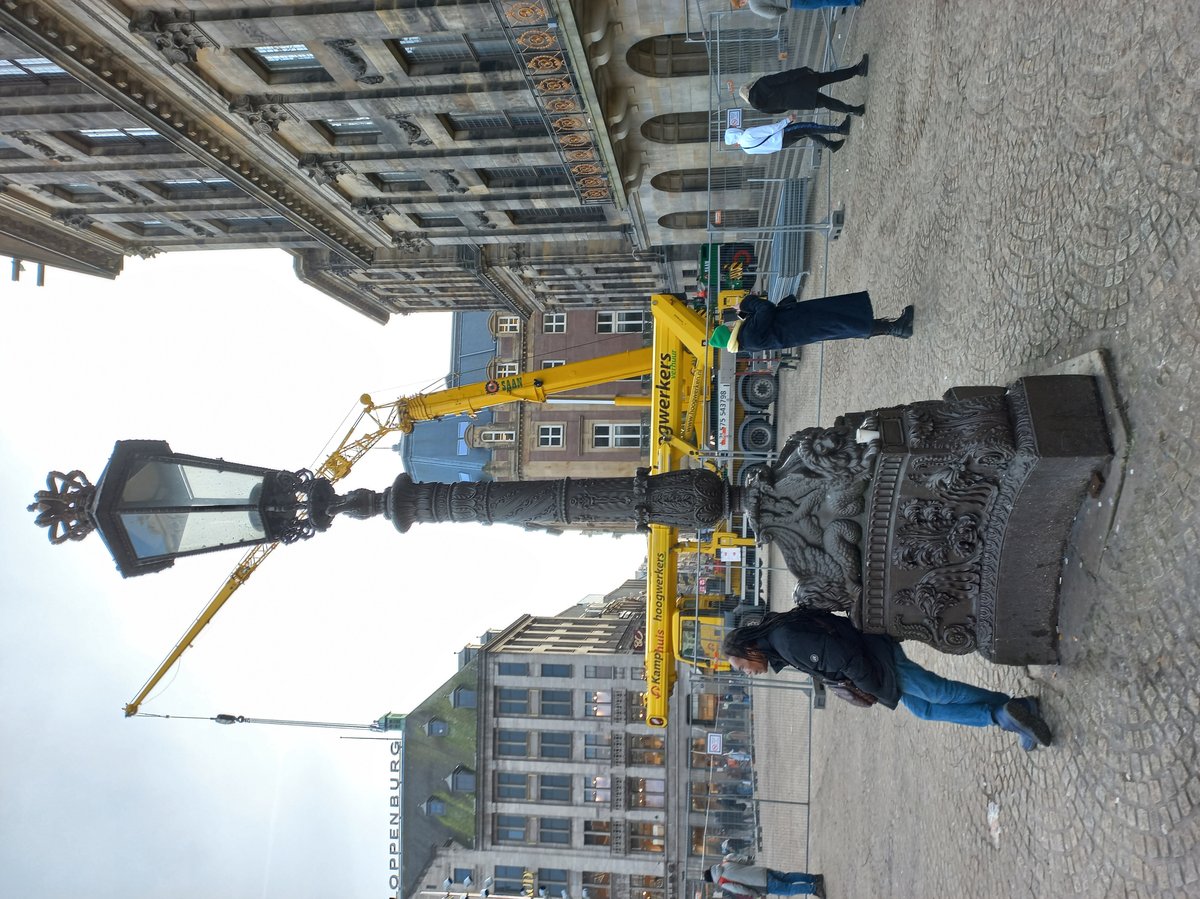
- Getting There: The museum is a five-minute walk from Amsterdam Central Station or Nieuwmarkt metro station; trams 4, 14, and 24 stop at Dam Square, a short walk away (source).
- Parking: Nearby garages include Nieuwendijk, De Bijenkorf (Dam), and Central Station (source).
- Nearby Attractions: De Wallen Red Light District, Anne Frank House, Moco Museum, H'ART Museum, and the Dutch Resistance Museum offer additional historical and cultural experiences (source).
- Events: The attic church is available for weddings and special events; advance booking is required (source).
- Special Activities: Workshops, lectures, and group tours are available and should be reserved in advance (source).
Frequently Asked Questions (FAQ)
Is the museum wheelchair accessible?
Due to the building’s historic design, it is not wheelchair accessible. Visitors with mobility challenges are advised to contact the museum for assistance (source).
Can I take photos inside?
Yes, photography is allowed without flash or tripods (source).
Are audio guides available?
A free audio tour is available in multiple languages (source).
How long does a visit take?
Expect to spend 50 minutes to 1.5 hours exploring the museum.
Where can I buy tickets?
Tickets can be purchased online or at the museum entrance. Discounts are available for several city and museum cards (source).
Tickets & tours.
These are guided options from our partners — same price as booking direct.
Prices are indicative — final pricing and availability are confirmed at checkout. Audiala may earn a commission from bookings made through these links.
Listen to the full story in the app
The whole Our Lord In The Attic Museum,
told well.
Audio guides for 1,100+ cities across 96 countries. History, stories, and local insight — offline ready.
Verified, and shown.
Researched and written by the Audiala editorial team from historical records, architectural archives, and local expertise.
Researched from Wikidata, Wikipedia & official sources · fact-checked · How we make our guides →