Introduction
In the heart of Amsterdam’s historic center, the Oude Kerk stands as the city's oldest surviving building and a profound emblem of its religious, cultural, and architectural heritage. Founded as a wooden chapel around 1213 and consecrated in stone in 1306, the Oude Kerk has witnessed Amsterdam’s transformation from a modest riverside settlement to a global trading powerhouse. Located in the De Wallen district—the famed Red Light District—the church is a breathtaking example of Gothic architecture and a symbol of the city’s enduring spirit of liberalism and historical continuity (Klook; oudekerk.nl).
Originally dedicated to Saint Nicholas, the patron saint of sailors, the Oude Kerk reflects Amsterdam’s deep maritime roots. Over the centuries, it has served as a place of worship, a burial site for notable citizens—including Saskia van Uylenburgh, Rembrandt’s wife—and a dynamic community hub. The pivotal "Alteratie" of 1578 marked its transition from Catholicism to Calvinism, symbolizing Amsterdam's embrace of religious tolerance and civic identity (Passport2Amsterdam; introducingamsterdam.com). Today, visitors can explore its vast medieval oak-vaulted ceilings, intricately paved gravestones, exquisite stained glass, and a remarkable 17th- and 18th-century organ that continues to enrich the church’s cultural life (amsterdam.org; onevasco.com).
This guide offers a detailed overview of the Oude Kerk, with essential information on visiting hours, tickets, accessibility, and practical tips, as well as highlights such as guided tours, stained glass workshops, and musical performances. Whether you are drawn by its architectural grandeur, historical significance, or vibrant programming, the Oude Kerk promises a fascinating journey into Amsterdam’s past and present (oudekerk.nl; Amsterdam Tips).
Photo Gallery
Explore Oude Kerk in Pictures
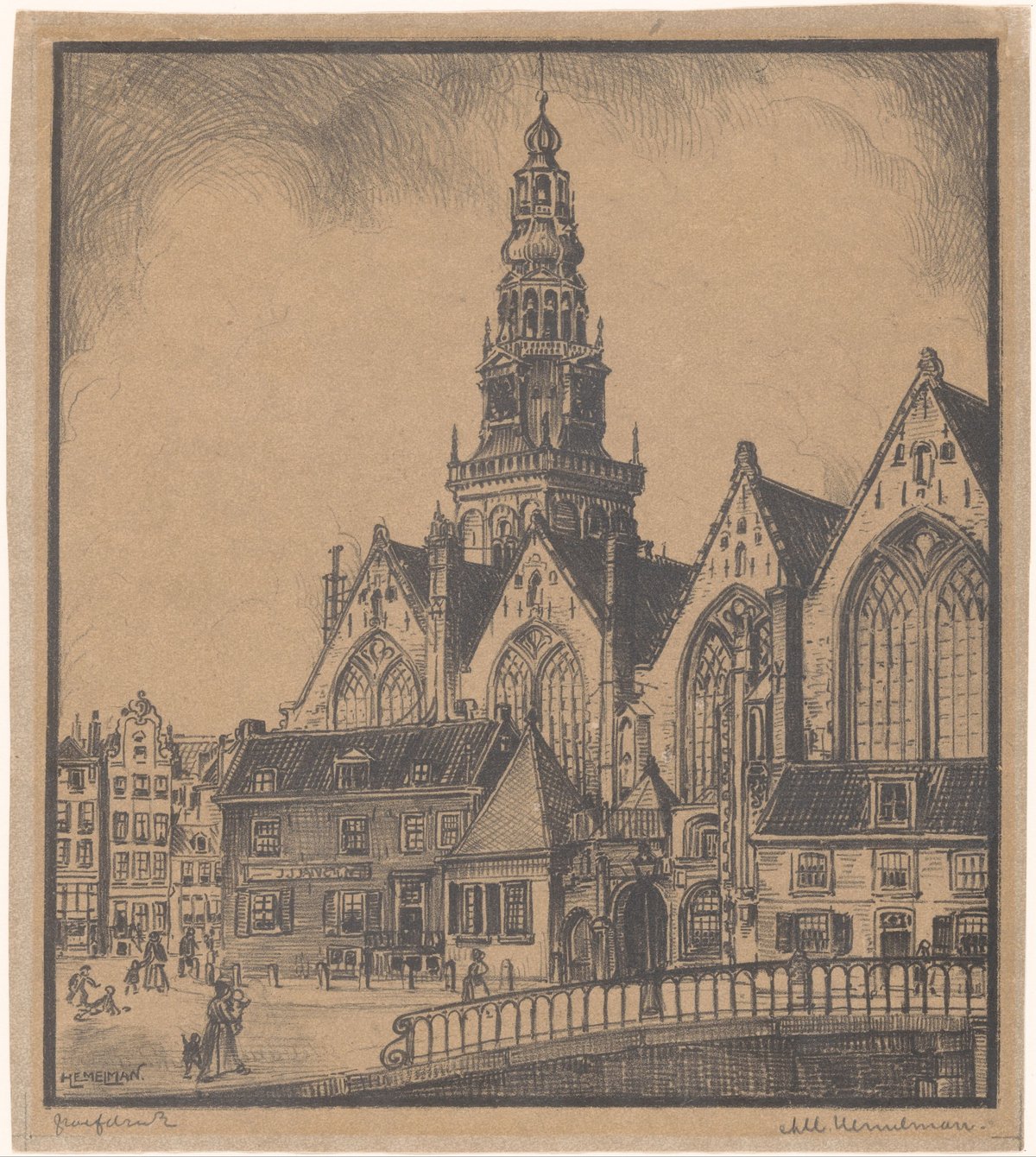
Lithographic print titled 'Achter de Oude Kerk' showing the spire and chapels of Oude Kerk in Amsterdam with a bridge railing in the foreground. Created by Albert Hemelman between 1902 and 1951, this lithograph on paper measures 212 mm by 187 mm and depicts a city view with figures.
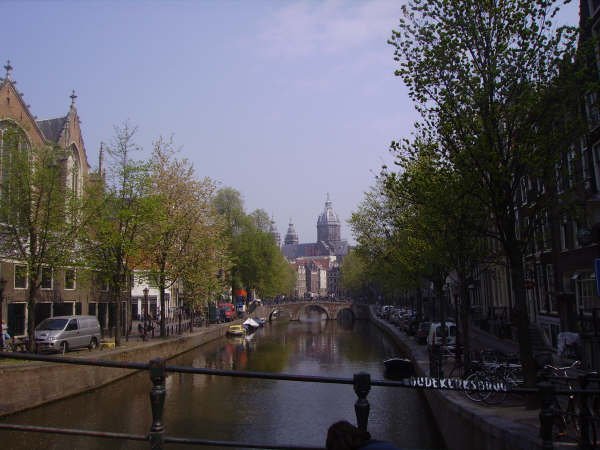
Scenic view of Amsterdam river channel featuring traditional Dutch houses and boats, showcasing the city's iconic architecture and waterways.

Black and white photo of a community meeting held by the neighborhood council d'Oude Stad in Oude Kerk Amsterdam on September 26, 1985, focusing on problems related to drug trafficking and public disturbances.
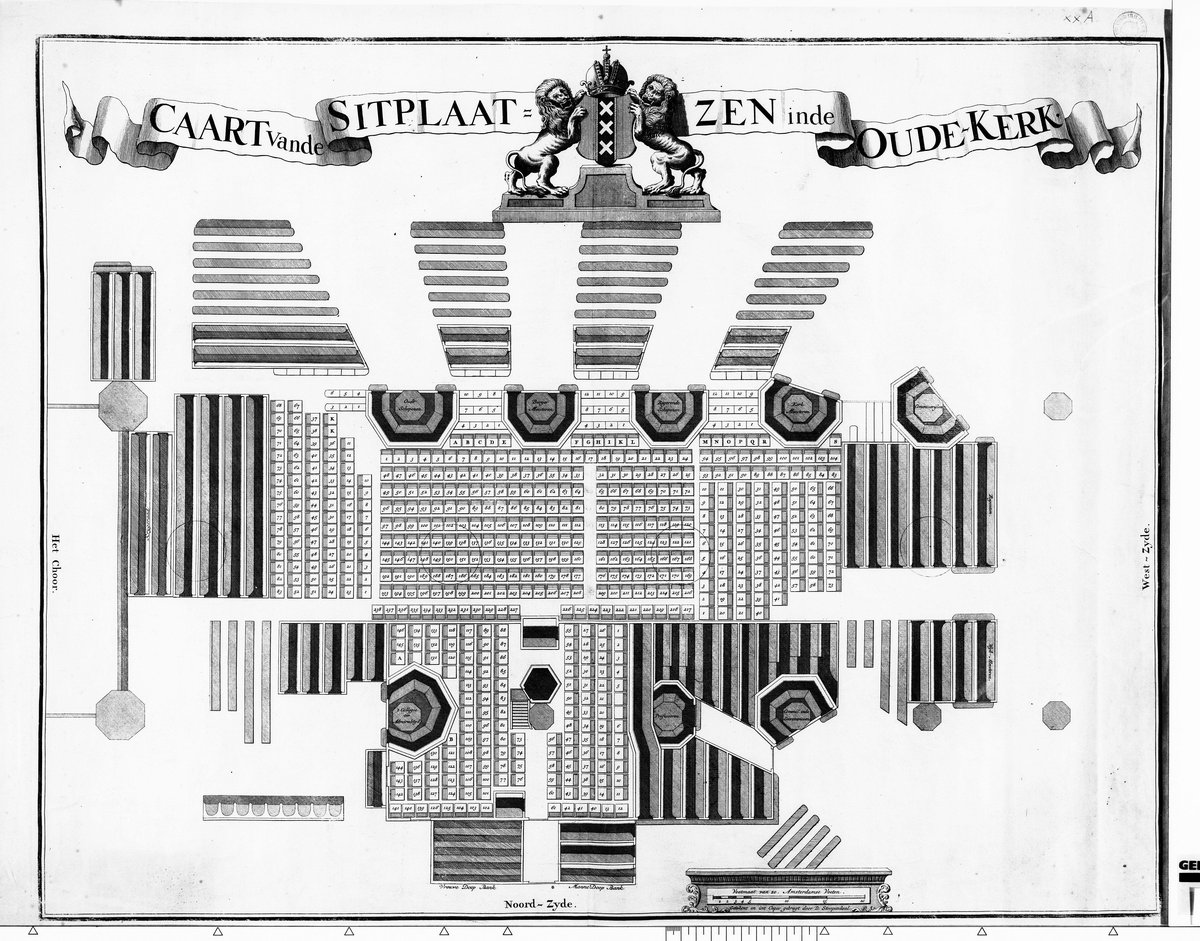
Detailed architectural floor plan of Oude Kerk in Amsterdam created by Daniël Stoopendaal circa 1700-1725, part of the Stadsarchief Amsterdam building drawings collection.
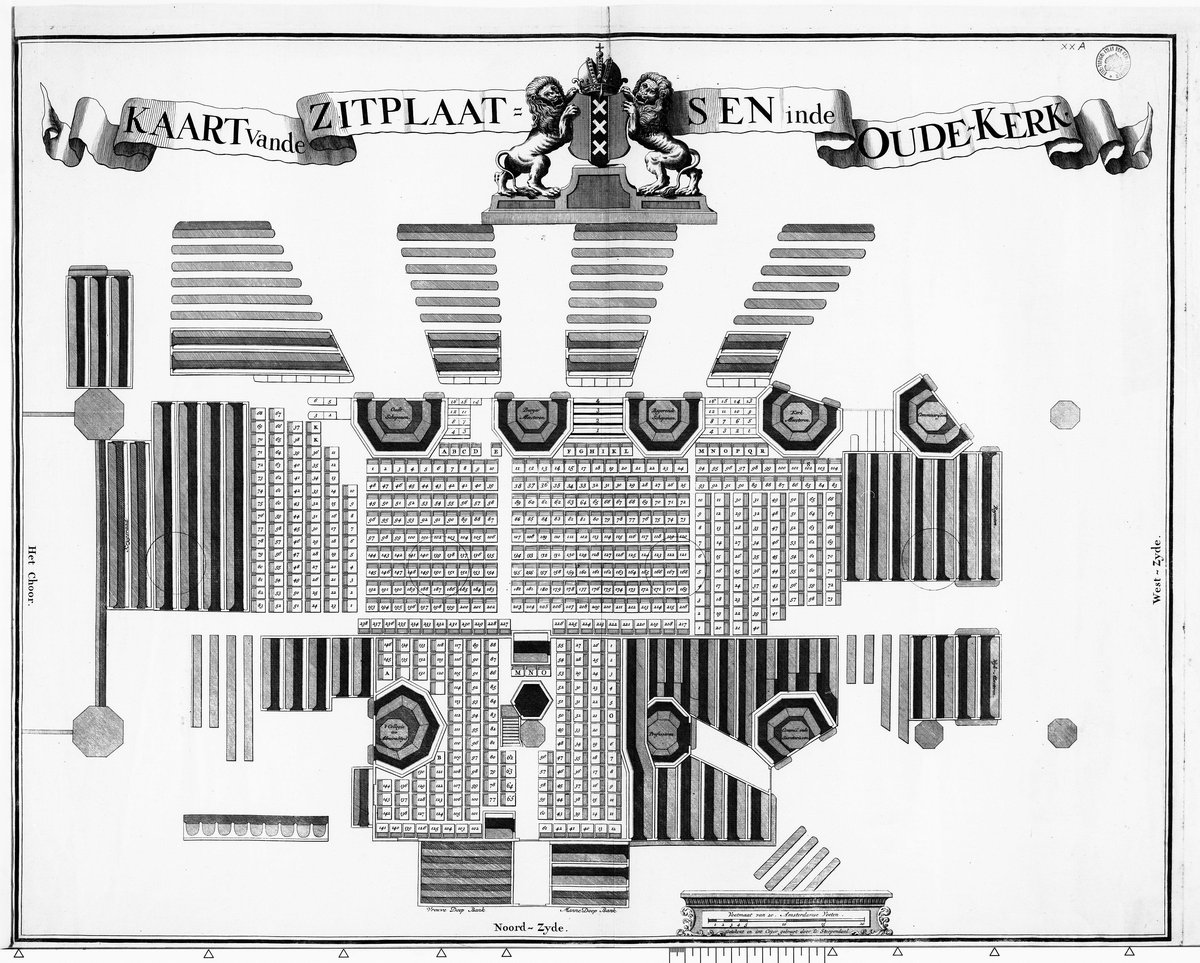
Detailed building plan of Oude Kerk's floor layout created by Daniël Stopendaal, part of the Stadsarchief Amsterdam collection of construction drawings from around 1700 to 1725, showing the layout at Oudekerksplein.
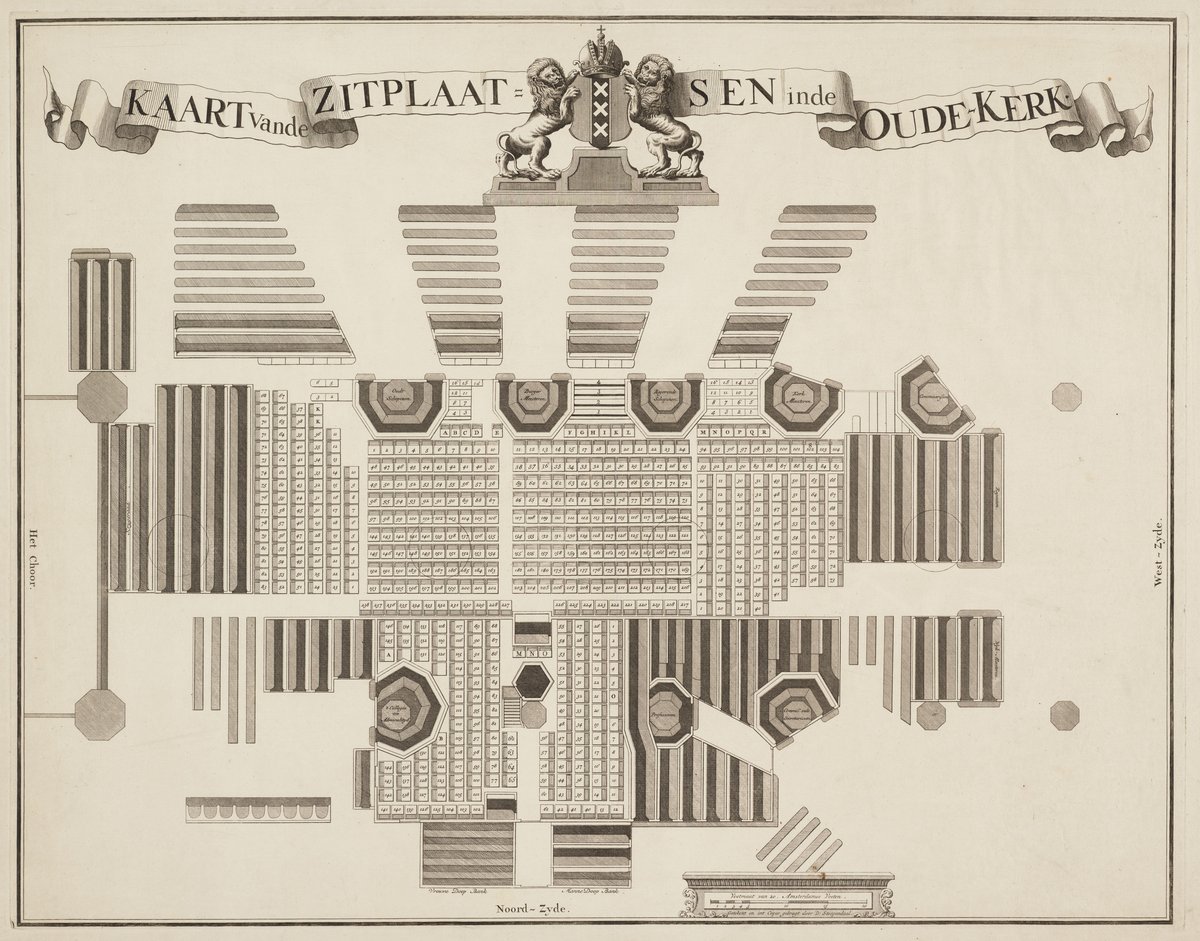
Historical map by Daniël Stoopendaal depicting seating arrangements and architectural features of the Oude Kerk in Amsterdam around 1700, including chandeliers and the Amsterdam coat of arms.
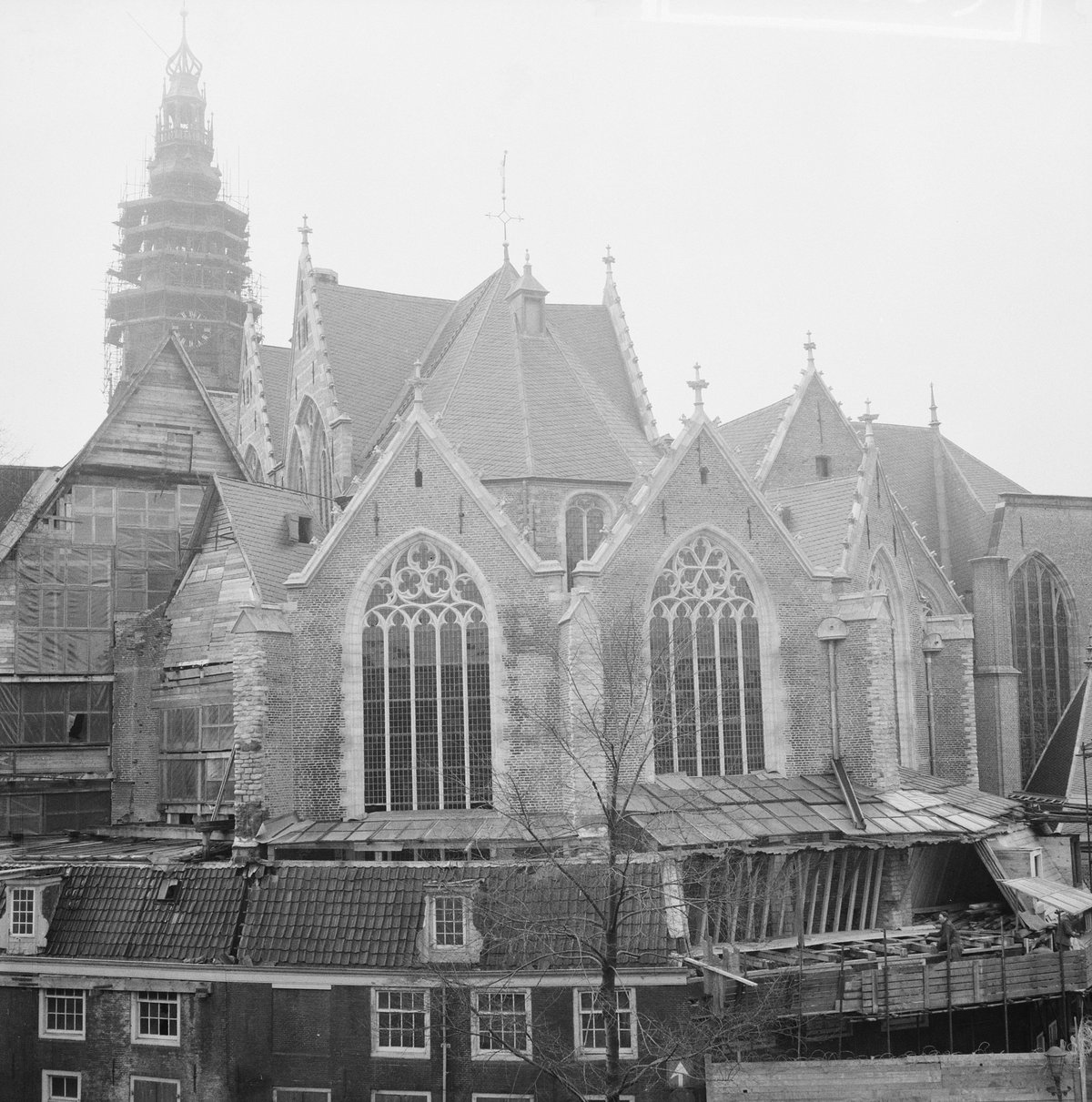
Black and white photo of the Old Church on the Old Church Square in Amsterdam taken on April 2, 1964, showing fully renovated facades from Eastside Voorburgwal, photographed by Jac. de Nijs
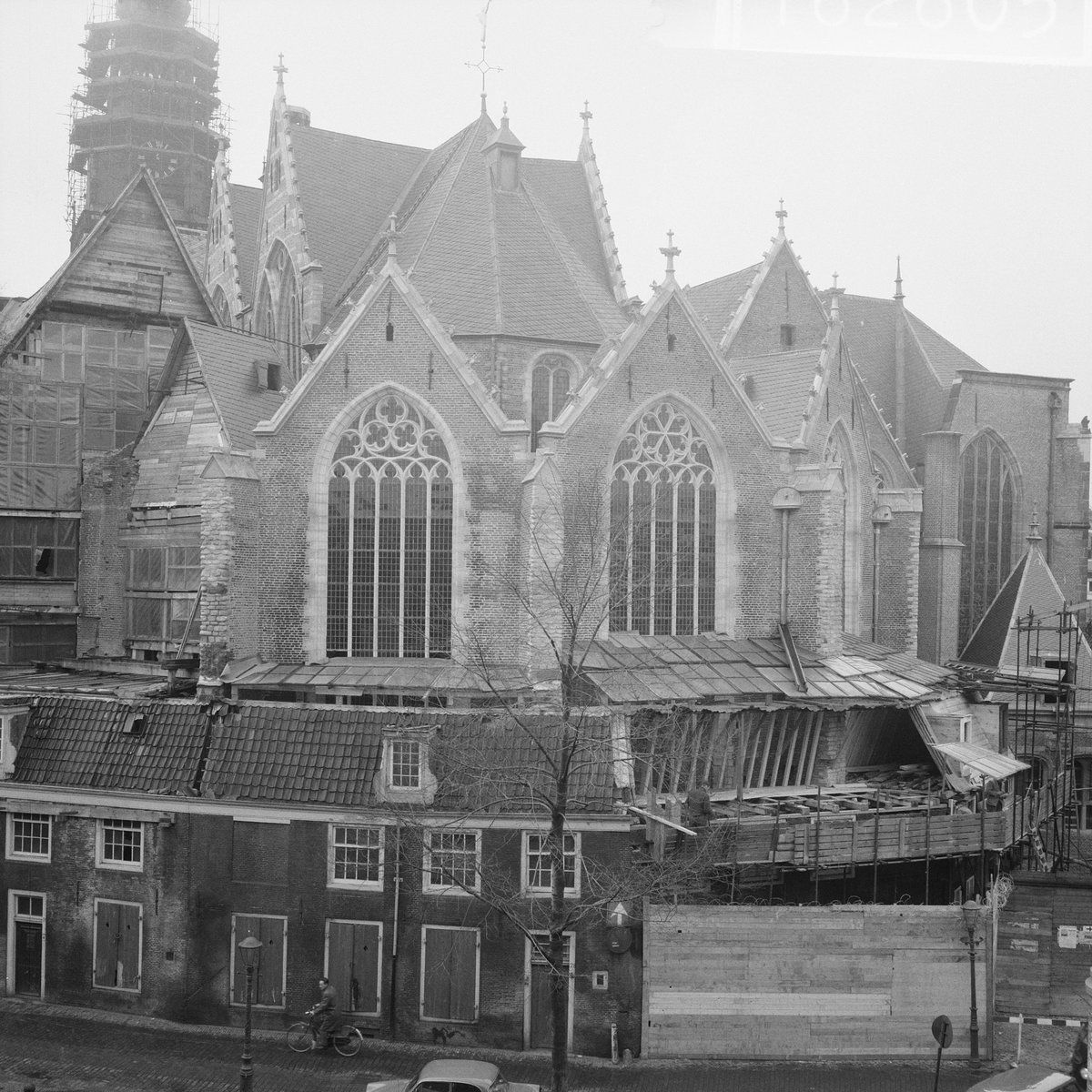
Historical black and white photograph of De Oude Kerk on the Oude Kerksplein in Amsterdam, showcasing the completely renewed facades as seen from Oostzijde Voorburgwal, taken on April 2, 1964 by photographer Jac. de Nijs, part of the Anefo photo collection, stored in the Nationaal Archief.
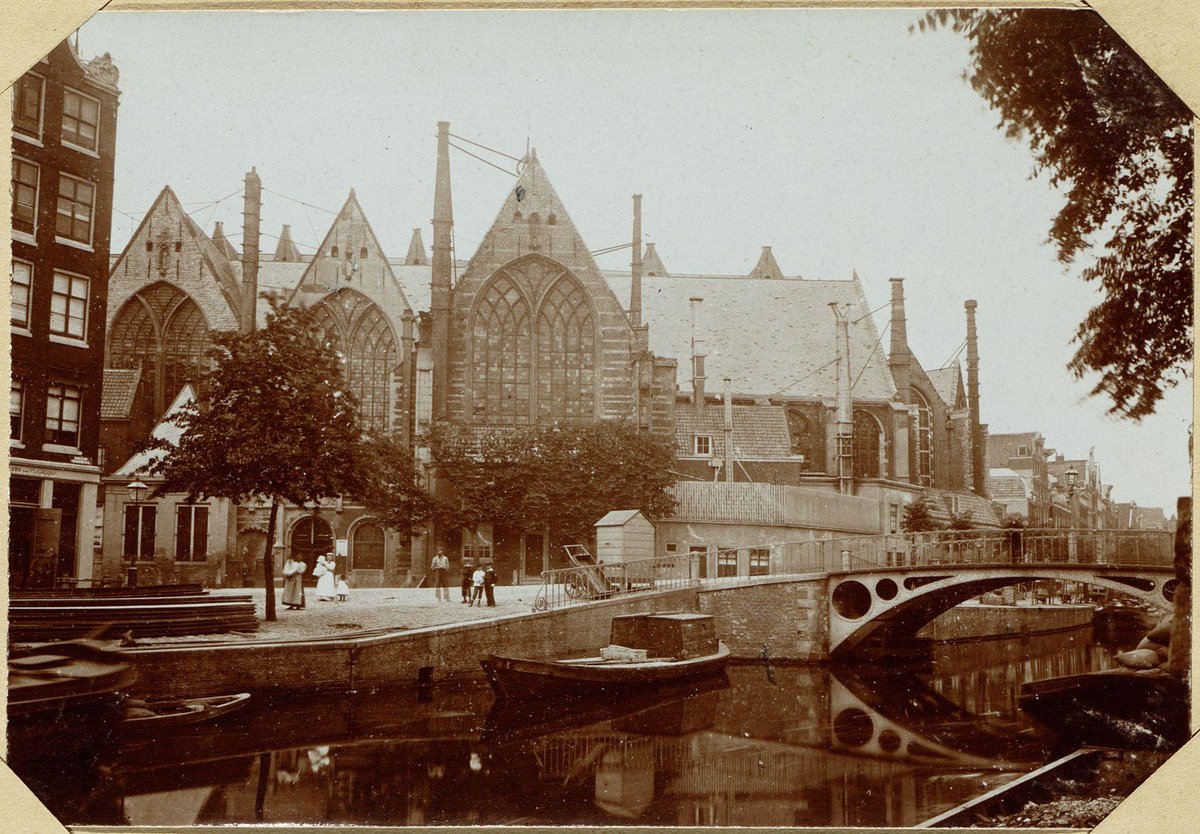
Historic photo of Oudezijds Voorburgwal street near Oudekerksplein featuring the Oude Kerk church in Amsterdam. Original cabinet photo by A. Jager from 1867 to 1883, part of the Atlas Dreesmann collection.
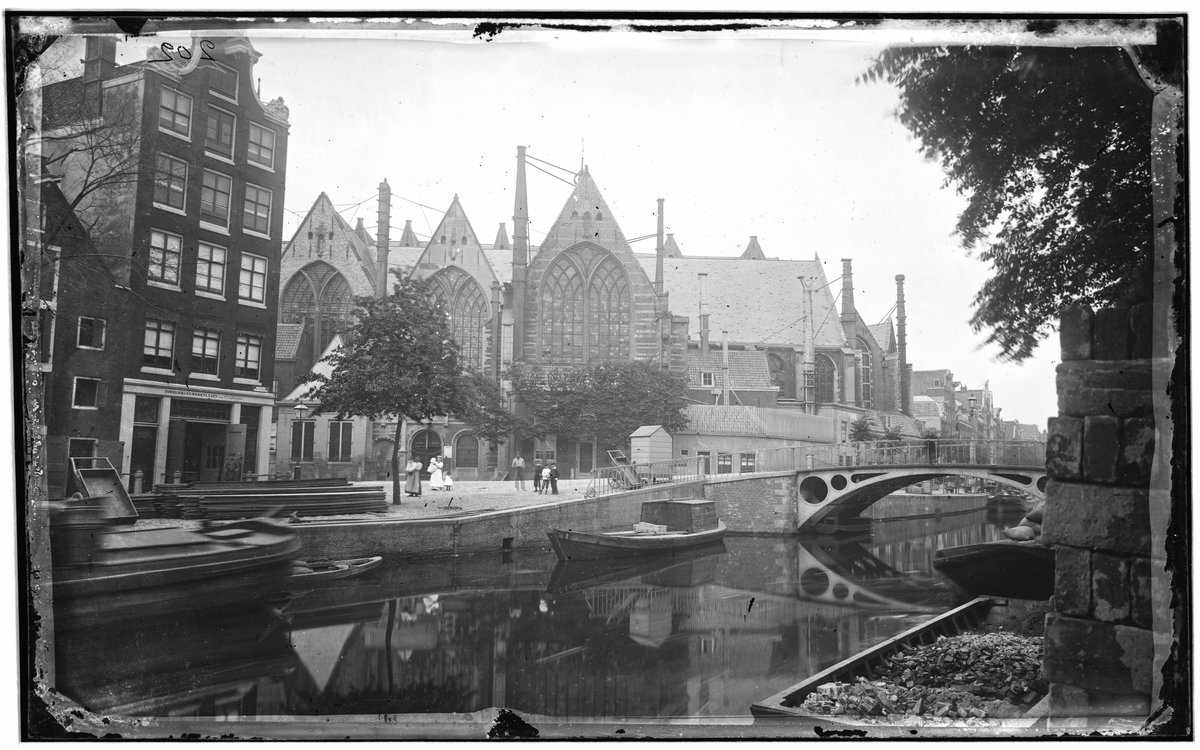
Historic photograph circa 1878 showing Oudezijds Voorburgwal canal in Amsterdam looking towards Oudekerksbrug (Bridge 206) and the Oude Kerk located at Oudekerksplein 23. Includes view of buildings at Oudezijds Voorburgwal 80 and 82 on the left. Photo by Jager, A., part of the Kunsthandel Gebr. Douw
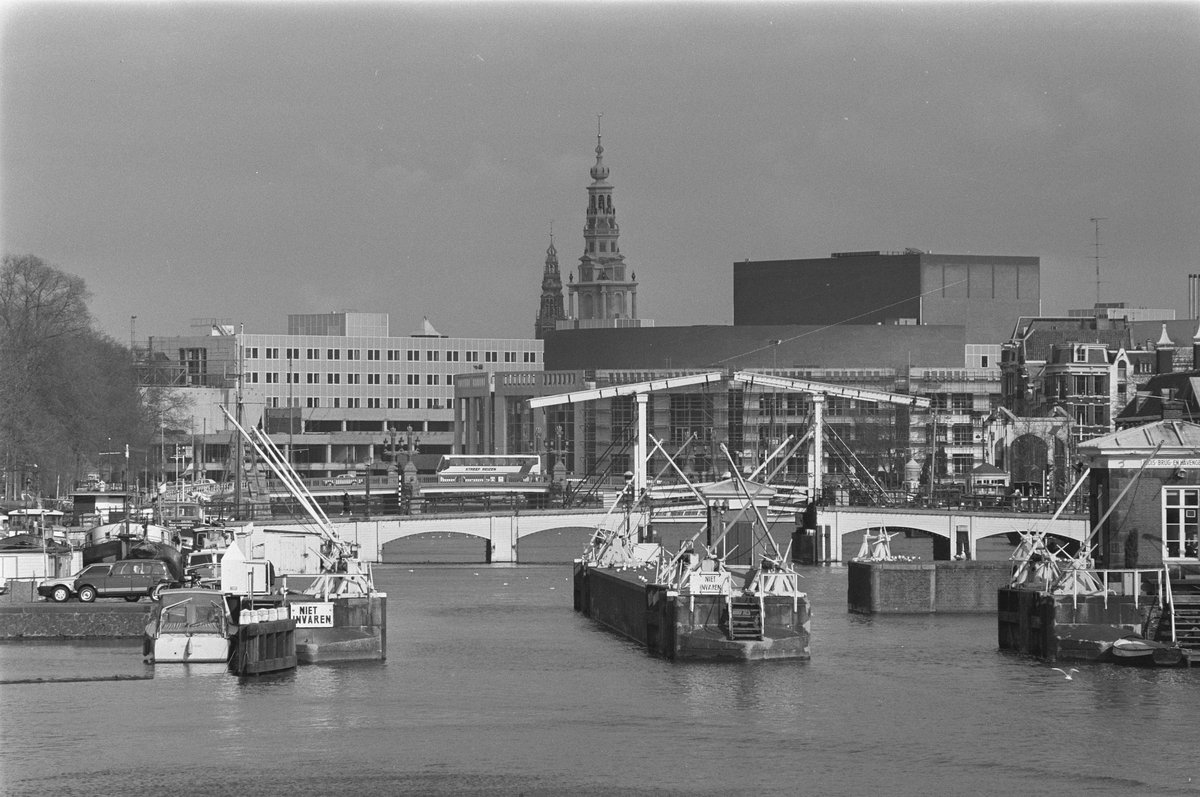
Black and white photo from 1986 showing Amsterdam's skyline with the Stopera concert hall and city hall, the iconic Magere Brug (Skinny Bridge) in the foreground, and the Zuiderkerk and Oude Kerk churches in the background, captured by Rob C. Croes for the Anefo photo collection.
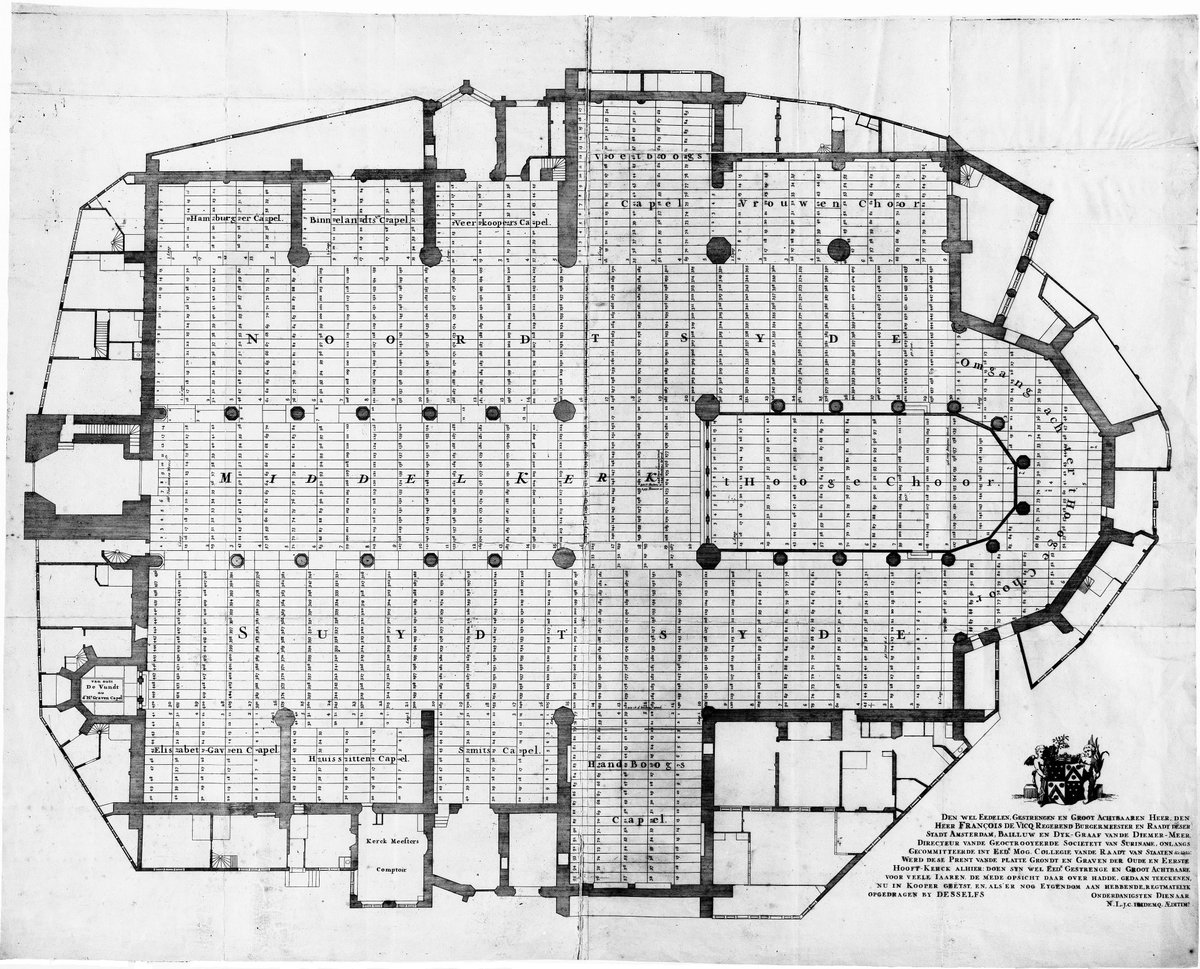
Detailed floor plan of Oude Kerk in Amsterdam from Stadsarchief Amsterdam, showcasing architectural layout and design elements.
Origins and Historical Development
The Oude Kerk (“Old Church”) is Amsterdam’s oldest building, with a history beginning as a wooden chapel in 1213 and becoming a stone church by 1306 (Klook). The church expanded during the 14th and 15th centuries to accommodate the city’s burgeoning population. Its architectural evolution from Romanesque to Gothic mirrors Amsterdam’s growing economic and civic importance (Passport2Amsterdam).
Religious and Cultural Significance
Originally a Roman Catholic church dedicated to Saint Nicholas, the Oude Kerk was a spiritual center for Amsterdam’s sailors and merchants. Its floors contain over 2,500 gravestones, marking the resting places of more than 60,000 citizens (Klook).
The 1578 “Alteratie” marked a crucial shift as the church adopted Calvinist worship. Religious iconography was removed or whitewashed, but the building remained a key civic and community space (Passport2Amsterdam).
Architectural Features and Art Heritage
The Oude Kerk is renowned for its soaring wooden vaults—the largest of their kind in Europe—crafted from 15th-century Estonian oak (Klook). The nave, supported by these impressive beams, features painted biblical scenes and heraldic motifs. Stained glass in the Mariakapel (Mary Chapel) is a highlight, as are the intricately carved choir stalls and the grand 18th-century Vater-Müller organ (amsterdam.org).
Contemporary art installations and musical performances are regularly featured, ensuring the church remains a living, evolving part of Amsterdam’s cultural landscape (Passport2Amsterdam).
Visiting the Oude Kerk: Hours, Tickets & Tips
Location and Access
- Address: Oudekerksplein 23, 1012 GX Amsterdam
- How to get there: 8–10 minute walk from Amsterdam Centraal Station; trams and metro to Dam Square or Nieuwmarkt (Passport2Amsterdam)
Visiting Hours
- Monday to Saturday: 10:00 am – 6:00 pm
- Sunday: 1:00 pm – 5:30 pm
- Check official website for holiday changes and special events: oudekerk.nl
Ticket Information
- Adults: €13.50
- Youths (13–17), Students: €7.00
- Children (6–12): €3.50
- Children (0–5): Free
- Museumkaart, I Amsterdam City Card, ICOM, Stadspas, Vriendenloterij VIP-kaart, Vriendenpas Oude Kerk: Free
- Buy tickets online in advance for best availability (Amsterdam Tips; The Dutch Journal)
Best Times to Visit
- Weekday mornings and late afternoons are quietest.
- Avoid weekends and holidays for a more peaceful experience.
- Check event calendar for concerts and exhibitions (Klook).
Special Experiences
- Stained Glass Workshops: Hands-on workshops in a historic setting (Klook).
- Music Events: Enjoy organ recitals and concerts leveraging the church’s celebrated acoustics.
- Guided Tours: Focused on architecture, history, and art. Audio guides available in multiple languages (oudkerk.nl).
Nearby Attractions and Dining
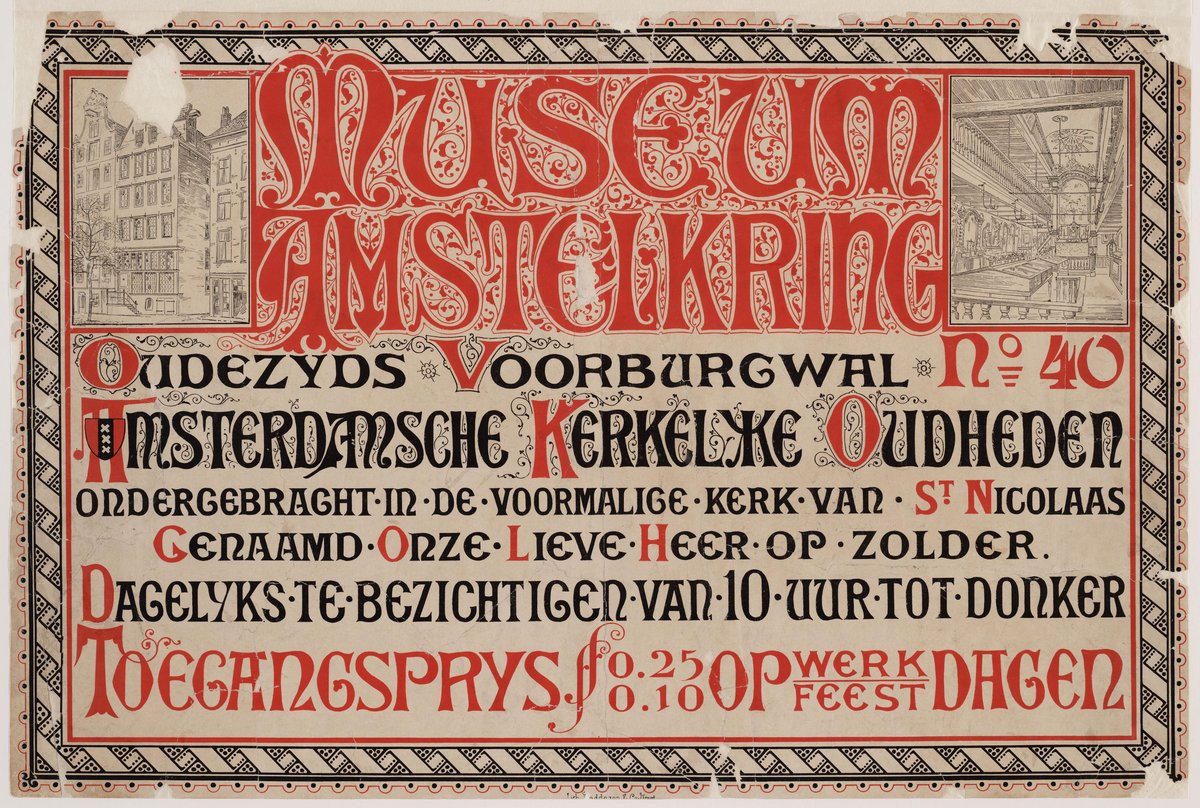
- Proximity to Dam Square, Red Light District, Museum Ons’ Lieve Heer op Solder, and local cafes and restaurants (Klook).
Practical Tips
- Photography: Allowed without flash or tripods, except during services or some exhibitions.
- Accessibility: Wheelchair access with ramps and elevator. Some historic areas may be less accessible (Explorial).
- Restrooms and Cloakroom: Available on site.
- Gift Shop: Church-related books and souvenirs.
- Dress Code: Respectful attire recommended.
Visual and Interactive Elements
- Explore virtual tours and interactive maps on the official website for a preview of your visit.
- Optimized images with descriptive alt tags (e.g., "Oude Kerk Amsterdam stained glass").
Frequently Asked Questions (FAQ)
What are the visiting hours?
Monday to Saturday: 10:00–18:00; Sunday: 13:00–17:30. Check the website for special opening times.
How much are tickets?
Adults: €13.50; discounts for students and children; free for young children and certain cardholders.
Is the Oude Kerk accessible for visitors with disabilities?
Most areas are accessible; contact in advance for assistance.
Are guided tours available?
Yes, including audio guides and themed tours.
Can I take photos inside?
Photography is generally allowed without flash or tripods.
Listen to the full story in the app
Your Personal Curator, in Your Pocket.
Audio guides for 1,100+ cities across 96 countries. History, stories, and local insight — offline ready.
Audiala App
Available on iOS & Android
Join 50k+ Curators
Sources
- verified
- verified
- verified
- verified
- verified
- verified
- verified
- verified
Last reviewed: