Plan and listen to Museum Garden with Audiala.
Audio guide in your pocket, itinerary in your browser. Built for the way you actually visit.
Introduction
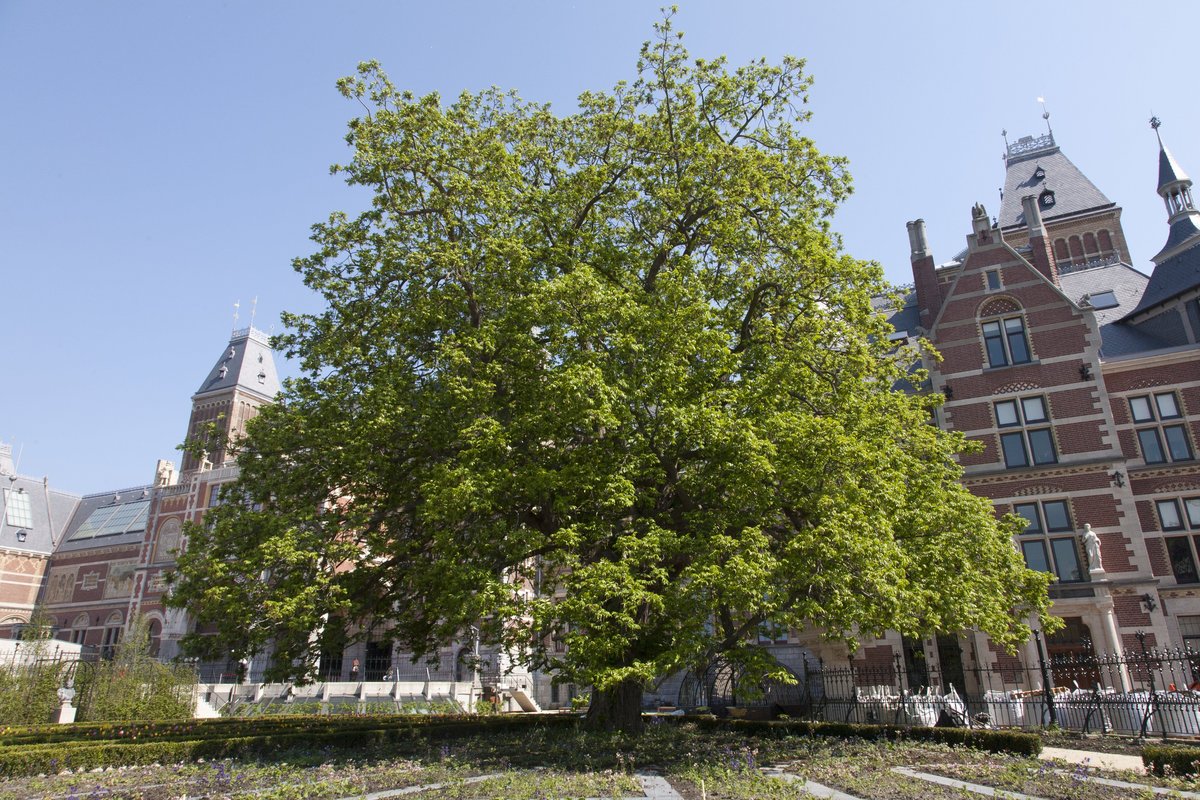
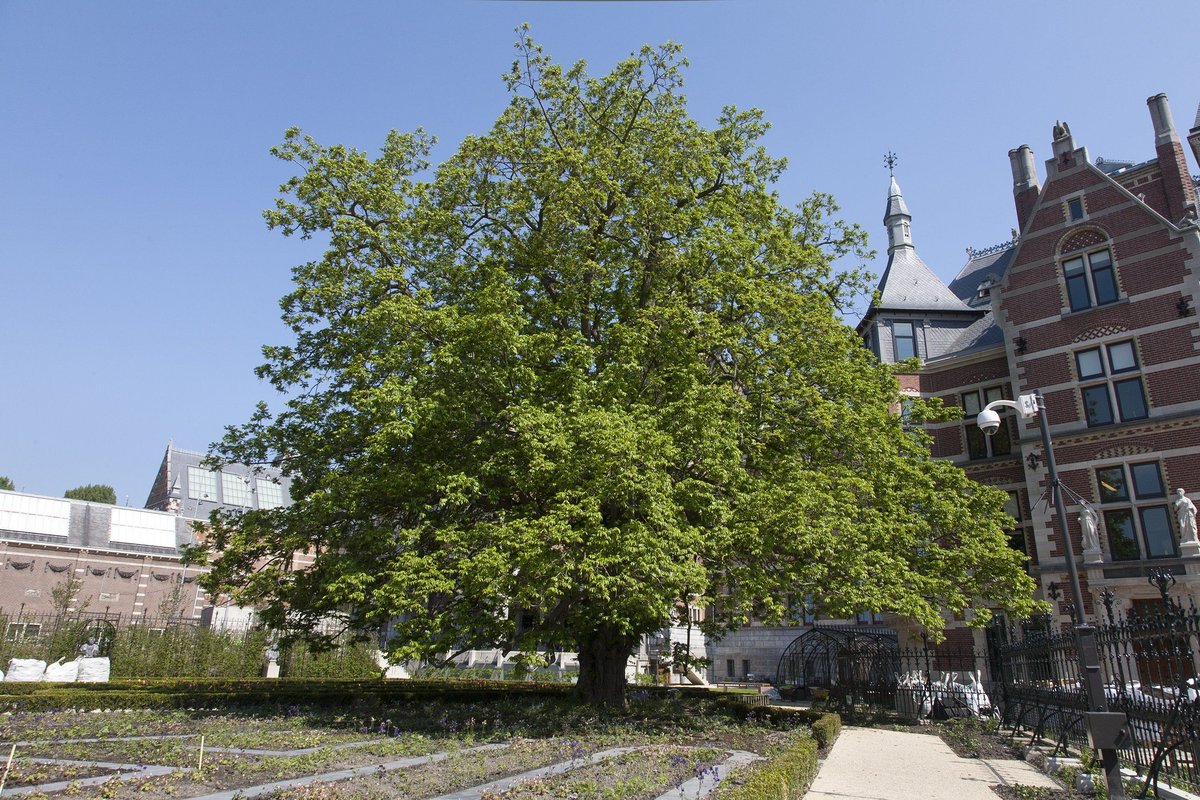
Nestled in the heart of Amsterdam, the Rijksmuseum Gardens (Rijksmuseumtuinen) are a mesmerizing part of the Rijksmuseum complex that seamlessly blends art, history, and horticulture. Designed by the renowned Dutch architect Pierre Cuypers, who also crafted the Rijksmuseum building and Amsterdam's Central Station, the gardens were intended to complement the grandeur of the museum's neo-Gothic architecture (Rijksmuseum). Over the years, the gardens have evolved, incorporating contemporary tastes and artworks while retaining their historical essence. Recent renovations have revitalized the gardens, making them a dynamic and ever-changing landscape that remains a vital part of the Rijksmuseum experience (Piet Oudolf). Whether you're a history enthusiast, an art lover, or simply seeking a peaceful retreat, the Rijksmuseum Gardens offer a unique and enriching experience.

History of the Rijksmuseumtuinen
Origins and Early Development
The Rijksmuseumtuinen were initially designed in the late 19th century, coinciding with the construction of the Rijksmuseum building itself, which was completed in 1885. The museum and its gardens were designed by the Dutch architect Pierre Cuypers, who was also responsible for the design of Amsterdam's Central Station. Cuypers' vision for the gardens was to create a serene and aesthetically pleasing environment that would complement the grandeur of the museum building (Rijksmuseum).
Architectural and Landscape Design
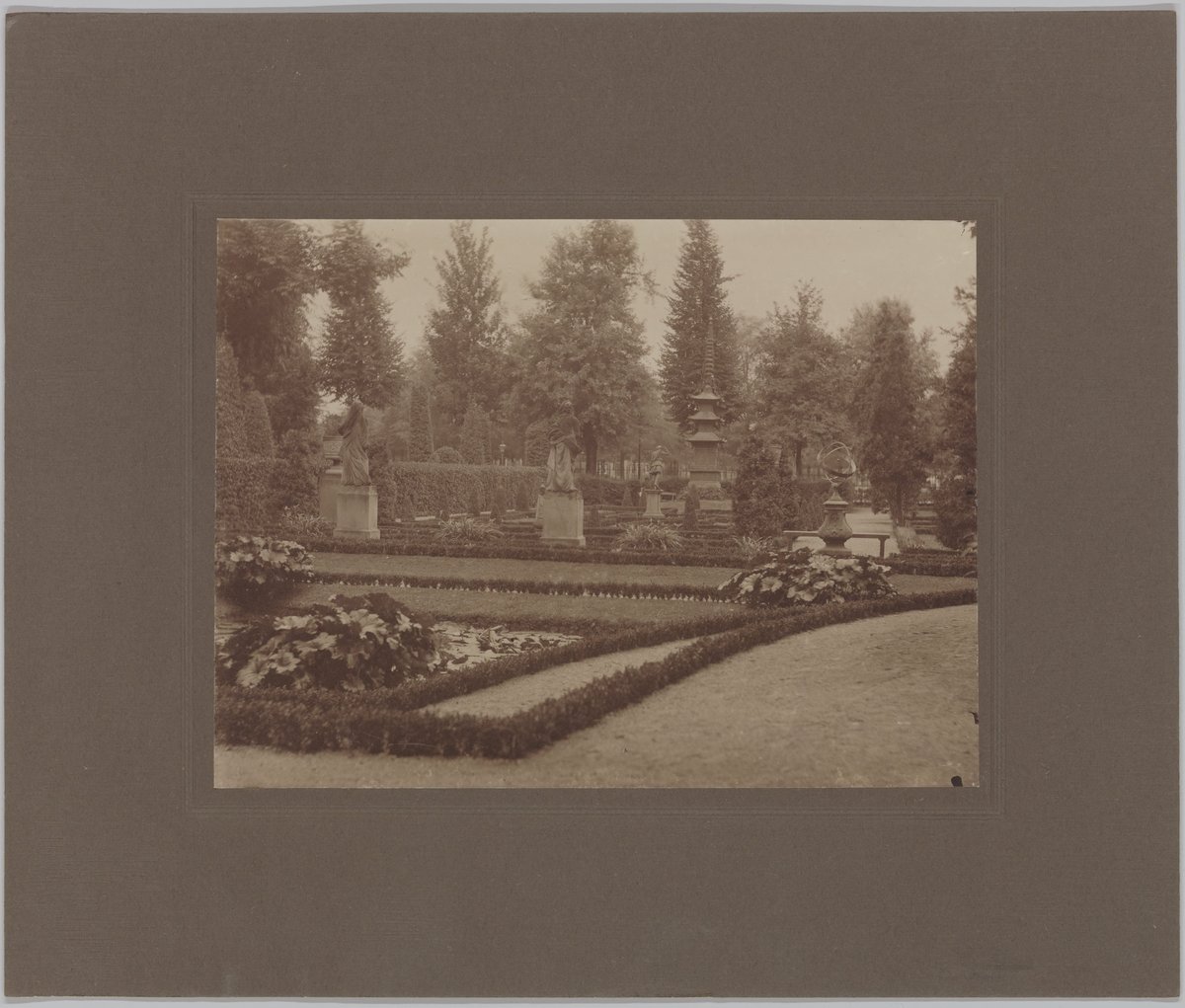
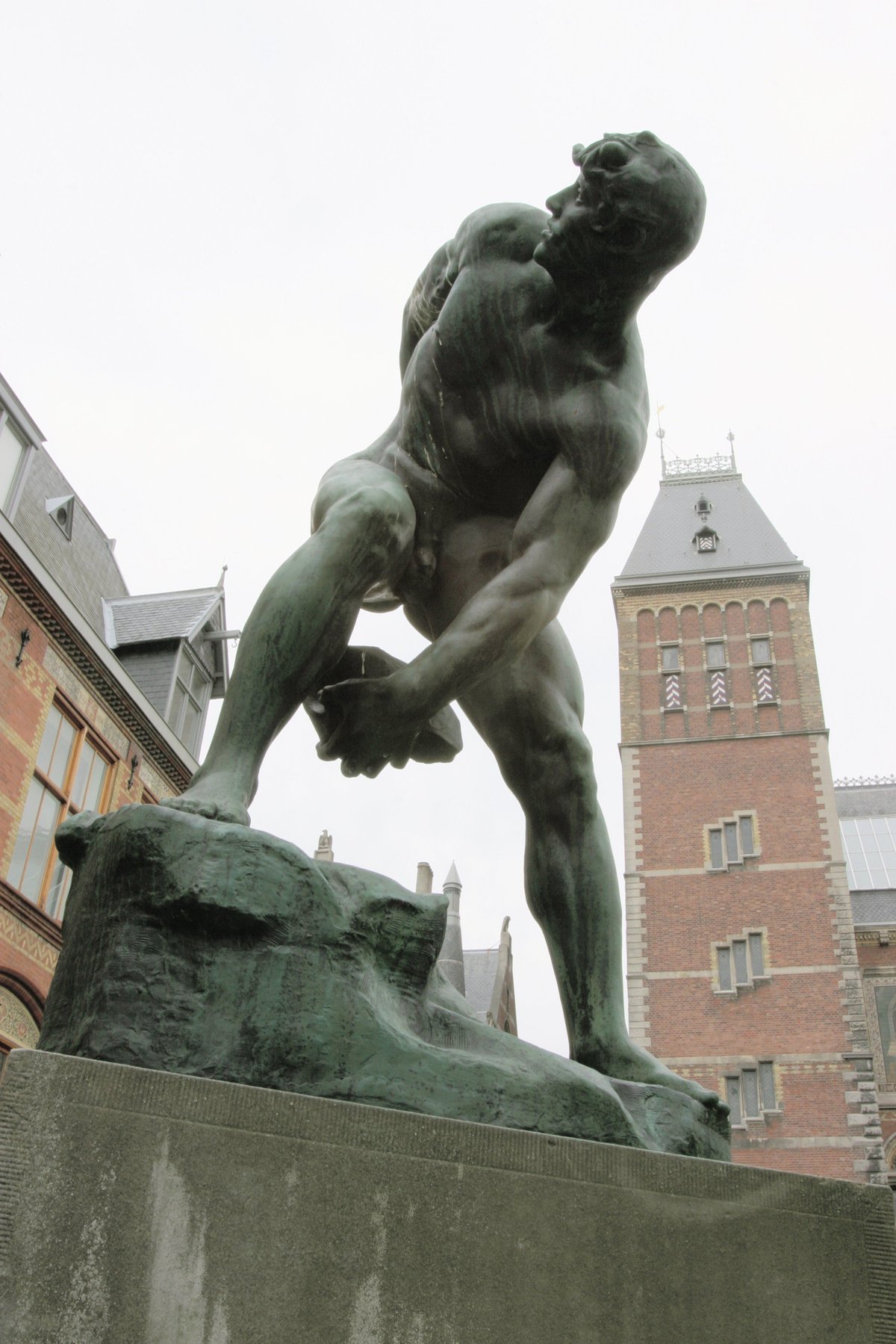
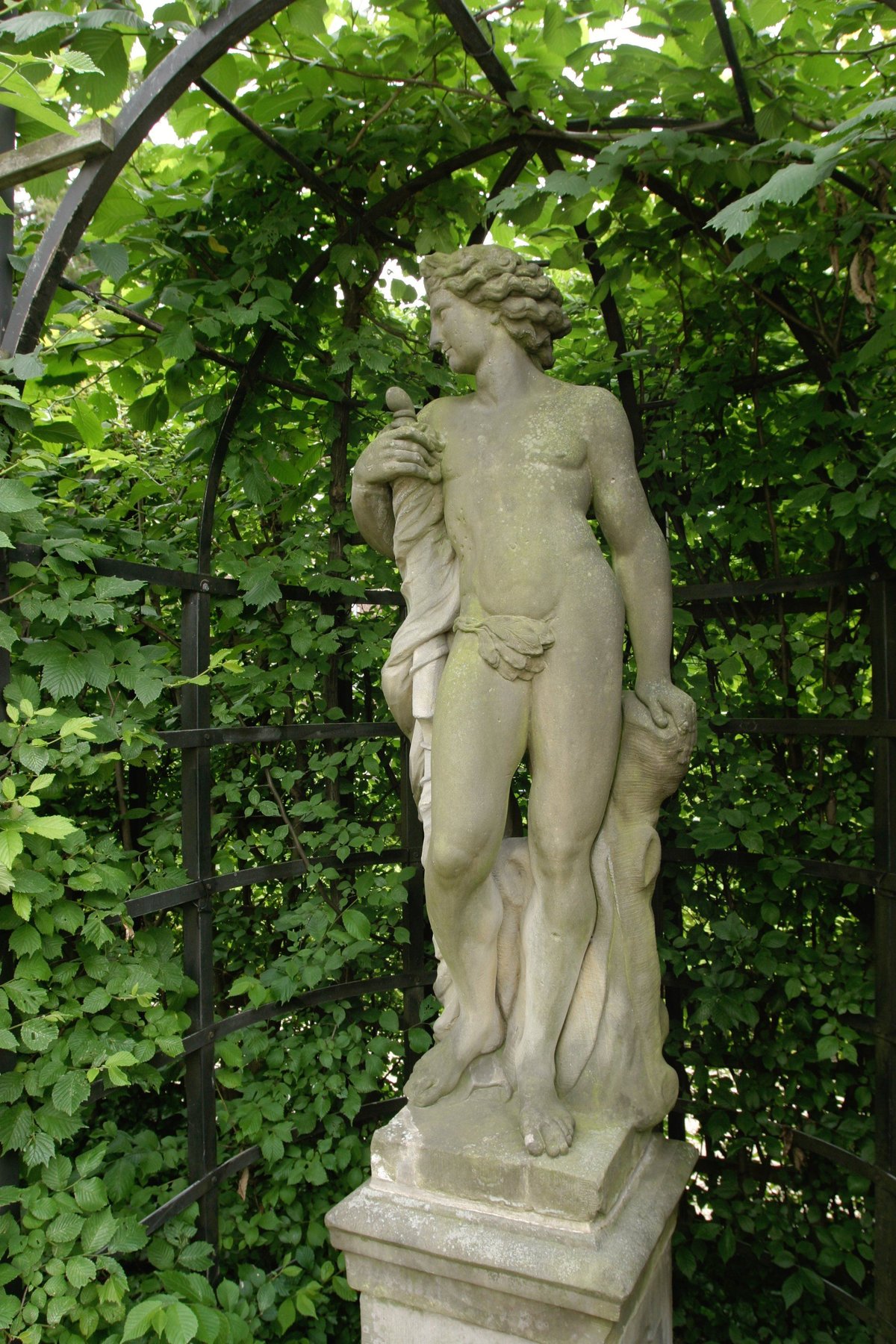
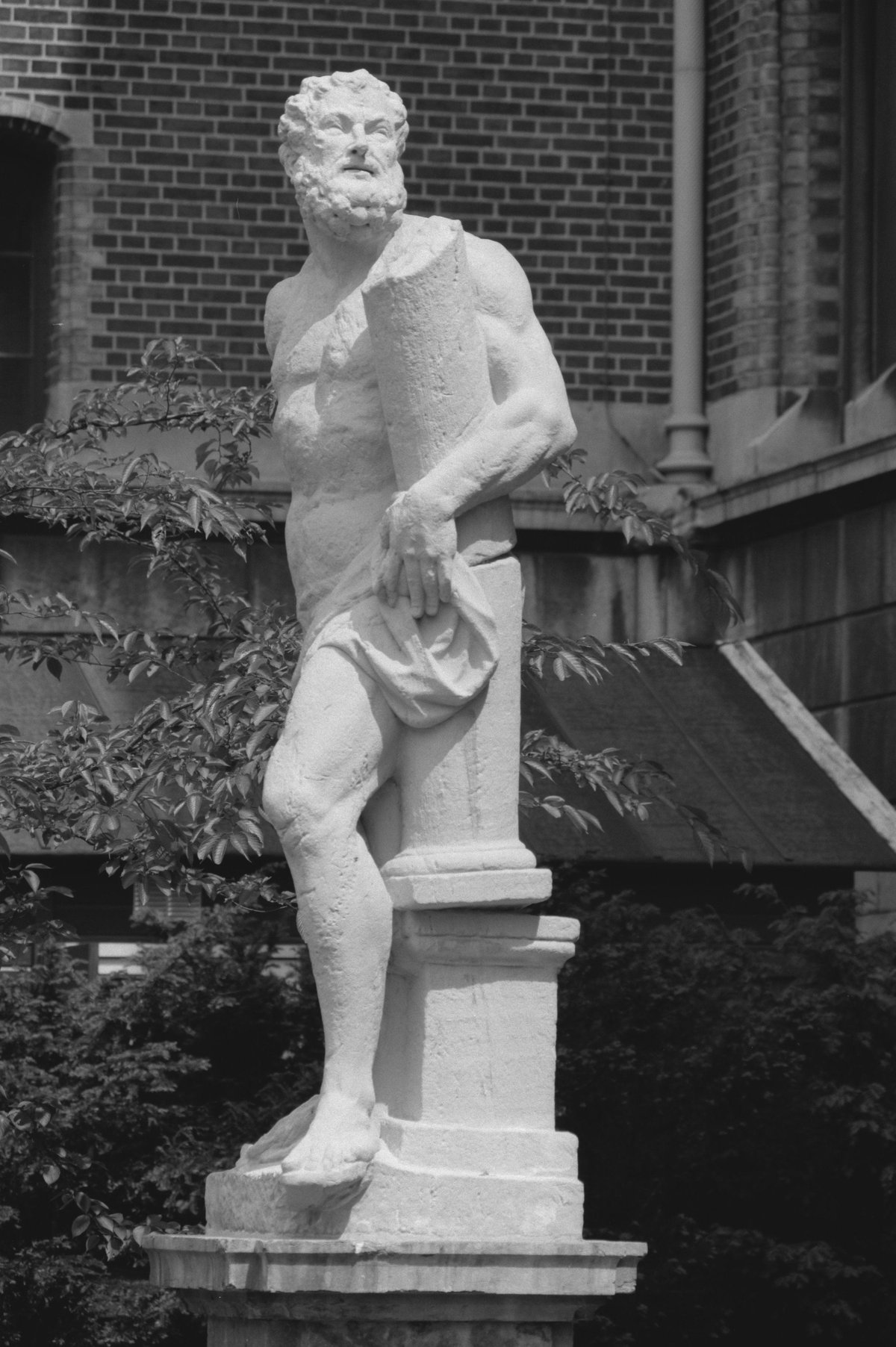
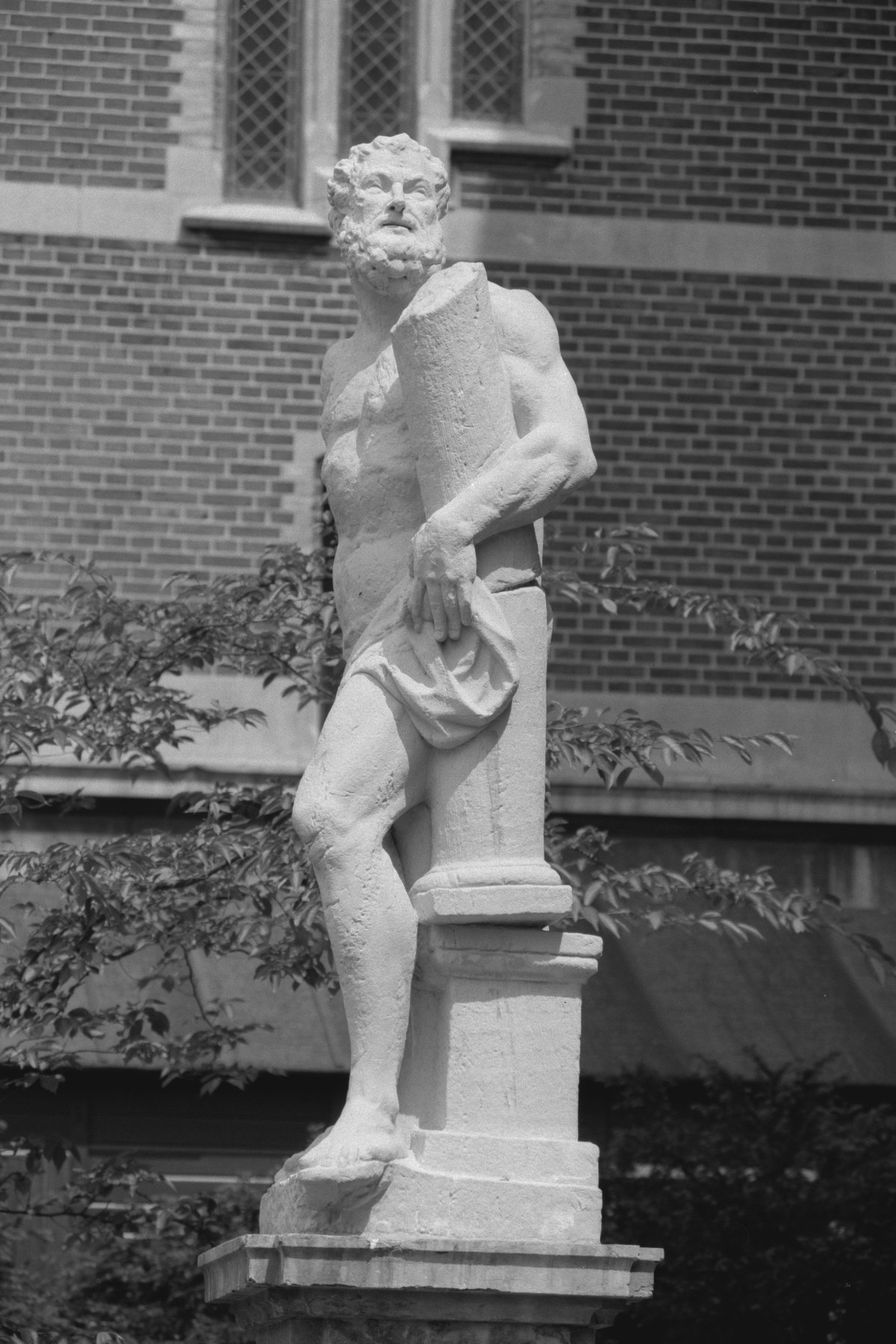
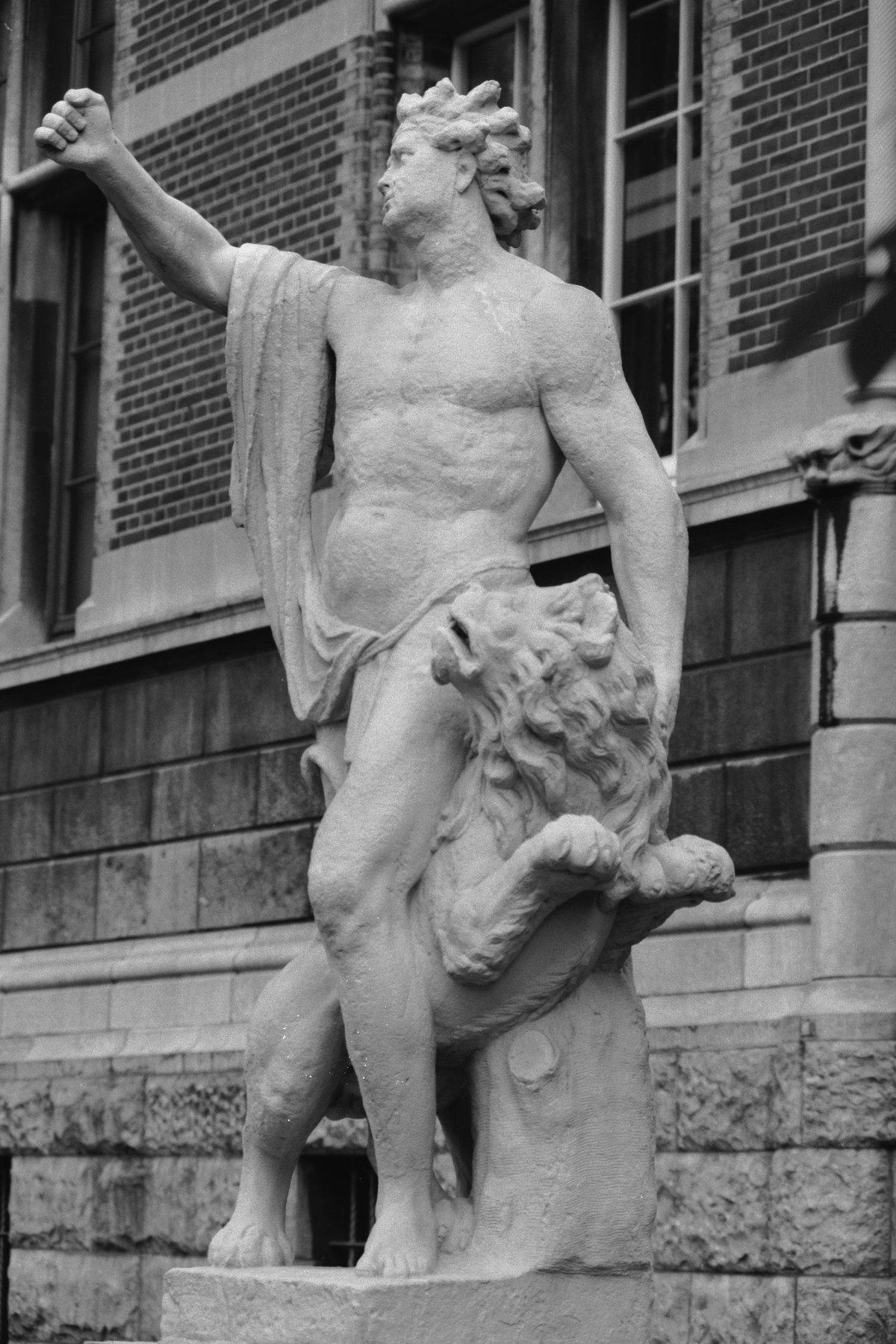
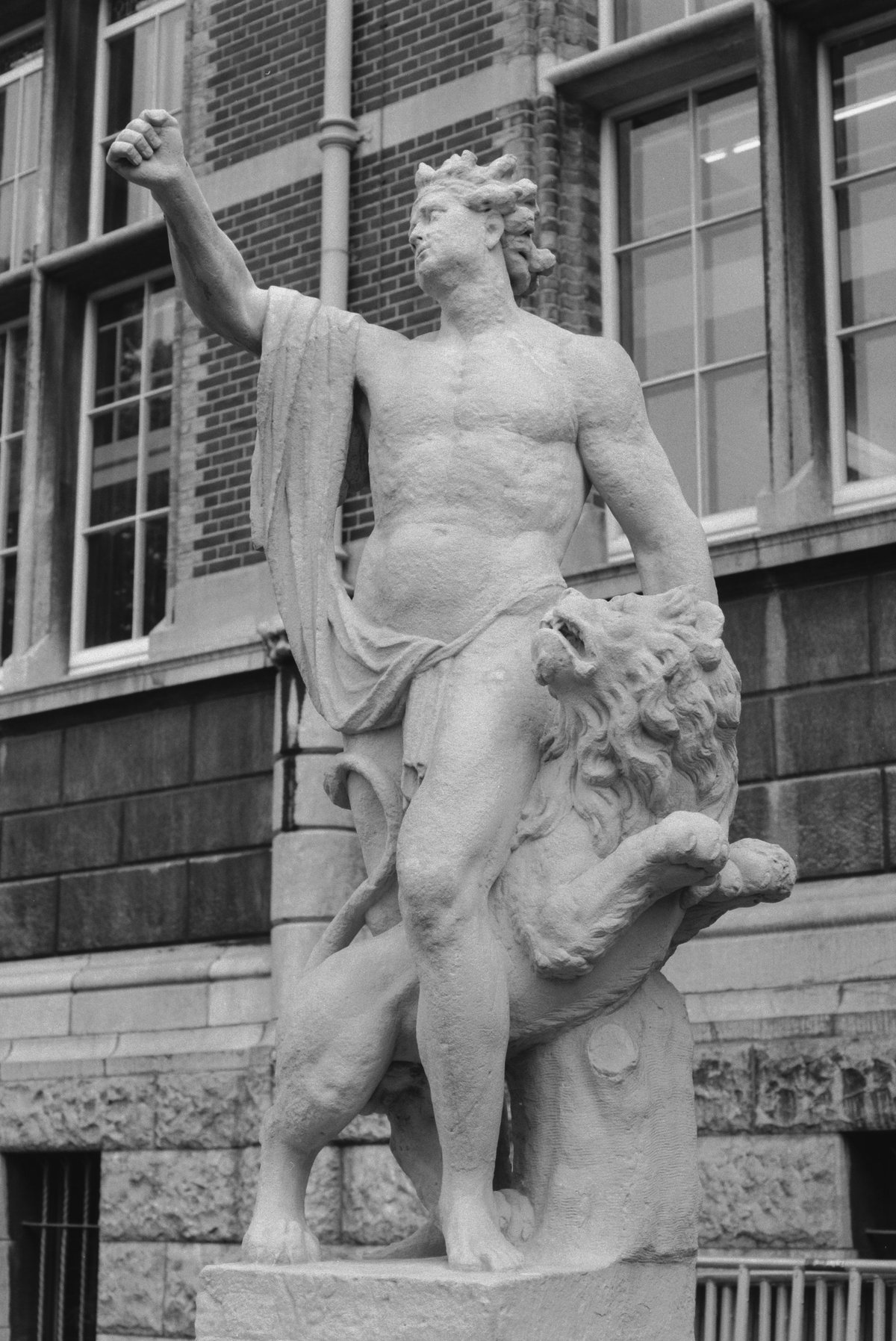
The design of the Rijksmuseumtuinen reflects the eclectic style of the museum building, combining elements of Gothic and Renaissance architecture. The gardens were laid out in a formal style, with symmetrical pathways, manicured lawns, and carefully curated flower beds. Cuypers incorporated various architectural elements into the garden design, including fountains, statues, and ornamental gates, which added to the overall aesthetic appeal of the space (Rijksmuseum Gardens).
Evolution Through the 20th Century
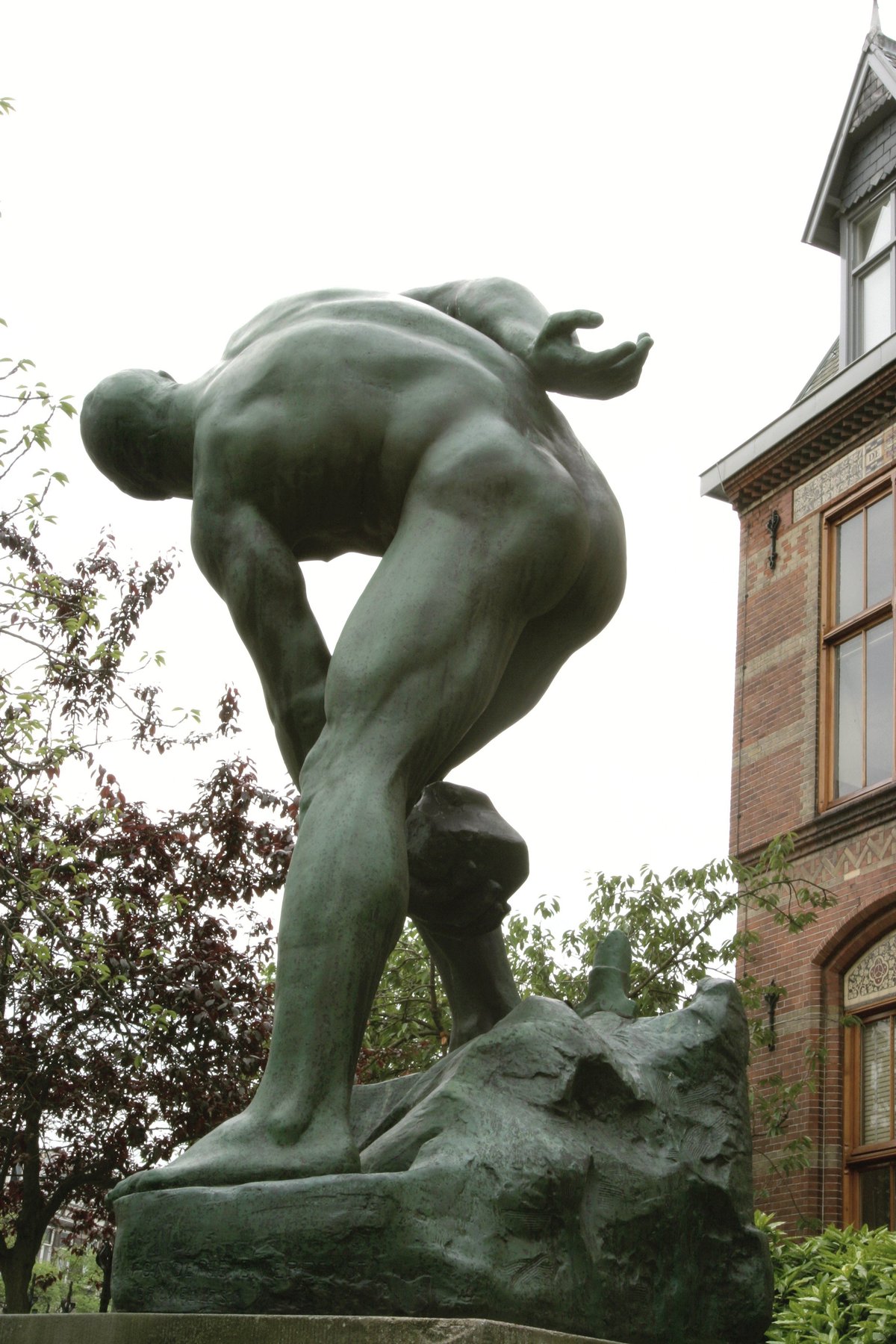
Throughout the 20th century, the Rijksmuseumtuinen underwent several changes and renovations. In the 1960s, the gardens were redesigned to reflect more contemporary tastes, with a greater emphasis on open spaces and modern sculptures. This period saw the introduction of works by prominent artists such as Henry Moore and Barbara Hepworth, whose sculptures added a new dimension to the gardens' artistic landscape (Henry Moore Foundation).
Recent Renovations and Restorations
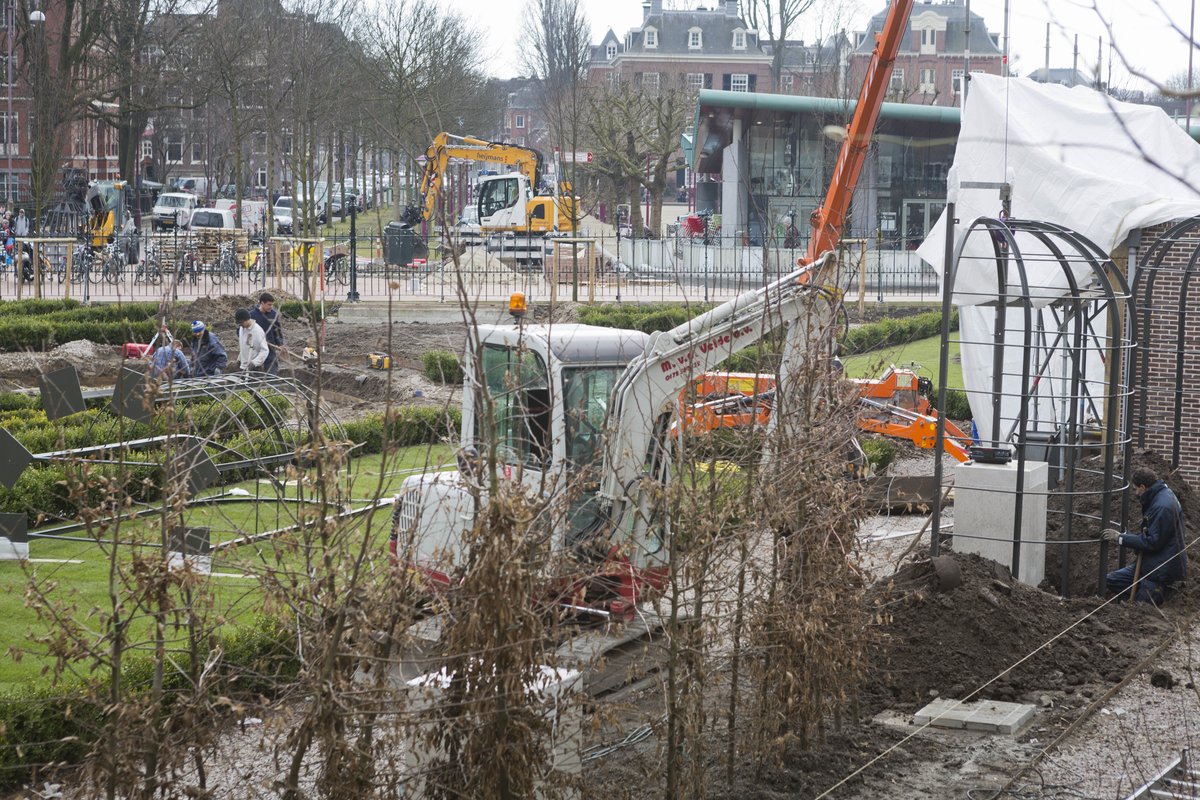
In the early 21st century, the Rijksmuseumtuinen underwent a significant restoration project as part of the larger renovation of the Rijksmuseum building, which was completed in 2013. The restoration aimed to return the gardens to their original 19th-century design while incorporating modern elements to enhance the visitor experience. The project was overseen by Dutch landscape architect Piet Oudolf, known for his work on the High Line in New York City (Piet Oudolf).
Notable Features and Attractions
Historical Sculptures and Fountains
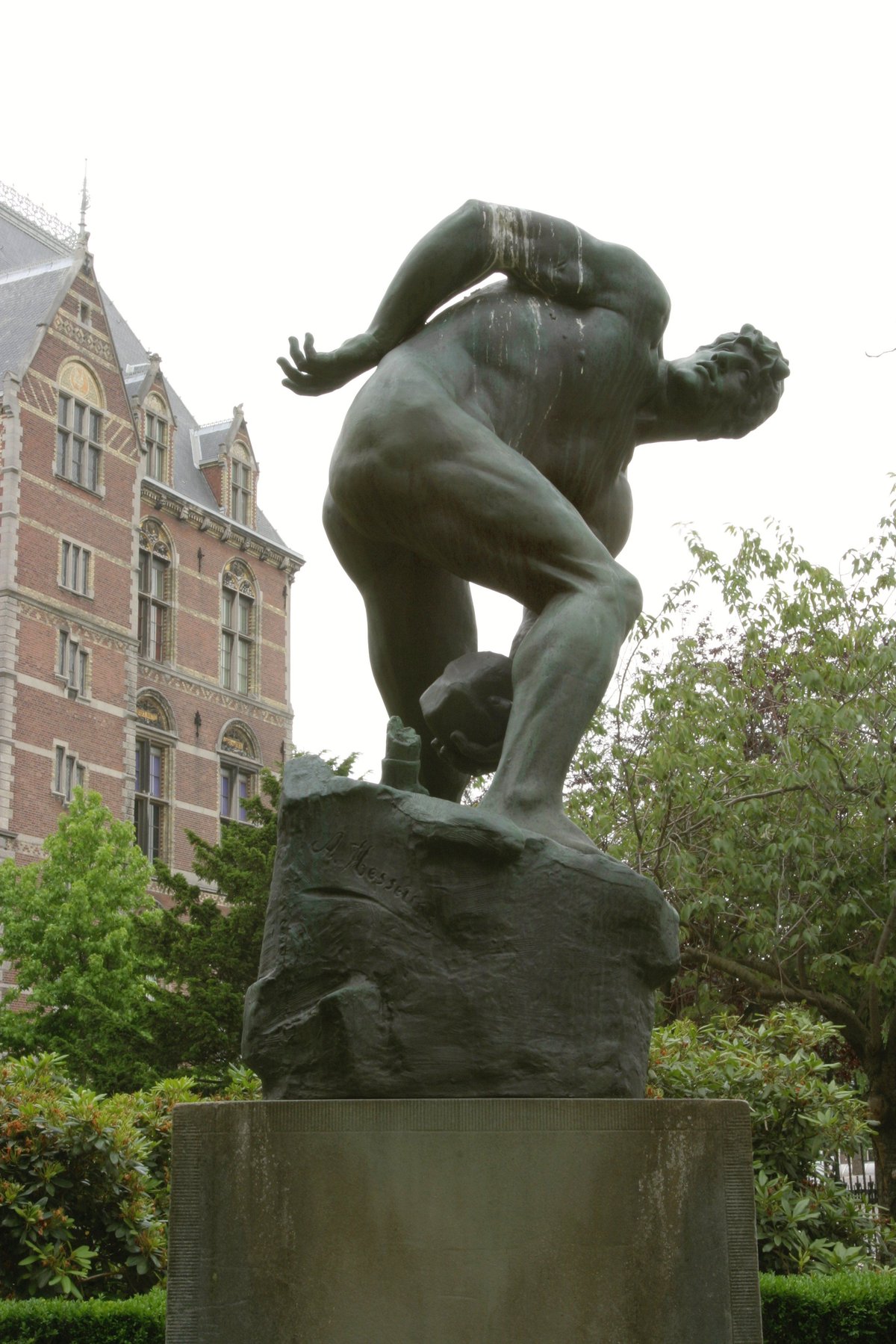
One of the most striking features of the Rijksmuseumtuinen is its collection of historical sculptures and fountains. These include works from various periods, such as the 17th-century Neptune Fountain and the 19th-century Lion Fountain. These sculptures not only add to the visual appeal of the gardens but also provide a historical context that enhances the overall experience for visitors (Rijksmuseum).
Modern Art Installations
In addition to historical sculptures, the Rijksmuseumtuinen also feature a rotating selection of modern art installations. These installations are part of the museum's ongoing efforts to blend historical and contemporary art, creating a dynamic and ever-changing landscape. Recent installations have included works by artists such as Jean Dubuffet and Alexander Calder (Rijksmuseum Gardens).
Seasonal Plantings and Floral Displays
The Rijksmuseumtuinen are renowned for their seasonal plantings and floral displays, which change throughout the year. In the spring, the gardens are filled with tulips, daffodils, and other spring flowers, creating a vibrant and colorful display. In the summer, the gardens feature a variety of perennials and annuals, while the autumn months bring a stunning array of fall foliage. These seasonal changes ensure that the gardens are always a beautiful and inviting space for visitors (Rijksmuseum Gardens).
Visitor Information
Opening Hours
The Rijksmuseum Gardens are open year-round, with extended hours during the summer months to accommodate the increased number of visitors. Generally, the gardens open at 9:00 AM and close at 6:00 PM. Be sure to check the official Rijksmuseum website for the most up-to-date information.
Ticket Prices
Access to the Rijksmuseum Gardens is free for all visitors. However, if you wish to explore the Rijksmuseum itself, you will need to purchase a ticket. Ticket prices and packages can vary, so it is advisable to check the Rijksmuseum ticket page for the latest information.
Travel Tips
The Rijksmuseum is located in the heart of Amsterdam and is easily accessible by public transport, bike, or on foot. The closest tram stop is Rijksmuseum, served by tram lines 2, 5, and 12. For those driving, there are several parking options nearby, but availability can be limited, so public transport is recommended.
Nearby Attractions
While visiting the Rijksmuseum Gardens, consider exploring nearby attractions such as the Van Gogh Museum, the Stedelijk Museum, and the famous Vondelpark. These sites are within walking distance and offer a deeper dive into Amsterdam's rich cultural landscape (I Amsterdam).
Accessibility
The Rijksmuseum Gardens are wheelchair accessible, and there are several benches and seating areas where visitors can relax and enjoy the surroundings. The gardens are designed to be inclusive and welcoming to all visitors.
Special Events and Guided Tours
The Rijksmuseumtuinen host various special events throughout the year, including seasonal festivals, art installations, and cultural programs. Guided tours of the gardens are also available, offering visitors a deeper understanding of the history, design, and significance of this beautiful space. Check the Rijksmuseum events page for current and upcoming events.
Photographic Spots
The gardens are a photographer's paradise, with numerous picturesque spots perfect for capturing the beauty of the space. Popular photographic spots include the Neptune Fountain, the ornamental gates, and the seasonal floral displays. Whether you're a professional photographer or an amateur, the gardens offer endless opportunities for stunning photos.
FAQ
Q: What are the opening hours of the Rijksmuseum Gardens? A: The gardens are generally open from 9:00 AM to 6:00 PM year-round, with extended hours during the summer months.
Q: Do I need a ticket to visit the Rijksmuseum Gardens? A: No, access to the gardens is free for all visitors.
Q: Are there guided tours available? A: Yes, guided tours of the gardens are available. Check the Rijksmuseum website for more details.
Listen to the full story in the app
The whole Museum Garden,
told well.
Audio guides for 1,100+ cities across 96 countries. History, stories, and local insight — offline ready.
Verified, and shown.
Researched and written by the Audiala editorial team from historical records, architectural archives, and local expertise.
Researched from Wikidata, Wikipedia & official sources · fact-checked · How we make our guides →