Introduction
Muiderpoort, one of Amsterdam’s most evocative historical landmarks, sits at the eastern edge of the city and stands as a powerful symbol of the city’s urban evolution and multicultural vitality. Originally built as a city gate in the 17th century and later reconstructed in the 18th century in the neoclassical Louis XVI style, Muiderpoort is the only city gate in Amsterdam preserved in its original form. Its architecture, history, and surrounding cultural offerings make it an essential stop for travelers eager to experience Amsterdam beyond the usual tourist trail. This guide provides authoritative information on Muiderpoort’s history, architectural highlights, cultural significance, visiting hours, ticketing, accessibility, nearby attractions, and practical tips for visitors (Nomadic Matt; Stadsherstel Amsterdam; European Rail Guide).
Photo Gallery
Explore Muiderpoort in Pictures

Urban photography of the neo-classical rebuilt Muiderpoort city gate in Amsterdam, showcasing its arch structure on the border of the old city center near the Plantage district, with a view towards Artis Zoo and the city's outer defense canal towards Muiden.

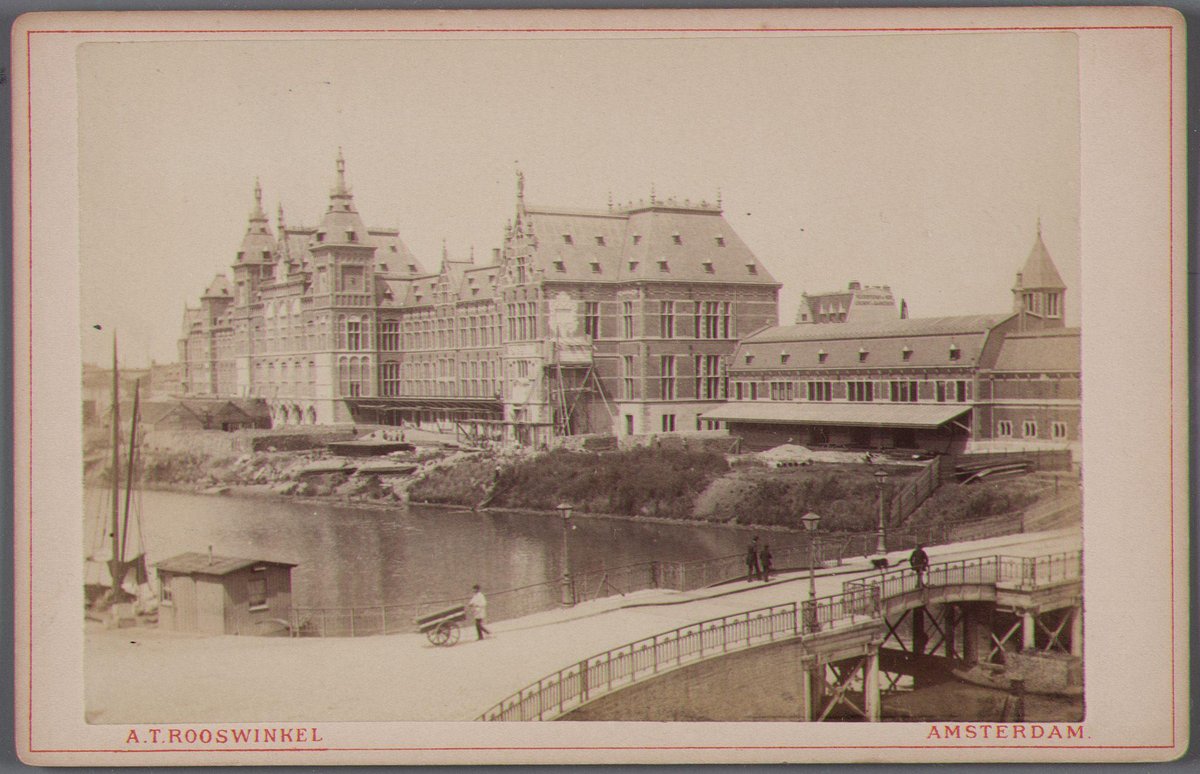
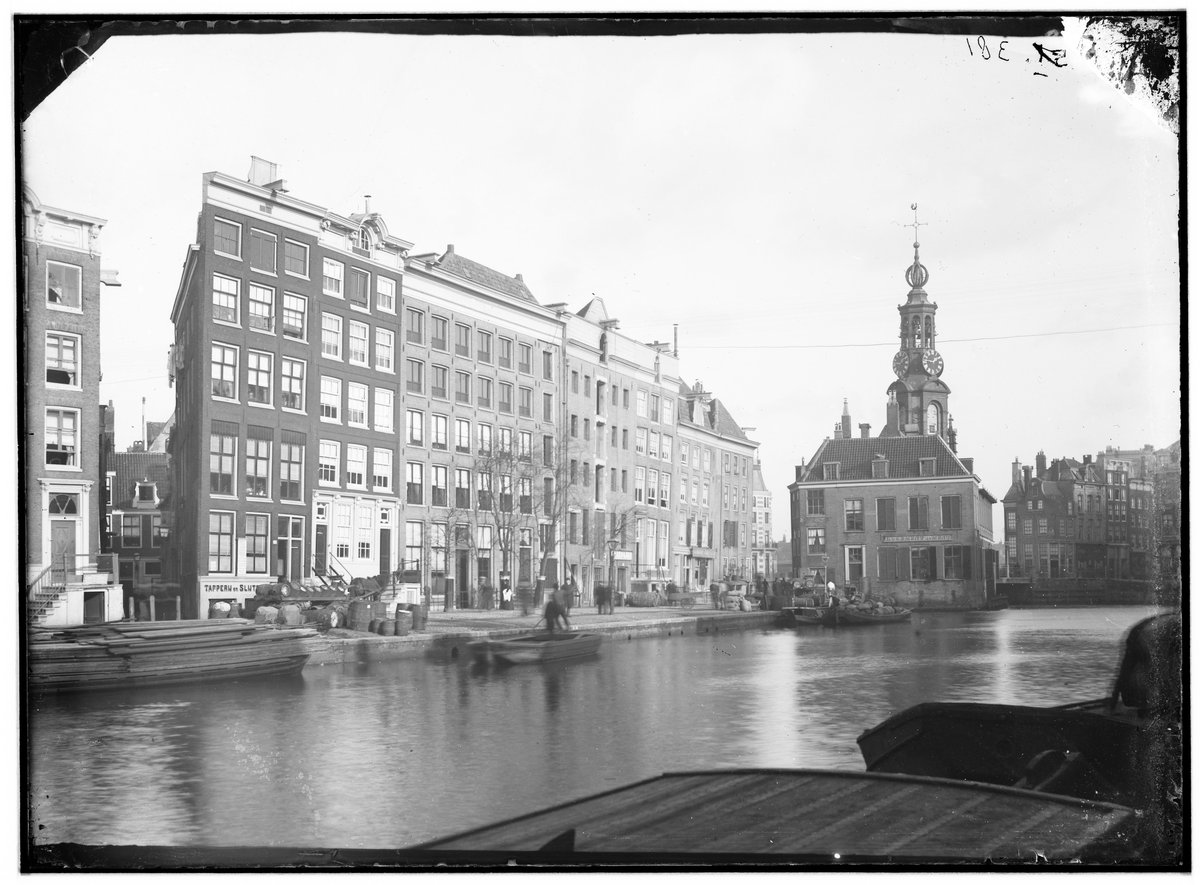
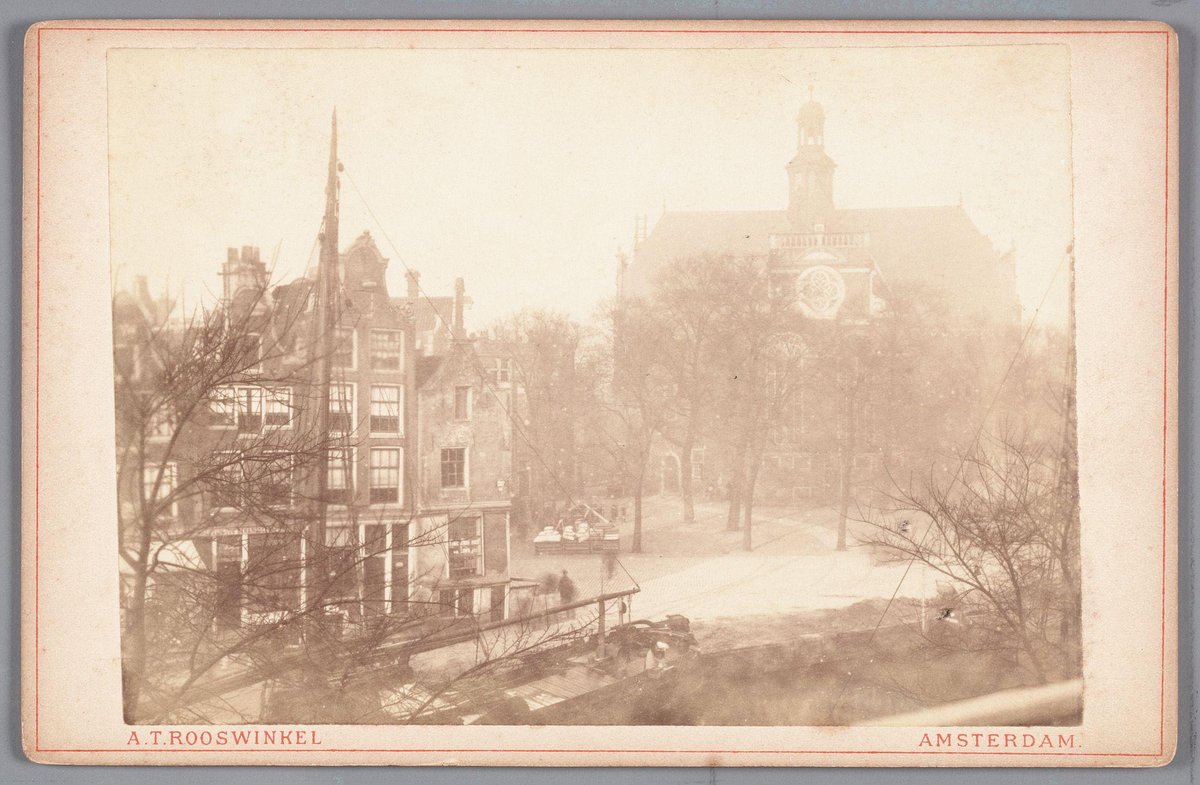
Archival photo by A.T. Rooswinkel from the Stadsarchief Amsterdam, depicting Muiderpoort and Singelgracht seen from former Muiderbos towards Plantage Middenlaan. Features the meekrap factory (1851-1885) on the right and the Aquarium in the left background, dated around 1883.

Historical photo showing the Muiderpoort seen through the hamei from the Muiderbosje, Amsterdam, taken by A.T. Rooswinkel between 1883 and 1898. The hamei was demolished in 1898. Part of the Stadsarchief Amsterdam collection.

Black and white photo showing Muiderpoort gate and Singelgracht canal seen towards Plantage Middenlaan in Amsterdam, with the meekrap or garancine factory to the right and the Aquarium building to the left, dated 1882-1885, by photographer A.T. Rooswinkel.

1883 historical photo capturing Muiderpoort and Singelgracht from the former Muiderbos towards Plantage Middenlaan in Amsterdam, featuring the meekrap or garancine factory (1851-1885) on the right and the Aquarium in the background on the left, by A.T. Rooswinkel, from the Stadsarchief Amsterdam col

Vintage photograph showing Muiderpoort and Singelgracht canal seen from former Muiderbos towards Plantage Middenlaan, Amsterdam, with the former meekrap or garancine factory (1851-1885) on the right and the Aquarium building in the background on the left, taken by A.T. Rooswinkel, part of Stadsarchi

Black and white photo circa 1883 showing Muiderpoort and Singelgracht as seen from the former Muiderbos towards Plantage Middenlaan in Amsterdam. Visible are the meekrap or garancine factory (1851-1885) on the right and the Aquarium in the background on the left. Photo by P.H.J. Reynet de la Rue and

Historic photo of the Muiderpoort gate located at Sarphatistraat 124 in Amsterdam, showing the old bridge, park (plantsoen), and roads on both sides, taken from Mauritskade (formerly Buitensingel) between 1883 and 1891 by A.T. Rooswinkel, part of the Stadsarchief Amsterdam collection.

A historical photograph taken by A.T. Rooswinkel depicting the former Herenhek before the Muiderpoort bridge seen from the Muiderbosje. This original cabinet photo was part of the W.J.R. Dreesmann album, documenting a structure demolished in 1898, located at Alexanderplein, Amsterdam.

Historical photo of the Muiderpoort gate at Sarphatistraat 124 with old bridge, greenery, and paths on either side, seen from Mauritskade over the Singelgracht canal in Amsterdam, taken by A.T. Rooswinkel between 1883 and 1891, part of the Atlas Dreesmann collection.

Black and white historic photo circa 1883 of De Muiderpoort viewed from Muiderbos showing Stadsvest and the former Meekrap (garancine) factory on the right, Aquarium on the left background. Original cabinet photo by A.T. Rooswinkel from W.J.R. Dreesmann album.

Black and white photo circa 1883 showing the De Muiderpoort gate and Singelgracht canal in Amsterdam. View from former Muiderbos towards Plantage Middenlaan with the Meekrap-dye factory on the right and Artis Aquarium in the distance on the left. Taken by A.T. Rooswinkel, part of Kunsthandel Gebr. D
History and Origins
From City Gate to Urban Landmark
The original Muiderpoort was constructed in 1663 during Amsterdam’s third major expansion, serving as the “Muiden Gate” at the city’s eastern boundary. Its strategic location at Alexanderplein allowed for the control of traffic along the road to Muiden and the eastern provinces. The gate was both a defensive structure and a customs checkpoint, reflecting Amsterdam’s civic pride and economic power during its Golden Age (Nomadic Matt).
The current gate, completed in 1770 by architect Cornelis Rauws, replaced its predecessor after the original collapsed due to poor foundations. The new design, in Louis XVI style, marked a shift towards neoclassicism and greater architectural elegance (Wikipedia).
Transformation and Modernization
The gate’s relevance as a defensive structure waned by the mid-19th century, leading to its demolition in 1857 to make way for urban expansion. The name “Muiderpoort” now lives on through the Muiderpoort railway station, inaugurated in 1939, which established the area as a key transit hub (European Rail Guide).
Architectural Features
Louis XVI Style and Neoclassical Grandeur
Muiderpoort exemplifies late 18th-century Dutch classicism. Its symmetrical façade, Doric columns, and pilasters are characteristic of the Louis XVI style, while the octagonal cupola tower and triumphal arch evoke classical antiquity (HeyExplorer). The raised central section and decorative stonework, including coats of arms and reliefs by Anthonie Ziesenis, celebrate the city’s prosperity and openness.
Materials: The gate’s robust brick and natural stone construction was designed to withstand Amsterdam’s damp climate and showcase civic wealth (World Cities Culture Forum).
Cultural and Social Significance
Symbol of Civic Identity
Muiderpoort was not just an architectural statement but also a symbol of Amsterdam’s Enlightenment values. Its grand design and prominent placement projected the city’s wealth and cosmopolitan spirit. The gate witnessed significant historical moments, including Napoleon’s entry into Amsterdam in 1811 (Wikipedia).
Community and Connectivity
Today, Muiderpoort is at the heart of a diverse, lively neighborhood. It connects historic Amsterdam to the multicultural districts of the east, with Oosterpark, Dappermarkt, and institutions like the Tropenmuseum nearby. The area is known for its vibrant markets, green spaces, and community events, reinforcing its role as a social anchor.
Visiting Muiderpoort: Hours, Tickets & Accessibility
- Visiting Hours: Muiderpoort is an outdoor monument accessible 24/7; there are no restricted hours or gates.
- Tickets: No admission is required. The gate is free to visit, and the exterior can be explored at any time.
- Interior Access: The gate’s interior is generally closed to the public but may be accessible during occasional events or guided tours (Stadsherstel Amsterdam).
- Accessibility: The area is flat and paved, suitable for wheelchairs and strollers. Well-maintained sidewalks and bike lanes provide easy access.
Public Transport:
- Tram lines 7, 9, and 14 stop at Alexanderplein, with multiple bus connections nearby (GVB Official Site).
- Muiderpoort railway station is a short walk away, linking local and regional routes (European Rail Guide).
Cycling:
- Bike lanes run throughout the district, and bike parking is available near the gate.
Guided Tours and Events
While Muiderpoort itself does not offer regular guided tours, several local operators include it in walking and cycling tours focused on Amsterdam’s historic eastern neighborhoods. The gate is also occasionally featured in cultural events and public art installations (Stadsherstel Amsterdam).
Nearby Attractions
- Oosterpark: Enjoy scenic walks and public art in this historic park.
- Dappermarkt: Discover one of Amsterdam’s busiest and most diverse street markets.
- Tropenmuseum: Explore world cultures in this renowned ethnographic museum.
- Artis Royal Zoo: Visit the historic zoo located just across nearby bridges (Artis Official Site).
Practical Visitor Tips
- Best Time to Visit: Weekdays and early mornings offer fewer crowds, especially at Dappermarkt.
- Weather: July sees mild summer temperatures (highs around 21°C/70°F); rain is possible—bring a light jacket (I amsterdam Weather Guide).
- Photography: The Alexanderplein façade is particularly photogenic in morning light.
- Facilities: Restrooms and dining options are available at nearby cafés and public attractions.
- Safety: The area is safe but busy—use crosswalks and stay alert to cyclists.
Preservation and Restoration
Muiderpoort is a Rijksmonument, benefiting from strict heritage protection and ongoing restoration to preserve its historical integrity. Conservation projects focus on structural stability, restoring stonework, and updating lighting for sustainability (Dök Mimarlık). Community engagement ensures that preservation efforts respect both the monument’s character and the neighborhood’s needs.
Frequently Asked Questions (FAQs)
Q: What are Muiderpoort’s visiting hours?
A: The gate is accessible 24/7 as an outdoor monument; no tickets or entrance fees are required.
Q: Is the interior open to the public?
A: Generally, no. Occasional special tours or events may offer access.
Q: How can I get to Muiderpoort?
A: Take tram lines 7, 9, or 14 to Alexanderplein, or use the nearby Muiderpoort railway station.
Q: Is the area accessible for wheelchairs?
A: The surrounding pavements and crossings are accessible; the gate’s interior has limited access.
Q: Are there guided tours?
A: Yes, Muiderpoort is included in several local heritage and walking tours.
Visuals & Media
- Include high-quality images of Muiderpoort’s neoclassical façade, the Alexanderplein, and nearby attractions.
- Maps showing transport links and neighborhood highlights are recommended.
- Official websites, such as Stadsherstel Amsterdam, offer virtual tours and historical images.
Listen to the full story in the app
Your Personal Curator, in Your Pocket.
Audio guides for 1,100+ cities across 96 countries. History, stories, and local insight — offline ready.
Audiala App
Available on iOS & Android
Join 50k+ Curators
Sources
- verified
- verified
- verified
- verified
- verified
- verified
Last reviewed: