Plan and listen to Jewish Museum with Audiala.
Audio guide in your pocket, itinerary in your browser. Built for the way you actually visit.
Introduction
The Jewish Museum Amsterdam (Joods Historisch Museum) is a cornerstone of Dutch cultural and historical heritage. Situated in the heart of the Jewish Cultural Quarter, this museum is housed within four beautifully restored Ashkenazi synagogues dating from the 17th and 18th centuries. More than a collection of artifacts, the museum offers visitors a powerful narrative of Jewish life, resilience, and culture in the Netherlands. Whether you are a history enthusiast, a family with children, or a traveler interested in Amsterdam’s rich past, the Jewish Museum provides a unique and immersive experience. This comprehensive guide offers detailed information on visiting hours, ticketing, accessibility, exhibitions, and practical tips to help you make the most of your visit. (JCK, Wikipedia, Amsterdam.info)

Historical Background
Early Jewish Settlement in Amsterdam
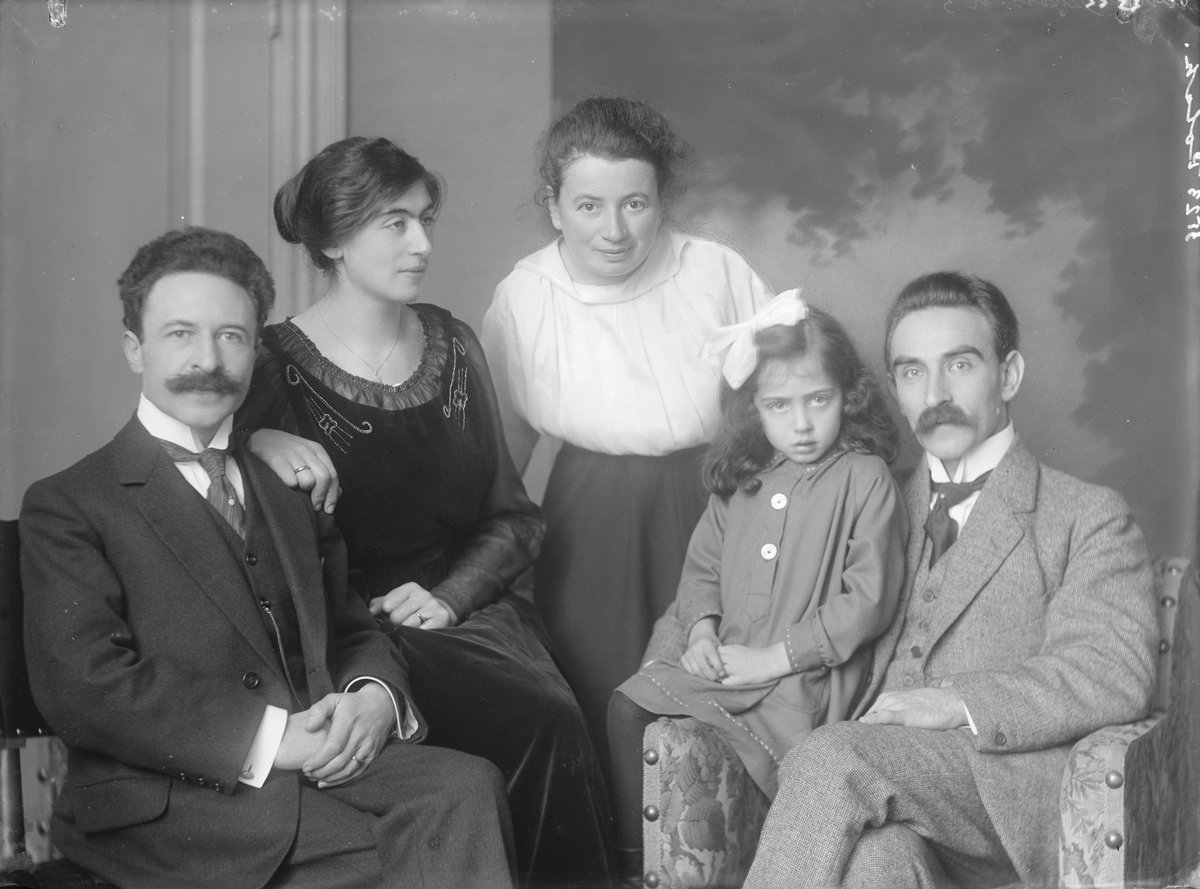
Amsterdam became a haven for Jewish refugees from Spain, Portugal, and Central and Eastern Europe during the early 17th century. The city’s atmosphere of tolerance allowed both Sephardic and Ashkenazi Jewish communities to flourish, contributing significantly to commerce, arts, and intellectual life. Amsterdam’s reputation as the “Jerusalem of the West” was established during this era, and the Jewish community grew to be one of the most vibrant in Europe. (Take Walks)
Establishment and Development of the Museum
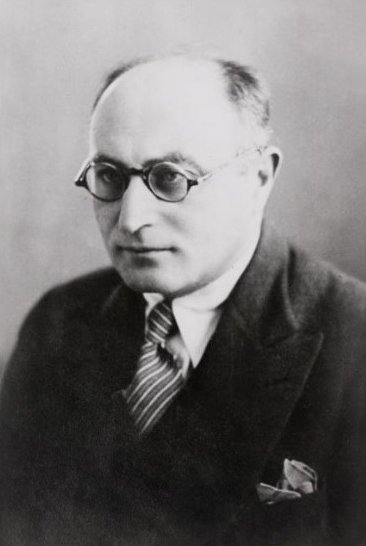
The Jewish Museum was founded in 1932 to document and preserve the history, religion, and culture of Dutch Jewry. Initially located in the Waag (Weighing House) on Nieuwmarkt, the museum’s collection centered on ceremonial objects, religious artifacts, and documents reflecting daily Jewish life. (JCK)
Impact of World War II
During World War II, the museum was forcibly closed, and much of its collection was lost or destroyed during the Holocaust. Over 75% of Amsterdam’s Jewish population perished in the Nazi occupation. The museum reopened in 1955, symbolizing both loss and the determination to honor Jewish contributions and memorialize the community’s suffering. (Wikipedia)
Relocation and Architectural Significance
In 1987, the museum moved to its current location at Jonas Daniël Meijerplein, occupying four interconnected Ashkenazi synagogues. These buildings themselves are historical treasures, and their restoration was recognized with the 1989 Council of Europe Museum Prize. The architectural complex enables visitors to experience original synagogue interiors, Torah arks, stained-glass windows, and decorative ceilings. (JCK)
The Museum Experience
Location and Access
Address: Nieuwe Amstelstraat 1, 1011 PL Amsterdam, Netherlands (Google Maps)
The museum is easily reached by:
- Metro lines 51, 53, or 54 (Waterlooplein station, Nieuwe Amstelstraat exit)
- Tram 14 (Waterlooplein)
- Car (nearby underground car parks)
Visiting Hours
- Opening: Tuesday to Sunday, 11:00 AM – 5:00 PM
- Closed: Mondays and select public holidays
- Tip: Weekday mornings are typically less crowded.
Hours may vary during Jewish holidays; always check the official website before your visit.
Tickets and Admission
- Adults: €15–€20 (as of June 2025)
- Students/Seniors: €10+
- Children under 18: Free
- Family/Group Discounts: Available
- Combination Tickets: Include access to the Jewish Museum, Jewish Museum Junior, and the Portuguese Synagogue
Note: Online ticket purchases are recommended to avoid queues and a €2 on-site surcharge. (Jewish Museum official site)
Museum Complex and Collections
Architectural Layout
The museum comprises four historic Ashkenazi synagogues:
- Great Synagogue (1671)
- New Synagogue (1752)
- Little Synagogue (1671)
- Obbene Shul (1685)
Modern walkways connect these buildings, blending original features with contemporary exhibition design. (Jewish Museum official site)
Permanent Collections
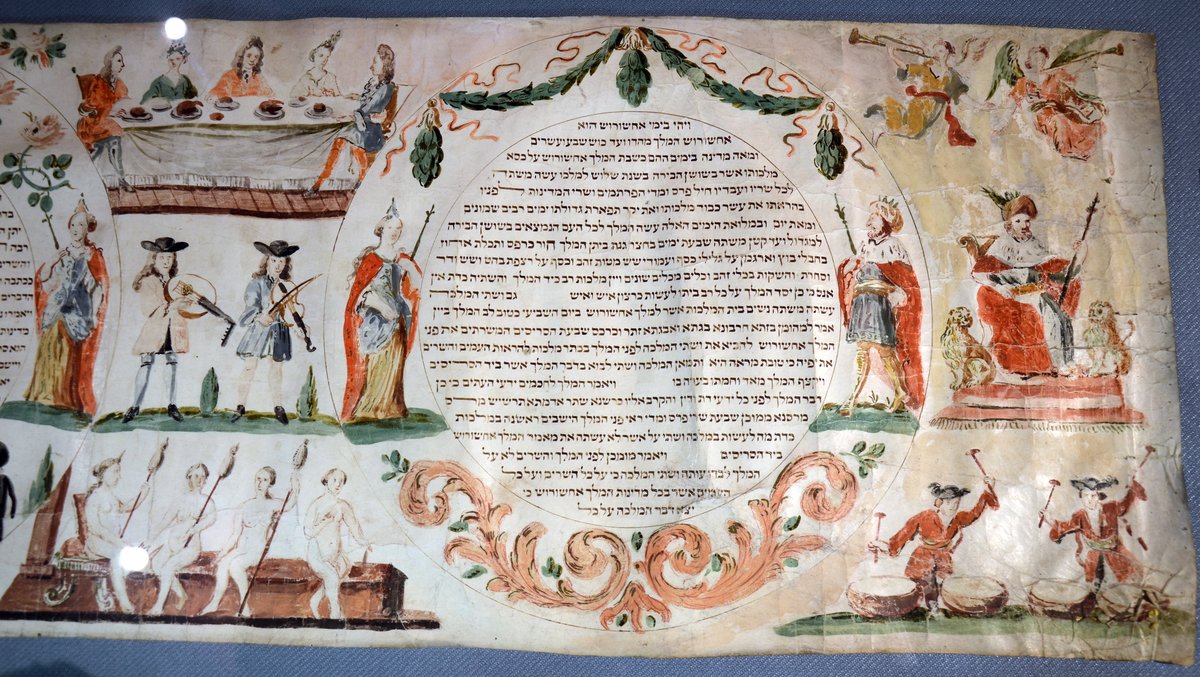
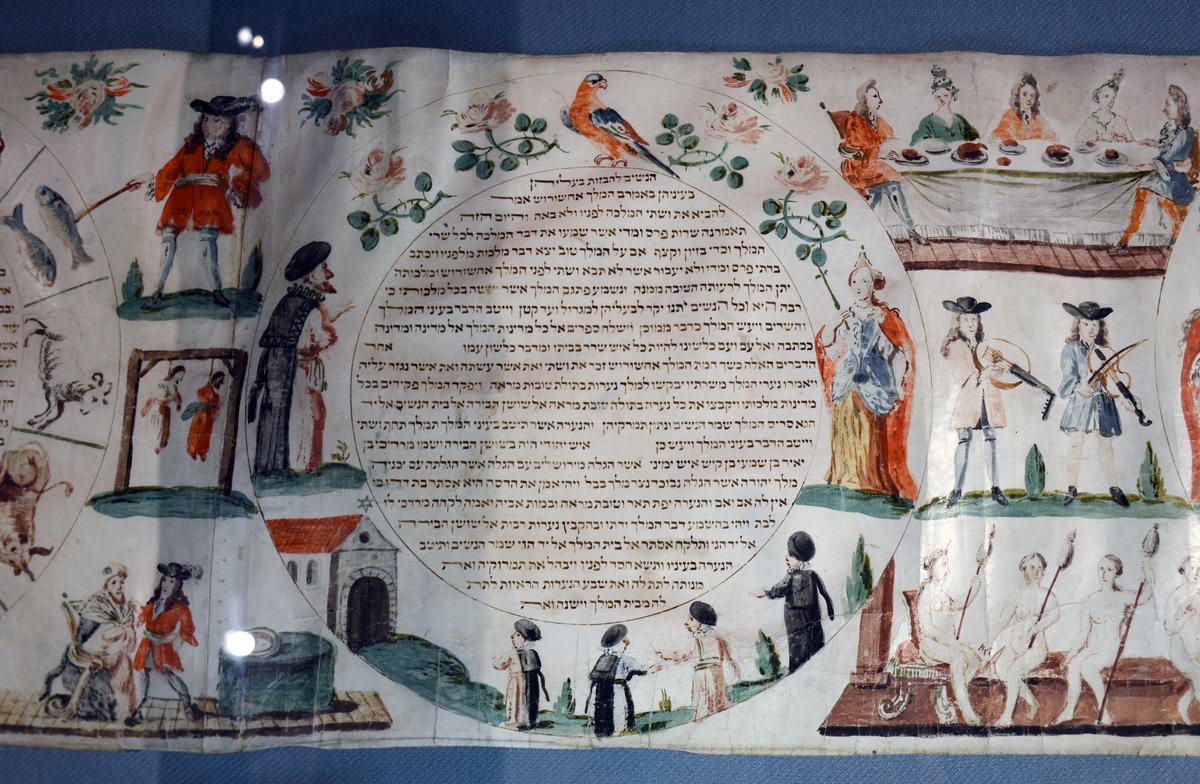
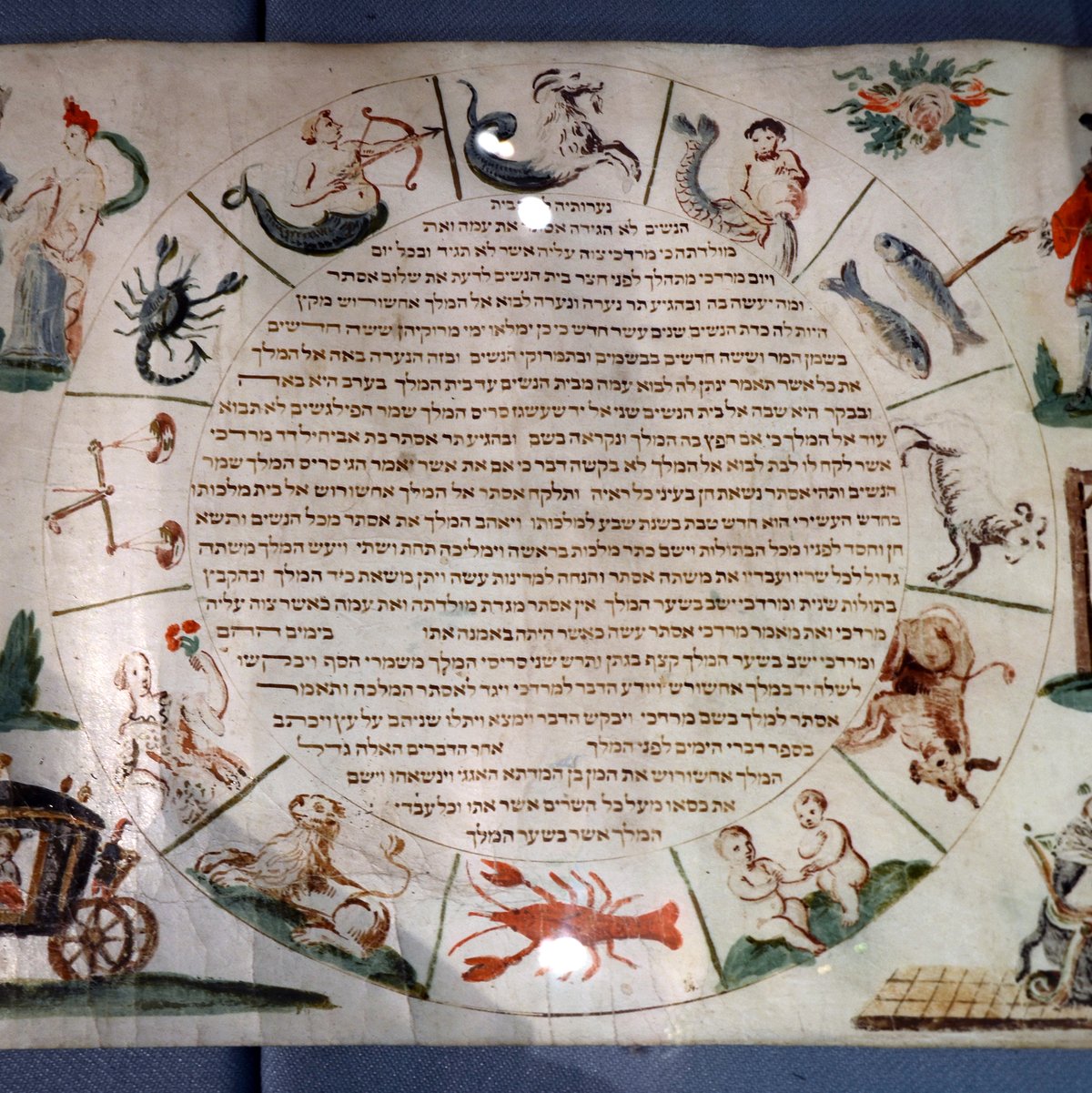
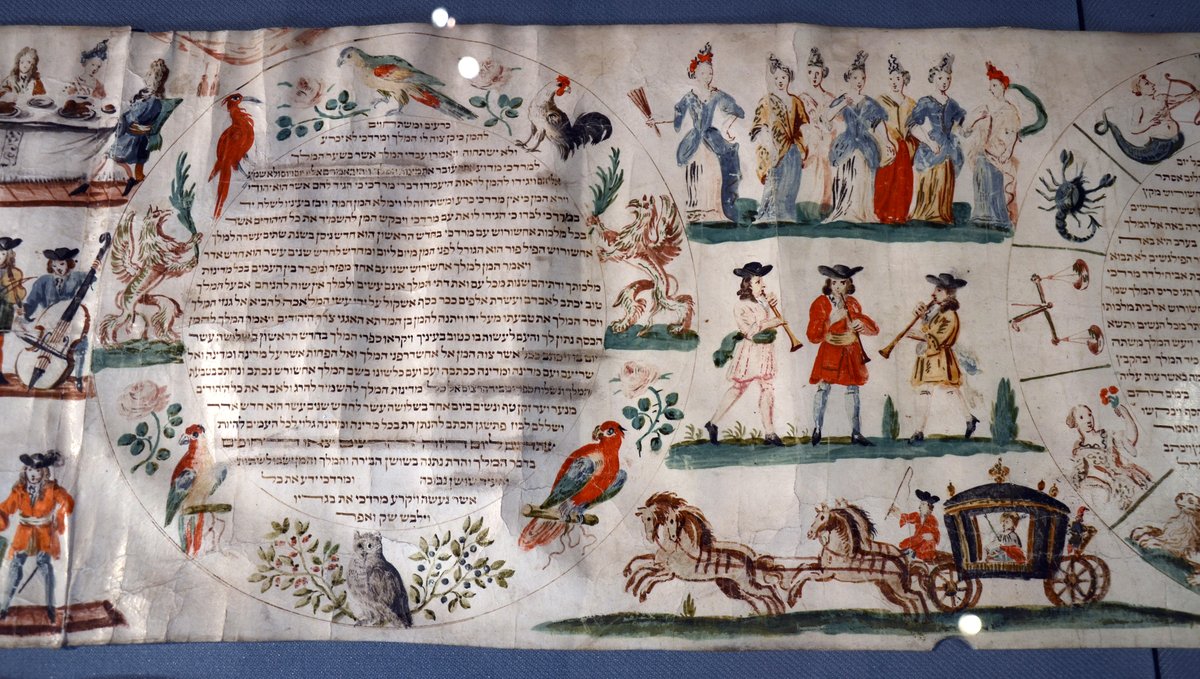
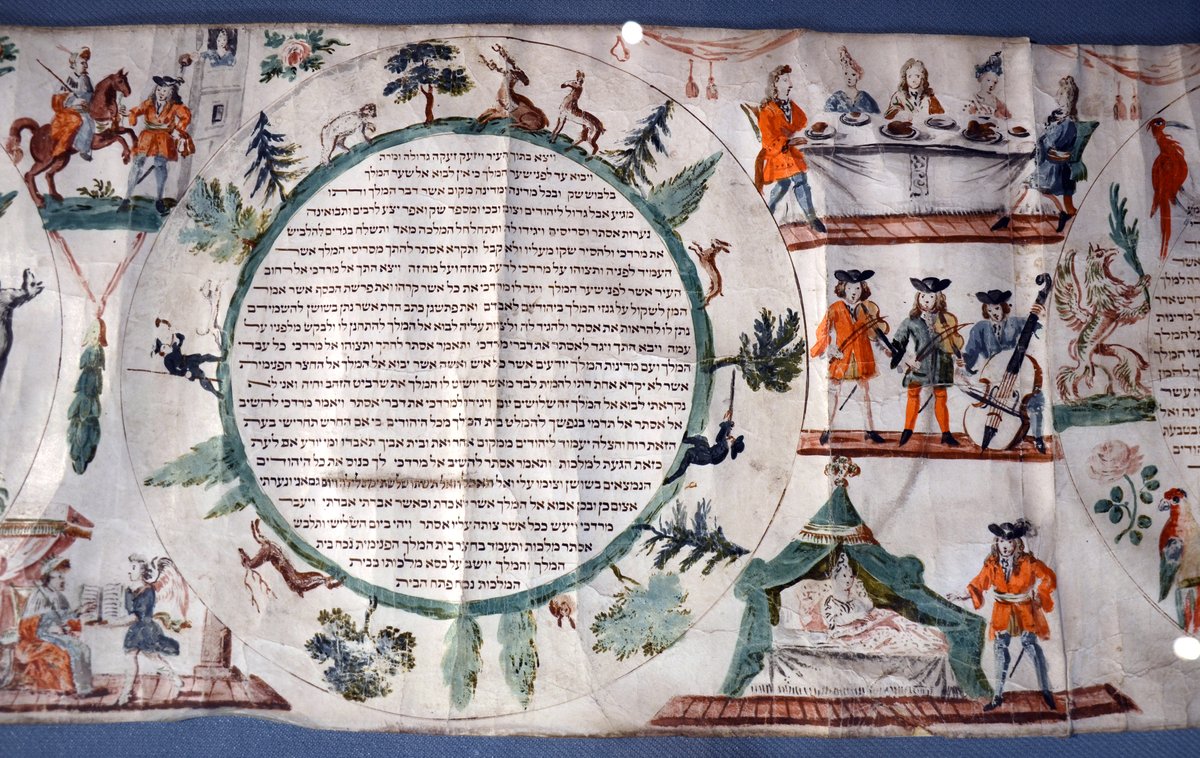
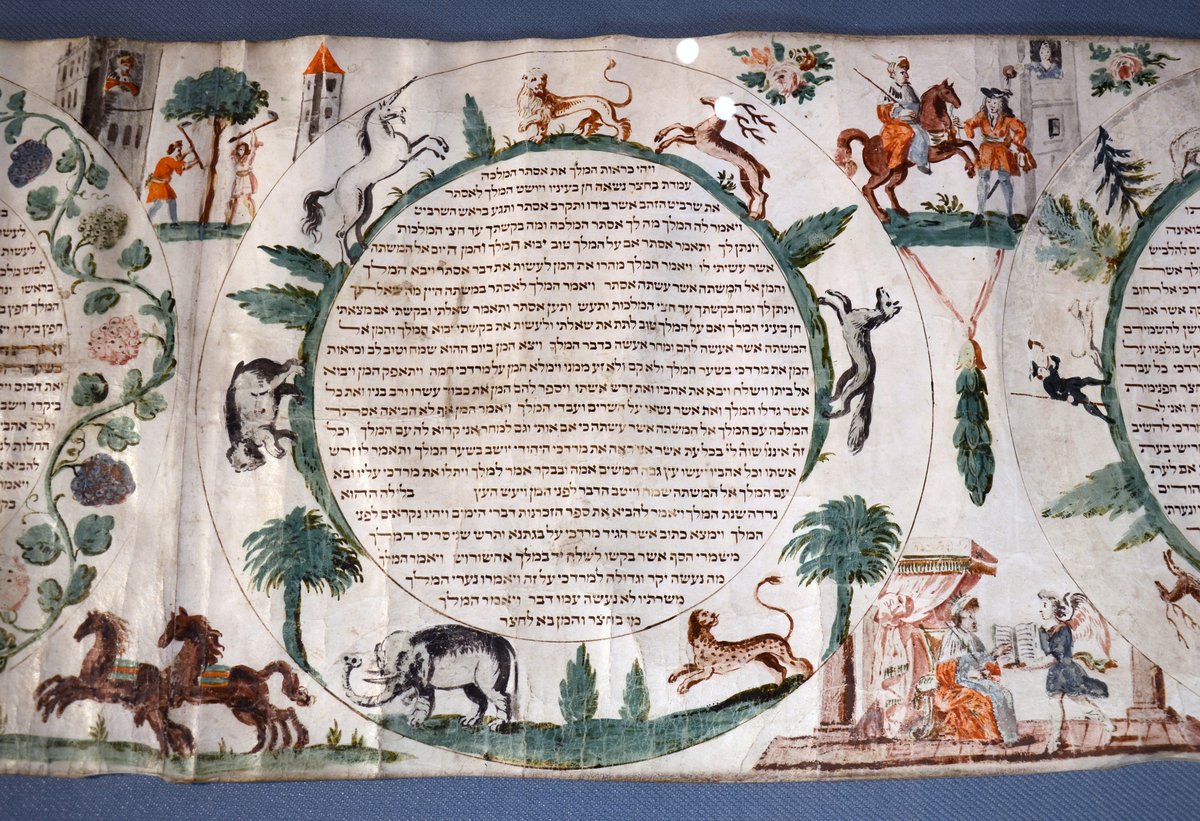
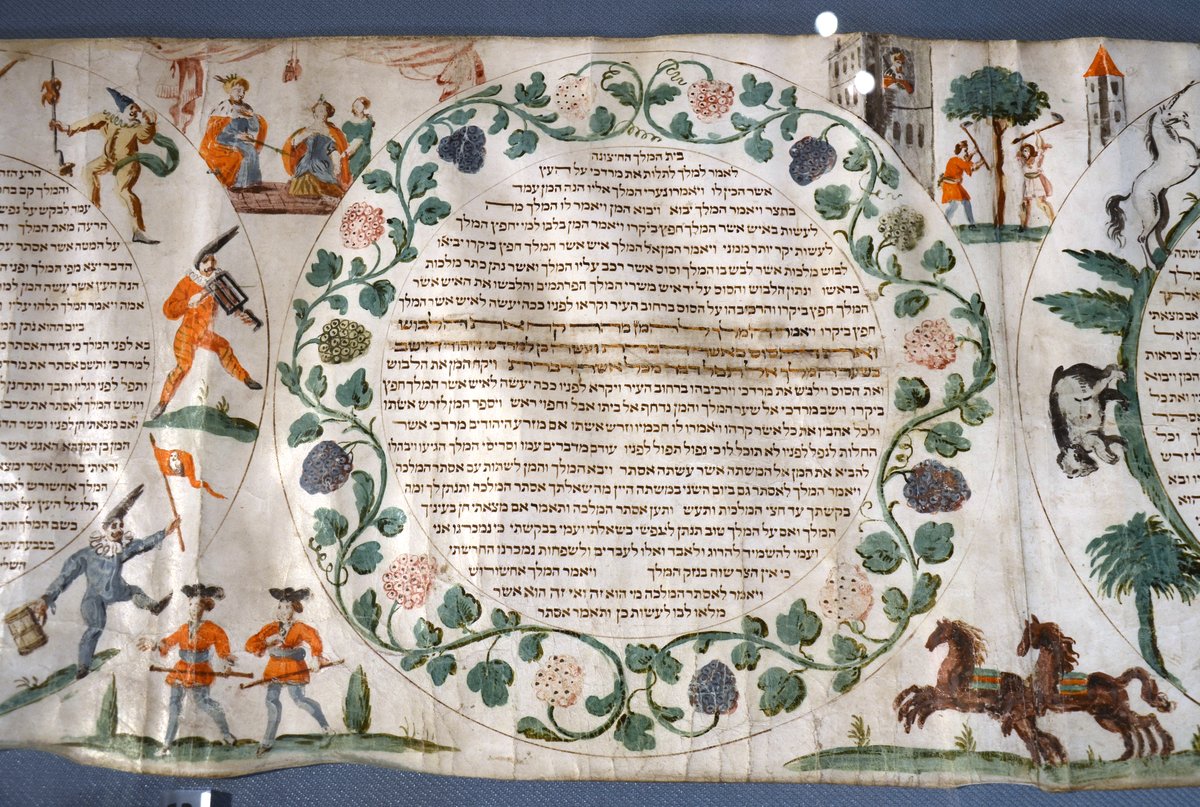
- Jewish Religious Life: Ceremonial objects (Torah scrolls, menorahs), ritual textiles, and the monumental Rintel chanukiah (Hanukkah lamp).
- Dutch Jewish History: Artifacts, personal testimonies, and audiovisual presentations tracing Jewish life from the 17th century, through the Holocaust, to the present.
- Art and Cultural Heritage: Works by Jewish and non-Jewish artists, exploring Jewish themes from the 17th century to contemporary art.
Jewish Museum Junior
A dedicated children’s wing for ages 6–12, Jewish Museum Junior features interactive exhibits such as challah baking, Hebrew writing, and a reconstructed Jewish family home. It’s a highlight for families, making Jewish culture accessible and engaging for young visitors. (Time Out Amsterdam)
Temporary Exhibitions
- Photo League: New York 1936–1951 (27 June 2025 – 11 January 2026): Showcasing Jewish photographers in mid-20th-century America
- Between You and Me: Memory Boxes by Amos van Gelder and Amit Gur (until 24 August 2025): Personal explorations of memory and resilience at the Holocaust Museum
Temporary exhibitions often include lectures, workshops, and educational programs. (Museos.com)
Accessibility and Visitor Facilities
- Wheelchair Access: All buildings have lifts and ramps; wheelchairs available with advance reservation.
- Facilities: Café, gift shop, accessible restrooms, and seating throughout.
- Multilingual Support: Exhibits labeled in Dutch and English; audio guides available.
- Main Wheelchair Entrance: Nieuwe Amstelstraat 3-5
Visitor Tips and FAQs
Practical Tips
- Best Times to Visit: Weekday mornings
- Ticketing: Buy online to save on surcharges and avoid queues
- Nearby Attractions: Portuguese Synagogue, National Holocaust Museum, Hollandsche Schouwburg
- Virtual Tours: Available on the museum website
Frequently Asked Questions
Q: What are the Jewish Museum Amsterdam visiting hours?
A: Tuesday to Sunday, 11:00 AM–5:00 PM; closed Mondays.
Q: Are tickets required?
A: Yes. Purchase online or at the entrance (online recommended).
Q: Is the museum wheelchair accessible?
A: Yes. Lifts, ramps, and accessible restrooms are provided.
Q: Can I visit with children?
A: Absolutely. Jewish Museum Junior offers interactive family activities.
Q: Are guided tours available?
A: Yes. Book in advance or inquire on-site.
Highlights and Not-to-Miss Features
- Authentic synagogue interiors with original Torah arks and stained glass
- The monumental Rintel Chanukiah
- Jewish Museum Junior’s interactive exhibitions for children
- Dynamic temporary and contemporary art exhibitions
- Comprehensive accessibility for all visitors
Nearby Attractions
The Jewish Museum is centrally located within the Jewish Cultural Quarter, close to:
- Portuguese Synagogue
- National Holocaust Museum
- Hollandsche Schouwburg
- Anne Frank House
- Rembrandt House Museum
- Artis Royal Zoo
Combine your museum visit with a walking tour or explore Amsterdam’s vibrant historic sites for a broader cultural experience. (Traveltoblank)
Visuals and Media
The museum’s website features virtual tours and high-quality images of exhibitions and architecture. Photography is permitted in most areas (except where noted)—respect signage and staff instructions. (JCK)
Discover More
The Jewish Museum Amsterdam offers an essential journey into the multifaceted history, culture, and resilience of Jewish life in the Netherlands. Its unique setting within historic synagogues, dynamic exhibitions, and family-friendly features make it a standout among Amsterdam’s cultural attractions.
Plan your visit today:
- Check current hours and ticket options
- Buy tickets online for best prices and convenience
- Download the Audiala app for guided tours and event updates
- Follow the museum on social media for news on exhibitions and programs
Dive into Amsterdam’s Jewish heritage and complement your exploration with other nearby cultural sites. The Jewish Museum Amsterdam promises a meaningful, educational, and memorable experience for all.
Tickets & tours.
These are guided options from our partners — same price as booking direct.
Prices are indicative — final pricing and availability are confirmed at checkout. Audiala may earn a commission from bookings made through these links.
Listen to the full story in the app
The whole Jewish Museum,
told well.
Audio guides for 1,100+ cities across 96 countries. History, stories, and local insight — offline ready.
Verified, and shown.
Researched and written by the Audiala editorial team from historical records, architectural archives, and local expertise.
Researched from Wikidata, Wikipedia & official sources · fact-checked · How we make our guides →