Introduction
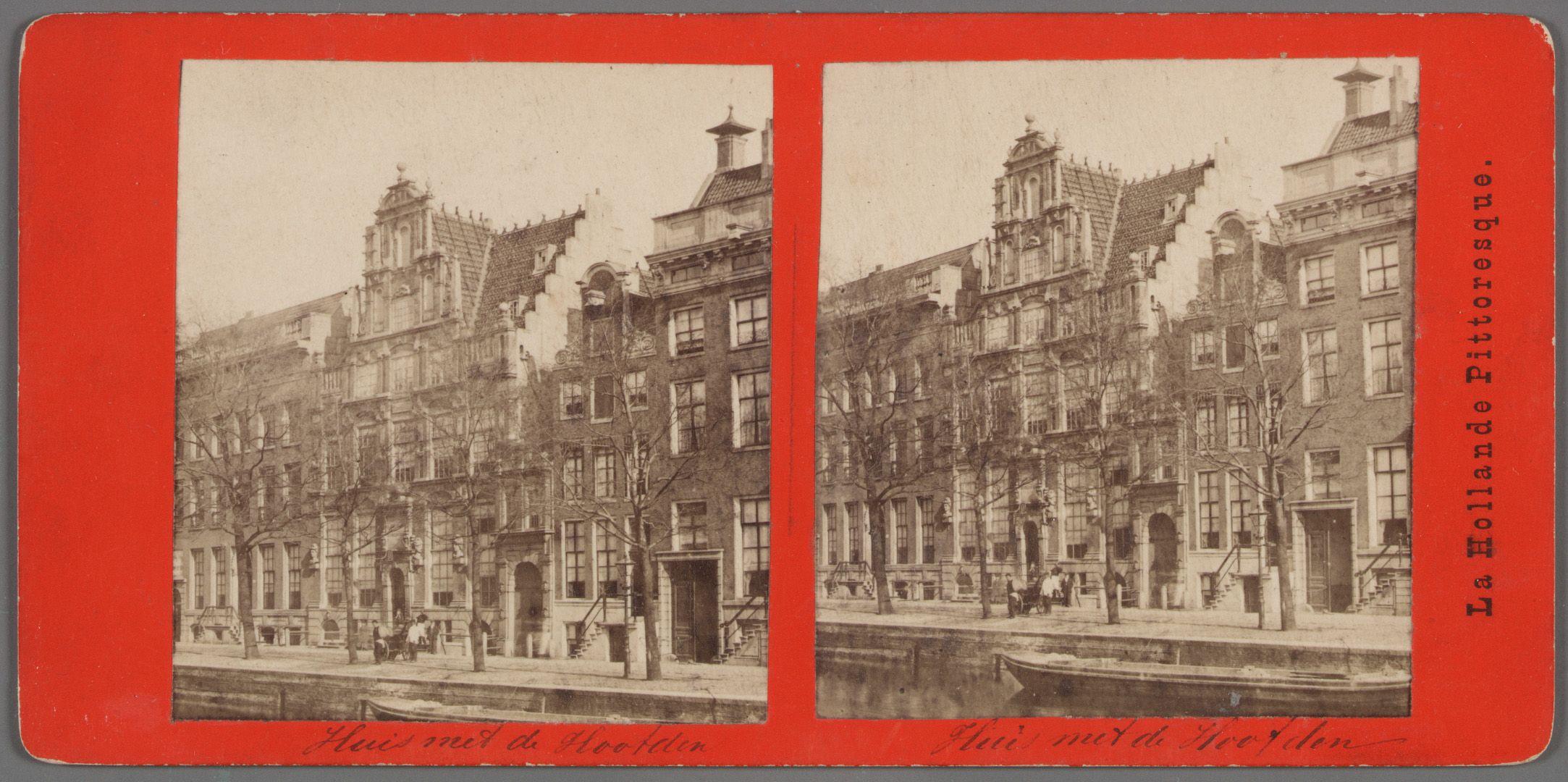
Huis met de Hoofden, or the "House with the Heads," is a captivating monument of Amsterdam's Golden Age, located along the city’s picturesque Keizersgracht canal. Renowned for its ornate Dutch Renaissance façade adorned with six sculpted heads of Roman deities, the building is both an architectural marvel and a testament to Amsterdam’s enduring spirit of intellectual freedom. Today, it serves as the home of the Embassy of the Free Mind, a museum dedicated to the history of Western esotericism and free thought. This comprehensive guide details the house’s historical significance, architectural highlights, practical visitor information, nearby attractions, and essential tips to help you make the most of your visit (mforamsterdam.com; Amsterdam Old Town; Lonely Planet).
Historical Background and Construction
Built in 1622 for Nicolaes Sohier, a successful stocking merchant and art collector, Huis met de Hoofden exemplifies the wealth, ambition, and artistic taste of Amsterdam’s mercantile elite during the Dutch Golden Age. The design is attributed to famed city architect Hendrick de Keyser, with likely completion by his son Pieter after Hendrick’s death in 1621 (wikipedia). Sohier commissioned the grand structure on double lots, resulting in a unique and expansive canal house with an annex, a rarity among surviving 17th-century residences (mforamsterdam.com).
Over the centuries, the house has transitioned from a private residence to a haven for intellectual exchange and, more recently, a museum preserving the legacy of free thought (Amsterdam Old Town).
The Six Heads: Symbolism and Legends
The house’s most distinctive feature is its row of six sculpted heads—busts of Roman gods and goddesses—added by its second owner, Louis de Geer. These symbolize the values cherished by the original owners:
- Apollo (arts)
- Ceres (agriculture)
- Mercury (trade)
- Minerva (wisdom)
- Bacchus (wine)
- Diana (hunting)
Mercury and Minerva, representing trade and wisdom, flank the main entrance, embodying the concept of the "wise merchant." A local legend tells of a maid who beheaded six would-be robbers, but this story is apocryphal; the true meaning lies in the classical symbolism (mforamsterdam.com; historiek.net).
Ownership and Residents
After Sohier, the house was acquired by Louis de Geer, an influential industrialist and financier whose family owned it for nearly two centuries. The De Geers were known for supporting free thinkers, including philosopher Jan Amos Comenius, who found refuge within these walls (mforamsterdam.com). In the 19th and 20th centuries, the house served various functions, including as an art dealership, the Amsterdam Conservatory, and public institutions, before its acquisition by collector Joost Ritman in 2006.
Architecture and Preservation
Renaissance Influence
Huis met de Hoofden is a prime example of Dutch Renaissance architecture, notable for its symmetrical brick façade, classical ornamentation, and the distinctive double-house structure. Stone scrolls, lion masks, vases, and other Renaissance motifs create a visually rich exterior (Rijksmonumenten).
Interior Features
The interior retains much of its 17th-century layout, with period doorframes, porticos, and a grand staircase from the late 18th or early 19th century. Thoughtful restorations in the 20th and early 21st centuries have preserved its historical integrity (Rijksmonumenten).
The Embassy of the Free Mind: Museum Experience
Since 2017, Huis met de Hoofden has hosted the Embassy of the Free Mind, a museum and library dedicated to Western esotericism, spirituality, and philosophy. The collection includes the world-renowned Bibliotheca Philosophica Hermetica, featuring over 25,000 rare books and manuscripts recognized by UNESCO’s Memory of the World program (embassyofthefreemind.com). Exhibitions and events delve into themes such as Hermetic wisdom, alchemy, Kabbalah, and the European tradition of free thought (WhichMuseum).
Guided Tours and Events
Guided tours in English and Dutch offer insights into the house’s history, architecture, and museum collections. The Embassy also hosts lectures, workshops, and occasional concerts, making it a vibrant hub for cultural and intellectual exploration (Lonely Planet).
Visitor Information: Hours, Tickets & Accessibility
Location: Keizersgracht 123, Amsterdam, Netherlands
Opening Hours:
- Tuesday to Sunday: 11:00 AM – 5:00 PM
- Closed on Mondays and public holidays
- Guided tours typically at 2:00 PM (check official schedule for updates)
Ticket Prices:
- Adults: €12
- Students and seniors: €8–€9
- Children under 12: Free
- Advance booking is recommended, especially for guided tours and special events (embassyofthefreemind.com)
Accessibility:
- The historic building presents some limitations for visitors with reduced mobility. While the main entrance is accessible, not all interior areas are. Contact the museum in advance for assistance or tailored support.
Photography:
- Allowed in most areas, but flash and tripods are prohibited to protect delicate collections.
Facilities:
- Museum shop, reading rooms, and spaces for events and lectures.
Contact: +31 20 625 8079 (Fodor’s)
Nearby Attractions
Huis met de Hoofden’s central location allows easy access to many of Amsterdam’s top historical and cultural sites:
- Anne Frank House
- Rijksmuseum
- Museum Het Rembrandthuis
- Royal Palace of Amsterdam
- Westerkerk
Combine your visit to Huis met de Hoofden with a walk along the scenic canal belt or a stop at neighboring museums and cafés (Lonely Planet).
Frequently Asked Questions (FAQ)
Q: What are the visiting hours?
A: The museum is open Tuesday to Sunday, 11:00 AM to 5:00 PM. Closed on Mondays and public holidays.
Q: How can I buy tickets?
A: Tickets can be purchased online through the official Embassy of the Free Mind website or at the entrance, subject to availability.
Q: Is the building accessible for wheelchair users?
A: Accessibility is limited due to historic staircases. Contact the museum in advance for assistance.
Q: Are guided tours available?
A: Yes, daily tours are available in English and Dutch, typically at 2:00 PM. Check the schedule when booking.
Q: Can I take photographs?
A: Photography is permitted in most areas, but flash and tripods are not allowed.
Listen to the full story in the app
Your Personal Curator, in Your Pocket.
Audio guides for 1,100+ cities across 96 countries. History, stories, and local insight — offline ready.
Audiala App
Available on iOS & Android
Join 50k+ Curators
Sources
- verified
- verified
- verified
- verified
- verified
Last reviewed:


