Plan and listen to Hortus Botanicus Amsterdam with Audiala.
Audio guide in your pocket, itinerary in your browser. Built for the way you actually visit.
Introduction
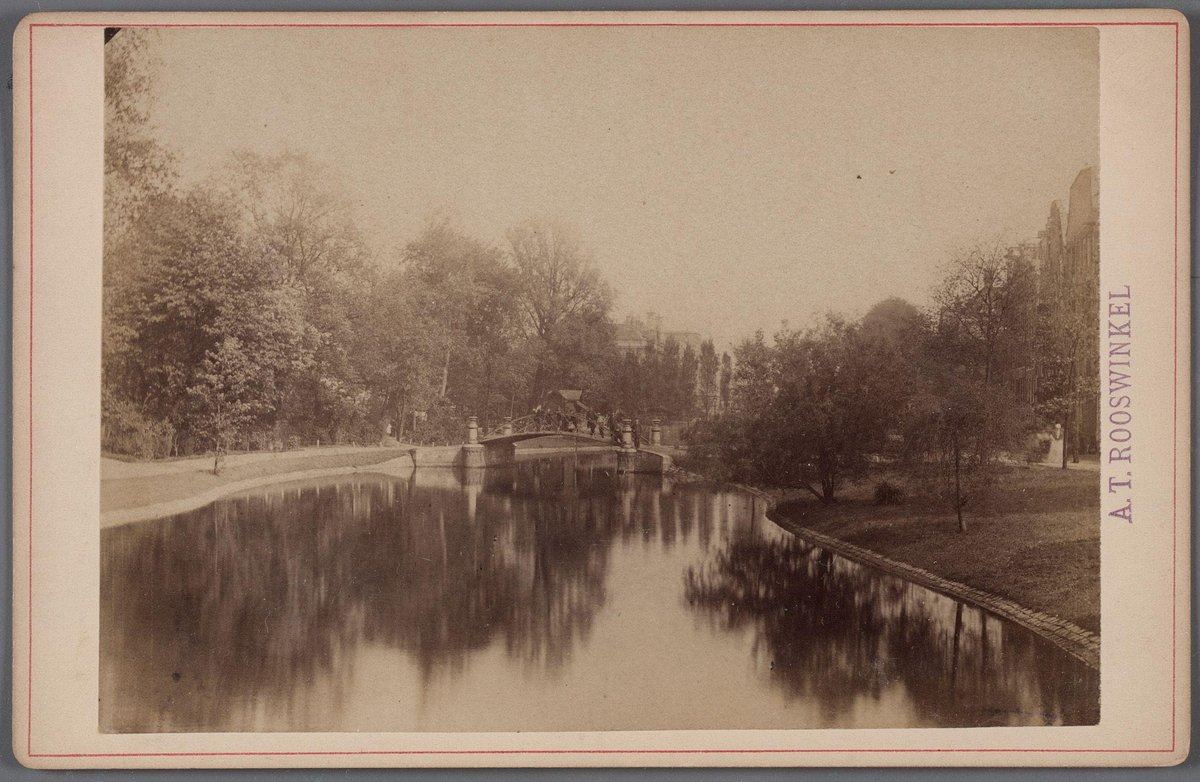
Welcome to the Hortus Botanicus in Amsterdam, a botanical sanctuary that stands as one of the oldest and most remarkable gardens in the world. Established in 1638, this verdant haven was originally founded as a medicinal herb garden to support doctors and apothecaries during a period plagued by frequent outbreaks of illness. Over the centuries, it has evolved into a center of botanical research, conservation, and education. The garden’s extensive collection of over 4,000 plant species, including rare and exotic varieties, attracts nature enthusiasts, researchers, and tourists alike (Hortus Botanicus Amsterdam).
Amsterdam's Hortus Botanicus is not only a botanical treasure but also a cultural and historical landmark. It reflects the rich history of the Dutch Golden Age, a time when global trade enabled the introduction of numerous exotic plants to Europe. These plants, many brought back by the Dutch East India Company, laid the foundation for the garden's diverse collection (Hortus Botanicus Amsterdam).
In this comprehensive guide, we'll delve into the fascinating history of the Hortus Botanicus, provide essential visitor information, and offer tips to make the most of your visit. Whether you're a history buff, a botany enthusiast, or simply looking for a serene escape in the heart of Amsterdam, Hortus Botanicus promises an enriching experience.


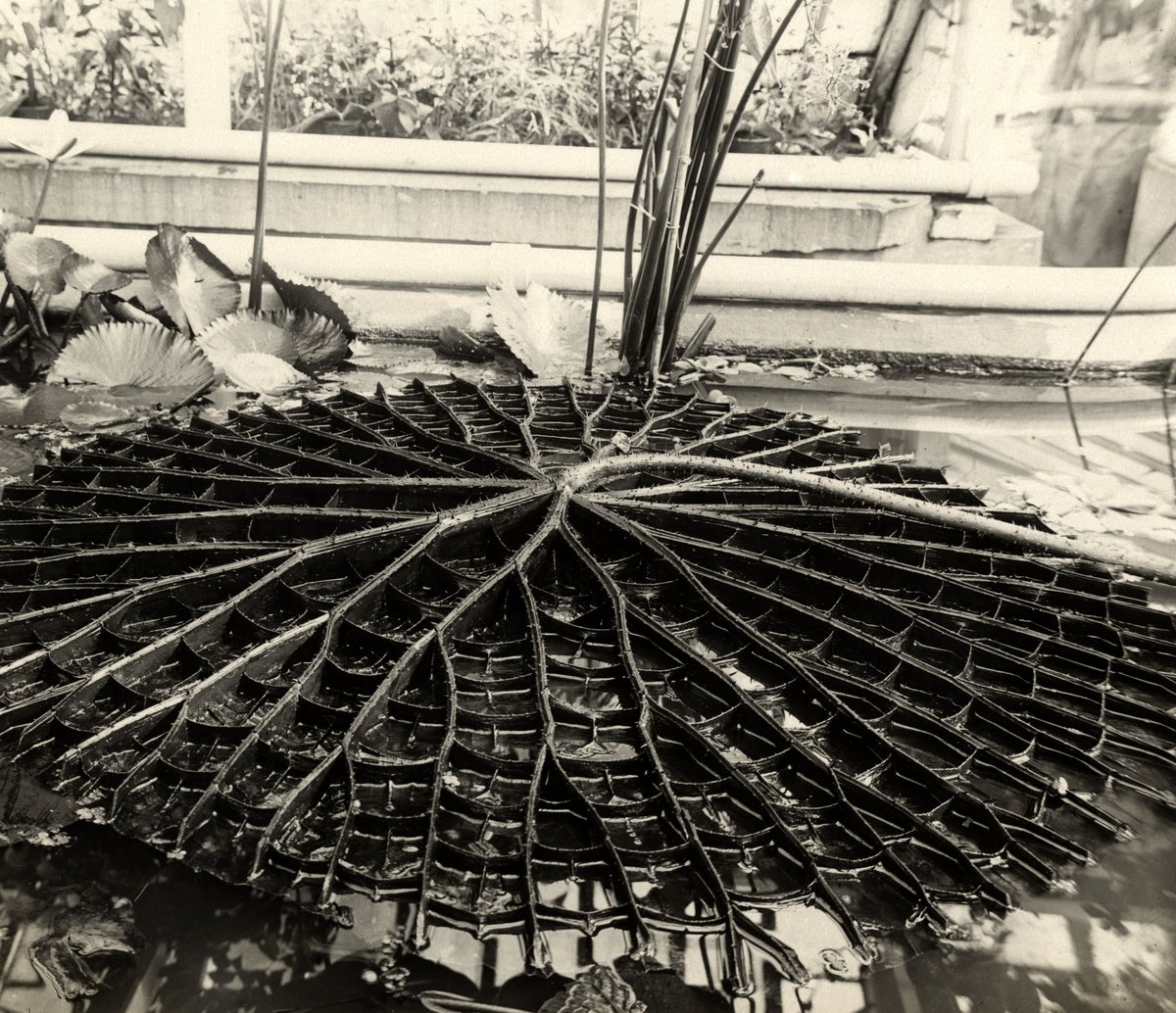
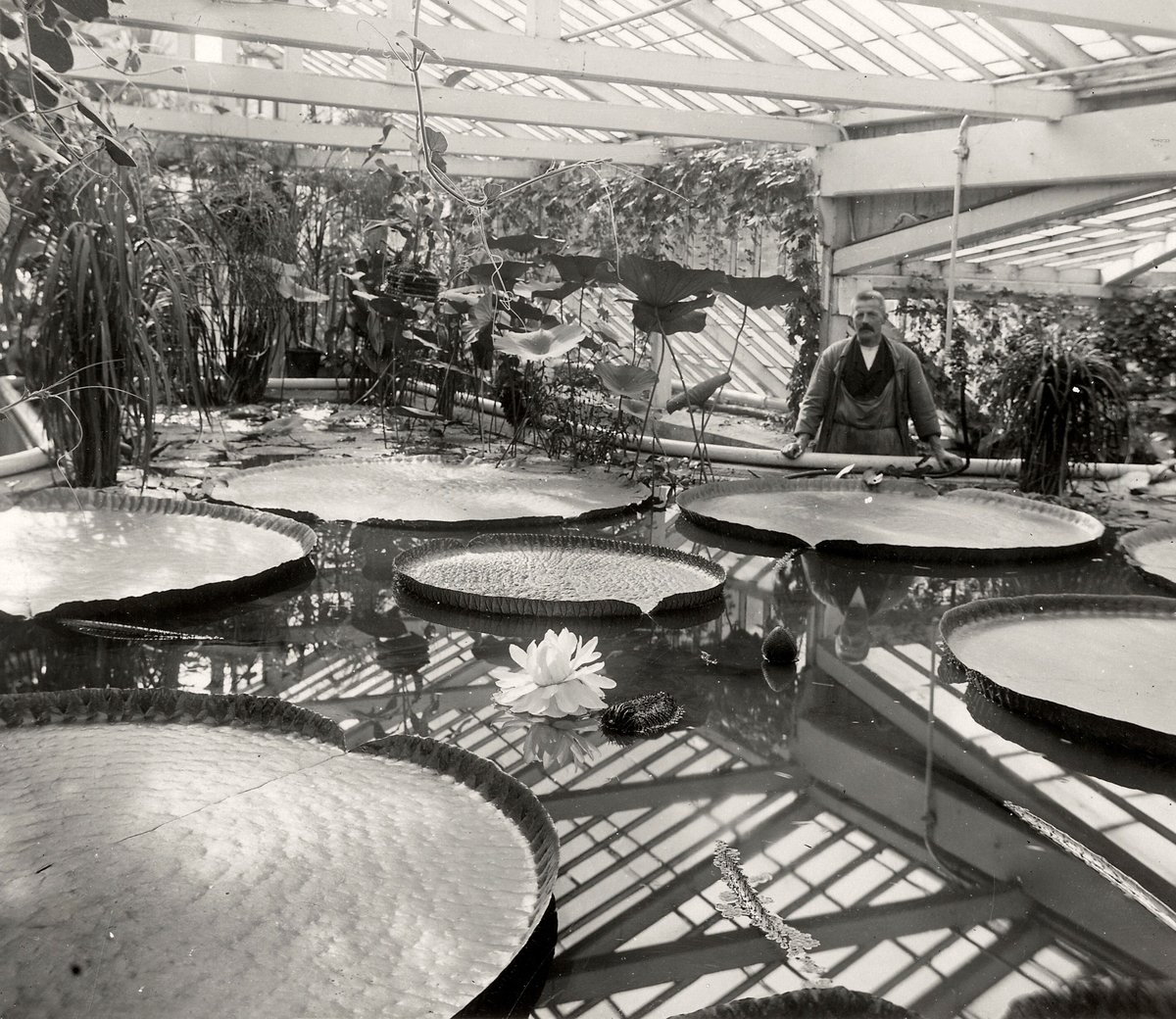

History of Hortus Botanicus, Amsterdam
Founding and Early Years
The Hortus Botanicus in Amsterdam was founded in 1638 as a medicinal herb garden to serve as a resource for doctors and apothecaries. The garden's creation was driven by the need to combat frequent outbreaks of plague in Europe. The original collection included various medicinal plants, many of which were brought back by Dutch traders from their voyages to the East Indies (Hortus Botanicus Amsterdam).
Expansion and Development in the 17th and 18th Centuries
During the 17th century, the garden expanded significantly, benefiting from the Dutch Golden Age's global trade networks. The Dutch East India Company played a crucial role, bringing exotic plants from Asia, Africa, and the Americas. This period saw the introduction of rare and valuable species, including the coffee plant and the cacao tree (Hortus Botanicus Amsterdam).
In the 18th century, the garden grew under renowned botanists such as Jan Commelin and Caspar Commelin, leading to the publication of the "Hortus Medicus Amstelodamensis," a comprehensive catalog of the garden's plant collection. The Orangery, built in 1715, housed citrus trees and tender plants during winter (Hortus Botanicus Amsterdam).
19th Century - Scientific Advancements and Challenges
The 19th century saw scientific advancements and challenges for the Hortus Botanicus. It became a center for botanical research and education but faced financial difficulties and competition from other institutions. Notable botanist Hugo de Vries conducted pioneering research on plant genetics and evolution here (Hortus Botanicus Amsterdam).
20th Century - Preservation and Modernization
The early 20th century brought challenges, including the threat of closure. Public support and government intervention saved the garden, which was designated a protected historical site in 1912. Despite damage during World War II, the garden was restored and modernized with new greenhouses and advanced horticultural techniques (Hortus Botanicus Amsterdam).
Recent Developments and Current Status
In recent decades, the Hortus Botanicus has evolved as a center for scientific research and a popular tourist attraction. Its collection includes over 4,000 plant species, focusing on tropical and subtropical plants. Notable developments include the renovation of the Palm House and the Three Climate Greenhouse, which simulates tropical, subtropical, and desert climates (Hortus Botanicus Amsterdam). The garden also participates in conservation efforts and offers educational programs.
Visitor Information
Visiting Hours and Tickets
The Hortus Botanicus is open daily from 10:00 AM to 5:00 PM. Ticket prices are €12.50 for adults, €6.50 for children aged 5-14, and free for children under 5. Discounts are available for students and seniors. Tickets can be purchased online or at the entrance (Hortus Botanicus Amsterdam - Tickets).
Guided Tours and Special Events
The garden offers guided tours that provide in-depth knowledge about its history and plant collection. Special events, such as seasonal festivals and workshops, are held throughout the year. Check the garden's website for the latest schedule and event details (Hortus Botanicus Amsterdam - Events).
Travel Tips
The Hortus Botanicus is conveniently located near Amsterdam's city center and can be easily reached by public transport, bike, or on foot. Nearby attractions include the Artis Zoo, the Hermitage Museum, and the Jewish Historical Museum, making it easy to combine visits.
Photographic Spots
The garden offers numerous picturesque spots for photography, including the Orangery, the Palm House, and the Three Climate Greenhouse. Visitors are encouraged to capture the beauty of the diverse plant species and historical architecture.
Cultural and Historical Significance
The Hortus Botanicus is a testament to Amsterdam's rich botanical heritage and commitment to scientific inquiry and environmental stewardship. Its historical buildings, such as the Orangery and the Palm House, are architectural landmarks reflecting evolving styles and technologies. The garden has inspired artists, writers, and scholars throughout its history and is featured in numerous literary works, paintings, and scientific publications.
Visitor Experience
The Hortus Botanicus offers a unique and enriching experience with meticulously designed pathways and themed sections for leisurely exploration. Interactive exhibits and informative signage provide insights into the history and significance of the various species on display. Special events, guided tours, workshops, and seasonal festivals enhance the visitor experience, making the garden a dynamic and engaging destination.
FAQ
What are the visiting hours for Hortus Botanicus?
The Hortus Botanicus is open daily from 10:00 AM to 5:00 PM.
How much are tickets for Hortus Botanicus?
Tickets are €12.50 for adults, €6.50 for children aged 5-14, and free for children under 5. Discounts are available for students and seniors.
What are the best times to visit Hortus Botanicus?
The best times to visit are during spring and summer when the garden is in full bloom.
For more information, visit the official website of Hortus Botanicus.
Discover More
Don't miss out on the latest updates and special events at Hortus Botanicus. Download the Audiala mobile app, check out related posts, and follow us on social media for more updates.
Tickets & tours.
These are guided options from our partners — same price as booking direct.
Prices are indicative — final pricing and availability are confirmed at checkout. Audiala may earn a commission from bookings made through these links.
Listen to the full story in the app
The whole Hortus Botanicus Amsterdam,
told well.
Audio guides for 1,100+ cities across 96 countries. History, stories, and local insight — offline ready.
Verified, and shown.
Researched and written by the Audiala editorial team from historical records, architectural archives, and local expertise.
Researched from Wikidata, Wikipedia & official sources · fact-checked · How we make our guides →