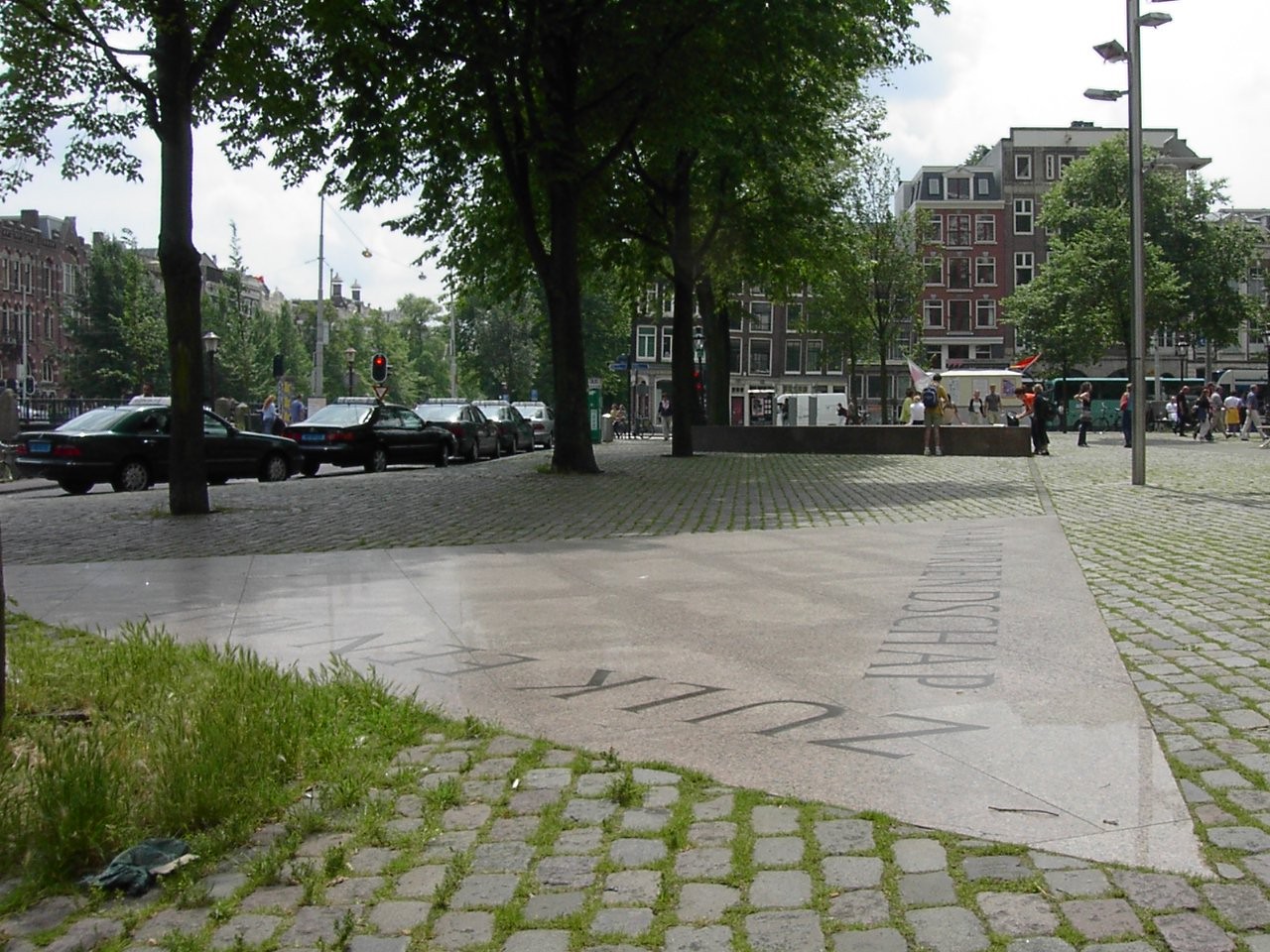
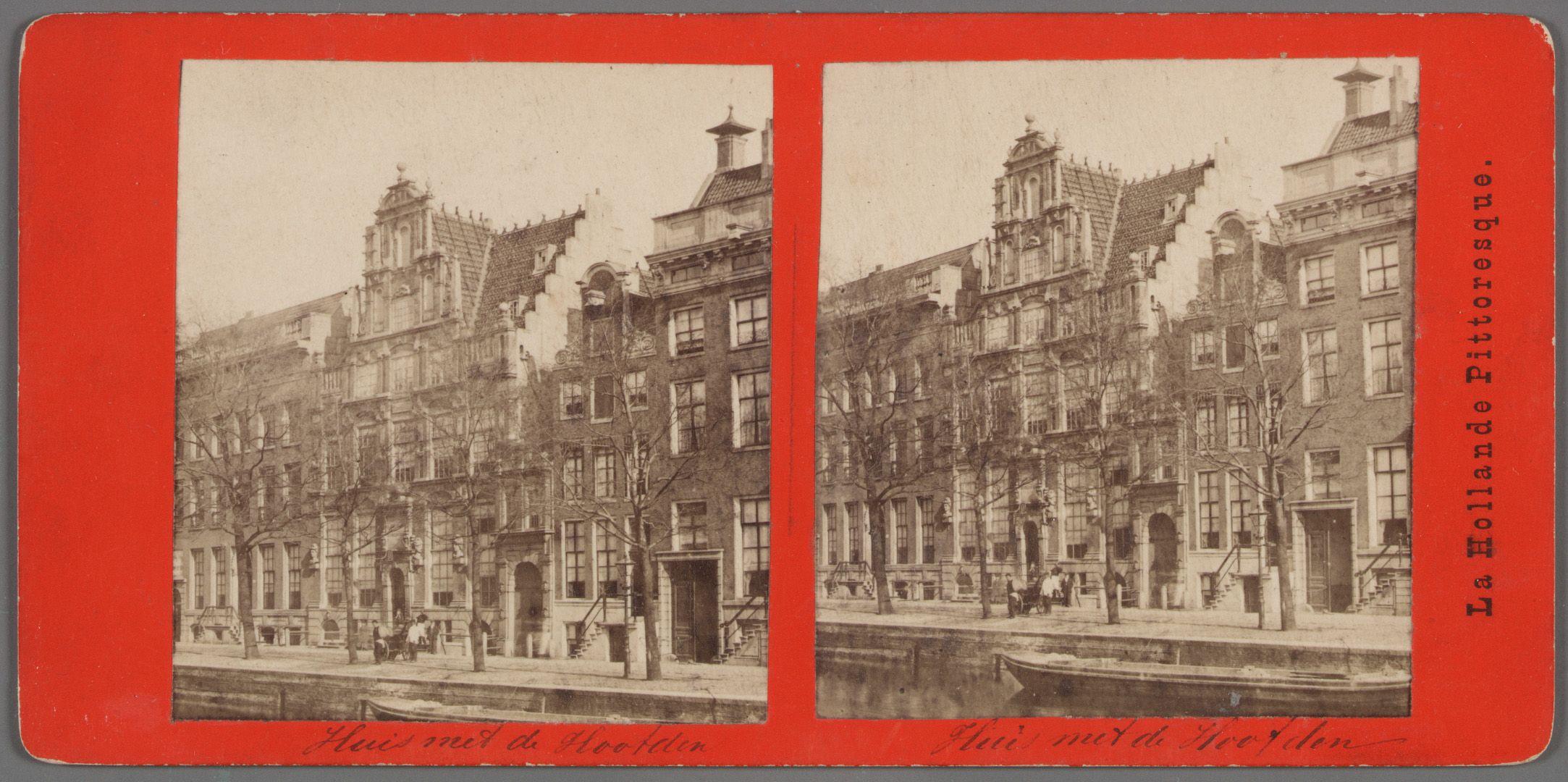
Introduction: The Enduring Significance of the Hollandsche Schouwburg
Located in Amsterdam’s historic Plantage district, the Hollandsche Schouwburg stands as a powerful symbol of remembrance, resilience, and education. Established in 1892 as a vibrant theater, the building’s story took a tragic turn during World War II when it became a central site in the Nazi persecution and deportation of Amsterdam’s Jewish community. Today, the Hollandsche Schouwburg is both a memorial to Holocaust victims and a cornerstone of the Jewish Cultural Quarter, inviting visitors to reflect on history and honor those who suffered. This guide provides a comprehensive overview of its historical significance, practical visiting information, and the broader context of Jewish heritage sites in Amsterdam. (Wikipedia, Jewish Cultural Quarter, Amsterdam Tips)
Cultural Beginnings
The Hollandsche Schouwburg, meaning “Hollandic Theatre,” opened in 1892 and quickly became a hub for Amsterdam’s performing arts. For decades, it was a lively space for theatergoers and a testament to the city’s thriving cultural life (Wikipedia).
Transformation During WWII
In 1941, under Nazi occupation, the theater was designated exclusively for Jewish audiences and performers as part of the systematic segregation and marginalization of Amsterdam’s Jewish community. By 1942, its purpose had shifted ominously: the Nazis repurposed the building as a deportation center. Thousands of Jewish residents were detained here before being transported to transit camps like Westerbork and, ultimately, to extermination camps in Eastern Europe (WhichMuseum).
The Nursery and Resistance Efforts
Opposite the Schouwburg, a nursery (crèche) became the site of courageous resistance. Staff members, in cooperation with the Dutch underground movement, orchestrated the rescue of numerous Jewish children by secretly smuggling them out before deportation. These acts of bravery offer enduring examples of hope amid tragedy.
Visiting Information
Opening Hours
- Tuesday–Sunday: 10:00 AM – 5:00 PM
- Closed: Mondays and official public holidays
- Check the official website for seasonal variations and special event closures.
Admission & Tickets
- Entry: Free for all visitors; donations are welcome to support educational and commemorative work.
- Guided Tours: Available for groups and individuals; book in advance via the official site.
- Combi-tickets: For access to all Jewish Cultural Quarter sites (see below for details).
Accessibility
The site is fully wheelchair accessible, with ramps and adapted restrooms. Audio guides and multilingual materials are available to cater to diverse visitor needs (Accessibility Info).
Getting There
- Public Transport: Tram lines 9 and 14 stop at Plantage Middenlaan, a short walk from the Schouwburg.
- Metro: Take lines 51, 53, or 54 to Waterlooplein station (Nieuwe Amstelstraat exit).
- Parking: Underground car parks at Markenhoven, ParkKing Waterlooplein, or Stadhuis/Muziektheater.
- Cycling: Bicycle parking is available on-site.
Guided Tours & Special Events
Guided tours provide in-depth context on the building’s history and the Holocaust in Amsterdam. Annual commemorative events, particularly on Remembrance Days, draw survivors, descendants, and global visitors (European Memories).
Photographic Opportunities
Visitors are welcome to photograph exterior areas and the memorial garden. Photography inside should be respectful, given the site’s solemn nature.
Memorialization & Commemoration
The preserved façade, memorial hall, and courtyard form the heart of the Schouwburg’s remembrance function. The memorial wall, inscribed with over 6,700 family names, represents the 104,000 Dutch Jews murdered during the Holocaust (Amsterdam Info). Annual ceremonies are held on Dutch Remembrance Day (May 4), Yom HaShoah, International Holocaust Memorial Day (January 27), and Children’s Remembrance Day.
The site has also evolved in its commemorative language, now explicitly recognizing that the victims were murdered, not just casualties of war (European Memories).
The Jewish Cultural Quarter & Nearby Attractions
The Jewish Cultural Quarter (Joods Cultureel Kwartier) encompasses the Hollandsche Schouwburg, National Holocaust Museum, Jewish Museum (and Junior), and the Portuguese Synagogue. Managed by the Jewish Cultural Quarter organization, these sites collectively preserve the legacy of Amsterdam’s Jewish community (Jewish Cultural Quarter). A single combiticket provides access to all main attractions.
Jewish Museum & Jewish Museum Junior
- Location: Nieuwe Amstelstraat 1
- Focus: Jewish religious and cultural history, the Holocaust, and contemporary Jewish life (Traveltoblank).
- For Families: The Junior Museum offers interactive exhibits for children aged 6+ (Jewish Cultural Quarter).
- Accessibility: Wheelchair accessible; wheelchairs available by reservation.
Portuguese Synagogue
- Location: Mr. Visserplein 3
- Highlights: Built in 1675, this Sephardic synagogue is renowned for its candlelit interior and historical treasures. Regular concerts are held in this atmospheric setting (Amsterdam Tips).
National Holocaust Museum
- Location: Plantage Middenlaan 27
- Purpose: Educational exhibitions on Nazi persecution and the fate of Jews in the Netherlands. Personal stories are central to its displays. Advance online booking is advised due to limited capacity (Plan Your Visit).
Planning Your Visit: Tickets, Passes & Logistics
Ticket Options
- Combiticket (€30): Access to all four main sites (valid for one week) (Jewish Cultural Quarter Tickets).
- Duoticket (€20): Entry to Jewish Museum and Portuguese Synagogue.
- National Holocaust Museum: €20 (combiticket recommended for full experience).
- Hollandsche Schouwburg: Free.
- Discounts: I amsterdam City Card, Museumkaart, and similar passes often provide free or discounted entry.
- On-site Surcharge: €2 extra for tickets bought at the door.
Opening Hours
- Jewish Cultural Quarter: Daily, 10:00 AM – 5:00 PM (Jewish Museum opens at 11:00).
- Portuguese Synagogue/National Holocaust Museum: Variable hours—check the official site.
Getting There
- Metro: Lines 51, 53, 54, Waterlooplein station (Nieuwe Amstelstraat exit).
- Tram: Line 14 stops at Waterlooplein and Artis.
- Cultuur Ferry: Hop-on-hop-off boat runs April–October, Thursday–Sunday, 9:30–17:30; tickets €23.50 (Plan Your Visit).
Tours
- Self-Guided: Pick up a walking map at the Jewish Museum (Traveltoblank).
- Guided Tours: Approximately two hours; reservations recommended (My Adventures Across the World).
Frequently Asked Questions (FAQs)
Q: What are the Hollandsche Schouwburg visiting hours?
A: Tuesday–Sunday, 10:00 AM–5:00 PM; closed Mondays.
Q: Is admission free?
A: Yes, entry is free, though donations are appreciated.
Q: Are guided tours available?
A: Yes, in multiple languages, by advance booking.
Q: Is the site wheelchair accessible?
A: Yes, with ramps and adapted restrooms. Reserve wheelchairs in advance if needed.
Q: Can I visit other Jewish heritage sites nearby?
A: Yes, the Jewish Museum, National Holocaust Museum, and Portuguese Synagogue are all within walking distance.
Q: Where can I buy tickets for the Jewish Cultural Quarter?
A: Online via the official website is recommended to avoid queues and surcharges.
Q: What is the best time to visit?
A: Weekday mornings are generally quieter.
Visitor Recommendations & Summary
A visit to the Hollandsche Schouwburg offers powerful insights into the lived experiences of Amsterdam’s Jewish community, the horrors of the Holocaust, and the importance of remembrance. Its transformation from a flourishing theater to a deportation center, and eventually to a memorial, embodies the city’s complex history and ongoing commitment to reconciliation and education. The wider Jewish Cultural Quarter provides a fuller understanding of Jewish life and culture in Amsterdam, with museums and synagogues that appeal to both adults and children.
Visitor Tips:
- Purchase a combiticket for flexibility and comprehensive access.
- Reserve guided tours and wheelchairs ahead of time.
- Allow time for reflection at the memorial and in the courtyard.
- Respect the solemn atmosphere, especially during commemorative events.
- For a richer experience, download the Audiala app for audio-guided tours and curated content.
Whether you are a history enthusiast, a cultural traveler, or visiting for personal reflection, the Hollandsche Schouwburg and the Jewish Cultural Quarter are essential stops in Amsterdam's historical and cultural landscape.
Listen to the full story in the app
Your Personal Curator, in Your Pocket.
Audio guides for 1,100+ cities across 96 countries. History, stories, and local insight — offline ready.
Audiala App
Available on iOS & Android
Join 50k+ Curators
Sources
- verified
- verified
- verified
- verified
- verified
- verified
- verified
- verified
- verified
- verified
Last reviewed: