Introduction
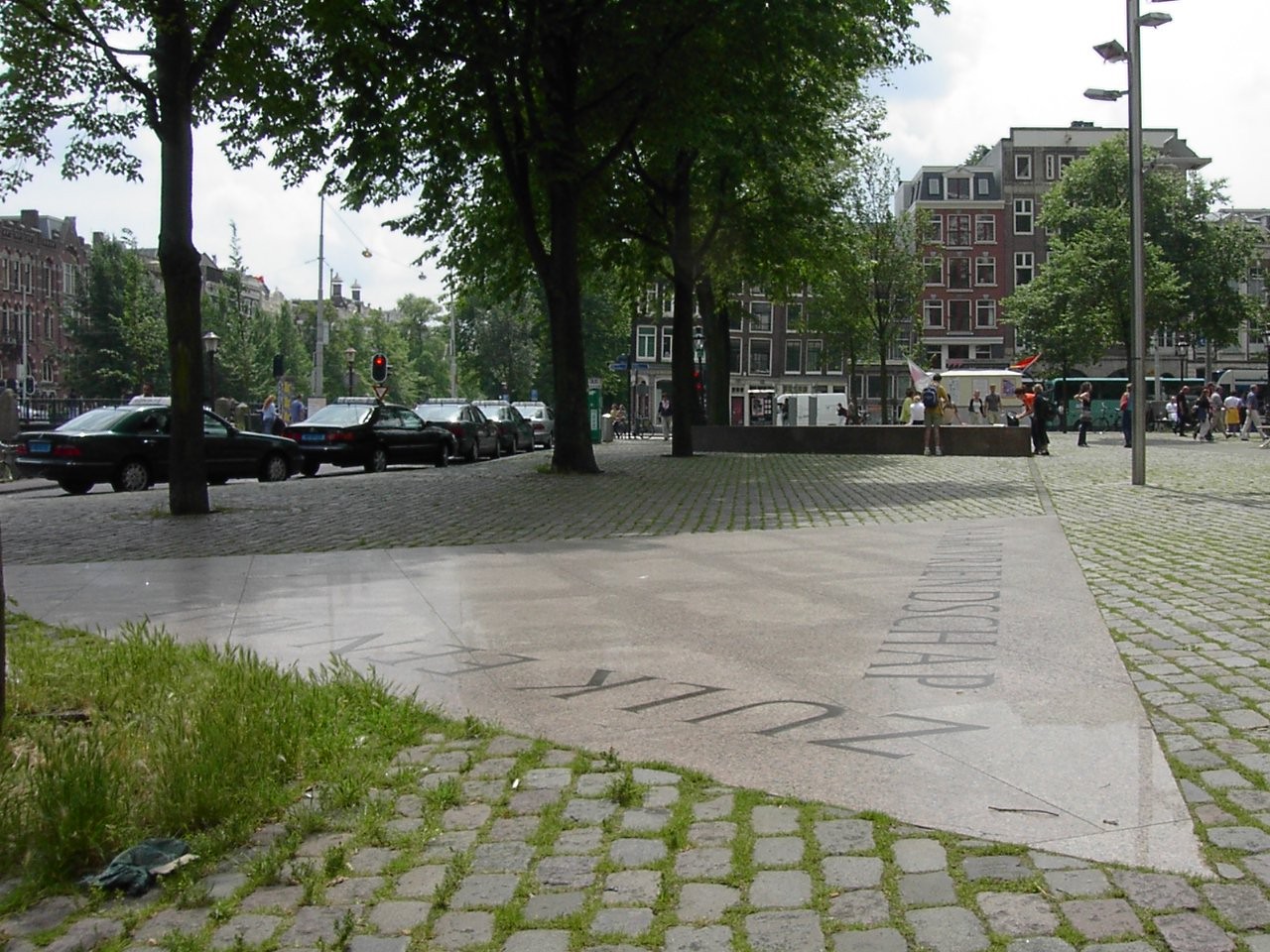
Located in the vibrant heart of Amsterdam at Spui Square, Het Lieverdje, which translates to 'The Sweetheart' or 'The Little Darling,' stands as a powerful symbol of the city's spirited youth and cultural resilience. This bronze statue, created by the Amsterdam sculptor Carel Kneulman and unveiled in 1960, has a rich history steeped in the dynamics of Amsterdam's social and cultural landscape. The inspiration for Het Lieverdje stems from a character in Henri Knap's 'Amsterdam Diary' column in the local newspaper Het Parool, representing the mischievous yet kind-hearted spirit of Amsterdam's street children (Wikipedia). Over the decades, the statue has remained a beloved landmark and has played a pivotal role in significant social movements, such as the 1960s Provo movement, which used the statue as a focal point for its anti-establishment and anti-consumerism activities (Amsterdam Tourism). Today, Het Lieverdje continues to attract visitors from around the world, offering a unique glimpse into Amsterdam's dynamic history and its enduring spirit of rebellion and resilience.
Exploring the History and Significance of Het Lieverdje in Amsterdam
Origins and Creation
Het Lieverdje was created by Amsterdam sculptor Carel Kneulman (1915-2008). Initially made in plaster and placed on Spui in May 1959, the statue was soon stolen. With financial support from the Hunter Cigarette Company, a bronze version was cast and unveiled on September 10, 1960 (Stadscuratorium).
Inspiration and Symbolism
The statue is based on a character from a column in the Amsterdam newspaper Het Parool, written by journalist Henri Knap. The column, titled 'Amsterdam Diary,' featured stories about a young boy who embodied the spirit of Amsterdam's street children—mischievous yet kind-hearted. This character, referred to as 'Het Lieverdje,' became a symbol of the city's youthful and resilient spirit (Wikipedia).
Financial Backing and Unveiling
The creation of the bronze statue was made possible through a significant donation from the Hunter Cigarette Company, after a crowdfunding event organized by Henri Knap failed to raise sufficient funds. The statue was unveiled in September 1960, with Henri Knap and Emma van Hall-Nijhoff, the wife of Mayor Van Hall, present at the ceremony (MforAmsterdam).
The Provo Movement and Cultural Significance
In the 1960s, Het Lieverdje became a focal point for the Provo movement, a countercultural group known for its anti-establishment activities. Robert Jasper Grootveld, a prominent figure in the movement, organized 'happenings'—spontaneous art performances and protests—around the statue. These events often targeted consumerism and the tobacco industry, given the statue's financial backing by a cigarette manufacturer. Grootveld's anti-smoking demonstrations drew significant attention, making Het Lieverdje an iconic symbol of resistance and social change (Amsterdam Tourism).
Incidents and Altercations
Over the years, Het Lieverdje has been the site of numerous incidents and altercations. In 1966, students from Groningen kidnapped the statue, replacing it with a statue of a flower girl. The original statue was found a week later. In 1967, artist Phil Bloom posed naked in front of the statue as a protest against bourgeois norms, creating a postcard that remains available to this day. The statue has also been dressed up, smeared with paint, and even set on fire during a demonstration in 2015 (MforAmsterdam).
Legal and Social Impact
The 2015 incident, where the statue was set on fire, led to significant legal repercussions. Demonstrators were prosecuted for arson, resulting in important jurisprudence regarding the limits of freedom of expression and the legality of violent acts during protests. The court ruled that setting the statue on fire constituted public violence, regardless of the context of the demonstration (Wikipedia).
Modern-Day Relevance
Despite its tumultuous history, Het Lieverdje remains a significant cultural landmark in Amsterdam. It is window number 45 on the Canon of Amsterdam, a list of key historical and cultural sites in the city. The statue continues to be a site for protests and gatherings, reflecting its enduring role as a symbol of Amsterdam's rebellious and resilient spirit (Amsterdam Tourism).
Cultural and Artistic Influence
The statue has influenced various cultural and artistic expressions. For instance, soccer club FC Amsterdam, which was dissolved in 1982, incorporated an image of Het Lieverdje into its logo. Additionally, the statue has been dressed in various outfits to honor significant figures, such as the much-loved mayor Eberhard van der Laan, who passed away in 2017 (MforAmsterdam).
Recognition and Awards
In 2006, the statue inspired the creation of the 'Roze Lieverdje' award, established by RozeLinks, the LGBTQ+ working group of the political party GroenLinks. This award is given biennially on Valentine’s Day to individuals or organizations that have made significant contributions to the LGBTQ+ community. The award ceremony takes place at the statue, further cementing its role as a symbol of social justice and activism (Wikipedia).
Visitor Information
Visiting Hours: Het Lieverdje is located on a public square and can be visited at any time. There are no specific visiting hours or tickets required.
Nearby Attractions: Spui square itself is a bustling area, close to other historical sites such as the Begijnhof, the Amsterdam Museum, and the famous bookstores Athenaeum and American Book Center.
Travel Tips: The statue is easily accessible by public transport, with several tram lines stopping at Spui. It's also a short walk from Dam Square and the Central Station.
Accessibility: The area around Het Lieverdje is pedestrian-friendly and accessible to visitors with mobility issues.
Best Time to Visit
The best time to visit Het Lieverdje is during the spring and summer months when the weather is pleasant and the square is bustling with activity. Early mornings or late afternoons are ideal for avoiding the crowds and capturing the statue in the best light for photographs.
Nearby Attractions
Spui Square is conveniently located near several other notable attractions. Just 116 meters away is the Begijnhof, one of the oldest hofjes in Amsterdam. The Amsterdam Museum is only 154 meters away, offering a deep dive into the city’s history. The famous Flower Market is 289 meters away, and Dam Square, another iconic location, is 509 meters from Spui Square. The Nieuwe Kerk, a historic church, is 584 meters away.
How to Get There
Spui Square is easily accessible by public transport. The tram lines 1, 2, and 5 all stop at Spui, making it convenient for visitors to reach the square from various parts of the city. For those who prefer to walk, the square is centrally located and can be reached on foot from many nearby attractions.
Events and Activities
Art and Book Markets: Every Sunday, Spui Square transforms into an open-air art market where local artists sell their paintings, photographs, and sculptures. This market is a fantastic opportunity for visitors to purchase unique souvenirs and engage with the local art scene. Additionally, the square hosts a book market on Fridays, where bibliophiles can browse through a wide selection of books, including rare and antique editions.
Provo Movement Reenactments: Occasionally, reenactments of the Provo movement’s gatherings are held around Het Lieverdje. These events offer a glimpse into the city’s countercultural history and provide an engaging way for visitors to learn about the social changes that took place in Amsterdam during the 1960s.
Practical Information
Accessibility: Het Lieverdje and Spui Square are accessible to visitors with mobility issues. The square is flat and paved, making it easy to navigate for those using wheelchairs or strollers. Public transport options, including trams, are also equipped to accommodate passengers with disabilities.
Safety Tips: While Spui Square is generally safe, it is always advisable to stay vigilant, especially in crowded areas. Keep an eye on personal belongings and be aware of pickpockets. The square is well-lit at night, but it is still best to visit during daylight hours for a more enjoyable experience.
Local Insights
Cafés and Bookstores: Spui Square is flanked by several charming cafés and bookstores, making it an ideal spot to relax and soak in the local atmosphere. Café Luxembourg, located on the square, is a popular choice for its cozy ambiance and delicious menu. For book lovers, the American Book Center offers a wide selection of English-language books and is a great place to spend some time browsing.
Engaging with Locals: Interacting with locals can enhance your visit to Het Lieverdje. Amsterdam residents are known for their friendliness and willingness to share stories about their city. Engaging in conversations with locals can provide unique insights and recommendations that you might not find in guidebooks.
Frequently Asked Questions (FAQ)
What are the visiting hours for Het Lieverdje? Het Lieverdje is located on a public square and can be visited at any time.
Where is Het Lieverdje located? The statue is located on Spui square in Amsterdam.
Do I need tickets to visit Het Lieverdje? No tickets are required to visit Het Lieverdje as it is situated in a public area.
What are some nearby attractions? Nearby attractions include the Begijnhof, the Amsterdam Museum, and renowned bookstores such as Athenaeum and the American Book Center.
Listen to the full story in the app
Your Personal Curator, in Your Pocket.
Audio guides for 1,100+ cities across 96 countries. History, stories, and local insight — offline ready.
Audiala App
Available on iOS & Android
Join 50k+ Curators
Sources
- verified
- verified
- verified
- verified
- verified
- verified
- verified
- verified
- verified
- verified
- verified
- verified
- verified
- verified
- verified
- verified
- verified
- verified
- verified
- verified
Last reviewed: