Introduction
Fort bij Abcoude, a significant historical site within the Stelling van Amsterdam, offers a fascinating glimpse into the Netherlands' defensive history. This article will cover the fort's rich history, architectural features, military significance, and essential visitor information, including visiting hours, ticket prices, and travel tips. Whether you're interested in Amsterdam historical sites or planning a visit, this guide will help you make the most of your trip.
Photo Gallery
Explore Fort Bij Abcoude in Pictures
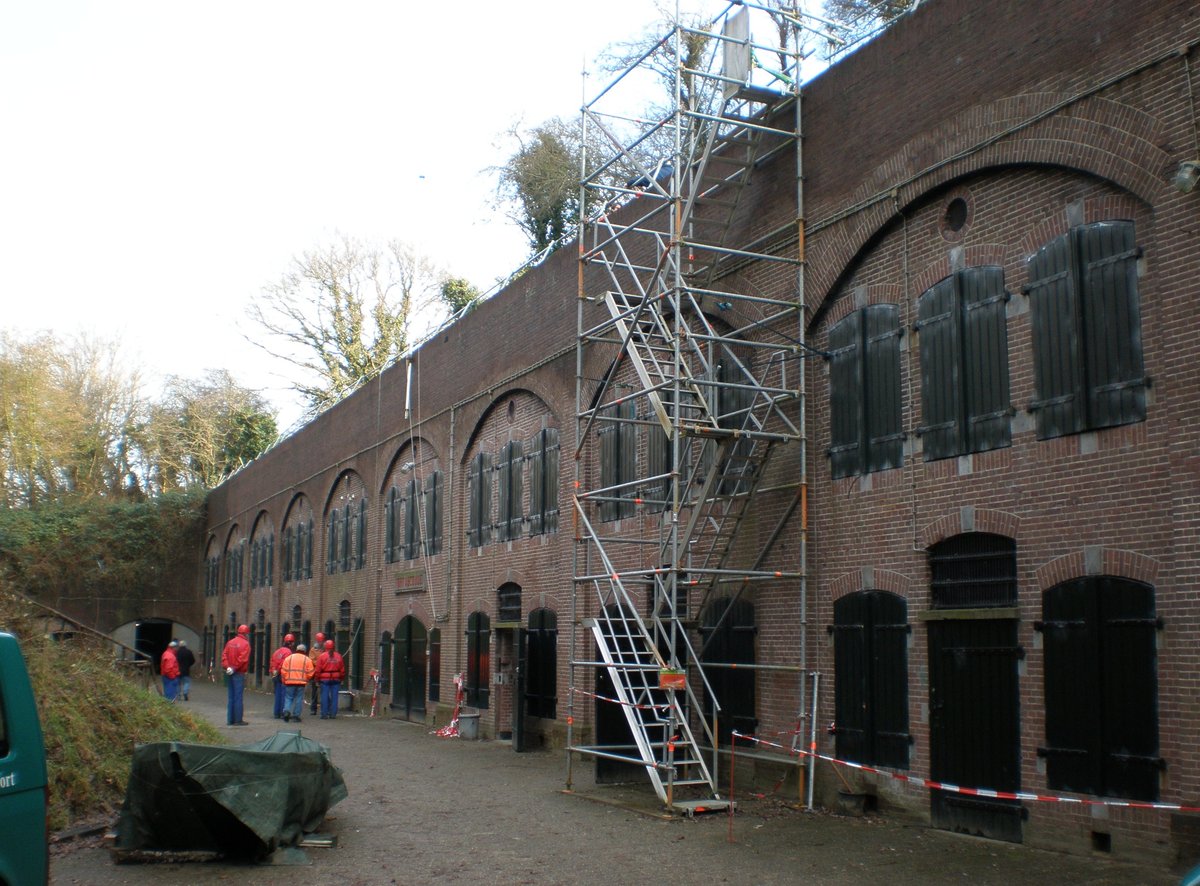
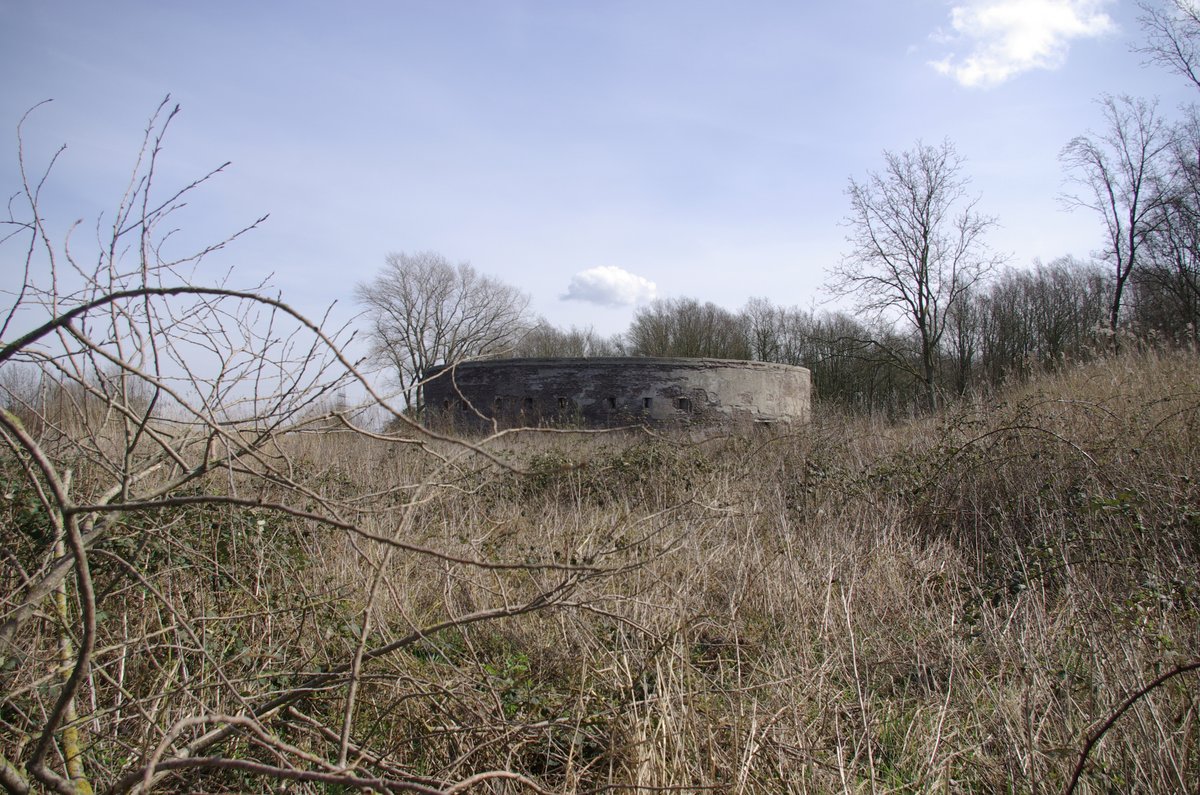
Image of Fort bij Abcoude, a historical fortification that is part of the Stelling van Amsterdam defensive ring.
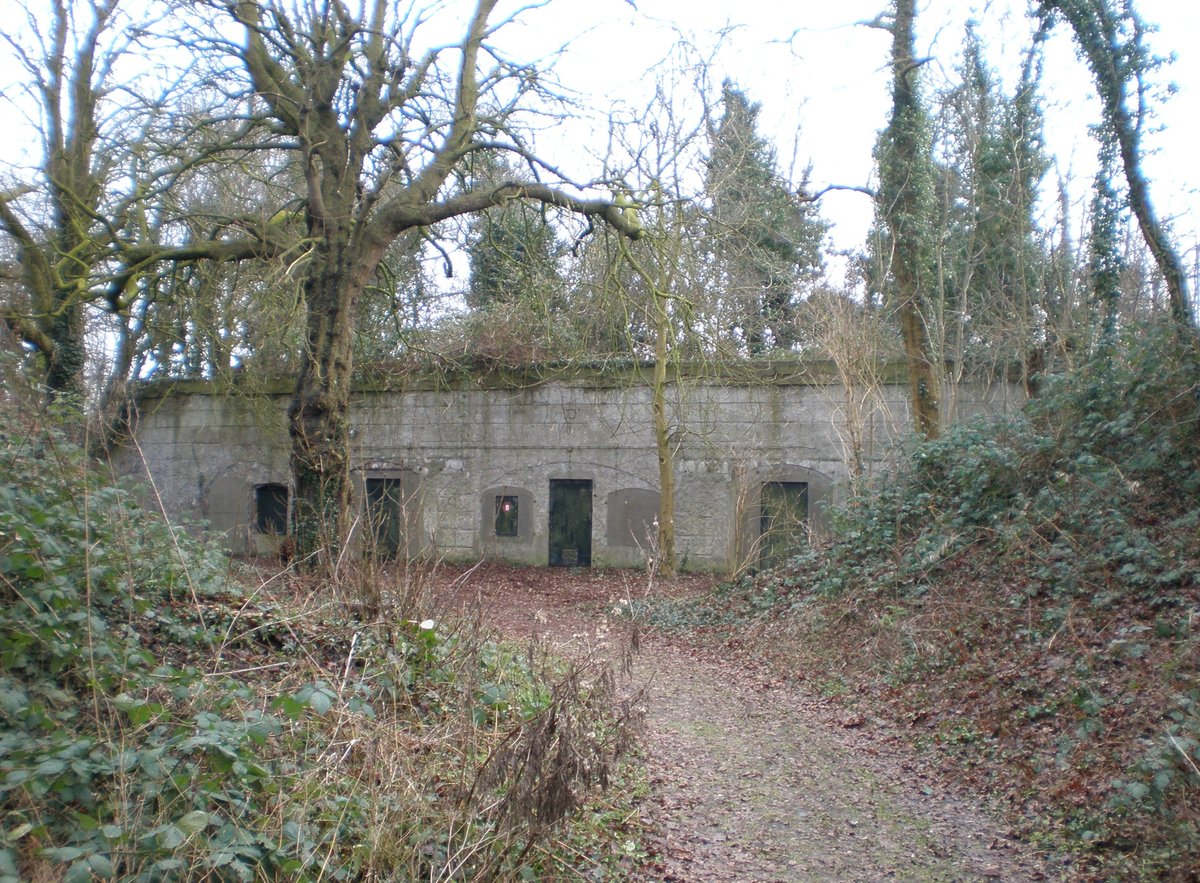
Image of Fort bij Abcoude, an integral part of the Stelling van Amsterdam, featuring the historic military fortress surrounded by natural greenery and open sky
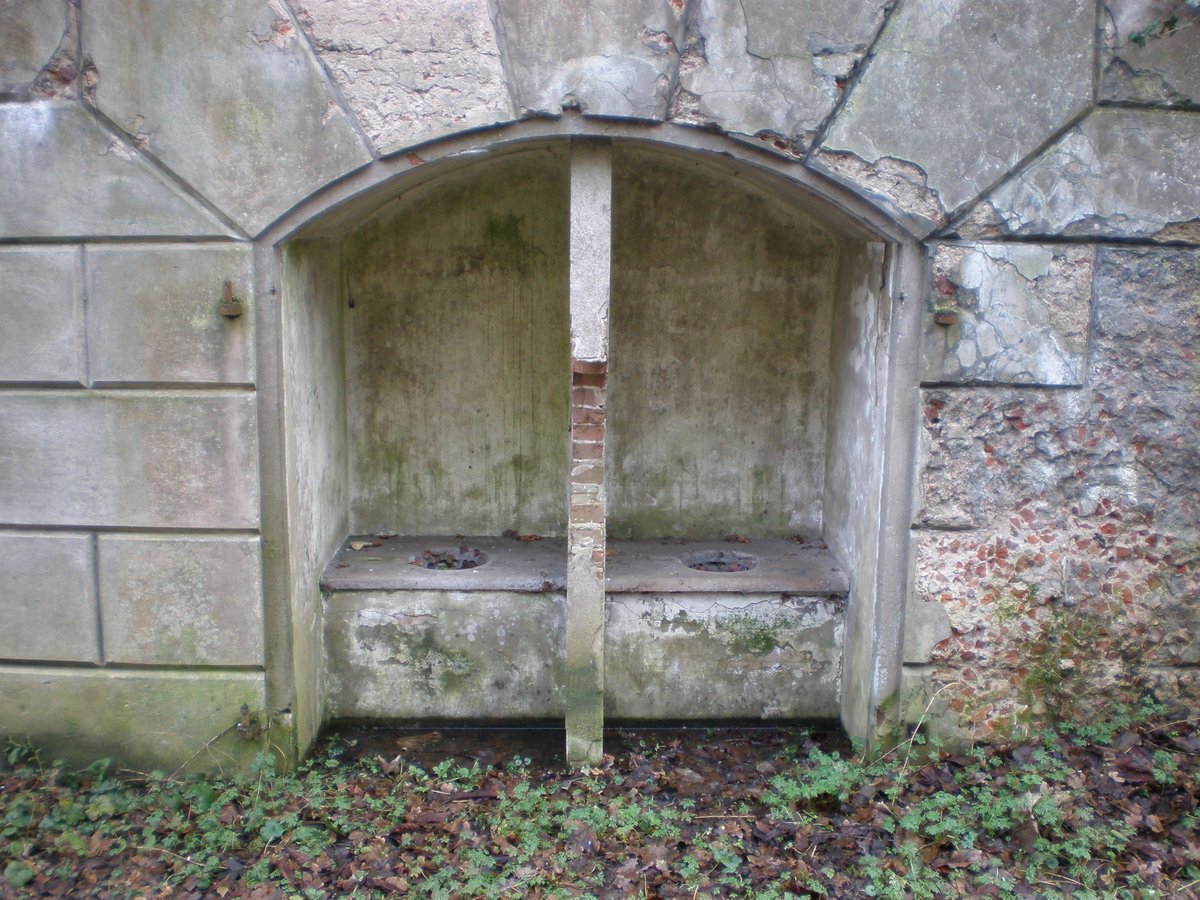
Image of Fort bij Abcoude, a well-preserved fortification that is part of the Stelling van Amsterdam, showcasing its historic brick architecture and surrounding moat.
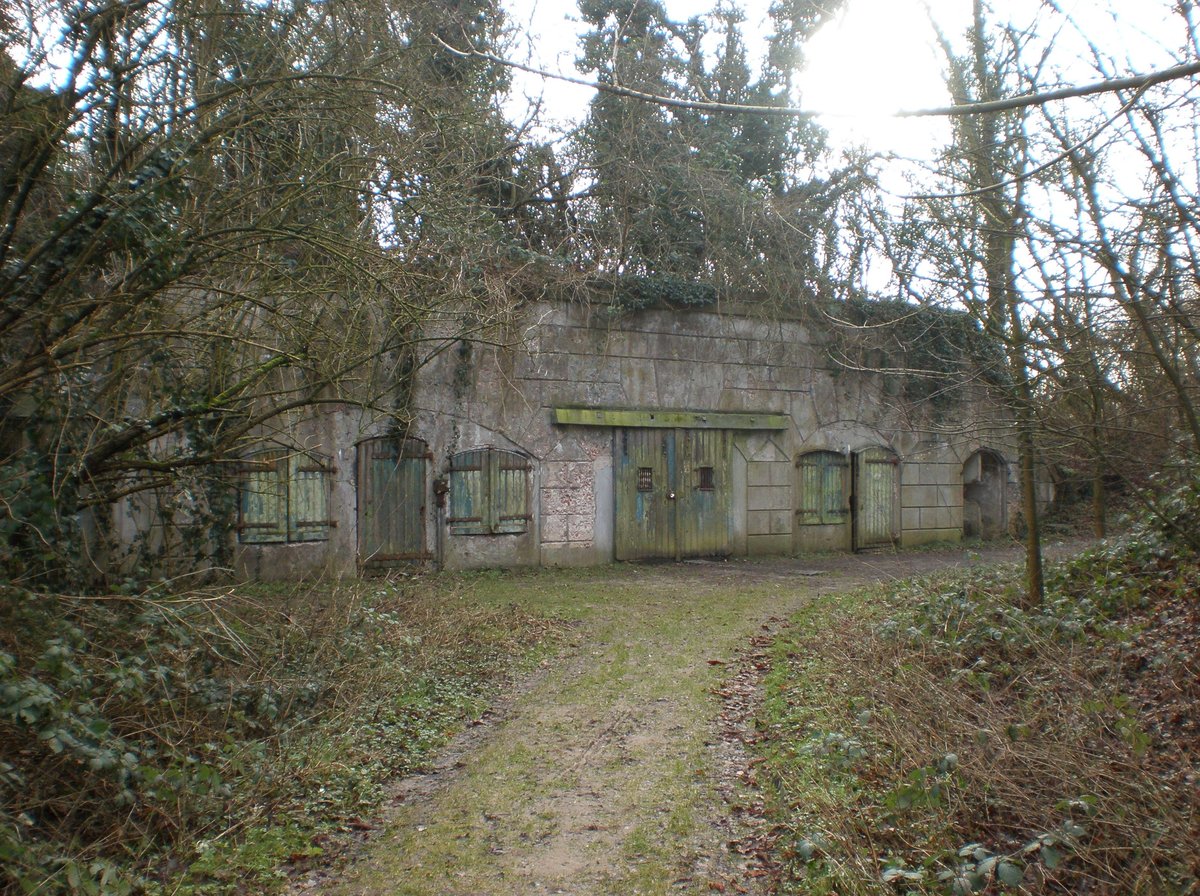
Historic Fort bij Abcoude, military fortification part of Stelling van Amsterdam, situated in a lush green environment with surrounding water moat
Construction and Early Purpose
Fort bij Abcoude, the first fort constructed as part of the Stelling van Amsterdam, was built between 1884 and 1887. This defensive line, stretching 135 kilometers around Amsterdam, was designed to protect the city by inundating the surrounding lowlands, making them impassable for enemy troops. The fort is strategically located between the Angstel river and the railway line connecting Amsterdam and Utrecht, approximately 15 kilometers from Amsterdam (Natuurmonumenten).
The fort's construction was necessitated by the failure of the earlier Fort Bijlmer, which left the southern approach to Amsterdam vulnerable. Initially, the Stelling van Amsterdam was planned closer to the city, but advancements in artillery range required the defensive line to be positioned further out (Wikipedia).
Architectural Features
Fort bij Abcoude is notable for being the only fort in the Stelling van Amsterdam constructed entirely from brick, with walls approximately 1.8 meters thick. The fort's design includes a main building with two floors, capable of housing 360 soldiers. The structure also features bomb-proof rooms, including a kitchen, infirmary, and munitions magazines. The fort is surrounded by a moat, adding an extra layer of defense (Natuurmonumenten).
The fort's layout includes several unique architectural elements:
- Poterne: These are covered passageways leading to the fort's eastern and western sides.
- Remises: Bomb-proof storage areas for artillery and other equipment.
- Reduit: A central stronghold within the fort, providing additional protection and a final line of defense (Wikipedia).
Military Significance
Fort bij Abcoude played a crucial role in the Stelling van Amsterdam, serving as a key defensive position along the railway line from Amsterdam to Utrecht. The fort's strategic location allowed it to control access routes and protect the city from potential southern invasions. However, the fort was never used in combat, as the invention of the high-explosive shell (brisantgranaat) shortly after World War I rendered it obsolete (Natuurmonumenten).
Post-Military Use and Preservation
After its decommissioning, Fort bij Abcoude fell into disuse until it was transferred to the Dutch Society for Nature Conservation (Natuurmonumenten) in 2006. The organization has since restored the fort, ensuring its preservation as a cultural and historical monument. Today, the fort is part of the UNESCO World Heritage site, the Defence Line of Amsterdam (Natuurmonumenten).
Visitor Information
Fort bij Abcoude is open to the public from February to November, with specific visiting hours on Thursdays, Saturdays, and Sundays. During these times, visitors can explore the fort's grounds, although access to the interior is limited. Monthly guided tours are available and must be reserved through Natuurmonumenten. Ticket prices vary, and it is advisable to check the official website for the latest information. Special events and photographic spots are also highlighted during the tours (Visiting the Dutch Countryside).
Natural and Cultural Heritage
The fort and its surrounding moat are home to various wildlife, including bats, fish, and the brightly colored kingfisher. The fort's preservation efforts by Natuurmonumenten ensure that both its natural and cultural heritage are maintained for future generations (Natuurmonumenten).
Exploring the Surroundings
Visitors to Fort bij Abcoude can also enjoy the scenic beauty of the surrounding Dutch countryside. A 10-kilometer walking route, known as the Liniepad, connects Fort bij Abcoude to Fort Nigtevecht, passing through traditional Dutch farmland and along the Gein river. This route offers a glimpse into the historical remnants of the Stelling van Amsterdam, including old batteries and defensive dikes (Natuurmonumenten).
Travel Tips and Nearby Attractions
When planning your visit, consider the following travel tips:
- Transportation: Fort bij Abcoude is accessible by car and public transport. The nearest train station is Abcoude, which is a short distance from the fort.
- Nearby Attractions: Combine your visit with a trip to the nearby towns of Abcoude and Weesp, which offer charming historical sites and local dining options.
- Best Time to Visit: The best time to visit is during spring and summer when the weather is pleasant, and the surrounding nature is in full bloom.
FAQ
Q: What are the Fort bij Abcoude visiting hours?
A: The fort is open from February to November on Thursdays, Saturdays, and Sundays.
Q: How much are tickets for Fort bij Abcoude?
A: Ticket prices vary, and it is recommended to check the official website for the latest information.
Q: Are there guided tours available?
A: Yes, monthly guided tours are available and must be reserved through Natuurmonumenten.
Q: Can I take photos at Fort bij Abcoude?
A: Yes, there are several photographic spots highlighted during the tours.
Listen to the full story in the app
Your Personal Curator, in Your Pocket.
Audio guides for 1,100+ cities across 96 countries. History, stories, and local insight — offline ready.
Audiala App
Available on iOS & Android
Join 50k+ Curators
Sources
-
verified
Natuurmonumenten
Fort bij Abcoude
-
verified
Wikipedia
Fort bij Abcoude
-
verified
Traces of War
Fort bij Abcoude
-
verified
Visiting the Dutch Countryside
Things to do in Abcoude
-
verified
Oneindig Noord-Holland
Fort bij Abcoude
-
verified
Abcoude.nl
Bezienswaardig: Fort bij Abcoude
-
verified
Bijzonder Plekje
9 Tips voor Abcoude
-
verified
Forten.nl
Fort bij Abcoude
Last reviewed: