Plan and listen to English Reformed Church, Amsterdam with Audiala.
Audio guide in your pocket, itinerary in your browser. Built for the way you actually visit.
Introduction
The Begijnhof in Amsterdam is one of the city's most enchanting historical sites, offering visitors a tranquil retreat amidst a bustling urban environment. Established in the early 14th century, the Begijnhof served as a sanctuary for the Beguines, a lay Catholic sisterhood who lived a pious but non-monastic life. Unlike traditional nuns, Beguines did not take permanent vows, allowing them a unique blend of religious devotion and personal freedom (Amsterdam.net). Over the centuries, the Begijnhof has witnessed significant historical events, including the Protestant Reformation and the Dutch Golden Age, which have left an indelible mark on its architectural and cultural landscape. Today, it stands as a well-preserved enclave that offers a serene atmosphere, historical insights, and a glimpse into the religious and social fabric of medieval Amsterdam. The Begijnhof is also notable for housing one of Amsterdam's oldest wooden houses, the Houten Huys, and the English Reformed Church, adding layers of historical and spiritual significance to the site (As the Bird Flies Blog). Visitors can explore this historical gem daily, with free admission, although donations are appreciated to support its upkeep. Whether you're interested in its rich history, architectural marvels, or simply seeking a peaceful retreat, the Begijnhof offers a unique and enriching experience in the heart of Amsterdam.

History of Begijnhof
Origins and Early History
The Begijnhof in Amsterdam is a historic courtyard dating back to the early 14th century. Although the exact date of its foundation is not known, it is one of the oldest inner courts in the city. The Begijnhof was originally established as a sanctuary for the Beguines, a lay Catholic sisterhood who lived in a semi-monastic community. Unlike nuns, the Beguines did not take permanent vows and could leave the community to marry (Amsterdam.net).
Architectural Evolution
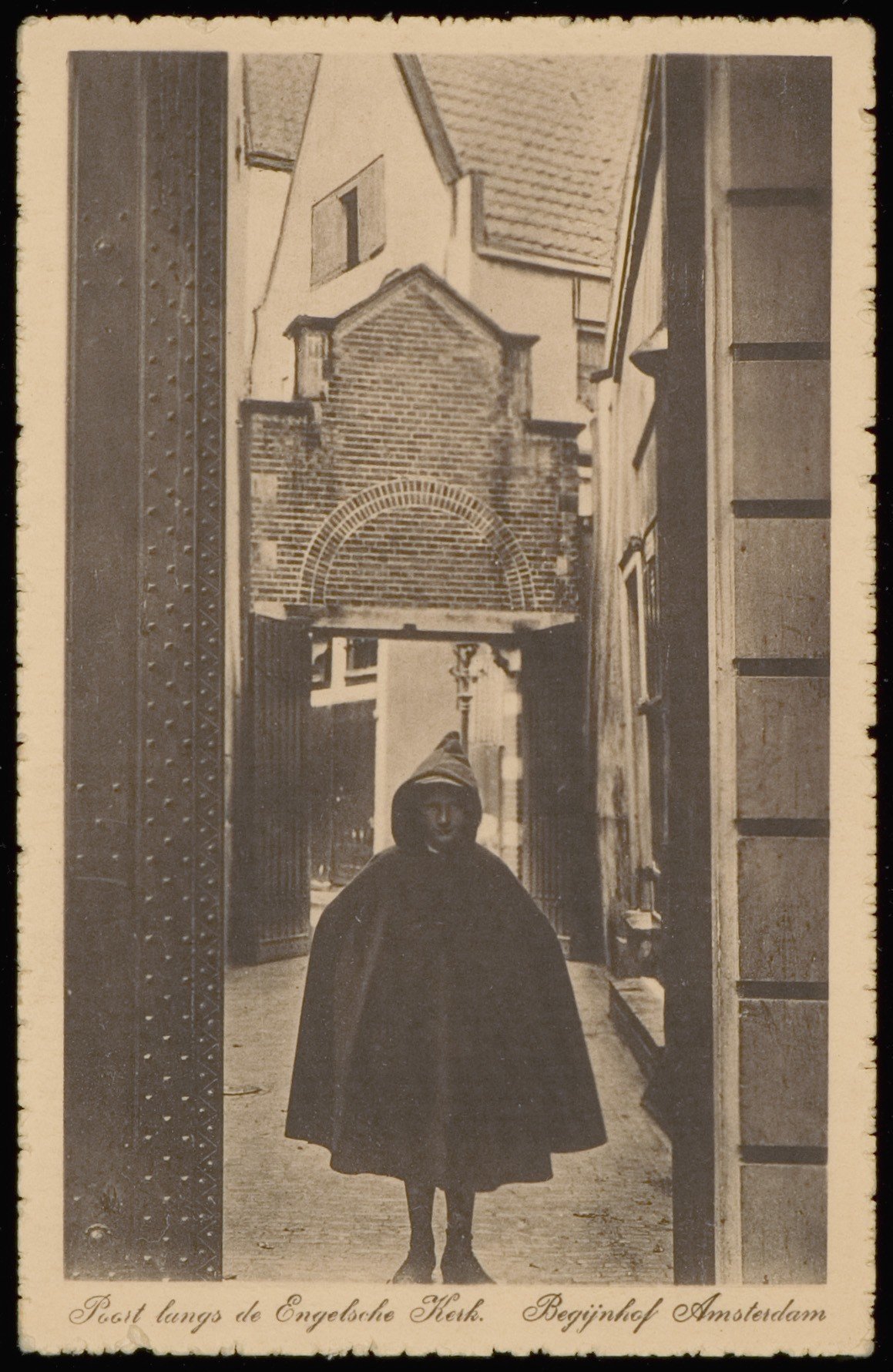
The Begijnhof was initially surrounded by canals, with only one entrance accessible via a bridge. This medieval setup provided a secluded and secure environment for the Beguines. Over time, the courtyard underwent several transformations. The entrance gate, known as the Begijnesloot, was restored in 1907 and still bears the figure of St. Ursula, the patron saint of Amsterdam’s Beguines (Amsterdam.net).
The Protestant Reformation
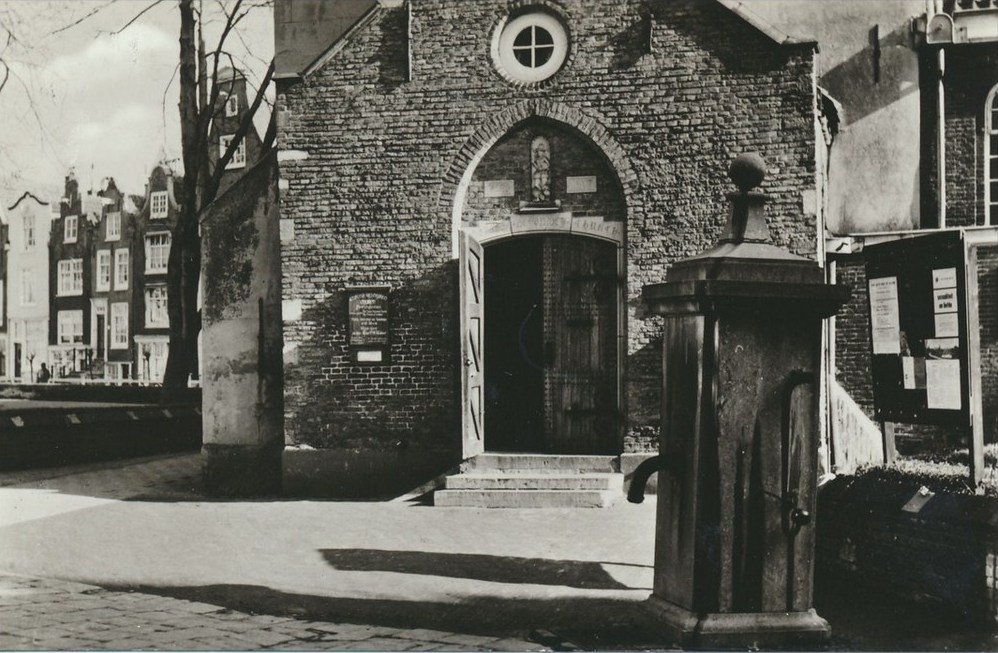
During the Protestant Reformation in the 16th century, Amsterdam fell under Calvinist rule. Despite the widespread suppression of Catholic institutions, the Begijnhof remained the only Roman Catholic enclave in the city. The Beguines managed to maintain their community by owning their houses, which allowed them to continue their religious practices in secrecy. A hidden Catholic church, dedicated to St. John and St. Ursula, was built within the Begijnhof and served as a clandestine place of worship (Amsterdam.net).
Fires and Reconstruction
Amsterdam experienced two significant fires in 1421 and 1452, which devastated many of the city's wooden structures, including those in the Begijnhof. These fires led to the reconstruction of the houses and the chapel in brick, a more fire-resistant material. While the facades of many buildings were updated in the 17th and 18th centuries, some original woodwork from the medieval period still remains (As the Bird Flies Blog).
The Dutch Golden Age
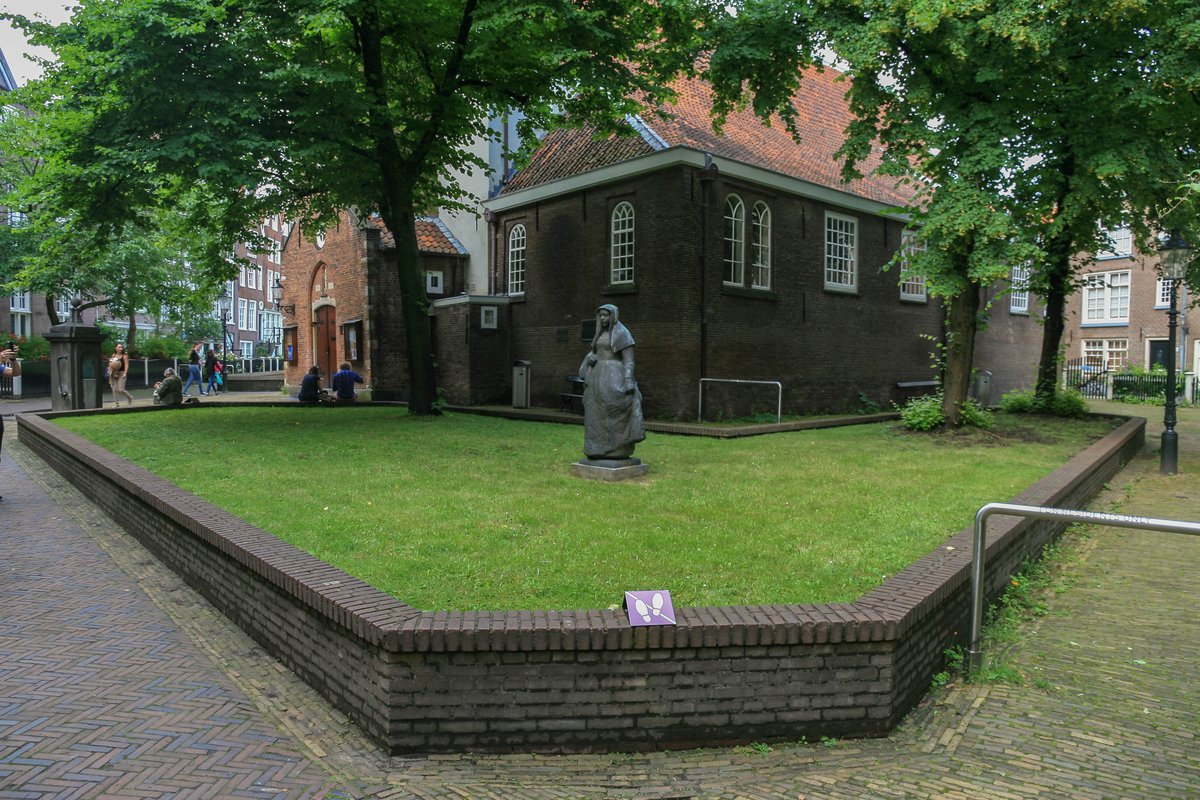
The Begijnhof saw significant changes during the Dutch Golden Age. Many of the current buildings date back to this period, reflecting the architectural styles of the time. The courtyard became a tranquil enclave amidst the bustling city, with its picturesque houses and manicured gardens providing a stark contrast to the surrounding urban environment (Wanderlusting K).
The Last Beguine and Modern Times
The last Beguine of Amsterdam passed away in 1971, marking the end of an era for the Begijnhof. In the years following her death, the Dutch government initiated a renovation plan to preserve the historical significance of the site. Although some original structures were lost, the restoration efforts aimed to maintain the Begijnhof's unique character. Today, the courtyard is still inhabited by single women, continuing the tradition of communal living (As the Bird Flies Blog).
The Houten Huys
One of the most notable buildings in the Begijnhof is the Houten Huys, or Wooden House, which dates back to around 1528. It is one of the few remaining wooden houses in Amsterdam, as most were destroyed in the fires of the medieval period. The Houten Huys stands as a testament to the architectural history of the city and the resilience of the Begijnhof community (Wanderlusting K).
The Engelse Kerk
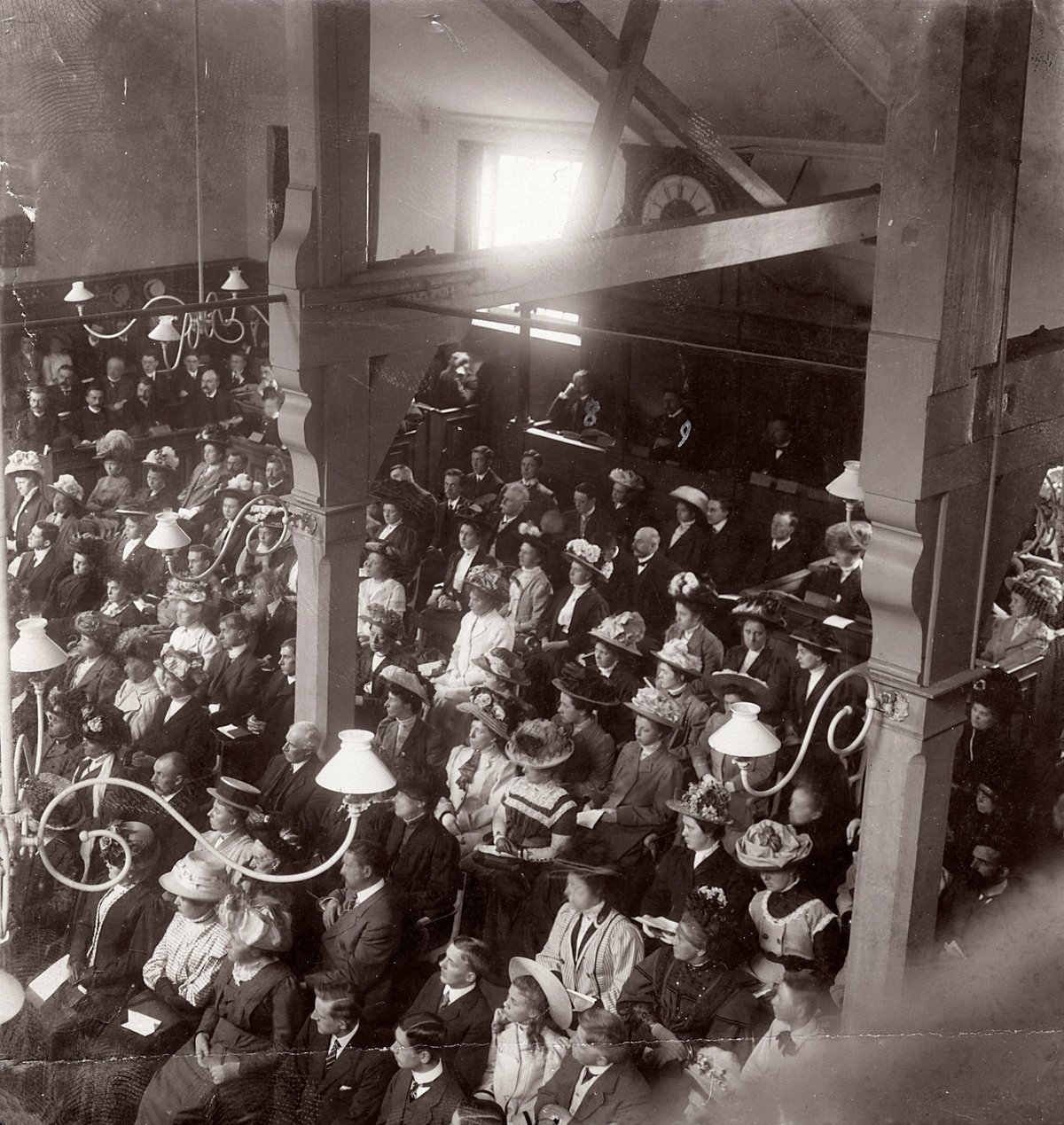
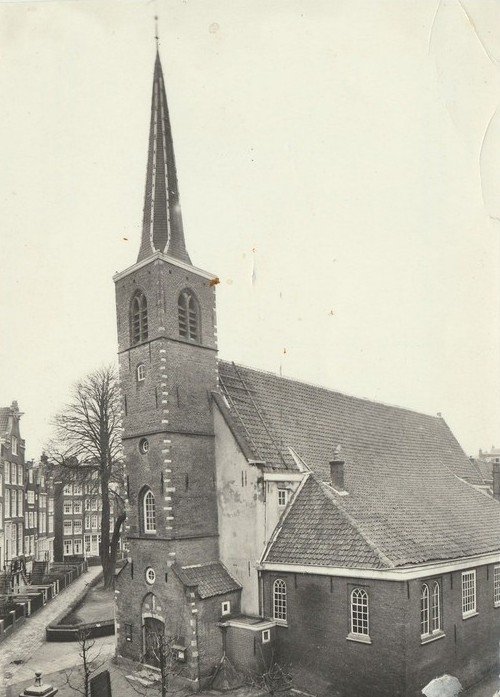
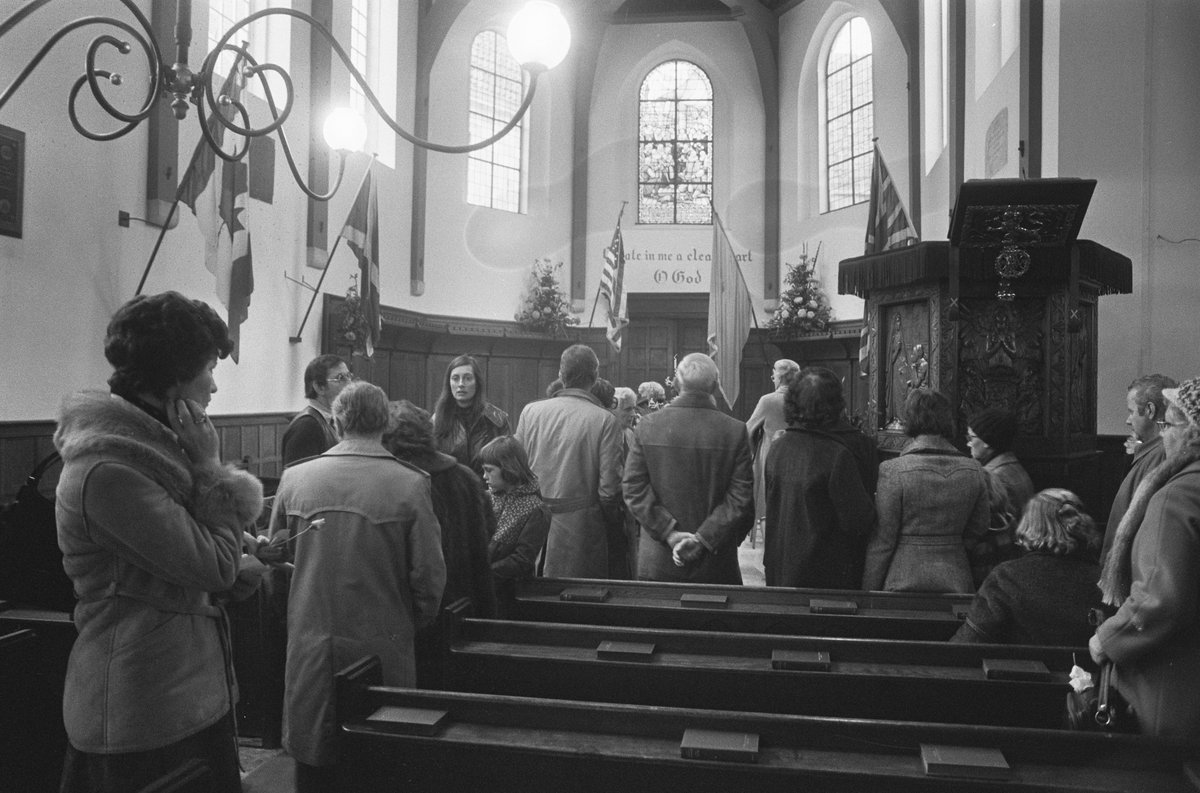
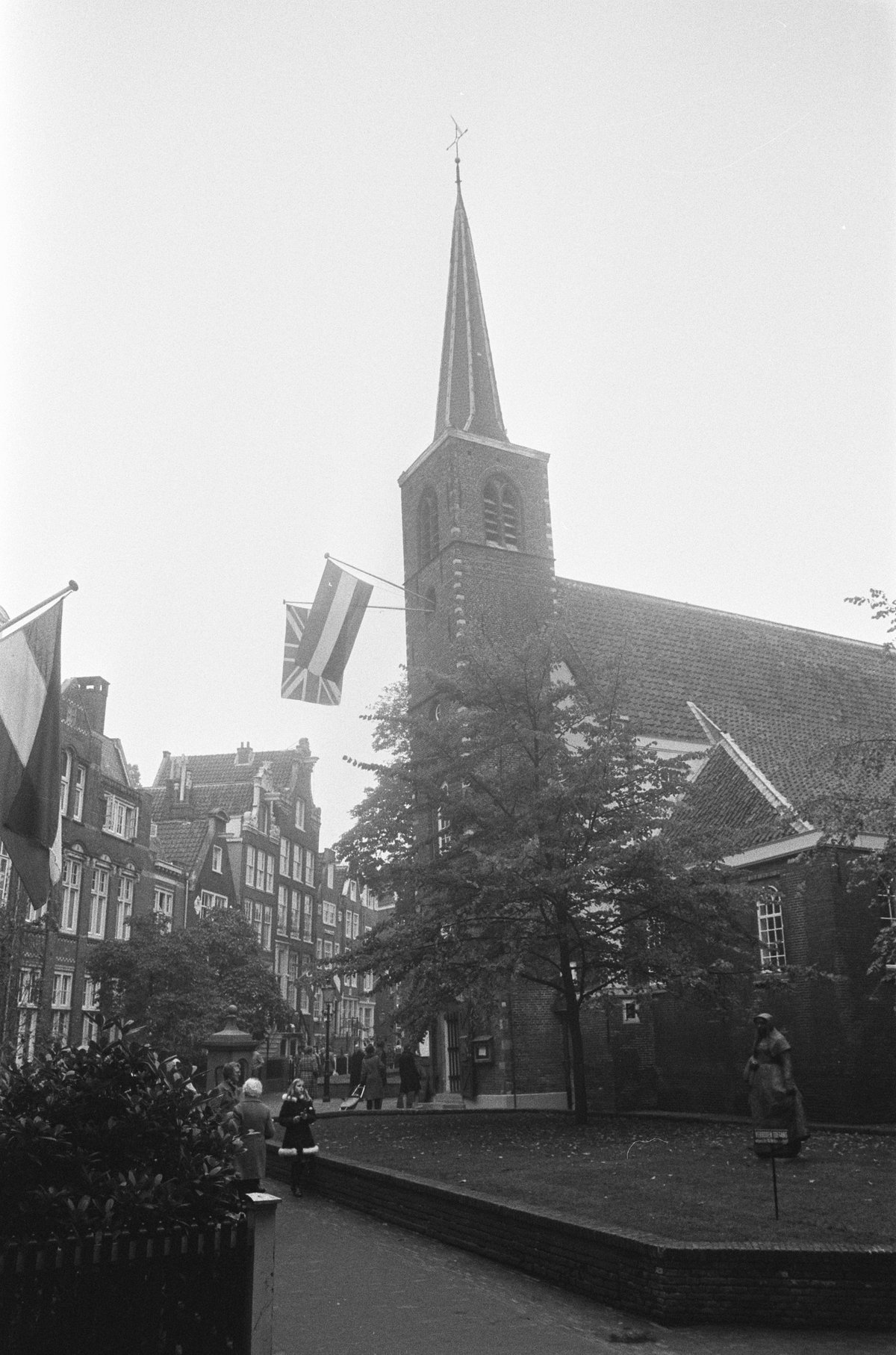
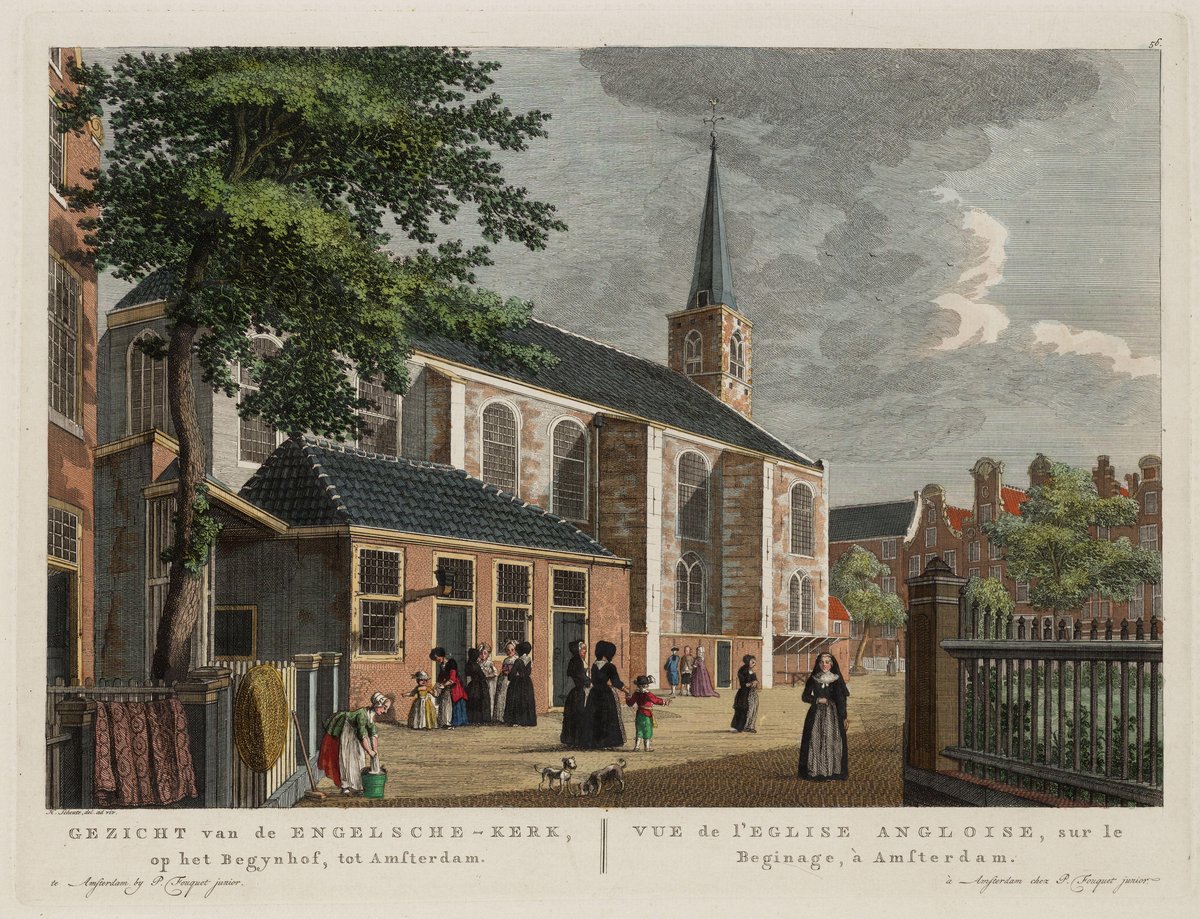
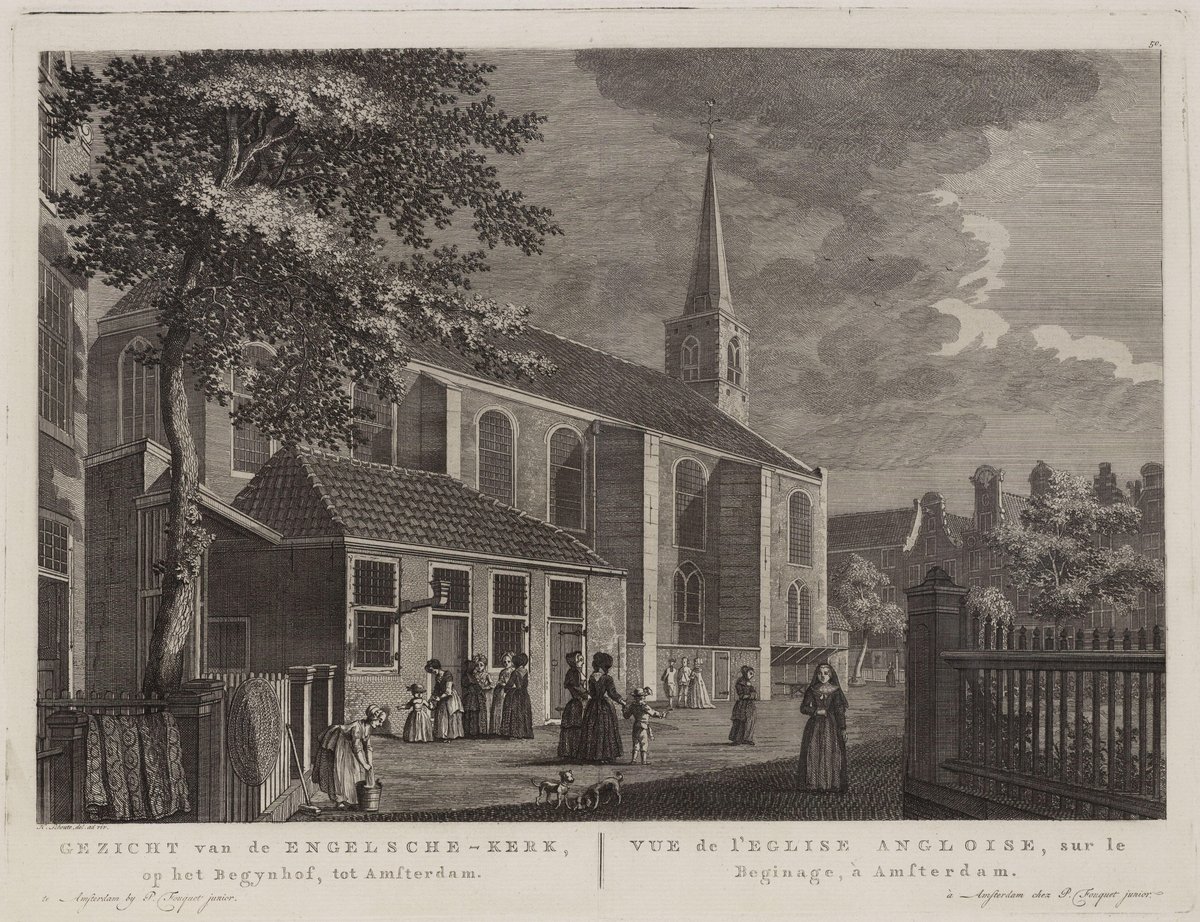
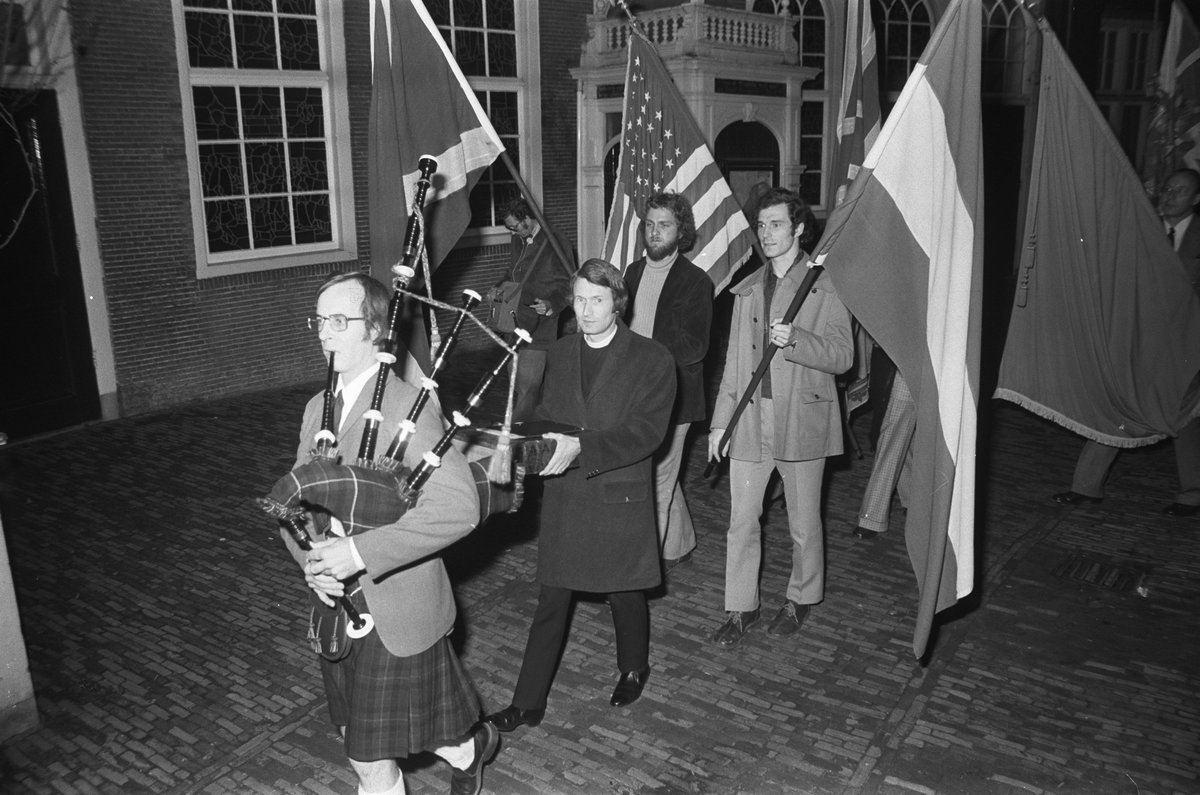
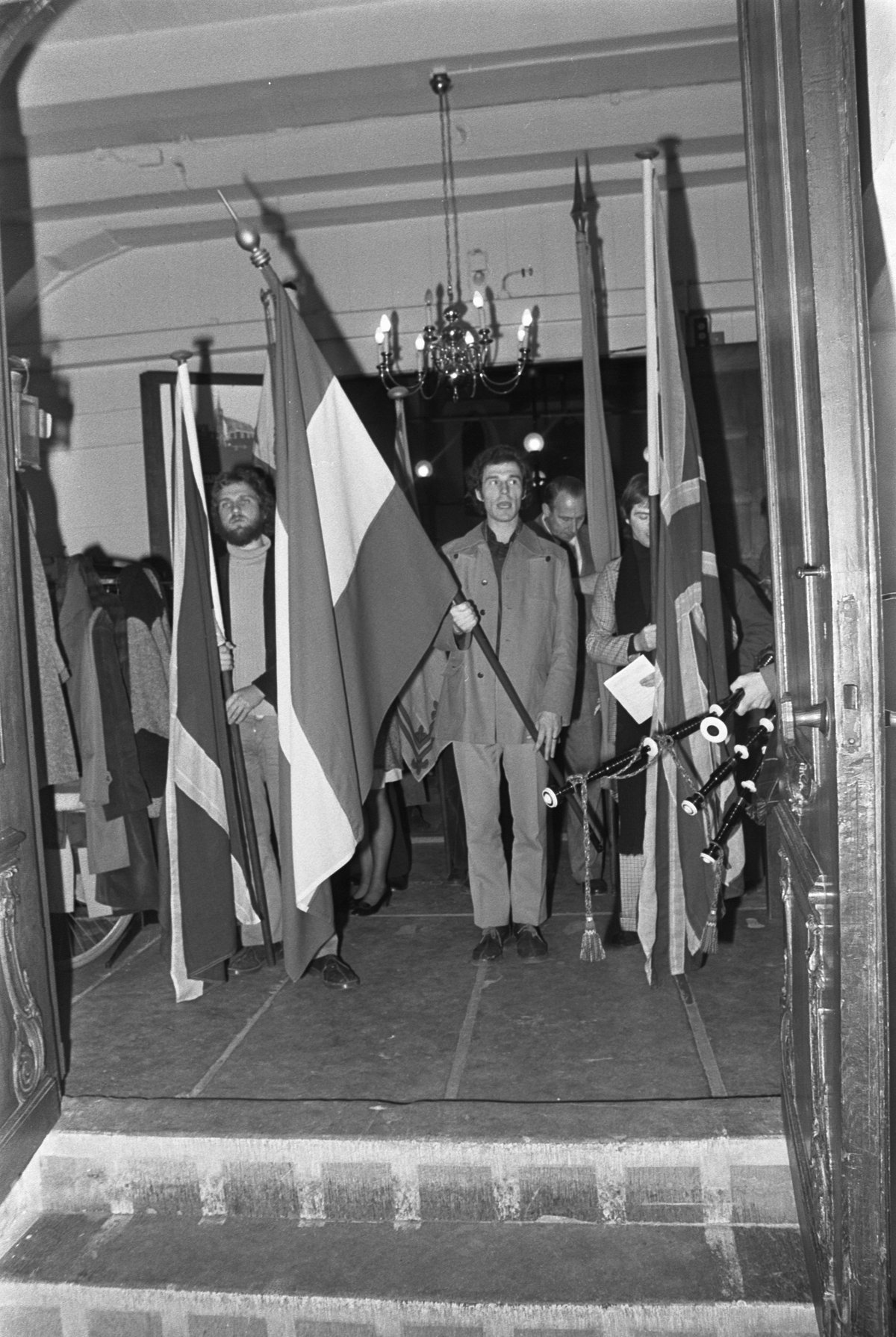
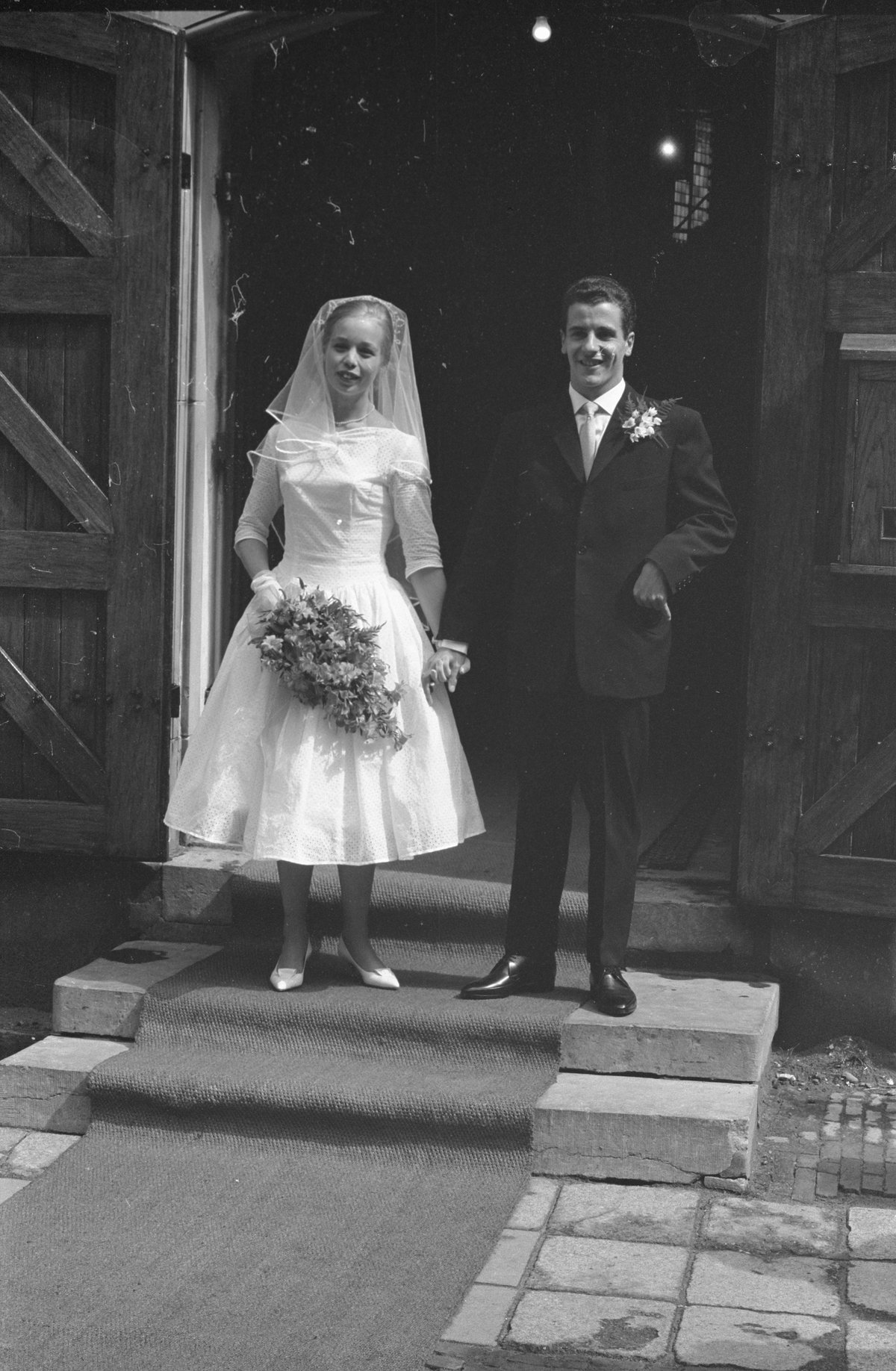
The center of the Begijnhof courtyard is dominated by the Engelse Kerk, a church dating back to the 15th century. Originally a Catholic church, it was later taken over by the English Reformed Church during the Protestant Reformation. Today, it serves as a place of worship for the English-speaking community in Amsterdam and remains a focal point of the Begijnhof (Amsterdam.net).
Visitor Information
Visiting Hours and Tickets
The Begijnhof is open to visitors daily from 9:00 AM to 5:00 PM. Admission is free, but donations are appreciated to help with the upkeep of this historic site. Guided tours are available and can be booked in advance through the official website (Dutch Amsterdam).
Accessibility
The Begijnhof is accessible to visitors with mobility issues, though some areas may have uneven surfaces. It is advisable to wear comfortable shoes and take care when navigating the courtyard.
Travel Tips and Nearby Attractions
- Best Times to Visit: The Begijnhof is less crowded in the early morning or late afternoon. Weekdays are generally quieter than weekends.
- Nearby Attractions: The Amsterdam Museum, the Anne Frank House, and the Flower Market are all within walking distance and make for excellent additions to your itinerary.
- Photography: While photography is allowed, visitors are encouraged to be respectful and avoid photographing residents.
Preservation and Tourism
In recent years, the Begijnhof has become a popular tourist destination, attracting visitors with its serene atmosphere and historical significance. Despite the influx of tourists, the residents and local authorities strive to maintain the tranquility and sanctity of the courtyard. Visitors are encouraged to respect the privacy of the inhabitants and adhere to guidelines such as remaining silent, not littering, and avoiding the grass (Wanderlusting K).
Cultural Significance
The Begijnhof holds a special place in Amsterdam's cultural and religious history. It serves as a reminder of the city's Catholic heritage and the resilience of the Beguine community during times of religious persecution. The courtyard's continued use as a residence for single women also highlights the enduring legacy of communal living and mutual support that defined the Beguine way of life (As the Bird Flies Blog).
FAQ
Q: What are the visiting hours for the Begijnhof? A: The Begijnhof is open daily from 9:00 AM to 5:00 PM.
Q: Is there an admission fee to visit the Begijnhof? A: No, admission is free, but donations are appreciated.
Q: Are guided tours available? A: Yes, guided tours can be booked in advance through the official website.
Q: Is the Begijnhof accessible for visitors with mobility issues? A: Yes, though some areas may have uneven surfaces. It's advisable to wear comfortable shoes.
Tickets & tours.
These are guided options from our partners — same price as booking direct.
Prices are indicative — final pricing and availability are confirmed at checkout. Audiala may earn a commission from bookings made through these links.
Listen to the full story in the app
The whole English Reformed Church, Amsterdam,
told well.
Audio guides for 1,100+ cities across 96 countries. History, stories, and local insight — offline ready.
Verified, and shown.
Researched and written by the Audiala editorial team from historical records, architectural archives, and local expertise.
Researched from Wikidata, Wikipedia & official sources · fact-checked · How we make our guides →