Plan and listen to Dutch Resistance Museum with Audiala.
Audio guide in your pocket, itinerary in your browser. Built for the way you actually visit.
Introduction
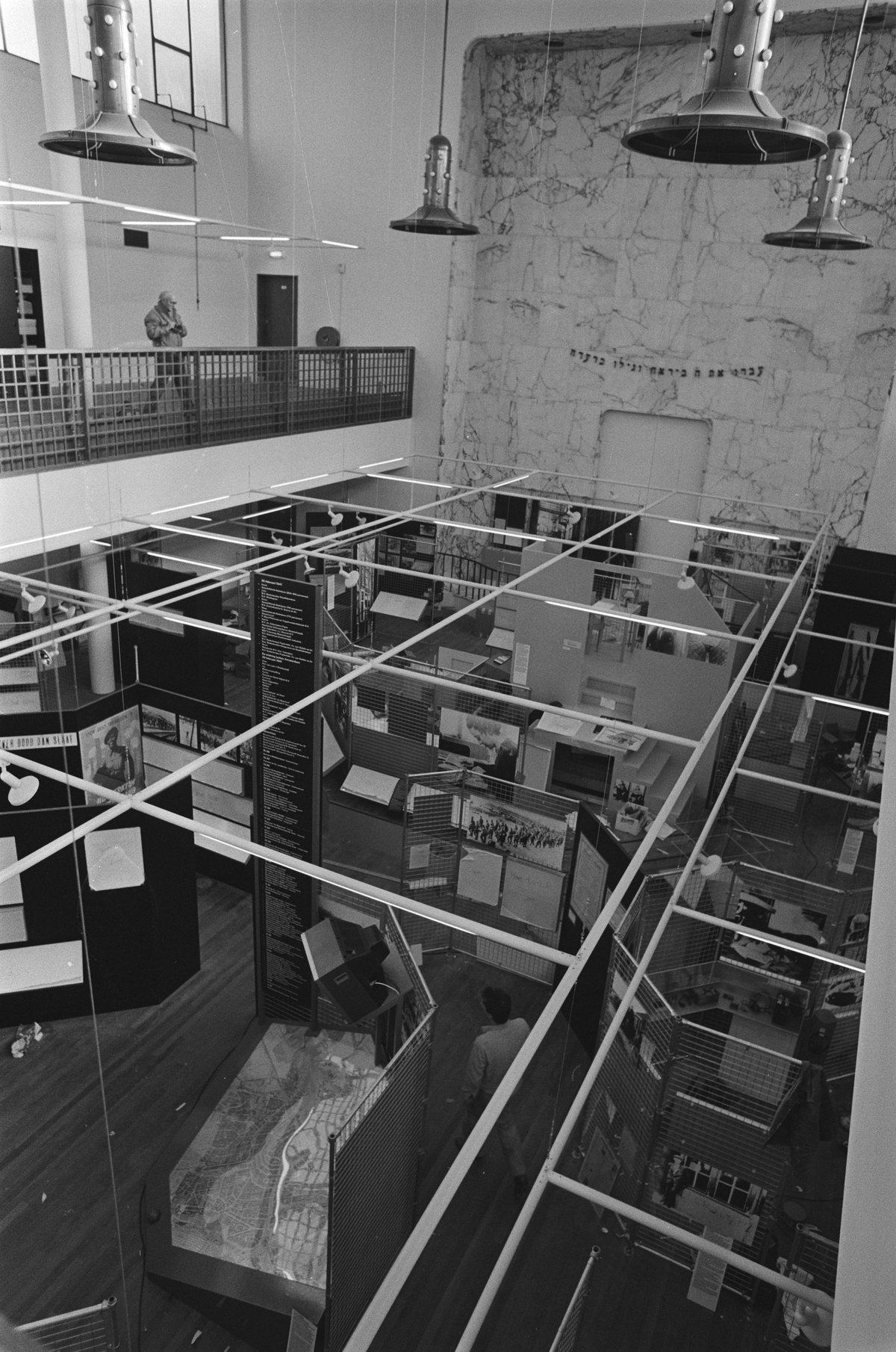
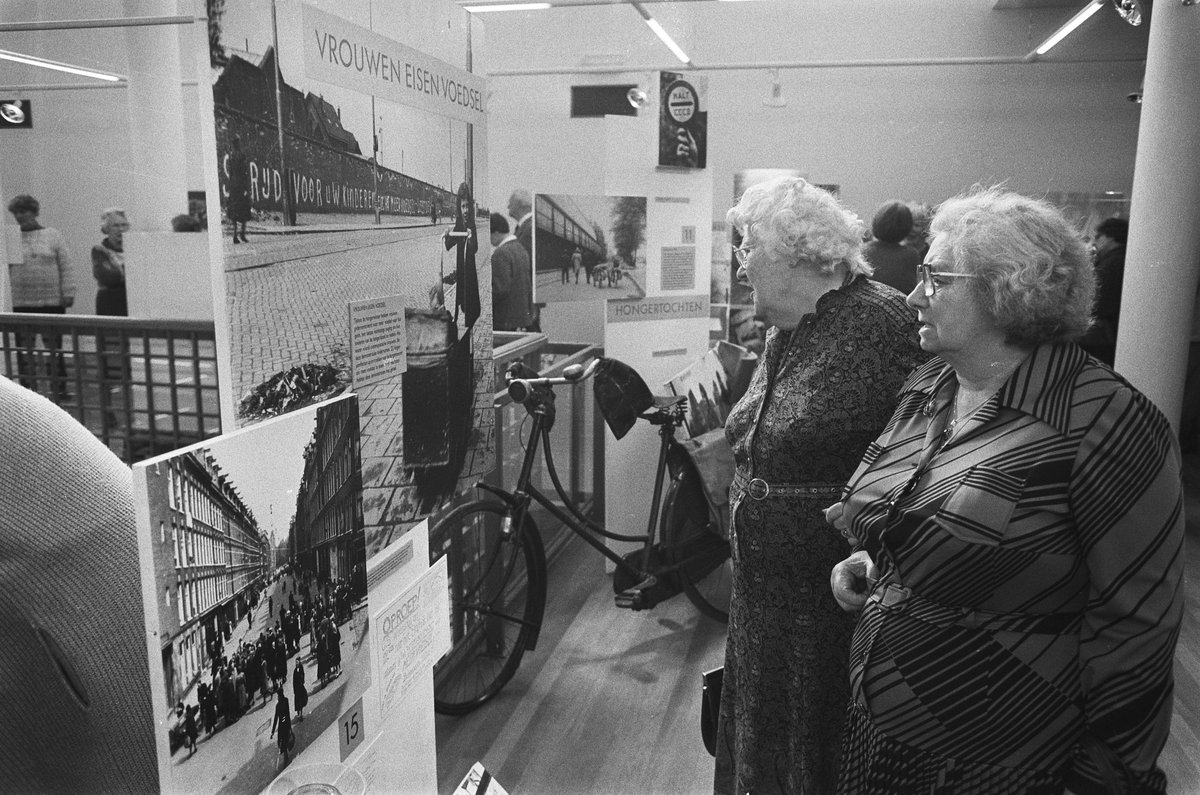
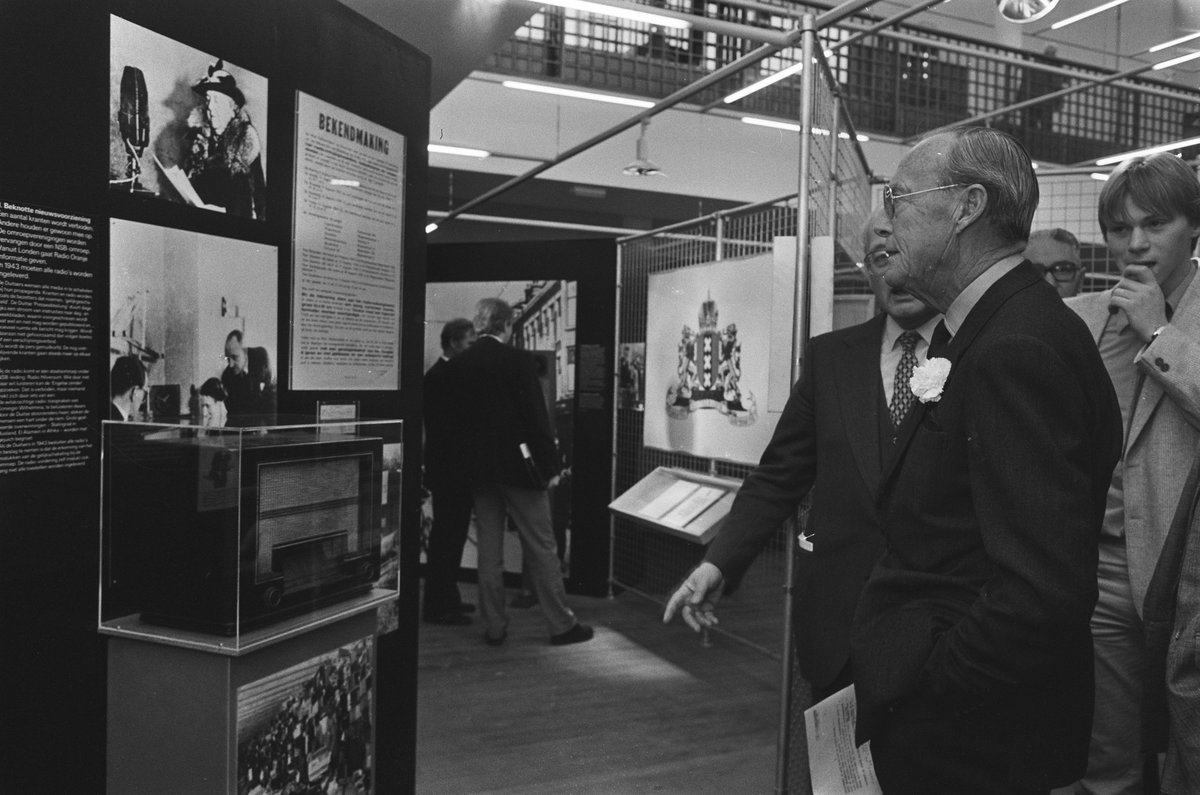
The Dutch Resistance Museum (Verzetsmuseum) in Amsterdam offers visitors a moving, in-depth look into the Netherlands during World War II. Located in the historic Plantage district, the museum stands as a vital testament to the courage, sacrifice, and moral dilemmas faced by Dutch citizens under Nazi occupation from 1940 to 1945. Through personal stories, authentic artifacts, interactive displays, and multimedia testimonies, visitors gain a nuanced understanding of both resistance and daily life during this era. The museum’s educational mission is rooted in empathy and critical reflection, making it a meaningful destination for all ages, especially families through its acclaimed Resistance Museum Junior section. This guide covers everything you need to plan your visit, including opening hours, ticketing, accessibility, highlights of the museum’s exhibitions, and nearby attractions. For the latest details, consult the Dutch Resistance Museum official website and the I amsterdam tourism portal.




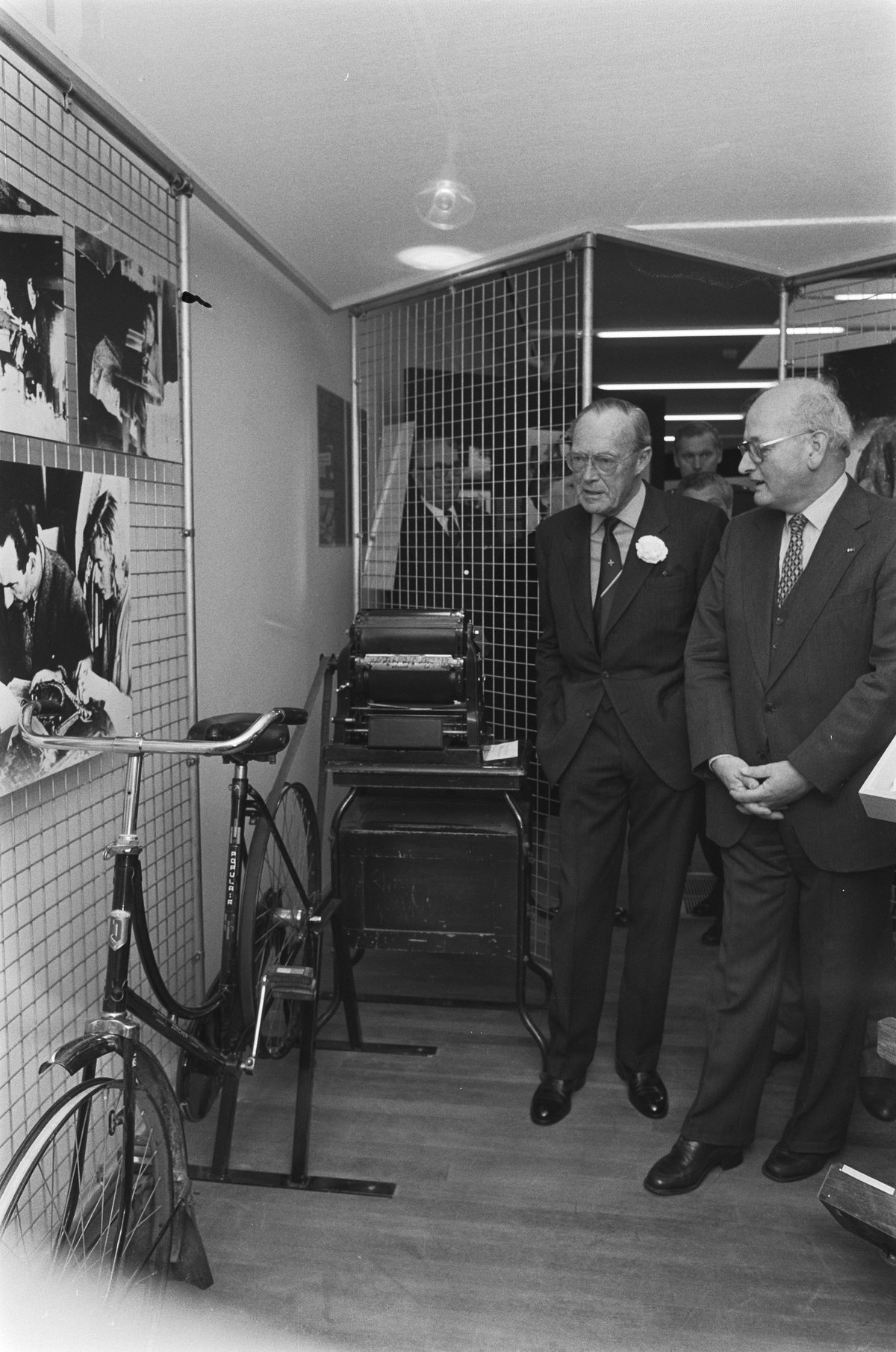
Historical Background: The German Occupation of the Netherlands (1940–1945)
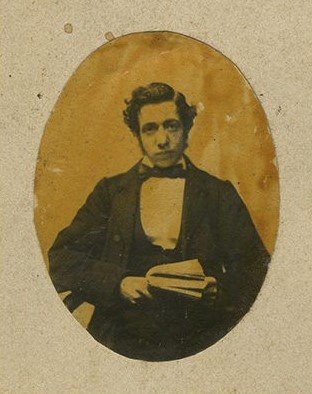
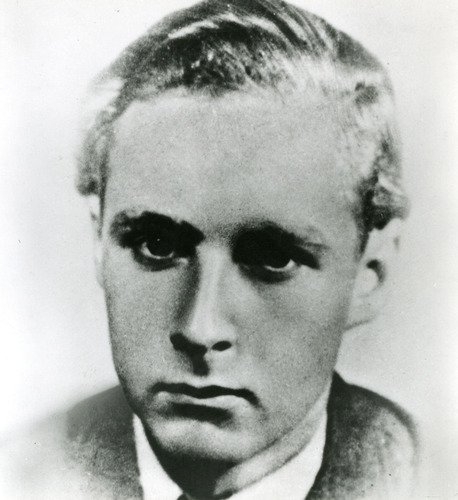
The Nazi occupation of the Netherlands began on May 14, 1940, and lasted until liberation on May 5, 1945. During these five years, Dutch society was subjected to oppression, strict control, censorship, forced labor, and the systematic persecution of Jews and other minorities. The infamous “Hunger Winter” of 1944–45 inflicted further hardship, with severe shortages of food and fuel. Amid these conditions, many Dutch citizens bravely joined the resistance—sabotaging Nazi operations, forging documents, publishing underground newspapers, and helping persecuted individuals, all at great personal risk (Wikipedia, Amsterdam.info).
The Dutch Resistance Monument: History & Visitor Information
Location
The Dutch Resistance Monument is centrally located in Amsterdam, easily accessible by public transport and within walking distance of other major historical sites.
Hours & Tickets
As an open-air memorial, the monument is accessible 24/7, year-round, and is free to visit. Those interested in guided experiences or museum visits nearby (such as the Verzetsmuseum) should check official websites for current ticketing and schedules.
Guided Tours & Events
Many Amsterdam WWII history tours include the monument as a key stop. Annual commemorative events, especially on Liberation Day (May 5), draw both visitors and locals.
Accessibility
Paved paths and nearby public transit ensure the monument is wheelchair accessible and welcoming to all visitors.
Nearby Historical Sites & Attractions
- Dutch Resistance Museum (Verzetsmuseum): Essential WWII exhibitions.
- Anne Frank House: Museum dedicated to the famous diarist.
- Dam Square: The city’s central square, surrounded by historic buildings.
- Jewish Historical Museum: In-depth exploration of Jewish life in the Netherlands.
Museum Origins & Mission
Founded to document and interpret the experiences of ordinary Dutch people under Nazi occupation, the Verzetsmuseum is located in the Plantage district, near the Jewish Quarter (Verzetsmuseum). The museum’s mission is to promote understanding of freedom, tolerance, and democracy, engaging visitors with personal stories and ethical questions about resistance, collaboration, and survival (I amsterdam).
Permanent & Temporary Exhibitions
WWII Netherlands Exhibit
The main exhibit presents a chronological and thematic journey through the occupation, featuring:
- Over 100 personal stories via multimedia and artifacts
- Forged identity documents, clandestine newspapers, ration cards
- Interactive kiosks and films that pose ethical dilemmas
- Focus on the underground press and efforts to hide persecuted groups (WhichMuseum)
Dutch Colonies & WWII
A dedicated section explores WWII’s impact on Dutch colonies, especially the Dutch East Indies (now Indonesia), and the struggle for independence (I amsterdam).
Resistance Museum Junior
An acclaimed children’s section, this interactive area tells the stories of four Dutch children, immersing young visitors in wartime experiences through reconstructed rooms and hands-on storytelling (Verzetsmuseum).
Current & Upcoming Exhibits
The museum hosts several temporary exhibitions each year. Recent topics include the life of Josephine Baker as a resistance figure, Dutch resistance photography, and stories from the Dutch East Indies (WhichMuseum).
Visitor Experience & Practical Information
Accessibility & Facilities
The museum is fully wheelchair accessible, with aids for visitors with visual and hearing impairments (I amsterdam).
Audio Guides & Languages
Free audio guides are available in Dutch, English, German, French, Italian, Portuguese, Spanish, and Dutch Sign Language. They can be used on museum devices or downloaded to personal smartphones (Verzetsmuseum - Tickets).
Location & Opening Hours
- Address: Plantage Kerklaan 61, 1018 CX, Amsterdam (Verzetsmuseum - Address and Opening Hours)
- Public Transport: Tram 14 (“Artis” stop), Metro 51/53/54 (“Waterlooplein”), Bus 43/22 (“Kadijksplein”), Cultuurferry (Entrepotdok)
- Hours:
- Mon–Fri: 10:00 am – 5:00 pm
- Sat & Sun: 11:00 am – 5:00 pm
- Closed: New Year’s Day, King’s Day, Christmas Day. See official site for holiday exceptions.
Tickets & City Card
- Adults: €16
- Students/Children (7–16): €8.50
- Under 6: Free
- I amsterdam City Card, Museumkaart, ICOM, Stadspas, VriendenLoterij VIP-KAART, Vriendenpas: Free
- Purchase: Book online (Tickets), or show discount cards at the counter.
Visit Duration & Amenities
- Suggested Duration: 1.5–2.5 hours for full experience (Rick Steves Community)
- Facilities:
- Café-restaurant (Plancius Building)
- Gift shop
- Restrooms
- Luggage storage not available (use Centraal Station)
Travel Tips & Nearby Attractions
- Best Times: Weekday mornings or early afternoons.
- Nearby: Artis Zoo, Hortus Botanicus, NEMO Science Museum, Rembrandt House Museum.
- Photography: Confirm policies with staff on arrival.
Visuals & Media
- High-quality images of the museum exterior, interactive exhibits, and Resistance Museum Junior enrich your visit.
- Virtual tour and maps available online.
Tips for a Memorable Visit
- Book in advance during peak seasons (Tickets).
- Use audio guides for deeper engagement.
- Allow at least 2 hours to explore exhibits.
- Combine your visit with nearby museums and historical sites.
- Family-friendly: Resistance Museum Junior is ideal for children 9–14.
Group Visits & Educational Programs
- Group bookings: Required for 10+ people (Tickets).
- School visits: Tailored educational tours and programs available.
- Traveling exhibitions: “Resistance Museum Junior on Wheels” for schools and communities.
Accessibility & Inclusivity
- Fully wheelchair accessible.
- Audio guide in Dutch Sign Language.
- Benches and rest areas throughout the museum.
Frequently Asked Questions (FAQ)
Q: What are the museum’s opening hours?
A: Mon–Fri: 10:00 am–5:00 pm; Sat & Sun: 11:00 am–5:00 pm. Closed on major holidays.
Q: How do I buy tickets?
A: Online or at the museum; City Card and discount pass holders do not need reservations.
Q: Is the museum wheelchair accessible?
A: Yes, with additional aids for visual/hearing impairments.
Q: Are audio guides available?
A: Yes, in multiple languages and Dutch Sign Language.
Q: Can I combine my visit with other Amsterdam sites?
A: Absolutely; the museum is close to several major attractions.
Tickets & tours.
These are guided options from our partners — same price as booking direct.
Prices are indicative — final pricing and availability are confirmed at checkout. Audiala may earn a commission from bookings made through these links.
Listen to the full story in the app
The whole Dutch Resistance Museum,
told well.
Audio guides for 1,100+ cities across 96 countries. History, stories, and local insight — offline ready.
Verified, and shown.
Researched and written by the Audiala editorial team from historical records, architectural archives, and local expertise.
Researched from Wikidata, Wikipedia & official sources · fact-checked · How we make our guides →