Introduction
De Krijtberg Church, officially dedicated to St. Francis Xavier and located on Amsterdam’s scenic Singel canal, stands as a testament to the city’s rich Catholic heritage, Neo-Gothic architectural splendor, and vibrant community life. From its clandestine beginnings as a hidden church during the Reformation to its prominent 19th-century structure, De Krijtberg embodies centuries of religious resilience, Jesuit influence, and artistic achievement. This comprehensive guide provides everything you need for your visit, including historical context, visiting hours, ticketing, accessibility, nearby attractions, and tips for an enriching experience. For the latest updates, always check the official De Krijtberg website and reputable travel resources (Adequate Travel, Sacred Wanderings).
Photo Gallery
Explore De Krijtberg in Pictures
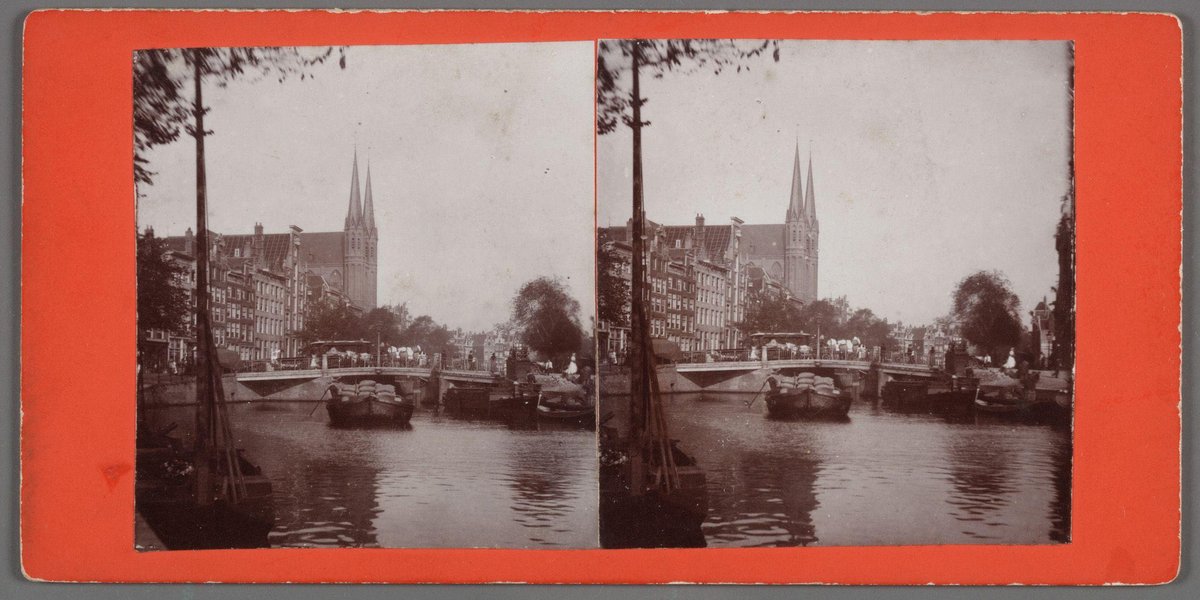
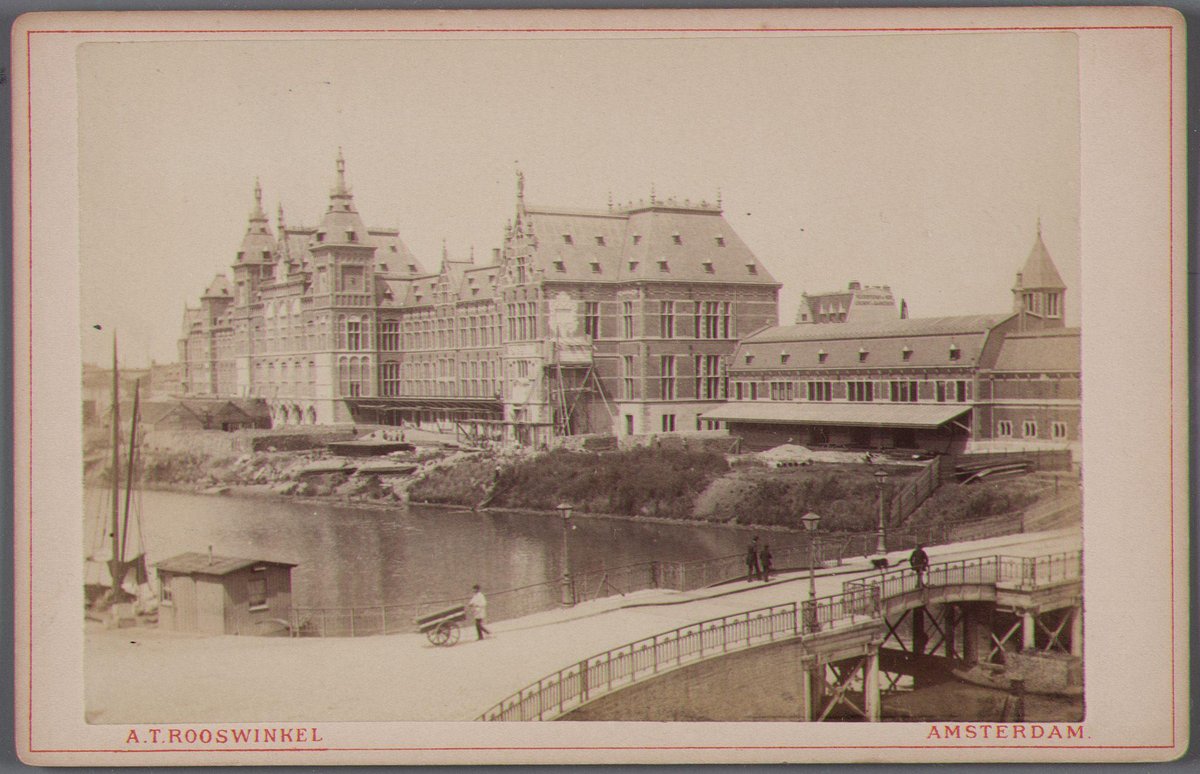
Historic photograph of Singel street numbers 446 to 472 from right to left, showing the bridge connecting Koningsplein and Heiligeweg in Amsterdam. The image features the R.K. Church De Krijtberg at number 446, taken by A.T. Rooswinkel as part of the Stadsarchief Amsterdam stereophoto collection.

Photo of Singel street numbers 446-472 seen from the bridge between Koningsplein and Heiligeweg in Amsterdam. Features the Roman Catholic Church De Krijtberg at number 446. Part of the Amsterdam City Archives stereophotos collection by A.T. Rooswinkel.
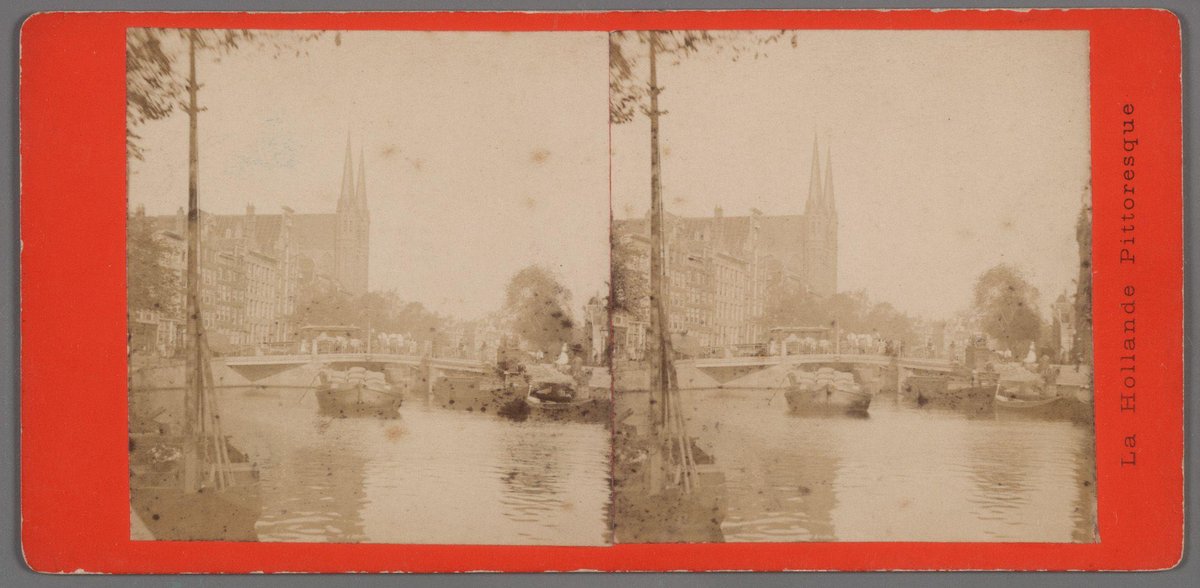
Photograph depicting buildings Singel 446-472 from right to left, showing the R.K. church De Krijtberg near the bridge connecting Koningsplein and Heiligeweg in Amsterdam. Image by A.T. Rooswinkel from the Collection of Stadsarchief Amsterdam's stereophotos series.
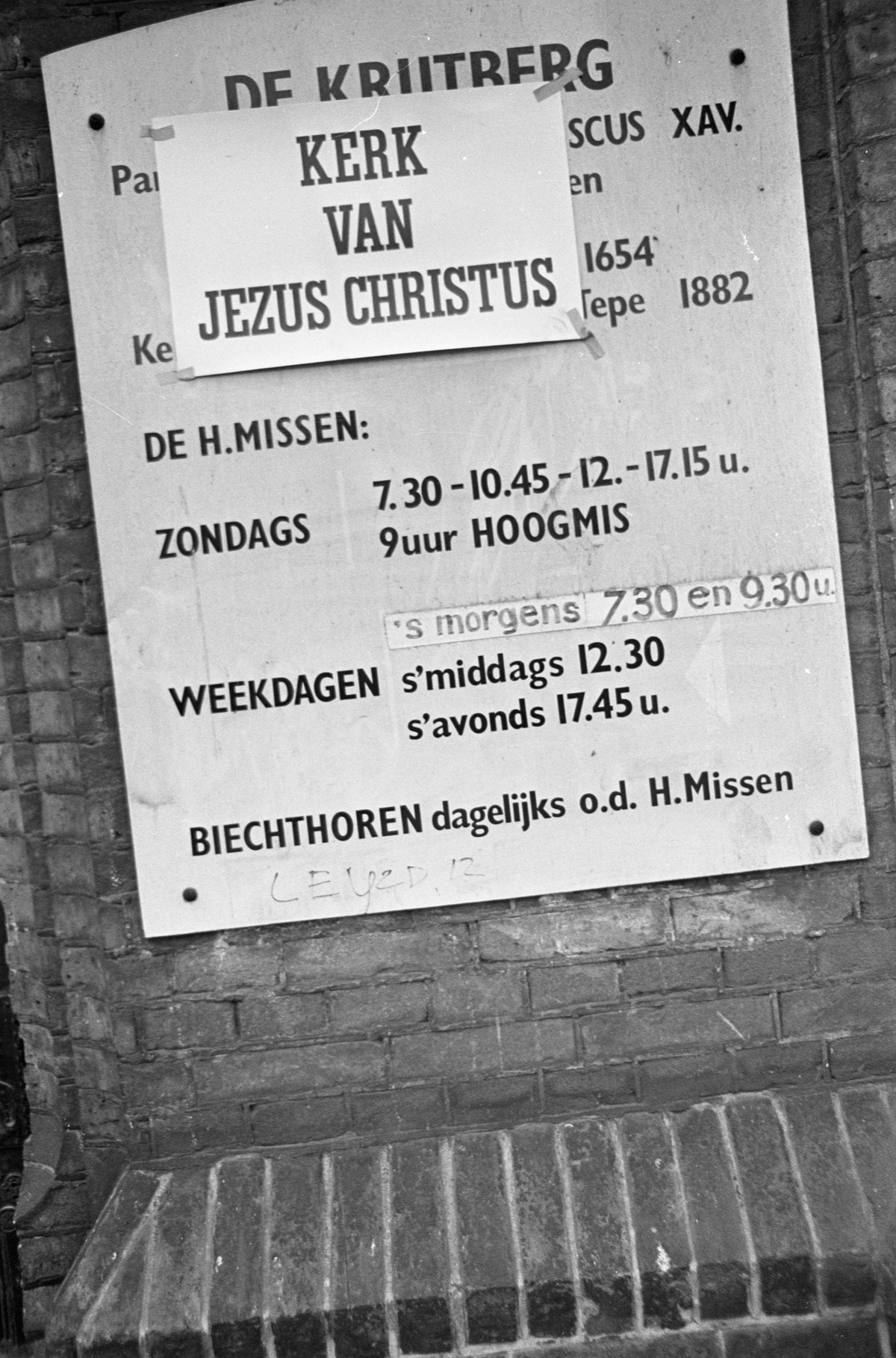
Historical black and white photograph showing posters displayed on all churches in Amsterdam, specifically at De Krijtberg located on the Singel canal, taken on January 24, 1967 by photographer Jac. de Nijs from Anefo, preserved at the Nationaal Archief.
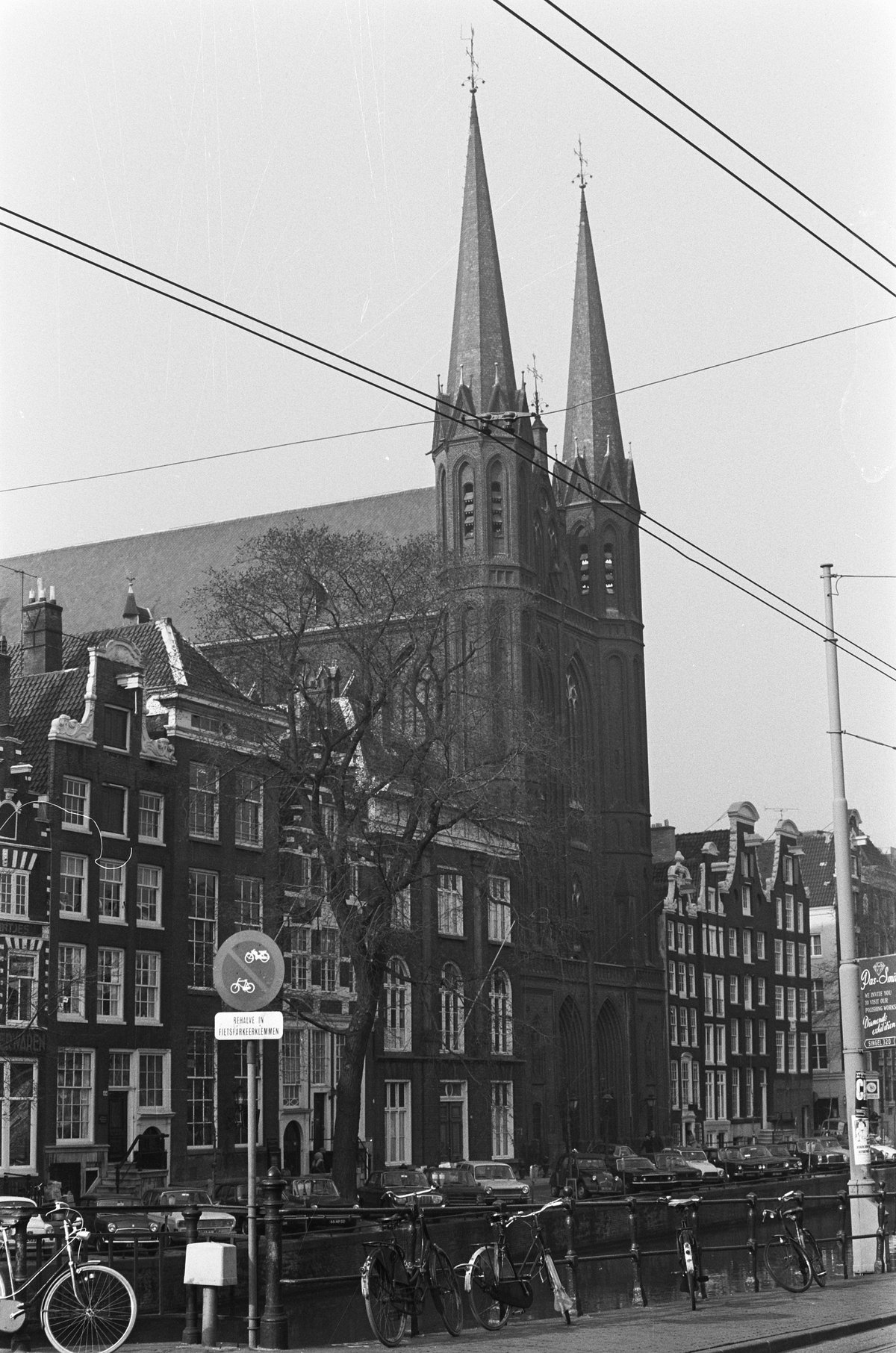
Black and white photograph of the Neogothic facade of the St. Franciscus Xaveriuskerk, known as De Krijtberg, located at the Singel canal in Amsterdam, taken in 1974 as part of a series on protected church buildings.
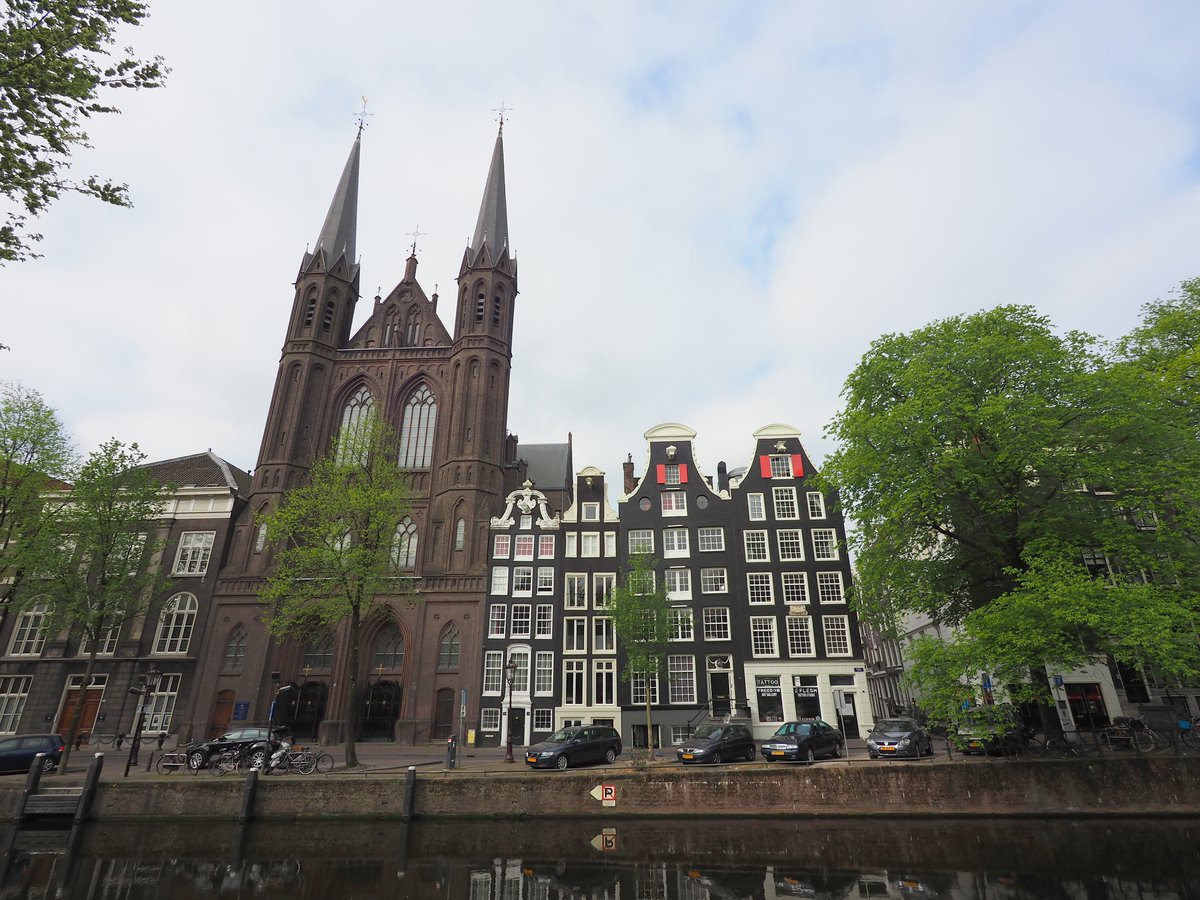
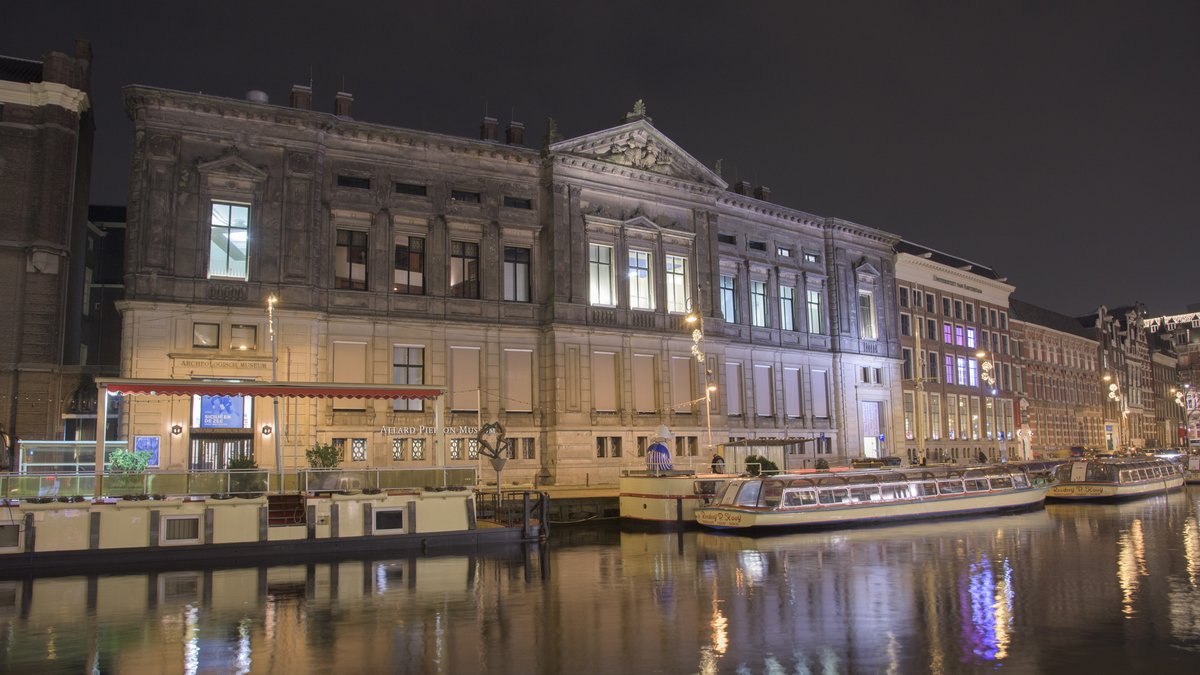
Photograph of De Krijtberg church's exterior located along the Singel canal in Amsterdam, showcasing historic architecture and canal reflections.
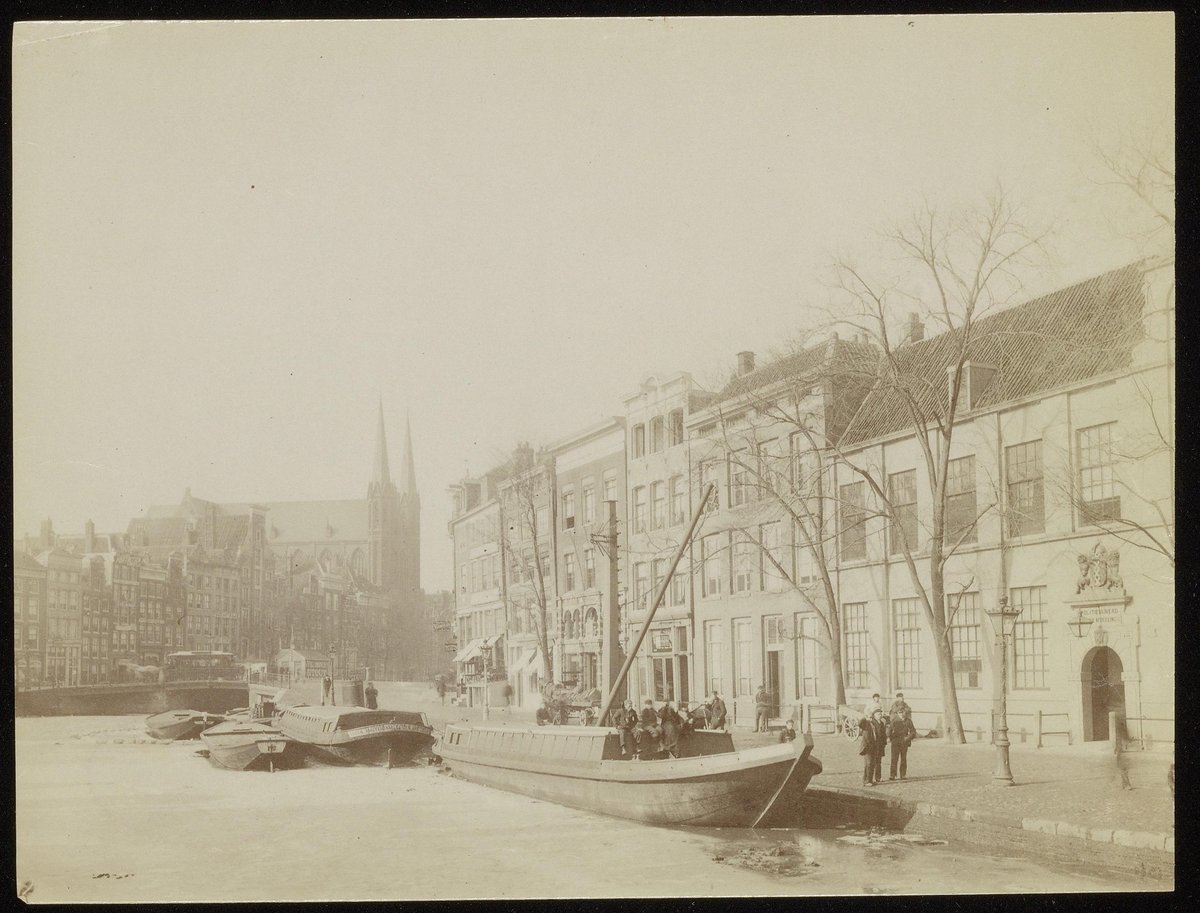
Historic photograph of the Singel canal in Amsterdam circa 1890, showing the canal viewed westwards towards the Roman Catholic church 'De Krijtberg'. Includes buildings along Singel 441-453 on the right and Singel 448-476 in the background. Photo by Gebroeders Douwes, from the Stadsarchief Amsterdam
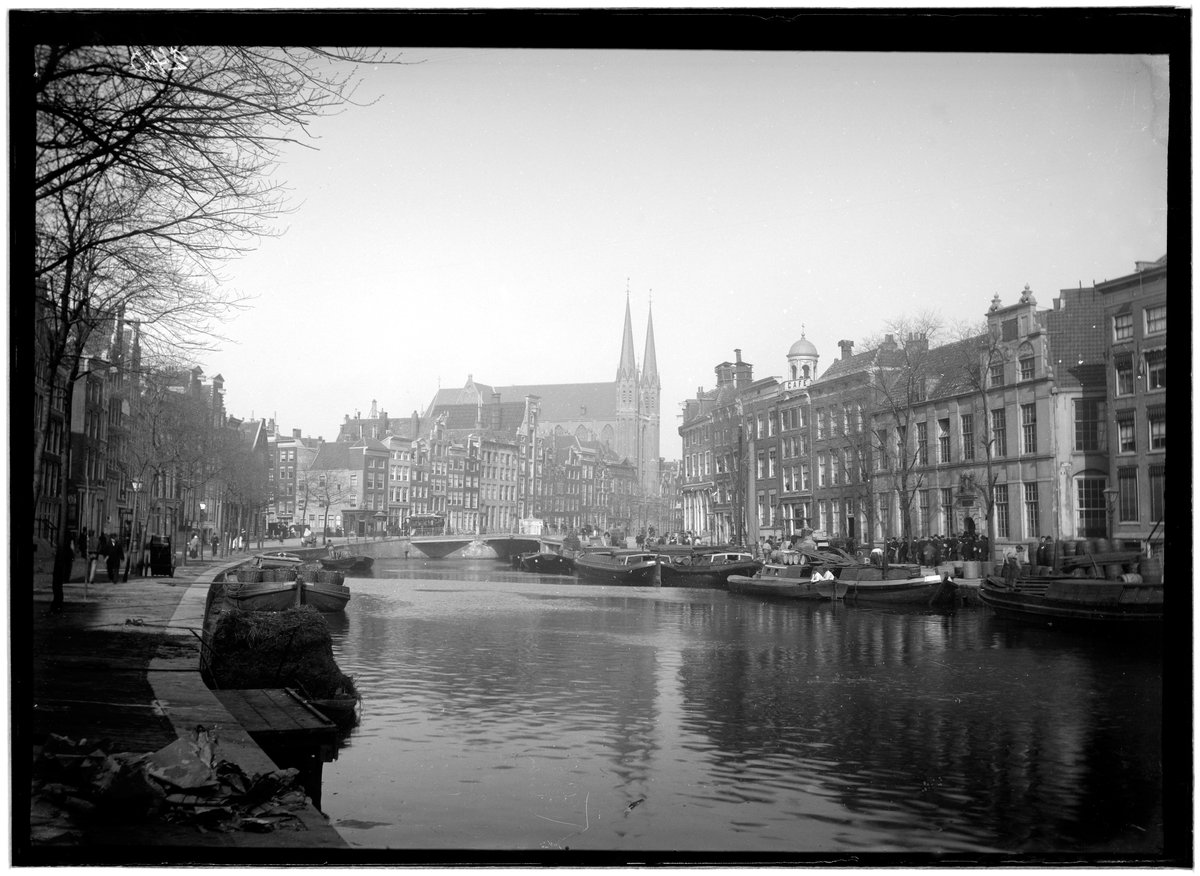
Historical photograph of the Singel canal taken from Geelvinksteeg towards the Heiligewegsluis bridge (Bridge 2) between Koningsplein and Heiligeweg in Amsterdam. The image features the former Gymnasium building on the right and the Roman Catholic Saint Francis Xavier Church (nicknamed Krijtberg) at
History and Jesuit Legacy
Clandestine Origins
Following the Protestant Reformation in the 16th century, the public practice of Catholicism was banned in Amsterdam. Catholics worshiped in hidden churches (“schuilkerken”), supported by the Jesuit order, which played a pivotal role in sustaining faith during this era. The first Jesuit chapel on Herengracht grew into a larger, secret church behind the house "De Crytbergh" on the Singel canal in 1654. The nickname “Krijtberg” comes from the chalk cliffs of southern England, referencing trade links of the original owner. Access was via the narrow Katersteeg alley, which still exists (Krijtberg History).
Religious Emancipation and Construction
The 19th century ushered in religious freedom, culminating in the restoration of the Catholic hierarchy in 1853. This allowed for public church construction, and in 1881, work began on the new De Krijtberg church. The current Neo-Gothic building, completed in 1883, marks the end of centuries of suppression and stands as a symbol of Catholic perseverance (Krijtberg History).
The Jesuit Influence
Since 1620, the Jesuits have guided the parish, fostering liturgical innovation, education, and social outreach. The church remains dedicated to St. Francis Xavier, co-founder of the Jesuit order, reflecting its ongoing mission of spiritual guidance and cultural engagement (Sacred Wanderings).
Architectural and Artistic Highlights
Neo-Gothic Design
Architect Alfred Tepe, a leading figure of the Utrecht School, designed De Krijtberg to fit Amsterdam’s narrow canal-side plots. The church’s verticality, twin 58-meter spires, pointed arches, and elaborate tracery are classic Neo-Gothic features. The ornate façade is complemented by natural stone details and a rose window that fills the nave with light (Adequate Travel; Wikipedia).
Interior Masterpieces
Inside, the church boasts a richly decorated nave, polychrome arches, ribbed vaults, and gold-leaf ornamentation. The high altar, crafted by Friedrich Wilhelm Mengelberg, and vibrant stained-glass windows depicting saints and biblical scenes, highlight the church’s artistic heritage (Krijtberg History). An 18th-century Baroque statue of the Immaculate Conception and a 16th-century wooden relief of Mary and angels connect the church to its secret origins.
Musical and Artistic Life
The Michael Maarschalkerweerd organ, built in 1884, is renowned for its acoustics and is central to the church’s concert series. De Krijtberg regularly hosts sacred music performances, art exhibitions, and cultural events (Adequate Travel).
Religious and Community Life
Worship and Sacraments
De Krijtberg is an active parish, offering daily Masses in Dutch and English, Reconciliation, Eucharistic Adoration, and sacramental preparation. Special Masses in Latin and English, as well as services for weddings, baptisms, and funerals, are held regularly (Lonely Planet).
Inclusivity and Social Engagement
The church welcomes a diverse congregation, including locals, expatriates, and tourists, and is committed to social outreach and inclusivity, consistent with Jesuit values (Adequate Travel).
Visiting Hours, Tickets, and Accessibility
- Regular Hours: Typically open daily from 12:00 to 18:00; extended hours on Sundays and feast days.
- Entry Fee: Admission is free; donations are appreciated.
- Guided Tours: Available by request; check the official website for details.
- Accessibility: The church is wheelchair accessible, with ramps at the entrance and accessible restrooms. Some historic areas may have limited access; contact staff for assistance.
Always verify current opening times and special events on the official site.
How to Get There
- Address: Singel 446/448, 1017 AV Amsterdam
- Public Transport: Tram lines 1, 2, 5, 11, and 12 (stop: Koningsplein or Spui)
- Walking: About 20 minutes from Amsterdam Centraal Station
- Parking: Limited; public transport is recommended (Lonely Planet; IBecomingDutch)
View De Krijtberg Church on Google Maps
Visitor Etiquette and Experience
- Dress Code: Modest attire is recommended, especially during services.
- Photography: Permitted outside of services; avoid flash and disruptions during worship.
- Quiet Reflection: The church offers a tranquil environment for contemplation.
- Multilingual Information: Materials are available in multiple languages; staff are welcoming and helpful.
Nearby Attractions
De Krijtberg’s central location places it within walking distance of many notable Amsterdam sites:
- Begijnhof: Historic courtyard with medieval origins
- Spui: Lively square with cafés and bookshops
- Flower Market (Bloemenmarkt): Famous floating market
- Amsterdam Museum, Dam Square, Royal Palace: Major city landmarks
- Het Grachtenhuis: Museum of the Amsterdam canal ring
- Vondelpark, Rijksmuseum, Anne Frank House: All within a 15-minute walk (Lonely Planet)
FAQs
What are De Krijtberg’s opening hours?
Generally open daily from 12:00 to 18:00; extended hours on Sundays and feast days. Check the official website for updates.
Is there an admission fee or are tickets required?
No; admission is free, with voluntary donations welcome.
Are guided tours available?
Yes, for groups or individuals upon request.
Is the church wheelchair accessible?
Yes, though some historic areas may have limited access.
Are Masses held in English?
Yes, Masses are offered in Dutch and English.
Can I take photographs inside the church?
Yes, but please be respectful and avoid flash during services.
Listen to the full story in the app
Your Personal Curator, in Your Pocket.
Audio guides for 1,100+ cities across 96 countries. History, stories, and local insight — offline ready.
Audiala App
Available on iOS & Android
Join 50k+ Curators
Sources
- verified
- verified
- verified
- verified
- verified
- verified
- verified
Last reviewed: