Introduction
Nestled in Amsterdam’s historic canal belt, De Gouden Spiegel—“The Golden Mirror”—epitomizes the city’s rich cultural heritage and culinary excellence. Housed in a beautifully preserved stepped-gable canal house dating back to 1614, the restaurant is more than a place to dine; it is a living museum, offering a unique glimpse into the Dutch Golden Age. Its architectural details, such as original wooden beams, Delft tiles, and antique mirrors, immerse visitors in centuries-old history, while its contemporary Dutch cuisine celebrates local gastronomy.
De Gouden Spiegel’s location places it within easy reach of major Amsterdam historical sites, including the Anne Frank House and Rijksmuseum, making it an ideal destination for both culture enthusiasts and food lovers. This comprehensive guide outlines everything you need to know about visiting hours, reservations, accessibility, nearby attractions, and travel tips to ensure a memorable experience. For further details and planning resources, consult platforms like Iamsterdam, the MICHELIN Guide, and the official De Gouden Spiegel website.
Photo Gallery
Explore De Gouden Spiegel in Pictures

A historic black and white print by L.W.R. Wenckebach showing Ossenspooksteeg 2 on the right and Kattengat 4, 6, and 8 buildings on the left, with a portion of the Round Lutheran Church visible on the far right. The print dates back to June 19, 1904, and is part of the Atlas Dreesmann Collection.

Hand-colored reproduction drawing by L.W.R. Wenckebach from June 19, 1904, depicting Ossenspooksteeg 2 (right), buildings at Kattengat 4, 6 and 8 (left), and part of the Ronde Lutherse Kerk in Amsterdam.

A historical print from June 19, 1904, showing Ossenspooksteeg 2 on the right and Kattengat 4, 6, and 8 on the left in Amsterdam, created by Ludwig Willem Reymert Wenckebach, part of the Stadsarchief Amsterdam collection.

Historical black and white photo showing buildings at Kattengat street numbers 4 to 8 in Amsterdam, circa 1930. Part of the Stadsarchief Amsterdam collection.

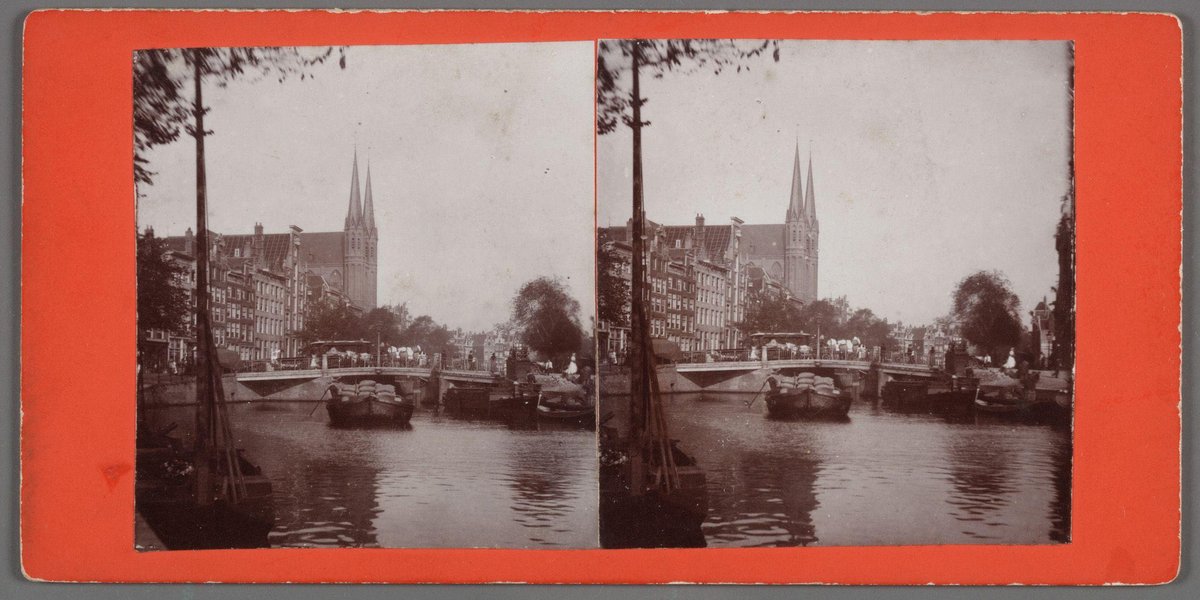
Historic black and white photo of Kattengat as seen from Klimopstraatje, featuring buildings numbered 4-8 and the round Lutheran church in the background. Taken in Amsterdam around 1945, part of the Stadsarchief Amsterdam photo collection.

Historical postcard image of two stepped gable houses at Kattengat 4-6, next to the Round Lutheran Church in Amsterdam, dated around 1929. Part of the Amsterdam City Archives postcard collection.

Black and white postcard image from the Amsterdam City Archives showing two adjacent stepped gable buildings at Kattengat 4-6, merged into the restaurant De Silveren Spiegel, located next to the Round Lutheran Church in Amsterdam, dating around 1932.

Historic street scene of Kattengat 4-8 at the corner of Koggestraat with the Ronde Lutherse Kerk visible in the background, Amsterdam around 1920, from the Stadsarchief Amsterdam postcard collection.

Black and white photo from 1952 showing two leaning 17th-century facades at Kattegat in Amsterdam with the round Lutheran Church in the background. The buildings are visibly tilting due to foundation subsidence. Historic architecture captured in Amsterdam, Noord-Holland.

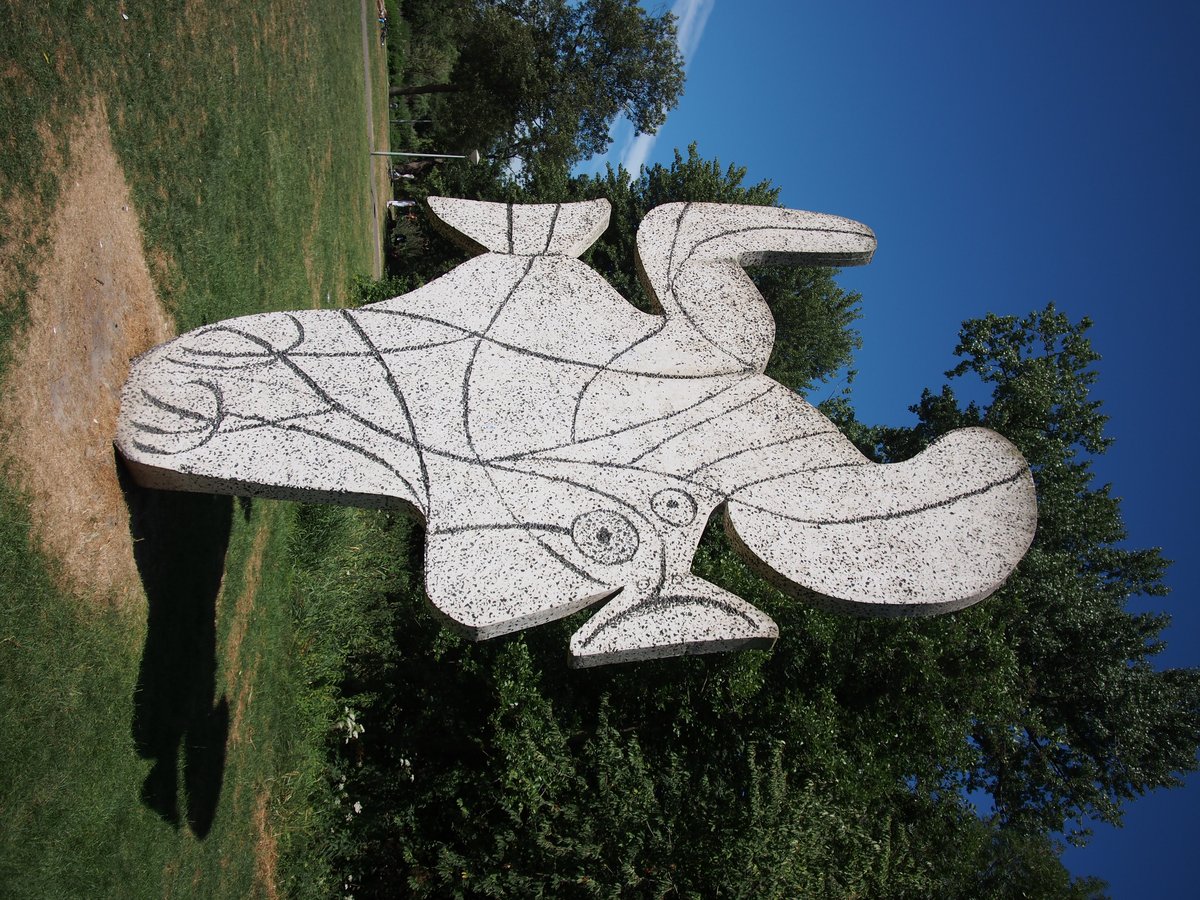
Abstract artwork titled Zonder titel by Dutch artist Emmy Andriesse, created between 1943 and 1953, scan from the Universitaire Bibliotheken Leiden collection.
Origins and Architectural Heritage
De Gouden Spiegel is housed in a pair of iconic 17th-century canal houses on Kattengat 4-6, built during Amsterdam’s Golden Age. The stepped-gable façade, ornate woodwork, and antique mirrors reflect the city’s wealth and artistic spirit during this period. Originally constructed for wealthy merchants, the property has remained remarkably intact, showcasing period details such as Delft tiles, spiral staircases, and timbered basements (Iamsterdam; EUToday).
Evolution Through the Centuries
Throughout its four centuries, De Gouden Spiegel has witnessed Amsterdam’s transformation from a merchant city to a modern capital. The building’s continuous use—first as a residence, then as a restaurant—has preserved its original character while adapting to changing times. Notably, during World War II, it served as a sanctuary for Jewish families, with hidden compartments ingeniously built into its structure (De Silveren Spiegel History). This resilience is a testament to the building’s enduring legacy.
Cultural Significance and Culinary Heritage
De Gouden Spiegel is renowned for championing Dutch culinary traditions. Its kitchen, led by Executive Chef Yves van der Hoff, crafts seasonal tasting menus using 100% Dutch produce, including North Sea seafood, locally sourced vegetables, and traditional game. This dedication has earned the restaurant accolades from the MICHELIN Guide, Gault&Millau, and other culinary authorities.
The Van der Hoff family’s stewardship ensures that every meal is a celebration of Dutch history and hospitality, with staff sharing anecdotes about the dishes and the building’s storied past (thecitizen.nl).
Role in Living Heritage and World War II
More than just a restaurant, De Gouden Spiegel is a vital part of Amsterdam’s living heritage. Its preservation of both tangible (architecture) and intangible (culinary customs, wartime stories) history connects guests to the city’s soul. During WWII, owner Wies Hofmann provided refuge to those fleeing Nazi persecution, adding a powerful narrative of resilience and compassion to the dining experience (De Silveren Spiegel History).
The restaurant also actively participates in local cultural events and collaborates with nearby museums, further embedding itself in the community (Iamsterdam).
Visiting Hours and Reservations
-
Standard Hours:
- Tuesday to Saturday: 18:00–23:00 (dinner service)
- Sunday & Monday: Closed
- Lunch service is available for private events by request.
-
Reservations:
Advance booking is highly recommended, especially during peak tourist months and special events. Reservations serve as your “ticket” to dine; no separate entry tickets are needed (De Silveren Spiegel Official Site). -
Contact:
Kattengat 4-6, 1012 SZ Amsterdam
Official Website
Accessibility and Getting There
While De Gouden Spiegel makes efforts to be accessible, the historic structure features multiple levels and some steps, which may pose challenges for guests with limited mobility. Contact the restaurant in advance to discuss specific needs. The location is a short walk from Amsterdam Centraal Station and is easily accessible by tram, bus, bike, or on foot. Parking is limited in the city center, so public transport or cycling is recommended (overyourplace.com).
Dining Experience and Practical Tips
- Atmosphere:
Intimate, candlelit rooms adorned with period artwork, antique mirrors, and Delft tiles evoke the Dutch Golden Age. - Menus:
Seasonal tasting menus (5-8 courses) with options for vegetarians and guests with dietary restrictions (notify in advance). - Pricing:
Multi-course dinners typically range from €80–€130 per person, excluding beverages. Wine pairings and à la carte options are available (Restaurant Guru). - Payment:
Major credit cards, debit cards, and cash accepted. Service charges are included; tipping 5–10% for exceptional service is customary.
Dress Code, Payment, and Dietary Information
- Dress Code:
Smart casual attire is recommended to match the refined yet welcoming ambiance. - Dietary Needs:
The kitchen accommodates vegetarian, vegan, gluten-free, and other dietary preferences with advance notice. - Payment:
All standard methods accepted. Service charges included; extra gratuity is appreciated.
Photography, Mobile Device Use, and Tipping
- Photography:
Allowed, but please avoid flash and be discreet to maintain the atmosphere. - Mobile Devices:
Phones should be on silent; calls and conversations should be discreet. - Tipping:
While service is included, a 5–10% tip for outstanding service is appreciated.
Booking Policies, Group Events, and Safety
- Advance Booking:
Essential during holidays, festivals, and peak tourist months (amsterdamtips.com). - Cancellation:
24-hour notice is typically required; deposits may be needed for large groups or special events. - Private Events:
Private dining rooms and custom menus are available for business gatherings and celebrations. - Health & Safety:
The restaurant follows strict Amsterdam food safety and post-pandemic hygiene protocols; hand sanitizer is available.
Nearby Attractions and Cultural Activities
De Gouden Spiegel’s central location offers easy access to Amsterdam’s top historical sites:
- Anne Frank House
- Rijksmuseum
- Van Gogh Museum
- Royal Palace Amsterdam
- Scenic canal walks, Vondelpark concerts, and the Amsterdam Dinner Cruise are also nearby (amsterdamtips.com).
Frequently Asked Questions (FAQ)
Q: Do I need tickets to enter De Gouden Spiegel?
A: No, but reservations are necessary for dining.
Q: What are the restaurant’s hours?
A: Dinner is Tuesday–Saturday, 18:00–23:00. Closed Sunday and Monday.
Q: Is De Gouden Spiegel wheelchair accessible?
A: Accessibility is limited by the building’s historic structure; contact the restaurant for assistance.
Q: Are vegetarian or allergy-friendly options available?
A: Yes, with advance notification.
Q: Can I visit De Gouden Spiegel without dining?
A: The building is primarily a restaurant; public tours are not regularly available.
Internal and External Links
Official Website: www.degoudenspiegel.nl
Listen to the full story in the app
Your Personal Curator, in Your Pocket.
Audio guides for 1,100+ cities across 96 countries. History, stories, and local insight — offline ready.
Audiala App
Available on iOS & Android
Join 50k+ Curators
Sources
- verified
- verified
- verified
- verified
- verified
- verified
Last reviewed: