Plan and listen to Dam Square with Audiala.
Audio guide in your pocket, itinerary in your browser. Built for the way you actually visit.
Introduction: An Overview of Damslachtoffers 7 mei 1945
Visiting historical sites offers a glimpse into the past, allowing us to reflect on significant events that have shaped our world. One such poignant site is the Damslachtoffers 7 mei 1945 Memorial in Amsterdam. This memorial commemorates a tragic event that occurred on May 7, 1945, during the liberation celebrations in Dam Square, Amsterdam. Just two days after the official German surrender in World War II, a sudden burst of gunfire disrupted the joyous atmosphere, resulting in the deaths of 32 people and injuries to over 100 others (Amsterdam). The exact cause of the shooting remains debated, but it is widely believed that German soldiers stationed in the Grote Club, a building overlooking Dam Square, opened fire on the crowd (Traces of War). This event left a lasting impact on the city and its residents, turning a moment of liberation into one of tragedy and sorrow. Today, a memorial plaque in Dam Square honors the victims, serving as a reminder of the cost of war and the importance of peace. This guide provides comprehensive information on visiting the Damslachtoffers 7 mei 1945 Memorial, including its historical significance, visitor tips, and practical details to help you make the most out of your visit.

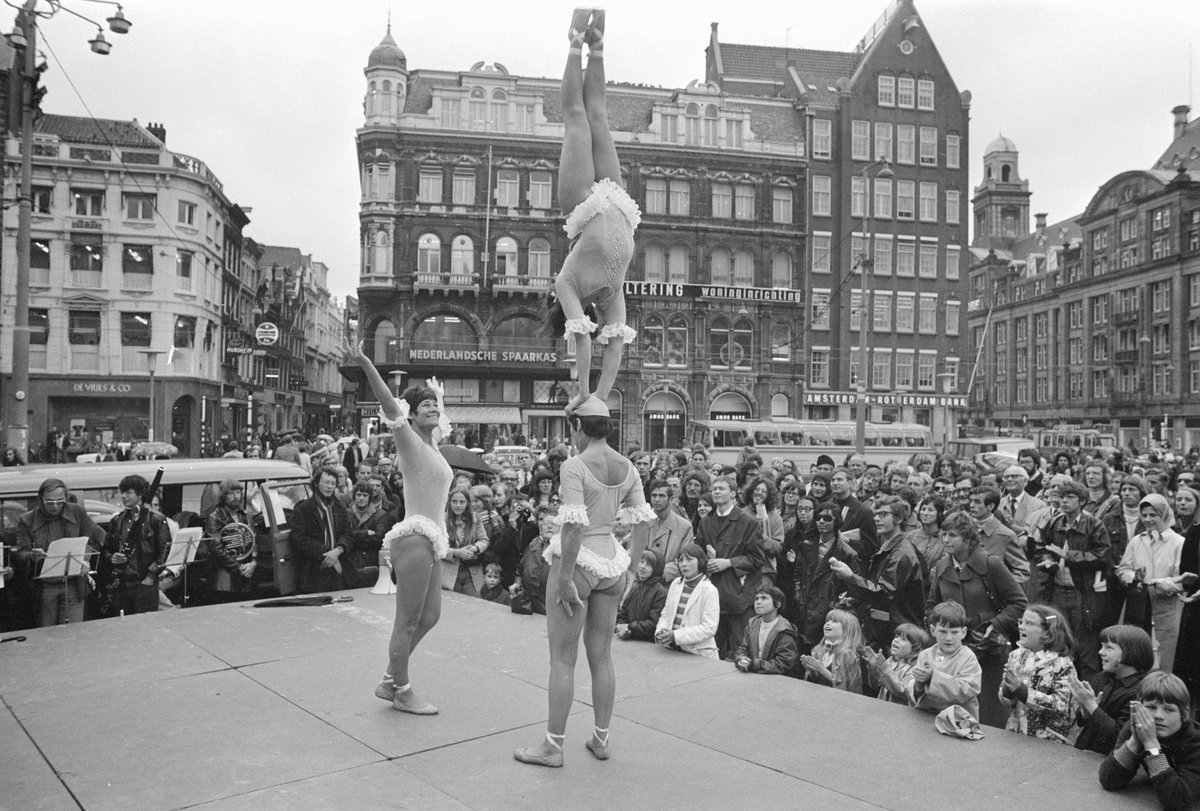
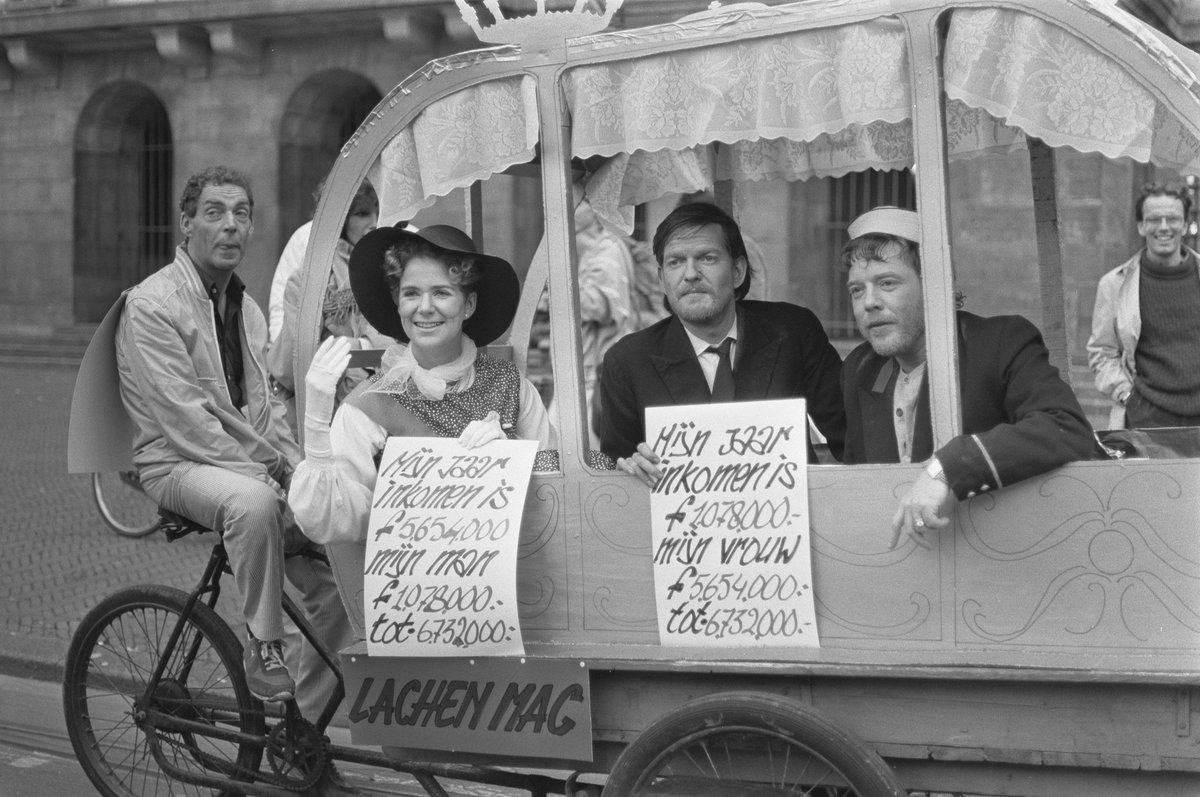
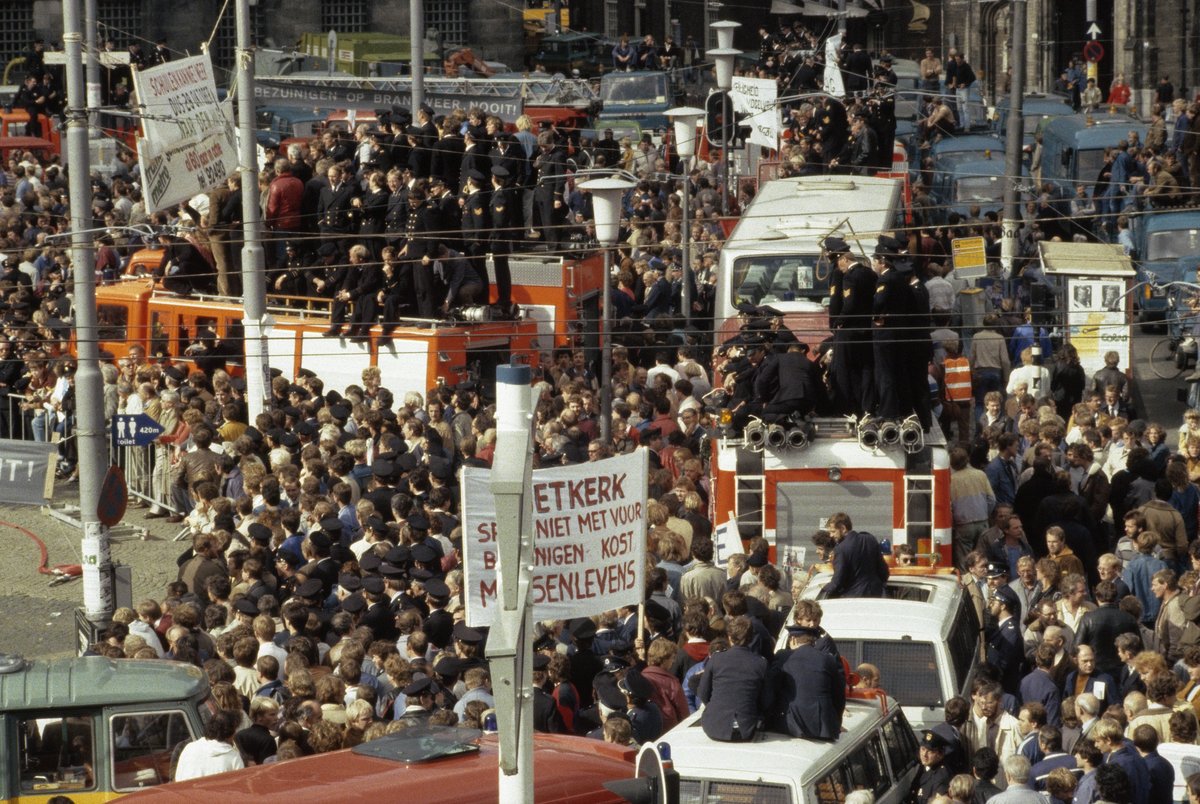
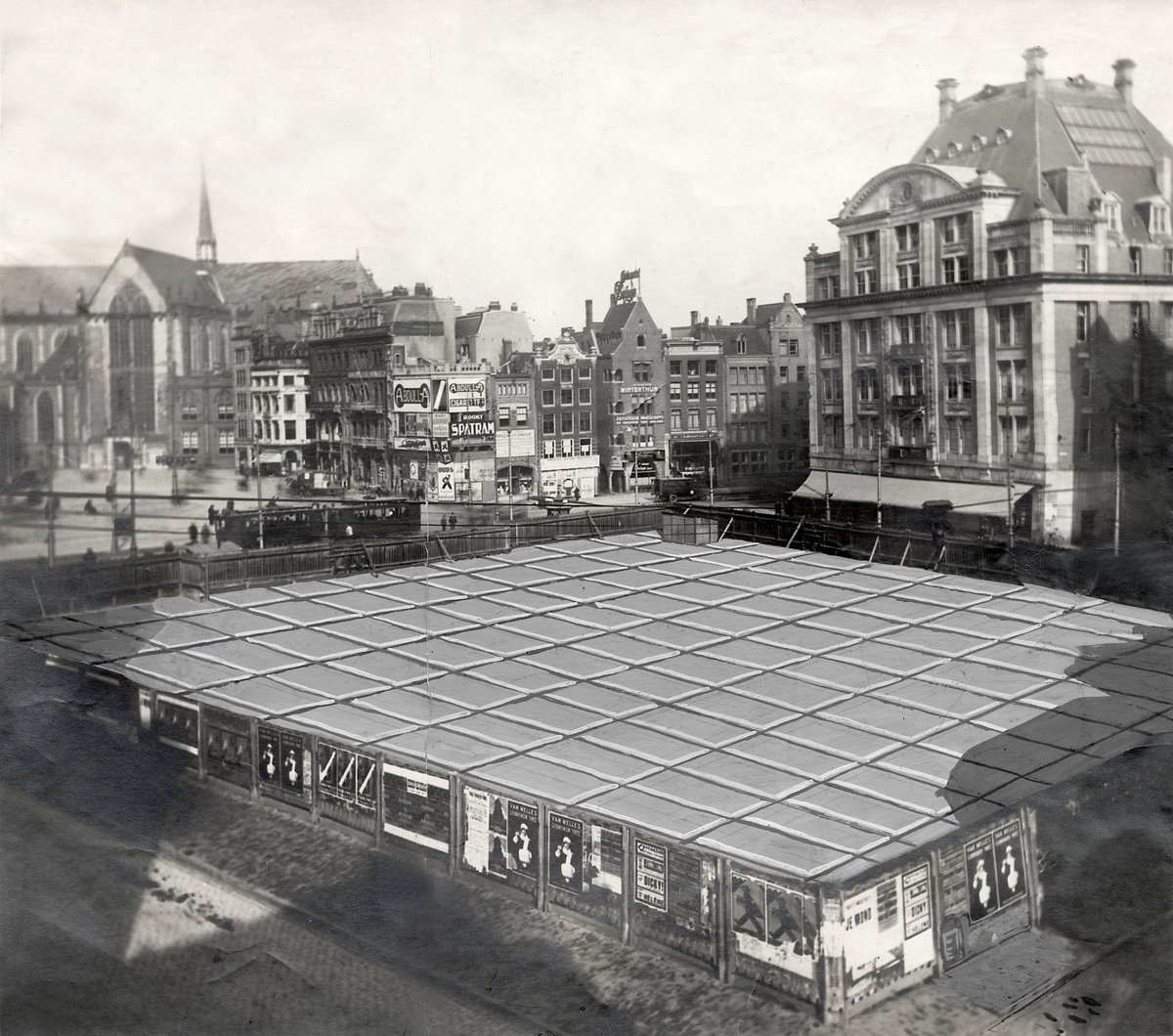
Historical Context of Damslachtoffers 7 mei 1945
The Events of May 7, 1945
On May 7, 1945, just two days after the official German surrender in World War II, a tragic event unfolded in Amsterdam's Dam Square. As the city was celebrating its liberation, a sudden burst of gunfire erupted, leading to chaos and panic. The incident resulted in the deaths of 32 people and injuries to over 100 others. The exact cause of the shooting remains a subject of historical debate, but it is widely believed that German soldiers, who were still present in the city, opened fire on the crowd (Amsterdam).
The Role of German Soldiers
The German soldiers stationed in the Grote Club, a building overlooking Dam Square, were reportedly responsible for the gunfire. These soldiers were part of the Kriegsmarine, the navy of Nazi Germany, and were supposed to be in the process of surrendering. However, tensions were high, and the exact trigger for the shooting is still unclear. Some accounts suggest that a misunderstanding or a provocation led to the tragic event (Traces of War).
Immediate Aftermath
The immediate aftermath of the shooting was chaotic. The joyous atmosphere of the liberation celebrations turned into a scene of horror and confusion. Medical personnel and civilians rushed to help the wounded, and the dead were quickly moved from the square. The incident cast a shadow over the liberation festivities and left a lasting impact on the city and its residents (Historiek).
Significance of the Event
Memorialization
The tragic events of May 7, 1945, are commemorated annually in Amsterdam. A memorial plaque was installed in Dam Square to honor the victims. The plaque serves as a reminder of the cost of war and the importance of peace. Each year, on May 7, a ceremony is held to remember those who lost their lives and to reflect on the impact of the event on the city's history (Amsterdam).
Historical Impact
The shooting on Dam Square is a significant event in Amsterdam's history. It highlights the complexities and tensions that can arise even in moments of liberation and victory. The incident is a poignant reminder of the human cost of war and the fragility of peace. It also underscores the importance of understanding and remembering history to prevent similar tragedies in the future (Traces of War).
Visitor Information
Location and Accessibility
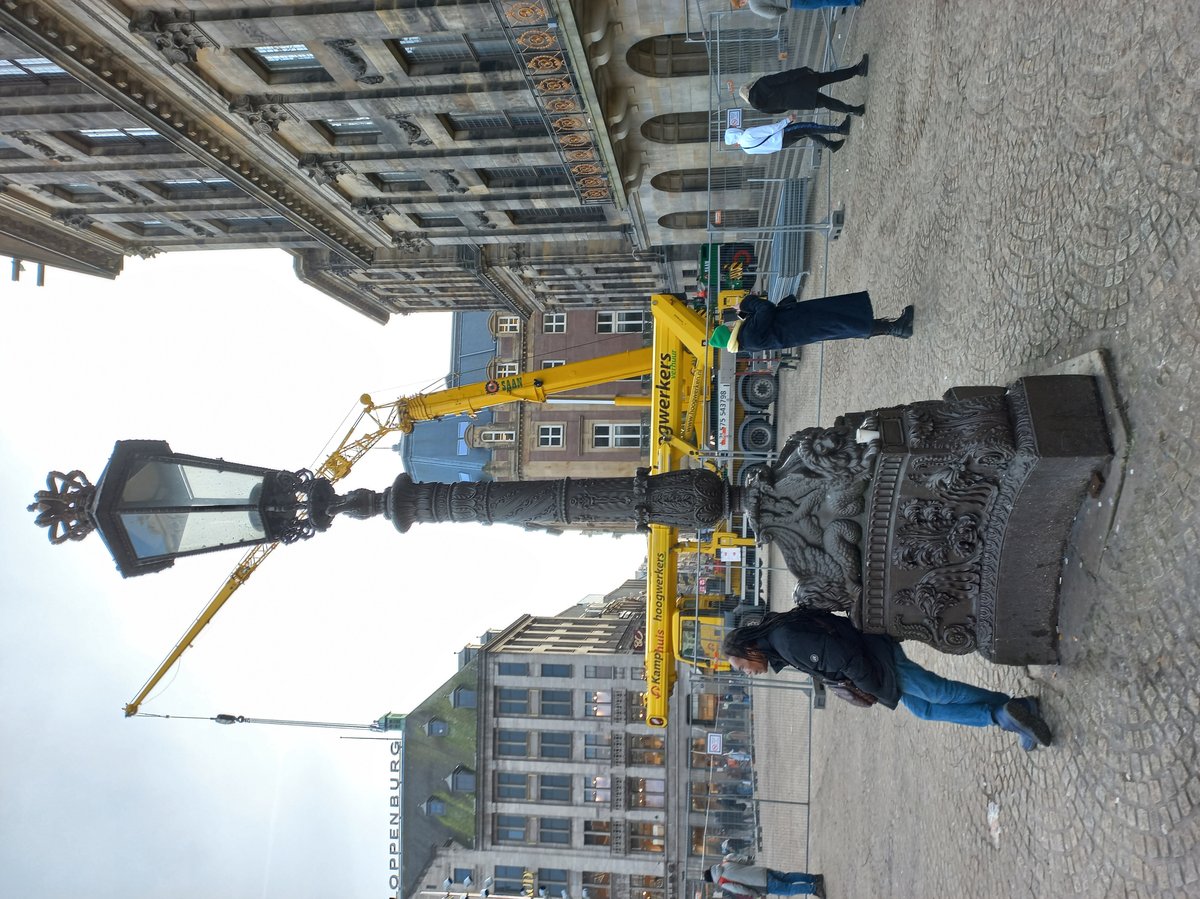
Dam Square is located in the heart of Amsterdam and is easily accessible by public transportation. The square is a central hub in the city, making it a convenient starting point for exploring other historical sites and attractions. Visitors can reach Dam Square by tram, bus, or on foot from various parts of the city (IAmsterdam).
Best Time to Visit
The best time to visit Dam Square is during the spring and summer months when the weather is pleasant and outdoor activities are in full swing. However, visiting on May 7 can provide a unique and poignant experience as the city commemorates the events of 1945. The annual ceremony offers a chance to witness the city's collective memory and reflection on its history (Amsterdam).
Nearby Attractions
While visiting Dam Square, tourists can explore several nearby attractions. The Royal Palace of Amsterdam, located on the square, is a stunning example of Dutch architecture and offers guided tours. The National Monument, also on Dam Square, is a significant war memorial dedicated to the victims of World War II. Additionally, the Anne Frank House and the Amsterdam Museum are within walking distance and provide deeper insights into the city's history during the war (IAmsterdam).
Practical Information
- Opening Hours: Dam Square is open to the public 24/7, but specific attractions like the Royal Palace have their own operating hours.
- Admission Fees: There is no fee to visit Dam Square, but entry to nearby attractions like the Royal Palace and the Anne Frank House requires a ticket.
- Guided Tours: Several guided tours are available that include Dam Square and its historical significance. These tours often provide in-depth information and context about the events of May 7, 1945 (IAmsterdam).
Safety and Etiquette
While Dam Square is generally safe, it is always advisable to be mindful of personal belongings, especially in crowded areas. Visitors should also show respect at the memorial plaque and during any commemorative events. Photography is allowed, but it is courteous to avoid disrupting ceremonies or other visitors who may be there to pay their respects (Amsterdam).
FAQ
When is the best time to visit Damslachtoffers 7 mei 1945 Memorial?
The best time to visit is during the spring and summer months for pleasant weather and outdoor activities. Visiting on May 7 can also be a unique experience due to the annual commemorative ceremony.
Are there guided tours available for Dam Square?
Yes, several guided tours are available that include Dam Square and its historical significance. These tours provide in-depth information about the events of May 7, 1945.
What are the visiting hours for Dam Square?
Dam Square is open to the public 24/7, but specific attractions like the Royal Palace have their own operating hours.
Is there an admission fee to visit Dam Square?
There is no fee to visit Dam Square itself, but entry to nearby attractions like the Royal Palace and the Anne Frank House requires a ticket.
How can I get to Dam Square?
Dam Square is easily accessible by tram, bus, or on foot from various parts of Amsterdam.
Tickets & tours.
These are guided options from our partners — same price as booking direct.
Prices are indicative — final pricing and availability are confirmed at checkout. Audiala may earn a commission from bookings made through these links.
Listen to the full story in the app
The whole Dam Square,
told well.
Audio guides for 1,100+ cities across 96 countries. History, stories, and local insight — offline ready.
Verified, and shown.
Researched and written by the Audiala editorial team from historical records, architectural archives, and local expertise.
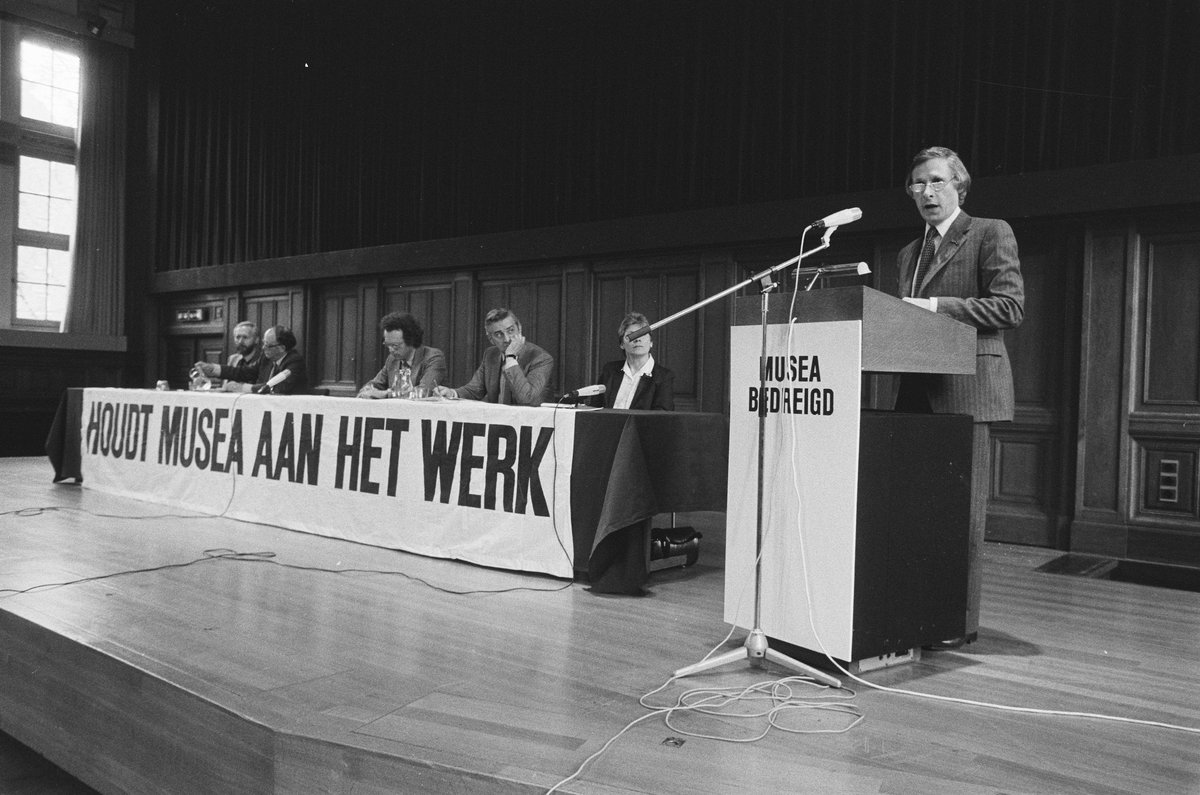
7 mei 1945
Dam Square Shooting 7 May 1945
Schietpartij op de Dam 7 mei 1945
Researched from Wikidata, Wikipedia & official sources · fact-checked · How we make our guides →