Plan and listen to Concertgebouw with Audiala.
Audio guide in your pocket, itinerary in your browser. Built for the way you actually visit.
Introduction
The Concertgebouw in Amsterdam is a world-renowned concert hall, celebrated for its legendary acoustics, rich cultural history, and exquisite Neo-Renaissance architecture. Since opening its doors in 1888, it has played a pivotal role in shaping Amsterdam’s cultural landscape, serving as the home of the Royal Concertgebouw Orchestra and hosting a diverse array of performances spanning classical, jazz, and contemporary genres. Strategically located in the Museumplein district—amongst landmarks like the Rijksmuseum and Van Gogh Museum—the Concertgebouw provides an immersive experience for music lovers and cultural travelers alike.
This guide offers a comprehensive overview for visitors, including essential details on visiting hours, ticket buying, accessibility, and practical tips. Whether you’re attending a world-class performance, enjoying a free lunchtime concert, or exploring the building’s architectural marvels, this article will help you plan a memorable visit to one of Amsterdam’s most treasured sites. For the latest details on events and services, consult the official Concertgebouw website (concertgebouw.nl; arcam.nl; wikipedia.org).

Origins and Construction
The Concertgebouw was conceived in the early 1880s by a committee of six Amsterdam citizens determined to revitalize the city’s music scene. At the time, Amsterdam lacked a suitable concert venue, and the Park Hall theatre’s closure left a cultural void. Inspired by the renowned Gewandhaus in Leipzig, architect Adolf Leonard van Gendt designed the Concertgebouw in the Neo-Renaissance style, blending classical forms with Dutch architectural traditions. Construction commenced in 1883 on land near the then-new Rijksmuseum, and the building was stabilized on 2,186 wooden piles to counter Amsterdam’s soft soil. Delays in urban infrastructure meant the official opening took place on April 11, 1888 (concertgebouw.nl; arcam.nl).
Architectural Features and Acoustics
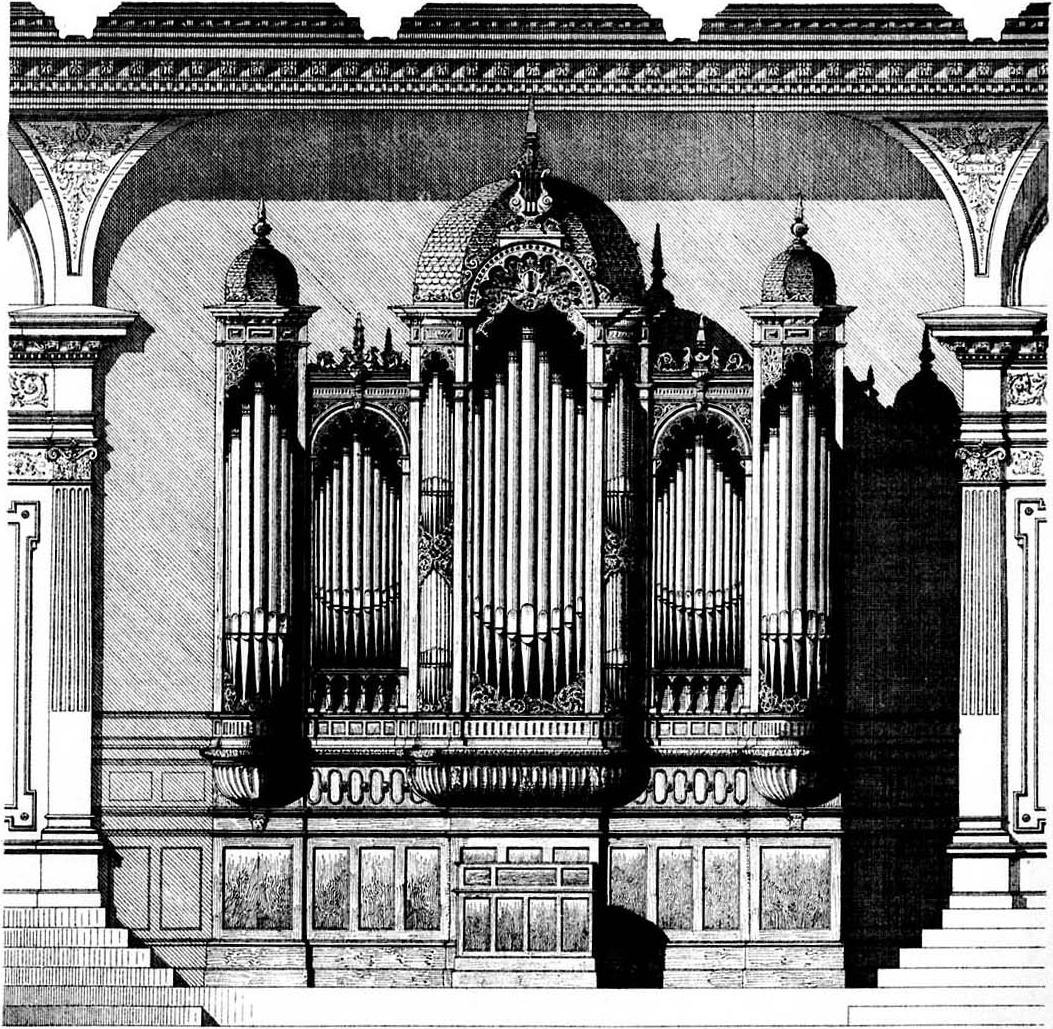
The Concertgebouw’s symmetrical façade, adorned with Corinthian columns, gilded inscriptions, and a prominent golden lyre, is a hallmark of Neo-Renaissance architecture (arcam.nl). The interior houses two main halls: the Main Hall (Grote Zaal), seating nearly 2,000, and the Recital Hall (Kleine Zaal), seating just over 400. The Main Hall’s rectangular shape, high vaulted ceiling, and carefully chosen materials contribute to its world-famous acoustics—often ranked among the best globally (music-opera.com; amsterdam.info). The original Maarschalkerweerd organ remains a focal point, meticulously maintained through successive restorations.
Key Renovations and Milestones
By the late 20th century, the Concertgebouw required major renovations. Between 1985 and 1988, architect Pi de Bruijn led a restoration that included reinforcing the foundations, restoring the organ, and adding a modern glass-and-steel side wing to improve visitor amenities and accessibility. Care was taken to preserve the hall’s unique acoustics and historic interiors (arcam.nl). The building was designated a Rijksmonument in 1972 and received the royal title “Koninklijk” in 2013 on its 125th anniversary (wikipedia.org).
Cultural Significance
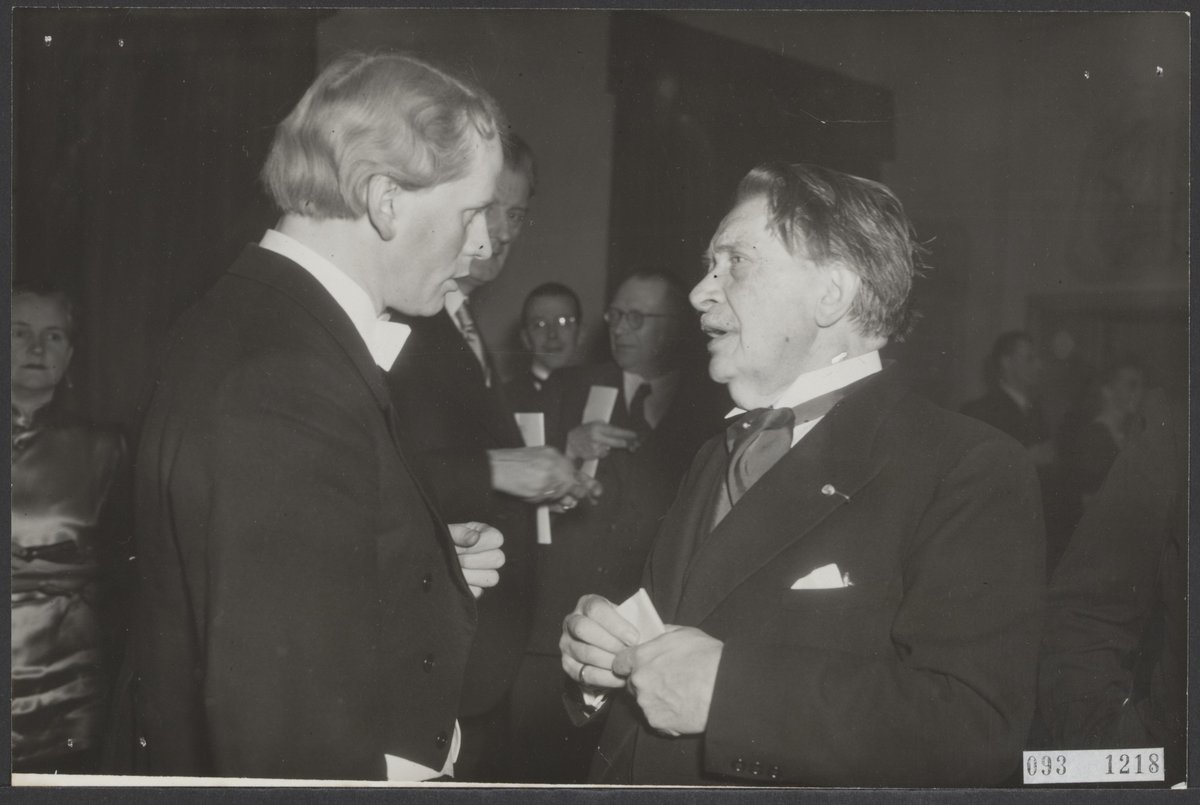
The Concertgebouw is a cornerstone of Amsterdam’s identity and a symbol of Dutch cultural pride. As the principal venue for the Royal Concertgebouw Orchestra—one of the world's leading ensembles—it has hosted luminaries such as Gustav Mahler, Richard Strauss, and contemporary icons. Its ambitious programming includes international orchestras, emerging artists, and free public events, solidifying its status as a beacon of artistic excellence (secretamsterdam.com; concertgebouw.nl).
Visitor Information
Location and Getting There
The Concertgebouw is located at Concertgebouwplein 10, 1071 LN Amsterdam, in the vibrant Museum Quarter. It is easily accessible by tram, bus, bicycle, or car. Public transport stops are nearby, and bike rentals are plentiful. Parking is available in local garages but is limited during large events (trip.com; amsterdamcitycard.com).
Visiting Hours
- General Opening: Daily, typically 10:00 AM – 6:00 PM; may open earlier or close later on concert days.
- Box Office: 10:00 AM – 6:00 PM (weekdays), extended on performance days.
- Guided Tours: Schedule varies, check the official website.
- Free Lunchtime Concerts: Wednesdays, schedule subject to change (amsterdamtraveltips.com).
Tickets and Reservations
- Prices: Range from budget-friendly lunchtime concerts to premium seats at major events (from €15 to over €100, depending on the program).
- Booking: Buy tickets on the official Concertgebouw website, at the box office, or via authorized partners. Early booking is strongly advised for popular events (amsterdamcitycard.com).
- Special Offers: Free Wednesday concerts and family programs available.
Accessibility and Facilities
- Physical Accessibility: Step-free entrances, ramps, elevators, wheelchair seating, and accessible restrooms.
- Hearing Assistance: Induction loops in performance halls.
- Assistance: Contact the venue in advance for personalized support and to reserve accessible seating (concertgebouw.nl).
- Cloakroom: Complimentary; large bags may be stored.
- Language: Staff speak English; programs are often in multiple languages.
Travel Tips
- Arrive Early: 30 minutes before your concert to clear security and find your seat.
- Combine Visits: Explore nearby museums and parks for a full cultural day.
- Dress Code: Smart casual; formal attire for gala events.
- Photography: Not allowed during performances.
Dining and Amenities
- Onsite: Restaurant LIER offers pre-concert dining, and Café Viotta serves light meals and drinks.
- Nearby: Museumplein and surrounding streets feature cafes and restaurants to suit all tastes (amsterdamcitycard.com).
Special Events and Festivals
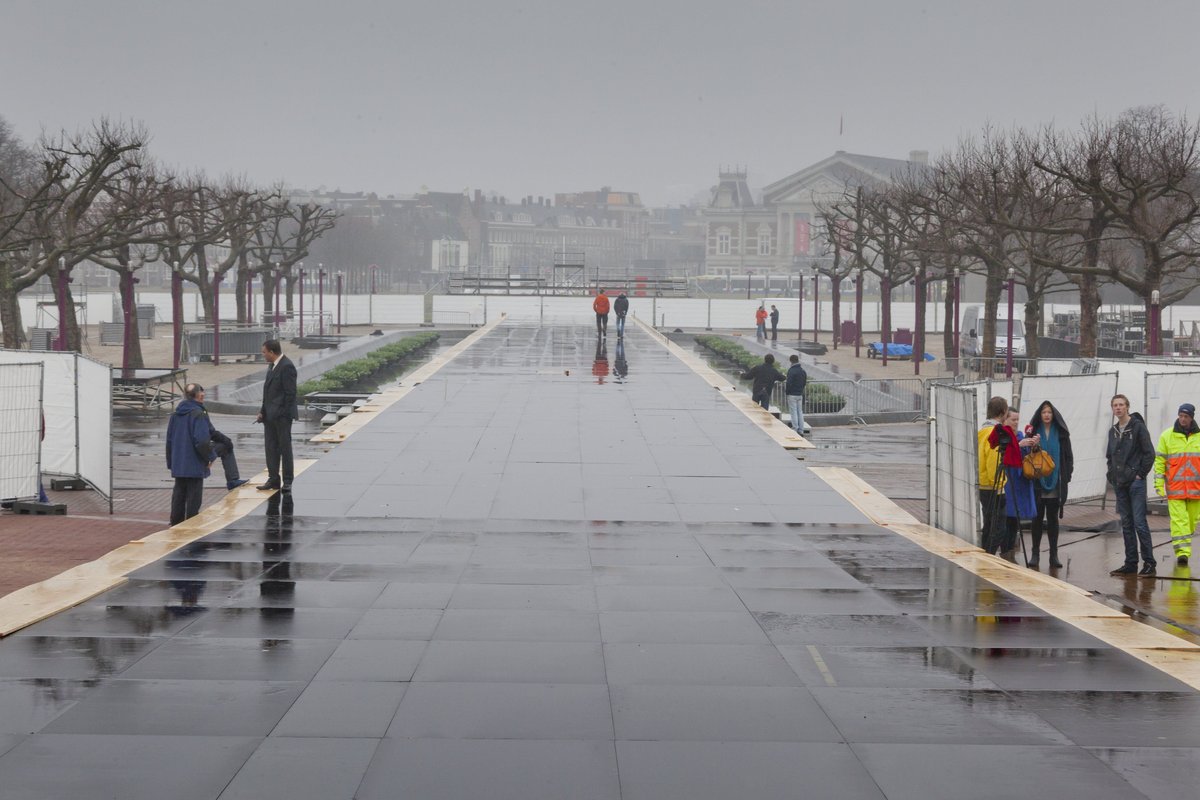
- Mahler Festival: Held every 25 years, with the next edition in May 2025, featuring world-class orchestras and free public broadcasts at Museumplein (mahlerfoundation.org; concertgebouw.nl).
- Other Festivals: Grachtenfestival, Amsterdam Summer Festival, and special anniversary events.
Guided Tours and Family Activities
- Guided Tours: Explore the architecture, backstage areas, and learn about the Concertgebouw’s acoustic secrets. Tours available in multiple languages (tripaim.com).
- Family Programs: Educational workshops and concerts for children make the venue accessible and engaging for all ages (concertgebouw.nl).
Nearby Attractions
- Museumplein: Home to the Rijksmuseum, Van Gogh Museum, and Stedelijk Museum.
- Vondelpark: Popular for walks, picnics, and relaxation.
- Shopping: P.C. Hooftstraat offers luxury boutiques and designer stores (amsterdamcitycard.com).
Frequently Asked Questions (FAQ)
What are the Concertgebouw’s visiting hours?
Typically 10:00 AM to 6:00 PM, though hours may vary for concerts and special events. Always check the official website for updates.
How do I buy Concertgebouw tickets?
Purchase tickets via the official website, at the box office, or through authorized partners. Book early for popular events.
Is the Concertgebouw accessible for visitors with disabilities?
Yes, with step-free access, elevators, wheelchair-friendly seating, induction loops, and accessible restrooms.
Can I take a guided tour of the Concertgebouw?
Yes, guided tours are available in multiple languages. Check the official calendar for times and reservations.
What is the dress code?
Smart casual is appropriate; formal wear is common at gala events.
Are there free concerts?
Yes, free Wednesday lunchtime concerts are offered regularly (amsterdamtraveltips.com).
Is photography allowed?
Photography is permitted in public areas, but not during performances.
Are there onsite dining options?
Yes, Restaurant LIER and Café Viotta offer quality dining and refreshments.
Listen to the full story in the app
The whole Concertgebouw,
told well.
Audio guides for 1,100+ cities across 96 countries. History, stories, and local insight — offline ready.
Verified, and shown.
Researched and written by the Audiala editorial team from historical records, architectural archives, and local expertise.
Researched from Wikidata, Wikipedia & official sources · fact-checked · How we make our guides →