Plan and listen to Amsterdam Ordnance Datum with Audiala.
Audio guide in your pocket, itinerary in your browser. Built for the way you actually visit.
Introduction: The Amsterdam Ordnance Datum (NAP) and Its Cultural Importance
Nestled in central Amsterdam, the Amsterdam Ordnance Datum—known locally as Normaal Amsterdams Peil (NAP)—is a testament to the Netherlands’ centuries-long expertise in water management. Established in 1684, NAP serves as the official reference point for elevation and water level measurements throughout the Netherlands and parts of Western Europe. This monument and its associated visitor resources offer a unique window into Dutch engineering ingenuity, the nation’s ongoing battle against encroaching waters, and the cultural heritage shaped by this relationship.
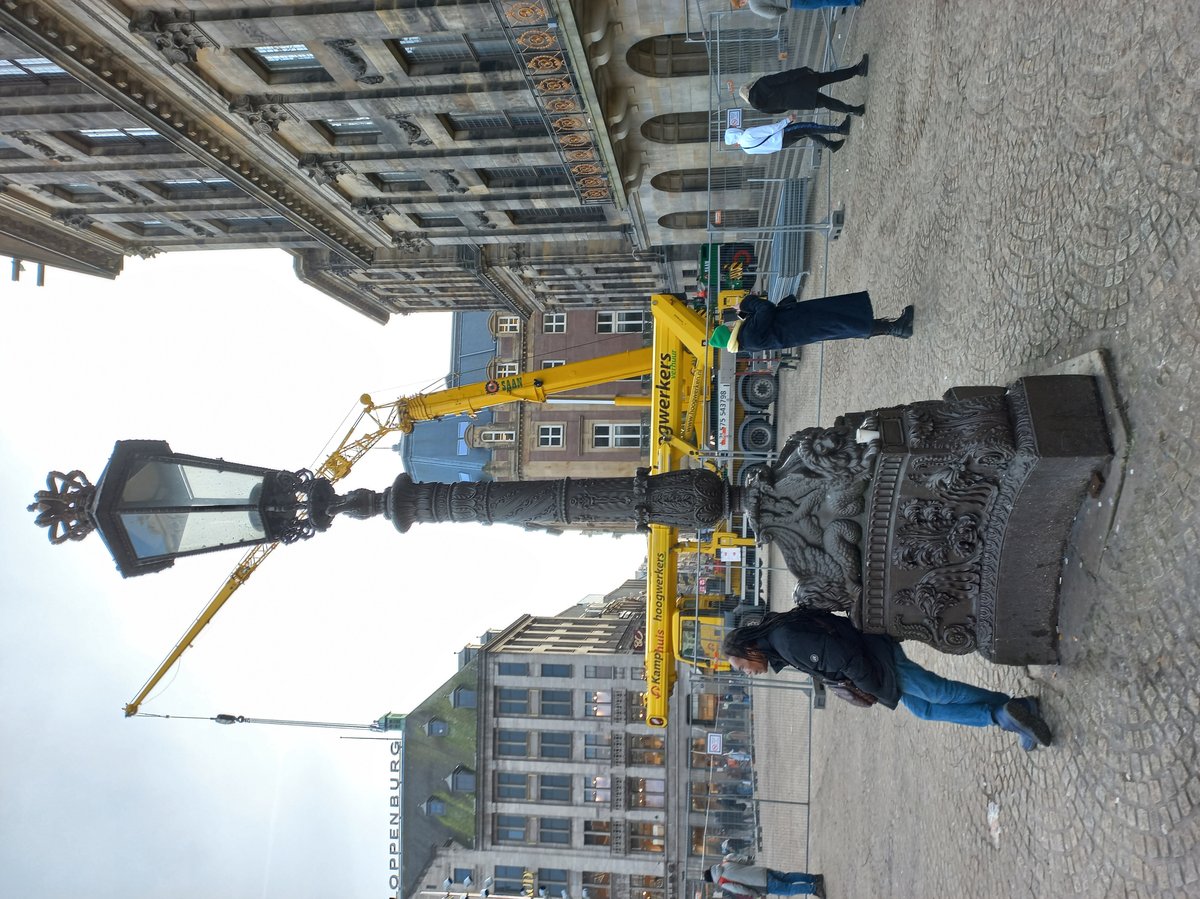
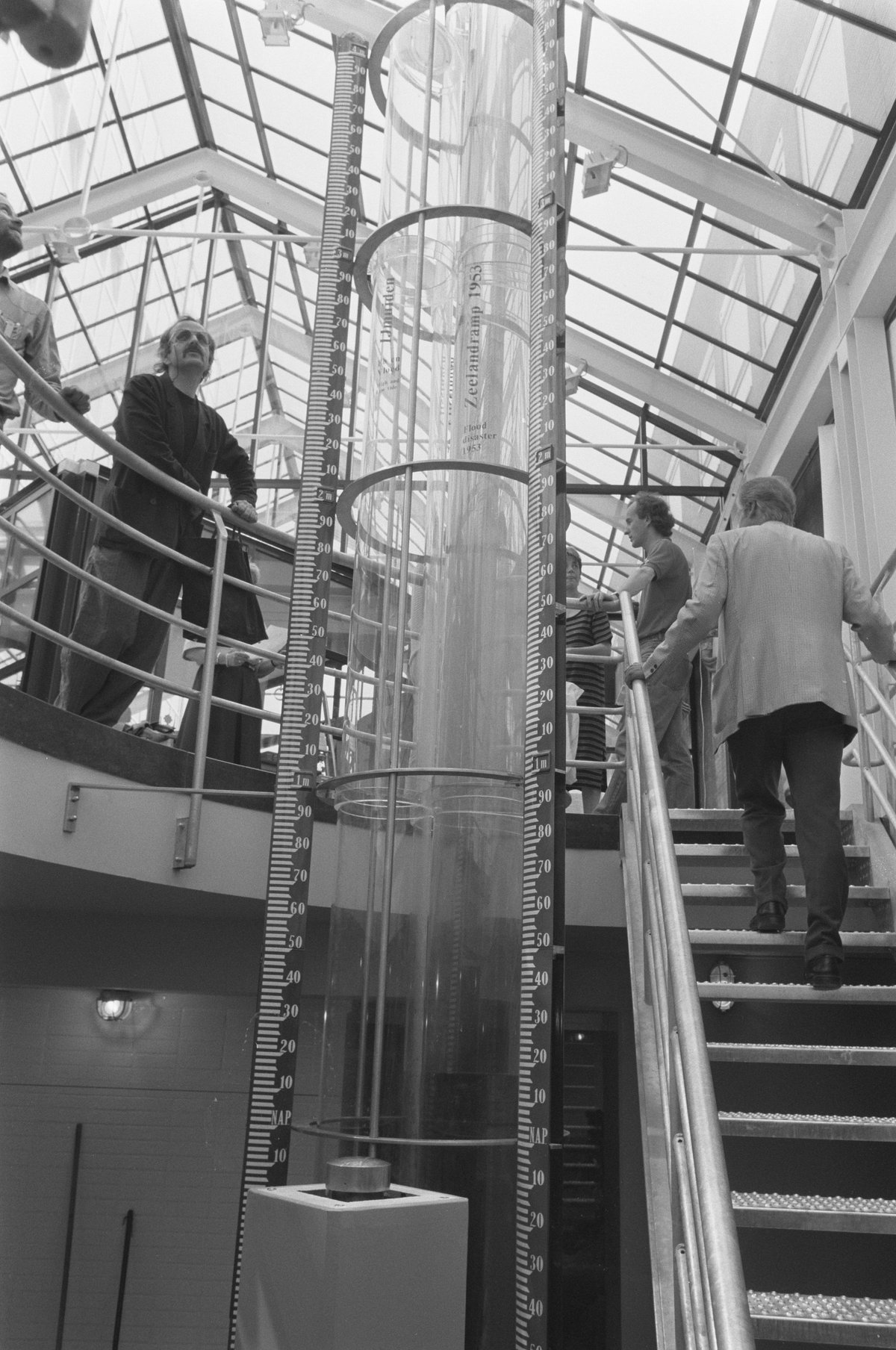
Located near key sites such as the Amsterdam City Archives and the Stopera complex, the NAP monument is open to the public 24/7 and is freely accessible. At the site, visitors will find the restored “Huddestone” benchmark, vertical columns marking historic flood levels, and interpretive signage explaining the NAP’s vital role in flood prevention, urban planning, and land reclamation.
Whether you join a guided walking tour or explore independently with downloadable maps and audio guides, the NAP monument provides a compelling narrative of Dutch resilience and innovation. The site is wheelchair-accessible and well-served by public transport, making it an ideal destination for history enthusiasts and casual explorers alike. Combine your visit with nearby attractions such as the Maritime Museum, Rembrandt House Museum, and the Jewish Historical Museum for a complete Amsterdam experience.
For up-to-date visitor information, opening hours, and educational resources, consult the official Normaal Amsterdams Peil website and the Amsterdam tourism portal.





Historical Background of the Amsterdam Ordnance Datum (NAP)
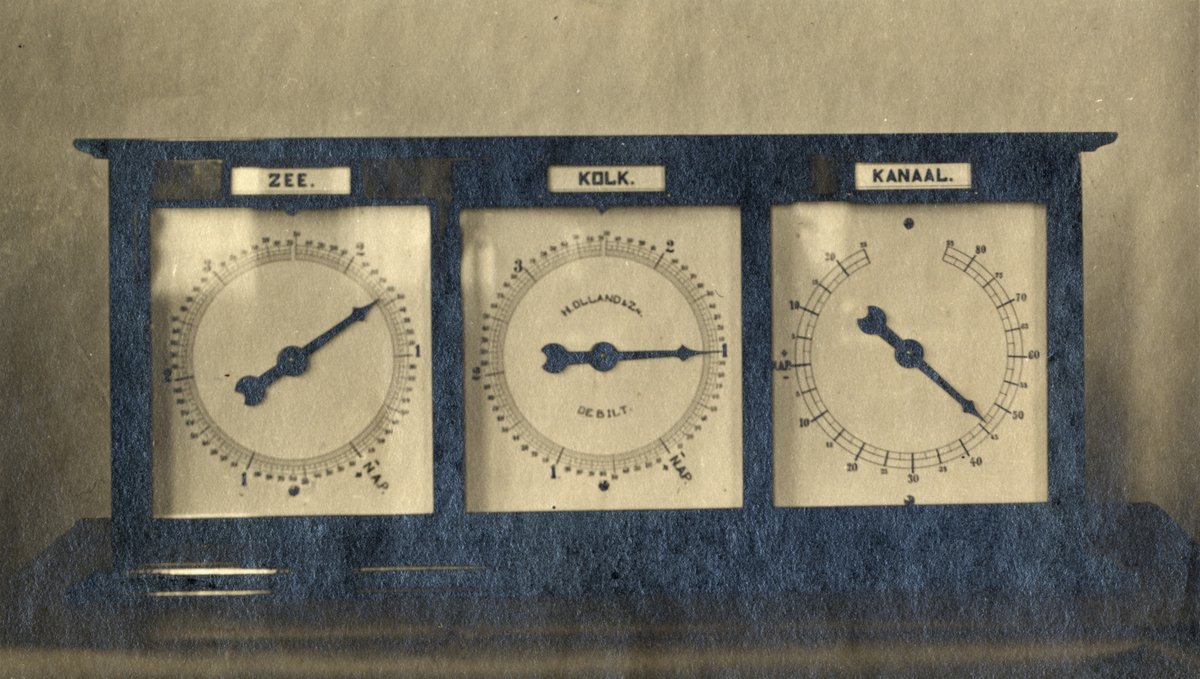
The NAP was established in 1684 as a standardized benchmark for measuring elevation and water levels, crucial for a country where vast regions lie below sea level. Originally known as "Amsterdams Peil," it addressed the need for uniform water management in a landscape defined by dikes, canals, and reclaimed land. Over the centuries, the NAP evolved into the national benchmark underlying all major hydraulic engineering projects, including dyke construction, flood prevention, and land reclamation across the Netherlands.
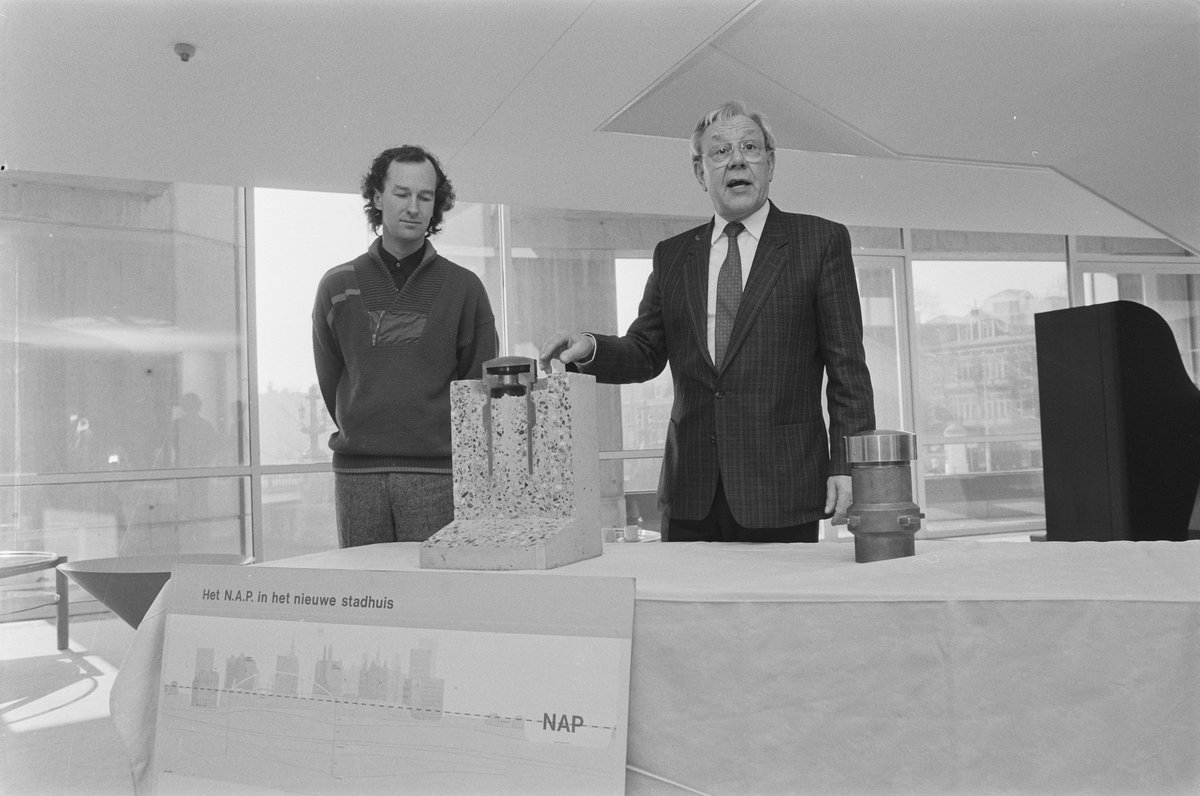
A significant artifact of this legacy is the "Huddestone," a marble benchmark stone originally placed at “De Nieuwe Brugsluis.” After being lost for decades due to bridge demolition, it was rediscovered in 2014 during metro construction and now stands restored at the monument (normaalamsterdamspeil.nl).
The Importance of NAP for the Netherlands
With roughly a third of the country below sea level, the NAP is central to Dutch society. It forms the backbone of flood defense, urban planning, and environmental monitoring. The system also supports scientific research and climate adaptation, especially as sea levels rise. As a symbol, the NAP reflects the Dutch spirit of resilience and innovation—qualities that have enabled the Netherlands to thrive in challenging conditions (normaalamsterdamspeil.nl).
Visiting the NAP Monument
Location and Getting There
- Address: Waterlooplein 22, 1011 PG Amsterdam (entrance of Amsterdam City Hall / Stopera)
- Public Transport:
- Metro: Waterlooplein station
- Tram and Bus: Multiple lines stop nearby
- Accessibility: Pedestrian-friendly area, wheelchair-accessible, close to bike racks and the Amstel River
Visiting Hours and Admission
- Monument Access: Outdoor monument is open 24/7, free of charge
- NAP Visitor Centre: Temporarily closed as of June 2025 (normaalamsterdamspeil.nl)
- Amsterdam City Archives: Open Tuesday–Saturday, 10:00–17:00; ticketed entry for exhibitions
What to See and Do
- Vertical Column Display: Illustrates the NAP zero point and historical flood levels
- Restored “Huddestone”: Marble benchmark stone with interpretive panels
- Informational Signage: Explains the history, science, and impact of the NAP
- Photo Opportunities: Historic cityscape and waterways provide a striking backdrop
Guided Tours and Visitor Tips
- Guided Tours: Local operators offer walking tours including the NAP monument; group/educational tours can be arranged via the NAP Foundation
- Self-Guided Visits: Downloadable maps and audio guides are available from the Amsterdam tourism portal
- Best Visiting Times: Daylight hours recommended for visibility and photos
- Accessibility: Step-free access, benches, shade, and nearby public transport options
Visiting the NAP Visitors Centre
Location and Accessibility
- Address: Amstel 1, adjacent to the Stopera complex (Lonely Planet)
- Transport: Easily reached by metro (Waterlooplein), tram, bike, or on foot
Experience and Highlights
- Interactive Water Columns: Demonstrate sea levels and the impact of historical floods
- Touchscreen Displays: Provide detailed explanations for all ages and backgrounds
- Bilingual Content: Most materials are available in Dutch and English
Note: The Visitors Centre may be subject to temporary closures; always check the official site before visiting.
Practical Visitor Information
- Admission: Free entry (Lonely Planet)
- Facilities: Restrooms available in the Stopera; nearby cafés and restaurants
- Accessibility: Generally accessible; confirm current status if mobility is a concern
- Best Times: Weekday mornings for a quieter experience
Nearby Attractions
Enhance your visit by exploring:
- Stopera: Amsterdam’s city hall and opera house
- Blauwbrug: Historic bridge with scenic views
- Rembrandt House Museum: Art and history of Rembrandt van Rijn
- Jewish Historical Museum: Jewish heritage in the Netherlands
- Maritime Museum, Vondelpark, Rijksmuseum, Van Gogh Museum: Easily accessible by foot or public transport
For a broader perspective on Dutch water management, consider a trip to the Zuiderzeemuseum (Lonely Planet).
Cultural and Educational Significance
The NAP monument is a cultural symbol integrated into educational programs nationwide. It highlights the Dutch mastery of water management and inspires reflection on current environmental challenges. Its influence extends to neighboring countries, shaping elevation reference systems in Germany and Belgium.
Frequently Asked Questions (FAQ)
Q: What are the visiting hours of the NAP Monument?
A: The outdoor monument is open 24 hours a day, every day. The Visitor Centre is currently closed.
Q: Is there an admission fee?
A: No, visiting the monument is free.
Q: Are guided tours available?
A: Yes, group and educational tours can be pre-arranged via the NAP Foundation.
Q: How do I get there by public transport?
A: Use Waterlooplein metro station or nearby tram and bus lines.
Q: Is the site accessible for visitors with disabilities?
A: Yes, the area is step-free and pedestrian-friendly.
Q: Are photography and video allowed?
A: Yes, visitors are encouraged to take photos.
Visuals and Media
High-quality images and virtual tours are available on the official NAP website and the Amsterdam tourism portal. These resources offer comprehensive background information and help you plan your visit.
Discover More
To make the most of your visit:
- Combine your trip with other nearby historical sites
- Download educational materials or the official NAP book from the NAP website
- Dress appropriately for the weather (the monument is outdoors)
- Respect the quiet, reflective atmosphere of the site
Stay informed by consulting the official NAP website and the I amsterdam tourism portal for the latest updates on opening hours, events, and educational resources.
Listen to the full story in the app
The whole Amsterdam Ordnance Datum,
told well.
Audio guides for 1,100+ cities across 96 countries. History, stories, and local insight — offline ready.
Verified, and shown.
Researched and written by the Audiala editorial team from historical records, architectural archives, and local expertise.
Researched from Wikidata, Wikipedia & official sources · fact-checked · How we make our guides →