Plan and listen to Amsterdam Museum with Audiala.
Audio guide in your pocket, itinerary in your browser. Built for the way you actually visit.
Introduction
The Amsterdam Museum offers an unparalleled journey through the rich tapestry of Amsterdam's history and culture, housed within the historic walls of a former orphanage. This captivating institution provides visitors with a unique opportunity to explore the city's evolution from its early days to the present and beyond. Originally constructed in the 15th century as the 'Nieuwe Stadhuis' (New City Hall), the building's transformation into a municipal orphanage in 1652 marked the beginning of a new chapter in its storied history. In 1926, the building was repurposed as the Amsterdam Museum, allowing the public to engage with a diverse collection of artifacts, artworks, and multimedia presentations that chronicle Amsterdam's past (Exploring the Amsterdam Museum).
Visitors to the Amsterdam Museum can immerse themselves in a variety of exhibits, from the chronological exploration of the city's history in the Amsterdam DNA exhibition to the artistic representations of Amsterdam's urban landscape in Amsterdam's Cityscapes. The museum also hosts temporary exhibitions, interactive displays, and multimedia installations, ensuring a dynamic and engaging experience for all who visit. With its impressive Renaissance architecture and carefully preserved original features, the museum building itself adds another layer of historical significance to the visitor experience. Whether you're a history enthusiast, art lover, or simply curious about Amsterdam's cultural heritage, the Amsterdam Museum is a must-visit destination (Explore the Amsterdam Museum).



Museum History and Background
From Orphanage to Museum
The museum's story begins in the 15th century with the construction of the 'Nieuwe Stadhuis' (New City Hall). This grand structure, completed in 1415, served as the city's administrative heart for centuries. Following a devastating fire in 1652, the building was repurposed as a municipal orphanage, known as the 'Burgerweeshuis'. For over 200 years, it provided shelter, education, and care for Amsterdam's orphaned and abandoned children.
The building's transformation into a museum began in the late 19th century. As Amsterdam expanded and modernized, the orphanage relocated to a larger facility. Recognizing the historical significance of the 'Burgerweeshuis', the city decided to preserve it as a museum dedicated to the history of Amsterdam.
The Birth of the Amsterdam Museum
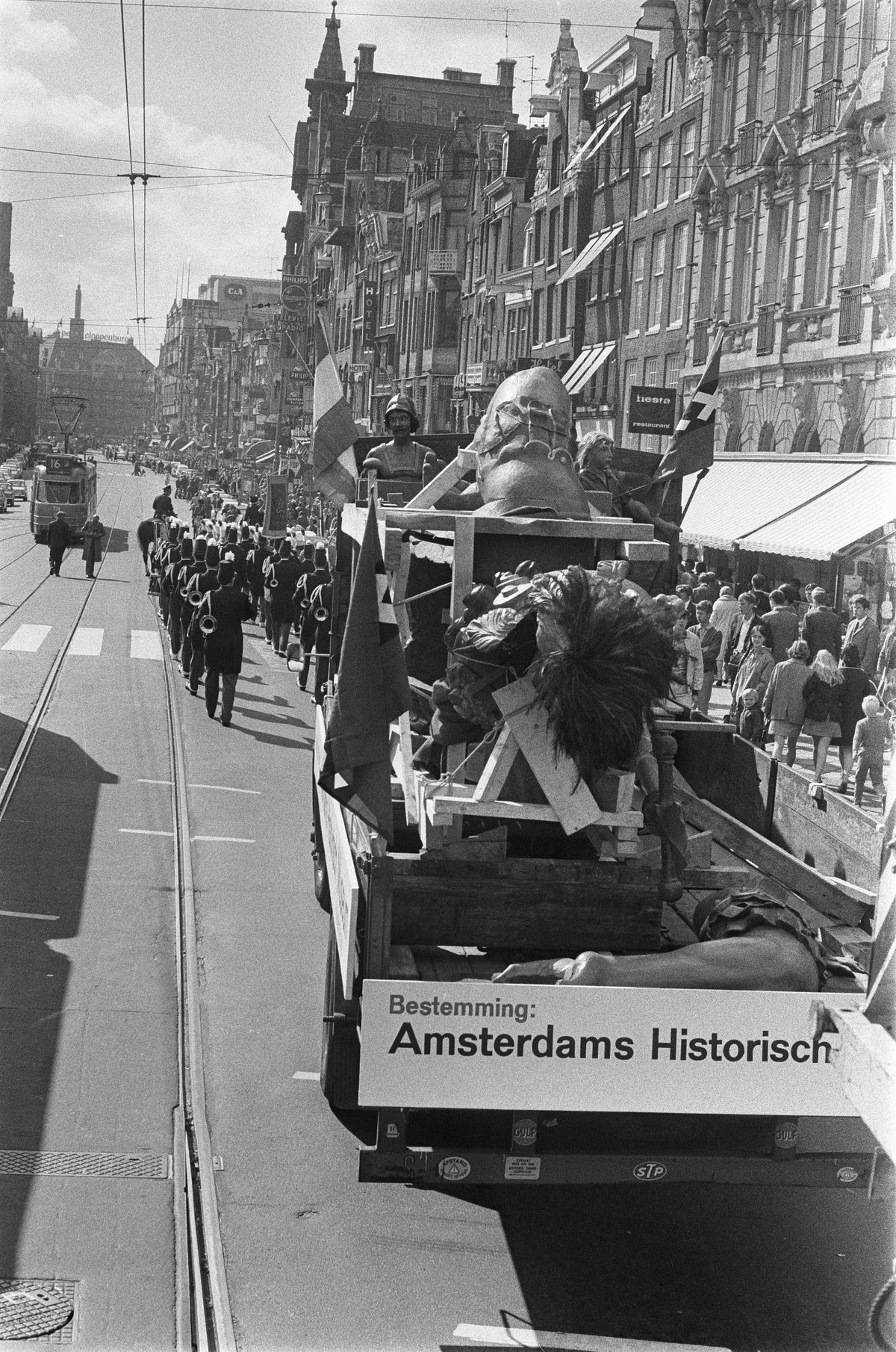
In 1926, the Amsterdam Museum first opened its doors to the public. Initially known as the 'Amsterdams Historisch Museum' (Amsterdam Historical Museum), it focused on showcasing the city's rich past through a collection of paintings, artifacts, and documents. Over the decades, the museum's scope expanded to encompass not only historical narratives but also the social, cultural, and artistic tapestry of Amsterdam.
A Modern Perspective
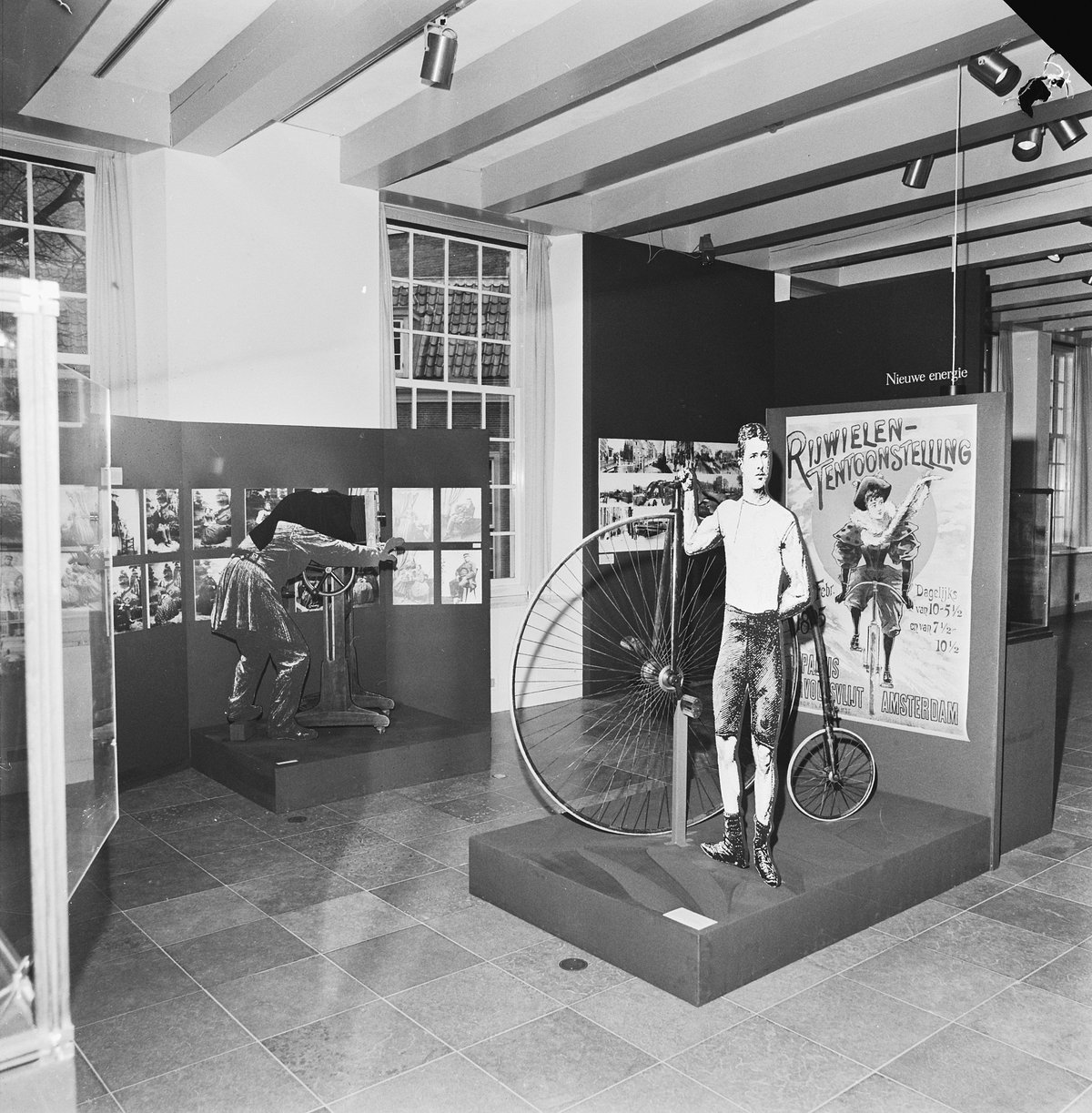
Today, the Amsterdam Museum stands as a dynamic institution dedicated to presenting a multifaceted portrait of the city. It aims to engage visitors with thought-provoking exhibitions that explore Amsterdam's past, present, and future. The museum's collection has grown significantly over the years and now includes a diverse range of objects, from archaeological finds and historical paintings to photographs, fashion, and contemporary art.
Architectural Significance
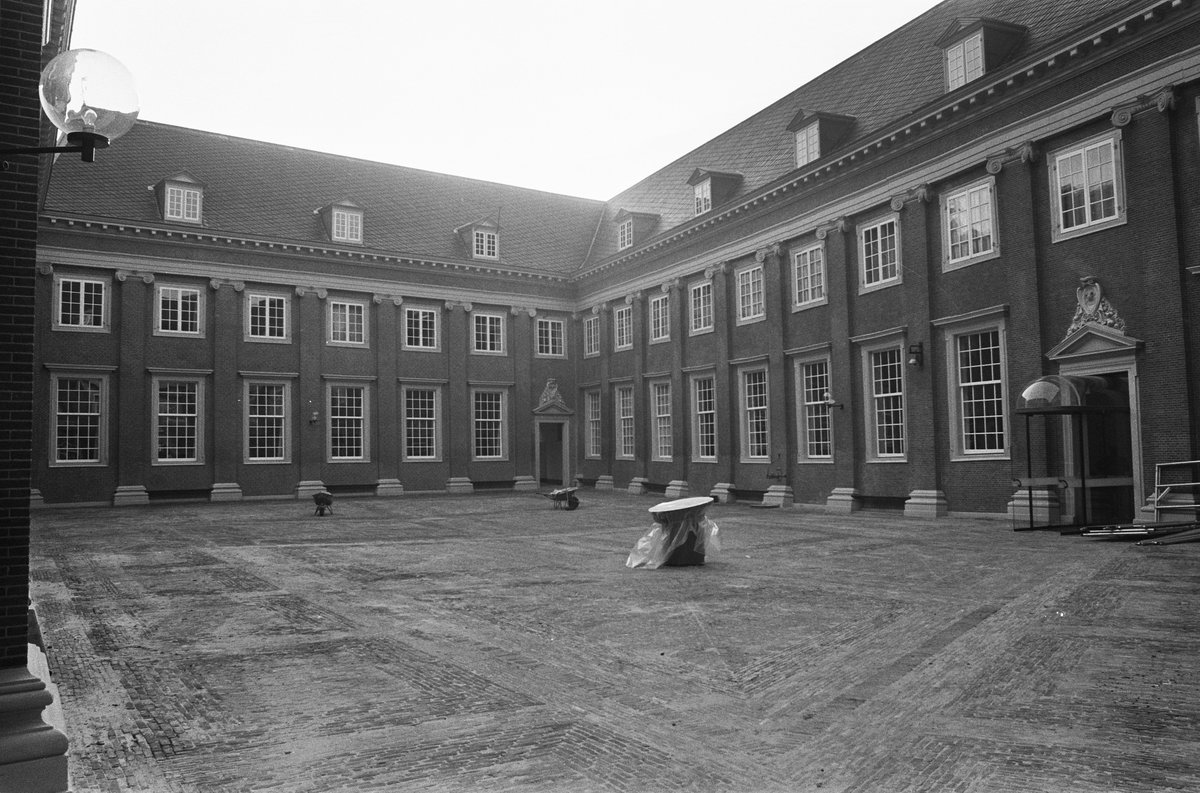
The museum building itself is an integral part of the visitor experience. The former 'Burgerweeshuis', with its impressive Renaissance architecture, offers a tangible link to Amsterdam's past. The inner courtyards, once bustling with the lives of orphans, now provide tranquil spaces for reflection. The museum has carefully preserved many original architectural features, including the grand staircase, ornate fireplaces, and the impressive 'Regent's Room', where the orphanage's governors once held their meetings.
A Continuous Evolution
The Amsterdam Museum is not a static entity frozen in time. It continues to evolve, constantly seeking new ways to engage with its audience and tell the story of Amsterdam in fresh and relevant ways. The museum actively incorporates interactive displays, multimedia installations, and temporary exhibitions that delve into contemporary issues and perspectives.
Visitor Information
Visiting Hours
The Amsterdam Museum is open daily from 10:00 AM to 5:00 PM. It is closed on King's Day (April 27) and Christmas Day (December 25).
Ticket Prices
- Adults: €15
- Children (under 18): Free
- Students: €12.50 (with valid ID)
- Amsterdam City Card holders: Free
Tickets can be purchased online through the official Amsterdam Museum website or at the museum entrance.
Guided Tours and Special Events
The museum offers guided tours in multiple languages. Visitors can join scheduled tours or book private group tours in advance. Additionally, the museum hosts special events and temporary exhibitions throughout the year. Check the museum's events page for the latest updates.
Accessibility
The Amsterdam Museum is accessible to visitors with disabilities. Elevators and ramps are available throughout the building. Wheelchairs can be borrowed at the museum entrance.
Key Exhibits and Collections
Amsterdam DNA
A great starting point for your museum visit, this exhibition presents a chronological exploration of Amsterdam's history. Through interactive displays, artifacts, and multimedia presentations, visitors can delve into Amsterdam's evolution from a small fishing village to a bustling metropolis.
The Atlas of Amsterdam
This unique exhibit showcases Amsterdam through the lens of cartography. Visitors can explore a fascinating collection of historical maps, charts, and atlases that depict the city's growth and transformation over the centuries. The Atlas of Amsterdam offers a unique perspective on urban development and the evolution of Amsterdam's cityscape.
Amsterdam's Cityscapes
This exhibition delves into the artistic representations of Amsterdam's urban landscape throughout history. Visitors can admire a remarkable collection of paintings, drawings, and prints that capture the city's canals, houses, and street life. From the Dutch Golden Age to modern times, Amsterdam's Cityscapes offers a visual journey through the city's evolving aesthetic.
The 20th Century
This section of the museum focuses on Amsterdam's development during the 20th century. It explores significant historical events, social movements, and cultural trends that shaped the city's modern identity. Exhibits cover topics such as World War II, the rise of counterculture, and Amsterdam's transformation into a multicultural hub.
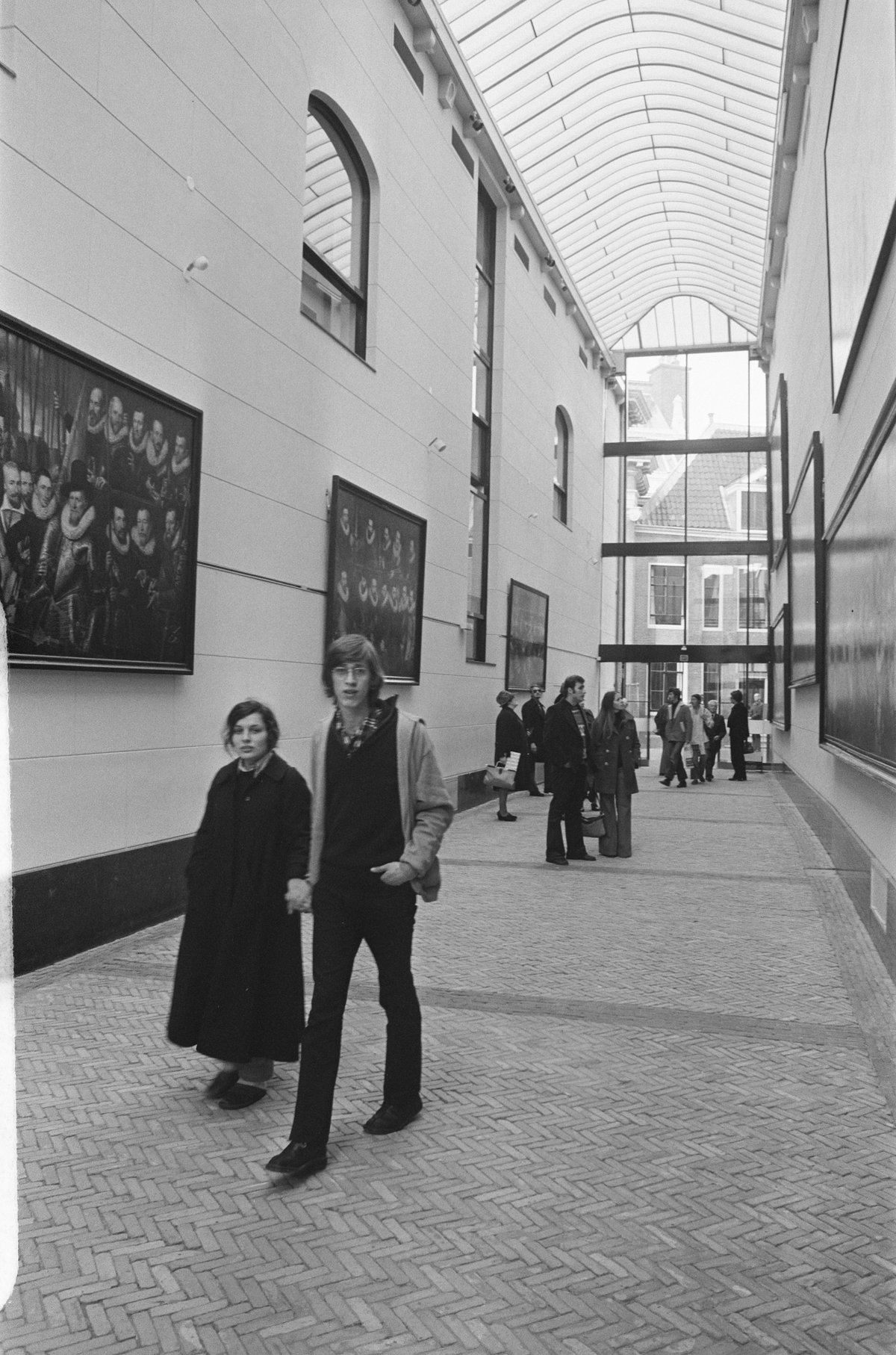
The Gallery of Civic Guards
This gallery houses an impressive collection of portraits of Amsterdam's civic guards, prominent citizens who played a vital role in the city's defense and governance. These group portraits, often painted by renowned Dutch masters, offer a glimpse into the social hierarchy and civic pride of Amsterdam's past.
The City's Collections
The Amsterdam Museum curates a vast collection of objects and artifacts that reflect the city's history and culture. These include:
- Archaeological finds: Discover remnants of Amsterdam's past, from prehistoric artifacts to medieval relics, showcasing the city's long and layered history.
- Fashion and accessories: Explore a captivating collection of clothing, jewelry, and accessories from different periods, reflecting Amsterdam's evolving fashion trends and social customs.
- Furniture and decorative arts: Admire exquisite examples of furniture, ceramics, glassware, and other decorative arts, showcasing the craftsmanship and design aesthetics of Amsterdam's artisans.
- Prints and drawings: The museum boasts a rich collection of prints, drawings, and photographs that document Amsterdam's urban development, social life, and artistic expressions.
- Paintings: While the Rijksmuseum houses the most famous Dutch Masters, the Amsterdam Museum holds a notable collection of paintings, including works by local artists that depict the city's unique character.
Temporary Exhibitions
In addition to its permanent collection, the Amsterdam Museum hosts a dynamic program of temporary exhibitions throughout the year. These exhibitions often explore specific themes related to Amsterdam's history, culture, or contemporary society, offering fresh perspectives and insights.
Making the Most of Your Visit
Planning Your Visit
- Location: The Amsterdam Museum is located at Kalverstraat 92, 1012 PH Amsterdam, Netherlands.
- Getting There:
- Public Transportation: The museum is easily accessible by public transport. The nearest tram stop is 'Spui' (lines 2, 4, 12, 13, 14, and 17).
- Walking: The museum is within walking distance from many central areas in Amsterdam.
- Bicycle: Amsterdam is a bike-friendly city, and there are bike racks available near the museum.
- Opening Hours: The Amsterdam Museum is open daily from 10:00 AM to 5:00 PM.
- Tickets:
- Adults: €15
- Students (with valid ID): €12.50
- Children (0-17 years old): Free
- I amsterdam City Card holders: Free It is recommended to purchase tickets online in advance, especially during peak season, to avoid queues. You can purchase tickets on the Amsterdam Museum's official website.
Travel Tips
- Allow Ample Time: Allocate at least 2-3 hours to fully explore the museum's exhibits and immerse yourself in Amsterdam's history.
- Start with the Amsterdam DNA Exhibition: This multimedia exhibition provides a captivating overview of the city's history and is a great starting point for your visit.
- Explore the Historic Building: The museum itself is housed in a former city orphanage, adding another layer of historical significance to your experience. Take some time to admire the building's architecture and courtyard.
- Engage with Interactive Displays: The museum features numerous interactive displays and multimedia installations that bring history to life. Don't hesitate to participate and learn through these engaging elements.
- Don't Miss the Highlights: Some of the must-see exhibits include the City Orphanage, the Paintings Gallery, and the Amsterdam DNA presentation.
- Take a Break: The museum has a café where you can relax and enjoy refreshments during your visit.
- Visit the Museum Shop: Browse the museum shop for unique souvenirs, books, and gifts related to Amsterdam and its history.
Virtual Tour and Online Collection
For those unable to visit in person, the Amsterdam Museum offers a virtual tour on its website, allowing you to explore selected exhibitions and highlights from the comfort of your home. Additionally, their online collection provides access to a vast database of objects and artifacts, allowing you to delve deeper into the museum's holdings.
Nearby Attractions
While visiting the Amsterdam Museum, consider exploring nearby attractions such as:
- The Royal Palace of Amsterdam
- The Anne Frank House
- The Rijksmuseum
- The Van Gogh Museum
- Begijnhof
- Flower Market
Photography and Social Media
Photography is allowed in most areas of the museum. Share your experience on social media using the hashtag #AmsterdamMuseum.
FAQ
Q: What are the Amsterdam Museum visiting hours? A: The museum is open daily from 10:00 AM to 5:00 PM, except on King's Day and Christmas Day.
Q: How much are tickets for the Amsterdam Museum? A: Adult tickets are €15, children under 18 enter for free, and students pay €12.50 with a valid ID. Amsterdam City Card holders can enter for free.
Q: Are guided tours available at the Amsterdam Museum? A: Yes, guided tours are available in multiple languages. Visitors can join scheduled tours or book private group tours in advance.
Q: Is the Amsterdam Museum accessible to visitors with disabilities? A: Yes, the museum is accessible, with elevators, ramps, and wheelchairs available for use.
Tickets & tours.
These are guided options from our partners — same price as booking direct.
Prices are indicative — final pricing and availability are confirmed at checkout. Audiala may earn a commission from bookings made through these links.
Listen to the full story in the app
The whole Amsterdam Museum,
told well.
Audio guides for 1,100+ cities across 96 countries. History, stories, and local insight — offline ready.
Verified, and shown.
Researched and written by the Audiala editorial team from historical records, architectural archives, and local expertise.
Researched from Wikidata, Wikipedia & official sources · fact-checked · How we make our guides →