Prehistory
local_fire_department
2700 BCE
Stone tools beneath the peat
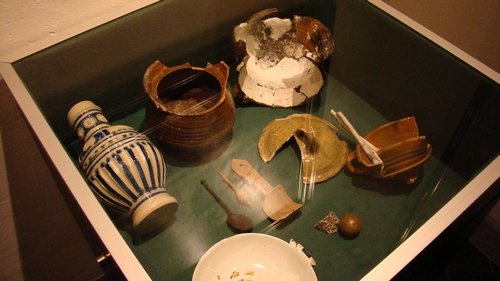
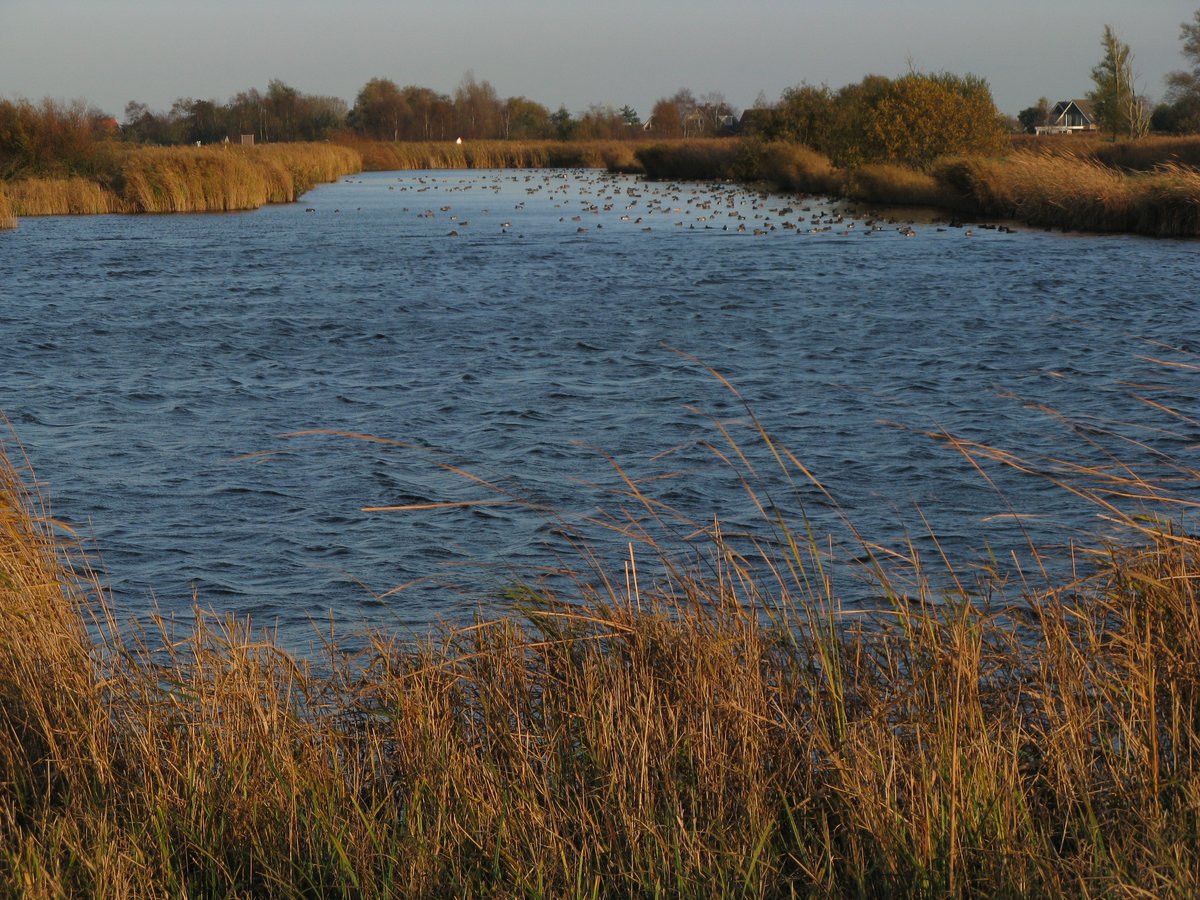
Workers digging the Noord/Zuidlijn metro found a granite grinding stone thirty meters down. Someone once stood at the Amstel mouth and sharpened tools here when the land was still wild marsh. The city has always been built on what it tried to bury.
Medieval Settlement
local_fire_department
1170
The All Saints' Flood
A storm surge ripped open the IJ and turned the Amstel mouth into open sea. Terrified settlers threw up a dam of earth and wood. That crude barrier became Dam Square. The smell of saltwater still lingers in the name Damrak.
gavel
1275
First written mention
Count Floris V granted the muddy settlement tax freedom across Holland. The parchment still exists. In exchange the people of Amestelledamme promised loyalty against the scheming Lords of Amstel. The bargain stuck.
church
1306
City charter granted
The Bishop of Utrecht finally gave Amsterdam formal rights. A wooden church rose where the Oude Kerk stands today. Its bells rang over peat diggers and herring fishermen who suddenly belonged to something larger than their ditches.
Medieval Growth
factory
1323
Hamburg beer monopoly
The city won exclusive rights to import hopped beer from Hamburg. Barrels rolled off ships and straight into taverns along the Damrak. Amsterdam's first real fortune smelled of malt and saltwater.
Dutch Revolt
swords
1578
The Alteratie
After years of clinging to Spain, Amsterdam switched sides in a single night. Protestant exiles poured in. Catholic clergy fled. The warehouses that once supplied the Duke of Alba now armed Dutch rebels. The city never looked back.
Golden Age
flight
1602
Birth of the VOC
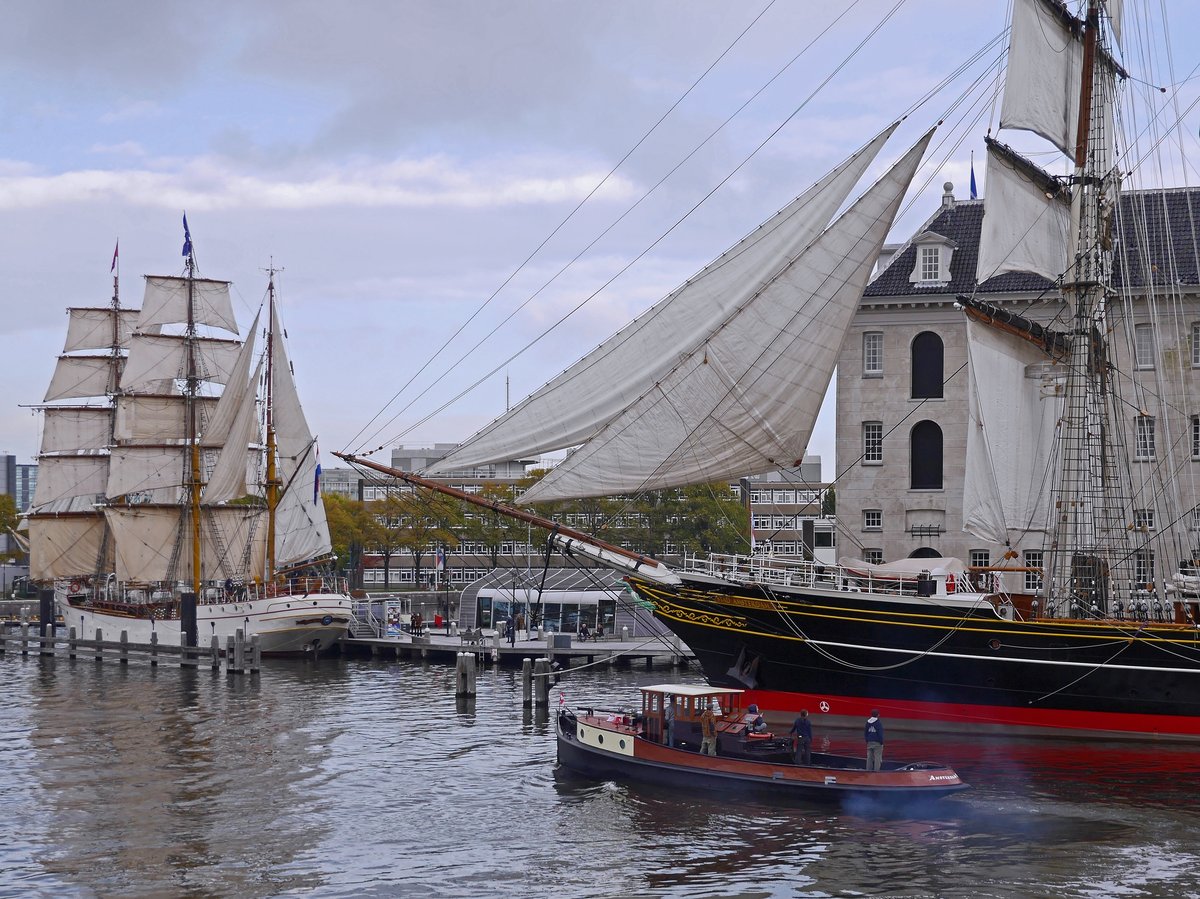
Merchants on the Warmoesstraat pooled their money and created the world's first joint-stock company. Ships left from the IJ bound for Java. Returns sometimes reached 300 percent. Amsterdam learned early how to make distance pay.
castle
1613
Canal Ring begins
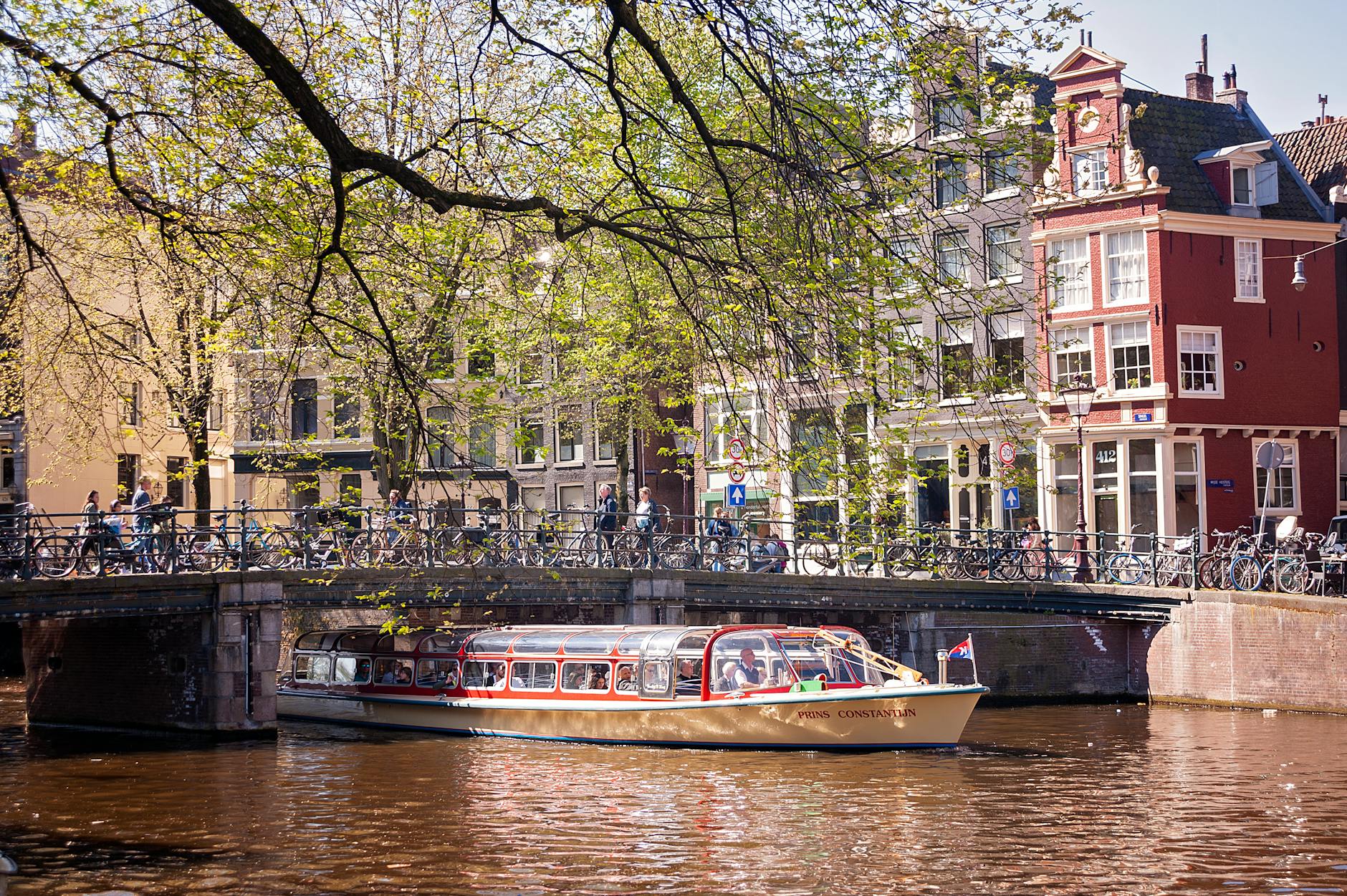
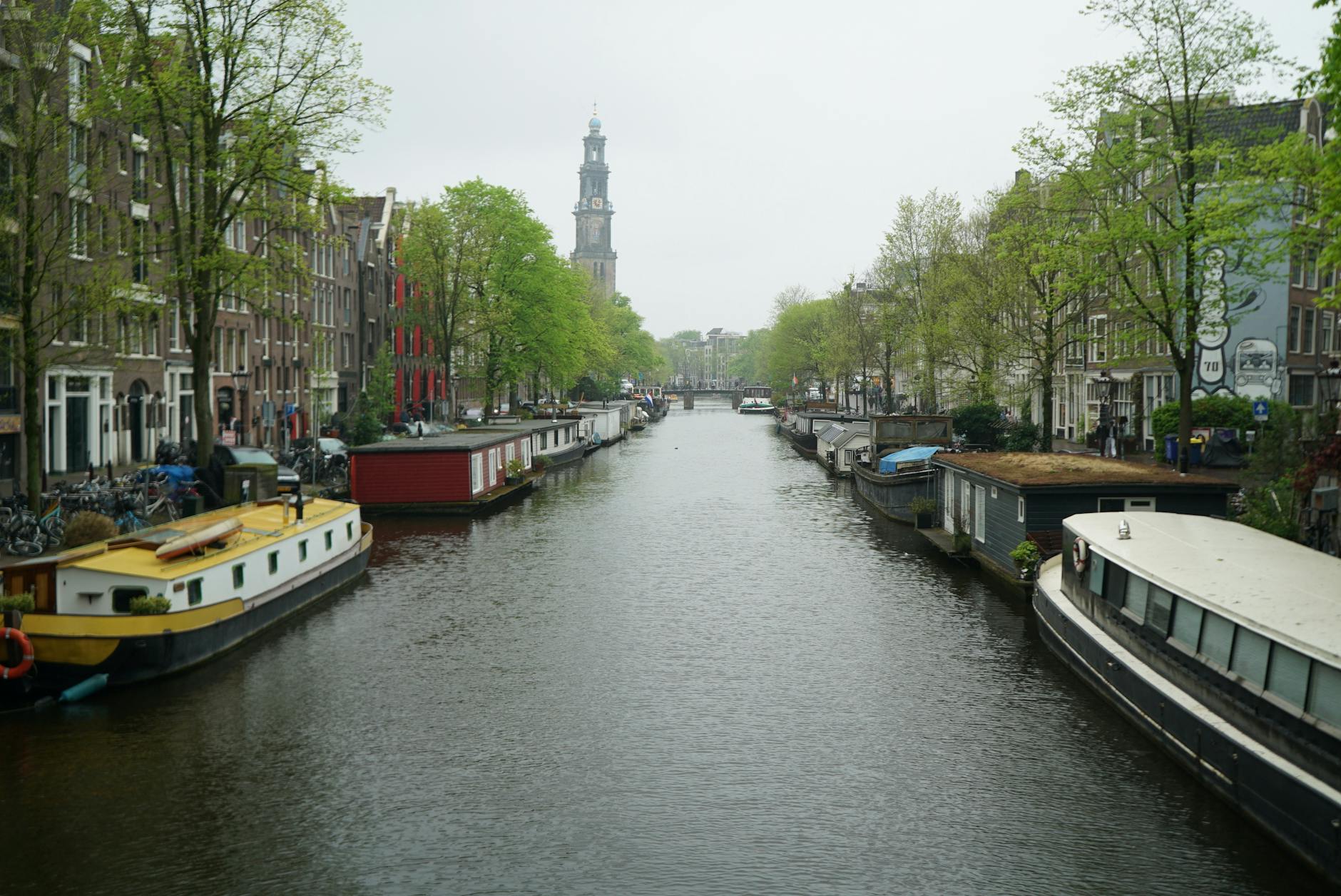
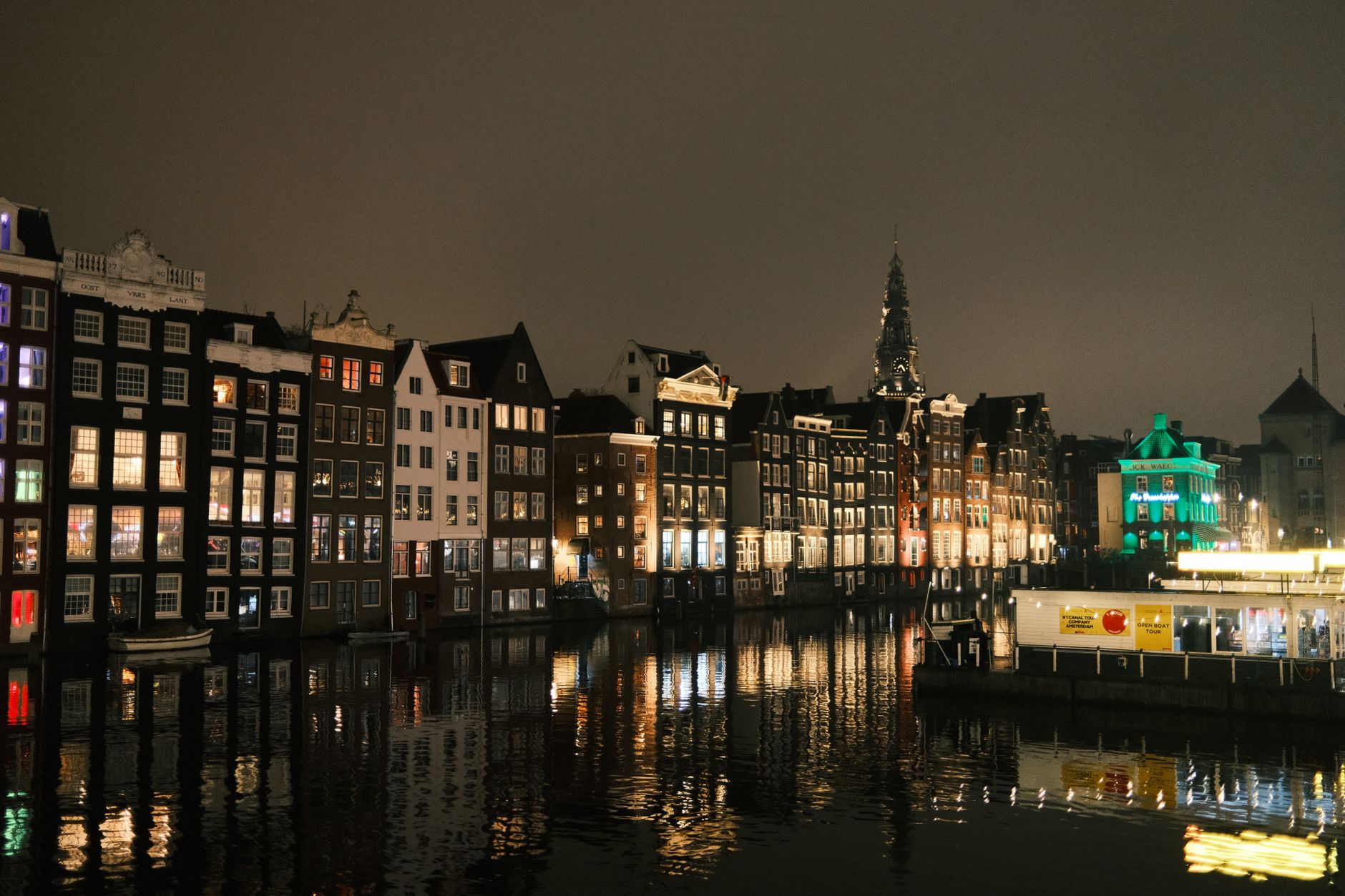
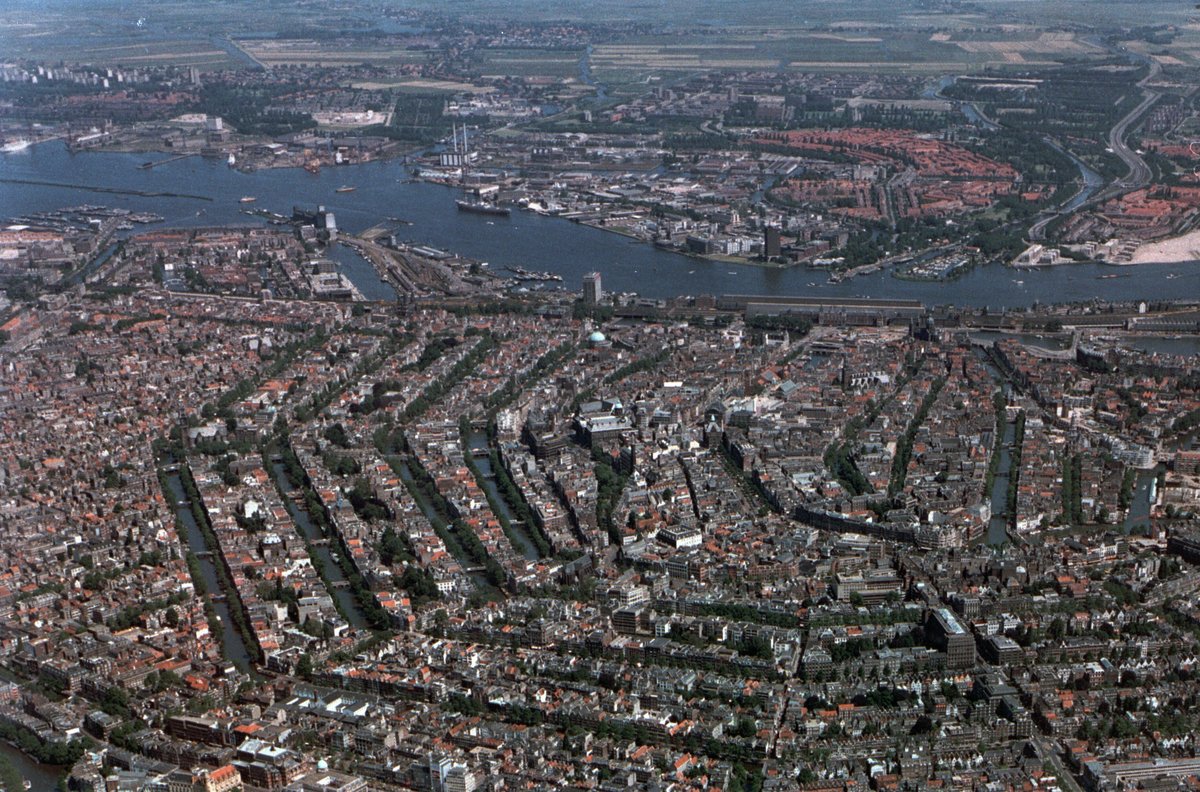
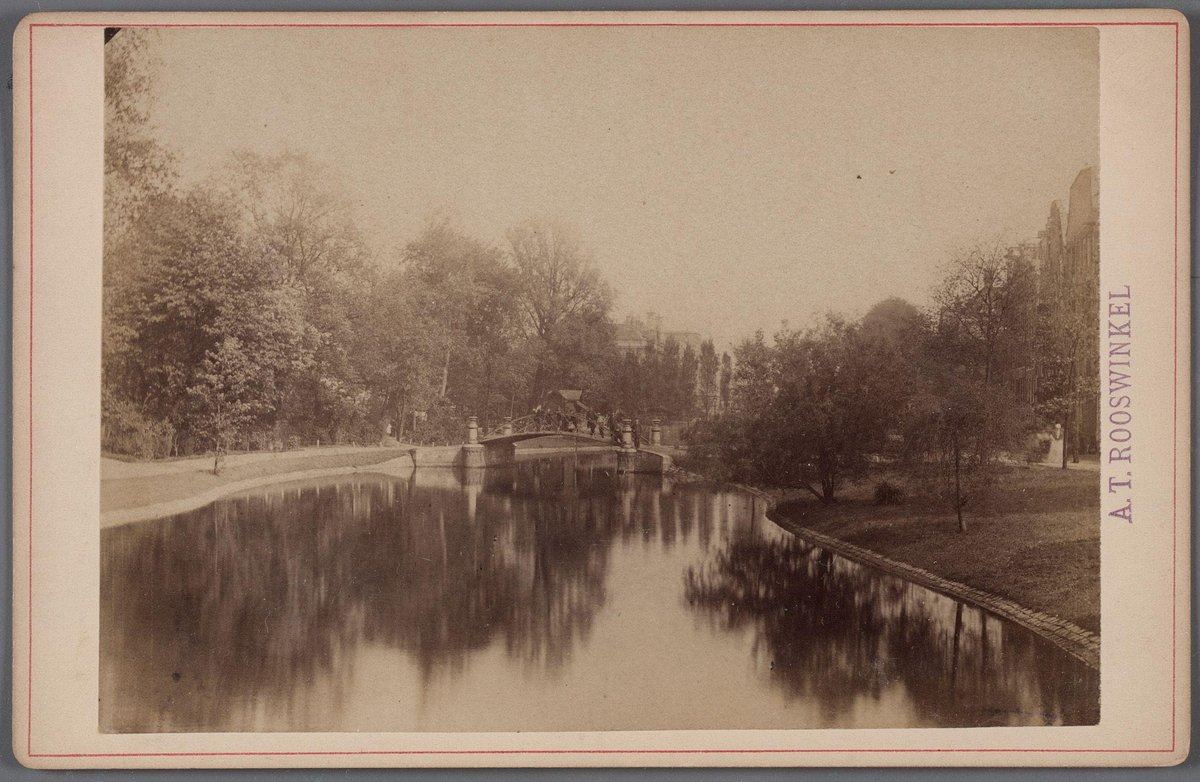
Three concentric canals were carved through marsh with mathematical precision. Herengracht, Keizersgracht, Prinsengracht. Each house had its own mooring pole. The smell of fresh clay hung over the city for decades.
palette
1632
Rembrandt arrives
A 26-year-old miller's son from Leiden rented rooms on the Breestraat. Within years his studio was cluttered with armor, exotic shells, and human skulls. Light from the tall north-facing windows still feels like his.
castle
1655
New Town Hall opens
The marble palace on Dam Square replaced the one lost to fire. Citizens walked across floors inlaid with maps of the known world. Upstairs, the burgomasters could literally stand on top of their empire.
swords
1672
Rampjaar disaster
France, England, and two German bishops attacked at once. The Dutch cut their own dikes. French soldiers reached Utrecht but never Amsterdam. The city survived by flooding its own countryside. Pride has rarely smelled so damp.
Revolutionary Period
gavel
1795
French troops enter
Revolutionary soldiers crossed frozen rivers and were welcomed by local patriots. The Batavian Republic replaced the old merchant oligarchy. The VOC, already bankrupt, was formally dissolved four years later. An empire ended with a signature.
Kingdom of the Netherlands
gavel
1814
Capital of the Kingdom
The new Dutch kingdom named Amsterdam its capital even though the government stayed in The Hague. The Royal Palace on the Dam, once a town hall, now housed kings who preferred not to live there. A compromise carved in stone.
Industrial Age
factory
1889
Centraal Station opens
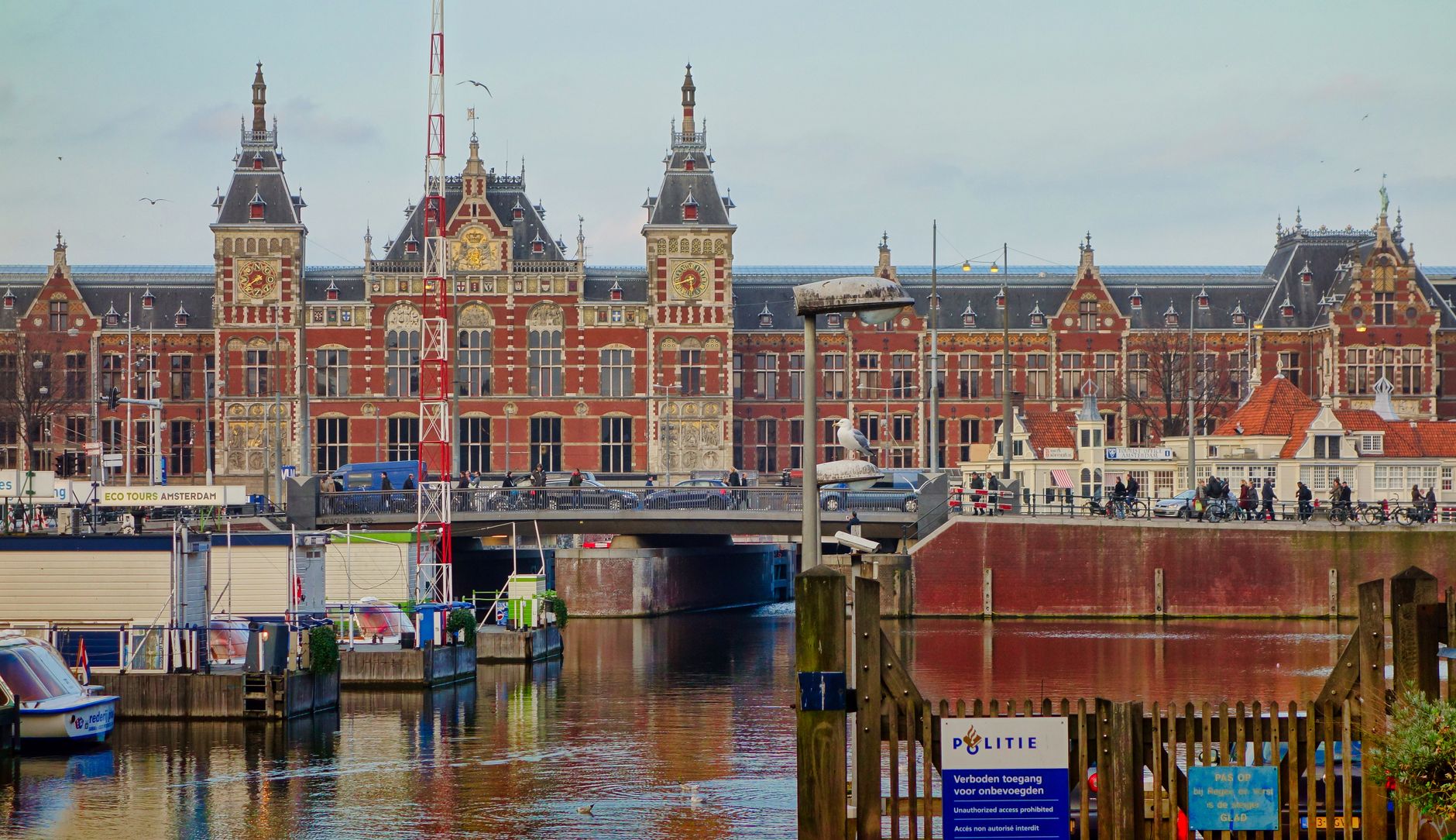
P.J.H. Cuypers built a red-brick cathedral to trains directly in front of the IJ. Fishermen complained it blocked their view of the water. Within a generation everyone agreed the city had turned its back on the sea and faced the future instead.
Interwar Period
public
1928
Olympic host city
Amsterdam welcomed the world to its first Games that let women run. The Olympic Stadium still stands in the south. Its brick arches remember the moment the city briefly became the center of disciplined international hope.
World War II
swords
1941
February Strike
Tram drivers and dockworkers walked out to protest the first roundups of Jewish citizens. For two days the city shut down in open defiance of the Nazis. It was the only such strike in occupied Europe. The Germans shot the ringleaders.
local_fire_department
1945
Liberation and hunger
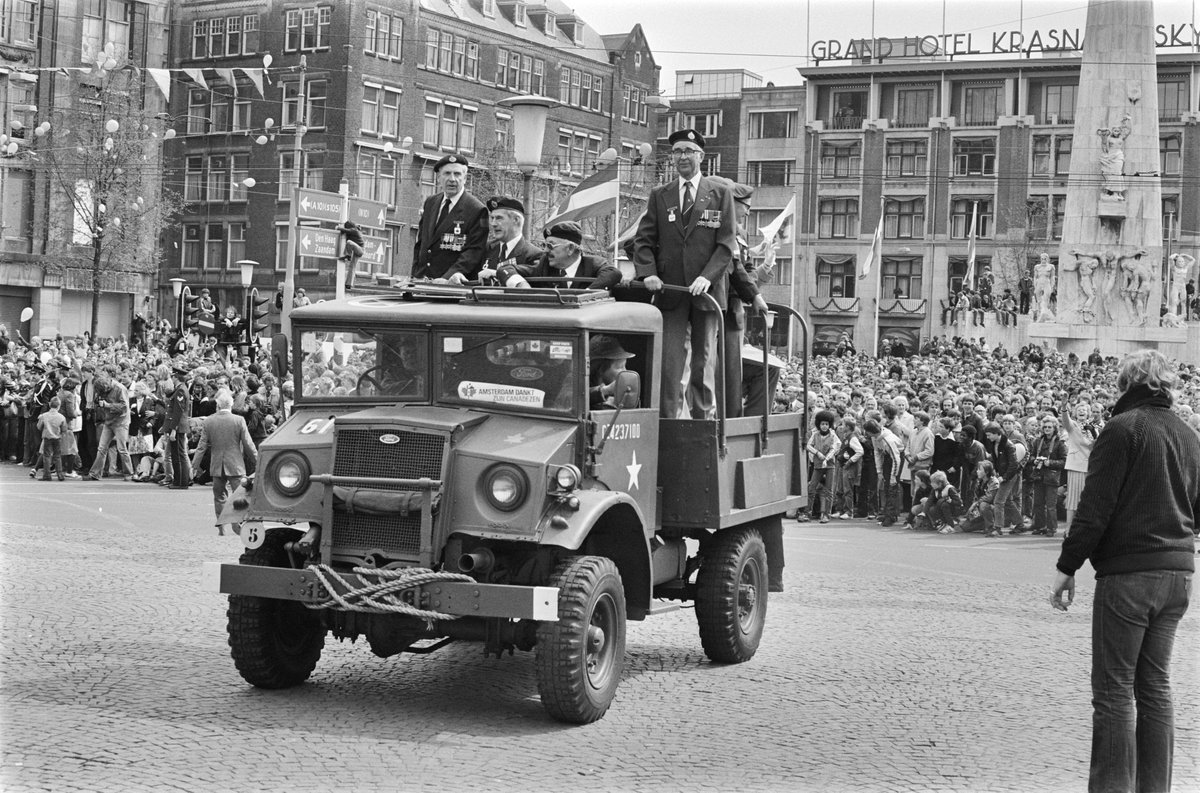
Canadian troops rolled in on 5 May. The Hunger Winter had already killed thousands. People boiled tulip bulbs on Prinsengracht. The joy of freedom arrived on empty stomachs and thin bicycles.
Counterculture Era
person
1966
Provo smoke bombs
During Princess Beatrix's wedding procession on the Dam, young provocateurs released smoke bombs from the crowd. The white bride rode through black clouds. Amsterdam's counterculture announced itself with theatrical contempt for authority.
Modern Era
person
1988
Cruyff's total football
Born on the streets behind Ajax's old De Meer stadium, Johan Cruyff had already changed how the world played. In 1988 his pupils lifted the European Championship. The city still claims both the man and the philosophy he left on every pitch.
church
2001
First same-sex marriage
In the old city hall on the Dam four couples exchanged vows under Dutch law. The rest of the planet watched. Amsterdam had spent four centuries learning how to mind its own business and finally taught the lesson to everyone else.
castle
2010
Canals become UNESCO site
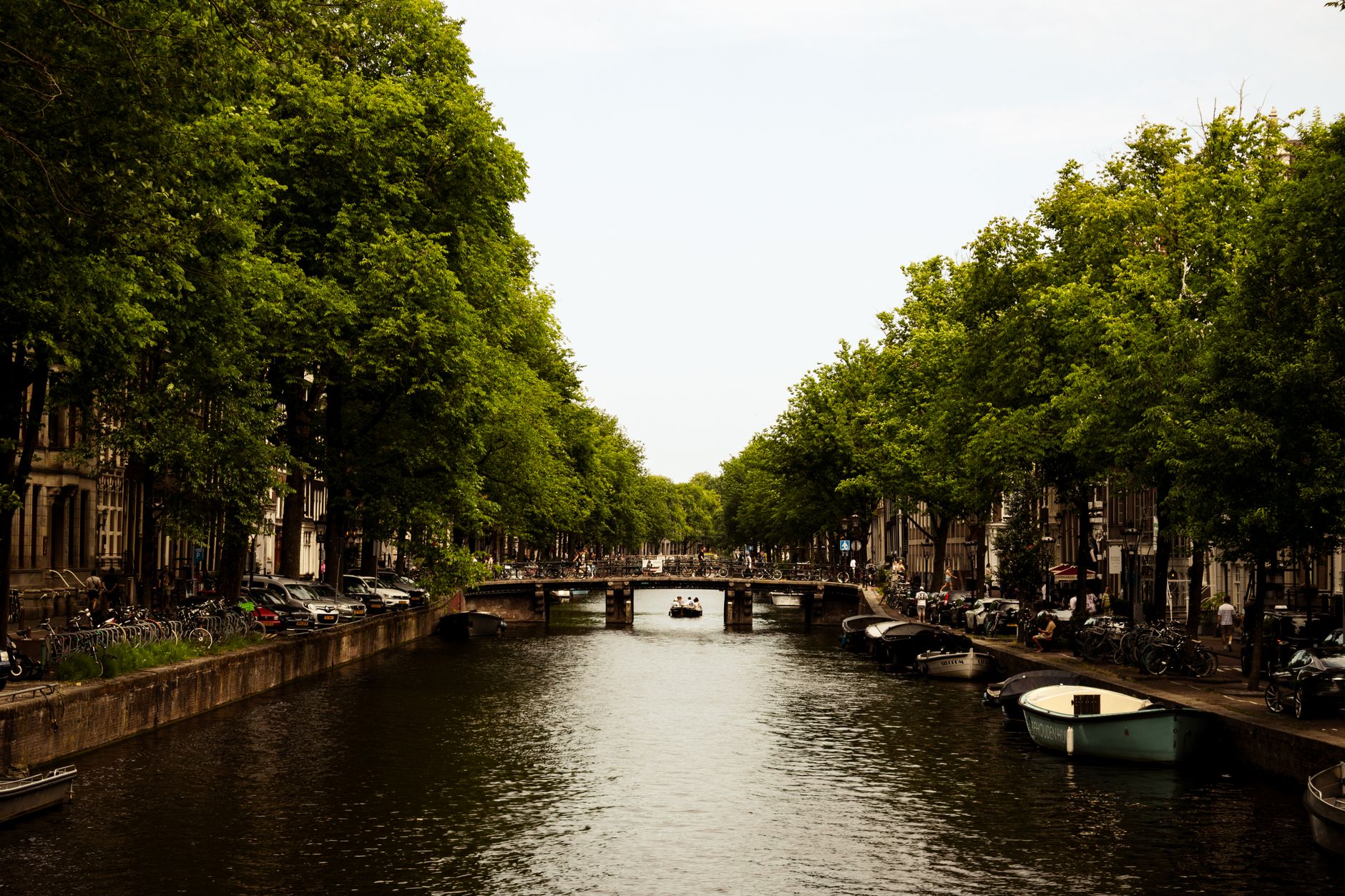
The entire Canal Ring received World Heritage status. Not a single building. The water itself. The decision felt overdue to locals who had been living inside a masterpiece for four hundred years.
flight
2023
Cruise ships banned
After years of debate the city voted to stop giant ships from docking near the center. The decision marked the first serious attempt to reclaim Amsterdam from its own popularity. The debate still echoes louder than any ship's horn.