Introduction
Kathmandu greets you with the scent of sandalwood incense drifting through alleys so narrow that bronze temple bells brush your shoulder as you pass. In Nepal’s capital, monkeys scamper over 5th-century stupas while taxi horns echo off Rana-era neo-classical façades, and a single courtyard might house both a living goddess and a barista pulling single-origin Nepali espresso. The city doesn’t reveal itself in postcard vistas; it leaks out in fragments—butter-lamp flicker on a prayer wheel, the sudden hush inside a bahal where pigeons clap their wings like applause.
Seven UNESCO monument zones are stitched together by 1,000-year-old trade routes, but the real magic is how seamlessly medieval and modern coexist. A Thakali lunch counter operates under 14th-century wooden struts; jazz from an upstairs bar in Lazimpat drifts across the former royal hunting reserve where deer now graze beside a contemporary art archive. Walk south an hour and you’re in Kirtipur, where grandmothers still sun-dry yak-cheese on red-brick windowsills, or east to Boudha where Tibetan grandfathers finish their kora as rooftop cafés serve cumin-laced thenthuk at sunset.
Kathmandu rewards curiosity over checklists. The valley floor is only 1,400 m above sea level—your breath comes easy—yet every horizon is serrated with 6,000-metre summits. Spend dawn watching saffron-robed monks debate philosophy at Kapan, midday bargaining for turmeric in Asan where the price is still quoted in mana and pathi, dusk swapping trekking stories over Everest barley beer in Thamel, and midnight in Patan’s museum courtyard listening to tablas echo off stone Krishna images. The city doesn’t ask for reverence; it asks you to look twice at the ordinary, because the ordinary here is usually extraordinary.
Places to Visit
The Most Interesting Places in Kathmandu
Pashupatinath Temple
Nestled on the sacred banks of the Bagmati River in Kathmandu, Nepal, the Pashupatinath Temple stands as a monumental beacon of Hindu spirituality, culture,…
Basantapur Durbar Square
Basantapur Durbar Square, also widely recognized as Kathmandu Durbar Square or Hanuman Dhoka Durbar Square, stands as an emblematic cultural and historical…
Narayanhiti Palace
Nestled in the heart of Kathmandu, Narayanhiti Palace Museum stands as a majestic testament to Nepal’s rich royal heritage and dramatic political transitions.
Garden of Dreams
Nestled in the vibrant heart of Kathmandu, Nepal, the Garden of Dreams is a historical oasis known for its serene ambiance and rich cultural heritage.
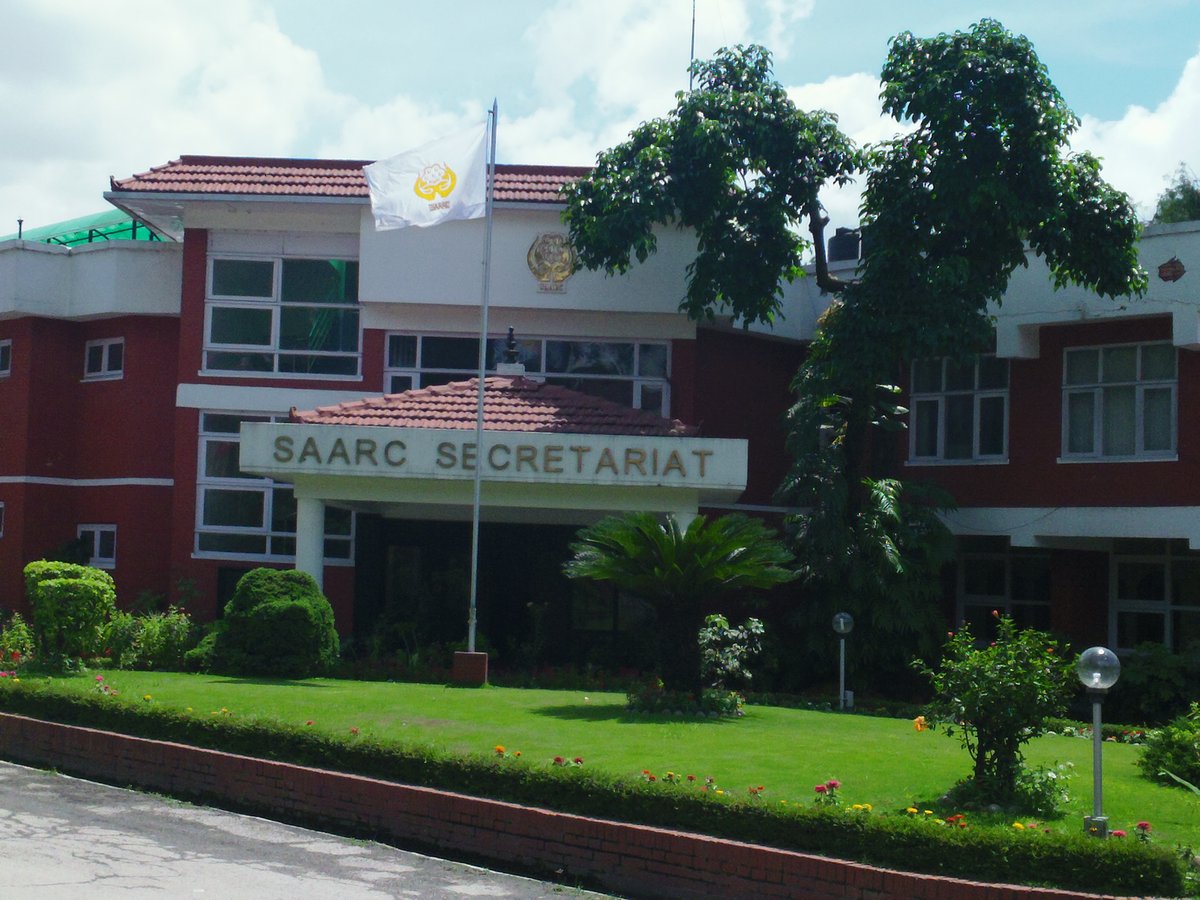
South Asian Association for Regional Cooperation Secretariat
Located in the vibrant heart of Kathmandu, Nepal, the South Asian Association for Regional Cooperation (SAARC) Secretariat stands as a pivotal monument and…
Patan Museum
Nestled in the historic Patan Durbar Square in the Kathmandu Valley, the Patan Museum stands as a testament to Nepal's rich cultural and architectural heritage.
Hanuman Dhoka
Nasal Chok, situated within the illustrious Kathmandu Durbar Square, is a gem that offers a deep dive into Nepal's rich cultural tapestry and architectural…
Tribhuvan International Airport
Tribhuvan International Airport (TIA), situated approximately 5.6 kilometers east of Kathmandu’s city center, stands as Nepal’s primary international aviation…
Swayambhunath
Swayambhunath, widely known as the Monkey Temple, is one of Kathmandu's most ancient and revered religious monuments, offering visitors a profound cultural,…
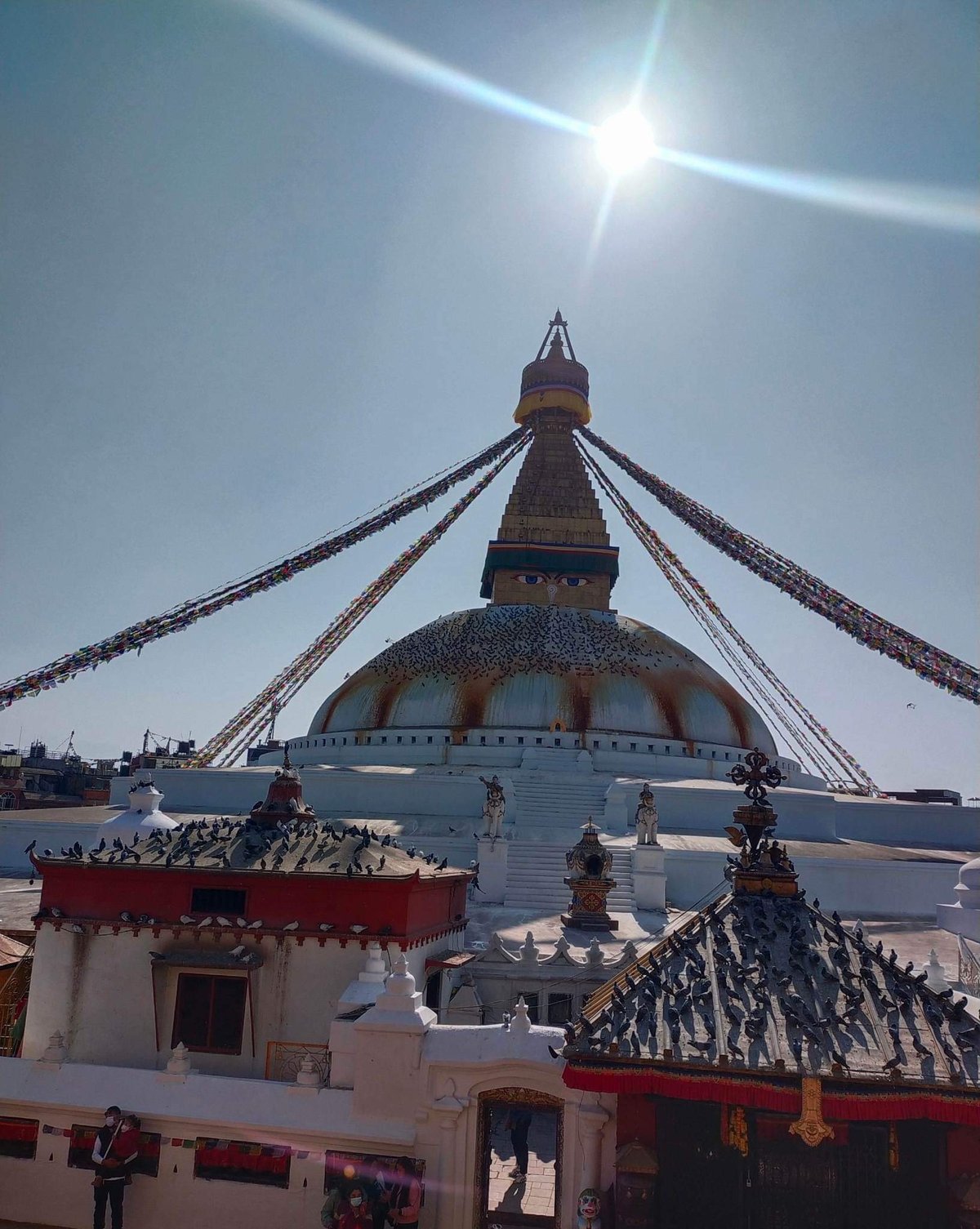
Boudhanath
Nestled in the vibrant cityscape of Kathmandu, Nepal, Boudhanath Stupa stands as an enduring symbol of Buddhist spirituality, cultural heritage, and…
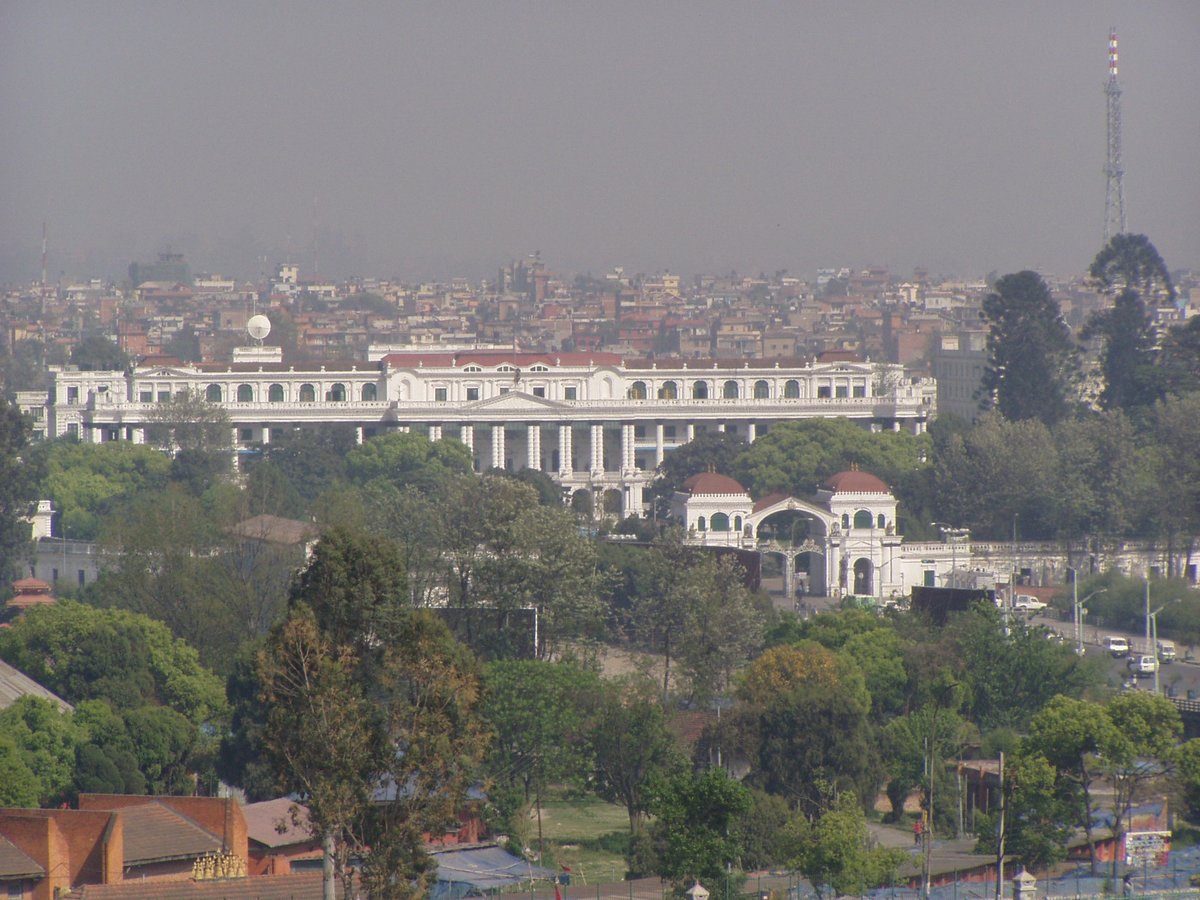
Singha Durbar
Nestled in the heart of Kathmandu, Singha Durbar stands as one of Nepal's most iconic historical and political landmarks, offering visitors a rare glimpse…
Dasarath Rangasala Stadium
Nestled in the vibrant heart of Kathmandu, Dasarath Rangasala Stadium stands as Nepal’s largest and most iconic multi-purpose sporting venue, embodying the…
What Makes This City Special
Layered Sacred Space
Seven UNESCO monument zones stack Buddhist stupas, Hindu ghats and Malla-era palaces within one valley. Dawn at Swayambhunath pairs prayer-wheel clicks with the city’s first sunlit haze; dusk at Pashupatinath sends sandalwood smoke above the Bagmati while cremations continue under electric lights.
Courtyard Kathmandu
Between Asan’s spice piles and Thamel’s guitar shops lie hidden bahals—monastic courtyards where 14th-century wood carvings still prop up living room walls. Walk Itum Bahal to Kathesimbhu at 8 a.m. and you’ll share flagstone alleys with schoolkids, not tour groups.
Contemporary Art Pulse
Taragaon Next turns a 1970s brick hostel into a design archive and rooftop amphitheatre; next door, Museum of Nepali Art (MoNA) hangs Tantric deities alongside neon re-interpretations. Both stay open till 7 p.m.—perfect after the heritage sites shut their gates.
Valley Rim Sunrises
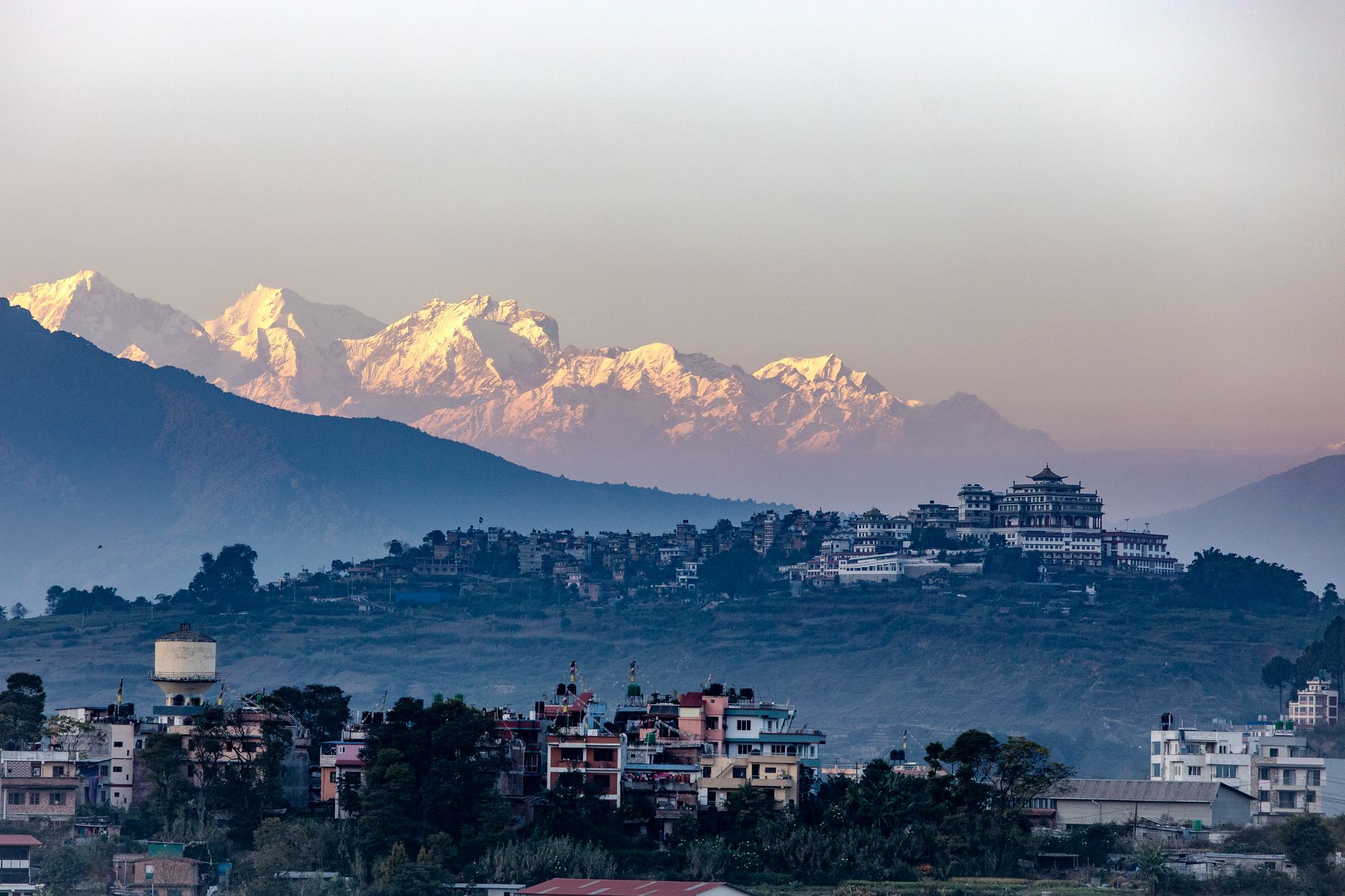
From Chandragiri cable-car summit (2,551 m) or Nagarkot ridge you watch an 800-kilometre Himalayan wall blush pink before the first micro-bus reaches Kathmandu. Do it on a weekday in October and you’ll share the platform with local college students, not tour buses.
Historical Timeline
Valley of Gods, City of Kings
Where Himalayan trade routes met medieval artistry and modern revolutions
Valley's First Inscribed King
A stone statue at Handigaon bears the name Jayavarman, the earliest dated inscription tied to Kathmandu. Carved in Brahmi script, it proves the valley already hosted literate courts when Europe still burned oil lamps in Londinium. The sculpture's serene face gazes across the Bagmati, unaware it anchors a city that will outlast empires.
Pashupatinath Emerges
Chronicles first record a shrine to Pashupati, Lord of Beasts, on the Bagmati’s forested bank. Pilgrims arrive with Tibetan salt and Madhesi grain, turning a clearing into Nepal’s most sacred funeral ground. Even now, sandalwood smoke rises where those early devotees kindled their fires.
Gunakamadeva Founds Kathmandu
King Gunakamadeva drains marshland where two rivers meet and lays out twelve wards of Manju-Patan. Woodcarvers from the Deccan, bronze-casters from Bihar, and Tamrakharas from the hills are lured by tax exemptions. The smell of fresh-sawn sal timber mingles with incense as the first market stalls open at dawn.
Kasthamandap Named
A palm-leaf deed mentions the ‘Wooden Pavilion’ that will give the city its name. Recent digs beneath the 2015 rubble found post-holes carbon-dated to the 600s, proving the pavilion is older than its famous 1596 rebuild. Pilgrims still shelter from monsoon rain under its replacement beams.
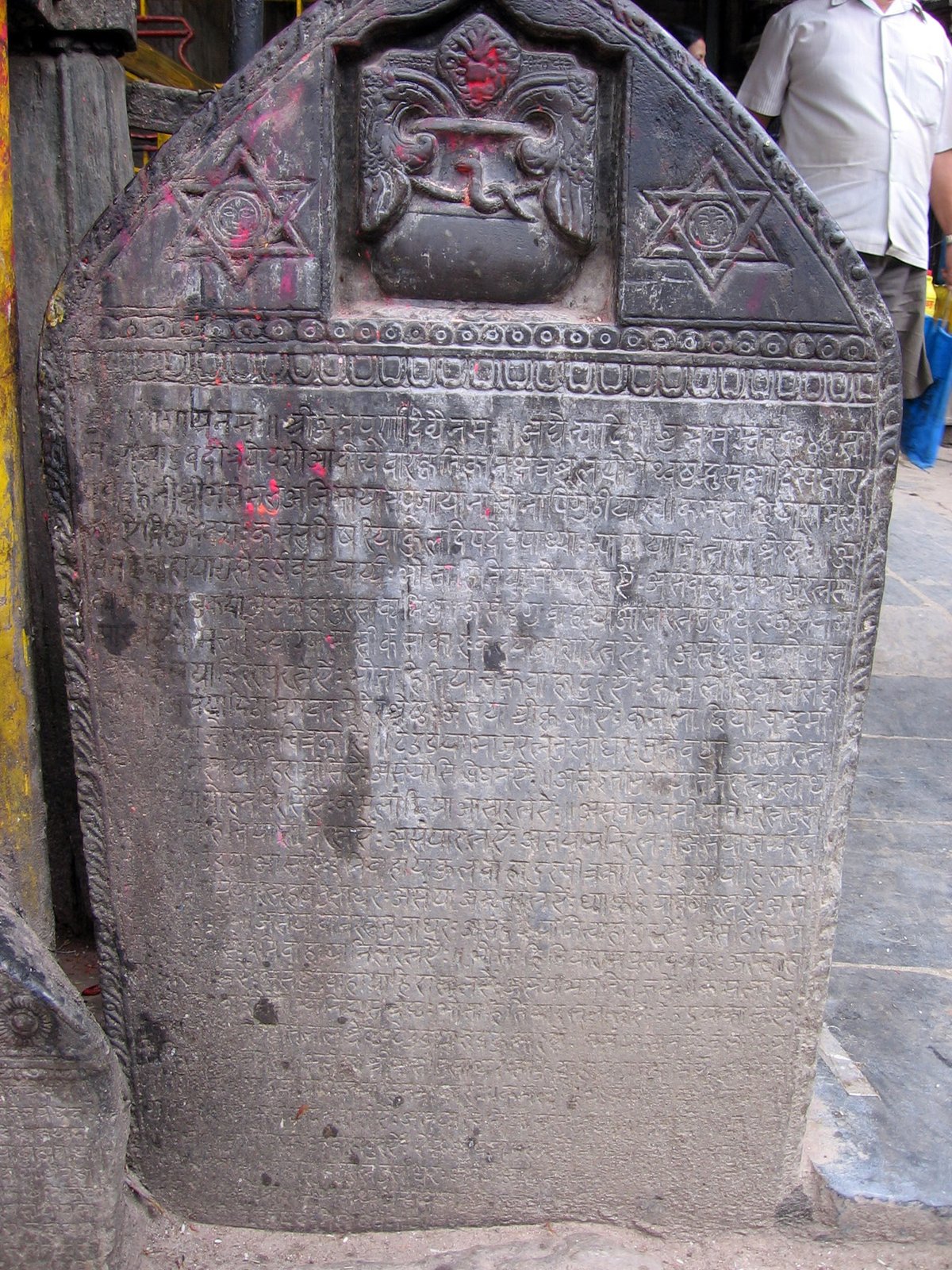
Jaya Sthiti Malla’s Code
The king issues 26 stone edicts regulating everything from loom widths to caste seating at festivals. Kathmandu's potters, farmers, and courtesans wake to find their duties etched in Newari on temple walls. The city’s rhythms—processions, feast days, market tolls—are set for the next half-millennium.
Valley Fractures into Three Kingdoms
Yaksha Malla divides his realm among his sons, birthing rival capitals at Kathmandu, Patan, and Bhaktapur. Overnight, brothers become competitors, commissioning ever-taller temples and ever-finer bronze doors to outshine one another. Artisans flourish; spies proliferate.
Taleju Temple Rises
Mahendra Malla raises a nine-roofed tower to his clan goddess, taller than any structure between Lhasa and Agra. Its pine beams are soaked in mustard oil to repel termites; the scent lingers for decades. Only the king may enter, but the silhouette redraws Kathmandu's skyline forever.
Pratap Malla, Builder-King
A 33-year-old poet-king crowns himself amid a shower of silver coins from the palace balcony. Within a decade he adds 33 temples, a public bath, and the stone pillar whose statue still faces Taleju. His Sanskrit epigrams echo at dusk across newly paved courtyards smelling of marigold and ghee.
Rani Pokhari Dug
In one monsoon season 7,000 laborers scoop out a royal lake to console the queen grieving their drowned son. Water is diverted through clay pipes still traceable beneath today’s traffic. At its center, a domed Shiva temple mirrors the white peaks northward, turning sorrow into geometry.
Gorkhali Siege Ends Malla Rule
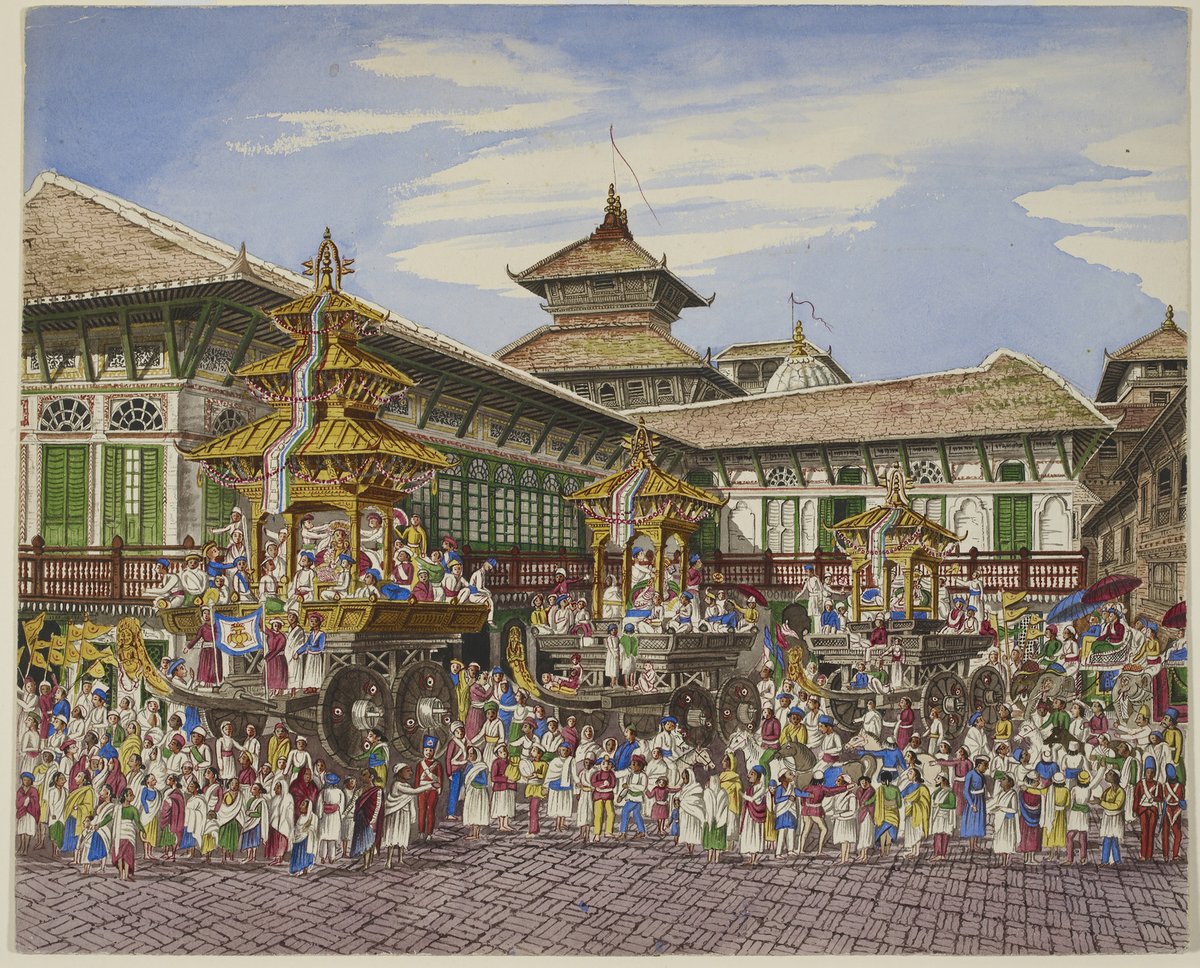
Prithvi Narayan Shah’s troops scale the city walls during the masked dancing of Indra Jatra. By dawn, the last Malla king has fled across the Bagmati; smoke from burning torches mingles with festival incense. Kathmandu wakes under new banners, its valley capital now the nucleus of a mountain-born empire.
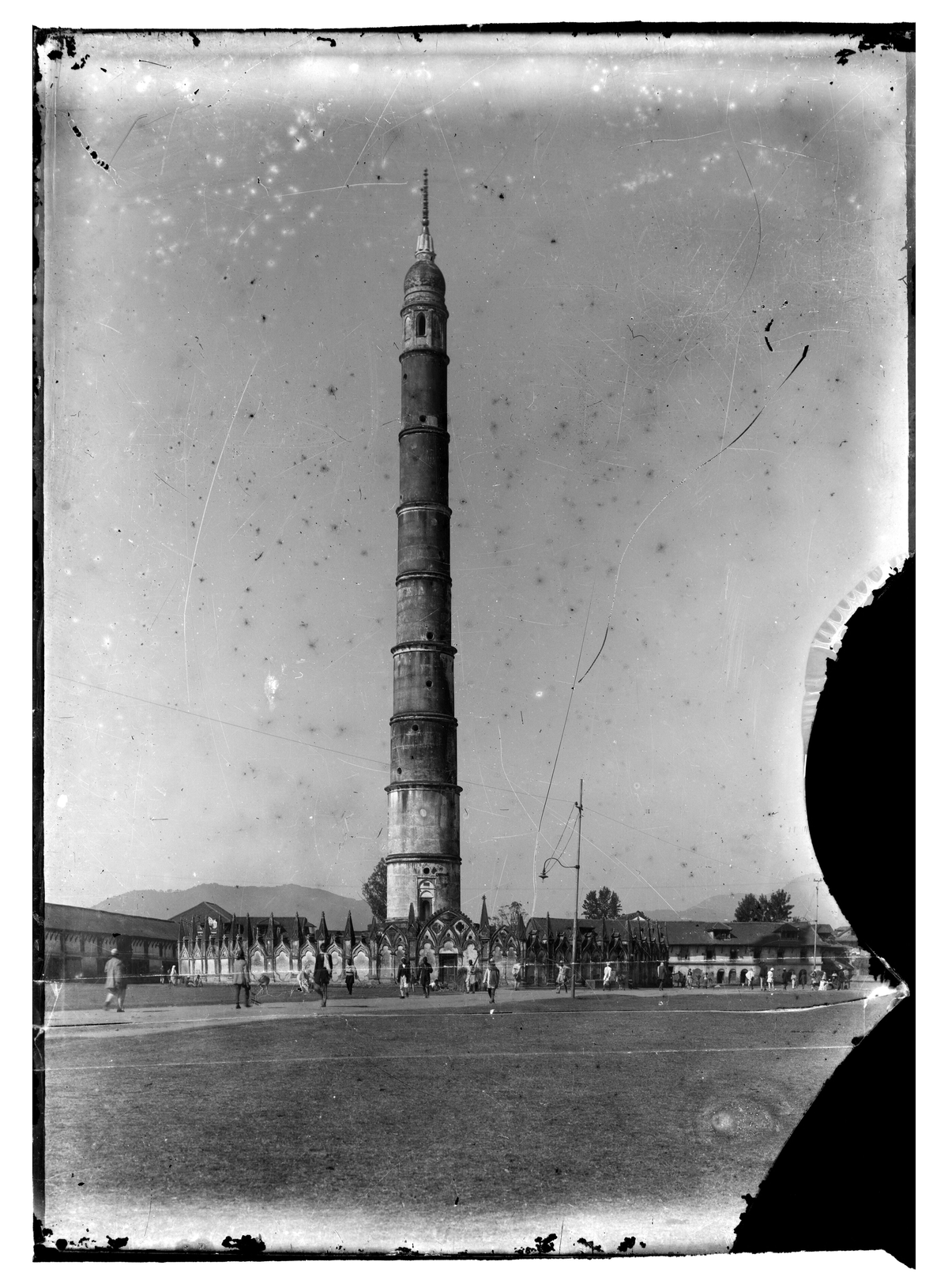
Dharahara Pierces the Sky
Prime Minister Bhimsen Thapa builds an 11-storey tower to rival Lucknow’s baroque minarets. From the summit, sentries watch for Company sepoys along the southern passes. Kathmandaris nickname it ‘Bhimsen’s needle,’ threading together the city’s scattered rooftops.
Kot Massacre: Ranas Seize Power
Inside the stone-armed courtyard of Kot, nobles gather to settle a succession feud. Thirty minutes later, bodies of premiers and generals carpet the flagstones, and Jung Bahadur Rana steps over them to claim the seal. Kathmandu’s Shah kings become gilded prisoners inside their own palace.
Siddhidas Mahaju, Language Rebel
Born in a Kathmandu alley where laundry flaps above cobblestones, he will grow up to compose the first printed epic in Nepal Bhasa under Rana censorship. His verses, smuggled in betel-leaf parcels, keep Newar literature alive when the rulers ban it from schools. Every modern poet in Kathmandu still walks in his shadow.
Garden of Dreams Opens
Field Marshal Kaiser Shumsher imports jasmine from Lahore and garden gnomes from Vienna, laying out six pavilions around a neoclassical pond. Electric bulbs flicker on for the first time in any Nepali garden, drawing moths and whispering couples away from the gas-lit alleys of Thamel.
Earthquake Flattens Temples
At 2:13 pm the ground lurches; 8,500 buildings collapse in 55 seconds. Dharahara’s top half topples into a fish market; Taleju loses her golden finial. Reconstruction sketches pinned to palace walls erase centuries of ornament in favor of quicker concrete. The city’s skyline simplifies overnight.
Rana Rule Overthrown
King Tribhuvan lands at Gauchar airfield in a Dakota borrowed from Delhi, trailed by exiled revolutionaries. Crowds pull down the iron gates of Singha Durbar; Rana prime ministers trade medals for safe passage to the Indian border. Kathmandu's streets echo with the first legal slogans shouted in both Nepali and Nepal Bhasa.
Tribhuvan University Chartered
Where once palace astrologers read omens, lecturers now flip through physics journals in a repurposed Rana mansion. The first class—39 students—trudges up muddy lanes to lecture halls smelling of fresh varnish and old royalty. Kathmandu becomes a capital not just of politics but of ideas.
Laxmi Prasad Devkota Dies
The ‘Mahakavi’ passes away on a bench at Pashupati, penniless yet reciting couplets to passing pilgrims. His body is carried to the cremation ghats he once sang of, smoke mingling with the same river mist that cloaked medieval kings. Schoolchildren still memorize the poem he scrawled on a hospital wall with charcoal.
Tribhuvan Airport Goes Global
A 5,200-ft asphalt strip carved from rice paddies becomes Tribhuvan International. The first Royal Nepal Airlines DC-3 lifts off bound for Kolkata, carrying 21 passengers who wave from canvas seats. Kathmandu's isolation measured in weeks rather than months ends in the roar of twin propellers.
Valley Enters UNESCO List
Seven monument zones—from the monkey-topped hill of Swayambhu to the pottery squares of Bhaktapur—are inscribed as a single living heritage site. City engineers must now ask Paris before widening a road past a 12th-century hiti. Conservation meets congestion at every traffic light.
Royal Massacre at Palace
Gunshots echo through Narayanhiti’s mirrored halls during a family dinner; King Birendra and nine royals lie dead by morning. Crowds gather outside the gates smelling of damp wool and disbelief. Within weeks, the new king’s motorcade is stoned, and Kathmandu tastes the first whisper of republic.
Monarchy Abolished
Inside the Constituent Assembly hall once used for Rana banquets, 560 hands rise to delete the word ‘king’ from Nepal’s charter. Outside, a red flag replaces the royal banner on Narayanhiti’s pole. Kathmandu wakes up a republican capital, its palace doors now ticketed for tourists.
Quake Shatters Heritage
At 11:56 am the earth jerks 80 km northwest; in 50 seconds 600 temples collapse. Kasthamandap turns to matchwood, Dharahara pancakes into dust that coats nearby sari shops. Volunteers form human chains passing bricks still warm from centuries of sunlight, determined to rebuild before the next monsoon.
Boudhanath Rises Again
Cranes hoist the new spire’s 13-tiered umbrella while monks chant beneath saffron tarps. The stupa’s eyes, repainted in lapis and mercury white, reopen exactly 17 months after the quake. Circumambulating grandmothers touch fresh cement for blessing, their mala beads clicking against modern rebar.
Notable Figures
Laxmi Prasad Devkota
1909–1959 · PoetHe wrote the epic 'Muna Madan' in a Kathmandu attic lit by kerosene; today the alley wall outside his birthplace is scrawled with couplets pilgrims still recite while lighting butter lamps across the Bagmati.
Tribhuvan Bir Bikram Shah Dev
1906–1955 · KingThe king who defied the Ranas sneaked out of Narayanhiti in 1950 hidden in a taxi; his return parade still echoes every Indra Jatra when the Kumari chariot rattles past the palace balcony where he waved.
Ani Choying Drolma
born 1971 · Buddhist nun & singerShe chanted mantras in the shadow of Boudhanath before sunrise and now sells out Carnegie Hall—return each winter to fund a Kathmandu girls’ school where students once sold marigolds to pilgrims.
Narayan Gopal Gurubacharya
1939–1990 · SingerHis trembling voice spilled from every teashop radio on New Road in the 70s; taxi drivers still play 'Euta Manche Ko' when traffic stalls at Ratna Park, humming like a city-wide chorus.
Jung Bahadur Rana
1817–1877 · Prime MinisterHe paraded European carriages through Kantipath and threw champagne parties in the neo-classical halls he grafted onto medieval Kathmandu—palace façades you now pass on the way to the post office.
Photo Gallery
Explore Kathmandu in Pictures
Intricate stone guardian statues stand watch over the historic pagoda temples of Kathmandu, Nepal.
Alix Lee on Pexels · Pexels License
The golden light of dawn illuminates the snow-capped Himalayas as they tower over the urban landscape and hilltop monasteries of Kathmandu, Nepal.
Volker Meyer on Pexels · Pexels License
A detailed stone Garuda statue stands prominently in a historic square in Kathmandu, Nepal, surrounded by traditional multi-tiered pagoda-style buildings.
Lujah's Archive on Pexels · Pexels License
Visitors explore the historic Swayambhunath Stupa, a sacred Buddhist site in Kathmandu, Nepal, surrounded by traditional stone shrines and prayer flags.
Mr Dr3igeteilt on Pexels · Pexels License
Visitors explore the historic Patan Durbar Square in Kathmandu, Nepal, surrounded by stunning ancient pagoda-style architecture under a bright blue sky.
Mehmet Turgut Kirkgoz on Pexels · Pexels License
An elderly man pauses by a brass prayer wheel at a historic temple in Kathmandu, Nepal, capturing the spiritual atmosphere of daily life.
Mehmet Turgut Kirkgoz on Pexels · Pexels License
The historic stone architecture of the Pashupatinath Temple complex in Kathmandu, Nepal, features ornate white spires and a peaceful atmosphere.
Bijen Amatya on Pexels · Pexels License
Traditional ritual incense bowls smolder on a stone terrace, offering a serene foreground to the vast, misty landscape of Kathmandu, Nepal.
Roman Saienko on Pexels · Pexels License
The traditional architecture of a historic temple in Kathmandu, Nepal, glows under warm evening lights as locals gather on its stone platform.
Sagar Mali on Pexels · Pexels License
A visitor offers a traditional namaste greeting at the sacred Pashupatinath Temple complex in Kathmandu, Nepal.
BIRENDRA SHRESTHA on Pexels · Pexels License
A devotee performs a prostration prayer at the base of the historic Boudhanath Stupa, one of the most sacred Buddhist sites in Kathmandu, Nepal.
kevin yung on Pexels · Pexels License
A historic multi-tiered pagoda temple stands as a serene centerpiece amidst the vibrant, crowded streets of Kathmandu, Nepal at dusk.
rupeshography_ .. on Pexels · Pexels License
Practical Information
Getting There
Tribhuvan International Airport (KTM) is Nepal’s only international gateway; prepaid taxis to Thamel cost ~NPR 800 (2026 board rate). Overland, the Tribhuvan highway (H02) and Araniko highway (H03) feed buses from India and Kodari/Tatopani border respectively.
Getting Around
Kathmandu has no metro or tram; rely on Sajha Yatayat green buses (NPR 25–45), meter taxis, or ride-hailing apps. The heritage cores (Durbar Sq, Asan, Thamel) are walkable; push-button pelican crossings were installed at 36 city points in 2025.
Climate & Best Time
October–November and March–April give 20–27 °C days, clear Himal views and 8–40 mm rain. Winter nights drop to 2 °C; July monsoon peaks at 363 mm. Avoid June–September if you need mountain panoramas or unpaved alley comfort.
Language & Currency
Nepali is the lingua franca but English works in most guesthouses and cafes. Currency is Nepalese Rupee (NPR); ATMs are widespread in Thamel and Patan. Indian citizens may pay via UPI QR codes at many shops.
Where to Eat
Don't Leave Without Trying
Blueberry Kitchen
cafeOrder: Start with breakfast plates or eggs any style; the all-day cafe vibe means coffee and pastries are reliable anchors. Locals pack this place for morning coffee and casual lunch.
One of Kathmandu's most-loved neighborhood cafes with over 1000 reviews—this is where locals actually eat, not tourists hunting for 'authentic' experiences. Long opening hours and consistent quality make it a dependable reference point.
Yūjin Café
cafeOrder: Morning coffee and breakfast sets; this is an early-bird spot, so arrive by 8 AM for the best experience and freshest baked goods.
A serious neighborhood cafe on Paknajol Marg—the kind of place where regulars have their usual order. Good for understanding Kathmandu's growing cafe culture away from tourist strips.
Five10 Cafe
cafeOrder: Freshly baked breads, pastries, and coffee. The high rating and focused bakery-cafe model suggest strong fundamentals—go for whatever looks fresh from the case.
Nearly perfect 4.9 rating on a smaller review base suggests serious quality control. A genuine neighborhood bakery, not a tourist cafe.
L'ARTISAN PATISSERIE & BOULANGERIE
cafeOrder: French pastries, croissants, and bread—this is a proper boulangerie, not a tourist imitation. Come early for the best selection.
A genuine French-trained bakery in Kathmandu with strong consistent ratings. The long opening hours and Narsingh Chowk location put it in a local neighborhood, not the tourist circuit.
Makkusé - Thamel
quick biteOrder: Baked goods and coffee; the late hours (until 11 PM) make this useful for an evening pastry or dessert stop after dinner elsewhere.
Solid bakery-cafe with extended hours—useful for the Thamel area if you want something better than chain options but don't need a full meal.
Thamel Boutique Hotel
local favoriteOrder: Nepali standards and dal bhat thali; the 24-hour service and 753 reviews suggest reliable, accessible Nepali food at any hour.
Open 24 hours with strong ratings—essential for late-night or early-morning Nepali food cravings in Thamel. Not fancy, but dependable and always available.
Kathmandu Hotel Yambu
local favoriteOrder: Nepali food and local drinks; with 1199 reviews, this is a real neighborhood anchor—order the dal bhat or local specialties of the day.
Kathmandu's highest-reviewed restaurant in the verified data with nearly 1200 reviews and 24-hour service. Lekhnath Marg is a local area, not tourist central. This is where Kathmandu residents actually eat.
Hotel Sunway Inn Nepal
quick biteOrder: Breakfast and cafe fare; solid mid-range option for a casual meal or coffee break while navigating Thamel.
Reliable hotel-restaurant with consistent ratings—good for a straightforward meal without hunting for something special, and less chaotic than many Thamel options.
Dining Tips
- check Kathmandu's food scene splits by neighborhood: Thamel for reliable variety and late hours, Kirtipur/Patan for serious Newari food, Boudha for Tibetan, and Jhamsikhel/Pulchowk for cafe culture.
- check Asan Bazaar and Indra Chowk are best visited early morning (5-6 AM) for snacks and atmosphere; they're the historic commercial heart of old Kathmandu.
- check Le Sherpa Farmers' Market runs Saturdays, 8:00 AM–12:30 PM in Maharajgunj—the best curated food market in the city with local produce, cheese, bread, honey, and prepared foods.
- check Many restaurants operate 24 hours or very late (until 11 PM+), making Kathmandu flexible for eating on your own schedule.
- check For the strongest food arc during a short visit: start with a morning market walk, have a Thakali lunch, enjoy a Newari dinner, and grab momos or Tibetan breakfast on your way out.
Restaurant data powered by Google
Tips for Visitors
Visit Durbar Squares After 4pm
Ticket booths close early but monuments stay open; guards rarely check after 4pm, so you can wander Hanuman Dhoka or Patan for free golden-hour shots.
Eat with Your Right Hand
Nepalis consider the left hand unclean—always use your right when eating dal bhat or accepting prasad at temples.
Carry Small Rupee Notes
Street stalls, temples, and even some taxis reject ₹500 notes; break large bills at Himalayan Java or a Thamel pharmacy first thing.
White Microbuses Run Fixed Routes
Faster than taxis at rush hour—hop on any white micro with ‘Ratna Park’ for ₹20 to reach Old City from Thamel in ten minutes.
Monkeys Steal Phones
At Swayambhunath keep lenses and sunglasses zipped; the macaques know how to unzip backpacks and have traded phones for bananas.
Explore the city with a personal guide in your pocket
Your Personal Curator, in Your Pocket.
Audio guides for 1,100+ cities across 96 countries. History, stories, and local insight — offline ready.
Audiala App
Available on iOS & Android
Join 50k+ Curators
Frequently Asked
Is Kathmandu worth visiting? add
Yes—Kathmandu layers medieval cities, living rituals, and Himalayan views into 48 walkable hours. You can breakfast under 5th-century stupas, lunch on buffalo choila in a 17th-century courtyard, and watch cremation fires glow at dusk while the city smells of sandalwood and diesel.
How many days in Kathmandu is enough? add
Three full days covers the three Durbar Squares, Boudha, Pashupatinath, and one valley day-trip. Add two more if you want to hike Shivapuri, take a yoga course, or chase jazz sets at Jazz Upstairs.
Is Kathmandu safe for solo female travelers? add
Generally yes—stick to well-lit Thamel, Patan or Boudha after 9pm, dress modestly near temples, and avoid unlicensed guides around Swayambhu. Police booths on every Durbar Square have English-speaking officers.
Do I need a visa for Nepal? add
Most nationalities get a free 15-day visa on arrival at Tribhuvan Airport; pay USD 30 for 30 days or USD 125 for 90 days in the immigration hall—cash or card accepted, selfie kiosk takes 3 minutes.
Can you see Everest from Kathmandu? add
Only on ultra-clear winter mornings from Nagarkot or Chandragiri; the summit peeks 200 km away as a tiny tooth on the horizon—bring binoculars and arrive before sunrise.
What is the best way to get from the airport to Thamel? add
Pre-paid taxi coupon inside arrivals: ₹800–1000 to Thamel (30–45 min). Cheaper option: walk to the main road and catch a local microbus for ₹30, but you’ll squeeze in with luggage on laps.
Sources
- verified Nepal Tourism Board – Kathmandu — Official attraction hours, entrance fees, and heritage-site background for all Durbar Squares, stupas, and museums.
- verified UNESCO World Heritage Centre – Kathmandu Valley — Technical and historical summaries of the seven monument zones inside the valley.
- verified Jazz Upstairs — Weekly schedule, cover charges, and performer bios for Kathmandu’s longest-running live-music venue.
Last reviewed: