Plan and listen to Tintenpalast with Audiala.
Audio guide in your pocket, itinerary in your browser. Built for the way you actually visit.
Introduction
Standing in the heart of Windhoek, Namibia’s bustling capital, the Tintenpalast ("Ink Palace") is a landmark of enduring political and architectural significance. Constructed between 1912 and 1913 during German colonial rule, it originally served as the administrative headquarters for German South West Africa. Today, it is the seat of Namibia’s Parliament, embodying the nation’s journey from colonization to sovereignty. This comprehensive guide provides essential details about Tintenpalast visiting hours, ticketing, tours, accessibility, and nearby attractions—ensuring you make the most of your visit to this historic site. For up-to-date information, refer to the Namibian Parliament official website and Namibia Tourism Board. (Namibia Today; Windhoek City Council)
The Tintenpalast is a defining feature of Windhoek’s cityscape and a vital thread in Namibia’s historical narrative. Its inception was deeply rooted in the administrative needs of German colonial rule. The building’s name—"Ink Palace"—originated from the copious amounts of ink used by the colonial bureaucracy within its walls. After the German era, the Tintenpalast became the administrative hub under South African control, and, following Namibia’s independence in 1990, it transitioned into the seat of the Namibian Parliament. The building now houses both the National Assembly and the National Council, symbolizing Namibia’s democratic governance and national identity. (Namibia Today; Windhoek City Council)
Architectural Significance
Designed by architect Gottlieb Redecker, the Tintenpalast is a testament to early 20th-century German colonial architecture, blending neoclassical and Wilhelmine styles. Its symmetrical sandstone façade, grand columns, and locally sourced materials present a striking yet harmonious image against the Namibian landscape. The building’s interior is characterized by spacious corridors, high ceilings, and large windows that emphasize authority and openness.
Surrounding the Tintenpalast are meticulously maintained gardens, established in the 1930s and featuring indigenous and ornamental plants, shaded walkways, and open lawns. These gardens provide a tranquil setting and a popular spot for relaxation and photography. (Adventure Backpack; Windhoek City Council)
Tintenpalast’s Role in Governance and Political History
From Colonial Rule to Independence
During the German colonial era, the Tintenpalast was the administrative epicenter of the colony. Under South African rule, it continued as the seat of government and witnessed Namibia’s long struggle for independence. Post-1990, it became a symbol of Namibia’s sovereignty and democracy, hosting both houses of Parliament and serving as the venue for key legislative achievements, including the drafting of the Namibian Constitution. (opm.gov.na)
Center of Modern Governance
- Seat of Parliament: The Tintenpalast houses the National Assembly and National Council, where Namibia’s legislative framework is debated and shaped.
- Prime Minister’s Office: Adjacent to the main building, this area includes the first Cabinet Chamber and Constitution Room, where foundational laws were crafted.
- National Events: The complex regularly hosts critical national events, state visits, parliamentary openings, and cultural celebrations. (opm.gov.na)
Planning Your Visit: Hours, Tickets, and Accessibility
Location and Access
The Tintenpalast is centrally located on Love Street, close to other major Windhoek landmarks like Christuskirche and the Independence Memorial Museum. Parking is available along Robert Mugabe Avenue, and the site is accessible by public transport or taxi. (Parliament of Namibia)
Visiting Hours and Ticket Information
- Gardens: Open daily from 8:00 AM to 5:00 PM.
- Building Tours: Monday to Friday, 9:00 AM to 4:00 PM (excluding public holidays).
- Entry Fees: The gardens are free to enter. Guided tours cost NAD 50 per person and can be booked on-site or in advance via the Parliament website.
- Security: Visitors should expect routine security checks and ID verification.
Accessibility
The Tintenpalast is wheelchair accessible, with ramps, elevators, and accessible restrooms. Dedicated parking and special entrances are available for visitors with disabilities. (Parliament of Namibia)
Guided Tours and Special Events
Guided tours provide in-depth insights into Namibia’s political history, parliamentary functions, and architectural highlights. Tours last about one hour and cover both parliamentary chambers, the Prime Minister’s office, and the gardens. Special events, such as Independence Day and Heroes’ Day celebrations, offer unique opportunities to experience Namibian culture and democracy in action. Booking in advance is recommended, especially for groups. (Parliament of Namibia)
Nearby Attractions and Amenities
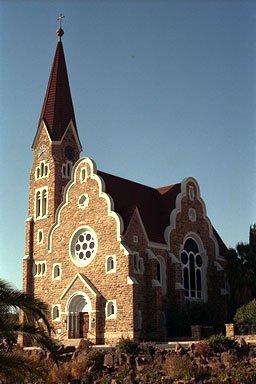
- Christuskirche: A historic Lutheran church renowned for its architecture, just a short walk away.
- Independence Memorial Museum: Showcases Namibia’s liberation struggle and culture.
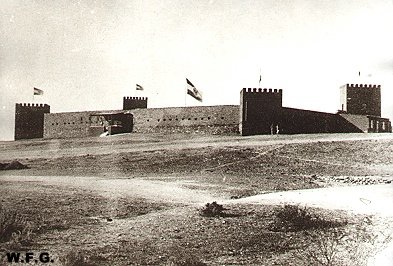
- Alte Feste (Old Fortress): A museum presenting the colonial history of Windhoek.
- National Art Gallery of Namibia: Features local and international art collections.
- Zoo Park: A nearby green space ideal for relaxation and leisure.
Cafés, restaurants, and shops are easily accessible around the Parliament precinct.
Frequently Asked Questions (FAQ)
Q: What are the Tintenpalast visiting hours?
A: The gardens are open daily from 8:00 AM to 5:00 PM; guided tours are available Monday to Friday, 9:00 AM to 4:00 PM.
Q: Do I need a ticket to visit the Tintenpalast?
A: Entry to the gardens is free. Guided tours inside the building require a ticket (NAD 50 per person).
Q: Are guided tours available?
A: Yes, by prior arrangement through the Parliament office or official website.
Q: Is the Tintenpalast wheelchair accessible?
A: Yes, the site features ramps, elevators, and accessible restrooms.
Q: Can I take photos?
A: Photography is permitted in the gardens and exterior; interior photography is restricted and may require permission.
Q: Can visitors attend parliamentary sessions?
A: Public access to parliamentary debates is possible during scheduled sessions, subject to security protocols.
Listen to the full story in the app
The whole Tintenpalast,
told well.
Audio guides for 1,100+ cities across 96 countries. History, stories, and local insight — offline ready.

Verified, and shown.
Researched and written by the Audiala editorial team from historical records, architectural archives, and local expertise.
Researched from Wikidata, Wikipedia & official sources · fact-checked · How we make our guides →