Plan and listen to Alte Feste with Audiala.
Audio guide in your pocket, itinerary in your browser. Built for the way you actually visit.
Introduction: The Importance of Alte Feste Lüderitz
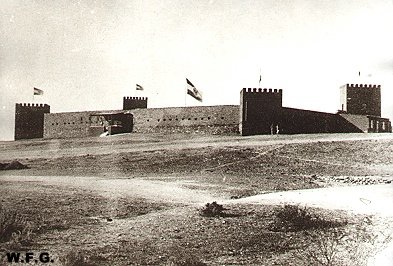
Alte Feste in Lüderitz, Namibia, is a remarkable remnant of the country’s colonial era and stands as a powerful symbol of the region’s historical transformation. Translating to "Old Fortress" in German, Alte Feste was constructed during the early 20th century as part of the German colonial administration’s efforts to consolidate their military and administrative presence in southern Namibia. It overlooks Lüderitz’s harbor, representing both architectural ingenuity and the complexities of colonial rule, particularly in relation to the indigenous Nama and Herero populations.
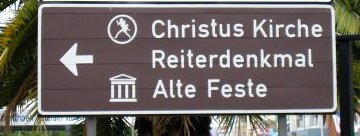
Today, Alte Feste is a central feature on Lüderitz’s heritage trail, connecting visitors to other significant sites such as the Felsenkirche and Kolmanskop ghost town. Preservation initiatives, educational programs, and guided tours ensure that the site remains both accessible and meaningful, fostering a deeper understanding of Lüderitz’s evolution from indigenous lands to a modern coastal community. This guide provides essential information on visiting hours, ticketing, accessibility, and practical tips to maximize your visit to one of Namibia’s most iconic heritage landmarks (Namibia Today; Roam the Reaches).
Alte Feste stands as a testament to Lüderitz’s colonial history. Built by German authorities in the early 1900s, it was strategically situated to oversee the harbor and surrounding settlement. Lüderitz itself, established in 1883 and named after merchant Adolf Lüderitz, became a key entry point for German South West Africa.
The fortress’s main functions included serving as a military outpost and administrative center, overseeing colonial operations such as diamond mining. Its presence is a stark reminder of the period’s fraught relationships with the Nama and Herero peoples and the broader impact of German colonial ambitions (Namibia Today).

Architectural Features and Preservation Efforts
Alte Feste’s construction reflects practical German colonial fortification design. Key features include:
- Thick stone walls: Built for defense against potential attacks and harsh weather.
- Small, narrow windows: Designed for surveillance and protection.
- Central courtyard: Facilitated both administrative activities and defense.
- Minimal ornamentation: Emphasizing utility over aesthetics.
Despite Namibia’s challenging coastal climate, the fortress has been preserved through dedicated restoration efforts, allowing visitors to experience its original features (Bucketlistly Blog).
The Fortress in Colonial Lüderitz
During German rule, Alte Feste played a pivotal role in enforcing colonial policies and regulating the lucrative diamond mining industry that powered Lüderitz’s growth. It also served as a base for suppressing local resistance, shaping the social and political landscape for decades.
The fortress’s location near other colonial structures, including the Felsenkirche and the Painted Ladies, places it at the heart of Lüderitz’s historic district (Namibia Today).
Visiting Information: Hours, Tickets, and Accessibility
Visiting Hours
Alte Feste generally opens from Tuesday to Sunday, 9:00 AM to 5:00 PM, and is closed on Mondays and public holidays. Seasonal variations or special events may affect these hours, so always confirm with the local tourism office or official websites before visiting.
Tickets and Admission
Entry fees are modest, typically N$10 to N$50 per person. Reduced rates are often available for children, seniors, and groups. Guided tours, which are highly recommended, may carry an additional fee. Always verify current pricing locally (Namibia Tourism Board).
Accessibility
Lüderitz is accessible via the B4 highway, with the fortress located in the town’s walkable historic center. While the fortress is generally accessible to most visitors, be aware that:
- Some areas have uneven terrain and steps.
- Wheelchair users and visitors with limited mobility may encounter challenges.
- Comfortable footwear is strongly advised.
Guided Tours and Interpretation
Guided tours are available through local operators and provide in-depth context on the fortress’s architecture, colonial history, and its role in Lüderitz’s development. Knowledgeable guides enrich your visit with stories about colonial soldiers, local communities, and the diamond rush era. Tours often include other heritage sites such as Felsenkirche and Shark Island (Bucketlistly Blog).
Alte Feste on the Heritage Trail
Alte Feste is a key stop on Lüderitz’s heritage trail, which also features:
- Kolmanskop Ghost Town: An abandoned mining settlement reclaimed by desert sands.
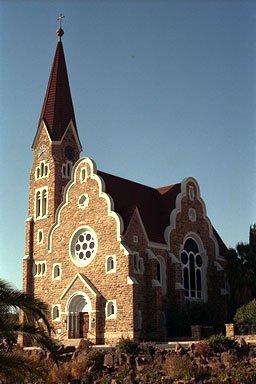
- Felsenkirche: A granite-outcrop Lutheran church from 1912.
- Lüderitz Museum: Focused on colonial and mining history.
Exploring these sites together offers a comprehensive perspective on the region’s transformation (Bucketlistly Blog).
Educational Initiatives and Community Engagement
The fortress hosts educational programs for local schools and cultural groups, supplemented by multilingual signage and digital resources. Heritage days and community commemorations help foster dialogue and pride in Lüderitz’s layered history (Namibia Today).
Preservation Challenges and Prospects
Preserving Alte Feste requires ongoing effort due to:
- The harsh coastal climate.
- Limited conservation funding.
- Urban development pressures.
Continued collaboration between local authorities, heritage organizations, and international partners is essential for both maintaining the site and expanding its role as a cultural and educational hub (Namibia Today).
Frequently Asked Questions (FAQ)
Q: What are Alte Feste’s visiting hours?
A: Generally Tuesday to Sunday, 9:00 AM to 5:00 PM; closed Mondays. Confirm locally for updates.
Q: How much are tickets?
A: Entry typically ranges from N$10 to N$50, with discounts for children and seniors.
Q: Are guided tours available?
A: Yes, local operators offer guided tours that include Alte Feste and other historical sites.
Q: Is Alte Feste accessible for people with disabilities?
A: Some areas have uneven surfaces and steps; accessibility is limited.
Q: Can I take photographs inside Alte Feste?
A: Yes, photography is encouraged, but ask permission when photographing people or sensitive exhibits.
Visuals and Interactive Elements
Include high-quality photos of Alte Feste’s exterior, interior, and panoramic views. Interactive maps linking the fortress with other Lüderitz heritage sites enhance visitor planning. Virtual tours and media galleries are recommended for remote exploration.
Internal Links
For further exploration, see:
Listen to the full story in the app
The whole Alte Feste,
told well.
Audio guides for 1,100+ cities across 96 countries. History, stories, and local insight — offline ready.
Verified, and shown.
Researched and written by the Audiala editorial team from historical records, architectural archives, and local expertise.
Researched from Wikidata, Wikipedia & official sources · fact-checked · How we make our guides →