Introduction
The first thing that hits you in Maputo isn't the Indian Ocean breeze — it's the sound. A live Marrabenta guitar riff leaks from a cracked doorway on Rua de Bagamoyo, colliding with the Atlantic-fed wind that carries salt, diesel, and charcoal smoke through jacaranda shade. Mozambique's capital doesn't ask you to watch; it pulls you into the chorus.
Maputo was built on contradictions. Portuguese Beaux-Arts railway stations shoulder up against Pancho Guedes' serpentine concrete fantasies. Grand colonial arcades echo with saleswomen shouting prices for prawns the length of your forearm, while university students debate politics under murals that change faster than city bylaws. The architecture alone charts a nation that swapped empire for revolution, then civil war, then an Afro-futurist creative surge — all within three generations.
What keeps the city from snapping under its own layered history is appetite. Mid-morning crowds slurp coconut-slick matapa from enamel bowls at Mercado do Abastecimento. By night, DJs in repurposed shipping-container studios press fresh vinyl runs of Marrabenta-house hybrids and sell them out the same evening. You don't come here to tick sights off a list; you come to taste, argue, dance, and leave humming rhythms you can't quite name.
What Makes This City Special
Art that Happens in Real Time
At Núcleo de Arte you walk straight into painters’ studios while the canvas is still wet; sculptures get welded in the courtyard and someone is always tuning a marrabenta guitar for the Thursday open-mic. The building itself is a 1902 customs warehouse—look for the rusted crane track overhead.
A Station Too Pretty for Trains
Maputo’s 1916 CFM station, often mis-attributed to Eiffel, is pure Beaux-Arts theatre: copper dome, mint-green ironwork, and a marble concourse that locals use as a short-cut to the bay. Arrive at 17:30 and you’ll see commuters glide past while the low sun turns the rotunda into a camera obscura.
Peri-Peri at the Market, Not the Hotel
Mercado do Abastecimento smells of charred lime and bird’s-eye chilli around 11 a.m. when stallholders slap half-chickens onto makeshift drum grills. Ask for “com pão de meal” and you’ll get the sooty bird stuffed inside a still-warm maize roll—USD 1.50, eaten standing.
Ocean Safari in the City’s Shadow
Maputo National Park begins 90 minutes south-east and holds the only Indian Ocean coral reef reachable before lunch. Between July and October humpbacks breach so close to the dune road that you can hear their blow-holes over the engine idle.
Historical Timeline
A City That Dances Between Green Waves and Red Brick
From Tsonga fishing grounds to steel bridges over the Indian Ocean
First Tsonga Fishing Camps
Ronga families pitch palm-leaf shelters on the northern lip of the bay. They dry sardines over mangrove fires and trade ivory for Chinese porcelain. No one yet calls it anything—names come later, with flags.
Vasco da Gama Anchors
The caravel sails past on 1 March. Crew record the wide, calm bay on their charts as Baía do Espírito Santo. They leave behind brass rings and smallpox, but no one stays. The tide erases their footprints in hours.
Lourenço Marques Lands
A Portuguese captain wades ashore with soldiers and masons. They raise a stockade of coral-limestone on the headland, naming it after the trader who first sighted the bay. Palm groves are cleared for musket lanes.
Fortaleza Concluída
The last stone is laid at dusk. Sixty-one cannon grin over the bay; inside, the garrison drinks cane-aguardiente and listens to cicadas. Local Ronga chiefs watch from the dunes, already plotting to starve the fort out.
Capital Ships South
Colonial clerks crate up the governor’s chair in the old island capital and load it onto a paddle steamer. By September the seat of power sits under jacarandas in Lourenço Marques. Street numbering begins at the harbor.
Gustave's Iron Arrives
Steel girders stamped ‘Forges de Strasbourg’ swing from steam cranes. The railway station rises like a wrought-iron orchid: a rumor says Eiffel’s office drew the plan. First train from Pretoria pulls in at 11:43 a.m.; the city can taste oranges from the Highveld.
Samora Machel Born
In the village of Madrágoa, a boy learns the drum patterns of his grandfather’s initiation rites. Twenty-two years later he will leave the Miguel Bombarda Hospital where he trained as a nurse to fire the opening shots of liberation.
Eusébio Kicks Dust
A barefoot kid nicknamed ‘Nana’ dribbles a rag-stuffed sock through Chamanculo’s alleyways. Goalposts are two oil-drums twenty-three paces apart. He will become the Black Panther, but tonight he just wants the mango promised to whoever scores five.
Cathedral Consecrated
White cement arches rise 42 meters above Independence Square. Bishop Texeira sprinkles holy water that smells faintly of sea salt; the choir’s Kyrie echoes off fresh plaster. Lourenço Marques gains a skyline.
Eduardo Mondlane Founds FRELIMO
In a rented house on Avenida Mártires de Mueda, teachers, nurses, and dockworkers draft a manifesto. Cigarette smoke curls into ceiling fans while they choose the name that will topple an empire.
Maria Mutola Races Schoolyards
Born in Chamanculo, she outruns boys twice her age to the bread kiosk and back. Her PE teacher clocks her barefoot 400 m in 1:02. Maputo dust will cling to her spikes when she wins Olympic gold in Sydney.
Lourenço Marques Becomes Maputo
At midnight on 25 June, the colonial flag is lowered in 43 seconds flat. Samora Machel proclaims independence to 100,000 people in Praça da Independência. The city’s name changes on the spot; pronunciation stumbles, then sticks.
Samora Dies in the Rain
The presidential Tupolev clips a hillside in Mbuzini. Maputo’s radio stations play nothing but Chopin’s Funeral March for three days. The capital mourns under jacarandas in full purple bloom.
Guns Fall Silent
In Rome’s Palazzo Vecchio, delegates sign 15,000-word accords. By December the last Kalashnikovs are surrendered at Tunduro Gardens. Teenagers in Maputo trade bullets for kuduro dance steps; the city exhales for the first time in sixteen years.
Maria Wins Olympic Gold
2:00.06 in the Sydney dusk. Maputo erupts: taxis honk in Morse code, fireworks rise over Avenida Julius Marques. A new avenue is named after the girl who once ran for bread.
Katembe Bridge Opens
A 3-kilometer ribbon of steel arcs above the bay—longest suspension span in Africa. At the opening, President Nyusi cuts the ribbon with scissors once used for independence bunting. The south bank commute drops from two hours to seven minutes.
UNESCO Lists Maputo Park
Camera traps catch leatherback turtles hauling ashore at dawn. The listing joins Mozambique’s coral reefs to South Africa’s St Lucia dunes in a single World Heritage mosaic. Maputo wakes to find its wilderness suddenly priceless.
Notable Figures
Malangatana Valente Ngwenya
1936–2011 · Painter & PoetHis psychedelic murals still watch over Núcleo de Arte, where he once painted between shots of palm wine. Today the walls he splashed with protest and spirit greet selfie sticks—something the gentle giant would have laughed at, then borrowed to sketch the crowd.
Eduardo Mondlane
1920–1969 · Independence LeaderThe sociology professor turned guerrilla strategist held clandestine study circles under jacarandas now named after him. Parcel bombs ended his life far from home, but students still debate under those same purple blooms, arguing timelines he helped ignite.
Pancho Guedes
1925–2015 · ArchitectHe doodled serpentine balconies on napkins at Café Continental, then bent concrete to match. Maputo’s dragon-backed facades are his doing—ask a taxi driver “onde é o prédio do dragão?” and even he’ll point to a Guedes fever dream frozen mid-roar.
Photo Gallery
Explore Maputo in Pictures
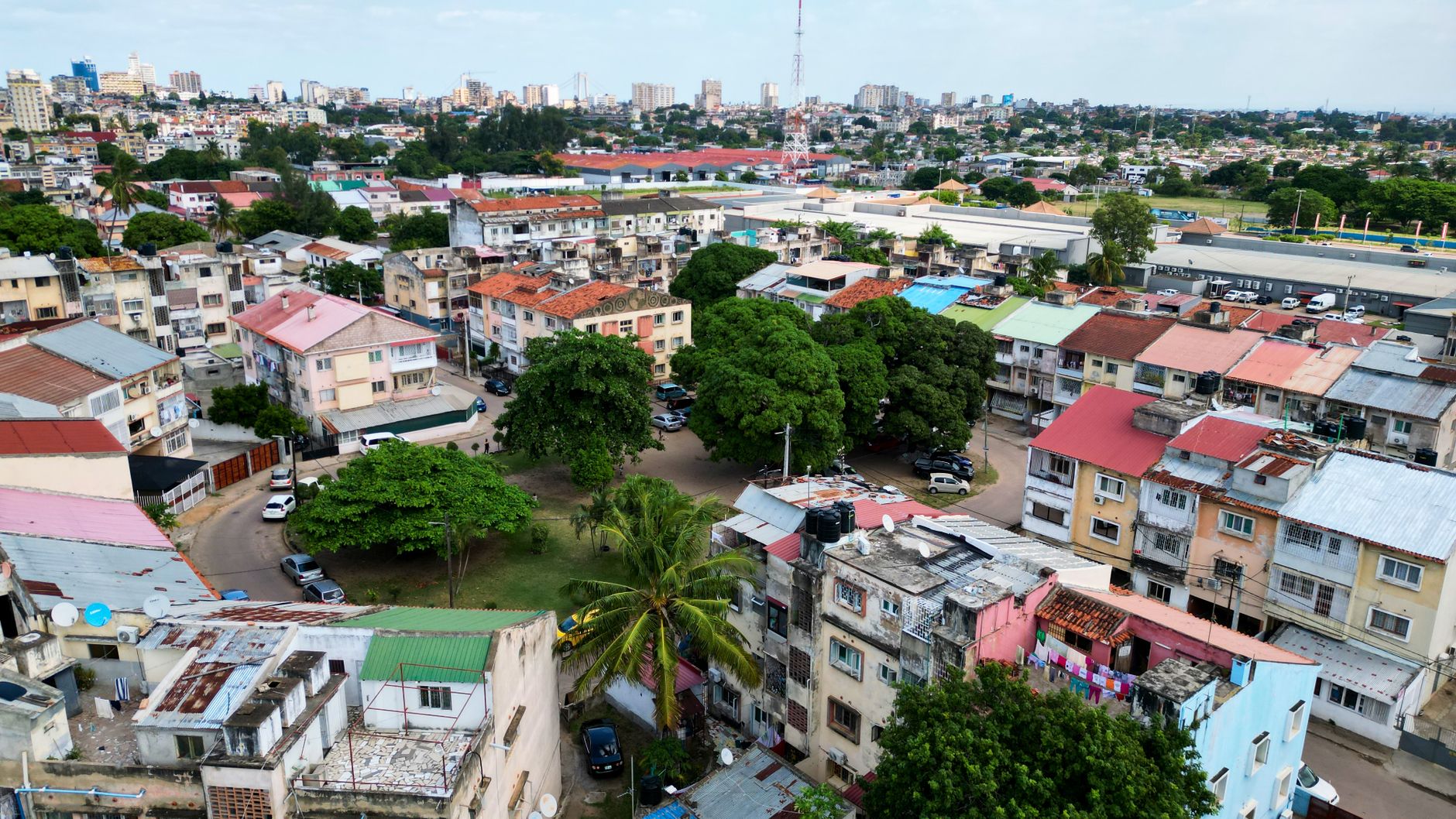
A high-angle perspective of a vibrant residential district in Maputo, Mozambique, showcasing the city's unique architectural mix and urban greenery.
SINAL Multimédia on Pexels · Pexels License
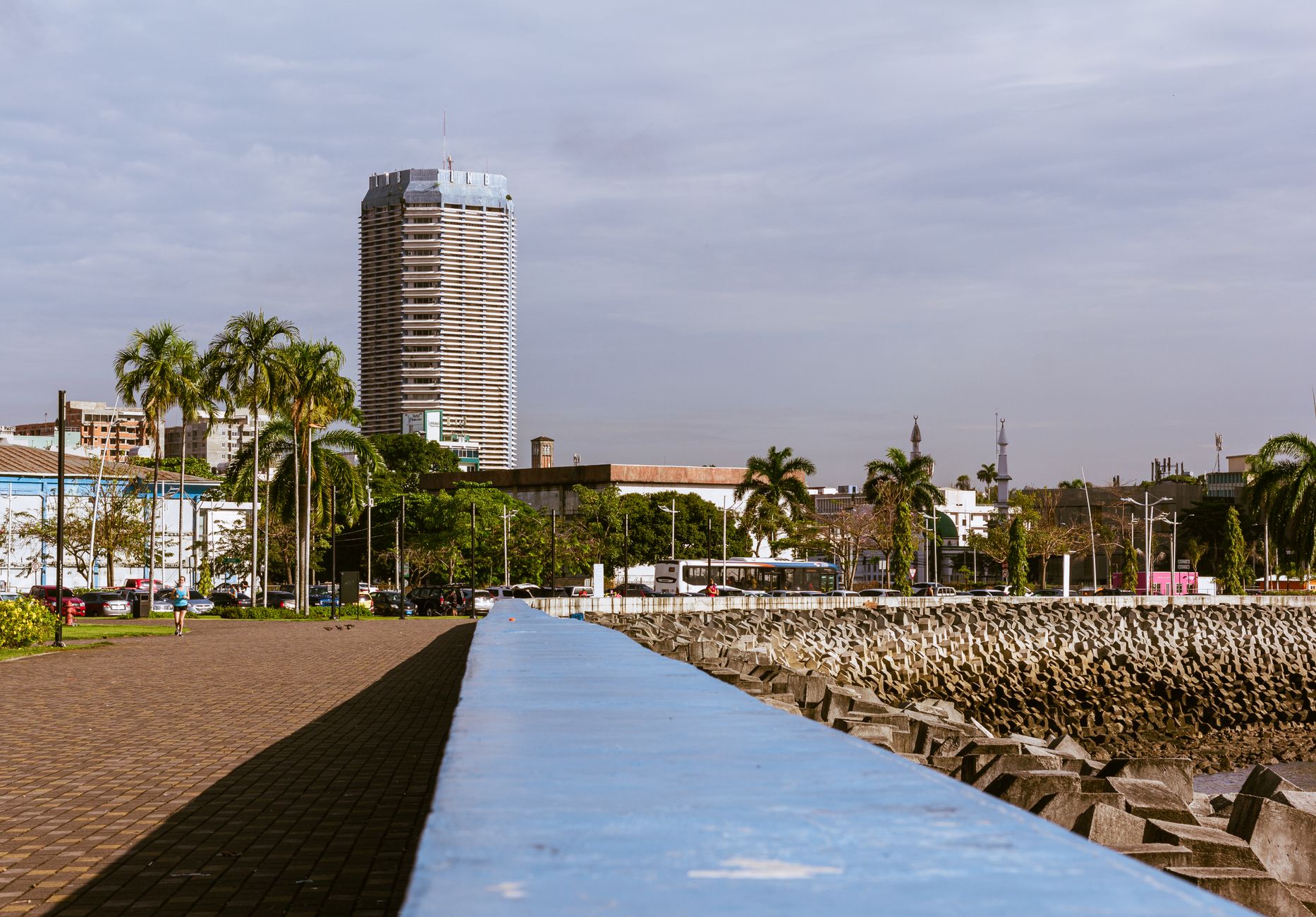
The scenic Maputo waterfront in Mozambique, showcasing the iconic LNB tower overlooking the coastal promenade and sea wall.
Neron Photos on Pexels · Pexels License
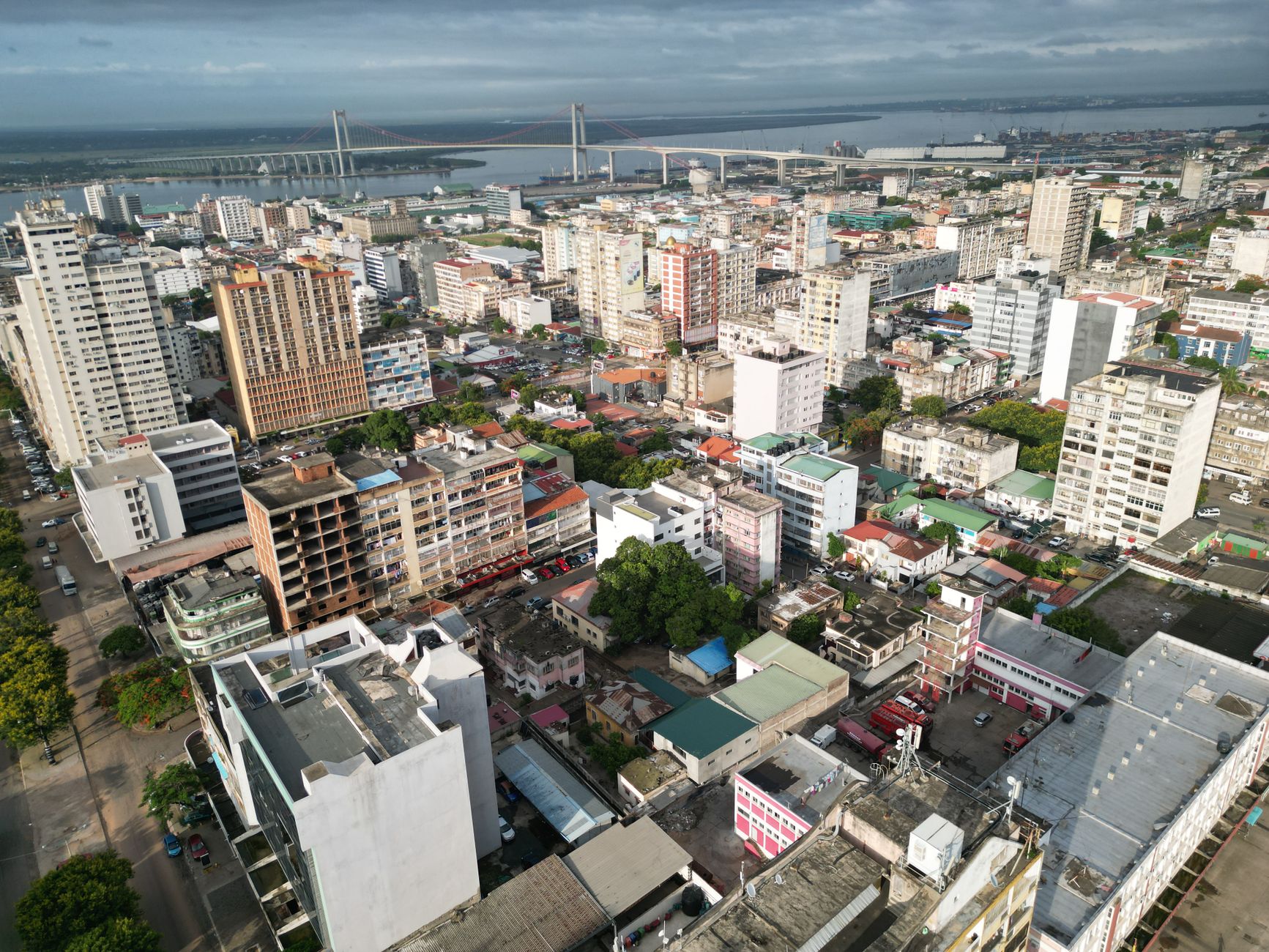
An expansive aerial perspective of Maputo, Mozambique, highlighting the city's urban density and the iconic Maputo-Katembe Bridge spanning the bay.
SINAL Multimédia on Pexels · Pexels License
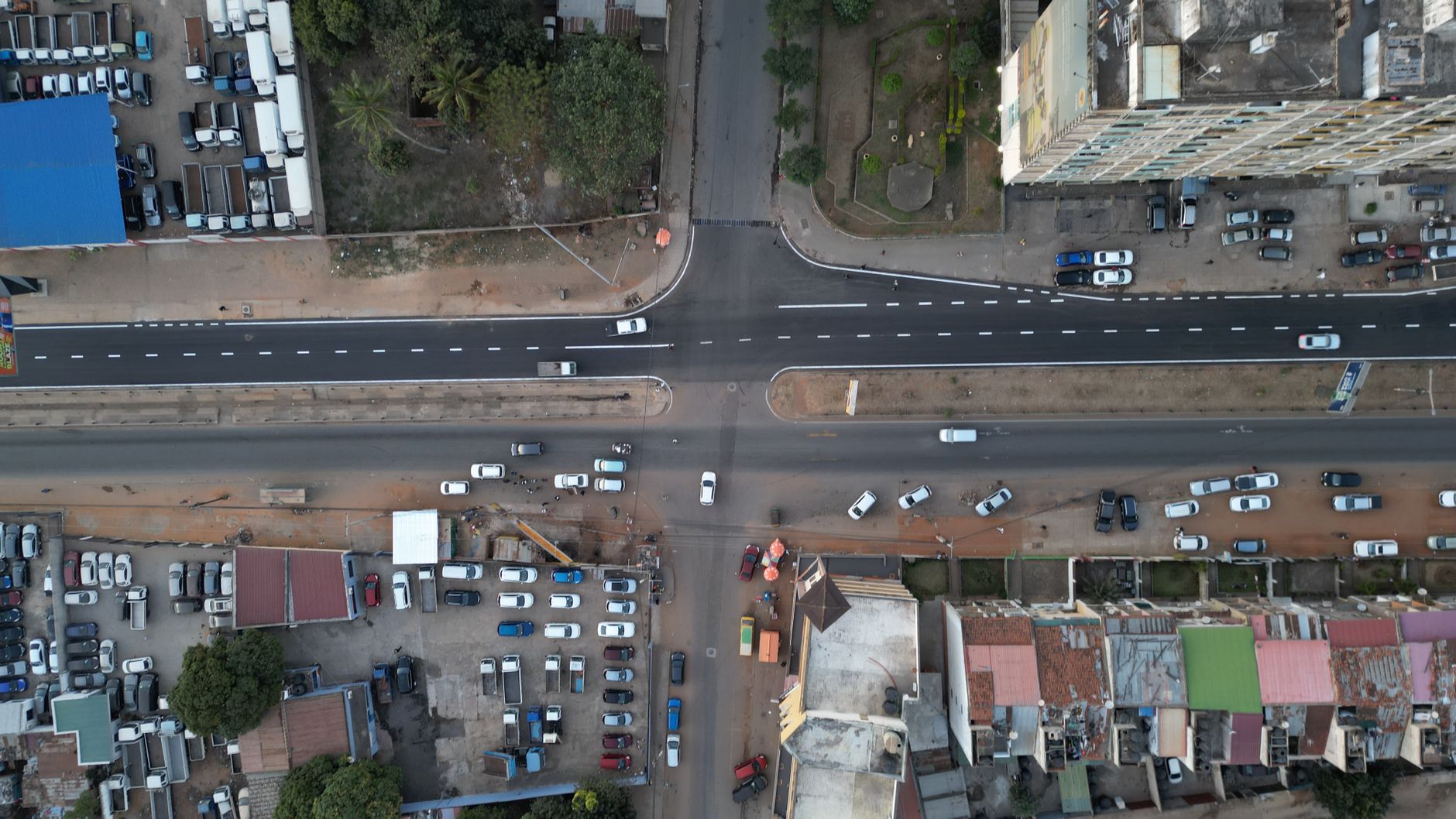
An aerial perspective captures the urban layout and bustling traffic of a major intersection in Maputo, Mozambique.
SINAL Multimédia on Pexels · Pexels License
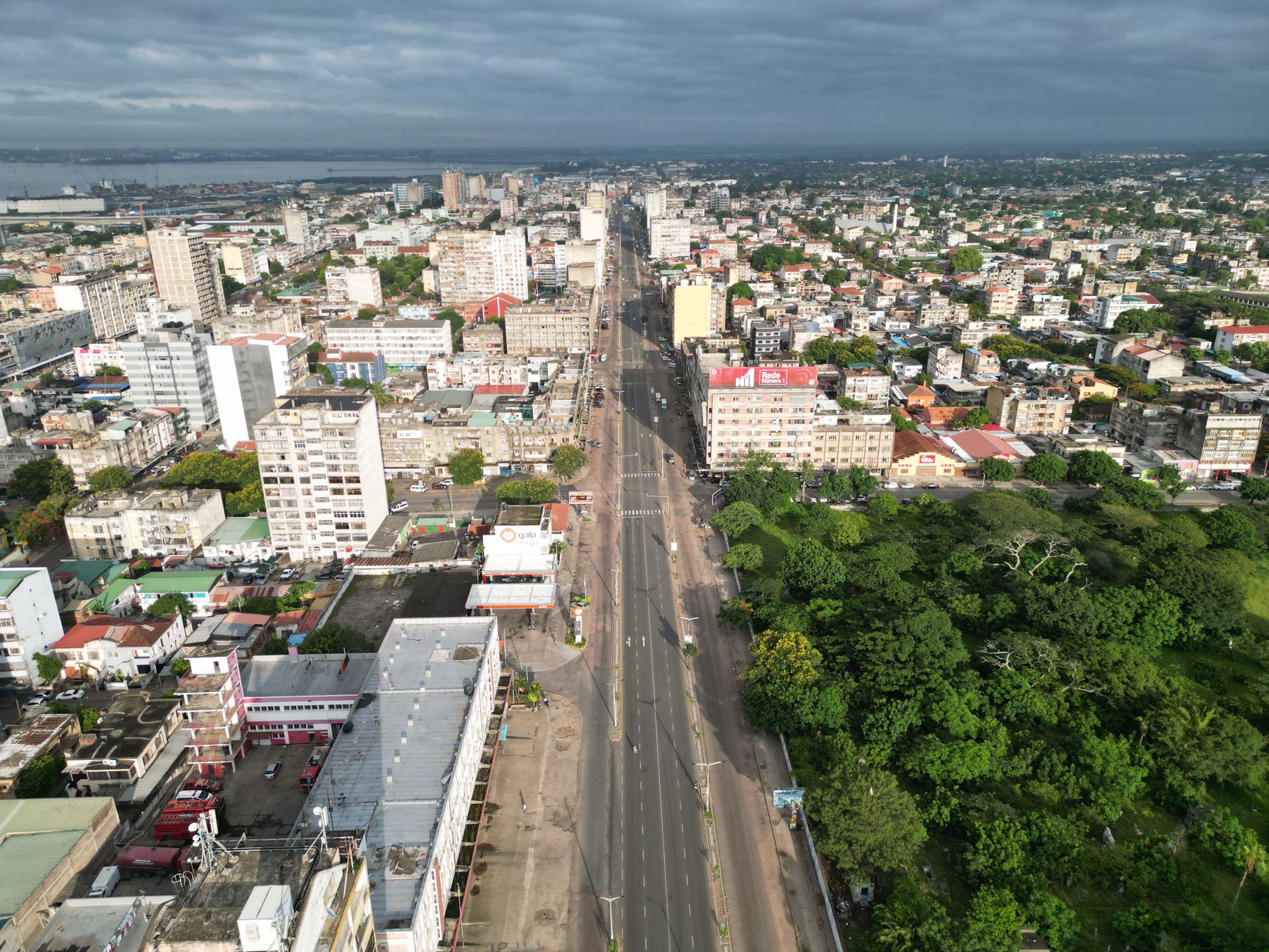
An elevated perspective of a quiet, wide boulevard cutting through the heart of Maputo, Mozambique, framed by urban buildings and expansive greenery.
SINAL Multimédia on Pexels · Pexels License
A stunning aerial perspective of Maputo, Mozambique, highlighting the city's diverse architectural landscape and proximity to the Indian Ocean.
SINAL Multimédia on Pexels · Pexels License
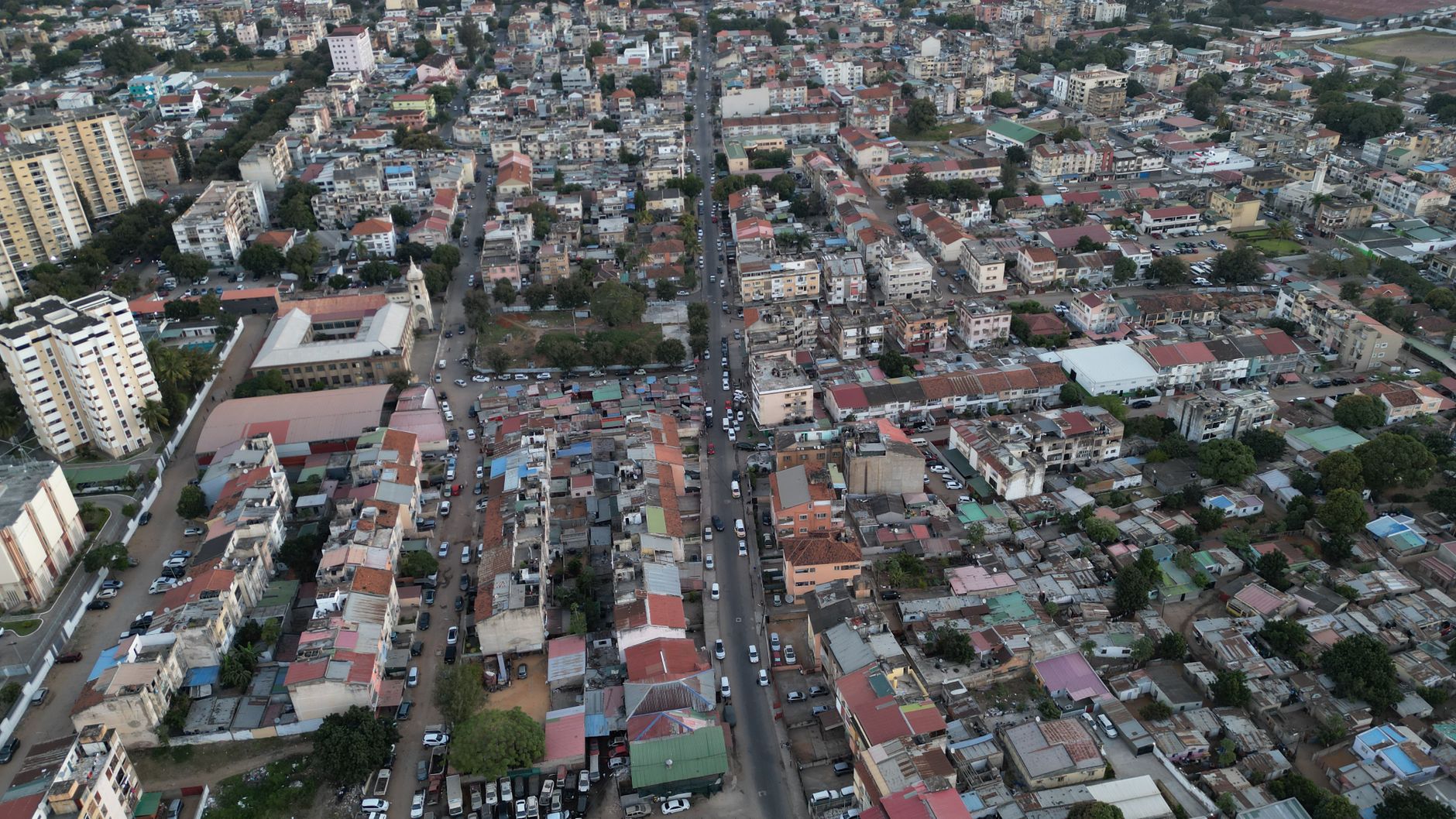
An aerial perspective captures the diverse architectural landscape and bustling street life of Maputo, Mozambique.
SINAL Multimédia on Pexels · Pexels License
A stunning aerial perspective of Maputo, Mozambique, capturing the transition from the dense urban landscape to the tranquil Indian Ocean coastline at twilight.
SINAL Multimédia on Pexels · Pexels License
A high-angle perspective captures the diverse architectural landscape and sprawling residential neighborhoods of Maputo, Mozambique.
SINAL Multimédia on Pexels · Pexels License
An aerial perspective of Maputo, Mozambique, capturing the contrast between high-rise apartment buildings and the surrounding residential landscape.
SINAL Multimédia on Pexels · Pexels License
An expansive aerial perspective of Maputo, Mozambique, highlighting the city's dense urban layout and architectural variety.
SINAL Multimédia on Pexels · Pexels License
Practical Information
Getting There
Maputo International Airport (MPM) sits 4.7 km north-west of Baixa; no public bus links, so pre-book Yango (≈450 MZN) or a Welcome Pickups transfer. Long-distance trains terminate at CFM Central Station on Praça dos Trabalhadores—no passenger rail from South Africa since 2021, but the colonial hall is worth a look even if you arrive by road via the N1 from Komatipoort or the EN2 coastal route from Inchope.
Getting Around
Maputo has zero metro or trams; movement is by privately-run chapas (minibuses, 20 MZN flat) that list destinations in the windshield but no route maps. Yango ride-hailing works 24/7 and costs roughly 35 MZN per km—safer than haggling with unmetered yellow taxis. Tourist passes don’t exist; carry small-denomination meticais for fares and market entry.
Climate & Best Time
Dry season runs May–Sept: daytime 25 °C, nights 14 °C, rain barely 20 mm/month—ideal for walking the Marginal promenade. Summer (Dec–Mar) peaks at 31 °C with 170 mm January downpours and occasional cyclones; many galleries close in February. Plane tickets are cheapest November and early March, but May–August give you cloud-free sunsets over Maputo Bay.
Language & Currency
Portuguese is the working language; learn “ quanto custa? ” before hitting the craft market and vendors switch from 300 MZN to 180 MZN without protest. English is hit-and-miss outside five-star hotels—download the offline Portuguese pack in Google Translate. ATMs dispense meticais only; Visa is widely accepted at supermarkets, but the peri-peri stall wants cash.
Tips for Visitors
Cash Only
Markets, chapas and most eateries accept Meticais only; cards work at upscale hotels. Keep small notes for peri-peri chicken stalls inside Mercado do Abastecimento.
Skip Night Walks
Downtown sidewalks vanish after dark and street lighting is patchy. Order a Yango ride even for five-block hops—drivers know the potholes you can’t see.
Ask Before You Shoot
Vendors at Feira do Artesanato will pose, but a quick “Posso tirar uma foto?” keeps smiles genuine. Offer to show the image; many artisans use the shot as free advertising.
Ride Chapas Like a Pro
White minivans cost under 20 MZN but have no route map. Tell the conductor “Baixa” or “Xipamanine” and they’ll tap the roof when to jump off—exact change speeds the exit.
Visit May–August
Humidity drops to 55 %, nights hit 14 °C and rain is almost zero—perfect for sunset beers on Catembe beach without the January cyclone risk.
Eat Matapa at Lunch
Cassava-leaf stew is simmered fresh for midday; by evening pots are scraped. Follow market smoke around 12:30 for the ladle that still has shrimp swimming in coconut milk.
Explore the city with a personal guide in your pocket
Your Personal Curator, in Your Pocket.
Audio guides for 1,100+ cities across 96 countries. History, stories, and local insight — offline ready.
Audiala App
Available on iOS & Android
Join 50k+ Curators
Frequently Asked
Is Maputo worth visiting? add
Yes—Maputo trades safari clichés for living African city energy: live Afro-house leaking from 16neto warehouse walls, peri-peri smoke over coral-stone railway station domes, and boatmen carving dhows while you sip $1 espresso. Three days gives you art studios, fresh prawns and a quick hop to wild Indian-Ocean dunes in Maputo National Park.
How many days in Maputo do you actually need? add
Three full days. Day one: downtown cathedrals, railways stations, sunset Catembe ferry. Day two: Xipamanine Saturday market, Núcleo de Arte workshops, night show at Fundação Fernando Leite Couto. Day three: whale-spotting boat out of Maputo National Park, back in time for late-night chamussas.
Is tap water safe to drink in Maputo? add
No—stick to sealed bottles or boiled water. Hotels provide dispensers; street vendors sell 500 ml for 20 MZN. Ice in upscale bars is usually factory-made, but ask “gelo filtrado?” if you’re unsure.
What’s the cheapest way from Maputo airport to the city? add
Yango ride-hailing averages 600 MZN (US $9) and takes 15 min. Airport taxis quote 1 200–1 500 MZN with no meter. There is no public bus; walking is unsafe on the dark highway.
Which neighborhood should I stay in for nightlife? add
Nightlife follows cultural centres, not streets. Book near Baixa for walking access to CCFM and 16neto; events pop up in converted warehouses. Follow @booka.moz on Instagram for the week’s Afro-house address—then Yango over, because venues shift monthly.
Do I need malaria pills for Maputo? add
Yes—Maputo province is a low-risk transmission zone year-round. CDC recommends prophylaxis plus repellent, especially if you’re staying along the bay or heading to the national park wetlands after dusk.
Sources
- verified Climate-To-Travel Maputo Guide — Monthly rainfall, humidity and cyclone-risk data used for best-time-to-visit tips.
- verified Yango Maputo Fare Estimates — Real-time ride tariffs confirming 600 MZN airport-to-city average, contrasted with unmetered taxi quotes.
- verified CDC Travelers’ Health Mozambique — Malaria prophylaxis recommendation for Maputo province.
- verified Facebook Group ‘Mozambique for All’ — Local advice on chapas routes, photo etiquette at markets and current nightlife venue lists.
Last reviewed: