Introduction
This Mozambique travel guide starts with the surprise most beach countries can't match: 2,700 kilometers of Indian Ocean coast and barely a sense of crowding.
Mozambique stretches so far along the Indian Ocean that each stop feels like a different country arguing with the same sea. Maputo gives you jacaranda shade, late-colonial facades, grilled prawns, and a capital that still feels lived in rather than staged. Head north and the mood changes fast: Ilha de Moçambique compresses five centuries of trade, faith, and empire onto a coral island barely 3 kilometers long, while Beira opens onto the old Sofala coast where gold once moved inland and out again. This is a place for travelers who like texture: Portuguese on street signs, Emakhuwa and Xichangana in conversation, piri-piri on your hands, and long distances that force choices.
The usual postcard version misses the point. Mozambique is not one endless beach holiday, even though Tofo, Vilankulo, Pemba, Xai-Xai, and Ibo Island could each live comfortably off their water alone. The draw is contrast. You can eat a dense slice of bolo Polana in Maputo, walk fortress walls on Ilha de Moçambique built in the 16th century, fly into Pemba for the Quirimbas coast, or use Nampula, Quelimane, Tete, and Chimoio as gateways to a country that gets more interesting the farther you move from resort logic. Even the landscape keeps changing: mangroves in the south, river valleys in the center, highlands near Monte Binga, then coral islands again.
Timing matters here more than brochure copy admits. The dry season from May to October gives you easier road travel, lower humidity, and cooler nights in the south, while September to November is the sweet spot if you want warm water, clear days, and humpback whales off the coast near Tofo and the Bazaruto area. Rain can be heavy from November to April, and the central coast around Beira sits in real cyclone territory, not abstract weather-risk language. Plan well and Mozambique rewards you with what travelers actually remember: space, serious seafood, layered history, and the feeling that the map still contains room for surprise.
A History Told Through Its Eras
Gold, Coral, and the Tide That Knew the Way
Swahili Coast and Inland Kingdoms, c. 300-1498
A bead turns up in the sand, blue as old glass, and suddenly Mozambique is no longer a blank stretch of coast but part of a world. By the 3rd century, Bantu-speaking communities were farming, smelting iron, and building networks of kinship that reached far inland. Centuries later, merchants on the coast were handling Indian cloth, Persian ceramics, and gold carried down toward Sofala near present-day Beira.
Ce que l'on ignore souvent, c'est que the coast was already cosmopolitan long before a Portuguese sail appeared on the horizon. On Ilha de Moçambique, coral-stone houses, mosques, cisterns, and carved doors belonged to a Swahili world tied to Kilwa, Arabia, and the western Indian Ocean. Trade did not erase local life. It sat on top of it, like silk over iron.
Behind the coastal towns stood the inland power that made the whole machine profitable: the kingdom later known as Mutapa. Gold moved east from the plateau, ivory followed, and rulers understood perfectly well that whoever controlled the route controlled the conversation. Oral tradition remembers Nyatsimba Mutota not as a dreamy founder but as a hard political mind, a man who built authority through tribute, memory, and fear.
And yet the most revealing image is a quiet one. Arab writers described exchanges at Sofala that could take place almost without speech, goods left on the shore, value answered with value, trust always partial. That silence says a great deal about Mozambique's early history: commerce first, intimacy later. It also set the stage for the strangers who arrived in 1498 and mistook access for possession.
Nyatsimba Mutota, credited in oral tradition with founding Mutapa, appears less like a distant monarch than a strategist who understood that gold routes could be governed like bloodlines.
Archaeology on the coast has uncovered Chinese celadon and Persian wares in places that later Europeans described as remote, which tells you how wrong that European word was.
The Chapel Facing the Sea
Portuguese Foothold and Ocean Empire, 1498-1836
On 2 March 1498, Vasco da Gama anchored off Ilha de Moçambique and stepped into a port far more polished than he expected. The local ruler first received him as one more merchant in an Indian Ocean system already old, already sophisticated, already busy with Muslim trade. Then came the misunderstanding, then the deceit, then the guns. A pattern was born.
The Portuguese did not conquer Mozambique in one theatrical stroke. They inserted themselves where profit was thickest and built from the water inward. In 1522 they raised the Chapel of Nossa Senhora do Baluarte on the northern edge of Ilha de Moçambique, a small vaulted building facing the ocean as if the sea, not the town, were the true audience. A little chapel, yes. Also a statement.
Then came Fort São Sebastião, begun in the 1550s and finished only in 1620, after fevers, shortages, and decades of attrition. The walls, made from coral stone and lime, were thick enough to absorb punishment, which is why Dutch attacks in 1607 and 1608 failed to produce the glorious collapse everyone had predicted. Fortresses often look heroic in hindsight. At the time, they smelled of sweat, rot, powder, and panic.
Ce que l'on ignore souvent, c'est que Portuguese rule in this period was less tidy than the maps suggest. Along the Zambezi Valley, crown leases known as prazos produced families who married locally, adopted African military habits, and governed with private armies called chikunda. Lisbon wanted obedient colonists. Mozambique answered with hybrid dynasties, half-improvised sovereignties, and a frontier where the empire often wore local clothes.
That ambiguity mattered. It enriched some ports, brutalized countless lives through slavery, and tied Mozambique ever more tightly to Atlantic and Indian Ocean demand. By the 19th century, the old mercantile foothold had become something harsher: a colony ready to be claimed on paper, taxed in practice, and contested on the ground.
Vasco da Gama enters the story as an explorer in schoolbooks, but on this coast he looks more like an impatient intruder who recognized wealth and answered it with artillery.
The Chapel of Nossa Senhora do Baluarte is often called the oldest surviving European building in the southern hemisphere, yet its modest scale is precisely what makes it haunting: empire began here in a room small enough for whispers.
Lourenço Marques Wears a White Suit
Conquest, Colonial Order, and Urban Masks, 1836-1962
A railway whistle, a ledger, a chain. That is one way to enter 19th-century Mozambique. After the formal abolition of the slave trade in Portuguese law, coercion did not vanish; it changed costume. Forced labor, chartered companies, tax pressure, and military campaigns pulled the colony into a new imperial order that Lisbon could finally present to Europe as effective control.
No figure captures the violence of that transformation better than Gungunhana, the last emperor of Gaza. In 1895, Portuguese forces defeated him after years of anxiety about African power in the south, and the captured ruler was shipped into exile in the Azores like a trophy that still had a pulse. The photographs are extraordinary. He is dressed for the empire's camera, but the humiliation cannot hide the fact that Portugal needed his defeat as a performance.
Meanwhile, Lourenço Marques, today's Maputo, was being remade into a segregated capital of avenues, verandas, clubs, and paperwork. The port drew labor, money, and South African connections; the city also drew lines, brutal ones, between cement town and reed town, between legal privilege and daily improvisation. Grandeur on the waterfront. Hunger in the shadows.
Ce que l'on ignore souvent, c'est que the colonial city was also a workshop of African modernity. Poets, nurses, clerks, footballers, and newspaper writers in Lourenço Marques began to speak back. In the north, around Ilha de Moçambique and beyond, old Swahili and Muslim circuits endured beneath Portuguese ceremony. In Beira, rail and trade made the city a hinge between ocean and hinterland. Mozambique was never only what the governor-general said it was.
By the mid-20th century, the façade had begun to crack. Education remained restricted, land unequal, labor coercive, political rights stifled. Yet a new generation was reading, organizing, and imagining a country beyond colonial categories. The polished white suit of empire still looked intact. The seams were already tearing.
Gungunhana survives in memory because his defeat was meant to close a chapter, yet it did the opposite: it gave Mozambique one of its enduring images of dignity under capture.
When Gungunhana was deported in 1896, Portuguese authorities turned the journey into spectacle, but the need for spectacle betrayed their fear that an exiled king could still outshine his conquerors.
From the Bush War to the Republic of Survival
Liberation, War, and a Country Reassembled, 1962-present
A school notebook, a rifle, a wedding ring. Mozambique's late 20th century begins with such objects, not abstractions. FRELIMO was founded in 1962, Eduardo Mondlane gave the movement intellectual shape, and in 1964 the armed struggle against Portugal began in the north. Independence, when it came on 25 June 1975, was not handed over politely. It had been fought for village by village.
Samora Machel entered Maputo with the charisma of a revolutionary who could electrify a square and terrify an old elite in the same hour. He nationalized, reorganized, preached discipline, and tried to build a socialist state from a colony hollowed out by inequality and sudden Portuguese departure. The ambition was immense. So was the wreckage inherited from the past.
Then came the civil war. RENAMO, backed first by Rhodesia and then apartheid South Africa, turned the countryside into one of the late Cold War's cruelest battlegrounds. Bridges were mined, clinics burned, trains ambushed, and families scattered across borders. If you speak with Mozambicans in Tete, Quelimane, or Chimoio, memory often arrives through roads: which one was safe, which one was not, who disappeared between two market towns.
Peace was signed in Rome in 1992, and Mozambique began again with the stubbornness of people who had run out of theatrical options. The republic reopened to trade, tourism, elections, donors, mining, and later gas. Yet history did not become gentle. Floods in 2000, Cyclone Idai's devastation around Beira in 2019, insurgency in Cabo Delgado, and the uneven wealth of the LNG era all reminded the country that modernity can wound as efficiently as empire.
Ce que l'on ignore souvent, c'est que Mozambique's recent story is not only one of trauma but of style, language, and survival. Marrabenta in Maputo, poetry from Noémia de Sousa to Mia Couto, rebuilding on Ilha de Moçambique, whale boats off Tofo, and new fortunes in Pemba all belong to the same national argument. The state was declared in 1975. The country is still being negotiated, with extraordinary patience, in public and in private.
Samora Machel remains magnetic because he was never merely a symbol of independence; he was a man of discipline, fury, wit, and impossible expectations.
At independence, many Portuguese settlers left so quickly that apartments, offices, and workshops in Maputo stood half-abandoned, creating a city that felt liberated and abruptly unfinished at the same time.
The Cultural Soul
A Greeting Before the Question
Mozambique speaks in layers. Portuguese runs across the country like a public road, useful and visible, while Emakhuwa, Xichangana, Cisena, Echuwabo and other Bantu languages keep the rooms behind the house. In Maputo, a sentence can begin in Portuguese and end somewhere more intimate, and the shift tells you more than the dictionary ever will.
The ceremony begins with greeting. You do not march toward your request like a tax inspector. You say bom dia, then perhaps another greeting, then perhaps one more for the aunt on the plastic chair who has watched everything without appearing to. Only after that does business earn the right to exist.
Mozambican Portuguese has a softness that can mislead a foreign ear. The vowels round themselves. The rhythm seems patient. Then a phrase lands with surgical accuracy, because courtesy here is not fog; it is architecture. A country reveals itself first in how it permits interruption.
Listen in Ilha de Moçambique or Nampula and the language carries older tides: Arabic routes, Swahili trade, mosque etiquette, market bargaining, kinship that refuses to become abstract. Words such as capulana, lobolo, mata-bicho do not behave like vocabulary. They arrive with customs attached. Language here is never only speech. It is social temperature.
Fire, Coconut, and the Discipline of Hunger
Mozambican food has the courtesy to begin with appetite rather than theory. Prawns blacken on grills in Maputo. Cassava leaves collapse into matapa with peanut and coconut. Rice in Quelimane can taste faintly of sea wind, while xima inland performs the ancient miracle of turning grain into companionship.
What recurs is not a recipe but a grammar: starch and sauce, smoke and chili, hand and spoon, coconut where the coast still dictates terms, cassava where the land insists on endurance. Frango a Zambeziana tastes of the Portuguese presence after the climate had corrected it. Caril de camarão admits, without embarrassment, that the Indian Ocean has always been a better historian than empire.
The table teaches class and region with quiet precision. In one house you use your fingers and nobody apologizes for civilization. In another, cutlery enters with municipal dignity. Both are correct. The point is not style. The point is that food in Mozambique does not perform innocence; it remembers trade, shortage, ceremony, and pleasure at the same time.
And then the cashew appears. Or the bolo Polana in Maputo, that improbable alliance of potato and cashew, dense enough to look severe and tender enough to collapse under coffee. A country is a table set for strangers. Mozambique sets it with chili oil.
When the City Refuses Silence
Music in Mozambique does not ask permission from circumstances. The power can fail. The road can flood. Someone still finds a speaker, a drum pattern, a voice, and the evening resumes its argument with despair. Marrabenta, born in Maputo from guitars, dance halls, colonial pressure, and urban mischief, remains one of the clearest proofs that hardship often produces better rhythm than comfort.
The sound is agile rather than grand. It skips. It teases. It knows the body before it knows the theory. A marrabenta line can feel like a joke told by someone in polished shoes who has already seen the electricity bill. Then the beat turns and the room belongs to hips, shoulders, memory.
Northward, near Ilha de Moçambique and up toward Pemba, the ear catches other lineages: taarab, Islamic cadence, coastal percussion, songs shaped by dhow routes and coral-stone towns where the Indian Ocean once delivered cloth, ceramics, theology, and gossip in the same sail. Inland, church choirs, laments, wedding songs, and political songs carry another force, less cosmopolitan perhaps, more rooted in assembly and witness.
Mozambique understands a fact that richer nations keep forgetting. Music is not decoration. It is public breathing.
The Elegance of Taking Time
In Mozambique, manners begin with delay of the most intelligent kind. You do not attack the purpose of your visit at once. You greet. You ask after health. You note the heat, or the rain, or the journey. This is not wasted time. It is the small toll paid to enter another person’s day without behaving like a minor colonial power.
A foreigner who skips the greeting looks efficient only to himself. Everyone else sees hunger without form. Senhor and Senhora still carry useful gravity in formal settings, especially in Maputo, Beira, or government offices where bureaucracy has inherited Portuguese clothes and added local patience. First names come later, when the room has decided you can be less ceremonial.
Clothing speaks too. A capulana is fabric, yes, but also modesty, labor, flirtation, maternity, mourning, market purchase, and family memory folded into one rectangle. Many outsiders see pattern first. They should begin with function. Civilization often hides in what a cloth can do.
The genius of Mozambican etiquette is that it flatters no one. It asks you to prove that you can share time before you take information. That is not old-fashioned. That is advanced.
Coral, Concrete, and the Habit of Survival
Mozambique builds as if weather were a permanent negotiation. On Ilha de Moçambique, coral-stone houses, mosques, chapels, courtyards, and Fort São Sebastião stand in close, complicated conversation, each wall holding salt in its pores like a second archive. The Chapel of Nossa Senhora do Baluarte, completed in 1522, is small enough to miss and old enough to humiliate entire continents.
Nothing about this architecture is pure. That is why it is alive. Swahili forms meet Portuguese ambition. Islamic urban habits meet Catholic masonry. Verandas, inner courtyards, thick walls, shuttered windows, and sea-facing openings exist because the sun punishes abstraction and the coast has always preferred practical beauty.
Maputo stages a different drama. Colonial facades, socialist-era blocks, tropical modernism, jacaranda-lined avenues, decaying villas in Polana, corrugated improvisation, glass towers trying to look inevitable: the city is an anthology, not a manifesto. One building remembers Lisbon. The next remembers the civil war. The next remembers tomorrow’s investor brochure and already doubts it.
Beira and Quelimane carry the melancholy of port cities that know exactly how much history water can erase. Stairs rust. Plaster blooms. Balconies lean into humidity with heroic futility. Architecture here is not a frozen triumph. It is a long duel with climate, trade, and time.
Saints, Ancestors, and the Sea Wind
Religion in Mozambique does not fit politely into single columns. Catholic churches ring bells. Mosques call the faithful. Ancestors continue their jurisdiction without needing either Rome or Mecca to approve the arrangement. In much of the country, the visible creed is only part of the contract; the dead remain involved, and sensible people take that seriously.
On Ilha de Moçambique, the coexistence is almost architectural. Mosques and churches live within walking distance, as if the island had long ago concluded that commerce, ritual, and empire would all be arriving by sea anyway. White caps, rosaries, Quranic schools, feast days, processions, family obligations: the sacred enters daily life through repetition rather than proclamation.
Local spiritual mediation survives in forms outsiders mistranslate badly. Nhamussoro, often reduced to "medium," belongs to a much denser world of illness, ancestry, misfortune, and repair. The wrong word can make an entire cosmology look theatrical. Mozambique has suffered enough from foreigners simplifying things they had not earned the right to name.
What moves me is the lack of panic over contradiction. A person can attend Mass, respect a mosque, consult ancestral practice, and still discuss politics over beer with admirable realism. Faith here is not always purity. Often it is coexistence with better manners.
What Makes Mozambique Unmissable
2,700 km of coast
Mozambique has the longest Indian Ocean coastline in sub-Saharan Africa, and much of it still feels spare rather than overbuilt. That means dhow harbors, reef-fringed islands, and long beaches where the horizon does most of the work.
Indian Ocean history
Ilha de Moçambique and Ibo Island carry the Swahili-Portuguese story in coral stone, mosques, chapels, and forts. You are not looking at decorative ruins here but at ports that once connected East Africa to Arabia, India, and Lisbon.
Prawns, piri-piri, coconut
Mozambican food tastes coastal when it can and ingenious when it must: giant prawns, matapa, mucapata, grilled fish, coconut curries, and sharp achar on the side. Maputo alone is worth the flight if you care about seafood with actual character.
Whales and whale sharks
Tofo is one of the country's great marine draws, with humpback whales passing from July to November and whale sharks often seen between October and March. This is big-water wildlife, not aquarium tourism.
More than beaches
The country runs from the Limpopo mouth near Xai-Xai to the highlands around Chimoio and Monte Binga, then back to islands off Pemba and Vilankulo. That range makes Mozambique work for travelers who want sea days, history, and inland detours on the same trip.
Cities
Cities in Mozambique
Maputo
"Jacaranda-lined Avenida Julius Nyerere, cold Laurentina beer at a sidewalk chapa stop, and the Mercado Central's stacked capulanas — this is a capital that smells of grilled prawns and diesel and doesn't apologize for ei"
Ilha De Moçambique
"A coral-stone island three kilometers long where the Chapel of Nossa Senhora do Baluarte — the oldest European building in the Southern Hemisphere — stands thirty meters from a neighborhood where Swahili, Portuguese, and"
Beira
"Cyclone Idai tore through here in March 2019 and the city rebuilt anyway, its battered Art Deco seafront and the mouth of the Pungwe River telling a story about endurance that no press release would choose to tell."
Nampula
"The logistical heart of the north, ringed by granite inselbergs that erupt from flat bush like dropped boulders, and the last city most travelers see before the road dissolves into the Makua interior."
Tofo
"A village on a headland above the Indian Ocean where whale sharks cruise the surface between October and March and local fishermen pull hand-lines fifty meters from the dive boats."
Pemba
"The deep natural harbor that the Portuguese called Porto Amélia curves around a bay so blue it looks corrected, and the Wimbi Beach strip still runs on generator power and fresh crayfish."
Quelimane
"A river-delta city that once shipped more enslaved people than almost anywhere on the East African coast, and whose wide, faded colonial boulevards now carry coconut traders and schoolchildren with equal indifference to "
Tete
"Straddling the Zambezi at one of its few bridging points, this furnace-hot interior city is the gateway to Cahora Bassa — a dam that flooded 2,700 square kilometers of valley and rewired southern Africa's electricity gri"
Xai-Xai
"Where the Limpopo meets the sea and South African holiday-makers have been driving north across the border for decades to eat prawns at prices that still make them widen their eyes."
Ibo Island
"Inside the Quirimbas Archipelago, this coral-stone settlement was a Swahili trading post, then a Portuguese fort, then a slave-export node, then forgotten — the ruins are not curated and that is precisely the point."
Chimoio
"The capital of Manica Province sits at the foot of the highlands leading to Monte Binga, and its Tuesday market draws traders from Zimbabwe, Malawi, and the Zambezi valley into a single, loud, practical conversation abou"
Vilankulo
"The mainland jumping-off point for the Bazaruto Archipelago, where dugongs still graze seagrass beds inside the only dedicated marine national park on Mozambique's 2,700-kilometer coastline."
Regions
Maputo
Maputo and the Southern Capital Belt
Maputo is the country at its most urban: jacarandas, grilled prawns, modernist facades, long seafront drives, and a style that feels more southern African capital than beach brochure. This region works well for first arrivals because the logistics are easiest, the food is strongest, and day trips south or north do not ask much of you beyond patience with traffic and checkpoints.
Xai-Xai
Limpopo Coast
North of the capital, the coast opens out and the pace drops. Xai-Xai is not polished, which is part of the point; it works for travelers who prefer wide beaches, weekend guesthouses, and a practical southern coast stop rather than a resort bubble.
Vilankulo
Inhambane and the Southern Indian Ocean Coast
This is Mozambique at its most sea-facing: dhow harbors, offshore islands, dive boats, and beach towns that still feel like working places first. Vilankulo is the clean launch point for the Bazaruto area, while Tofo keeps the rougher, more sociable energy of a town built around the tide table and what came in on the boats.
Beira
Central Corridor
The center runs on ports, rail history, old trade routes, and weather that can turn hard without much warning. Beira sits on the coast with a resilient, half-worn grandeur; inland, Chimoio shifts the mood with greener slopes and cooler air, especially if you want to push toward the highlands rather than stay on the beach.
Tete
Zambezi Valley and the West
Western Mozambique is hotter, dustier, and more river-bound than most visitors expect. Tete matters because the Zambezi matters: bridges, coal corridors, long-haul trucks, and a landscape that feels tied to the interior as much as to the coast. If you want to understand the country's commercial spine, this is where you look.
Nampula
Northern Coast and Island World
The north carries the deepest Indian Ocean layering in the country. Nampula is the transport hinge, Ilha de Moçambique is the historical shock, and farther north Pemba and Ibo Island move you into a coastline of coral, Muslim trading histories, and distances that still feel real. This is the best region for travelers who want architecture, memory, and sea in the same frame.
Quelimane
Zambézia Coast
Quelimane sits in a flatter, softer coastal world shaped by rivers, mangroves, coconut, and older plantation histories. It gets fewer foreign travelers than the south or the headline islands, which makes it better for people who want an active provincial city and a piece of the country that has not been staged for outsiders.
Suggested Itineraries
3 days
3 Days: Maputo to Xai-Xai
This is the short southern break for travelers who want city life first and open coast second. Start in Maputo for markets, seafood, and the old concrete grandeur of the capital, then move north to Xai-Xai for broad beaches and a slower rhythm that feels a world away from Avenida Julius Nyerere.
Best for: first-timers, long weekends, travelers arriving overland from South Africa
7 days
7 Days: Tofo and Vilankulo Coastline
This route keeps the map simple and the sea doing the work. Tofo gives you diving, whale-shark season, and an unvarnished beach-town feel; Vilankulo adds dhows, island trips, and the cleaner logistics for Bazaruto departures.
Best for: beach time, diving, couples, marine life
10 days
10 Days: Beira, Chimoio and Tete
Central and western Mozambique show a different country: less postcard coast, more river, corridor, and highland edge. Beira brings the Indian Ocean and the history of a port city rebuilt more than once, Chimoio gives you cooler upland air, and Tete puts you on the Zambezi with a frontier mood that still feels half inland trading post, half mining town.
Best for: repeat visitors, road-trippers, travelers curious about inland Mozambique
14 days
14 Days: Nampula, Ilha de Moçambique, Pemba and Ibo Island
The north is where Mozambique starts speaking in older Indian Ocean accents. Nampula is the practical hub, Ilha de Moçambique carries the layered Swahili-Portuguese history, Pemba opens the door to the far north, and Ibo Island brings coral-stone streets and a sense of distance that the south rarely matches.
Best for: history, architecture, photographers, travelers with two full weeks
Notable Figures
Nyatsimba Mutota
c. 1400-c. 1450 · Founder of the Mutapa kingdomMozambique's coast grew rich on gold, and Mutota stands near the source of that wealth. Oral tradition remembers him as a ruler of appetite and precision, a man who understood that tribute, marriage, and intimidation could hold a realm together better than any grand speech.
Vasco da Gama
c. 1460-1524 · Portuguese navigatorHe arrived expecting a stop on the route to India and found a port city more connected than he was. The encounter on Ilha de Moçambique quickly turned from diplomacy to force, which tells you much about how Portuguese power would proceed here.
Gungunhana
c. 1850-1906 · Emperor of GazaColonial mythology cast him as the defeated king who made Portuguese Mozambique possible. The truth is more interesting: Lisbon needed his capture as political theater because his power had made empire look uncertain, even fragile.
Eduardo Mondlane
1920-1969 · Founding president of FRELIMOMondlane had the rare gift of speaking to peasants, students, and foreign diplomats without sounding false to any of them. His assassination in 1969 turned him from strategist into martyr, and Mozambique has never quite stopped measuring leaders against that loss.
Josina Machel
1945-1971 · FRELIMO militant and symbol of women's emancipationShe was very young, very determined, and utterly unwilling to leave politics to men with uniforms. In Mozambique, her name still carries the force of unfinished promise: independence had to change the household as well as the flag.
Samora Machel
1933-1986 · First president of independent MozambiqueSamora could sound like a schoolmaster, a prophet, or a barracks commander, often in the same speech. He gave independence its voice, then spent the next decade trying to build a state while war, sabotage, and scarcity tore at every plan.
Noémia de Sousa
1926-2002 · Poet and anti-colonial voiceHer poems did not ask politely for recognition. They named race, humiliation, memory, and belonging with a directness that colonial society found dangerous. In Maputo, she remains one of the sharpest witnesses the city ever produced.
Eusébio
1942-2014 · FootballerPortugal claimed him as one of its great football legends, but his beginnings were in Mozambique, on the dusty pitches of colonial Lourenço Marques. His career became one of those awkward imperial stories in which talent crossed the sea while the colony stayed unequal.
Mia Couto
born 1955 · WriterFew writers have captured Mozambique's blend of wound, wit, and invention with such grace. He writes like someone who knows that history is never fully past here; it lingers in syntax, in rumor, in the way a place remembers its dead.
Photo Gallery
Explore Mozambique in Pictures
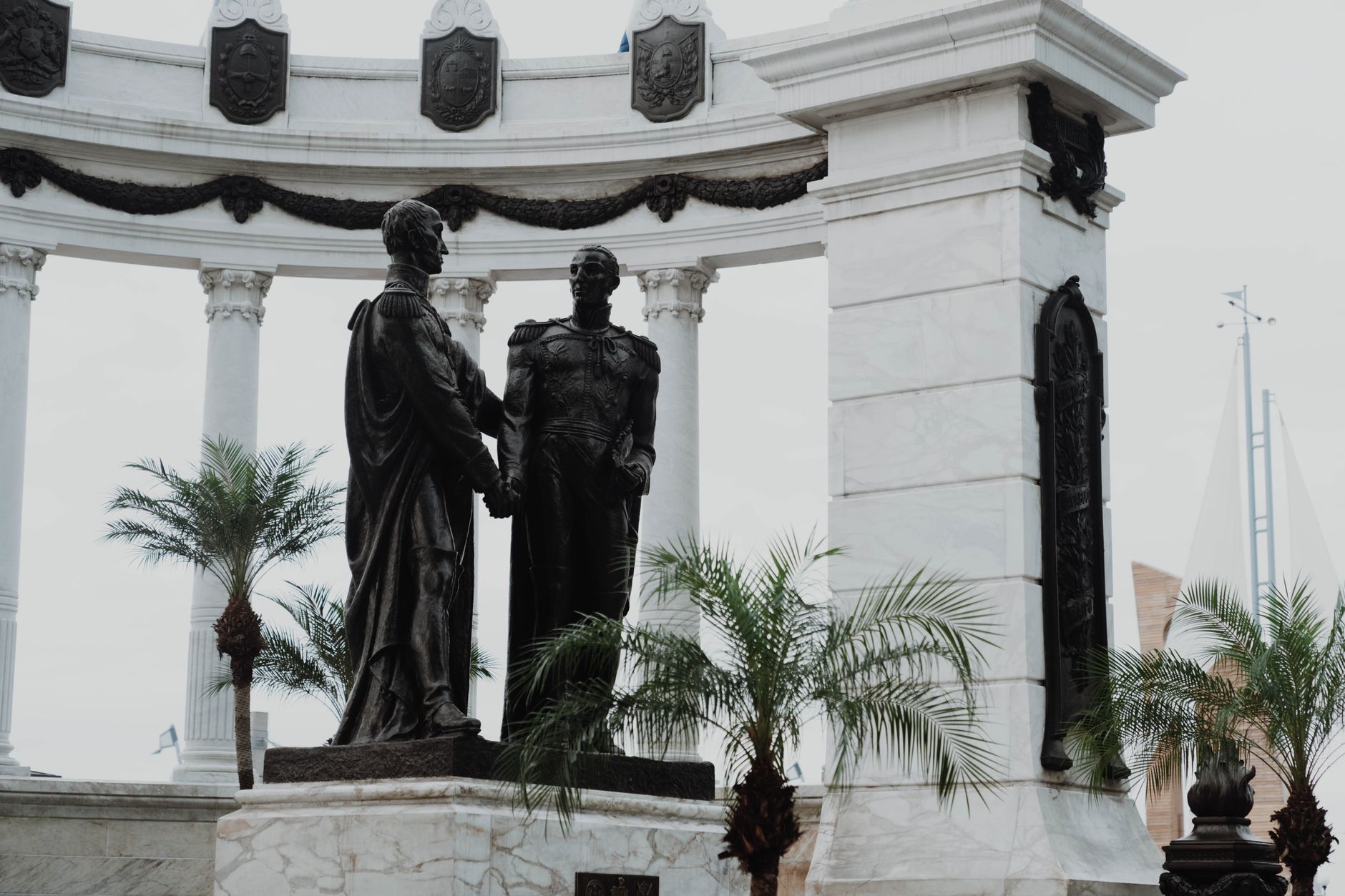
Historical monument in Guayaquil's Hemicycle de la Rotonda, featuring statues and palm trees.
Photo by iam luisao on Pexels · Pexels License
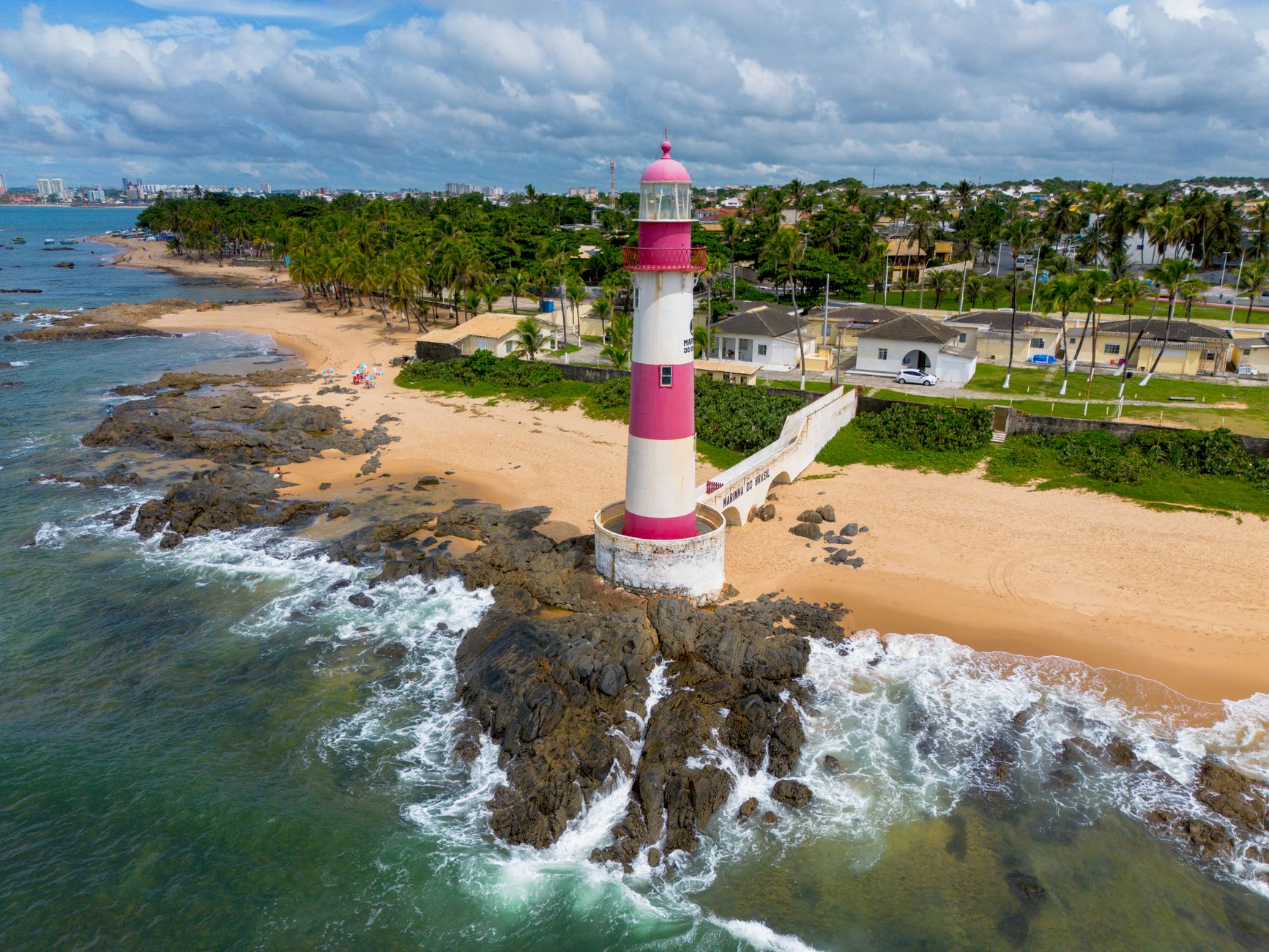
A vibrant aerial shot of the iconic Farol de Itapuã lighthouse along Salvador's coastline with lush greenery.
Photo by Fabio Souto on Pexels · Pexels License
Elegant view of the historic Municipal Theatre in Santiago, Chile with a central fountain.
Photo by Ale Zuñiga on Pexels · Pexels License
A couple embraces beside a serene lake in Peru under a vivid blue sky, showcasing love amidst nature.
Photo by Maria Camila Castaño on Pexels · Pexels License
Urban skyline featuring a historic church and vibrant buildings under a clear sky.
Photo by Nascimento Jr. on Pexels · Pexels License
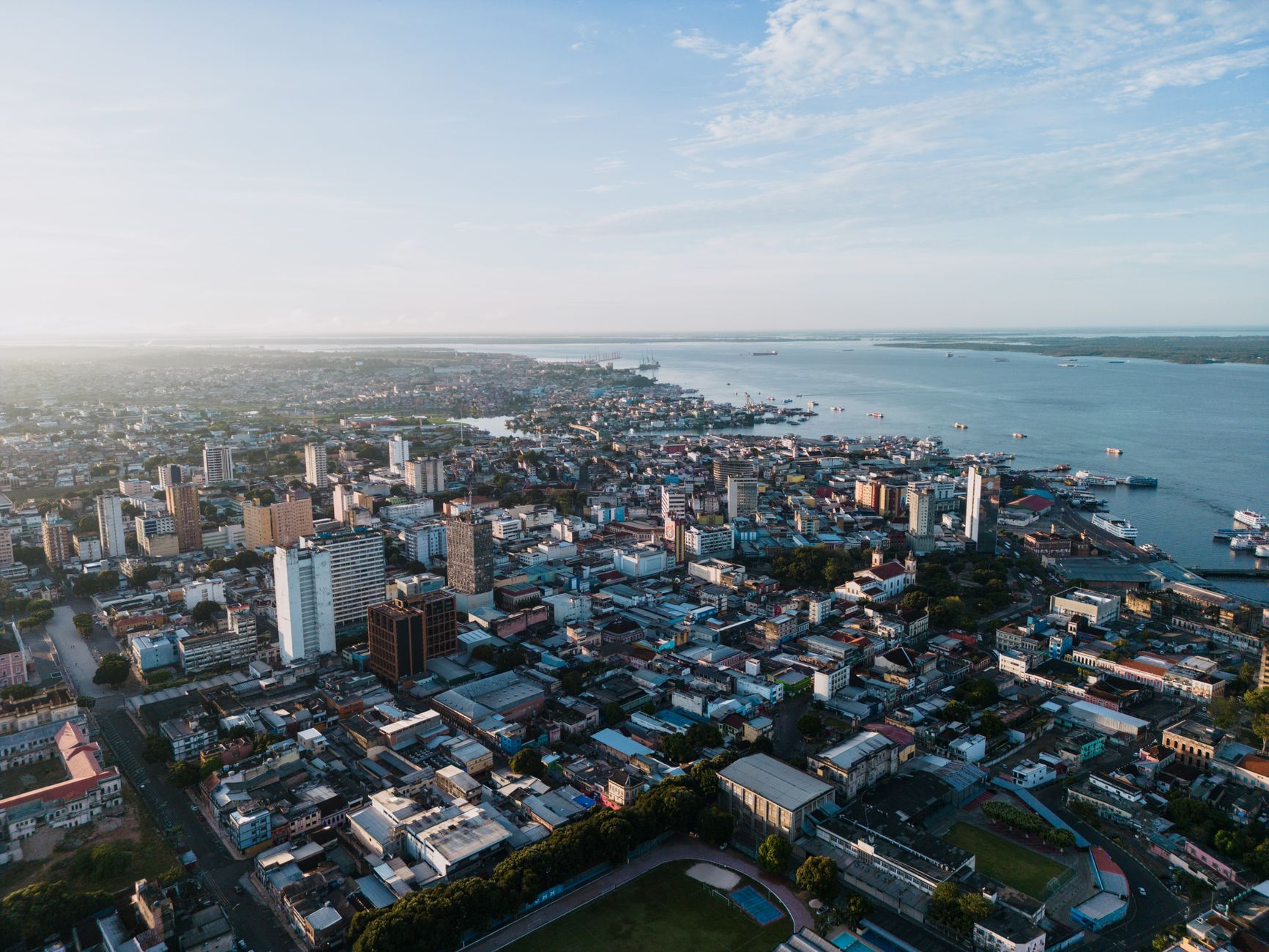
Breathtaking aerial view of Manaus cityscape with Rio Negro at sunset. Perfect for urban and travel themes.
Photo by Kelly on Pexels · Pexels License
Old rural building on a dirt road in Espírito Santo do Pinhal, São Paulo, Brazil.
Photo by Elizabeth Ferreira on Pexels · Pexels License
Practical Information
Visa
Mozambique now runs entry through the official evisa.gov.mz platform, launched on 11 February 2026. Many passports, including the United States, United Kingdom, Canada, and a long list of EU nationalities, use the short-stay ETA track for tourism or business up to 30 days, but Mozambique does not treat the EU as one category, so check your exact passport before booking. The practical baseline is still six months of passport validity, two blank pages, and proof of accommodation and onward travel.
Currency
The local currency is the Mozambican metical, usually written MZN. In Maputo, Vilankulo, and some beach lodges, you can often pay in US dollars or South African rand, but meticais make daily life easier for taxis, markets, fuel stops, and small restaurants. Ask one plain question before paying a hotel or tour bill: is VAT included.
Getting There
Most travelers arrive through Maputo, which is the simplest gateway for the south and for onward flights. Official airport listings also make Beira, Nampula, Pemba, Tete, and Vilankulo useful entry points depending on your route, with Nacala also in the international network. If your real goal is Ilha de Moçambique, the cleanest air route is usually into Nampula, then overland to the coast.
Getting Around
Mozambique is long, distances are not polite, and a neat overland loop usually wastes time. Domestic flights are the sensible way to combine Maputo, Beira, Nampula, Pemba, Quelimane, Tete, Chimoio, Xai-Xai, and Vilankulo in one trip, while buses and private transfers work better for shorter coastal hops such as Maputo to Xai-Xai or Vilankulo to Tofo. Train travel exists around Maputo and on a few longer lines, but it is a niche option, not a national backbone.
Climate
The dry season from May to October is the easiest window for most travelers, with lower humidity, better roads, and cooler nights in Maputo. September to November is especially strong if you want warm beach weather without full wet-season chaos, and humpback whales are often seen off the southern coast during that period. January to March brings the highest cyclone risk, especially on the central coast around Beira.
Connectivity
Mobile data works well enough in cities such as Maputo, Beira, Nampula, and Pemba, and many hotels, cafes, and airports offer Wi-Fi, though speed can swing wildly. Buy a local SIM or eSIM solution before you leave the airport if you plan to move beyond the capital. Signal weakens fast on islands, marine parks, and long road stretches, so download maps and hotel contacts before heading to Tofo, Ibo Island, or remote beach lodges.
Safety
Mozambique rewards planning and punishes improvisation after dark. Current official advice still flags parts of Cabo Delgado, the Niassa Special Reserve, and some northern districts of Nampula Province for serious security risk, while road travel outside cities at night is widely discouraged because of accidents, poor lighting, and crime. In practical terms, keep a low profile, avoid isolated beaches and roadside stops after sunset, and check the latest advisories before building a route around Pemba or Ibo Island.
Taste the Country
restaurantMatapa
Lunch or Sunday table. Rice or xima. Family hands, shrimp, coconut, peanut, quiet concentration.
restaurantCamarão à piri-piri
Evening plate in Maputo or Beira. Shell cracking, fingers, lemon, bread, cold beer, shared greed.
restaurantMucapata
Midday meal in Zambézia country. Rice, beans, coconut, fish or chicken, many spoons, little speech.
restaurantFrango à Zambeziana
Weekend lunch, outdoor table, napkins losing. Hands, chips or bread, sauce chasing every crumb.
restaurantChamussas
Street corner snack, bus station wait, market pause. Paper wrapper, hot filling, fast bites, standing company.
restaurantBolo Polana
Late afternoon in Maputo. Coffee, fork, cashew, potato, gossip, one more slice than planned.
restaurantMata-bicho
Morning ritual before work or travel. Tea or coffee, bread, egg, fritter, the stomach persuaded into loyalty.
Tips for Visitors
Carry Small Cash
ATMs exist in Maputo, Beira, Nampula, Pemba, and Vilankulo, but cash shortages still happen. Keep a stack of smaller metical notes for taxis, tips, station snacks, market buys, and the moments when card machines stop pretending.
Price Your Flights Early
Domestic flights save days, not hours, in a country this long. If your route links Maputo, Vilankulo, Nampula, Pemba, or Tete, book the air legs first and build the rest of the trip around them.
Treat Trains As Bonus
Rail works best if you want the ride itself. Around Maputo and on a few regional lines, trains can be interesting and cheap, but they are not reliable enough to anchor a tight itinerary.
Reserve Coast Beds
Beach rooms in Tofo, Vilankulo, and better lodges around Ilha de Moçambique disappear faster than city hotels in the dry season. Book early for July to November if whales, diving, or island boats are part of the plan.
Download Before Departing
Do not assume the next stop will have usable internet. Download maps, booking confirmations, and driver contacts before leaving Maputo, Nampula, or Pemba, especially if you are heading to Tofo, Ibo Island, or rural roads in the center.
Eat Lunch Big
The best seafood meals often arrive at lunch, when kitchens are fully running and the catch is freshest. If you are chasing prawns or grilled fish in Maputo, Beira, or Vilankulo, make lunch the main event and keep dinner flexible.
Avoid Night Drives
This is the simplest rule that saves the most grief. Road hazards, unlit vehicles, animals, police stops, and petty crime all get worse after dark, so aim to be parked before sunset outside major cities.
Greet First
In shops, guesthouses, and roadside stops, start with a greeting before asking for anything. It costs five seconds, and in Mozambique those five seconds change the tone of the exchange.
Explore Mozambique with a personal guide in your pocket
Your Personal Curator, in Your Pocket.
Audio guides for 1,100+ cities across 96 countries. History, stories, and local insight — offline ready.
Audiala App
Available on iOS & Android
Join 50k+ Curators
Frequently Asked
Do US citizens need a visa for Mozambique in 2026? add
Usually not for a short tourist stay, but they do need to follow the official Mozambique entry process. The current official portal lists the United States under the ETA or visa-exempt short-stay track for tourist and business visits up to 30 days, and you should still travel with a passport valid for at least six months, proof of lodging, and onward travel.
Is Mozambique safe for tourists right now? add
Yes in much of the country, with planning, but not everywhere. Official advisories still warn against travel to parts of Cabo Delgado, the Niassa Special Reserve, and some northern districts of Nampula Province, while crime, protests, weak health infrastructure, and dangerous night driving remain national concerns.
What is the best month to visit Mozambique? add
September and October are the safest bet for many travelers. You get dry weather, warm sea conditions, and easier movement between places such as Maputo, Tofo, Vilankulo, and Ilha de Moçambique without the wet-season road trouble or peak cyclone risk.
Can you use US dollars in Mozambique? add
Yes, sometimes, but you should not build a trip around that assumption. Hotels and some operators in Maputo and the south may take dollars, yet daily spending still runs on meticais, especially for taxis, markets, small restaurants, and tips.
How do you get from Maputo to Tofo or Vilankulo? add
The fastest way is to fly north and continue by road if needed. Overland travel is possible, but the distances are long enough that many travelers lose a full day getting to Vilankulo and even more if they continue toward Tofo.
Is Ilha de Moçambique worth visiting? add
Yes, especially if history matters to you as much as the beach. Ilha de Moçambique has the strongest architectural story in the country, with Fort São Sebastião, the old stone town, Swahili-Portuguese layers, and a setting that feels completely different from Maputo or the southern coast.
Do I need cash in Mozambique or can I pay by card? add
You need cash. Cards work in better hotels, supermarkets, and some restaurants in bigger cities, but outages, weak terminals, and cash-only operators are common enough that meticais are part of basic trip planning.
Can you travel around Mozambique by train? add
Only in selected corridors, not as a countrywide strategy. Trains are useful around Maputo and on a few regional lines, but if you are trying to link Beira, Nampula, Pemba, Tete, or Vilankulo on one trip, flights and road transfers are still the practical answer.
Sources
- verified Mozambique eVisa & eTA Official Portal — Official entry platform with current ETA and eVisa categories, passport requirements, and application timelines.
- verified GOV.UK Mozambique Travel Advice — Current UK government guidance on entry rules, regional security risks, and emergency information.
- verified U.S. Department of State: Mozambique International Travel Information — Current U.S. advisory level, road safety warnings, health notes, and destination-specific risk guidance.
- verified Aeroportos de Moçambique — Official airport network listing for international, regional, and domestic entry points across Mozambique.
- verified LAM Mozambique Airlines Destinations — Official airline destination pages used to confirm the domestic flight network that links the main traveler hubs.
Last reviewed: