Plan and listen to Petit Socco with Audiala.
Audio guide in your pocket, itinerary in your browser. Built for the way you actually visit.
Introduction
Nestled in the heart of Tangier’s atmospheric medina, Petit Socco—literally the “Little Square”—serves as a vibrant crossroads of history, culture, and daily Moroccan life. For centuries, this compact plaza has been a focal point where merchants, diplomats, artists, and travelers from around the world mingled, making it a symbol of Tangier’s cosmopolitan identity. Today, Petit Socco enchants visitors with its historic cafés, artisan shops, and the authentic rhythms of local life, while standing as a testament to the city’s rich heritage and enduring spirit (Wikipedia; Tanger City Tour; Moments in Morocco).
This guide provides detailed information on Petit Socco’s history, practical tips for visiting, nearby attractions, accessibility, and recommendations for making the most of your journey to one of Tangier’s most iconic historical sites (Lonely Planet; Evendo).

Origins and Historical Evolution
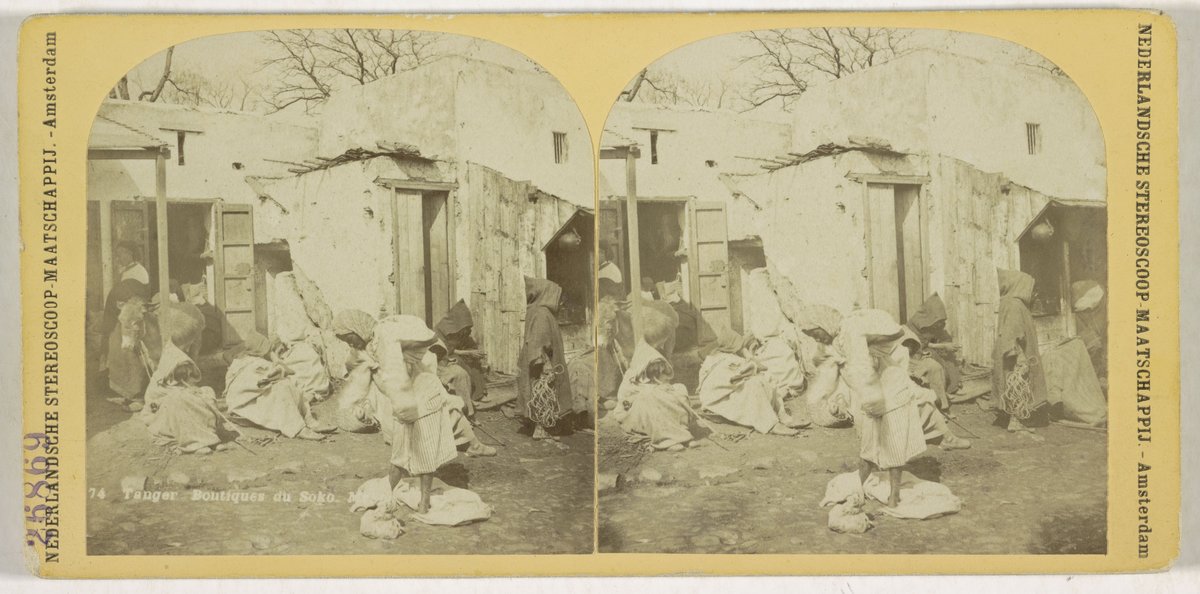
Petit Socco, also known as Place Souk Dakhel in Arabic and Zoco Chico in Spanish, reflects the multi-layered history of Tangier. The name itself is rooted in a blend of French (“petit” for small) and Spanish (“socco” or “zoco” for market), a testament to the city’s centuries-old role as a gateway between Europe and North Africa (Wikipedia).
By the 19th and early 20th centuries, Petit Socco was the diplomatic and commercial nucleus of Tangier. Consulates from Britain, Spain, Germany, and France once surrounded the square, each hosting their own post offices and telegraph services. The State Bank of Morocco was established here in 1907, underlining the area’s financial significance (Wikipedia). Architectural landmarks such as the art deco Spanish post office and historic hotels like Hotel Fuentes still stand as reminders of this golden era.
Diplomatic and Artistic Legacy
Petit Socco became a magnet for intellectuals, artists, and writers throughout the 20th century. Legendary figures such as William S. Burroughs, Paul Bowles, Allen Ginsberg, Camille Saint-Saëns, and Henri Matisse found inspiration here, drawn by the square’s bohemian energy and cosmopolitan ambiance (Tanger City Tour; Moments in Morocco). Its cafés served as informal salons for creative dialogue, further cementing its place in Tangier’s cultural tapestry.
The mid-20th century saw decline as Tangier’s political landscape shifted; Petit Socco gained notoriety for illicit activities and fell into neglect. However, recent revitalization efforts have restored much of its historic charm, with the reopening of the Palais Zahia hotel and the inauguration of the Dar Niaba Museum (Wikipedia).
Modern Renaissance and Atmosphere
Today, Petit Socco buzzes with life, offering an authentic Moroccan experience. The square’s architecture showcases a blend of Moorish, Spanish, and French influences, while its cafés and artisan shops provide the perfect setting for people-watching and cultural immersion (Lonely Planet). Whether you’re sipping mint tea at Café Tingis or browsing vibrant stalls, the ambiance is both historic and contemporary.
Practical Visitor Information
Location & Getting There
Petit Socco is centrally located within Tangier’s medina:
- From Tangier Ville Train Station: Walk or take a short taxi to the Medina; follow signs or ask locals for directions to Petit Socco (Evendo).
- From the Port: Stroll along the waterfront to Place du 9 Avril 1947, enter the Medina, and follow signs to the square.
- From Grand Socco: Proceed east through the Medina’s bustling streets to reach Petit Socco.
The Medina is pedestrian-only, with uneven cobblestones and some steep alleys. Comfortable shoes are recommended.
Visiting Hours
Petit Socco is a public square accessible 24/7, with no entrance gates or barriers. Cafés, shops, and market stalls generally operate from 9:00 AM to 10:00 PM. For the most atmospheric experience, visit in the late morning or early evening (Evendo).
Entry & Tickets
No tickets or admission fees are required to access Petit Socco. Entry to nearby attractions such as the Dar Niaba Museum may require a ticket—check official museum websites for details.
Accessibility
While the square itself is relatively flat, the surrounding Medina streets can be challenging for visitors with mobility impairments due to cobblestones and narrow passages. Some guided tours are tailored for accessibility—contact local operators in advance for assistance.
Safety
Petit Socco is generally safe, especially by day. Exercise standard precautions against pickpockets in crowded areas. Police patrols and a steady presence of locals contribute to a secure environment (Holidify).
Nearby Attractions & Suggested Itineraries
- Grand Socco: The city’s main gateway square, lively with vendors and performers.
- Kasbah & Kasbah Museum: Explore Tangier’s fortress district and panoramic views.
- American Legation Museum: A unique museum chronicling Morocco–U.S. relations.
- Dar Niaba Museum: Showcasing Tangier’s diplomatic history.
- Main Market (Souk): Rich in spices, textiles, and handicrafts.
Sample itinerary: Start your morning at Petit Socco for coffee and people-watching, browse artisan shops, lunch in a nearby café, then continue to the Kasbah or American Legation Museum.
Food, Cafés, and Local Flavors
Petit Socco is famous for its historic cafés—try Café Tingis for mint tea or traditional espresso, or Le Bistrot du Petit Socco for Moroccan and Mediterranean cuisine (Wanderlog). Street vendors offer msemen, grilled sardines, and sweet pastries. Prices are affordable, and the café terraces are ideal for absorbing the square’s bustle (Moments in Morocco).
Shopping and Artisans
The surrounding alleys are lined with craft shops selling handwoven textiles, ceramics, leather goods, brass lanterns, and jewelry. Many are family-run, and bargaining is both customary and expected. Observing craftwork in the mornings is a highlight (Art and Then Some).
Guided Tours & Photo Tips
Numerous operators offer guided walking tours that include Petit Socco and the Medina. These tours provide historical insights and help navigate the labyrinthine streets. For photographers, the best light is in the early morning or late afternoon. Rooftop terraces at Le Bistrot du Petit Socco and Hotel Mauritania offer panoramic views (Life in the Fast Jane).
Cultural Etiquette and Language
Arabic and French are widely spoken, with English increasingly understood. Greet with “Salam Alaikum” or “Bonjour.” Dress modestly, covering shoulders and knees, especially within the Medina. Always ask permission before photographing individuals.
Events and Seasonal Highlights
Spring and autumn offer the best weather and smaller crowds. During Ramadan, the square is quieter by day but lively after sunset. Special cultural events and music performances often take place during annual festivals (Tangier Escapade).
Sustainability & Responsible Tourism
Support local artisans and family businesses to help preserve Tangier’s cultural traditions. Minimize plastic use, engage respectfully with the community, and practice responsible tourism.
Frequently Asked Questions (FAQ)
Q: What are Petit Socco’s visiting hours?
A: The square is open 24/7, with cafés and shops typically open from 9:00 AM to 10:00 PM.
Q: Is there an entrance fee?
A: No, Petit Socco is free to enter.
Q: Are guided tours available?
A: Yes, numerous operators offer Medina and Petit Socco walking tours.
Q: Is Petit Socco wheelchair accessible?
A: The square is flat, but surrounding streets have uneven surfaces. Some tours cater to mobility needs.
Q: Where can I find restrooms?
A: Most cafés provide facilities for customers; public restrooms are limited in the Medina.
Q: What is the best time of year to visit?
A: Spring (March–May) and autumn (September–November) offer the most pleasant weather.
Listen to the full story in the app
The whole Petit Socco,
told well.
Audio guides for 1,100+ cities across 96 countries. History, stories, and local insight — offline ready.
Verified, and shown.
Researched and written by the Audiala editorial team from historical records, architectural archives, and local expertise.
Researched from Wikidata, Wikipedia & official sources · fact-checked · How we make our guides →