Plan and listen to Caves Of Hercules (Tanger) with Audiala.
Audio guide in your pocket, itinerary in your browser. Built for the way you actually visit.
Introduction: Exploring Morocco's Legendary Coastal Landmark
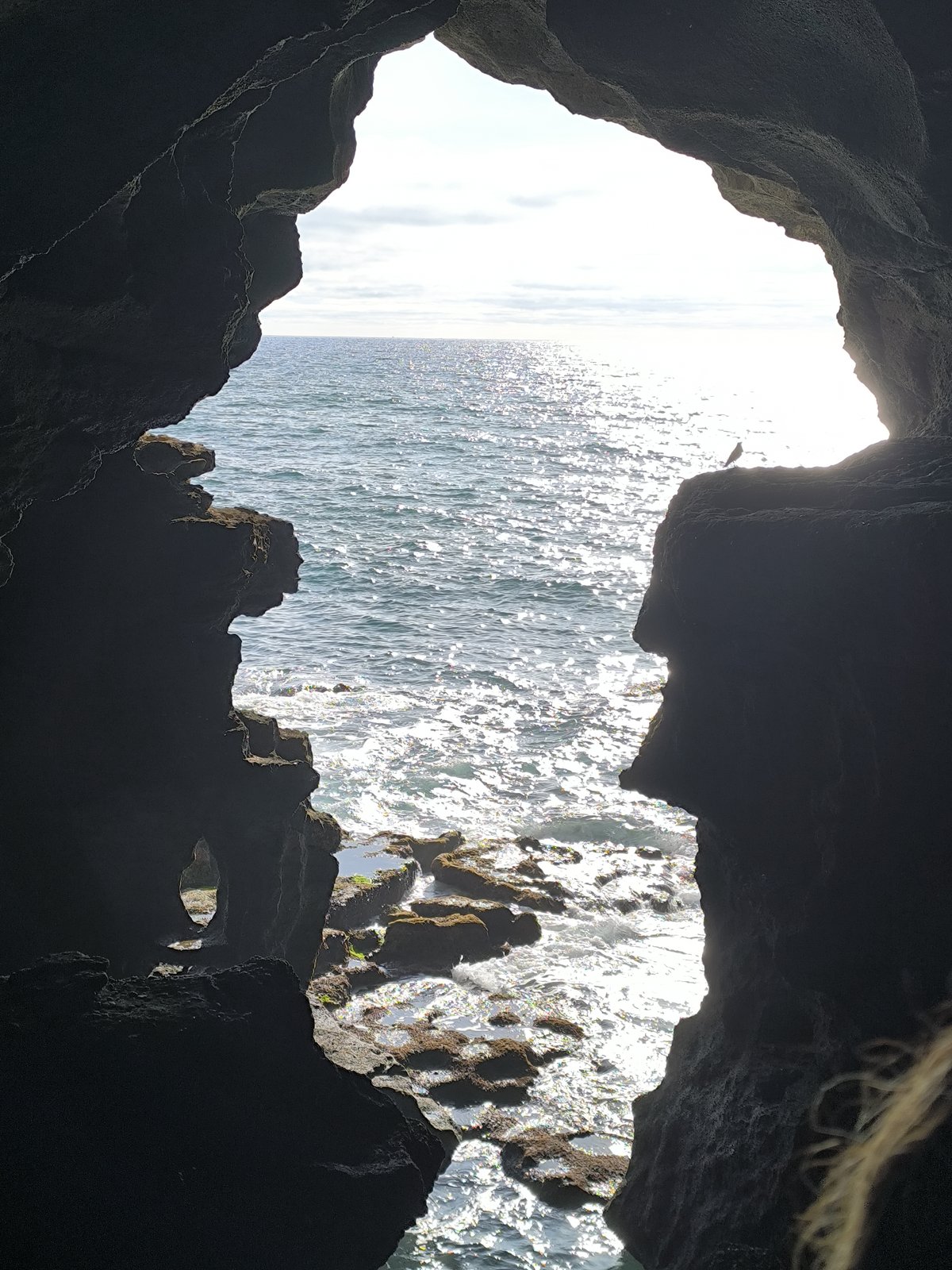
The Caves of Hercules, situated about 14 kilometers west of Tangier, Morocco, are one of the country's most celebrated natural and historical attractions. Overlooking the turbulent meeting point of the Atlantic Ocean and the Mediterranean Sea, these caves are steeped in myth, archaeological intrigue, and geological wonder. Their name and enduring legend are rooted in Greek mythology—where the hero Hercules is said to have rested within after completing his legendary labors, symbolizing the site as a crossroads of continents and cultures. The caves' dramatic “Map of Africa” sea-facing opening, rich prehistoric evidence, and proximity to other northern Morocco highlights make them a must-visit destination (Yallah Morocco, moroccopass.com, Morocco World News).

1. Historical and Mythological Background
Ancient Human Activity
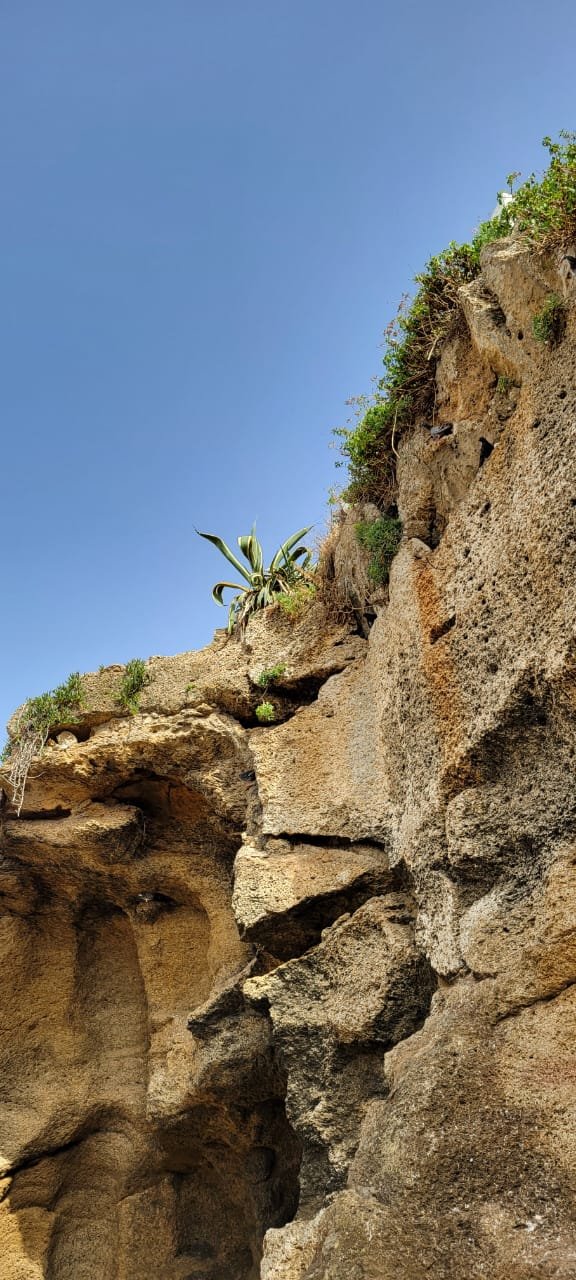
Archaeological excavations show that the Caves of Hercules have been used since the Neolithic period. Early inhabitants sought shelter in the natural chambers, leaving behind tools, pottery, and evidence of ritual activity. During the Phoenician and Roman eras, the caves were quarried for stone—visible in the distinctive marks and ancient inscriptions still present on the walls (Yallah Morocco).
The Legend of Hercules
The legendary hero Hercules (Heracles in Greek tradition) is central to the caves' mystique. According to myth, he rested here after completing his eleventh labor—retrieving the golden apples of the Hesperides, a mythical garden some sources place near present-day northern Morocco (Explanders). The caves are also linked with the story of the Pillars of Hercules, representing the ends of the known world at the Strait of Gibraltar.
Local traditions expand the tale, crediting the caves' creation to Hercules’ tremendous strength, and connecting the site to the founding of Tangier in Berber folklore (random-times.com, story-rabat.com).
2. Geological and Archaeological Features
The “Map of Africa” Opening
The caves’ most iconic feature is the sea-facing opening, which resembles the outline of the African continent. Known as the “Map of Africa,” this natural window is a compelling geological and cultural symbol—formed by millennia of Atlantic waves carving into the limestone (Morocco World News).
Karst Formations and Human Modifications
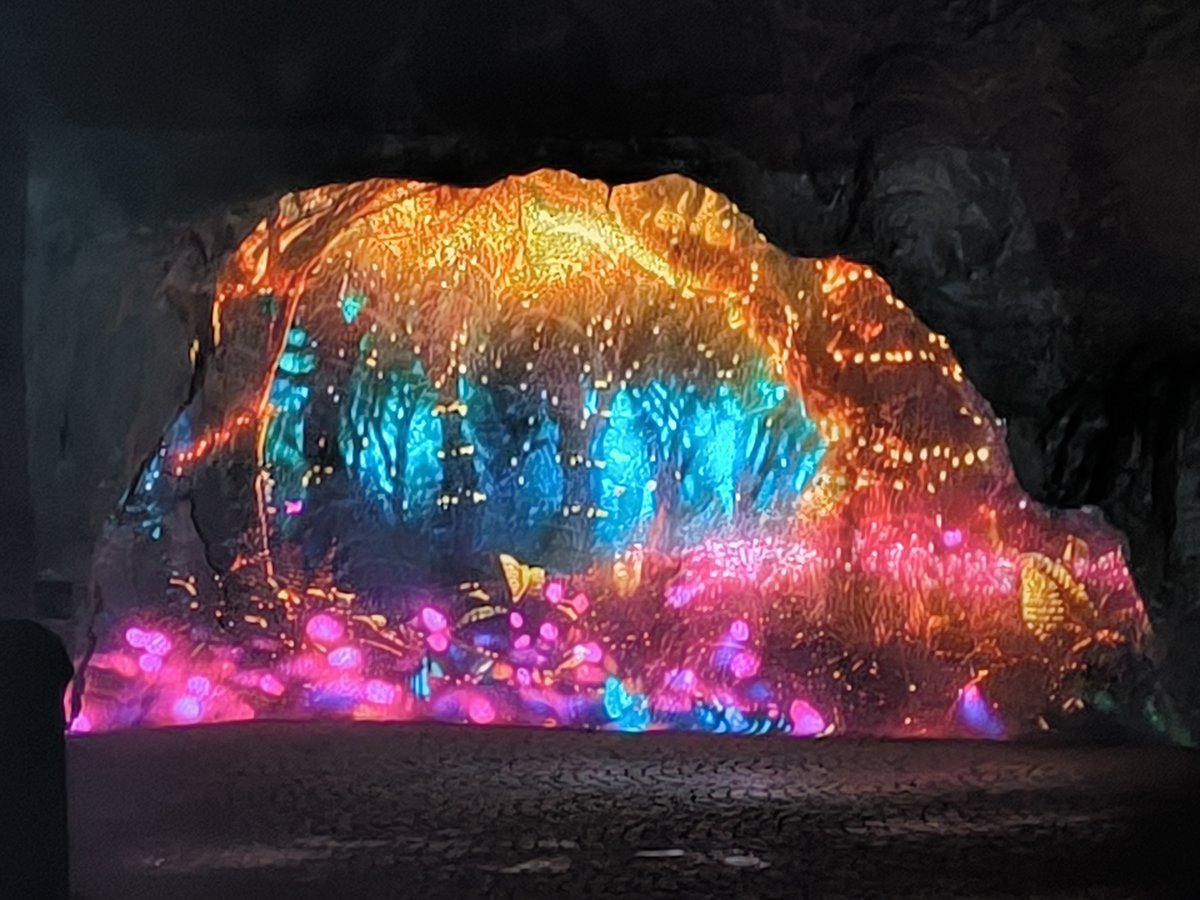
Inside, visitors encounter dramatic stalactites, stalagmites, and a labyrinth of chambers. The cave walls are marked by both natural erosion and ancient quarrying activities, including circular cuts from millstone extraction by Berber peoples and inscriptions from Phoenician and Roman times (story-rabat.com, moroccopass.com).
3. Practical Visitor Information
Location and Getting There
The Caves of Hercules are located near Cape Spartel, approximately 20–30 minutes by car or taxi from Tangier’s city center. The scenic drive along the Atlantic coast is an experience in itself, with opportunities to stop for photos or camel rides (Touristlink, HappyToVisit).
Visiting Hours and Tickets
- Opening Hours: Daily, 9:00 AM to 6:00 PM (seasonal variations possible—check locally in off-season).
- Admission: Generally 20 MAD (~$2 USD) for adults, with discounts for children, groups, or locals. Some sources report a 5 MAD entry fee; verify current rates on arrival or via official sources.
- Guided Tours: Available in multiple languages for a small additional fee; highly recommended for historical context (Touristlink).
Facilities
- Parking: On-site, but fills up during peak season.
- Amenities: Restrooms, a small café, and souvenir stalls near the entrance.
4. Accessibility and Travel Tips
- Pathways: Main walkways and steps allow access to principal chambers; surfaces may be slippery and uneven, especially after rain.
- Mobility: The site is not fully wheelchair accessible due to steps and rough terrain. Visitors with limited mobility should consult staff before entry.
- Clothing: Wear sturdy, non-slip footwear and bring a light jacket, as caves are cool and humid.
- Language: Arabic and French are widely spoken; English and Spanish are common among guides.
- Currency: Bring small denominations of Moroccan dirhams; some vendors may accept other currencies but give change in dirhams.
5. Nearby Attractions and Itinerary Ideas
- Cape Spartel Lighthouse: Just above the caves, offering panoramic ocean views (Trek Zone).
- Tangier Medina & Kasbah: Explore the historic old town’s vibrant markets and architecture.
- Local Souks: Perfect for sampling Moroccan cuisine and crafts (HappyToVisit).
- Suggested Itinerary: Combine the caves, lighthouse, and medina for a half- or full-day tour.
6. Frequently Asked Questions (FAQ)
What are the opening hours of the Caves of Hercules?
Daily, 9:00 AM to 6:00 PM (may vary seasonally).
How much do tickets cost?
Typically 20 MAD (~$2 USD); some sources report 5 MAD. Guided tours may cost extra.
Are guided tours available?
Yes, in several languages; recommended for rich historical and mythological insights.
Is the site wheelchair accessible?
Not fully; there are steps and uneven surfaces.
When is the best time to visit?
June to October for good weather; early mornings and late afternoons for fewer crowds and best lighting.
Can I take photos inside?
Photography is permitted and encouraged, especially at the “Map of Africa” opening.
7. Conservation and Responsible Tourism
Moroccan authorities and local organizations have implemented conservation measures to stabilize the caves and manage tourist flows. Respect posted guidelines, avoid touching mineral formations, and refrain from littering. Responsible tourism ensures this living heritage site is preserved for future generations (story-rabat.com).
Visuals and Media Suggestions
- Images: Feature the sea-facing “Map of Africa” entrance, cave interiors, and panoramic views over Cape Spartel.
- Maps: Show the caves' location relative to Tangier and nearby sites.
- Virtual Tours: Link to official or third-party video walkthroughs if available.
Tickets & tours.
These are guided options from our partners — same price as booking direct.
Prices are indicative — final pricing and availability are confirmed at checkout. Audiala may earn a commission from bookings made through these links.
Listen to the full story in the app
The whole Caves Of Hercules (Tanger),
told well.
Audio guides for 1,100+ cities across 96 countries. History, stories, and local insight — offline ready.
Verified, and shown.
Researched and written by the Audiala editorial team from historical records, architectural archives, and local expertise.
Researched from Wikidata, Wikipedia & official sources · fact-checked · How we make our guides →