Plan and listen to Water Museum Of Marrakesh with Audiala.
Audio guide in your pocket, itinerary in your browser. Built for the way you actually visit.
Introduction
Nestled in Marrakesh's historic Palmeraie, the Water Museum of Marrakesh—officially the Musée Mohammed VI pour la Civilisation de l’Eau au Maroc—offers a captivating journey through Morocco’s unique relationship with water. Opened in January 2017, this landmark institution explores the country’s historical, technological, and spiritual narratives around water management. From ingenious ancient systems like khettaras and norias to modern sustainability initiatives, the museum reveals how water has shaped Morocco’s civilization, economy, and culture. Its immersive exhibitions, interactive displays, and architecturally stunning site make it a must-visit for history buffs, families, students, and anyone interested in sustainable development or Moroccan heritage (La Maison Musée, Visit Marrakech, The Marrakesher).

Origins and Historical Importance
The museum was inaugurated in January 2017 as an initiative by the Ministry of Habous and Islamic Affairs, with support from Morocco’s royal family. Its location in the Palmeraie, a lush oasis sustained by sophisticated irrigation channels, is symbolic, highlighting the region’s historical mastery of water management (Wikipedia, La Maison Musée). The museum’s mission is to document, celebrate, and educate about Morocco’s enduring relationship with water, from pre-Islamic times to the present.
Water’s Role in Moroccan Civilization
Water has long underpinned Moroccan society. Ingenious systems—like khettaras (subterranean canals), norias (water wheels), and seguias (surface channels)—enabled agriculture in arid landscapes and supported the growth of cities like Marrakesh. The museum’s exhibits detail how these technologies powered the cultivation of key crops and sustained urban development (La Maison Musée).
Religious and Spiritual Dimensions
Islamic tradition accords water a central role in daily ritual and architecture. The museum explores ablutions (wudu), ceremonial fountains, and the management of water endowments (habous) by religious authorities—showcasing the intersection between faith and sustainable resource management (Wikipedia).
Traditional Hydraulic Engineering
The museum features models and interactive exhibits on ancient Moroccan water technologies such as foggaras and norias. It traces the evolution from traditional methods to modern hydraulic works like dams and reservoirs, contextualizing contemporary challenges around climate change and water scarcity (La Maison Musée).
Architectural Symbolism
Blending modern design with Moroccan motifs, the museum’s architecture symbolizes water’s vitality. Fountains, pools, and a planned three-hectare educational park echo the oasis setting, while sustainable features—natural lighting, ventilation, energy-efficient systems—reinforce its environmental mission (Wikipedia, visitmarrakech.com, meer.com).
Location, Hours, and Tickets
- Location: Palmeraie district, Avenue Mohammed VI, Marrakesh (near Menara Gardens)
(Evendo) - Opening Hours: Generally open daily from 9:00 AM to 6:00 or 7:00 PM, closed Mondays in some seasons. Last entry 30 minutes before closing.
- Tickets:
- General admission: 45–50 MAD
- Students/children: 10–20 MAD
- Free for children under 5 and people with disabilities
- Discounts for seniors and groups
- Tickets can be purchased onsite; some online options may be available (PowerTraveller, Evendo, 33Travels)
Museum Layout and Exhibitions
- Three Floors:
Thematic journey from Morocco’s ancient water culture to modern innovations. - Permanent Exhibitions:
- Water in religion and daily life
- Historic irrigation and water management
- Modern hydraulic engineering and climate adaptation
- Water’s role in art and architecture (meer.com, academia.edu)
- Temporary Exhibitions:
Rotating displays on contemporary water science, art, and sustainability. - Interactive and Educational Areas:
Digital simulations, hands-on models, and a 360° audiovisual introduction. - Facilities:
- Café with refreshments
- Gift shop with local crafts
- Library and archives for researchers
- Clean, accessible restrooms
- Full wheelchair accessibility (marrakechgo.com)
Visitor Experience & Facilities
- Guided Tours:
Available in multiple languages (advance booking recommended); excellent for understanding technical and cultural details. - Workshops and Events:
Educational sessions on water conservation, crafts, and Moroccan heritage, suitable for families and students. - Outdoor Park:
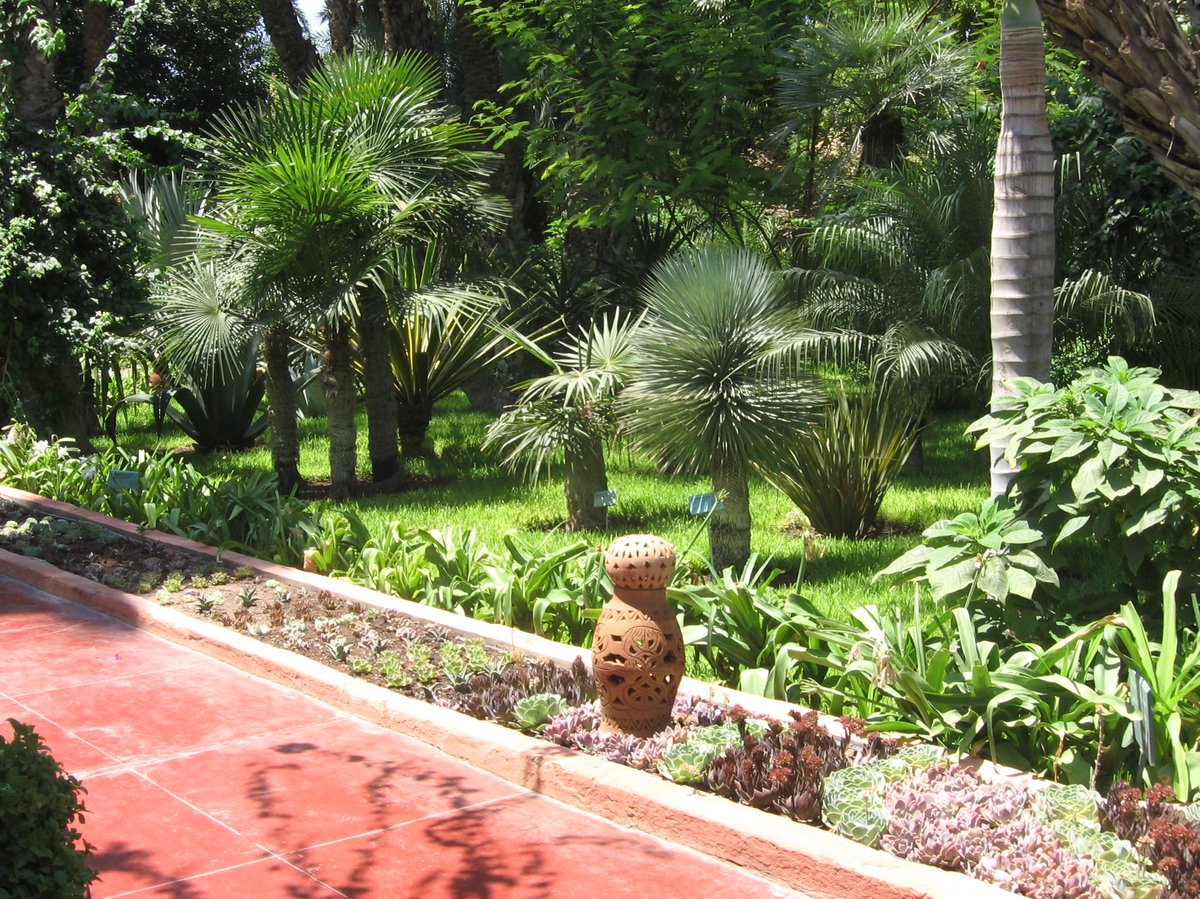
Demonstration gardens showcasing sustainable irrigation and local plants. - Photography:
Permitted in most areas; flash restrictions may apply.
Educational Programs & Events
The museum’s educational mission is expansive—offering interactive workshops for all ages, public lectures, student programs, and collaboration with local and international organizations. These initiatives aim to foster a deeper appreciation for Morocco’s hydraulic history and promote sustainable practices (Vivre Marrakech, Lord Cultural Resources).
Sustainability and Community Initiatives
- Green Building Features:
Solar energy, efficient water use, and climate control. - Integration with Morocco’s Green Plan:
The museum supports regional sustainability, aligning with national strategies for water management and eco-tourism (The Marrakesher, Visit Marrakech). - Community Engagement:
- Partnerships with artisans and farmers
- Forums on water challenges
- Volunteer and internship opportunities for youth
- Accessibility and Inclusivity:
Materials in Arabic, French, and English; outreach to underserved communities.
Practical Visiting Tips
- Best Time:
October to April for comfortable weather, but open year-round. - Getting There:
Taxi (10–15 min from city center, ~100–150 MAD), bus #10, or by car. Parking available (Evendo). - Dress Code:
Modest clothing recommended; comfortable, closed shoes. - Duration:
Allow 1.5–2 hours; longer if participating in workshops or guided tours. - Languages:
Most exhibits in Arabic and French; English available in guided tours (PowerTraveller). - Dining:
Onsite café. No picnicking in exhibit areas. - Safety:
Marrakech is generally safe. Respect local customs, especially during Ramadan (Lonely Planet).
Frequently Asked Questions (FAQ)
Q: What are the visiting hours?
A: 9:00 AM to 6:00/7:00 PM daily; check for seasonal changes.
Q: How much are tickets?
A: General admission: 45–50 MAD; discounts for students, children, and groups.
Q: Is the museum wheelchair accessible?
A: Yes, fully accessible.
Q: Are guided tours available?
A: Yes, in multiple languages.
Q: Can I take photos?
A: Yes, except where restricted (look for signage).
Q: Is English available?
A: Exhibit labels are mainly in Arabic/French; English-speaking guides are available.
Nearby Attractions
- Menara Gardens: Historic olive groves and reflecting pool.
- Jardin Majorelle: Botanical gardens and Berber Museum.
- Marrakech Medina: UNESCO-listed old city with souks and palaces.
- Yves Saint Laurent Museum: Fashion and design exhibits.
Listen to the full story in the app
The whole Water Museum Of Marrakesh,
told well.
Audio guides for 1,100+ cities across 96 countries. History, stories, and local insight — offline ready.
Verified, and shown.
Researched and written by the Audiala editorial team from historical records, architectural archives, and local expertise.
Researched from Wikidata, Wikipedia & official sources · fact-checked · How we make our guides →