Plan and listen to Shrob Ou Shouf Fountain with Audiala.
Audio guide in your pocket, itinerary in your browser. Built for the way you actually visit.
Introduction
Nestled within the vibrant heart of Marrakesh’s medina, the Shrob Ou Shouf Fountain stands as a living testament to Morocco’s architectural mastery, communal spirit, and Islamic philanthropic tradition. Translating to “Drink and Look,” this Saadian-era fountain is more than a historic water source—it is an emblem of Marrakesh’s layered history, a hub for social interaction, and a showcase of exquisite craftsmanship. This detailed guide explores the fountain’s origins, architectural features, cultural significance, practical visitor information (including hours, ticketing, and accessibility), and its role within the broader context of Marrakesh’s heritage sites. Whether you are an avid historian, a culture enthusiast, or a curious traveler, this article will help you make the most of your visit to one of Marrakesh’s most iconic monuments (Wikipedia; Dar Zaman; Archnet; Lonely Planet).

Historical Background
Origins and Construction
The Shrob Ou Shouf Fountain, also known as Chrob ou Chouf, was constructed under the Saadian dynasty between the late 16th and early 17th centuries. Its commissioning is widely attributed to Sultan Ahmad al-Mansur, who oversaw a flourishing of architecture in Marrakesh. Built as a waqf (charitable endowment), the fountain provided free water to residents, travelers, and worshippers, embodying the Islamic values of charity and hospitality (Wikipedia; Gidza).
Architectural Features and Artistic Significance
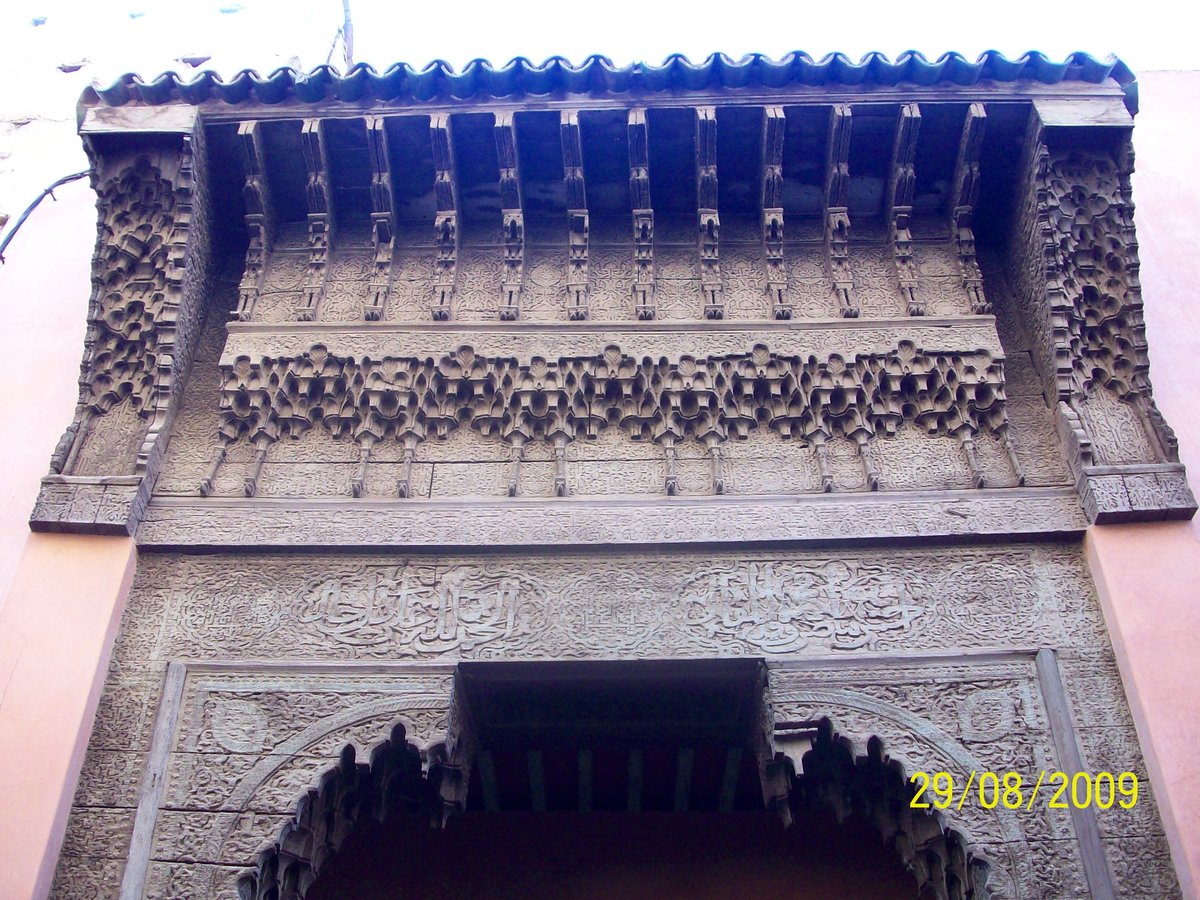
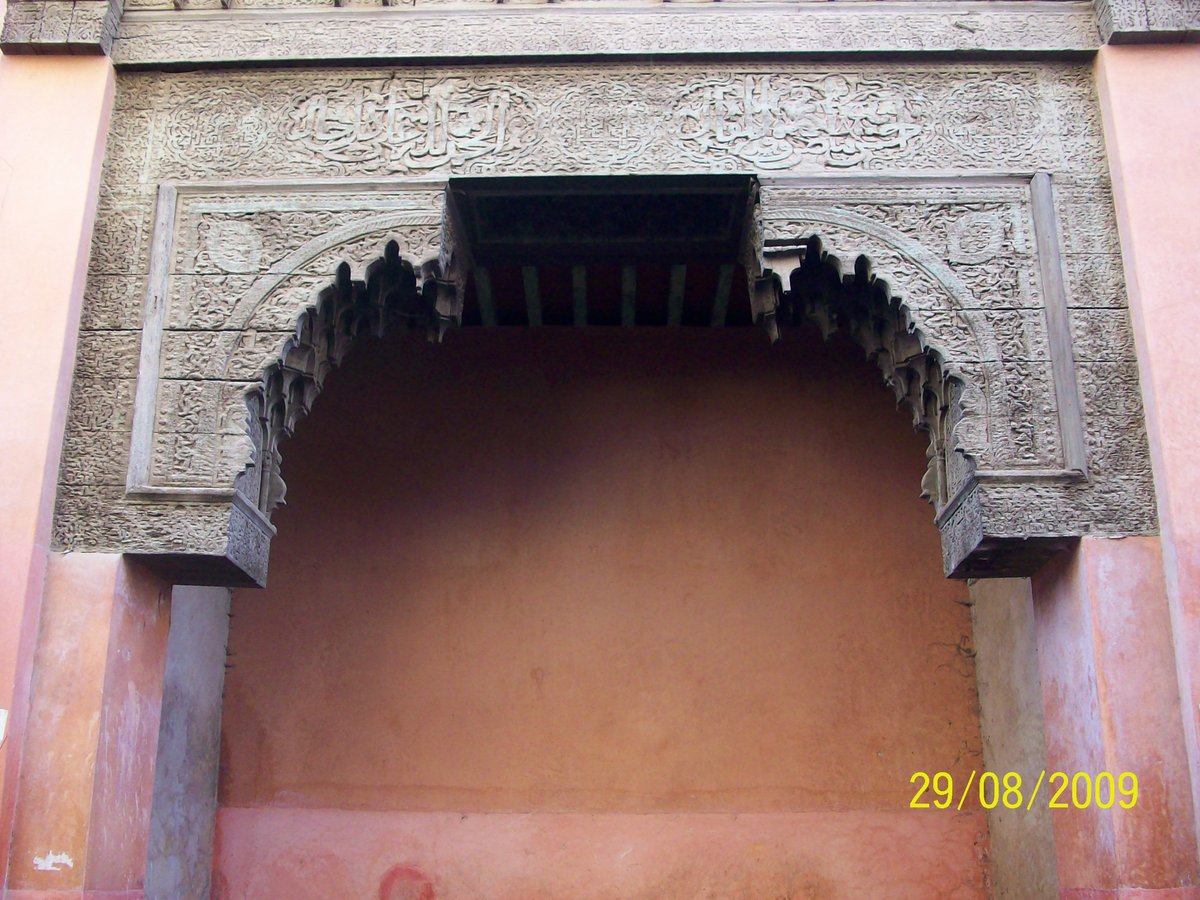
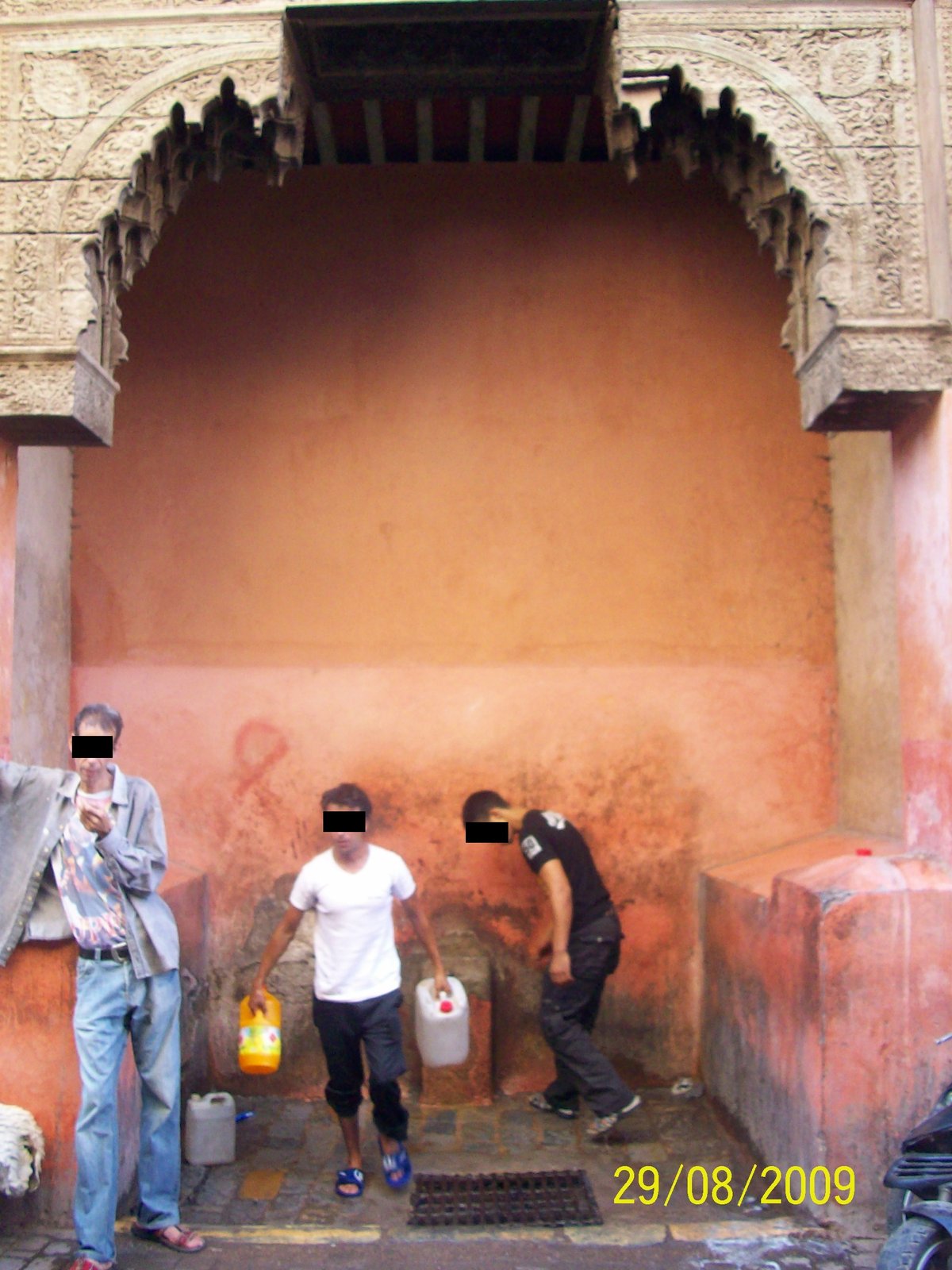
The fountain exemplifies the best of Saadian civic architecture. Set within a niche, it features a grand cedar-wood lintel intricately carved with honeycomb (muqarnas) motifs—a rare wooden interpretation of a typically stucco design. The lintel is adorned with Andalusian calligraphy, including the phrase “drink and look,” which encourages both practical use and artistic appreciation. A pitched green-tiled roof, symbolic of prestige and protection, shelters the structure. Below, vibrant zellij tilework and geometric and floral patterns highlight the synthesis of art and utility. The fountain’s harmonious composition of wood, tile, stone, and calligraphy demonstrates the sophistication of Moroccan Islamic aesthetics (Dar Zaman; Planet Marrakech).
Socio-Cultural Role
In historic Marrakesh, public fountains were vital to daily life, especially given the scarcity of private wells. Fountains like Shrob Ou Shouf supported ablutions, social gatherings, and the spiritual routines of nearby institutions such as the Ben Youssef Madrasa. These fountains were also social spaces where women would collect water, exchange news, and foster neighborhood bonds (academia.edu).
Water Supply and Engineering
The fountain was originally supplied by the khettara (qanat) system—a sophisticated network of underground channels that brought water from distant gardens into the medina. This system reflects the advanced hydraulic engineering accomplished during the Almoravid and Saadian eras and highlights communal stewardship of water resources (academia.edu).
Preservation and Restoration
Shrob Ou Shouf Fountain’s historical importance has been recognized through its inclusion in the UNESCO World Heritage listing for the Marrakesh medina. Restoration efforts, such as those completed in September 2000 by the Art Restoration of Cultural Heritage (ARCH), have preserved its cedar woodwork and calligraphic details, ensuring its continued role as a living monument (Marrakech City Guide).
Visiting Information
Location and Accessibility
The fountain is located on Rue Mouassine in Marrakesh’s medina, a short walk from Jemaa el-Fnaa square and close to the Mouassine Mosque and Museum. The medina is pedestrianized; taxis can drop visitors at Place Mouassine or Jemaa el-Fnaa, from where the fountain is easily reached on foot. Navigating the maze-like alleys can be challenging—using a digital map or hiring a local guide is recommended for first-time visitors (Marrakech City Guide).
While the fountain itself is at street level, the medina’s narrow and uneven streets may pose difficulties for those with mobility challenges.
Visiting Hours and Tickets
As an outdoor public monument, Shrob Ou Shouf Fountain is accessible at all times. There are no entrance fees or tickets required. However, visiting during daylight—ideally early morning or late afternoon—offers better safety, lighting, and atmosphere for appreciating its details (Lonely Planet; Time Out Marrakech).
Etiquette and Photography
- Respect local customs: The fountain is in a residential area. Keep noise to a minimum and avoid blocking foot traffic.
- Photography: Capturing the fountain’s intricate details is encouraged, but always ask permission before photographing local residents.
- Do not drink from the fountain: The water is not potable. Carry your own bottled water.
Guided Tours
Shrob Ou Shouf Fountain is frequently included in guided walking tours of the medina’s historical sites. Guides provide valuable context about the fountain’s history, architecture, and surrounding neighborhood (Along Dusty Roads).
Nearby Attractions and Suggested Itineraries
The fountain’s central location makes it ideal for a heritage walking tour. Nearby highlights include:
- Ben Youssef Madrasa: A masterpiece of Islamic architecture.
- Mouassine Mosque and Museum: A Saadian-era monument with exhibitions and performances.
- Jemaa el-Fnaa: The city’s world-famous main square.
- Souk Semmarine: Marrakesh’s bustling main market.
- Dar El Bacha – Musée des Confluences: A restored palace showcasing Moroccan culture.
- Saadian Tombs: Ornate final resting place of Saadian royalty.
A suggested itinerary: Begin your day at Shrob Ou Shouf Fountain, continue to the Mouassine Mosque and Museum, explore the souks, pause for lunch at a local riad or café, and visit Dar El Bacha or the Saadian Tombs before finishing at Jemaa el-Fnaa.
Practical Tips for Visitors
- Timing: Visit early in the morning or late in the afternoon for optimal lighting and fewer crowds.
- Clothing: Wear modest, comfortable clothing and sturdy shoes suitable for uneven streets.
- Hydration: Bring your own water, especially during summer months.
- Navigation: Use digital maps or hire a guide to navigate the medina’s alleys.
- Facilities: Public restrooms are scarce—plan to use facilities in cafés or restaurants.
- Safety: Be mindful of valuables and watch for pickpockets in crowded areas.
Frequently Asked Questions (FAQ)
Q: Is there an entrance fee or ticket to visit Shrob Ou Shouf Fountain?
A: No, the fountain is free and open to the public.
Q: What are the best times to visit?
A: Early morning and late afternoon are ideal for photography and a quieter experience.
Q: Is the fountain accessible for visitors with disabilities?
A: The fountain is at street level, but the medina’s narrow, uneven streets may be challenging—consider a guide for assistance.
Q: Can I drink the water from the fountain?
A: No, the water is not potable.
Q: Are guided tours available?
A: Yes, many guided walking tours of the medina feature the fountain.
Q: Is photography allowed?
A: Yes, but respect residents’ privacy.
Summary and Recommendations
The Shrob Ou Shouf Fountain is far more than a relic of the past—it is a vibrant symbol of Marrakesh’s cultural richness, architectural artistry, and communal values. Its Saadian-era design, with elaborate cedar carvings and tilework, invites visitors to “drink and look”—to pause and appreciate both function and beauty. Ongoing restoration and heritage initiatives ensure this monument remains accessible and meaningful for future generations. To make the most of your visit, plan to explore nearby historical sites, join a guided tour for deeper insight, and respect the fountain’s continued role in local community life. For the latest updates and insider tips, download the Audiala app and follow trusted Marrakesh heritage resources online (Dar Zaman; Archnet; Lonely Planet).
Listen to the full story in the app
The whole Shrob Ou Shouf Fountain,
told well.
Audio guides for 1,100+ cities across 96 countries. History, stories, and local insight — offline ready.
Verified, and shown.
Researched and written by the Audiala editorial team from historical records, architectural archives, and local expertise.
Researched from Wikidata, Wikipedia & official sources · fact-checked · How we make our guides →