Plan and listen to Museum Of Islamic Art Of Marrakech with Audiala.
Audio guide in your pocket, itinerary in your browser. Built for the way you actually visit.
Introduction
Nestled in the heart of Marrakech, the Museum of Islamic Art Marrakech stands as a vibrant testament to the city’s rich Islamic and North African artistic heritage. Housed in a striking Art Deco villa designed by Jacques Majorelle and set within the lush Jardin Majorelle, the museum seamlessly blends architectural beauty with an expansive collection of Islamic art. Visitors encounter centuries-old ceramics, textiles, manuscripts, jewelry, and metalwork, each reflecting the intricate craftsmanship and symbolism characteristic of Islamic art. Beyond preserving Morocco’s tangible heritage, the museum serves as a dynamic cultural hub, offering rotating exhibits, educational programs, and guided tours that deepen understanding and appreciation for Islamic art. This guide provides comprehensive information on visiting hours, tickets, accessibility, and travel tips to help you plan your visit. For further details, consult the official Museum of Islamic Art Marrakech website and trusted travel resources such as The Broke Backpacker and the Marrakech Museum.
Historical Background
Origins and Development
The Museum of Islamic Art Marrakech is deeply tied to the story of Jardin Majorelle. French artist Jacques Majorelle established this Art Deco-inspired villa and garden complex in the 1920s and 1930s, blending European and Moroccan design elements. Following its restoration by Yves Saint Laurent and Pierre Bergé, the property became a showcase for Islamic art and a symbol of cultural preservation (The Broke Backpacker).
Islamic Art in Morocco
Moroccan Islamic art is the result of centuries of cultural interaction and dynastic change. From the Idrisids’ establishment of Fes as a scholarly and architectural center in the 8th–10th centuries, to the Almoravid dynasty’s founding of Marrakech in 1062, the region’s art reflects a blend of Berber, Andalusian, and Ottoman influences. The museum’s collection is a testament to this legacy, featuring artifacts that span various periods and dynasties (Moroccan Diaspora).
Architectural Significance
Art Deco and Moroccan Fusion
The museum building is a striking example of Art Deco design enriched by Moroccan Islamic motifs. Its iconic "Majorelle Blue" façade is complemented by traditional zellige tilework, intricately carved cedar wood, and horseshoe arches. These elements create a harmonious dialogue between European modernism and Islamic aesthetics (The Broke Backpacker).
Jardin Majorelle Integration
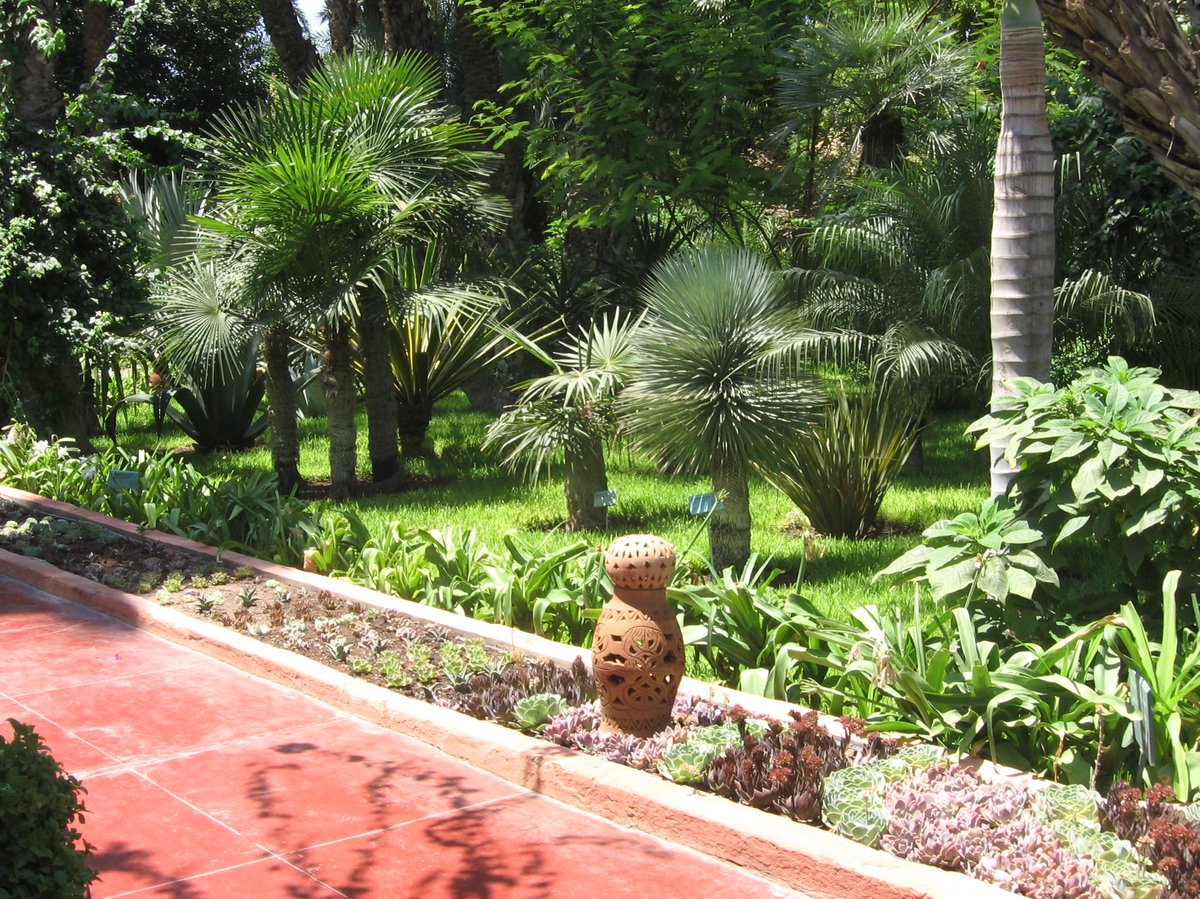
Set within the enchanting Jardin Majorelle, the museum’s tranquil environment of exotic plants and flowing water features follows traditional Islamic garden principles, enhancing the visitor experience and reflecting the close relationship between nature and built space in Moroccan design.
Collection and Display
The museum displays an impressive range of artifacts—ceramics, textiles, jewelry, manuscripts, and metalwork—curated with interpretive materials that emphasize both artistic beauty and historical context (Wikipedia: Marrakech Museum).
Museum Collections
Decorative Arts
The museum’s collection features exemplary Moroccan craftsmanship, including zellige tiles, carved stucco, and painted wood panels. These pieces highlight the Islamic artistic focus on geometric and floral patterns, mathematical precision, and non-figurative ornamentation (official museum site).
Textiles and Carpets
Antique Berber rugs, silk brocades, and embroidered garments—some centuries old—are displayed, illustrating the diversity and symbolism of Moroccan textile traditions. The museum’s carpets come from various regions, showcasing local weaving techniques (official tourism site).
Ceramics and Metalwork
Glazed pottery and finely wrought brass, copper, and silver items exhibit the high skill of Moroccan artisans. Decorative lamps, trays, and ceremonial objects further demonstrate the influence of Islamic design (official museum site).
Calligraphy and Manuscripts
Visitors can view illuminated Qur’ans, prayer books, and scientific treatises in Maghrebi, Kufic, and Naskh scripts—many adorned with gold leaf and intricate borders—offering insight into Morocco’s intellectual history (official museum site).
Jewelry and Adornments
Traditional Berber and Arab jewelry—necklaces, bracelets, earrings, and fibulae—crafted from silver, coral, and semi-precious stones reveal the enduring artistry and social customs of Moroccan silversmiths (official tourism site).
Temporary and Special Exhibitions
The museum hosts rotating exhibitions and collaborative projects with Moroccan and international partners. Thematic shows have explored topics like Islamic gardens, women in Islamic societies, and contemporary interpretations of traditional motifs (worldhistoryjournal.com). Educational workshops, live craft demonstrations, and cultural events further enrich the visitor experience (official museum site; travelmoroccotoday.com).
Visitor Information
Visiting Hours and Tickets
- Open: Tuesday–Sunday, 9:00 AM–6:00 PM (last entry 5:30 PM); closed Mondays and major holidays.
- Tickets: General admission is 40–70 MAD ($4–$7 USD) depending on the exhibition. Discounts for students, children, seniors, and groups. Children under 12 often enter free.
- Tickets can be purchased onsite or online via the official website.
Getting There
Located within Marrakech’s medina, the museum is accessible on foot from landmarks like Ben Youssef Madrasa and Almoravid Koubba. Taxis can drop visitors nearby. Parking is limited, so walking or using public transport is often best.
Accessibility
The museum provides ramps, elevators, and accessible restrooms. Sign language interpretation and tactile exhibits are available upon request (marrakechtricks.com).
Photography
Photography is generally allowed without flash or tripods, except where indicated. Always respect signage and staff instructions.
Guided Tours and Events
Guided tours are available in English, French, and Arabic, and can be booked in advance. The museum also offers workshops on calligraphy, zellige tilework, and textile weaving, as well as live demonstrations by master artisans (official tourism site). Seasonal events, music performances, and storytelling evenings are featured throughout the year (travelmoroccotoday.com).
Nearby Attractions
- Jardin Majorelle: The iconic botanical garden adjacent to the museum.
- Ben Youssef Madrasa: A historic Islamic college with exquisite decoration, only steps away.
- Almoravid Koubba: The oldest Almoravid-era structure in Marrakech.
- Bahia Palace & Saadian Tombs: Other major cultural landmarks in the medina.
- Souks: Vibrant nearby markets for traditional crafts.
Visitor Etiquette and Practical Tips
- Dress modestly, covering shoulders and knees.
- Arrive early to avoid crowds and midday heat.
- Allocate 1–2 hours for your visit; consider combining with nearby sites.
- Stay hydrated and wear sun protection.
- Quiet conversation and respect for displays are appreciated.
Educational and Social Impact
The museum acts as a living classroom, offering interactive programs for school groups, families, and art enthusiasts. Workshops and events foster appreciation for Moroccan heritage, while digital resources and virtual tours expand access (marrakechmuseum.com). The museum’s efforts support local craftspeople and strengthen community engagement, contributing to both cultural preservation and economic development (mundowanderlust.com, forbes.com).
Frequently Asked Questions (FAQ)
Q: What are the Museum of Islamic Art Marrakech visiting hours?
A: Tuesday to Sunday, 9:00 AM–6:00 PM; closed Mondays and major holidays.
Q: How much are tickets?
A: 40–70 MAD for adults, with discounts for students, children, and groups.
Q: Is the museum wheelchair accessible?
A: Yes, with ramps, elevators, and accessible facilities.
Q: Are guided tours available?
A: Yes, in multiple languages—advance booking recommended.
Q: Can I take photographs?
A: Photography without flash is allowed in most areas; restrictions apply to select exhibits.
Listen to the full story in the app
The whole Museum Of Islamic Art Of Marrakech,
told well.
Audio guides for 1,100+ cities across 96 countries. History, stories, and local insight — offline ready.

Verified, and shown.
Researched and written by the Audiala editorial team from historical records, architectural archives, and local expertise.
Researched from Wikidata, Wikipedia & official sources · fact-checked · How we make our guides →