Plan and listen to Menara Gardens with Audiala.
Audio guide in your pocket, itinerary in your browser. Built for the way you actually visit.
Introduction to Menara Gardens
Nestled just outside Marrakech’s historic medina, the Menara Gardens stand as an enduring symbol of Morocco’s cultural legacy, engineering prowess, and natural beauty. Established in the 12th century during the Almohad dynasty by Abd al-Mu’min, the gardens are renowned for their expansive olive groves, ingenious ancient irrigation channels (khettaras) that transport water from the distant Atlas Mountains, and a grand reflective pool at their heart. Dominating the view is the iconic green-tiled pavilion, offering panoramic vistas of both the gardens and the snow-capped peaks beyond. Menara Gardens remain a beloved communal space, hosting events, festivals, and artistic gatherings, and are easily accessible for both locals and visitors. (Menara Gardens Marrakech: Visiting Hours, Tickets, and Historical Insights, Menara Gardens Marrakech: Visiting Hours, Tickets, and Cultural Significance, Menara Gardens Visiting Hours, Tickets & Guide to Marrakech’s Iconic Historical Site)
Origins and Historical Development
The Menara Gardens trace their origins to the 12th century, founded under the Almohad Caliphate as part of a grand vision to blend royal leisure with agricultural innovation. The gardens were originally conceived as a paradisiacal retreat, combining productive olive groves and orchards with ornamental water features. The Almohads expanded on earlier garden-making traditions and implemented advanced irrigation, enabling the gardens to flourish even during dry seasons. The name “Menara,” meaning “minaret” or “beacon,” is tied to the iconic pavilion, which aligns with the Koutoubia Mosque’s minaret, symbolizing spiritual and political unity in Marrakech. Over time, the gardens saw enhancements from later dynasties, particularly the Saadians and the Alaouites, who added and restored the central pavilion.
Architectural and Engineering Features
Reflective Pool and Pavilion:
At the garden’s heart is a vast rectangular pool, about 195 by 160 meters, which acts as both an aesthetic centerpiece and a practical reservoir. This pool is supplied by a gravity-fed system of khettaras—underground channels bringing water from the Atlas Mountains, a testament to medieval Moroccan engineering. Overlooking the pool is the Menara Pavilion, a two-story structure with a green-tiled pyramidal roof, built in the 19th century atop earlier foundations. The pavilion’s terrace offers sweeping views of the gardens and mountains, and its design embodies classic Moroccan artistry with intricate inscriptions and detailed craftsmanship.
Olive Groves and Orchards:
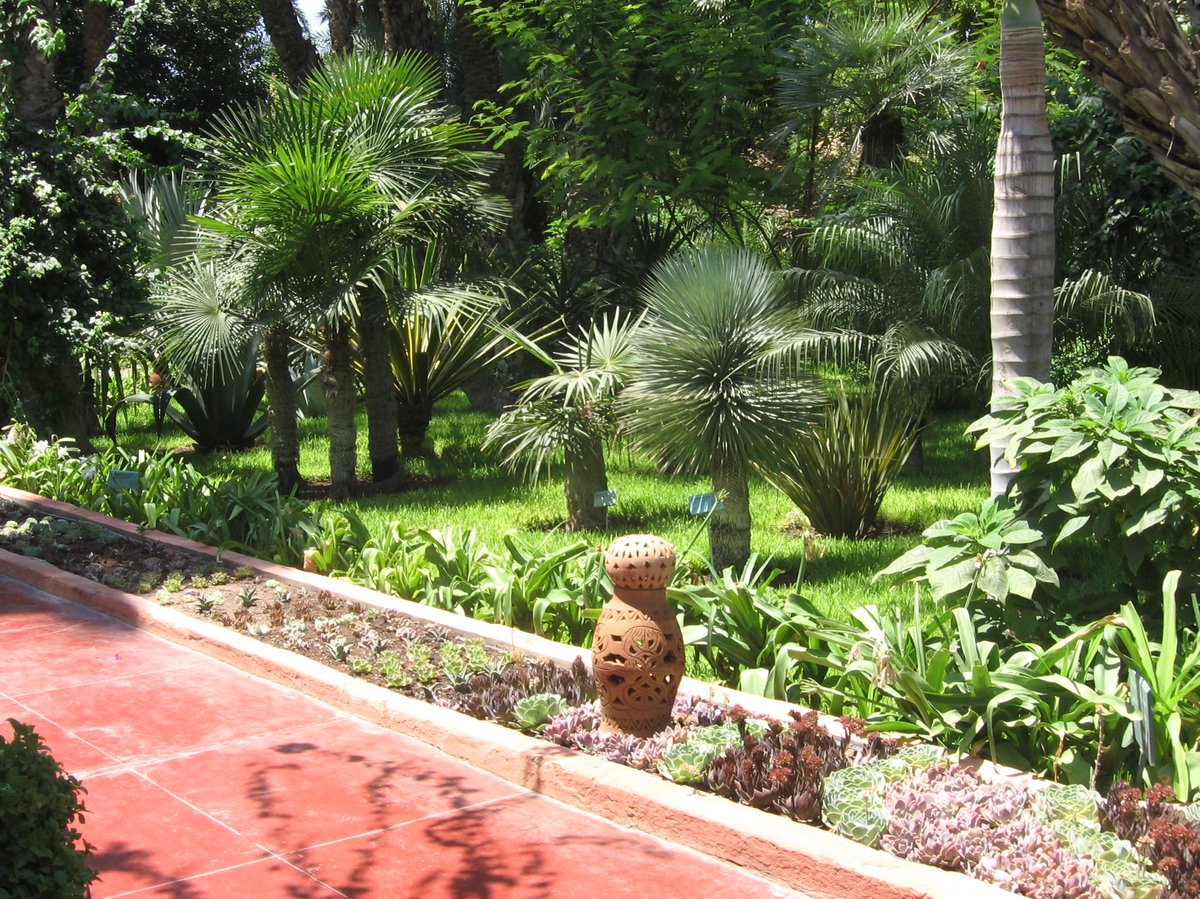
Spanning some 100 hectares, Menara Gardens are home to centuries-old olive trees, as well as palm, cypress, orange, and apricot trees. These groves provided sustenance for the city historically and remain a vital green lung for Marrakech.
Walking Paths and Landscape:
Wide, shaded avenues lined with cypress and olive trees guide visitors through the gardens, providing a tranquil setting for leisurely walks and relaxation. The gardens’ geometric layout and blend of water, trees, and open space mirror the Islamic vision of paradise.
Hydraulic Innovation:
The 12th-century irrigation system is still partially operational, channeling water from distant sources to nourish the gardens, proving both the ingenuity and durability of traditional Moroccan water management.
Visiting Information: Hours, Tickets, and Accessibility
- Opening Hours: Daily from 8:00 AM to 6:00 PM (standard), with shorter hours (9:00 AM to 5:00 PM) during Ramadan. (Menara Gardens Official)
- Entry Fee: General entry to the gardens is free. Access to the pavilion terrace typically costs around 11 dirhams (approx. 100 MAD for adults and 50 MAD for children in some reports; check onsite for the latest pricing). (Feel Morocco, Marrakech Tricks)
- Accessibility: The gardens are mostly flat with paved paths, suitable for wheelchairs and strollers, though some areas near the pavilion and pool have uneven surfaces. No specialized accessibility services are currently available.
- Facilities: Restrooms near the entrance; benches and shaded areas throughout; limited refreshment options—visitors are encouraged to bring water and snacks.
- Getting There: Located about 2.5–3 km west of Jemaa el-Fnaa. Easily reached by taxi (10–15 minutes), private car, or on foot (30–40 minutes). Public parking is nearby, and the gardens are close to Marrakech Menara Airport.
Experiences and Activities
- Scenic Walks: Enjoy shaded strolls through olive groves, past cypress and palm avenues.
- Photography: Capture iconic views of the pavilion reflected in the pool, with the Atlas Mountains as a dramatic backdrop—especially at sunset.
- Relaxation and Picnics: Benches and shaded lawns make the gardens ideal for picnics and quiet reflection.
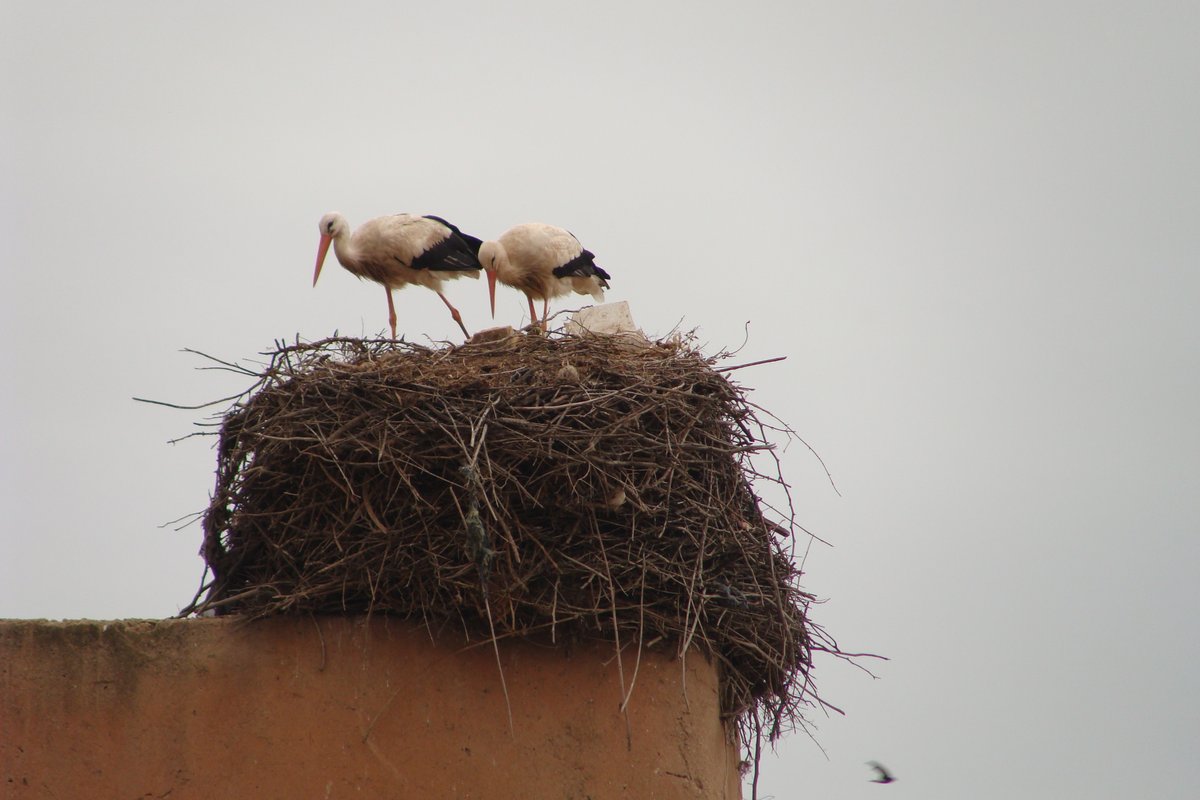
- Birdwatching: The tranquil environment and water features attract a variety of birds, making the gardens a haven for birdwatchers.
- Observing Local Life: See Marrakech residents gather water, picnic under olive trees, or harvest fruit during the season.
Special Events and Cultural Role
Menara Gardens serve as a vibrant venue for Marrakech’s cultural life. Throughout the year, the gardens host music festivals, artistic performances, and traditional celebrations, bringing together locals and visitors in a unique setting framed by the Atlas Mountains. These events celebrate Moroccan heritage, from Sufi gatherings and poetry readings to folk music and modern art exhibitions. The gardens’ open spaces are especially popular for family outings and community gatherings during weekends and holidays. (upcomingmorocco.com)
Nearby Attractions
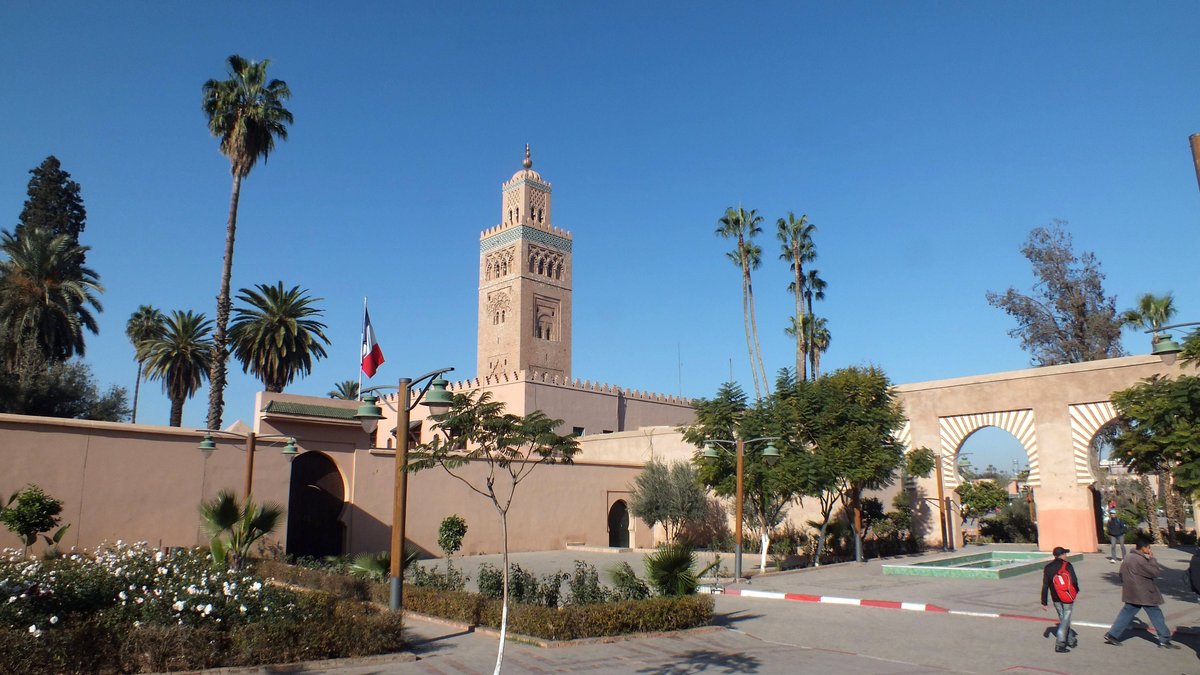
- Koutoubia Mosque: Marrakech’s largest mosque and a city landmark.
- Jemaa el-Fnaa: The bustling main square, alive with street performers, food stalls, and traditional culture.
- Agdal Gardens: Another historic royal garden with similar irrigation systems.
- Majorelle Gardens: Famed for its cobalt blue structures and exotic plant collections.
Combining a visit to Menara Gardens with these sites offers a well-rounded exploration of Marrakech’s cultural and natural heritage.
Practical Tips for Visitors
- Best Time to Visit: Spring (March–May) and autumn (September–November) for mild weather and clear mountain views; early mornings or late afternoons for optimal lighting and fewer crowds.
- What to Bring: Comfortable shoes, sun protection (hat, sunglasses, sunscreen), water, snacks, and a camera.
- Safety: The gardens are generally safe; remain aware of your belongings, especially near entrances.
- Etiquette: Respect the tranquil atmosphere, avoid littering, and follow local customs (no alcohol, modest dress).
- Accessibility: Main paths are flat and suitable for wheelchairs, but assistance may be needed near the pavilion or in orchard areas.
Frequently Asked Questions (FAQ)
Q: What are Menara Gardens’ visiting hours?
A: Open daily from 8:00 AM to 6:00 PM; 9:00 AM to 5:00 PM during Ramadan.
Q: Is there an entry fee?
A: Entry to the gardens is free; pavilion access requires a small fee (approx. 11 dirhams).
Q: Are the gardens wheelchair accessible?
A: Main paths are accessible, though some uneven terrain exists near the pavilion.
Q: Are guided tours available?
A: Yes, local operators offer guided tours that include Menara Gardens and other major sites.
Q: Can I bring food and have a picnic?
A: Yes, picnics are allowed; on-site food options are limited.
Q: Are there events or festivals in the gardens?
A: Menara Gardens regularly host cultural events, especially in spring and summer.
Listen to the full story in the app
The whole Menara Gardens,
told well.
Audio guides for 1,100+ cities across 96 countries. History, stories, and local insight — offline ready.

Verified, and shown.
Researched and written by the Audiala editorial team from historical records, architectural archives, and local expertise.
Researched from Wikidata, Wikipedia & official sources · fact-checked · How we make our guides →