Plan and listen to Medina Of Marrakesh with Audiala.
Audio guide in your pocket, itinerary in your browser. Built for the way you actually visit.
Introduction
The Medina of Marrakesh, nestled in the heart of Morocco, is a living testament to the nation’s rich history, culture, and architectural marvels. Established in the 11th century by the Almoravid Dynasty, this UNESCO World Heritage Site has developed from a strategic military outpost into a vibrant urban center known worldwide as "The Red City" for its iconic 19-kilometer-long red sandstone walls. The Medina’s maze-like alleys, bustling souks, and magnificent monuments like the Koutoubia Mosque, Saadian Tombs, Ben Youssef Madrasa, and Bahia Palace captivate millions of visitors annually (moroccosaharaexploration.com; esimx.com).
Beyond its architectural grandeur, the Medina pulses with daily life—vivid markets, lively performances in Jemaa el-Fna square, and traditions reflecting Morocco’s Berber, Arab, Andalusian, and sub-Saharan heritage (UNESCO; marrakesh.city). This guide distills essential information on visiting hours, tickets, main historical sites, cultural etiquette, travel tips, and special experiences to help you explore and appreciate the Medina’s dynamic heritage (grumpycamel.com; danesontheroad.com).
Origins and Growth
Founded in 1070 CE by the Almoravids, the Medina of Marrakesh flourished at the crossroads of trans-Saharan trade routes (moroccosaharaexploration.com). Its early urban design featured fortified walls and winding streets for defense and commerce. By the 12th century, the expansive red sandstone ramparts, punctuated by monumental gates like Bab Agnaou and Bab Doukkala, cemented the city’s nickname—“The Red City.”
Dynastic Heritage and Architectural Flourishing
Various dynasties enriched the Medina’s landscape:
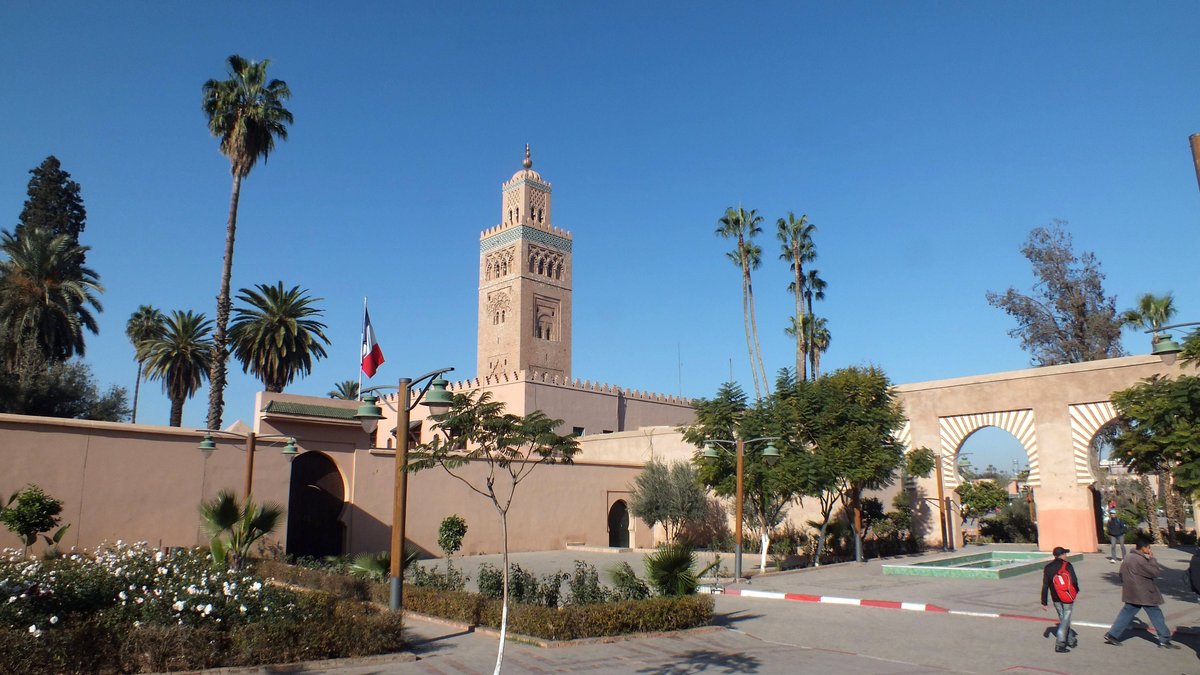
- Almohads (12th century): Built the Koutoubia Mosque, whose 77-meter minaret defines the Marrakesh skyline (esimx.com).
- Saadians (16th–17th centuries): Added the Saadian Tombs and contributed to the opulent Bahia Palace (moroccosaharaexploration.com).
Economic and Cultural Significance
The Medina’s souks have long been a magnet for traders from Africa, the Mediterranean, and Europe. Jemaa el-Fna square, the Medina’s vibrant core, is recognized by UNESCO as a Masterpiece of the Oral and Intangible Heritage of Humanity for its dynamic day-to-night transformation—vendors, musicians, storytellers, and food stalls bring the square to life.
Visitor Information: Hours and Tickets
General Access
- Medina: Open to the public at all times; no entrance fee.
- Jemaa el-Fna: Accessible 24/7.
Historical Sites: Visiting Hours and Tickets
| Site | Visiting Hours | Entrance Fee (Approx.) |
|---|---|---|
| Saadian Tombs | 9:00 AM–5:00 PM | 70 MAD (~$7) |
| Bahia Palace | 9:00 AM–4:45 PM | 70 MAD |
| Ben Youssef Madrasa | 9:00 AM–5:00 PM | 70 MAD |
| El Badi Palace | 9:00 AM–6:00 PM | 70 MAD |
| Koutoubia Mosque | Exterior only (all day, gardens open) | Free (Non-Muslims cannot enter) |
| Le Jardin Secret | 9:00 AM–6:00 PM | 70 MAD |
| Marrakech Museum | 9:00 AM–6:00 PM | 70 MAD |
Tickets are available onsite; for major sites, guided tours can be booked in advance via official providers (danesontheroad.com).
Major Historical Sites
Jemaa el-Fna Square
A UNESCO-listed cultural hub, Jemaa el-Fna is the Medina’s beating heart—by day, juice vendors, snake charmers, musicians, and acrobats fill the square; by night, it becomes a sprawling open-air eatery (UNESCO; Wingie). No entrance fee; visit late afternoon or evening for the liveliest atmosphere.
The Souks
A labyrinth of markets north of Jemaa el-Fna, the souks are organized by trade:
- Souk Semmarine: Textiles, slippers, lanterns
- Souk el Attarine: Spices and perfumes
- Souk Haddadine: Blacksmiths
- Souk Chouari: Woodwork
Bartering is customary and part of the cultural experience (PlanetWare).
Koutoubia Mosque
Built in the 12th century, its minaret is visible citywide. Non-Muslims may not enter, but the gardens are open to all (TripSavvy).
Bahia Palace
A 19th-century masterpiece of Moroccan-Islamic architecture with ornate interiors and lush gardens. Open daily; guided tours recommended (danesontheroad.com).
El Badi Palace
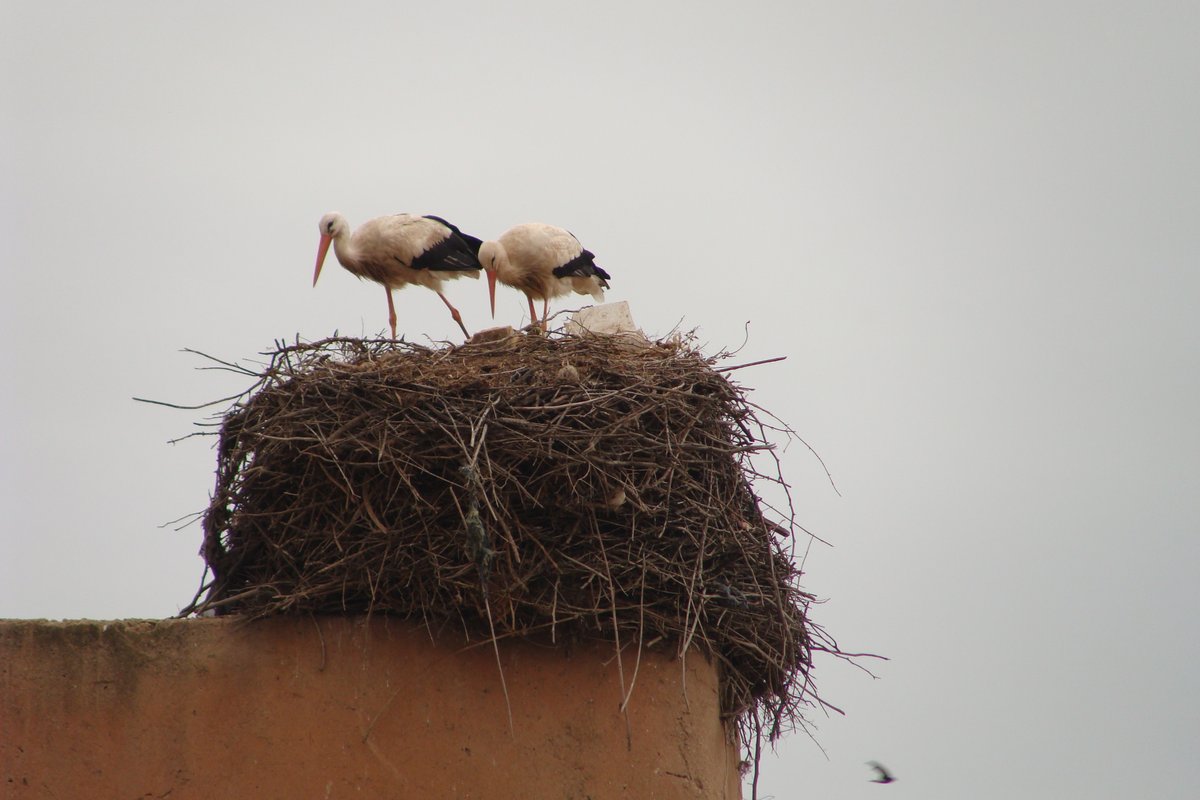
The ruined yet evocative palace built by Sultan Ahmed al-Mansur in the 16th century is renowned for its vast courtyards, sunken gardens, and stork nests (Wingie).
Saadian Tombs
Resting place of the Saadian dynasty, discovered in 1917, featuring intricate mosaics and Italian marble (danesontheroad.com).
Ben Youssef Madrasa
A former Islamic college rebuilt in the 16th century, famous for its courtyard adorned with zellige tilework and carved stucco (Wingie).
Le Jardin Secret
A restored 19th-century palace complex with two distinct gardens and panoramic tower views (danesontheroad.com).
Marrakech Museum
Housed in the Dar Menebhi Palace, the museum features Moroccan art and a striking tiled central courtyard (Wingie).
Medina Walls and Gates
Encircled by 19 km of ramparts and 19 monumental gates, the walls date to the 12th century. Bab Agnaou and Bab Doukkala are especially notable (Blondie in Morocco).
Architectural and Urban Features
The Medina’s narrow alleys and shaded riads (traditional houses with central courtyards) create a unique urban environment. Key features include:
- Ornate tilework (zellige) and carved stucco
- Decorative wooden ceilings and doors
- Secluded courtyards in riads and palaces
- Bustling artisan workshops
Preservation and Modern Challenges
Balancing heritage conservation with modern pressures is an ongoing challenge. Restoration projects focus on historic buildings and crafts, while sustainable tourism initiatives aim to preserve the Medina’s living culture. Visitors can support these efforts by frequenting local artisans and responsible tour operators (morkosh.com).
Practical Travel Tips
- Navigation: Hire a certified guide for orientation and historical context (grumpycamel.com).
- Accommodation: Stay in a central riad for authenticity and convenience (artandthensome.com).
- Dress Code: Modest attire is expected; headscarves required for women only in mosques.
- Photography: Ask before photographing locals, especially women.
- Money: Use cash for most transactions; bargaining is standard in souks.
- Safety: Guard valuables, especially in crowds.
- Best Visits: Spring and autumn for mild weather; early mornings or late afternoons to avoid heat and crowds.
- Hydration: Drink bottled water; choose busy food stalls for freshness.
Notable Experiences and Attractions
- Traditional Hammams: Experience local bathing rituals in historic bathhouses (Bewildered in Morocco).
- Rooftop Terraces: Enjoy panoramic views and respite from the bustle (The Marrakesher).
- Artisan Workshops: Observe traditional crafts in action (Marrakeche).
- Festivals and Events: Attend music, arts, and film festivals for unique cultural experiences (Momentslog).
- Cuisine: Try tagine, couscous, and street food at Jemaa el-Fna (marrakesh.city).
Accessibility and Safety
- Mobility: Narrow, uneven pathways pose challenges for wheelchairs and strollers; some riads and newer attractions may have limited accessibility.
- Transport: The Medina is primarily pedestrian; use petit taxis for travel outside the area.
- Security: The Medina is generally safe, but watch for pickpockets and minor scams.
FAQ
Q: What are the Medina of Marrakesh visiting hours?
A: The Medina is open 24/7. Historical sites usually open 9:00 AM–5:00/6:00 PM.
Q: Are tickets required to enter the Medina?
A: No ticket is needed for the Medina itself; individual sites require tickets.
Q: Can non-Muslims enter Koutoubia Mosque?
A: No, but the gardens and exterior are accessible.
Q: Is bargaining expected in the souks?
A: Yes, friendly haggling is a key part of the shopping experience.
Q: Are guided tours available?
A: Yes, and they are recommended for first-time visitors.
Q: Is the Medina wheelchair accessible?
A: Accessibility is limited due to narrow, uneven streets.
Summary and Final Tips
The Medina of Marrakesh is a vibrant tapestry of Morocco’s past and present. Exploring its winding alleys, grand monuments, bustling souks, and tranquil riads offers a truly immersive experience. Understanding site hours, ticketing, and cultural etiquette ensures a respectful and enriching visit. Support local artisans, embrace sustainable travel practices, and use resources like the Audiala app for up-to-date information.
Whether you are savoring traditional cuisine, marveling at architectural wonders, or enjoying rooftop sunsets, the Medina promises an unforgettable adventure. Plan ahead, stay curious, and let the living history of Marrakesh’s Medina captivate you (morkosh.com; blondieinmorocco.com; esimx.com; danesontheroad.com).
Tickets & tours.
These are guided options from our partners — same price as booking direct.
Prices are indicative — final pricing and availability are confirmed at checkout. Audiala may earn a commission from bookings made through these links.
Listen to the full story in the app
The whole Medina Of Marrakesh,
told well.
Audio guides for 1,100+ cities across 96 countries. History, stories, and local insight — offline ready.

Verified, and shown.
Researched and written by the Audiala editorial team from historical records, architectural archives, and local expertise.
Researched from Wikidata, Wikipedia & official sources · fact-checked · How we make our guides →