Plan and listen to Jemaa El-Fnaa with Audiala.
Audio guide in your pocket, itinerary in your browser. Built for the way you actually visit.
Introduction to Jemaâ El Fna
Jemaâ El Fna, the bustling and historic square at the heart of Marrakesh, Morocco, stands as a vibrant testament to the city's rich cultural and historical tapestry. Established in the 11th century by the Almoravid dynasty, this iconic public space has evolved from a site of public executions—hence its name 'Assembly of the Dead'—into a dynamic marketplace and cultural hub. Recognized globally, Jemaâ El Fna was declared a UNESCO Masterpiece of the Oral and Intangible Heritage of Humanity in 2001 (UNESCO). This square is not just a historical monument but a living, breathing entity that continues to attract millions of visitors annually with its eclectic mix of street performers, traditional Moroccan food stalls, and architectural landmarks. In this comprehensive guide, we will explore Jemaâ El Fna's fascinating history, its cultural and architectural significance, practical visitor information, and tips to make the most of your visit. Whether you are a history buff, a culture enthusiast, or a casual traveler, Jemaâ El Fna offers something for everyone, making it a must-visit destination in Marrakesh (Britannica; Lonely Planet).

History of Jemaâ El Fna
Origins and Early History
Jemaâ El Fna dates back to the founding of Marrakesh in 1070-1072 CE by the Almoravid dynasty. The name "Jemaâ El Fna" translates to "Assembly of the Dead," a reference to the public executions that were once held there. Originally designed as a meeting place and marketplace, the square served as a central hub for traders and travelers from across the region.
The Almoravid and Almohad Dynasties
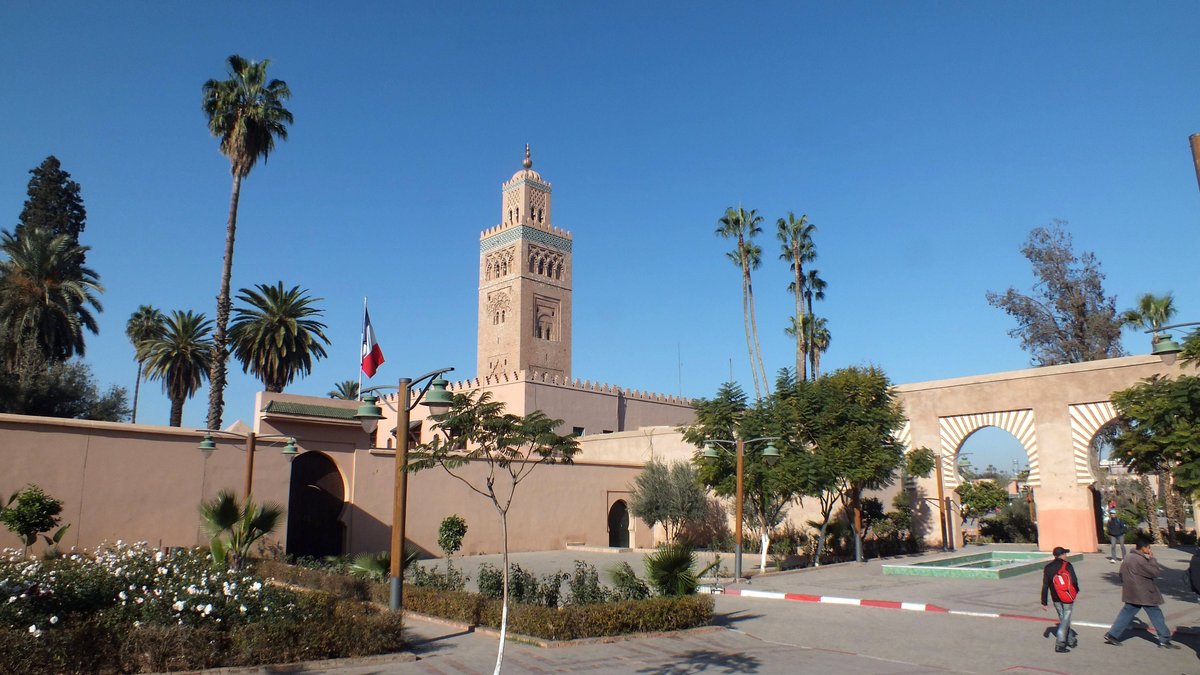
During the Almoravid period, Marrakesh became a significant political, economic, and cultural center. The Almoravids constructed several key buildings, including mosques and palaces, which contributed to the city's architectural heritage. The Almohad dynasty, which succeeded the Almoravids in the 12th century, expanded the square and built the iconic Koutoubia Mosque, which remains a prominent landmark today (UNESCO).
The Saadian Era
The Saadian dynasty, which ruled from the 16th to the 17th century, brought a period of prosperity and cultural renaissance to Marrakesh. Under the Saadians, Jemaâ El Fna flourished as a center of commerce and social life. The square was a melting pot of different cultures, with traders, entertainers, and storytellers gathering to share their goods and tales. The Saadian Tombs, located near the square, are a testament to the dynasty's architectural and artistic achievements (Morocco World News).
The Alaouite Dynasty and French Protectorate
The Alaouite dynasty, which began in the 17th century and continues to this day, saw Marrakesh maintain its status as a key city in Morocco. During the French Protectorate (1912-1956), Jemaâ El Fna underwent significant changes. The French administration implemented urban planning reforms that aimed to modernize the city while preserving its historical character. The square remained a vibrant center of activity, attracting both locals and tourists (Britannica).
Post-Independence and Modern Era
Following Morocco's independence in 1956, Jemaâ El Fna continued to evolve. The square became a symbol of Moroccan identity and heritage, recognized for its unique blend of traditional and modern elements. In 2001, UNESCO declared Jemaâ El Fna a Masterpiece of the Oral and Intangible Heritage of Humanity, highlighting its cultural significance and the need for its preservation (UNESCO).
Cultural Significance
Jemaâ El Fna is not just a historical site; it is a living cultural space. The square is renowned for its vibrant atmosphere, with a diverse array of performers, including musicians, dancers, snake charmers, and storytellers. These traditions have been passed down through generations, contributing to the square's dynamic and ever-changing character. The nightly food market is another highlight, offering a variety of traditional Moroccan dishes that attract both locals and visitors (Lonely Planet).
Architectural Heritage
The architecture surrounding Jemaâ El Fna reflects the city's rich history. The Koutoubia Mosque, with its distinctive minaret, is a prime example of Almohad architecture. The mosque's design has influenced other significant structures, including the Giralda in Seville and the Hassan Tower in Rabat. The nearby Bahia Palace and El Badi Palace, built during the Saadian era, showcase the intricate craftsmanship and artistic achievements of the period (ArchNet).
Visitor Information
Visiting Hours
Jemaâ El Fna is open 24/7, but the best time to visit is in the late afternoon and evening when the square comes alive with performers and food stalls. The atmosphere is electric, with a mix of sights, sounds, and smells that create an unforgettable experience.
Tickets
There is no entrance fee to visit Jemaâ El Fna; it is a public square open to everyone. However, some of the surrounding attractions, such as the Saadian Tombs and the Bahia Palace, do require tickets. Prices vary, so it's best to check the official websites for the most up-to-date information.
Travel Tips
- Stay Hydrated - Marrakesh can get very hot, so make sure to drink plenty of water.
- Wear Comfortable Shoes - The square and surrounding areas are best explored on foot.
- Be Cautious of Pickpockets - Keep your belongings secure, especially in crowded areas.
- Respect Local Customs - Dress modestly and be mindful of local traditions and etiquette.
- Capture the Moment - Don't forget your camera to capture the vibrant scenes, but always ask for permission before photographing performers.
Nearby Attractions
- Koutoubia Mosque - A stunning example of Almohad architecture.
- Bahia Palace - Known for its beautiful gardens and intricate designs.
- El Badi Palace - A historical site showcasing Saadian craftsmanship.
- Saadian Tombs - The final resting place of members of the Saadian dynasty.
Preservation Efforts
Preserving the historical and cultural integrity of Jemaâ El Fna is a priority for both local authorities and international organizations. Efforts have been made to maintain the square's traditional character while accommodating the needs of modern tourism. These initiatives include regulating the activities of performers and vendors, restoring historical buildings, and promoting sustainable tourism practices (UNESCO).
Influence on Popular Culture
Jemaâ El Fna has also left its mark on popular culture. The square has been featured in numerous films, books, and artworks, capturing the imagination of people worldwide. Its unique atmosphere and vibrant energy have made it a source of inspiration for artists and writers, further cementing its status as a cultural icon (The Guardian).
FAQ
Q: What are the best times to visit Jemaâ El Fna?
A: The best times to visit are late afternoon and evening when the square is most lively.
Q: Are there guided tours available?
A: Yes, several guided tours are available that offer insights into the history and culture of Jemaâ El Fna.
Q: Is Jemaâ El Fna family-friendly?
A: Absolutely! The square offers a variety of activities that can be enjoyed by visitors of all ages.
Discover More
Ready to explore more of Marrakesh's historical sites? Download our mobile app Audiala for personalized travel guides, check out other related posts, and follow us on social media for the latest updates and travel tips.
Tickets & tours.
These are guided options from our partners — same price as booking direct.
Prices are indicative — final pricing and availability are confirmed at checkout. Audiala may earn a commission from bookings made through these links.
Listen to the full story in the app
The whole Jemaa El-Fnaa,
told well.
Audio guides for 1,100+ cities across 96 countries. History, stories, and local insight — offline ready.
Verified, and shown.
Researched and written by the Audiala editorial team from historical records, architectural archives, and local expertise.
Researched from Wikidata, Wikipedia & official sources · fact-checked · How we make our guides →