Plan and listen to Ibn Yusuf Mosque with Audiala.
Audio guide in your pocket, itinerary in your browser. Built for the way you actually visit.
Introduction
Nestled in the heart of Marrakesh’s historic medina, the Ibn Yusuf Mosque (also known as Ben Youssef Mosque) is a cornerstone of Morocco’s Islamic heritage. This guide offers a thorough exploration of the mosque’s history, architectural marvels, visitor policies, and tips for experiencing one of Marrakesh's most significant cultural sites. Whether you are a history enthusiast, architecture lover, or traveler seeking authentic cultural experiences, the Ibn Yusuf Mosque stands as a must-see landmark that embodies the city’s spiritual and scholarly legacy (alksar.com; World History Journal).

Historical Background
Origins and Evolution
The Ibn Yusuf Mosque was founded in the 12th century during the Almoravid dynasty, under Sultan Ali ibn Yusuf (r. 1106–1142 CE). Its creation marked Marrakesh’s rise as a center for Islamic learning and urban development in North Africa. Throughout the Marinid and Saadian dynasties, the mosque underwent several expansions and restorations, reflecting shifts in architectural style and urban priorities (alksar.com; Wikipedia). The most significant reconstruction occurred in the early 19th century during the ‘Alawi period, giving the mosque much of its current form.
Relationship to Ben Youssef Madrasa
Adjacent to the mosque is the Ben Youssef Madrasa, historically one of the largest Islamic colleges in North Africa. This proximity illustrates Marrakesh’s traditional integration of worship and scholarship, as students and scholars from across the Islamic world once gathered here for religious and intellectual pursuits (Planet Marrakech).
Architectural Highlights
Layout and Exterior
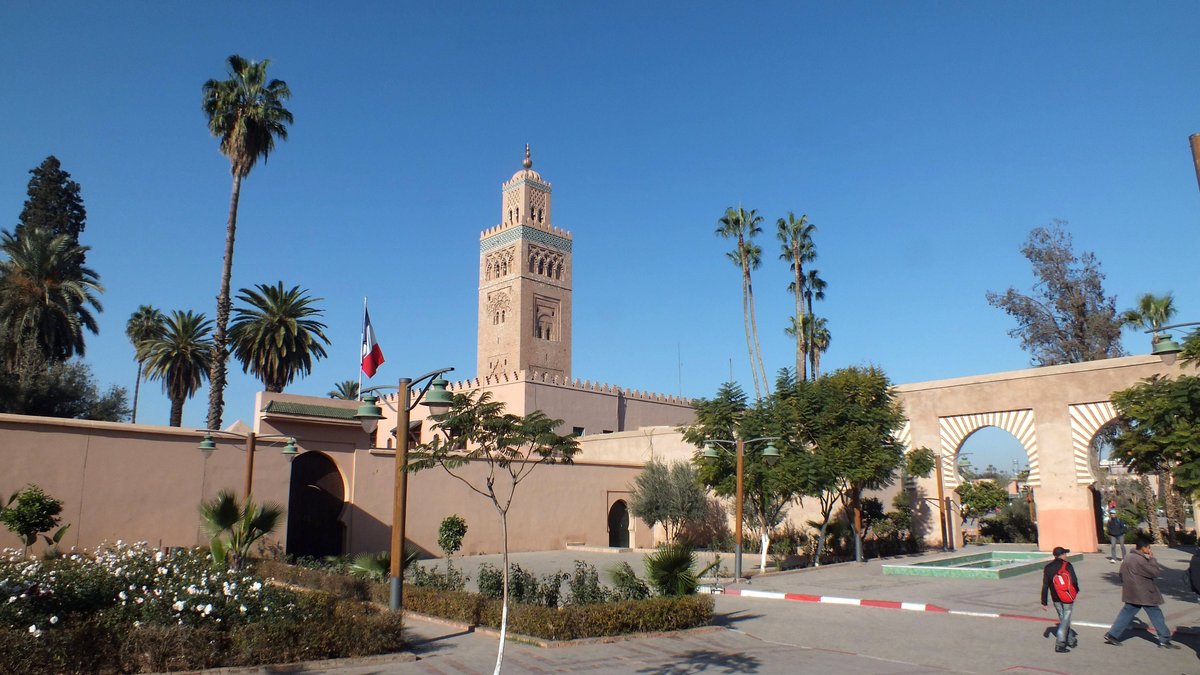
The mosque occupies a prominent block within the medina, featuring a square minaret clad in green tiles—a hallmark of Moroccan religious architecture. The mosque’s high, austere walls and discreet entrances foster a sense of quiet seclusion, separating the sacred space from the medina’s bustling streets (StayHere.ma; NE Japan).
Interior Design
The mosque’s interior embodies traditional Moroccan mosque architecture:
- Courtyard (Sahn): The central courtyard, once home to a large marble fountain, remains a serene space for ablutions and contemplation.
- Prayer Hall: Rows of horseshoe arches and columns direct focus toward the mihrab, or prayer niche, which is adorned with intricate stucco and zellij tilework (StayHere.ma).
- Minbar: The exquisitely carved wooden pulpit exemplifies the craftsmanship of Moroccan artisans.
Decorative Elements
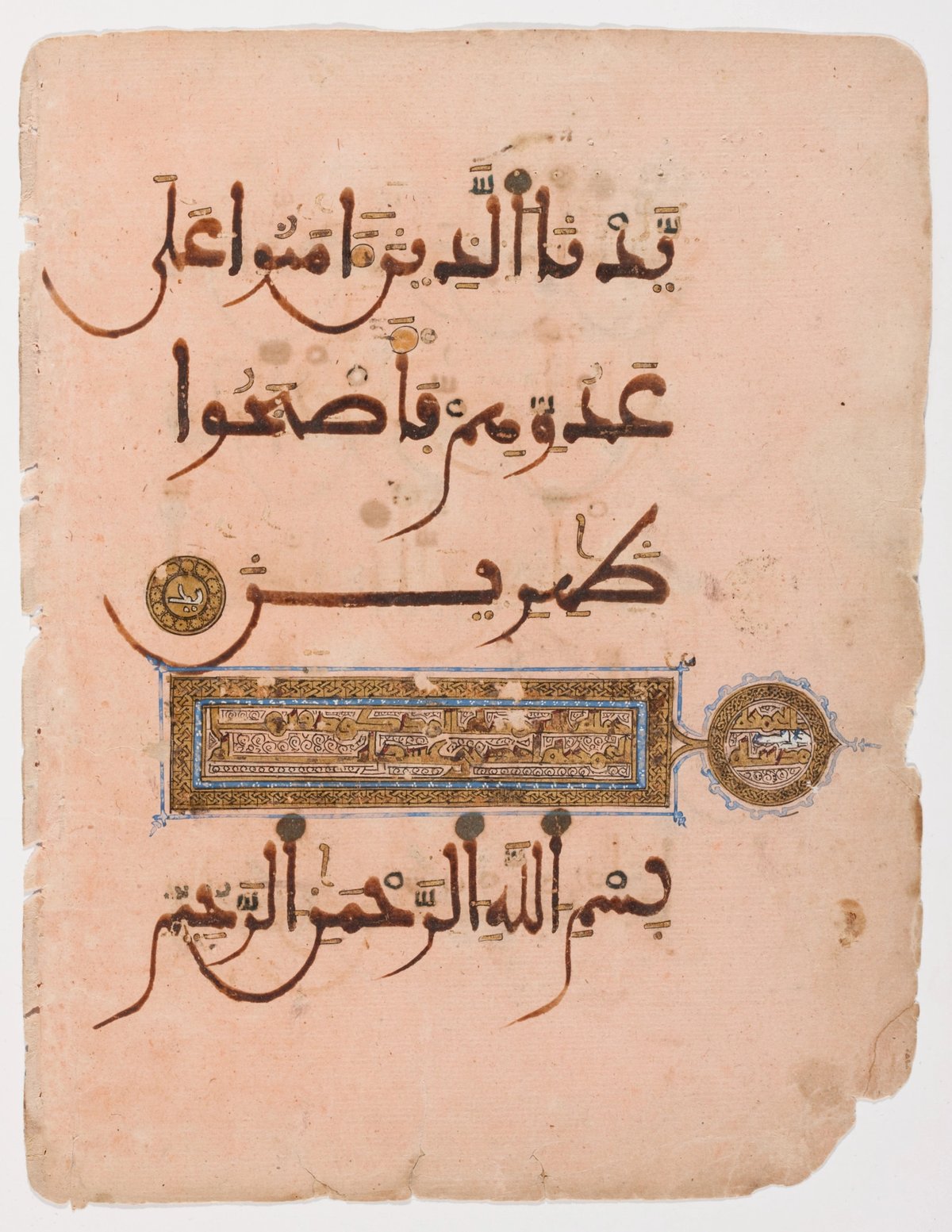
The mosque features geometric and arabesque motifs, carved cedar wood, and calligraphic inscriptions. Decorative restraint is balanced with opulent detail, especially in the mihrab and minbar. Later additions show Andalusian influence, blending regional styles (Metropolitan Museum of Art).
Religious and Cultural Significance
As one of Marrakesh’s principal Friday mosques, Ibn Yusuf Mosque has long been a center for communal prayers, sermons, and religious festivals. Its location in the medina emphasizes its role as a spiritual and social anchor. The mosque also serves as a symbol of the city’s historical resilience and the continuity of Islamic traditions through centuries of change (Rough Guides; Planet Marrakech).
Visiting Hours and Tickets
Visiting Hours
- For Worshippers: Open daily for the five prayer times, with special significance on Fridays and during religious festivals.
- For Tourists: In accordance with Moroccan custom, the interior of the Ibn Yusuf Mosque is not open to non-Muslim visitors. The mosque’s exterior and surrounding medina are accessible throughout daylight hours.
Tickets
- Mosque: No tickets are available or required for outside viewing. Non-Muslims cannot enter.
- Ben Youssef Madrasa: Open to all visitors, with tickets typically priced at approximately 50 MAD, available at the entrance.
Guided Tours
While access to the mosque’s interior is restricted, many guided walking tours of the medina include the mosque’s exterior and provide historical context. Photography of the mosque’s exterior is permitted and encouraged, especially during early morning or late afternoon when lighting is ideal (Marrakech Tricks).
Access, Etiquette, and Practical Tips
Getting There
The mosque is located centrally in Marrakesh’s medina, near the Ben Youssef Madrasa and Marrakech Museum. The medina is best explored by foot due to its narrow, winding streets (A Ticket to Take Off).
Dress Code and Etiquette
- Attire: Dress modestly—shoulders, arms, and knees should be covered. Women are advised to carry a scarf (Villas in Marrakech; I Love Marrakech).
- Behavior: Be respectful and quiet near the mosque. Always ask permission before photographing people (Grumpy Camel).
- Shoes: Remove shoes if entering any religious building (where permitted).
- Greetings: Use “As-salamu alaykum” (peace be upon you) and respond with “Wa alaykum as-salam” (My Search Place).
Additional Tips
- Hire a local guide for deeper historical insights (Grumpy Camel).
- Stay in a riad for an authentic experience.
- Avoid Ramadan if you wish to experience the medina at its busiest, as many businesses observe shorter hours (A Ticket to Take Off).
- Support local artisans by shopping in the souks.
- Protect yourself from the sun: use sunscreen, wear a hat, and stay hydrated (Rough Guides).
Nearby Attractions
- Ben Youssef Madrasa: A beautifully restored Islamic college open to all visitors, renowned for its intricate tilework and serene courtyards.
- Marrakech Museum: Housed in a former palace, featuring Moroccan art and artifacts.
- Souks of the Medina: Bustling markets offering local crafts, spices, and textiles.
- Jemaa el-Fnaa: The city’s famous square, vibrant with food stalls and street performers.
- Qubba Ba’adiyyin: A historic ablution fountain nearby, reflecting the city's architectural heritage.
Frequently Asked Questions (FAQ)
Can non-Muslims enter the Ibn Yusuf Mosque?
No, entry is restricted to Muslims. Non-Muslims may admire the mosque from the outside.
What are the visiting hours?
The mosque is open daily for worshippers; tourists may visit the exterior at any time during daylight.
Are there tickets required?
No tickets are needed to view the mosque’s exterior. The Ben Youssef Madrasa requires a ticket for entry.
Are guided tours available?
Yes, walking tours of the medina often include the mosque’s surroundings and nearby attractions.
What should I wear when visiting?
Dress modestly, covering shoulders, arms, and knees. Women should carry a scarf.
Summary & Visitor Tips
The Ibn Yusuf Mosque is a living testament to Marrakesh’s Islamic heritage and architectural ingenuity. While the mosque itself is reserved for worshippers, its storied exterior, adjacent madrasa, and the surrounding medina offer rich opportunities for cultural exploration. Visitors are encouraged to approach their experience with respect, modest attire, and an understanding of local customs (alksar.com; Planet Marrakech; Villas in Marrakech).
To deepen your appreciation, combine your visit to the mosque’s exterior with nearby historic sites, guided tours, and a stroll through the bustling souks. Digital resources like the Audiala app and interactive maps can further enhance your experience and navigation of Marrakesh’s vibrant medina (Marrakech Tricks; A Ticket to Take Off).
Listen to the full story in the app
The whole Ibn Yusuf Mosque,
told well.
Audio guides for 1,100+ cities across 96 countries. History, stories, and local insight — offline ready.
Verified, and shown.
Researched and written by the Audiala editorial team from historical records, architectural archives, and local expertise.
Researched from Wikidata, Wikipedia & official sources · fact-checked · How we make our guides →