Plan and listen to Ibn Salah Mosque with Audiala.
Audio guide in your pocket, itinerary in your browser. Built for the way you actually visit.
Introduction to Ibn Salah Mosque and Its Significance
Nestled within the UNESCO-listed medina of Marrakesh, the Ibn Salah Mosque—also known as Ben Salah Mosque—stands as a testament to Morocco’s enduring Islamic heritage and architectural mastery. While it may not boast the global fame of the Koutoubia Mosque, Ibn Salah Mosque is deeply woven into the city’s spiritual and communal fabric. Its origins trace back to the late Almoravid or early Almohad era (12th–13th centuries), when Marrakesh flourished as a center for Islamic scholarship and urban development. Established by the revered scholar Sheikh Ibn Salah, the mosque has long served as both a religious sanctuary and a hub for education, reflecting centuries of Moroccan tradition (Daily Sabah, Morocco Trail Finders).
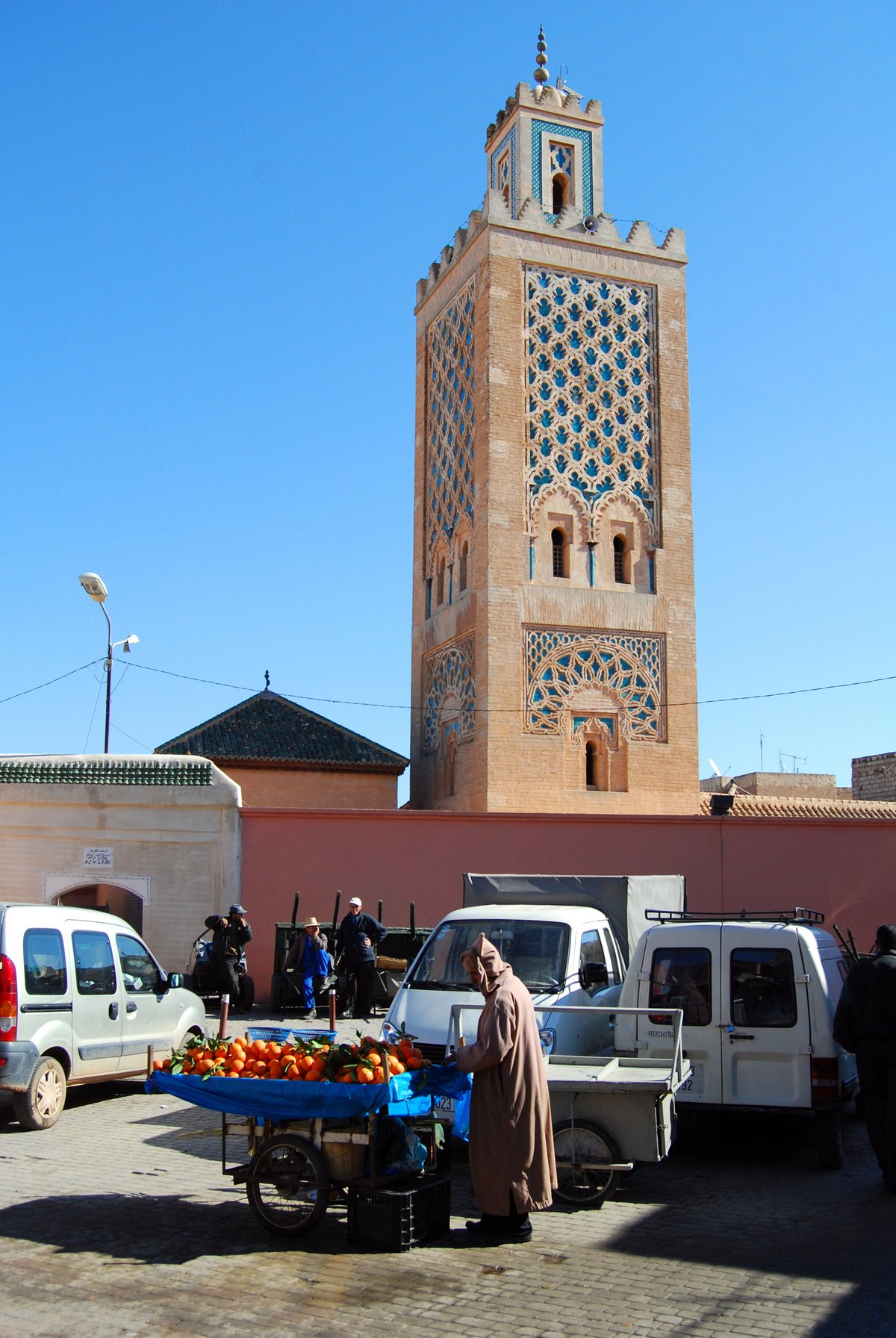
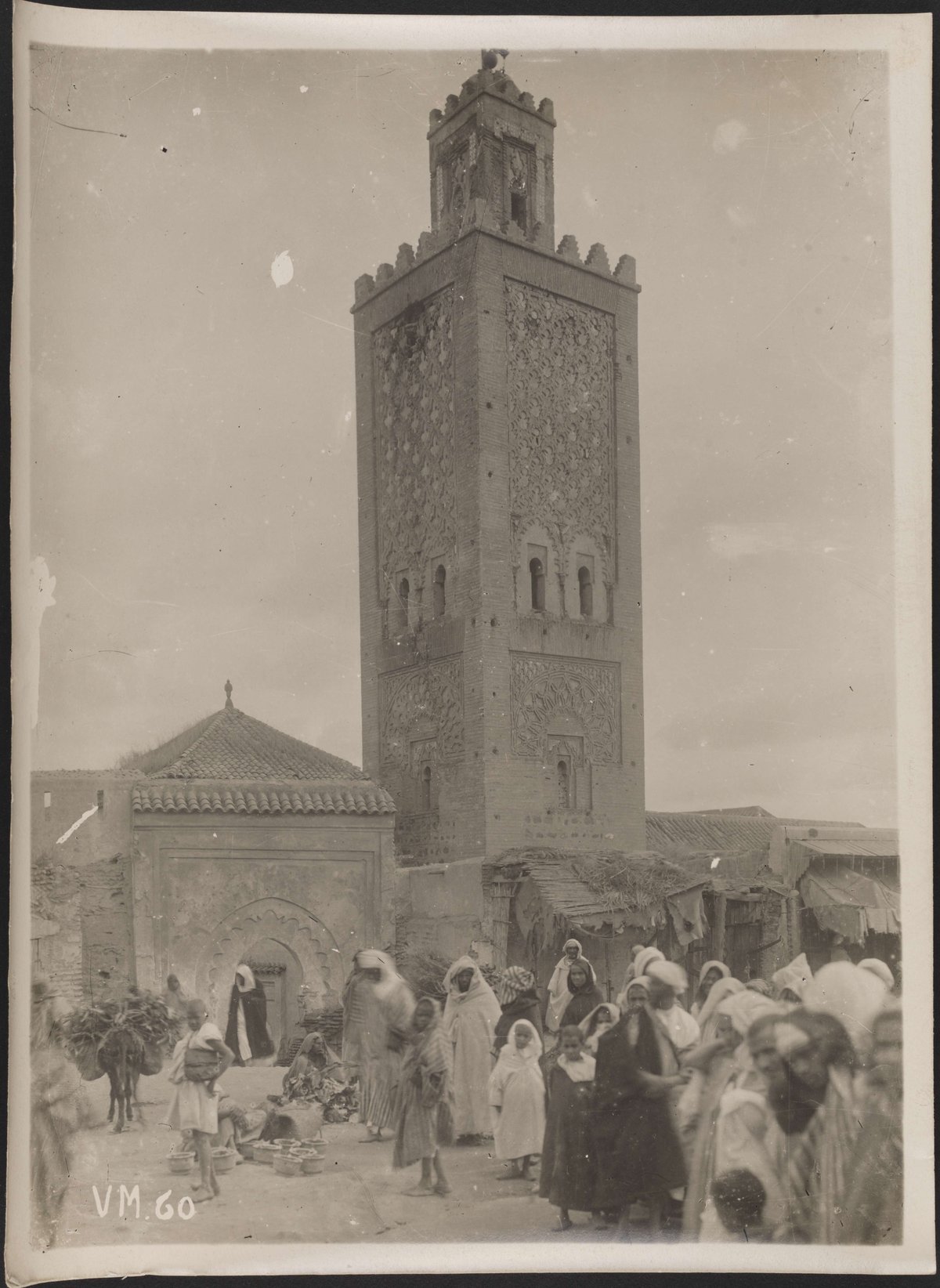
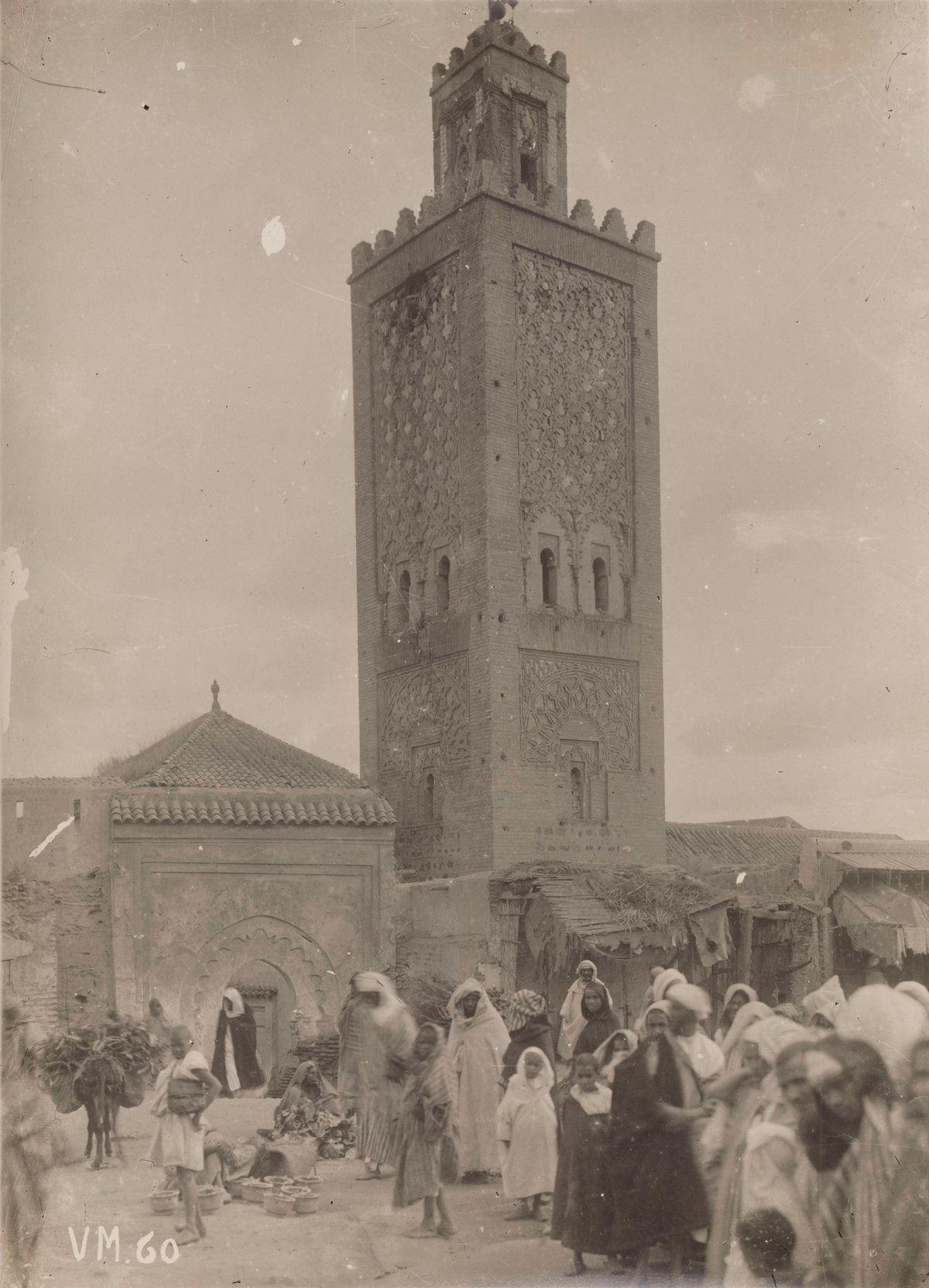
Architecturally, the mosque epitomizes classic Moroccan-Islamic design, featuring a hypostyle prayer hall, horseshoe arches, and intricate zellige tilework. Its signature red sandstone minaret rises modestly above the surrounding medina, acting as both a spiritual beacon and a visual landmark (The Marrakesher). The mosque’s interior, with its finely decorated mihrab and carved woodwork, showcases the artistic achievements of Moroccan craftsmen, all while adhering to Islamic aniconic traditions (Morocco Marrakech).
For travelers, this guide offers practical advice on visiting hours, etiquette, accessibility, and nearby attractions, ensuring a respectful and enriching experience. While non-Muslims are not permitted to enter the prayer hall, the mosque’s exterior, tranquil courtyard, and the vibrant medina setting provide ample opportunities for architectural appreciation and cultural immersion (mosqpedia.org, day-trips-from-marrakech.net).

Historical Origins and Religious Role
Origins and Historical Context
Ibn Salah Mosque’s foundation coincides with Marrakesh’s rise as a spiritual and intellectual hub in North Africa. Built during the Almoravid or Almohad reigns, the mosque was championed by Sheikh Ibn Salah, whose legacy as a scholar and religious leader is revered to this day (Daily Sabah). The mosque historically functioned as both a place of worship and a center for Islamic learning, often associated with an adjacent madrasa (Berber Trails).
Religious and Educational Functions
For centuries, the mosque has hosted daily prayers, Friday sermons, and festive celebrations during Ramadan and Mawlid. It continues to serve as a communal anchor, facilitating both spiritual practice and religious instruction for Marrakesh residents (Morocco Trail Finders).
Architectural Features
Structural Design
The mosque’s layout reflects a traditional Moroccan plan: a hypostyle prayer hall oriented toward Mecca, complemented by a central courtyard (sahn) with a fountain for ablutions. Horseshoe arches, robust columns, and open spaces create a sense of unity and tranquility (Morocco Marrakech).
Minaret and Exterior
The red sandstone minaret—a hallmark of Marrakesh’s “Red City” aesthetic—features geometric motifs and a lantern structure at its pinnacle. This architectural element not only marks the mosque’s location within the medina’s labyrinth but also amplifies the call to prayer across the neighborhood (The Marrakesher).
Decorative Elements
- Zellige Tilework: Vibrant mosaic patterns adorn the lower walls and courtyard, symbolizing infinity and divine unity.
- Stucco and Woodwork: Finely carved stucco with Quranic inscriptions and arabesques, as well as cedar wood panels and mashrabiya screens, highlight Morocco’s artisanal heritage.
- Mihrab and Minbar: The mihrab is elaborately decorated with zellige and stucco, while the minbar displays intricate wood inlays.
Integration with Urban Life
Ibn Salah Mosque is seamlessly woven into the medina’s daily life. The mosque’s call to prayer sets the rhythm for local residents, and its exterior blends harmoniously with traditional Marrakesh buildings (Daily Sabah). Nearby, vibrant souks and other historical landmarks complete the experience.
Visiting Ibn Salah Mosque: Practical Information
Hours and Access
- Visiting Hours: The mosque is open for prayers from dawn to sunset. Non-Muslims can explore the exterior, courtyard, and surrounding area during daylight hours.
- Tickets: There is no entrance fee to admire the mosque from outside. Entry into the prayer hall is reserved for Muslims.
- Accessibility: The mosque lies within the medina’s pedestrian-only zone, featuring narrow alleys and uneven surfaces. Comfortable shoes are recommended (day-trips-from-marrakech.net).
- Best Time to Visit: Early morning or late afternoon offers cooler temperatures, softer lighting for photography, and fewer crowds (weather25.com).
Etiquette and Dress Code
- Dress Modestly: Women should wear loose clothing covering arms and legs, and a headscarf is recommended. Men should avoid shorts and sleeveless shirts (arabiconline.eu).
- Behavior: Remain quiet and respectful, especially during prayer times. Avoid public displays of affection and always ask permission before taking photographs (mad-traveller.com).
- Shoes: Remove shoes before entering any mosque interiors or courtyards if access is permitted (arabiconline.eu).
Special Considerations
- Non-Muslim Access: Non-Muslims are generally not allowed inside the prayer hall. Occasionally, guided tours or cultural events may provide limited access to the courtyard or madrasa (lonelyplanet.com).
- Guided Tours: Many local guides offer walking tours of the medina, often including historical context about the mosque (day-trips-from-marrakech.net).
Safety, Tipping, and Local Customs
- Safety: Keep an eye on personal belongings and avoid isolated alleys after dark (inmoroccoblog.com).
- Tipping: It is customary to tip guides or mosque staff about 10–20 MAD.
- Language: Arabic and French are widely spoken. Basic greetings such as “Salam Alaikum” (peace be upon you) or “Shukran” (thank you) are appreciated (fast-track-marrakech.com).
Nearby Attractions
- Ben Youssef Madrasa: A historic Islamic college with ornate architecture.
- Koutoubia Mosque: The largest mosque in Marrakesh, featuring a soaring minaret.
- Djemaa el-Fna: The city’s iconic square bustling with performers, food stalls, and crafts.
- Bahia Palace: A 19th-century palace with lush gardens and intricate interiors.
- Traditional Hammams and Artisan Shops: Experience the local culture in nearby bathhouses and markets.
Environmental and Cultural Sensitivity
- Littering: Dispose of waste responsibly and help maintain the mosque’s surroundings (mad-traveller.com).
- Sustainable Tourism: Choose eco-friendly accommodations and minimize your environmental impact.
Frequently Asked Questions (FAQ)
Can non-Muslims enter the Ibn Salah Mosque prayer hall?
No, non-Muslims are not permitted inside the prayer hall but may admire the mosque’s architecture from the exterior.
Are tickets required?
No, there is no entrance fee to visit the mosque’s exterior or grounds.
What is the best time to visit?
Early morning or late afternoon is ideal for avoiding heat and crowds.
Are guided tours available?
Yes, many guides include the mosque in broader medina tours, offering valuable context.
Is the mosque accessible to those with mobility issues?
Access may be challenging due to uneven, narrow medina pathways.
Summary Table: Key Etiquette Points
| Aspect | Recommendation |
|---|---|
| Dress Code | Modest clothing; headscarf for women; no shorts for men |
| Shoes | Remove before entering mosque courtyards/interiors (if permitted) |
| Photography | Ask permission; no photos inside prayer hall |
| Behavior | Quiet, respectful, no public displays of affection |
| Prayer Times | Avoid visiting during prayers, especially Fridays |
| Tipping | 10–20 MAD for guides or staff |
| Language | Use basic Arabic/French greetings |
| Environmental Impact | Do not litter; practice sustainable tourism |
Plan Your Visit
- Official Information: Visit Marrakesh
- Real-Time Updates & Interactive Maps: Audiala App
- Local Guided Tours: Book with reputable providers for deeper insights.
Listen to the full story in the app
The whole Ibn Salah Mosque,
told well.
Audio guides for 1,100+ cities across 96 countries. History, stories, and local insight — offline ready.
Verified, and shown.
Researched and written by the Audiala editorial team from historical records, architectural archives, and local expertise.
Marrakesh, Morocco’s Historical Jewel: Islam’s Mark in North Africa
Moroccan Mosques Beauty
The Spiritual Side of Morocco: Visiting Mosques and Holy Sites
The Red City’s Rich History
Moroccan Architecture: The Beauty of Riads, Kasbahs, and Mosques
Ben Salah Mosque
Travel to Ben Salah Mosque
Things to Know Before Traveling to Morocco
Medina of Marrakesh
Official Tourism Website
Researched from Wikidata, Wikipedia & official sources · fact-checked · How we make our guides →