Plan and listen to El Badi Palace with Audiala.
Audio guide in your pocket, itinerary in your browser. Built for the way you actually visit.
Introduction
El Badi Palace stands as a monumental testament to Morocco's Saadian legacy, offering visitors a glimpse into the opulence and architectural innovation of the late 16th century. Commissioned by Sultan Ahmad al-Mansur following the Moroccan victory at the Battle of the Three Kings, the palace was once a symbol of unrivaled wealth, splendor, and cultural prowess. While much of its former glory has faded—stripped by subsequent dynasties—the evocative ruins remain a highlight of Marrakech, inviting exploration and reflection on Morocco's royal past (TripSavvy; Planet Marrakech).
This guide provides detailed information on El Badi Palace visiting hours, tickets, accessibility, nearby attractions, and practical travel tips, ensuring an enriching experience for every visitor.
Historical Context and Cultural Importance
The Saadian Dynasty and the Palace's Origins
El Badi Palace, meaning "the Incomparable," was conceived at the height of Saadian power. Construction began in 1578 under Sultan Ahmad al-Mansur, financed by spoils from the defeat of the Portuguese at the Battle of the Three Kings (MoroccoPass). The palace was designed to rival the grandeur of other Islamic courts, such as those in Granada and Istanbul, and was completed after nearly 25 years. It served as the royal residence and a ceremonial venue for diplomatic receptions and state occasions (TouristSecrets).
Decline and Transformation
The palace's golden age was brief. After the fall of the Saadian dynasty in the early 17th century, the succeeding Alaouite rulers, particularly Sultan Moulay Isma'il, looted El Badi of its riches to adorn their new capital in Meknes. Over the centuries, the palace fell into ruin, but its remnants still convey the grandeur of its original design (Planet Marrakech).
Cultural Significance Today
Presently, El Badi Palace serves not only as a historical site but also as a vibrant cultural venue. It hosts major events like the National Festival of Popular Arts and international exhibitions, bridging Morocco's heritage with contemporary creativity (visitmarrakech.com).
Architectural Features and Surviving Elements
Layout and Organization
The palace originally contained over 350 rooms, including vast reception halls, private apartments, and ceremonial spaces. Its centerpiece is a grand rectangular courtyard (approximately 135 x 110 meters) featuring a monumental pool and four sunken orange gardens—a hallmark of Islamic garden design (Marrakech Tricks).
Decorative Elements
Sultan Ahmad al-Mansur spared no expense: Italian marble, Sudanese gold, Indian onyx, intricate zellij (mosaic tilework), and carved cedar adorned the palace (TouristSecrets). Though much was pillaged, traces of this craftsmanship remain, especially around the foundations of the main pavilions.
Surviving Structures
- Central Courtyard & Pools: Still the focal point, surrounded by sunken gardens.
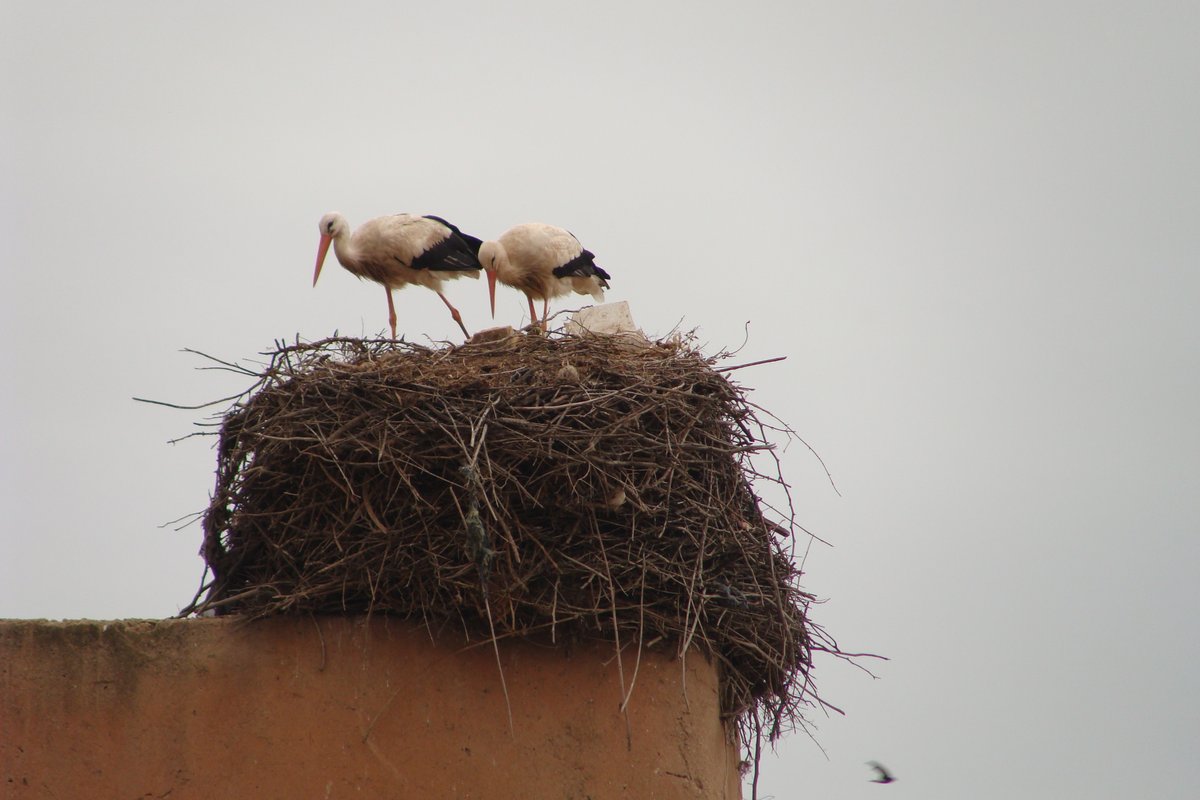
- Ramparts: Ochre walls with towers offering panoramic views of the medina and Atlas Mountains; popular with photographers and home to stork colonies.
- Stables and Dungeons: Ruins of service areas and former state prisons.
- Koutoubia Minbar: The original 12th-century pulpit from Koutoubia Mosque is housed in the palace's museum (Planet Marrakech).
Visiting Information: Hours, Tickets, Accessibility
Visiting Hours
- Open daily: 9:00 AM – 5:00 PM
- Last entry: 4:30 PM
- Note: Hours may vary during special events or holidays; check the official website or visitmarrakech.com for updates.
Ticket Prices
- Standard entry: ~70 MAD (about €7 or $7.50); prices may fluctuate with exchange rates.
- Discounts: Available for students, children, and Moroccan residents.
- Guided tours: Starting from €20; prices depend on duration and inclusions.
- Purchase: At the entrance or online via official platforms (Morocco Tourism).
Accessibility
Most of the palace is on a single level with wide, paved pathways, making it relatively accessible for wheelchair users and those with mobility aids. However, some upper terraces and towers are only accessible by stairs (motion4rent.com; travelguide-marrakech.com). Restrooms are available, though accessible toilets are limited.
Accessibility Summary Table
| Feature | Availability/Notes |
|---|---|
| Step-free entrance | Yes |
| Paved pathways | Yes, most of the site |
| Ramps | Partial (not for all elevated areas) |
| Accessible restrooms | Limited; better options at nearby hotels/restaurants |
| Parking/drop-off | No on-site parking; drop-off nearby on Rue Riad Zitoun el Jdid |
| On-site assistance | General staff available; no dedicated accessibility personnel |
| Guide services | Available; recommended for accessibility and historical context |
Getting There and Nearby Attractions
Location and Access
- Address: Kasbah district, Marrakech Medina, near Rue Riad Zitoun el Jdid.
- Transport: 15-minute taxi ride from Marrakech-Menara Airport; easily reached by foot from Jemaa el-Fnaa square.
- Nearby drop-off: Taxis can stop near the entrance; parking is limited.
Other Historical Sites in Proximity
- Bahia Palace: 19th-century architectural gem with lush gardens.
- Saadian Tombs: Lavishly decorated royal burial site.
- Medersa Ben Youssef: Former Islamic college known for intricate decoration.
- Jemaa el-Fnaa: Iconic main square bustling with food stalls and performers.
Combine your El Badi Palace visit with these sites for a comprehensive experience of Marrakech’s rich heritage.
Special Events and Cultural Activities
Festivals and Exhibitions
El Badi Palace is a renowned venue for the annual Marrakesh Popular Arts Festival every July, featuring musicians, dancers, and traditional performances, as well as the spectacular Fantasia equestrian show outside the city walls (Official Marrakesh Tourism). The palace also hosts art exhibitions, film screenings, and private events, reinforcing its status as a cultural hub.
Visitor Experience and Practical Tips
Best Time to Visit
- Early morning or late afternoon: Avoid peak crowds and enjoy softer lighting.
- Spring (March–May) and autumn (September–November): Pleasant weather for exploring.
What to Bring
- Footwear: Comfortable, sturdy shoes for uneven surfaces.
- Sun protection: Sunscreen, hat, and water are essential in the open-air site.
- Camera: Photography is encouraged; tripods permitted unless otherwise posted.
- Guidebook/audio guide: Enhances understanding of the palace’s history.
Facilities and Services
- Restrooms: Available on-site; accessible options may be limited.
- Café and gift shop: Offer refreshments and locally crafted souvenirs.
- Benches and shaded areas: Scattered throughout for resting.
Visitor Etiquette
- Respect the ruins: Do not climb on structures or disturb restoration work.
- Modest attire: Recommended out of respect for local customs.
- Noise: Maintain a peaceful atmosphere.
Frequently Asked Questions (FAQ)
Q: What are El Badi Palace’s opening hours?
A: Daily, 9:00 AM to 5:00 PM (last entry 4:30 PM). Check for seasonal changes.
Q: What is the cost of entry?
A: ~70 MAD for adults; discounts for students and children.
Q: Is El Badi Palace accessible to wheelchair users?
A: Most pathways are accessible; some upper areas are not. Contact the palace for current details.
Q: Are guided tours available?
A: Yes, in multiple languages. Book at the entrance or via official tourism sites.
Q: Can I take photographs?
A: Photography is permitted; drones require special authorization.
Q: What cultural events take place?
A: The Marrakesh Popular Arts Festival, art exhibitions, and other cultural activities are held regularly.
Tickets & tours.
These are guided options from our partners — same price as booking direct.
Prices are indicative — final pricing and availability are confirmed at checkout. Audiala may earn a commission from bookings made through these links.
Listen to the full story in the app
The whole El Badi Palace,
told well.
Audio guides for 1,100+ cities across 96 countries. History, stories, and local insight — offline ready.

Verified, and shown.
Researched and written by the Audiala editorial team from historical records, architectural archives, and local expertise.
Researched from Wikidata, Wikipedia & official sources · fact-checked · How we make our guides →