Plan and listen to Dar El Bacha with Audiala.
Audio guide in your pocket, itinerary in your browser. Built for the way you actually visit.
Introduction: The Legacy of Dar El Bacha in Marrakesh
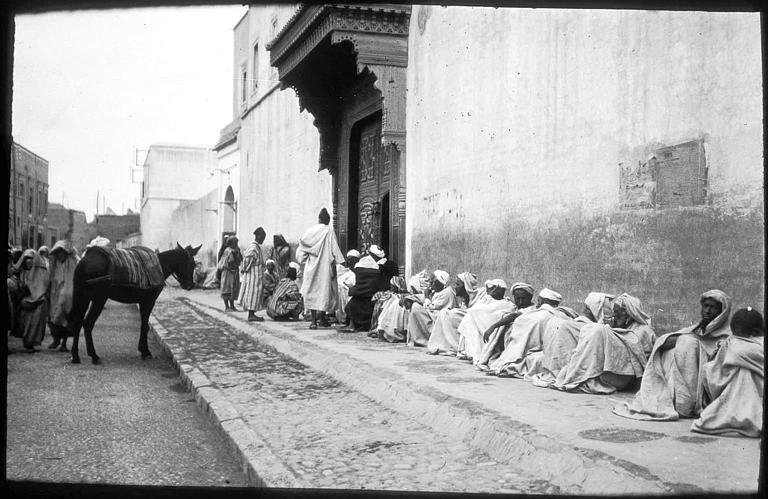
Dar El Bacha, the “House of the Pasha,” stands as a splendid testament to Morocco’s rich history, blending traditional Moroccan artistry with influences from Europe. Built in 1910 by Thami El Glaoui, the influential Pasha of Marrakesh, this palace was both a seat of power and a hub for cultural exchange during the French Protectorate. After years of closure, the palace has been exquisitely restored and reimagined as the Museum of Cultural Confluences, welcoming visitors from around the world to experience its architectural beauty, diverse exhibitions, and vibrant social spaces (Bacha Coffee; Visit My Morocco; Marrakech Tricks).
This comprehensive guide provides practical information for planning your visit, including opening hours, ticketing, accessibility, guided tours, and highlights of Dar El Bacha’s historical and cultural significance.

Origins and Construction
Commissioned in 1910 by Pasha Thami El Glaoui, Dar El Bacha was conceived as a display of power and sophistication. The palace’s design reflects a harmonious fusion of Moroccan and European elements. Its architecture showcases intricate zellige tilework, painted cedar ceilings, ornate stucco motifs, and wrought ironwork—hallmarks of Moroccan artistry (Bacha Coffee; Marrakech Riad).
Social and Political Golden Age
Throughout the early 20th century, Dar El Bacha was a magnet for influential personalities, including Winston Churchill, Charlie Chaplin, Josephine Baker, and Maurice Ravel. Its lavish receptions and intellectual gatherings underscored Marrakesh’s role as a crossroads of cultures. The palace’s lush gardens, grand salons, and opulent décor provided an atmospheric backdrop for these historic encounters (Bacha Coffee; Marrakech Riad).
Decline, Preservation, and Restoration
Post-World War II, Dar El Bacha fell into disuse, mirroring Morocco’s transition towards independence. For decades, the palace remained closed, its splendor fading until a major restoration in the early 21st century. This meticulous project, overseen by the National Foundation of Museums (FNM), preserved the palace’s artistic details while adapting it for museum use. Dar El Bacha reopened in 2017 as the Museum of Cultural Confluences, with renewed purpose as a center for art, history, and dialogue (Bacha Coffee; marocmama.com).
Architectural and Artistic Highlights
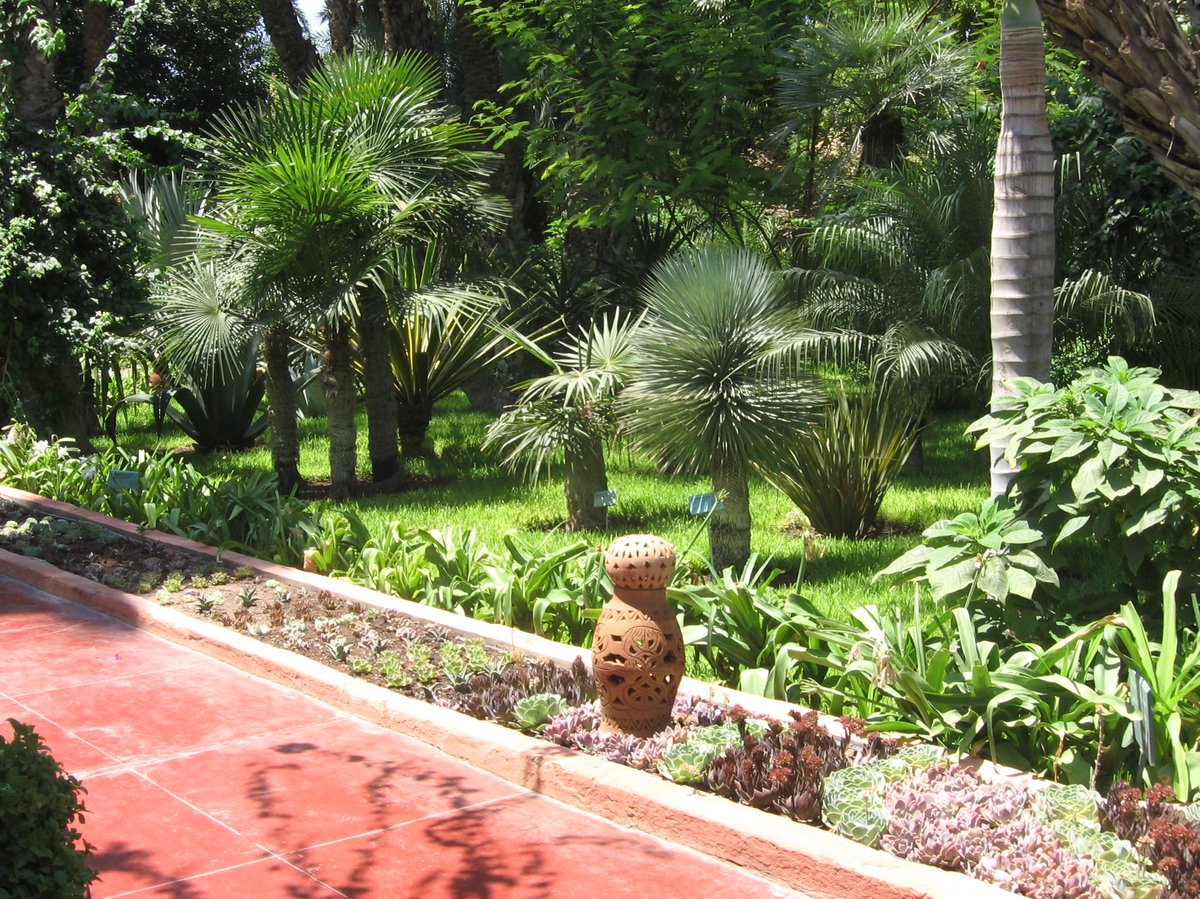
Dar El Bacha’s architecture exemplifies early 20th-century Moroccan palatial design, with a central riad-style courtyard shaded by orange and pomegranate trees and punctuated by elegant fountains. Its understated entrance opens onto salons adorned with:
- Zellige mosaic tilework: Geometric patterns in vibrant blues, greens, and ochres.
- Carved cedar wood ceilings and doors: Detailed with arabesques, calligraphy, and gold leaf.
- Stucco artwork and muqarnas: Ornate plasterwork and honeycomb vaults.
- European touches: Black-and-white checkered floors and fireplaces reflect the cosmopolitan tastes of the original owner (marocmama.com; rehlat.bh).
Other features include a traditional hammam, secluded suites, and lush gardens—each contributing to the palace’s unique ambiance.
Museum Collections and Exhibitions
As the Museum of Cultural Confluences, Dar El Bacha explores Morocco’s rich and diverse heritage through a variety of permanent and temporary exhibitions:
Permanent Collections
- Islamic Art & Science: Manuscripts, scientific instruments, and artifacts illustrating Morocco’s role in the transmission of knowledge (visitmymorocco.com).
- Traditional Moroccan Crafts: Berber jewelry, ceramics, woodwork, textiles, and leather goods, representing daily life and ceremonial traditions (en.yabiladi.com).
- Architectural Heritage: The building itself, with restored rooms and gardens, serves as a living exhibit.
Temporary Exhibitions
The museum regularly collaborates with international partners, presenting shows on themes of coexistence, cultural exchange, and shared Mediterranean heritage. Notable exhibitions include “Shared Holy Places,” organized with the Mucem in Marseille (visitmymorocco.com).
Visiting Information
Opening Hours
- Regular Hours: Wednesday to Monday, 10:00 AM to 6:00 PM
- Closed: Tuesdays
- Special Note: Hours may vary on public holidays—check the official website for up-to-date information (StayHere.ma; DarBacha.com; Marrakech Tricks).
Ticket Prices
- Foreign adults: 70 MAD (approx. $7 USD)
- Children under 12: 30 MAD
- Moroccan residents: 20 MAD
- Free entry for Moroccan residents on Fridays
- Free for all children and students
- Purchase at the entrance or online (DarBacha.com; Destinationless Travel)
Accessibility
The main courtyard and several exhibition areas are wheelchair accessible. However, some upper floors and the hammam may have limited access due to the building’s historic layout. Contact the museum in advance for detailed accessibility options (MoroccoPass).
Getting There and Travel Tips
Located on Dar El Bacha Street in the medina, the museum is a 10–15 minute walk from Jemaa el-Fna square. Taxis and public buses stop nearby (Marrakech Tricks; StayHere.ma). Wear comfortable shoes for cobbled streets, and consider visiting early or late in the day for a quieter experience.
Facilities and Amenities
- Bacha Coffee: Iconic café with over 200 types of single-origin coffee. Expect a wait during peak hours; visit the café before or after exploring the museum (MoroccoPass).
- Restrooms: Available on-site.
- Gift Shop: Offers books, postcards, and artisanal souvenirs.
- Photography: Allowed in most areas (flash and tripods may be restricted—check signage) (Nomad Excursion).
Guided Tours
Guided tours in multiple languages can be booked directly with the museum or through local operators. Tours typically last 45 minutes to 2 hours and provide valuable historical and architectural insights (Nomad Excursion).
Best Times to Visit and Duration
- Best Seasons: March–May and September–November (pleasant weather, moderate crowds)
- Duration: 1–1.5 hours for independent visits; longer with coffee or guided tours
- Fridays: Free for Moroccan residents—busier than usual (Destinationless Travel)
Nearby Attractions
Enhance your Marrakesh experience by visiting these historical sites, all within walking distance:
- Bahia Palace: A masterpiece of Moroccan architecture.
- Jemaa el-Fna Square: The lively cultural heart of Marrakesh.
- Medersa Ben Youssef: A historic theological college.
- Saadian Tombs: Ornate royal burial site (Visit Marrakech).
Visitor Experience Tips
- Dress modestly and comfortably.
- Bring a hat, sunscreen, and water, especially in warmer months.
- Photography is generally allowed—respect restrictions.
- Book tickets online during weekends and holidays for convenience (Destinationless Travel).
- Combine your visit with other medina sites for a full cultural experience.
Frequently Asked Questions (FAQ)
Q: What are Dar El Bacha’s opening hours?
A: Wednesday to Monday, 10:00 AM to 6:00 PM; closed on Tuesdays.
Q: How much are tickets?
A: 70 MAD for foreign adults, 30 MAD for children under 12, 20 MAD for Moroccan residents (free for Moroccan residents on Fridays; free for all children and students).
Q: Can I book a guided tour?
A: Yes, tours are available in multiple languages and can be booked in advance (Nomad Excursion).
Q: Is Dar El Bacha accessible for visitors with limited mobility?
A: Main areas are accessible, but some historic sections have limited access. Contact the museum for details.
Q: Is photography allowed?
A: Yes, except where signage indicates otherwise.
Listen to the full story in the app
The whole Dar El Bacha,
told well.
Audio guides for 1,100+ cities across 96 countries. History, stories, and local insight — offline ready.
Verified, and shown.
Researched and written by the Audiala editorial team from historical records, architectural archives, and local expertise.
Researched from Wikidata, Wikipedia & official sources · fact-checked · How we make our guides →