Plan and listen to Ben Youssef Madrasa with Audiala.
Audio guide in your pocket, itinerary in your browser. Built for the way you actually visit.
Introduction
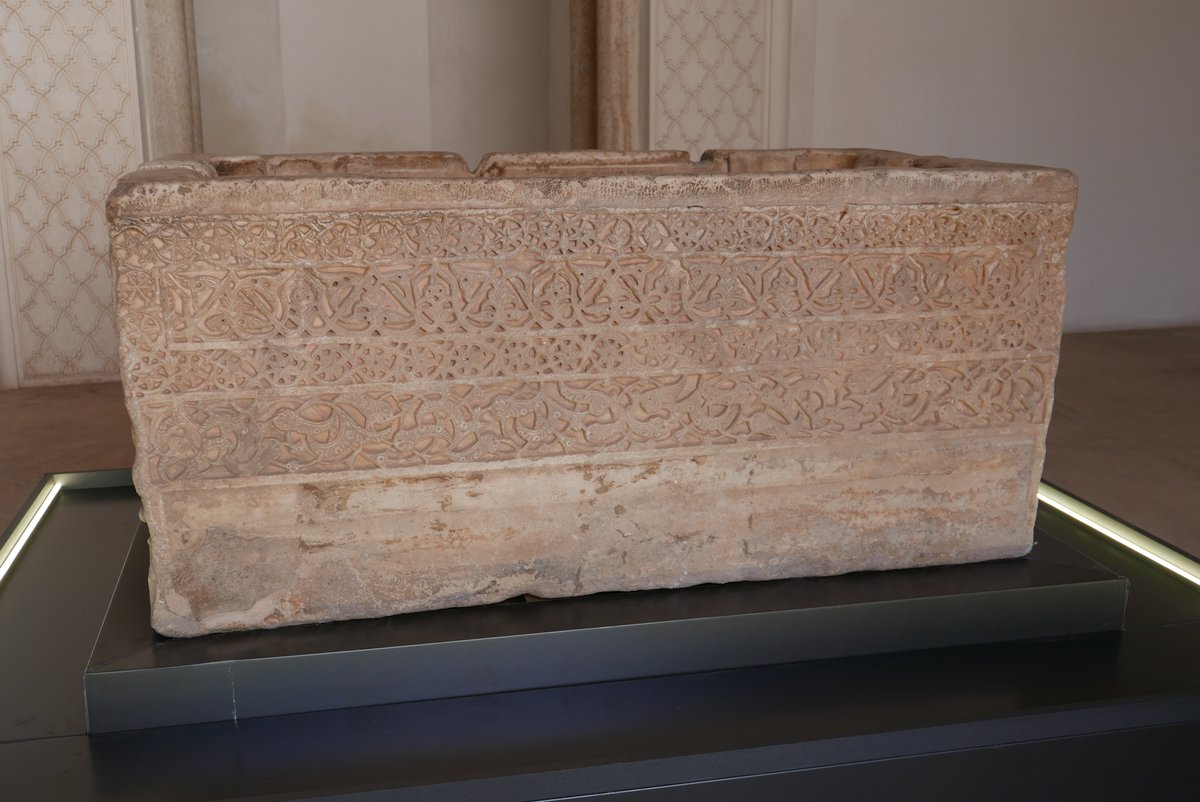
The Ben Youssef Madrasa is an architectural and cultural treasure at the heart of Marrakesh’s historic medina. Established during the Marinid dynasty and magnificently reconstructed by the Saadian Sultan Abdallah al-Ghalib in the 16th century, the madrasa was once among the largest Islamic colleges in North Africa, hosting up to 900 students. Its vibrant zellij tilework, carved cedar wood, and ornate stucco plasterwork showcase the pinnacle of Moroccan artistry and the deep connection between spirituality, learning, and aesthetics.
Today, the madrasa welcomes visitors from around the world, offering a unique opportunity to explore Morocco’s intellectual heritage and immerse oneself in breathtaking Islamic architecture. This guide provides a comprehensive overview of Ben Youssef Madrasa’s history, architectural marvels, and practical information—such as visiting hours, ticket pricing, and accessibility—to help you plan a memorable visit (Ben Youssef Madrasa Official Website; Morocco National Tourism Office; Morocco Travel Guide; Moroccan Odyssey; medersabenyoussef.ma).
Marinid Foundations and Saadian Expansion
The Ben Youssef Madrasa derives its name from the neighboring Ben Youssef Mosque, founded in the 12th century by Sultan Ali ibn Yusuf. The original madrasa was likely built in the 14th century by the Marinid dynasty, a period renowned for its patronage of religious scholarship and architecture.
The current madrasa was commissioned by Saadian Sultan Abdallah al-Ghalib and completed in 1564–1565. This grand reconstruction expanded the complex to accommodate up to 900 students in 132 dormitory cells, making it the largest madrasa in the Maghreb at the time. The Saadian era’s ambition is evident in the madrasa’s scale and the harmonious blend of Andalusian and Moroccan architectural elements (Morocco Travel Guide; Moroccan Odyssey).
Architectural Significance
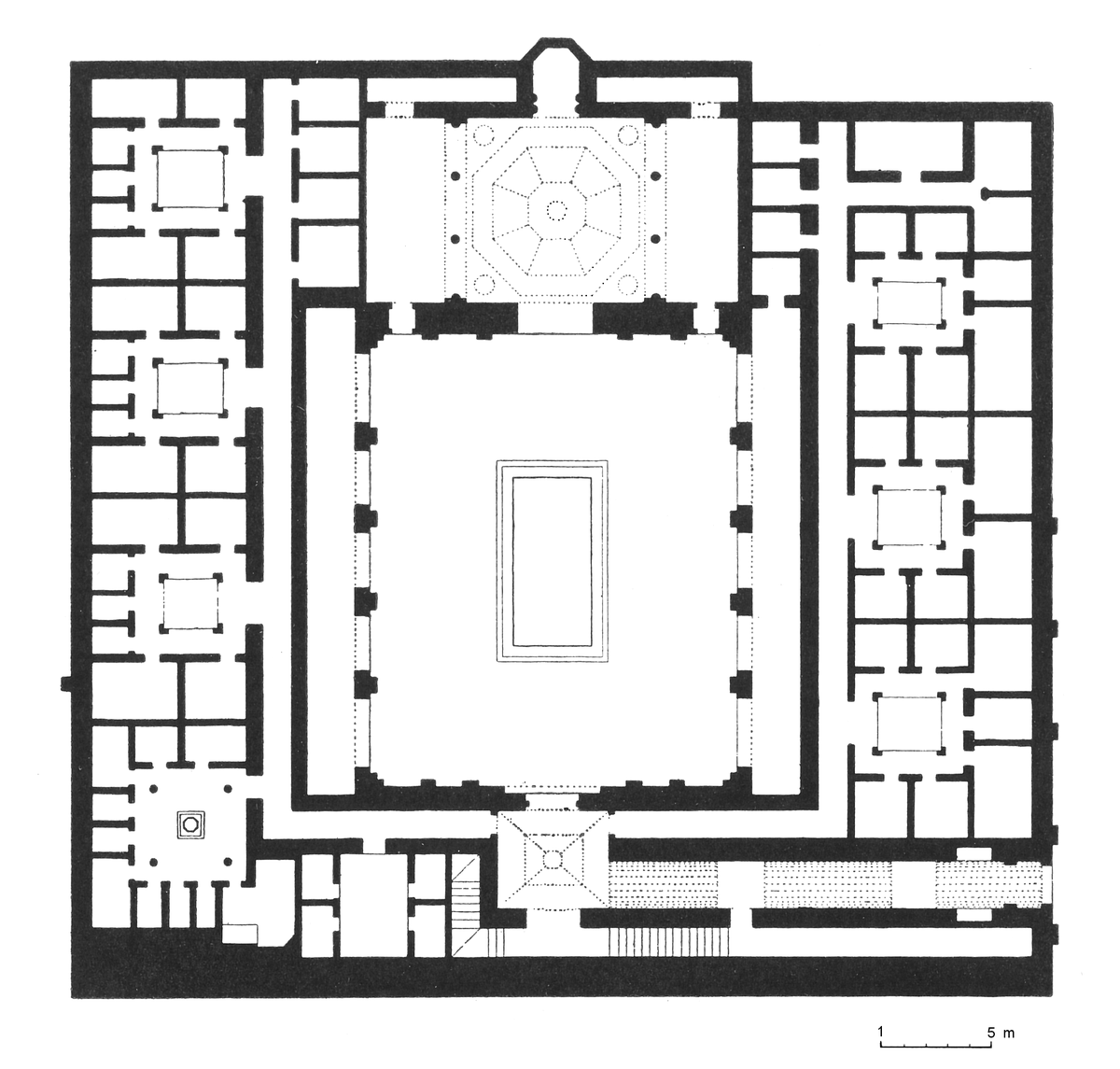
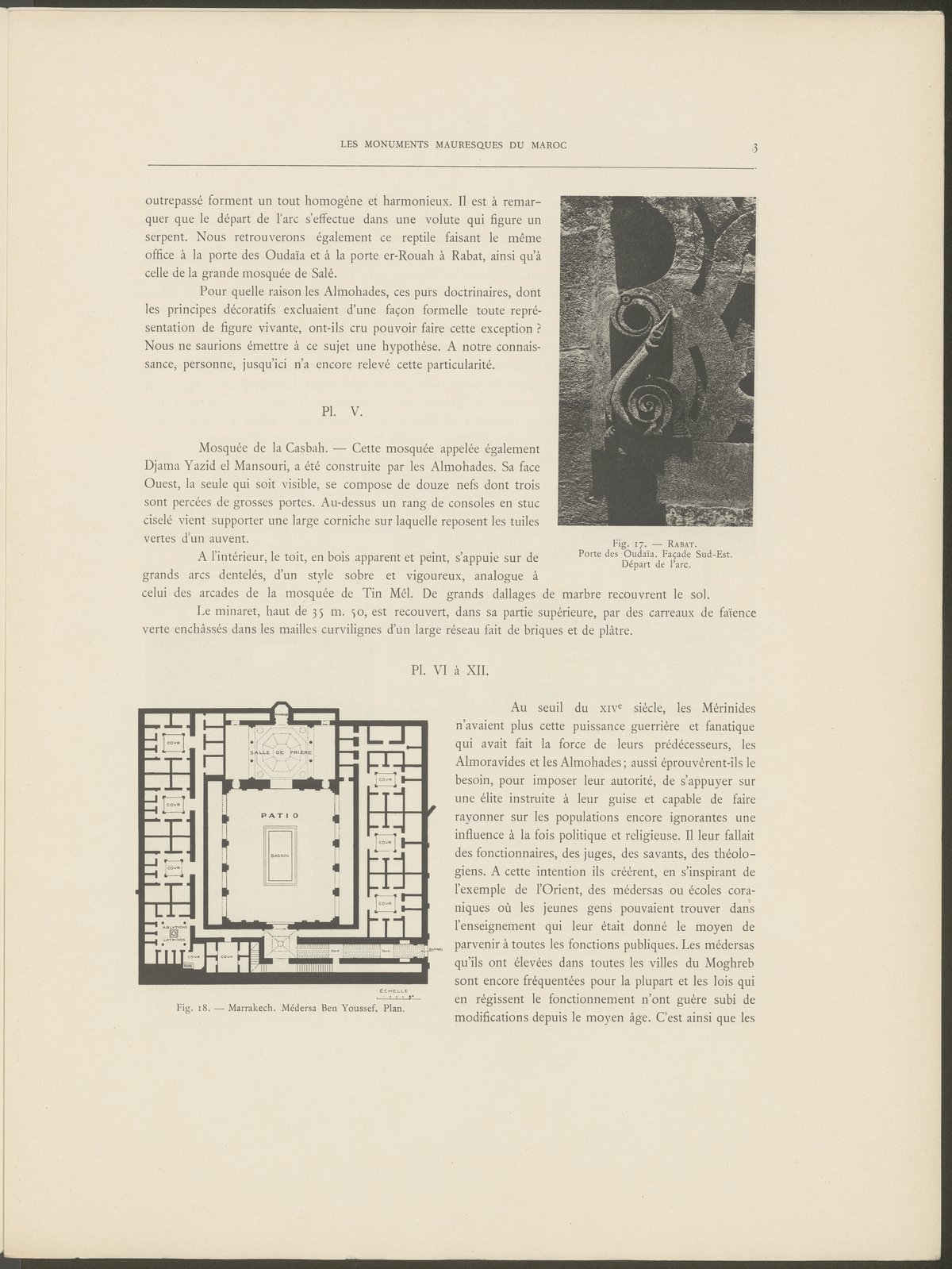
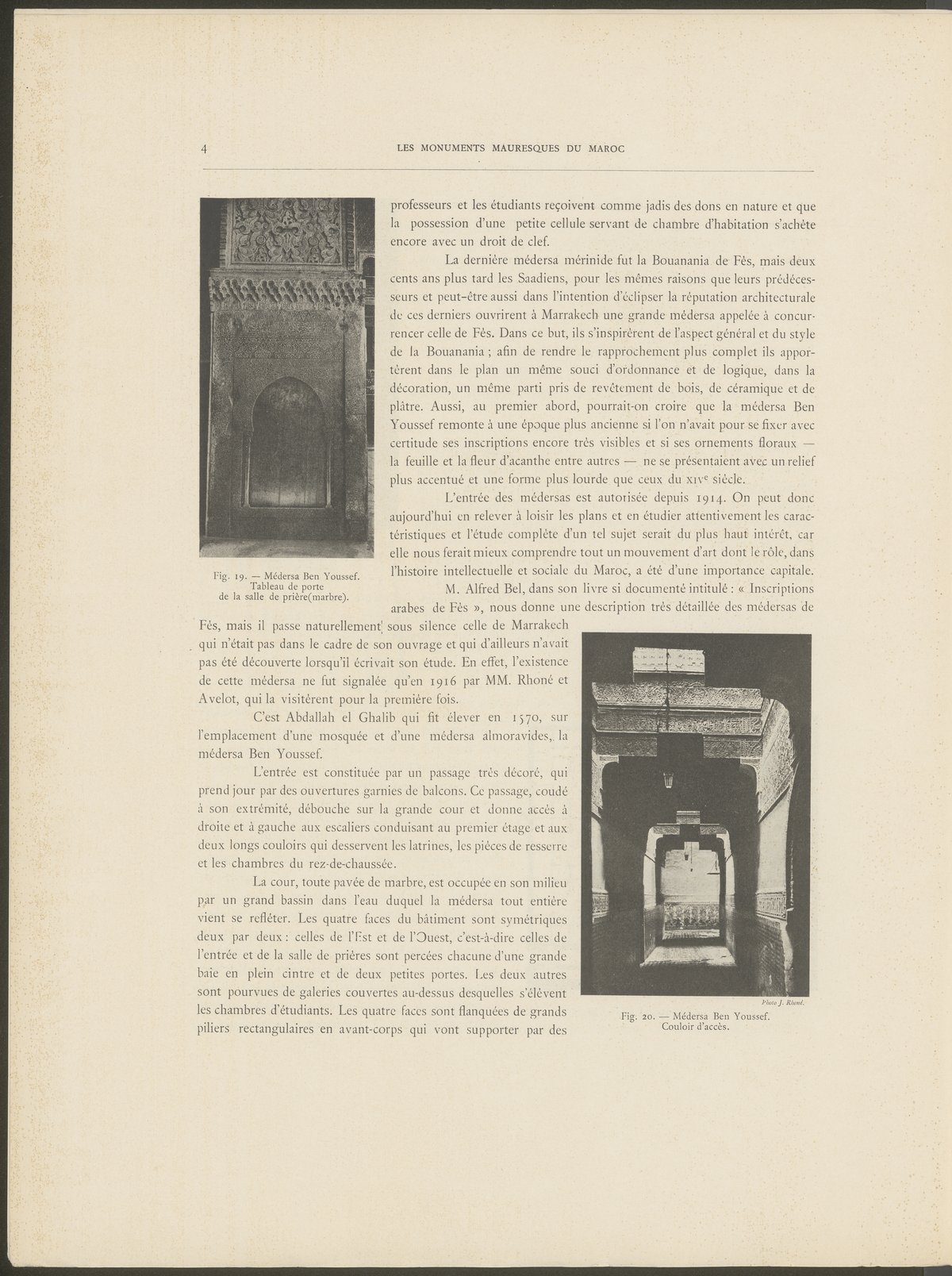
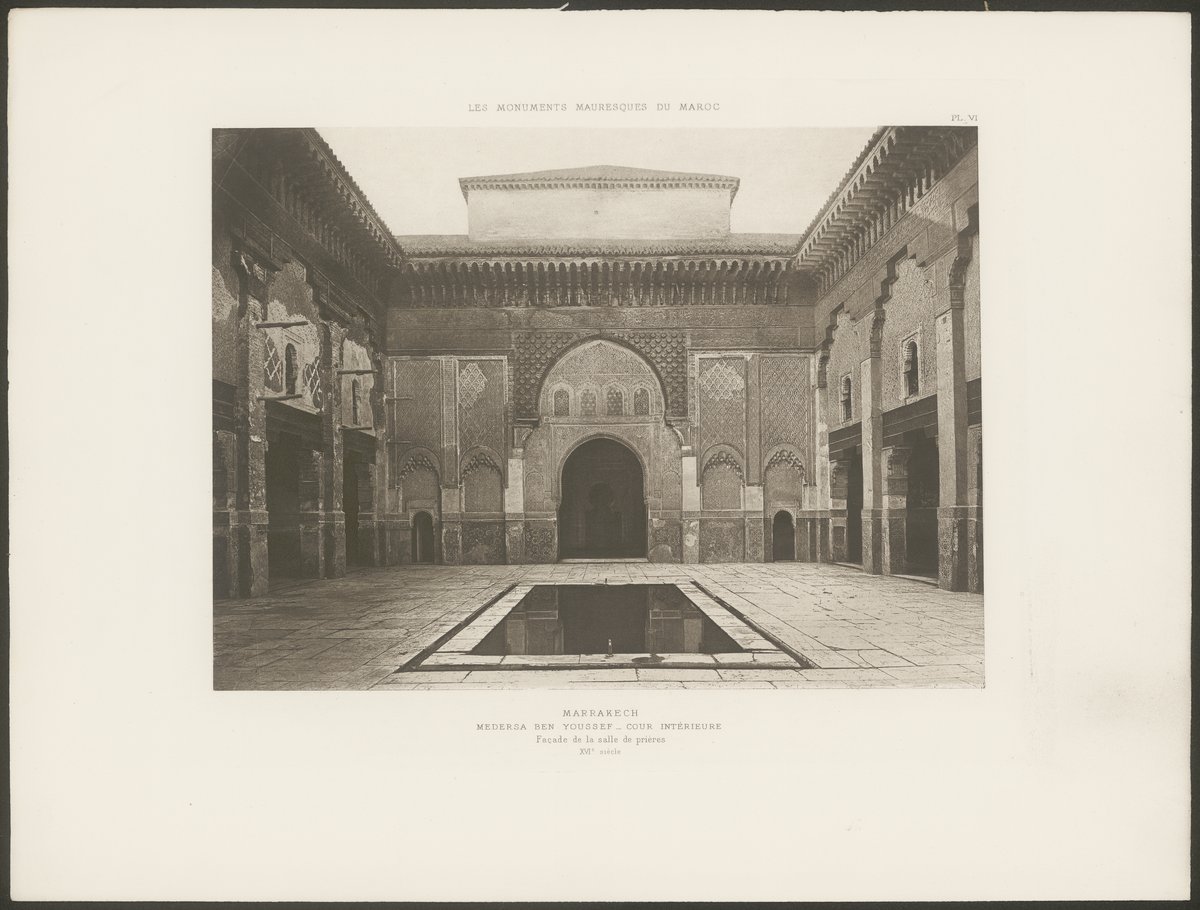
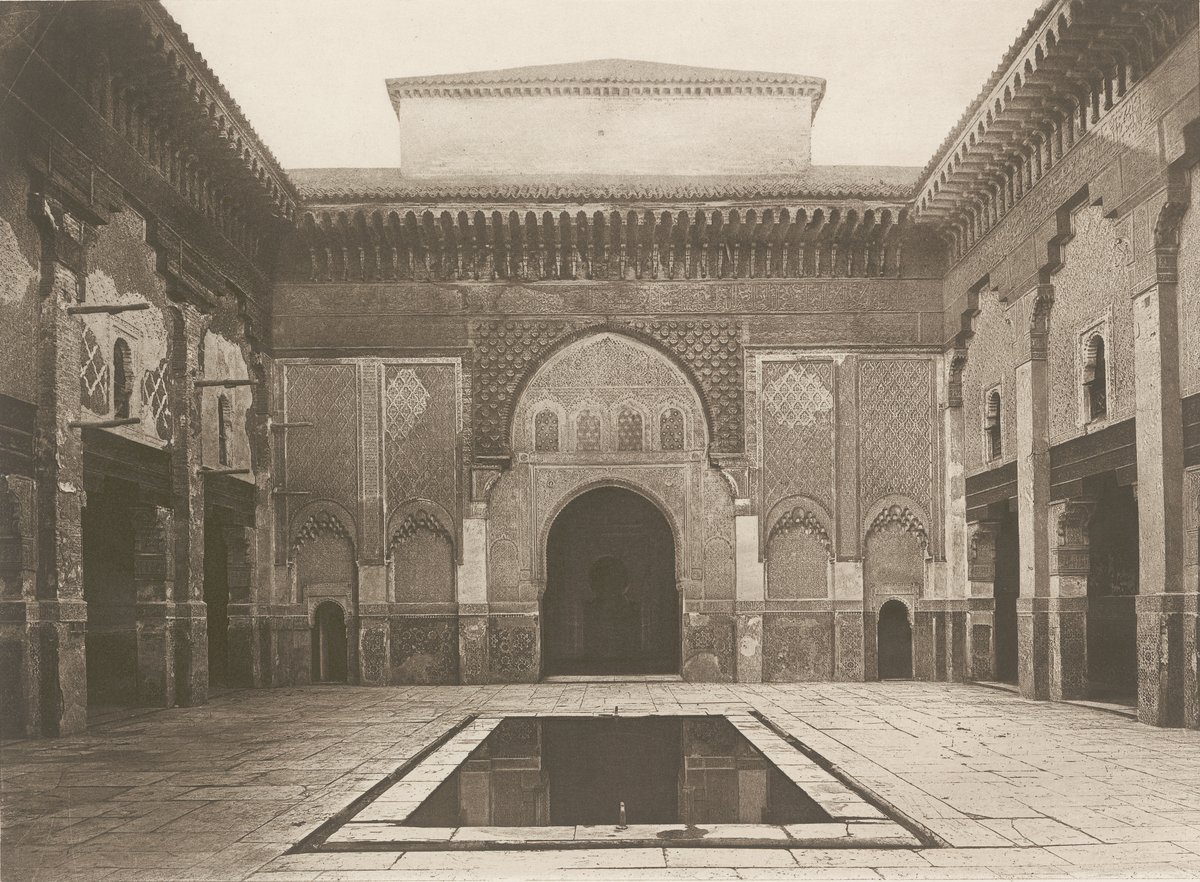
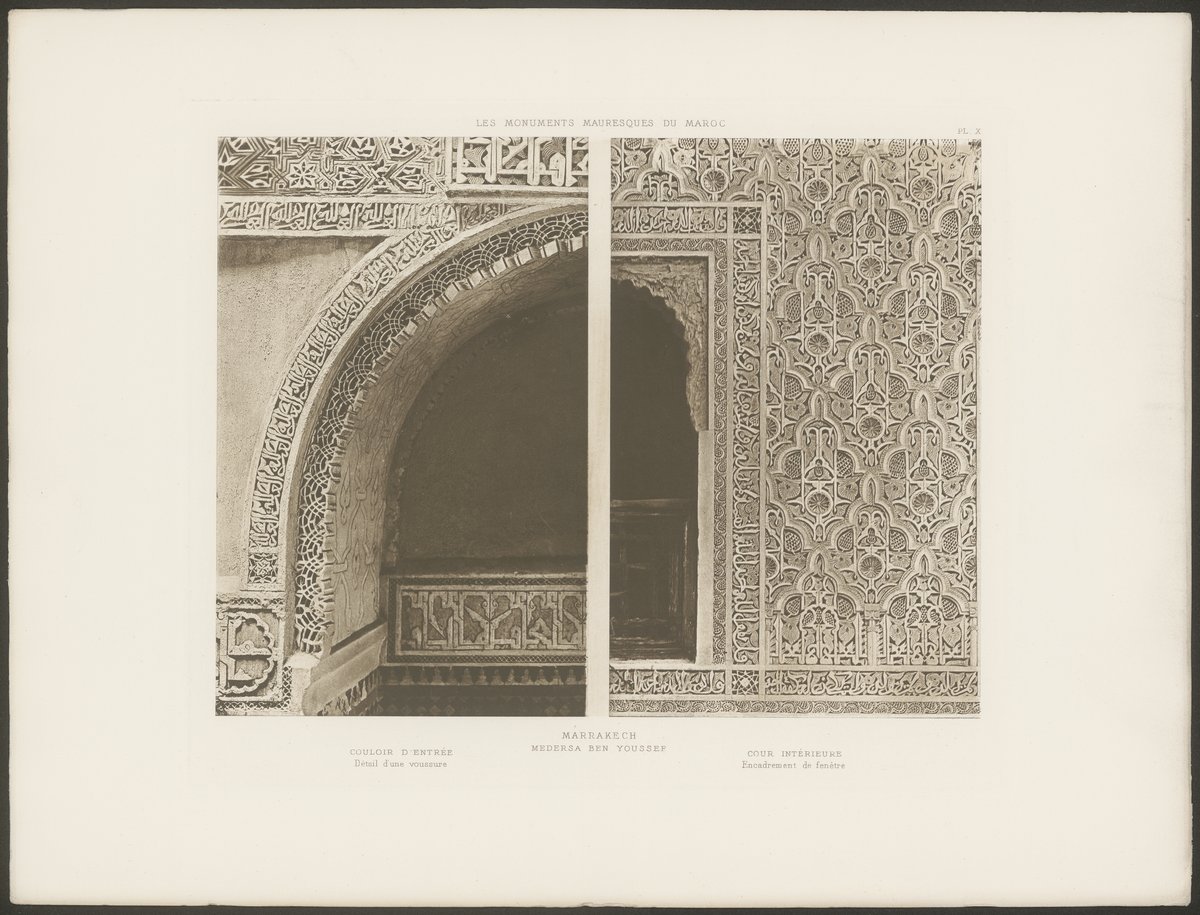
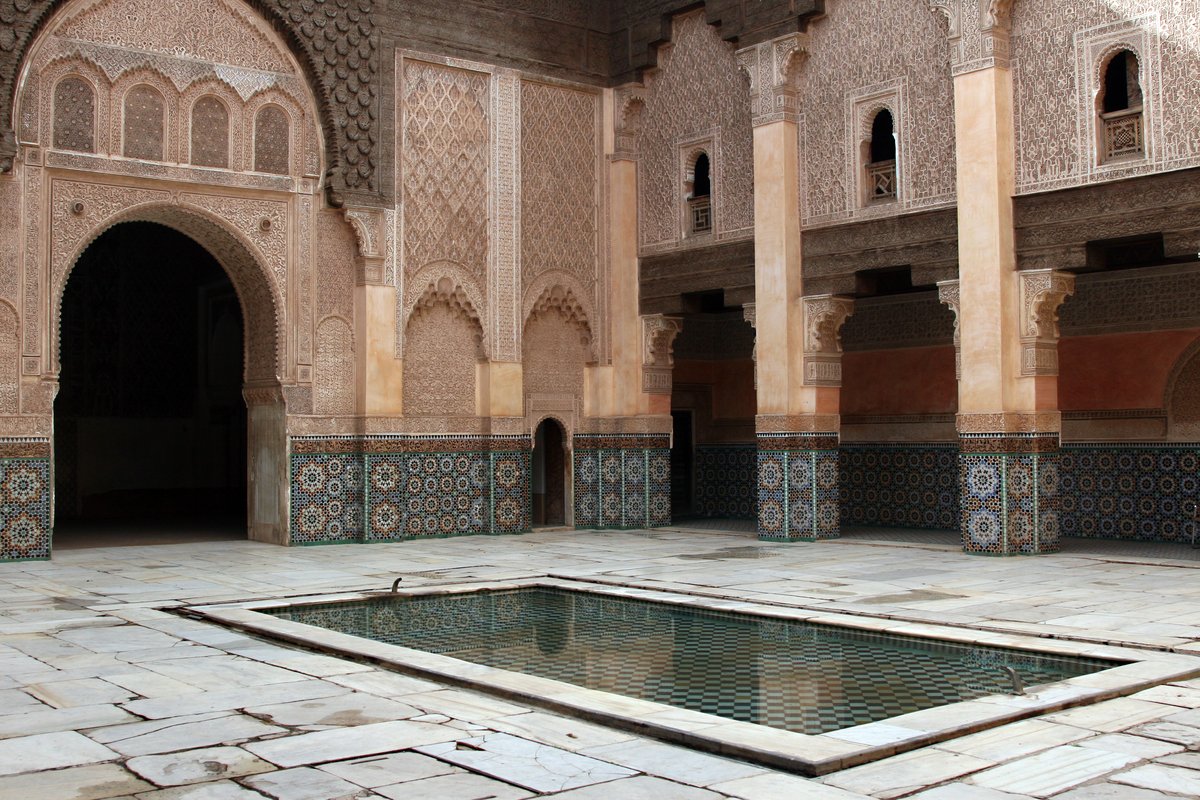
Ben Youssef Madrasa is a masterpiece of Islamic architecture, characterized by a nearly square floor plan centered on a serene marble courtyard. The courtyard, with its jade-tiled reflecting pool, is framed by arcaded galleries and leads to the prayer hall. Five-color zellij tilework, carved cedar wood, and elaborate stucco plasterwork adorn the walls, arches, and ceilings throughout the building (Hidden Architecture; Marrakech Wonders).
Key architectural highlights include:
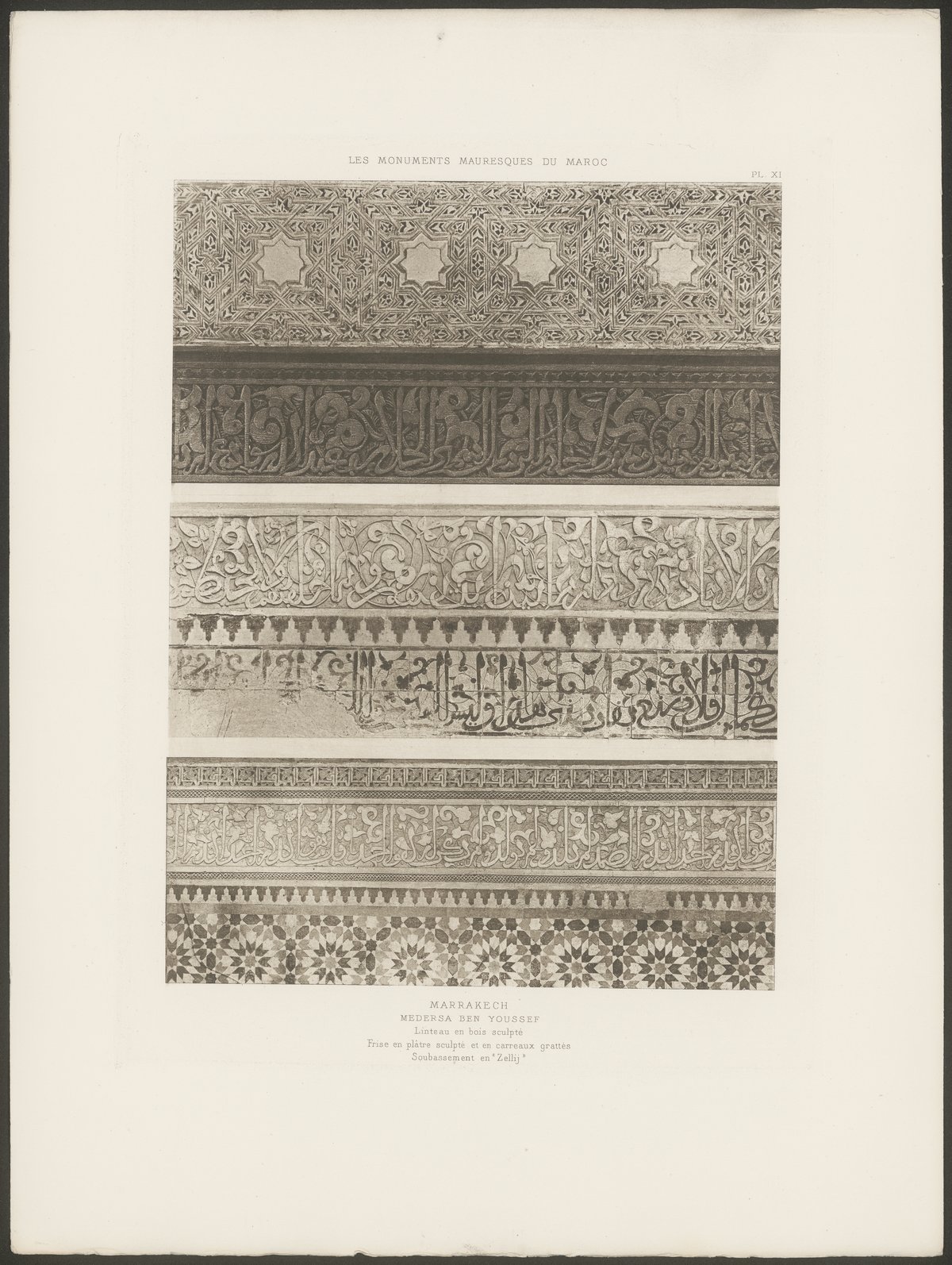
- Zellij Tilework: Meticulously hand-cut geometric mosaics symbolize the infinite nature of creation in Islamic art.
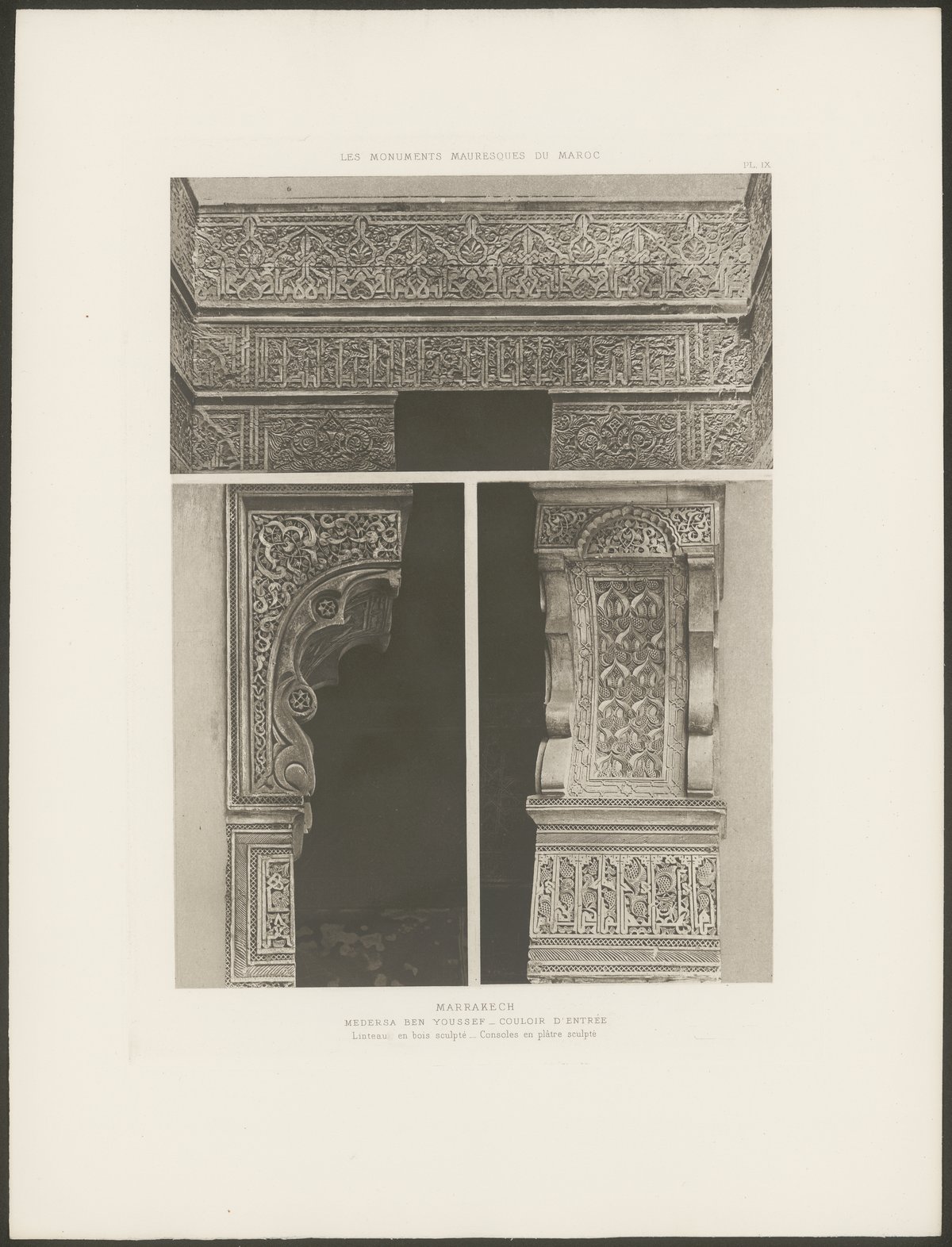
- Carved Cedar Wood: Intricate floral and geometric designs, especially in ceilings and screens, offer both beauty and function by filtering light.
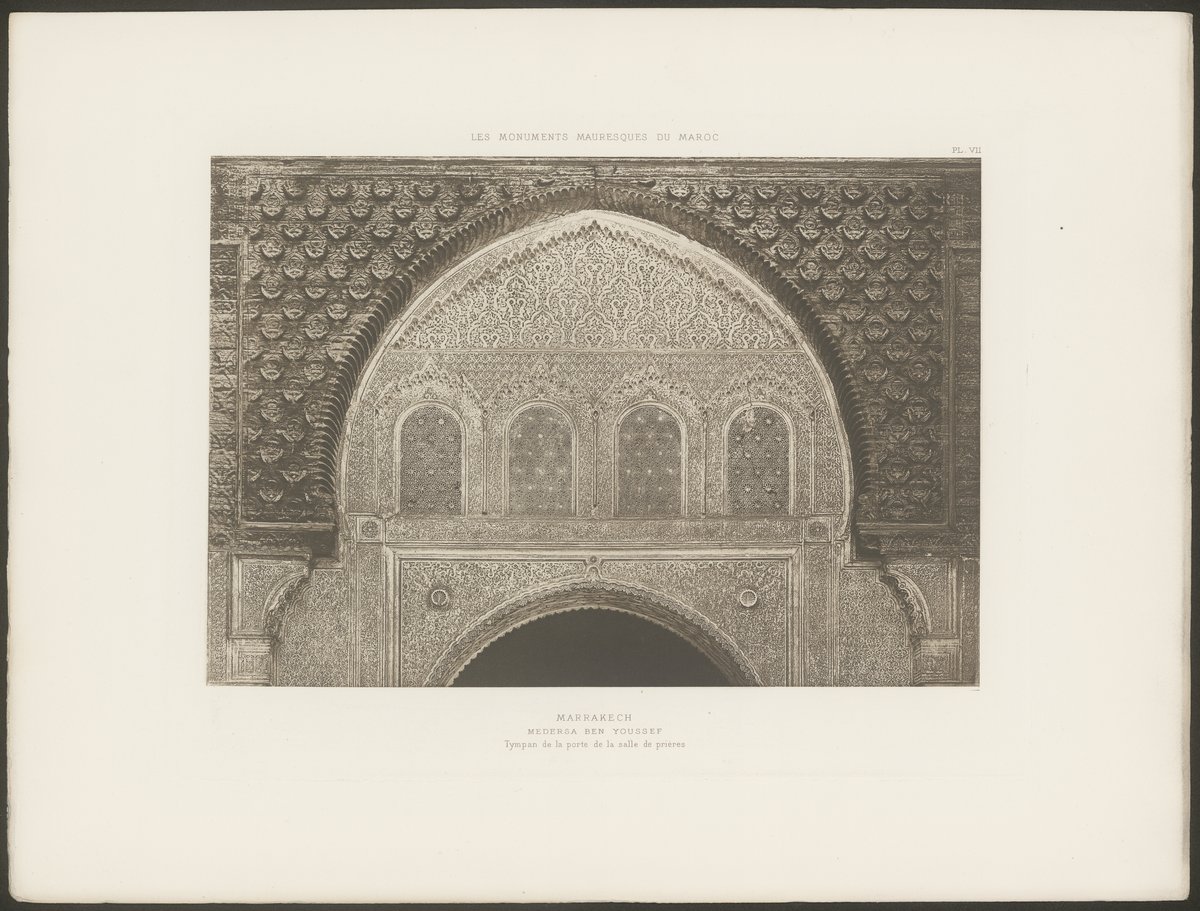
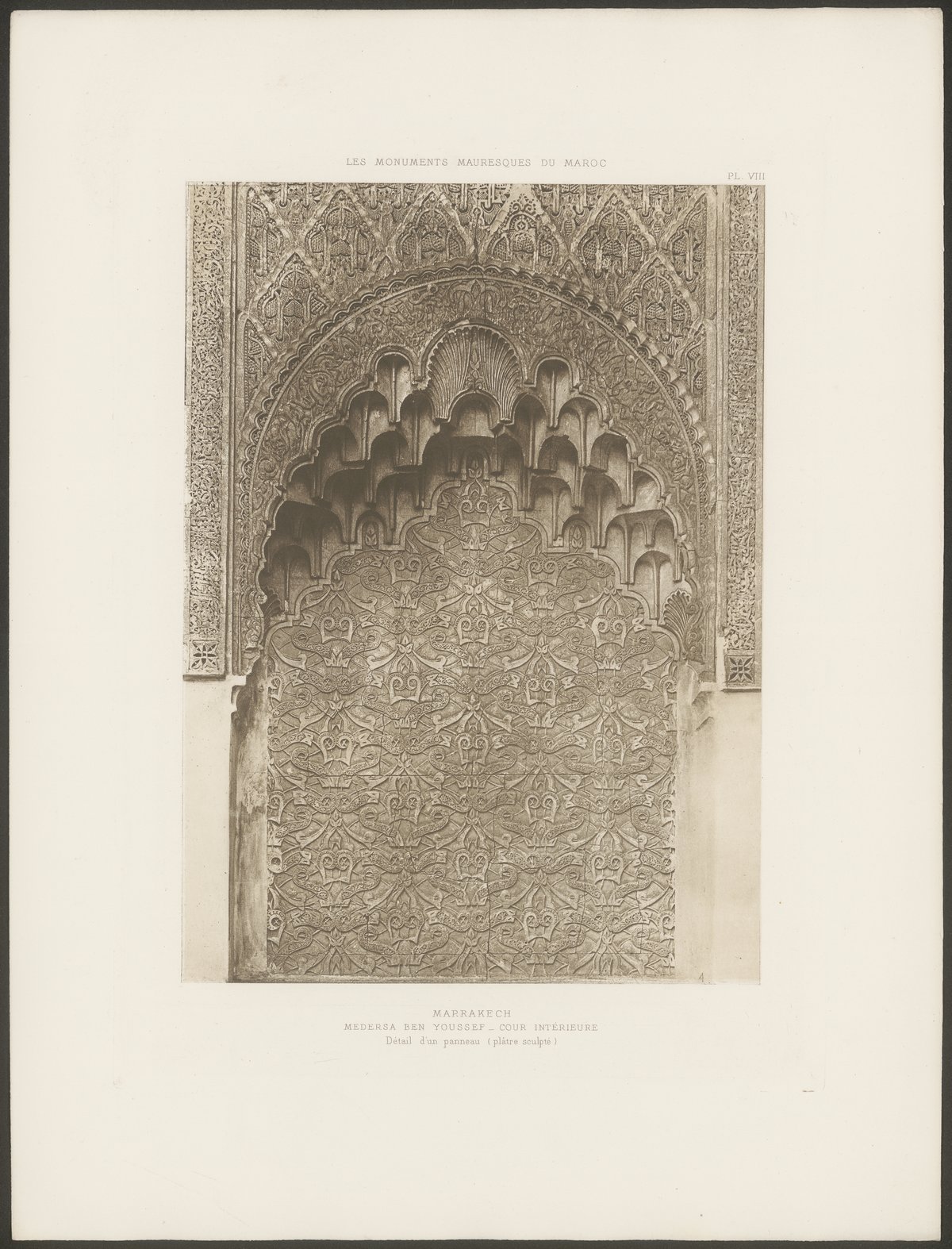
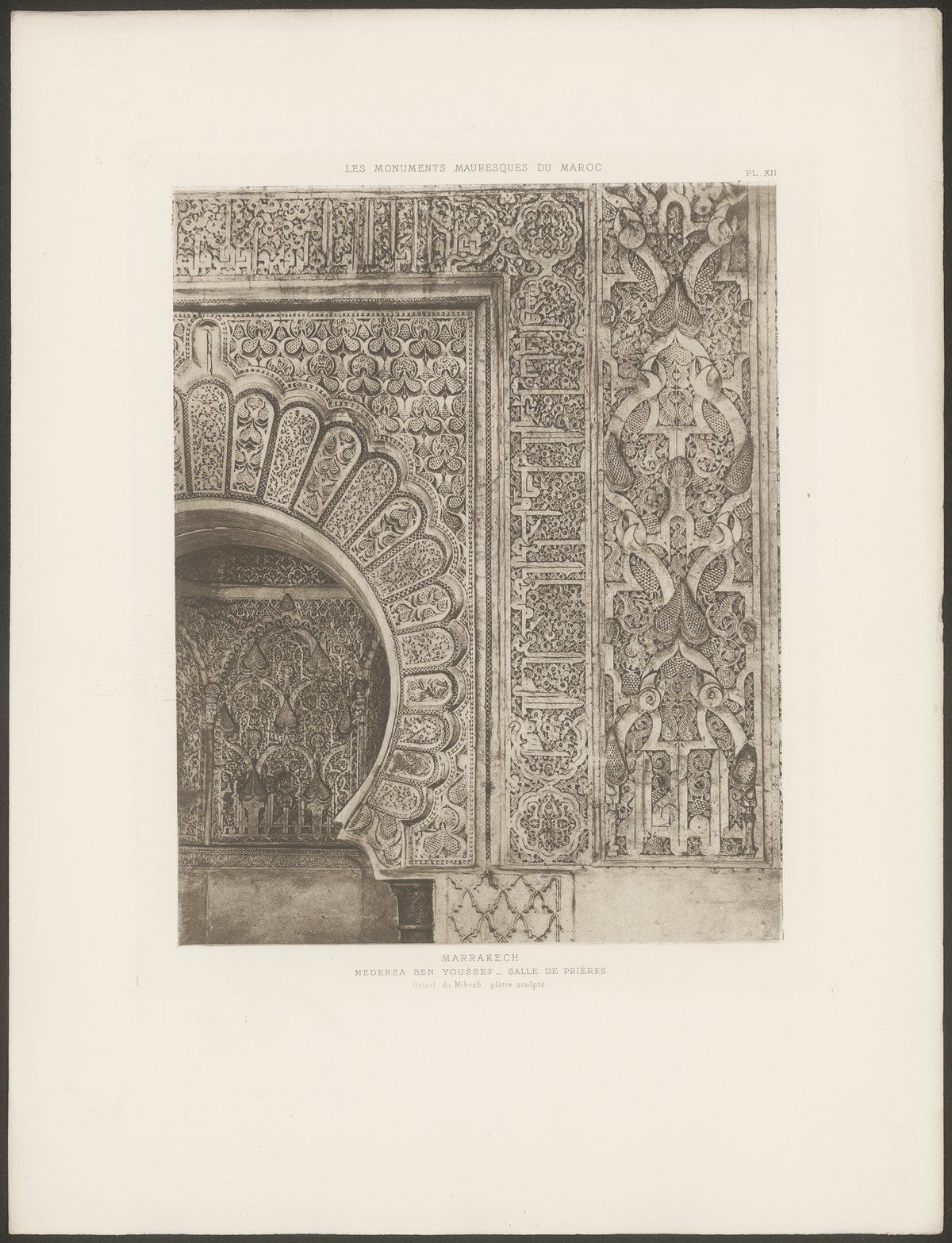
- Stucco Plasterwork: Arabesques, vegetal motifs, and Quranic calligraphy enrich the arches and mihrab.
- Marble and Carrara Stone: Used in the courtyard and the prayer hall’s mihrab, reflecting light and emphasizing the sacred.
The interplay of light and shadow, achieved through carefully placed windows and latticework, creates a contemplative ambiance throughout the madrasa (Moroccan Odyssey).
Educational and Cultural Role
Historically, Ben Youssef Madrasa was a center for both religious and secular education. The curriculum included Quranic exegesis, Islamic law (Maliki fiqh), Arabic language, sciences, mathematics, philosophy, and literature (History Tools). Students from North Africa and beyond studied here, benefiting from rigorous instruction and vibrant scholarly debates.
The madrasa’s graduates often became influential scholars, judges, and teachers, spreading its intellectual legacy across Morocco and the Maghreb. Its architecture reflects the unity of beauty and knowledge, with geometric patterns illustrating mathematical sophistication and Quranic inscriptions emphasizing spiritual learning (Frewaphoto).
Restoration and Preservation
The madrasa ceased functioning as a school in 1960 due to changes in Morocco’s educational system. Recognizing its cultural value, authorities restored the building, reopening it as a historical monument in 1982. An extensive restoration project from 2018 to 2022 preserved its delicate ornamentation and improved visitor access (medersabenyoussef.ma).
Visiting Information
Hours, Tickets, and Accessibility
- Opening Hours: Generally 9:00 AM – 5:00/7:00 PM daily (check official website for seasonal updates).
- Tickets: Standard adult ticket is 50–70 MAD (~$5–$7 USD); children under 12: 10 MAD; groups (20+): 30 MAD per person; combined museum tickets may be available (visitmoroccotips.com).
- Purchase: Tickets are sold at the entrance; online sales may be limited.
- Accessibility: The ground floor (courtyard, prayer hall) is accessible. Upper floors (dormitories) are only reachable by stairs; no elevators or ramps.
Guided Tours and Visitor Tips
- Guides: Local guides can be hired at the entrance or through agencies; they provide valuable history and context.
- Etiquette: Modest attire covering shoulders and knees is recommended. Photography is welcomed, but flash and tripods may be restricted.
- Facilities: Basic restrooms available; no café or shop inside, but nearby options abound.
Best Time to Visit
Visit at opening or late afternoon for fewer crowds and best lighting. Peak times are spring and autumn (visitmoroccotips.com).
What to See and Do
- Courtyard: Admire the marble pool, zellij, and carved details.
- Prayer Hall: Explore the mihrab and elaborate ceiling.
- Student Dormitories: View simple living quarters via narrow staircases.
- Ablutions Chamber: See the marble basin and washing areas.
- Upper Floors: Get unique perspectives on the courtyard if accessible.
Nearby Attractions
Ben Youssef Madrasa’s central location makes it easy to visit:
- Marrakech Museum: Steps away in a former palace.
- Almoravid Koubba: 11th-century domed structure.
- Ben Youssef Mosque: Adjacent (entry for Muslims only).
- Souks and Artisan Workshops: The medina’s bustling markets (visitmoroccotips.com).
Frequently Asked Questions (FAQ)
Q: What are the opening hours?
A: 9:00 AM to 5:00/7:00 PM daily; check official site for updates.
Q: How much are tickets?
A: 50–70 MAD for adults, discounts for children and groups.
Q: Are tickets available online?
A: Usually at the entrance only; check the official website.
Q: Is there a dress code?
A: Modest dress is recommended.
Q: How long does a visit last?
A: 30–90 minutes, depending on your interest.
Q: Is the madrasa wheelchair accessible?
A: The ground floor is accessible; upper floors are not.
Q: Can I take photos?
A: Photography is allowed, but flash and tripods may be restricted.
Listen to the full story in the app
The whole Ben Youssef Madrasa,
told well.
Audio guides for 1,100+ cities across 96 countries. History, stories, and local insight — offline ready.

Verified, and shown.
Researched and written by the Audiala editorial team from historical records, architectural archives, and local expertise.
Researched from Wikidata, Wikipedia & official sources · fact-checked · How we make our guides →