Plan and listen to Arsat Moulay Abdessalam Garden with Audiala.
Audio guide in your pocket, itinerary in your browser. Built for the way you actually visit.
Introduction
Arsat Moulay Abdessalam Garden—widely known as Cyber Parc—is a remarkable fusion of Marrakesh’s rich horticultural legacy and contemporary digital innovation. Established in the 18th century as a royal orchard, it has transformed over centuries into a vibrant public park that seamlessly integrates traditional Moroccan landscaping with modern amenities, including free Wi-Fi and interactive digital installations. Situated in the heart of Marrakesh, just steps from major landmarks such as Jemaa el-Fnaa and the Koutoubia Mosque, Arsat Moulay Abdessalam Garden is an accessible oasis for locals and tourists alike, offering relaxation, education, and a glimpse into Morocco’s ongoing dialogue between heritage and progress (morocco.com; Shop of Morocco; Marrakech Tourism Board).


Historical Background
Foundations and Royal Heritage
Commissioned in the 18th century by Prince Moulay Abdessalam, son of Sultan Sidi Mohamed bin Abdullah, Arsat Moulay Abdessalam Garden was initially conceived as a royal orchard (arsat). It provided food and relaxation for the royal household, featuring olive and citrus groves, vegetables, and lush lawns irrigated by the abundant waters near the Atlas Mountains. The garden’s geometric layout, structured beds, and water channels reflect classic Moroccan and Andalusian garden design, emphasizing harmony, order, and tranquility (morocco.com).
Colonial Transformation and Modern Revival
During the French Protectorate (1912–1956), the garden was redesigned with European influences—expanded walkways, new plant species, and advanced irrigation increased its accessibility and visual appeal. Over time, however, the garden suffered neglect, particularly after Moroccan independence, leading to a decline in both its ecological and cultural value.
Restoration efforts began in the early 2000s, spearheaded by the Foundation Mohammed VI for the Protection of the Environment. Guided by Princess Lalla Hasnaa, the project balanced preservation of historic trees with the introduction of lawns, water features, and digital services, culminating in the park’s public reopening in 2005 (morocco.com).
Integration of Technology: The Cyber Parc Concept
Arsat Moulay Abdessalam’s transformation into Africa’s first “Cyber Parc” is a defining feature. Free high-speed Wi-Fi, digital learning stations, a telecommunications museum, and multimedia kiosks make technology accessible to all visitors. This innovative approach symbolizes Morocco’s commitment to bridging its rich traditions with a forward-looking vision, serving as a hub for students, digital nomads, and families who wish to connect with both nature and the digital world (Shop of Morocco; FM6E; Visit Marrakech).
Garden Layout and Key Features
Botanical Diversity and Water Features
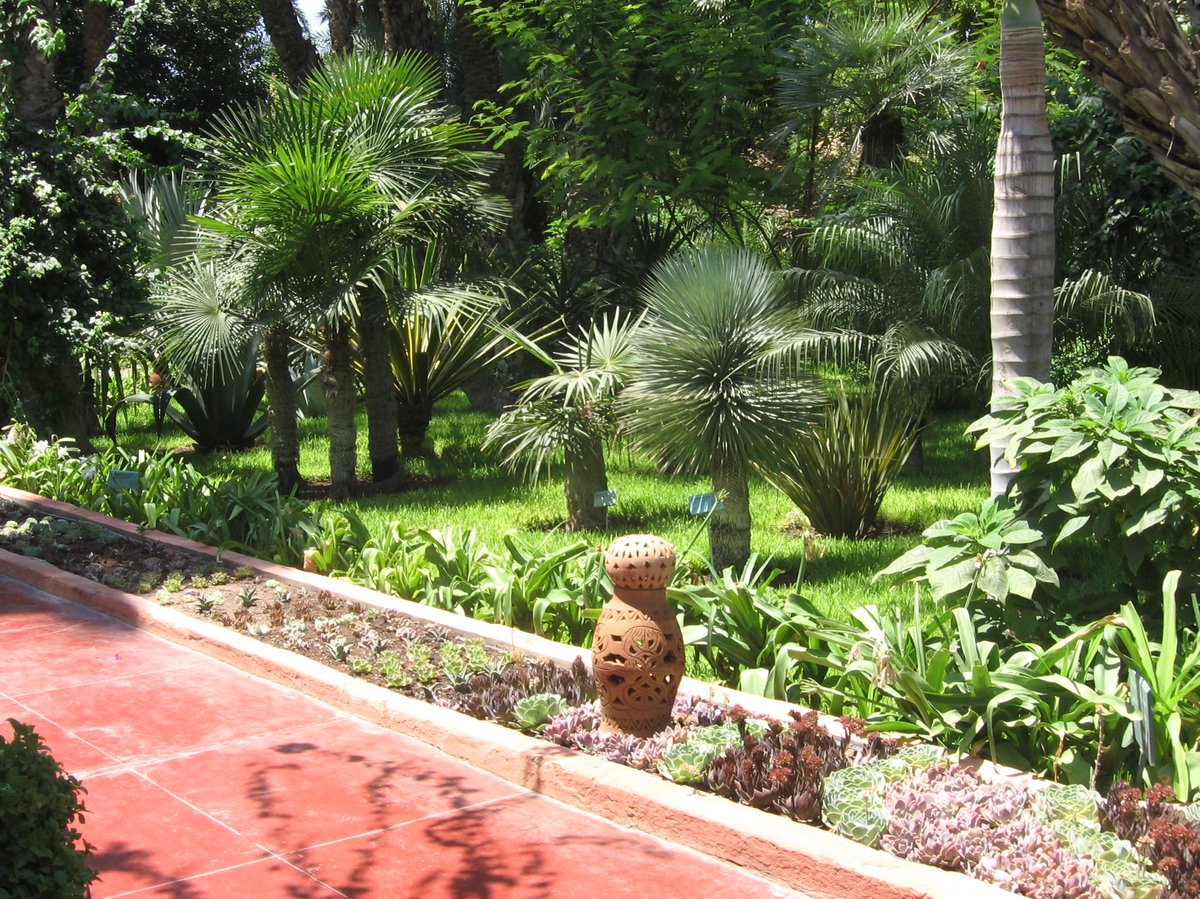
The garden spans approximately eight hectares, with a geometric grid of wide, tree-lined avenues and narrow, shaded footpaths. Its landscape includes:
- Olive, citrus, and palm trees providing year-round shade
- Jacarandas, roses, jasmine, and seasonal flowers attracting pollinators
- Water features, rills, and fountains creating a soothing ambiance
- Expansive lawns and open plazas ideal for gatherings
Traditional Moroccan elements blend with informal groves and grassy areas, offering both formal beauty and naturalistic charm (Wanderlog).
Digital Amenities and Educational Installations
Visitors benefit from:
- Free public Wi-Fi throughout the park
- Interactive kiosks in multiple languages, detailing the park’s history, plants, and Marrakesh’s culture
- Solar charging stations for mobile devices
- Telecommunications museum and digital learning stations, enhancing the educational value
Interpretive panels and occasional exhibitions further enrich the visitor experience.
Visiting Information
Hours, Tickets, and Accessibility
- Opening Hours: Daily from 8:00 AM to 8:00 PM (with some seasonal variation; check local listings)
- Admission: Free for all visitors; no tickets required
- Guided Tours: Available by arrangement through the Marrakesh tourist office or local tour operators
- Accessibility: Wide, paved, and level paths accommodate wheelchairs and strollers; clear signage and rest areas throughout
Facilities and Safety
- Restrooms: Clean facilities near main entrances
- Food & Drink: Snack kiosks and vending machines on site; cafés and restaurants nearby
- Security: On-site personnel and well-lit pathways ensure safety, even in the evenings
- Pets: Not permitted, to protect plant life and maintain tranquility
Seasonal Highlights and Visitor Experience
The best times to visit are spring (March–May) and autumn (September–November), when temperatures are mild and the gardens bloom with color. Early mornings and late afternoons offer the most pleasant conditions for walking and photography. The park is popular with local families, students, tourists, and digital workers, creating a lively but peaceful atmosphere.
Nearby Attractions and Travel Tips
Located on Boulevard Mohamed V, the garden is a short walk from:
- Jemaa el-Fnaa square
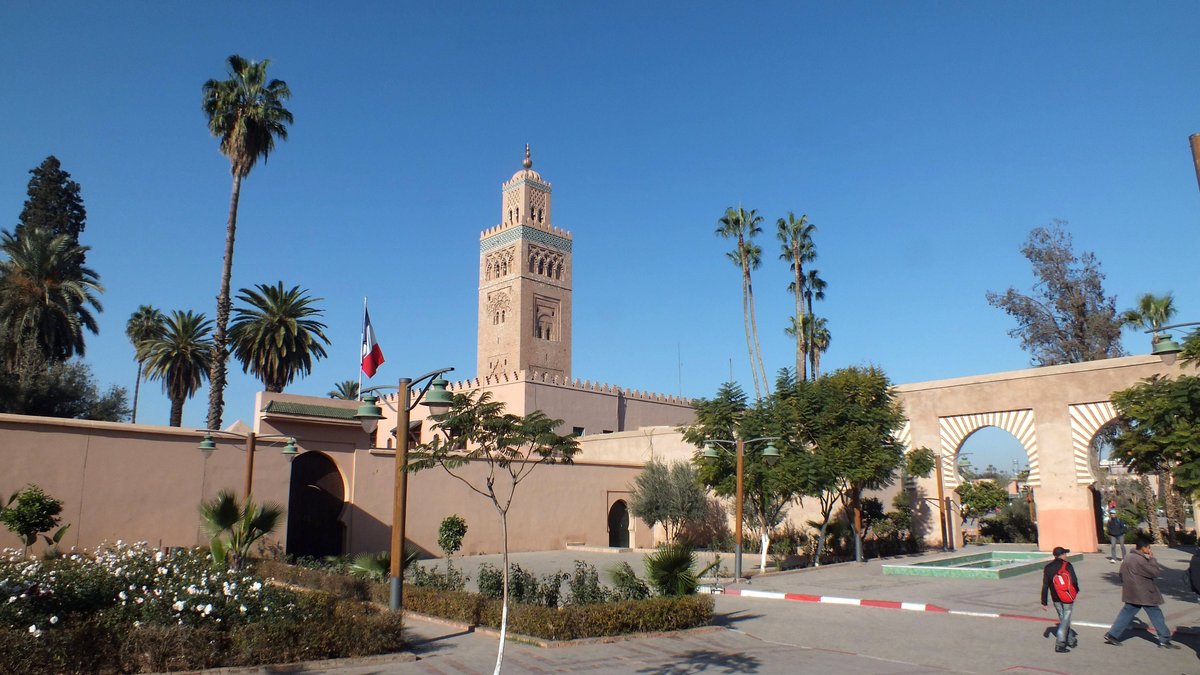
- Koutoubia Mosque
- The Medina and Bahia Palace
Taxis and public transportation are readily available. Wear comfortable shoes, bring a reusable water bottle, and protect yourself from the sun, especially in summer (Wanderlog).
Events, Cultural Programs, and Community Engagement
Arsat Moulay Abdessalam frequently hosts:
- Environmental workshops and awareness campaigns
- Art installations, photography exhibitions, and cultural performances
- Educational activities for school groups and families
These initiatives foster community engagement and highlight the garden’s role as a living classroom and cultural hub (FM6E; Marrakech Tricks).
Frequently Asked Questions (FAQ)
Q: What are the garden’s visiting hours?
A: Open daily from 8:00 AM to 8:00 PM, with possible slight variation.
Q: Is there an entrance fee?
A: No, admission is free.
Q: Are guided tours available?
A: Yes, through local tour operators or the tourist office.
Q: Is the garden wheelchair accessible?
A: Yes, all main paths are accessible.
Q: Can I use Wi-Fi inside the garden?
A: Yes, free Wi-Fi is available throughout.
Q: Are pets allowed?
A: No, pets are not permitted.
Q: Can I take photographs?
A: Yes, photography is welcome; drones and commercial shoots require permission.
Visuals and Media Suggestions
- Images: Garden’s geometric paths, water features, digital kiosks, and community events
- Maps: Highlighting the park’s location relative to Jemaa el-Fnaa and other landmarks
- Virtual Tours: If available, these can enhance pre-visit planning
Listen to the full story in the app
The whole Arsat Moulay Abdessalam Garden,
told well.
Audio guides for 1,100+ cities across 96 countries. History, stories, and local insight — offline ready.
Verified, and shown.
Researched and written by the Audiala editorial team from historical records, architectural archives, and local expertise.
Researched from Wikidata, Wikipedia & official sources · fact-checked · How we make our guides →