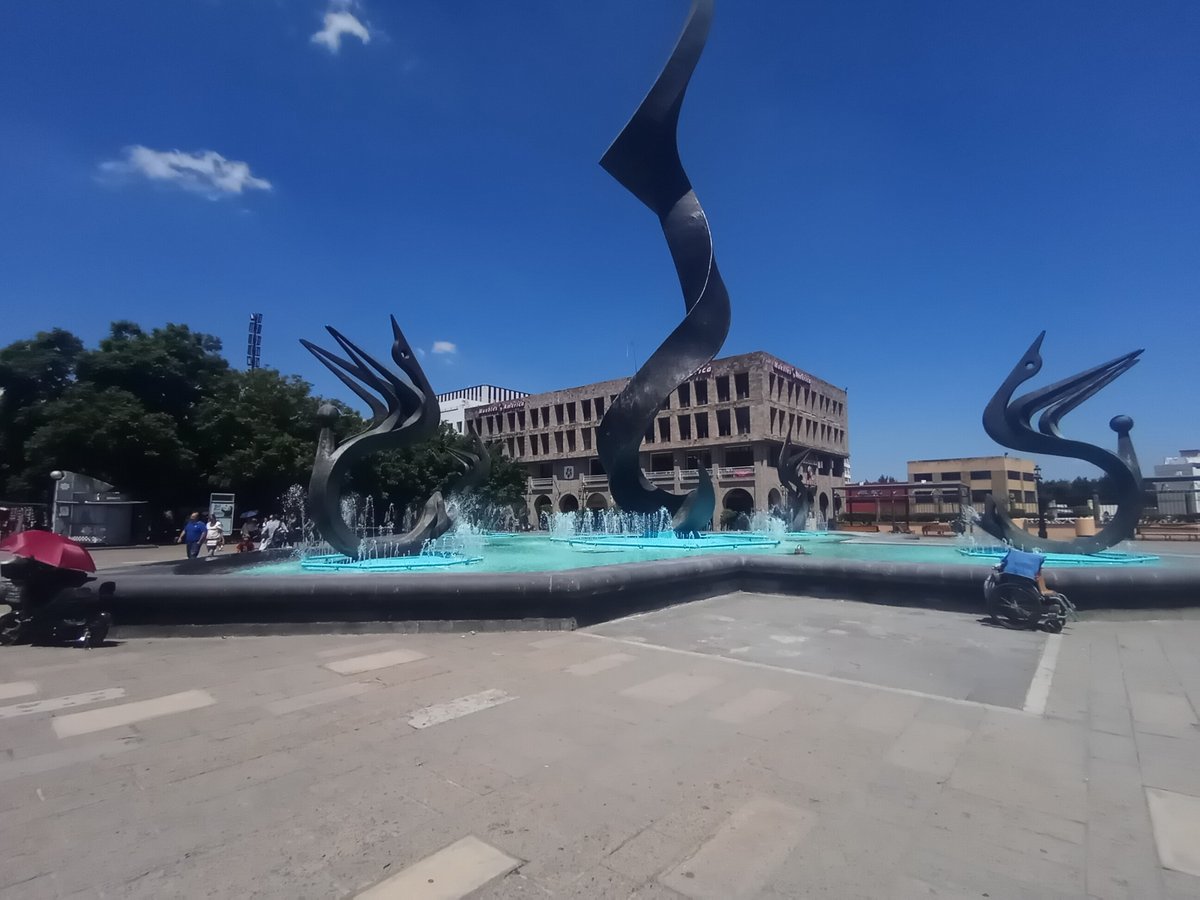
What Tlaquepaque Centro Is
Located in the heart of Guadalajara, Mexico, Tlaquepaque Centro is a district known for its cobblestone streets, colonial architecture, vibrant markets, art galleries, boutiques, and artisan traditions. Its name comes from the Nahuatl phrase meaning “place above clay land,” reflecting a pottery tradition that predates the arrival of the Spanish conquistadors. The area has developed into a hub for tourism and cultural celebrations, drawing national and international visitors (source) (source).
Today, Tlaquepaque Centro brings together its Indigenous and colonial history with a lively arts scene. Mariachi music, traditional dance, local cuisine, and craftwork—including ceramics and leatherwork—are part of its cultural character (source) (source).
History
Pre-Columbian Roots and the Legend of the Tlacuaches
Indigenous communities lived in the area long before the Spanish conquistadors arrived. Evidence suggests the presence of the Toltecs and later the Aztecs. The name Tlaquepaque, derived from Nahuatl and meaning “place above clay land,” reflects the pottery tradition that continues in the area.
According to legend, the area was once home to many tlacuaches, nocturnal creatures similar to opossums. In Indigenous folklore, these animals were associated with wit and resourcefulness and became a symbol of the town’s early inhabitants.
The Arrival of the Conquistadors and a New Era
The Spanish arrival in the 16th century marked a turning point. Conquistador Nuño Beltrán de Guzmán claimed the region in 1529, leading to the displacement of Indigenous populations and the establishment of Spanish rule. Initially overshadowed by neighboring Guadalajara, Tlaquepaque began to develop as a center for agriculture and craftsmanship.
From Village to Thriving Hub: The Colonial Period
During the colonial period, the Spanish established haciendas and encouraged industries including pottery, leatherwork, and textiles, making use of the area’s fertile land and strategic location. Tlaquepaque’s proximity to the Camino Real, the major trade route connecting Mexico City to the north, further supported its growth.
Independence and Revolution: Upheaval and Change
Mexico’s struggle for independence from Spain in 1821 and the Mexican Revolution of 1910–1920 brought periods of instability and change. Despite these upheavals, Tlaquepaque’s artisans continued producing intricate works.
The Rise of Tourism and Tlaquepaque’s Modern Identity
In the mid-20th century, entrepreneurs began investing in tourism, recognizing the appeal of Tlaquepaque’s cobblestone streets, colonial architecture, and arts scene. Historic buildings were restored, and art galleries and boutiques were established. The area became a popular destination for national and international visitors.
What to See and Do
El Parián
Established in 1838, El Parián is an iconic plaza surrounded by restaurants and bars. It is known for mariachi music, folkloric dances, traditional Mexican cuisine, tequila, and a festive atmosphere (source).
Regional Ceramic Museum (Museo Regional de la Cerámica)
Housed in a restored 19th-century mansion, the Regional Ceramic Museum presents the ceramic heritage of Tlaquepaque and the Jalisco region. Its five exhibition halls display pre-Hispanic pottery, traditional ceramics, and contemporary works by renowned artists (source).
Pantaleón Panduro Craft Market (Mercado de Artesanías Pantaleón Panduro)
This market showcases work by local artisans. Its stalls offer ceramics, blown glass, leather goods, textiles, and other handcrafted products (source).
Jardín Hidalgo
Tlaquepaque’s main plaza, Jardín Hidalgo, is a shaded square with an ornate central kiosk. Visitors can relax on a bench, enjoy the fresh air, and observe local daily life.
Parish of San Pedro Apóstol (Parroquia de San Pedro Apóstol)
Built in the 17th century, this church is a Baroque landmark with a facade adorned with carvings and sculptures. Inside are soaring ceilings, altarpieces, and stained-glass windows (source).
Sergio Bustamante Gallery
The gallery presents sculptures, jewelry, and furniture by Sergio Bustamante, a celebrated Mexican artist. His work is characterized by bold colors, fantastical creatures, and intricate details (source).
Calle Independencia
Tlaquepaque’s main pedestrian street is lined with galleries, boutiques, restaurants, and bars. Visitors can browse handcrafted souvenirs, sample local food, and explore its mix of traditional and contemporary offerings.
Casa Histórica Pedro Loza
This preserved 19th-century mansion offers a glimpse into the life of a wealthy Tlaquepaque family. It has period furnishings, an elegant courtyard, and a small museum with artifacts and documents about the Loza family and their contributions to the town’s history.
Museo del Periodismo y las Artes Gráficas
Housed in a former printing house, this museum explores the history of journalism and printing in Mexico. Exhibits include antique printing presses, typesetting equipment, and historical newspapers. The museum also hosts temporary exhibitions and workshops related to graphic arts and design (source).
Jardín Juárez
Located a short walk from El Parián, Jardín Juárez is a shaded square with a central fountain. Visitors can relax, watch children play, and enjoy the green space.
Centro Cultural El Refugio
Housed in a former 19th-century hospital, this cultural center hosts art exhibitions, concerts, dance performances, and workshops. Its schedule varies by event (source).
Side Streets and Local Crafts
Wandering the side streets can lead to hidden courtyards, artisan workshops, and small boutiques. Tlaquepaque’s craft traditions include ceramics such as polished bruñido pottery and colorful Talavera tiles, glassblowing, and leatherwork. Workshops offer opportunities to watch artisans shape molten glass into ornaments, vases, and sculptures. Leather goods include saddles, belts, wallets, and bags, sometimes decorated with traditional designs.
Music, Dance, and Food
Plazas come alive with mariachi performances, with musicians in vibrant costumes. Traditional dance performances include the Jarabe Tapatío, often called the “Mexican Hat Dance,” as well as regional dances with colorful costumes and choreography.
Food options range from street stalls serving tacos and elotes (grilled corn) to restaurants offering modern Mexican cuisine.
Events and Guided Tours
Regularly scheduled art walks visit galleries and studios in Tlaquepaque Centro. Cultural festivals provide another way to experience local traditions. Several companies and local operators offer guided tours with historical and cultural information and visits to key attractions.
Practical Visiting Information
General Hours and Tickets
Tlaquepaque Centro is generally open to visitors from 9 AM to 7 PM. Another general schedule given for most shops and attractions is 10 AM to 6 PM; hours vary by site, so check in advance. Entry to Tlaquepaque Centro is free, though some attractions and workshops charge admission. General ticket prices are given as typically ranging from $5 to $15 USD; individual attraction prices are listed below.
- El Parián Daily, 10:00 AM–11:00 PM. Free entry.
- Regional Ceramic Museum Tuesday to Sunday, 10:00 AM–6:00 PM. $30 MXN for adults; free for children under 12.
- Pantaleón Panduro Craft Market Daily, 10:00 AM–8:00 PM. Free entry.
- Jardín Hidalgo Open 24 hours. Free entry.
- Parish of San Pedro Apóstol Daily, 8:00 AM–8:00 PM. Free entry.
- Sergio Bustamante Gallery Monday to Saturday, 10:00 AM–6:00 PM; Sunday, 11:00 AM–5:00 PM. Free entry.
- Calle Independencia Open 24 hours. Free entry.
- Casa Histórica Pedro Loza Tuesday to Sunday, 10:00 AM–6:00 PM. $20 MXN for adults; free for children under 12.
- Museo del Periodismo y las Artes Gráficas Tuesday to Sunday, 10:00 AM–6:00 PM. $25 MXN for adults; free for children under 12.
- Jardín Juárez Open 24 hours. Free entry.
- Centro Cultural El Refugio Hours and tickets vary by event.
- Side streets Open 24 hours. Free entry.
Getting Around
Tlaquepaque Centro is best explored on foot. Its cobblestone streets and narrow sidewalks are not ideal for vehicles. Horse-drawn carriages, known as calandrias, offer leisurely rides through the streets. Taxis are readily available; agree on a fare before the journey, as taxis typically do not use meters.
Accessibility
Cobblestone streets can be challenging for visitors with mobility issues. Some areas have cobblestones, while many shops and attractions are accessible or are working to improve accessibility. Most major attractions are described as accessible, but accessibility options vary; check with each site in advance.
Tips for Visitors
Shopping
- Bargaining is customary in markets and smaller shops; negotiate a fair price for souvenirs and handicrafts.
- Some larger shops and restaurants accept credit cards, but carrying cash is advisable, especially for markets and smaller establishments.
- Many shops offer shipping services for larger art pieces or furniture.
Cultural Etiquette and Safety
- Ask permission before photographing people, especially artisans in their workshops.
- Dress modestly when visiting churches and religious sites.
- Learning a few basic Spanish phrases can enhance interactions; while many people speak some English, Spanish is the local language.
- Be mindful of belongings in crowded areas, where petty theft can be a concern.
- The sun can be intense. Wear sunscreen, a hat, and sunglasses, and stay hydrated, especially during hotter months.
- It is generally advisable to drink bottled water.
Other Tips
Wear comfortable shoes for walking the cobblestone streets, and bring a camera to photograph the architecture and street art.
Nearby Places
- Guadalajara Cathedral A short drive from Tlaquepaque, this is an iconic cathedral.
- Hospicio Cabañas This nearby World Heritage site is known for its murals.
- Centro Cultural El Refugio and El Parián These are also noted as nearby places to visit.
Frequently Asked Questions
What are the best times to visit Tlaquepaque Centro?
The cooler months are recommended, with one account giving November to April and another November to March. Weekdays are generally less crowded than weekends.
Are guided tours available?
Yes. Several companies and local operators offer tours with historical and cultural information about Tlaquepaque Centro and its attractions.
Is Tlaquepaque Centro accessible for people with disabilities?
Cobblestone streets may pose challenges. Many shops and attractions are accessible or working to improve accessibility, and most major attractions are described as accessible. Check accessibility details with individual sites.
Is Tlaquepaque family-friendly?
Yes. Family-friendly activities include art workshops, cultural performances, and parks.