Plan and listen to Plaza Tapatía with Audiala.
Audio guide in your pocket, itinerary in your browser. Built for the way you actually visit.
Introduction
Welcome to Plaza Tapatía, a captivating blend of history, culture, and modernity nestled in the heart of Guadalajara, Mexico. This comprehensive guide offers a deep dive into the rich historical context, architectural significance, and essential visitor information for one of the city's most iconic landmarks. Plaza Tapatía, officially inaugurated in 1982, is not just a public space but a symbol of Guadalajara's evolution from a colonial city to a vibrant urban center. Designed by renowned architect Ignacio Díaz Morales, the plaza connects key cultural and historical sites, including the UNESCO World Heritage site, Hospicio Cabañas. Understanding the origins and development of Plaza Tapatía provides a glimpse into Guadalajara's dynamic past and its ongoing efforts to preserve cultural heritage while embracing modern urban needs. Whether you're a history enthusiast, an architecture lover, or a casual traveler, this guide will equip you with everything you need to know for a memorable visit to Plaza Tapatía.


Origins and Early Development
Plaza Tapatía, located in the heart of Guadalajara, Mexico, is a significant urban space that has evolved over centuries. The area where Plaza Tapatía now stands was originally part of the colonial city layout established by the Spanish in the 16th century. Guadalajara was founded in 1542, and its urban planning followed the traditional Spanish grid system, with a central plaza serving as the focal point for civic and religious activities.
Colonial Era
During the colonial period, the area around what is now Plaza Tapatía was primarily residential and commercial. The Spanish colonial authorities constructed several important buildings, including churches and administrative offices, which contributed to the area’s prominence. The plaza itself was not yet a distinct entity but was part of the broader urban fabric of Guadalajara.
19th Century Transformations
The 19th century brought significant changes to Guadalajara and the area that would become Plaza Tapatía. Following Mexico’s independence from Spain in 1821, the city experienced rapid growth and modernization. The introduction of new architectural styles and urban planning concepts influenced the development of public spaces. By the late 19th century, the area began to take on a more defined character as a public square.
20th Century Redevelopment
The most transformative period for Plaza Tapatía occurred in the mid-20th century. In the 1950s and 1960s, Guadalajara underwent extensive urban renewal projects aimed at modernizing the city and improving public infrastructure. The creation of Plaza Tapatía was part of this broader effort to revitalize the historic center.
The plaza was officially inaugurated in 1982 as part of a comprehensive urban renewal project led by architect Ignacio Díaz Morales. The project aimed to create a pedestrian-friendly space that would connect key cultural and historical landmarks, including the Hospicio Cabañas, a UNESCO World Heritage site. The design of Plaza Tapatía incorporated modernist elements while respecting the historical context of the surrounding area.
Architectural and Cultural Significance
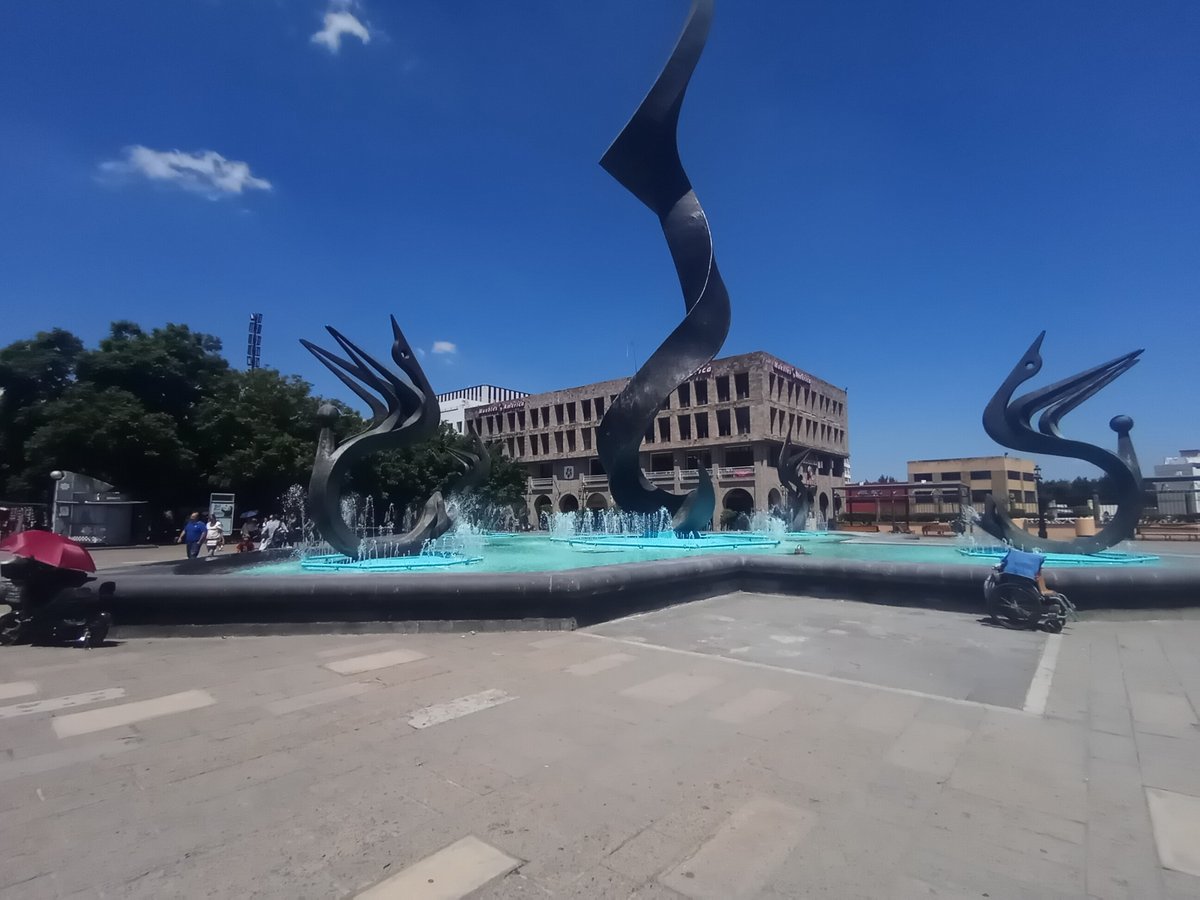
Plaza Tapatía is renowned for its architectural and cultural significance. The plaza features a series of fountains, sculptures, and open spaces that reflect the artistic and cultural heritage of Guadalajara. One of the most notable features is the "Fuente de los Niños Miones," a fountain adorned with bronze sculptures of children playing, which has become an iconic symbol of the plaza.
The plaza also serves as a cultural hub, hosting various events, festivals, and public gatherings. Its design encourages social interaction and provides a space for both residents and visitors to enjoy the vibrant atmosphere of Guadalajara.
Recent Developments
In recent years, Plaza Tapatía has continued to evolve, with ongoing efforts to preserve its historical significance while adapting to contemporary needs. The local government has implemented various initiatives to enhance the plaza’s accessibility, safety, and aesthetic appeal. These efforts include the restoration of historical structures, the installation of modern amenities, and the promotion of cultural activities.
Visitor Information
Planning a visit to Plaza Tapatía? Here’s what you need to know:
- Visiting Hours: Plaza Tapatía is open 24/7, but the best time to visit is during the day when you can fully appreciate the beautiful architecture and public art.
- Tickets: There is no entrance fee to visit Plaza Tapatía. However, some nearby attractions, like the Hospicio Cabañas, may have their own admission fees.
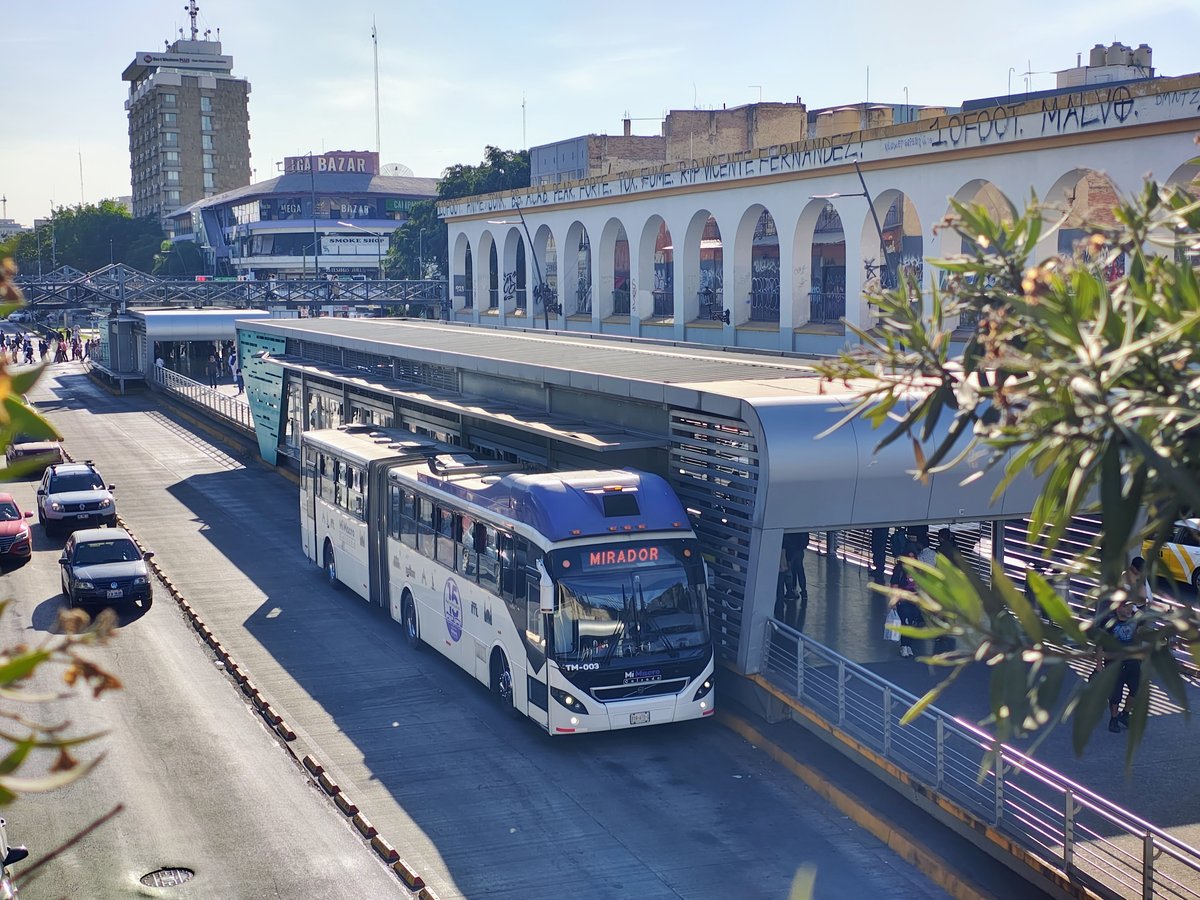
- How to Get There: Plaza Tapatía is centrally located in Guadalajara and is easily accessible by public transportation, including buses and the light rail system. Taxis and ride-sharing services are also convenient options.
- Nearby Attractions: In addition to the Hospicio Cabañas, you can explore other nearby landmarks such as Teatro Degollado and Templo de San Juan de Dios.
- Special Events: Check the local event calendar for festivals, concerts, and cultural events that often take place in and around Plaza Tapatía.
- Accessibility: The plaza is designed to be pedestrian-friendly and is accessible to visitors with mobility impairments. Recent improvements have focused on enhancing accessibility features.
Key Historical Landmarks
Several historical landmarks are located within or near Plaza Tapatía, each contributing to the area’s rich history:
- Hospicio Cabañas: This former orphanage and hospital, now a cultural center and museum, is one of the most important historical buildings in Guadalajara. It was designated a UNESCO World Heritage site in 1997 (UNESCO).
- Teatro Degollado: Located near Plaza Tapatía, this neoclassical theater, inaugurated in 1866, is a premier venue for performing arts in Guadalajara (Teatro Degollado).
- Templo de San Juan de Dios: This historic church, dating back to the colonial era, is another significant landmark in the vicinity of Plaza Tapatía.
Impact on Urban Development
The creation of Plaza Tapatía has had a profound impact on the urban development of Guadalajara. It has helped to preserve the historical character of the city center while providing a modern, functional space for public use. The plaza’s design has influenced subsequent urban planning projects in Guadalajara and other Mexican cities, serving as a model for integrating historical preservation with contemporary urban needs.
Visitor Experience
Today, Plaza Tapatía is a must-visit destination for tourists exploring Guadalajara. The plaza offers a unique blend of historical charm and modern amenities, making it an ideal spot for sightseeing, relaxation, and cultural immersion. Visitors can enjoy the beautiful fountains, explore nearby historical landmarks, and participate in various cultural events that take place throughout the year.
FAQs
Q: What are the visiting hours for Plaza Tapatía? A: Plaza Tapatía is open 24 hours a day, seven days a week.
Q: Is there an entrance fee to visit Plaza Tapatía? A: No, there is no entrance fee for the plaza itself, but some nearby attractions may have admission fees.
Q: What are the best times to visit Plaza Tapatía? A: The best times to visit are during the day to fully appreciate the architecture and public art.
Q: How can I get to Plaza Tapatía? A: The plaza is easily accessible by public transportation, taxis, and ride-sharing services.
Q: Are there any special events at Plaza Tapatía? A: Yes, the plaza frequently hosts festivals, concerts, and cultural events. Check the local event calendar for details.
Listen to the full story in the app
The whole Plaza Tapatía,
told well.
Audio guides for 1,100+ cities across 96 countries. History, stories, and local insight — offline ready.
Verified, and shown.
Researched and written by the Audiala editorial team from historical records, architectural archives, and local expertise.
Researched from Wikidata, Wikipedia & official sources · fact-checked · How we make our guides →