
Introduction
The first thing that hits you in Tijuana is the smell of grilled carne asada mingling with Pacific salt air, right where the border wall slices into the ocean. This frontier city in Mexico refuses every easy label. One moment you're watching the sunset paint the metal slats of El Muro in burning orange, the next you're eating the original Caesar salad at the same counter where it was invented in 1924.
Tijuana moves with a hustler's pulse. Migrants, artists, and locals have shaped a culture of restless creativity that feels nothing like the rest of Mexico and even less like its neighbor San Diego. The concrete curves of CECUT's Cine Domo still look futuristic forty years later, while down the street the 1930s Jai Alai Palace waits for its next act.
Contemporary galleries have quietly colonized abandoned storefronts in Pasaje Gómez. The city's contemporary art scene now draws people who would have never crossed the border a decade ago. Yet the old cantinas still serve beer at 3 a.m. and the laughter spilling onto Avenida Revolución hasn't changed its pitch since the golden days.
What ultimately changes how you see the place is realizing Tijuana isn't chaotic despite its contradictions. The contradictions are the point. This border city invented its own rules, then broke them for fun.
Places to Visit
The Most Interesting Places in Tijuana
Tijuana
Tijuana, Mexico, stands as a vibrant and dynamic city that seamlessly blends a rich indigenous heritage, pivotal historical developments, and a flourishing…
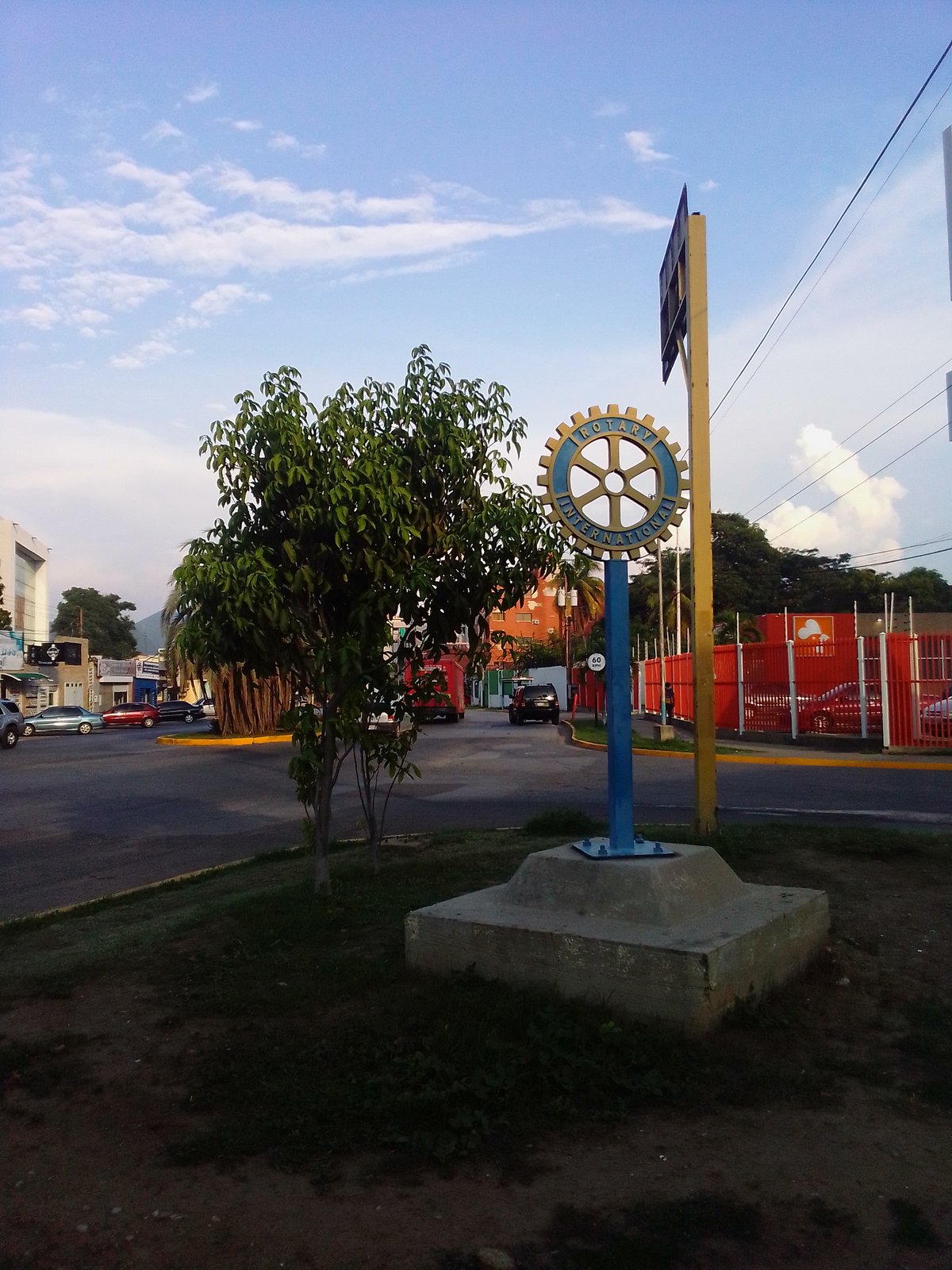
Rotary International
Tijuana, Mexico, is a vibrant border city rich in cultural heritage and community spirit, making it a fascinating destination for travelers interested in…
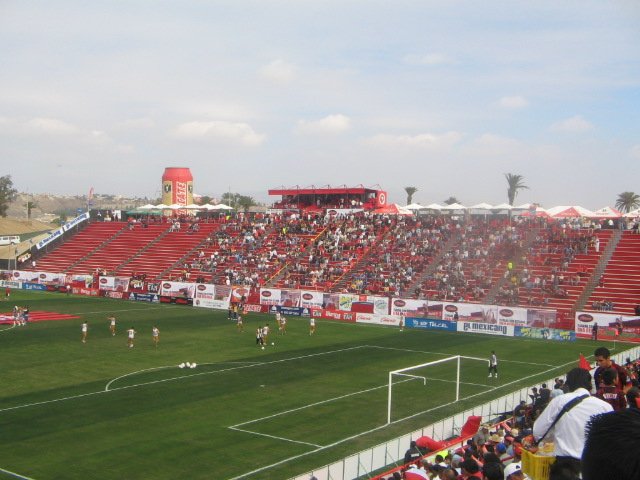
Caliente Stadium
Estadio Caliente in Tijuana, Mexico, stands as a beacon of the city’s vibrant sports culture and evolving urban identity.

Estadio De Béisbol Calimax
Estadio De Béisbol Calimax, currently known as Estadio Chevron, stands as a premier baseball stadium and cultural landmark in Tijuana, Mexico.

Centro Cultural Tijuana
Nestled in the vibrant and dynamic border city of Tijuana, Mexico, the Centro Cultural Tijuana (CECUT) stands as a beacon of cultural expression,…
Cine Bujazan
Nestled in the vibrant heart of downtown Tijuana, Cine Bujazán stands as a monumental testament to the city’s rich cultural, cinematic, and architectural…
What Makes This City Special
Border Modernism
CECUT's concrete dome, nicknamed La Bola, looms like a grounded spaceship over the city. Finished in 1982, its brutalist lines and omnimax theater still feel like an argument between two countries about what the future should look like. Stand underneath it at dusk when the courtyard lights come on. The shadows tell stories the guidebooks never mention.
Caesar Salad Origin
Avenida Revolución's Hotel Caesar claims the Caesar salad was invented here in 1924 by Cesare Cardini. The story is true. Watch a waiter prepare one tableside at the original restaurant; the sharp smack of Worcestershire hitting the egg yolk is worth the trip alone. Tijuana has been quietly shaping American menus for a century.
The Wall at the Ocean
At Playas de Tijuana the border wall marches straight into the Pacific. The rusted steel plates end where the surf begins. Locals gather at the Tijuana sign and the lighthouse 300 meters north. The contrast between holidaymakers and what the wall represents never stops being uncomfortable. That's the point.
La Mona
Armando Muñoz García's 1970s house-sculpture in Colonia Aeropuerto is a 20-meter-tall naked woman you can actually walk inside. Her concrete curves contain rooms, staircases, and decades of local jokes. Most visitors never find her. The few who do never forget the moment they realize the building is staring back.
Historical Timeline
A Border Town That Refused to Be Quiet
From Kumeyaay valley to the fastest-growing city on the continent
Kumeyaay First Walk the Valley
Long before any map existed, Kumeyaay hunter-gatherers moved through the broad valley smelling of coastal sage and wild buckwheat. They left behind stone tools and shell middens that still surface after heavy rains. Their trails later became the first wagon roads. The land remembers them every time the river floods.
Cabrillo Sails Past the Mouth
Juan Rodríguez Cabrillo's small fleet tacked along the coast and noted a wide estuary but did not land. The Kumeyaay watched from the cliffs. Europeans had finally seen the place. Nothing changed for another two centuries.
Crespí Names the Valley
Father Juan Crespí stood where the river meets the sea and wrote the words "Valle de Tijuana" into his diary. The name, borrowed from the Kumeyaay ranchería of Tiwan, stuck. Spanish ranchers soon followed the ink.
Argüello Claims Rancho Tía Juana
Santiago Argüello Moraga received a land grant of 4,000 hectares. Cattle grazed where jacaranda trees now shade cafés. The rancho's adobe headquarters stood near today's downtown. Its name slowly morphed into Tijuana.
The Border Is Drawn
The Treaty of Guadalupe Hidalgo sliced the continent in half. Tijuana suddenly sat on the new international line. What had been the edge of Alta California became the beginning of Mexico. Locals started charging Americans to cross the muddy river.
Customs House Opens
A small adobe building with a corrugated iron roof became Mexico's official customs post. Wagons loaded with hides and wool rolled south while contraband whiskey moved north after dark. The border economy was born.
The City Is Officially Founded
On July 11 the urban plan was approved. Surveyors hammered stakes into the dry ground while merchants erected wooden false-front buildings along what would become Avenida Revolución. The smell of fresh-cut pine mixed with dust.
Jockey Club Sparks the Gold Rush
The Tijuana Jockey Club opened with thoroughbred racing that drew Hollywood stars and East Coast millionaires. Betting windows never closed. The town smelled of horse sweat, cigar smoke, and sudden money.
Caesar Cardini Invents the Salad
On a busy Fourth of July, Cesare Cardini ran out of ingredients at his restaurant on Avenida Revolución. He tossed romaine, garlic, lemon, and anchovies tableside for dramatic effect. Americans loved the theater as much as the taste.
Name Changes to Municipality of Tijuana
The dusty frontier settlement received official city status. By then 15,000 people called it home. Many had arrived from every corner of Mexico chasing work, music, or escape.
Cárdenas Bans Gambling
President Lázaro Cárdenas shut down the casinos and racetracks in one stroke. The Agua Caliente casino's roulette wheels fell silent. Many thought Tijuana was finished. The city simply learned new ways to survive.
Baja California Becomes a State
Tijuana was named the first municipal seat of the new state. The decision recognized how fast the border city had grown. Concrete buildings replaced wooden ones almost overnight.
Parroquia de Nuestra Señora del Carmen Rises
Architect Homero Martínez de Hoyos completed the modernist church in Colonia Cacho. Its clean concrete curves and colored glass still catch the afternoon light exactly as he planned. Locals still marry there.
Julieta Venegas Is Born
In a working-class neighborhood, Julieta Venegas came into the world. The accordion she learned to play on these streets later carried Tijuana's restless energy to stadiums across Europe and Latin America.
River Channelization Begins
Engineers started straightening the Tijuana River to control floods. Concrete walls rose where willows once grew. The project saved downtown from seasonal inundation but erased the last wild edges of the original rancho.
Érik Morales Comes Into the World
Érik "El Terrible" Morales was born in a modest house near the airport. The boxer would later become the first Mexican to win world titles in four weight classes, turning Tijuana's fighting spirit into global headlines.
CECUT Opens Its Domo
The Tijuana Cultural Center designed by Pedro Ramírez Vázquez inaugurated its giant spherical Imax theater. Locals still call it El Omnimax. On clear nights its curved shell reflects the lights of both countries.
Brandon Moreno Is Born
Future UFC champion Brandon Moreno entered the world in a Tijuana hospital. The city that taught him to fight would later explode with pride when he became the first Mexican-born UFC titleholder.
Cross Border Xpress Bridge Opens
The 130-meter enclosed pedestrian bridge connected Tijuana Airport directly to San Diego. Passengers now walk above traffic and border fences in minutes. The structure quietly became the most efficient land border crossing in North America.
World Design Capital with San Diego
Tijuana and its northern neighbor were jointly named World Design Capital. The recognition celebrated the cross-border creative energy that had been growing for decades in studios hidden behind roll-up doors.
Greyhound Racing Ends
On July 14 the last race ran at the historic Caliente Racetrack. The mechanical lure clicked to a permanent stop. An era that began with the 1916 Jockey Club finally closed. The grandstands fell quiet.
Notable Figures
Érik Morales
born 1976 · Professional BoxerÉrik Morales grew up fighting in the gritty colonias of Tijuana before becoming the first Mexican to win world titles in four weight divisions. Locals still call him El Terrible. He would probably smile at the craft-beer bars now lining streets where he once trained, but wonder why the boxing gyms have Wi-Fi.
Brandon Moreno
born 1993 · Mixed Martial ArtistBrandon Moreno learned to fight in Tijuana before becoming the first Mexican-born UFC champion. The city’s hustle is in his footwork. If he walked Avenida Revolución today he’d notice the same resilience that once kept him training when money was tight, only now it’s wrapped in craft IPA bars and contemporary galleries.
Javier Plascencia
born 1967 · ChefJavier Plascencia took the ingredients that cross the border every day and created the Baja Med movement right here. His restaurants turned abandoned downtown spaces into tables where smoked marlin meets molecular techniques. He’d tell you the city’s best ideas have always arrived half-legal and fully delicious.
Cesare Cardini
1896–1956 · RestaurateurIn 1924 Cesare Cardini ran out of ingredients at his Avenida Revolución restaurant and improvised what became the Caesar salad. The dish was born from necessity during Prohibition when Americans flooded the city. Cardini would probably be amused that people still insist on tableside preparation exactly where the border wall now slices the horizon.
Photo Gallery
Explore Tijuana in Pictures
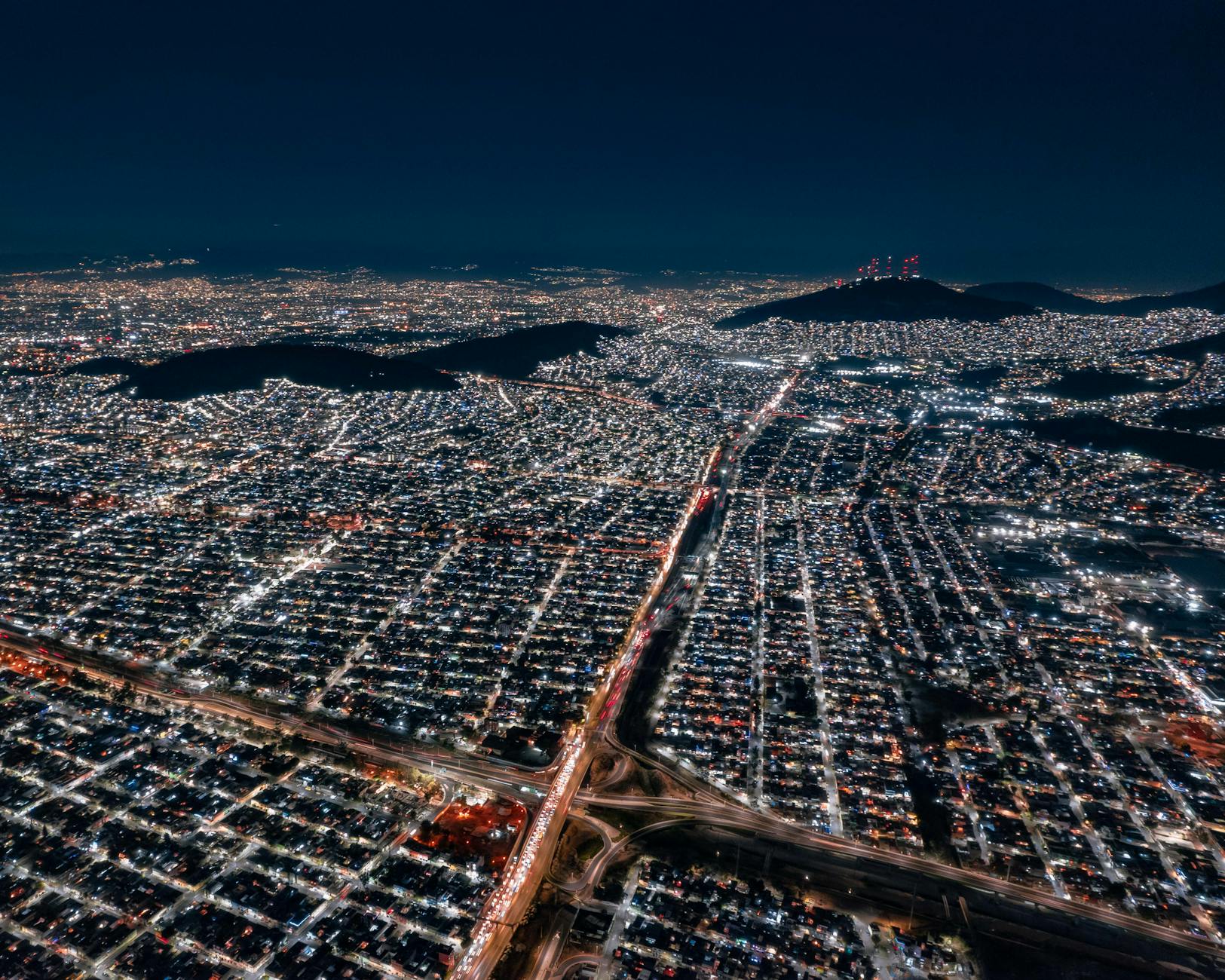
The sprawling urban landscape of Tijuana, Mexico, glows under the night sky, showcasing the city's dense residential layout and busy illuminated highways.
Mark Flying on Pexels · Pexels License
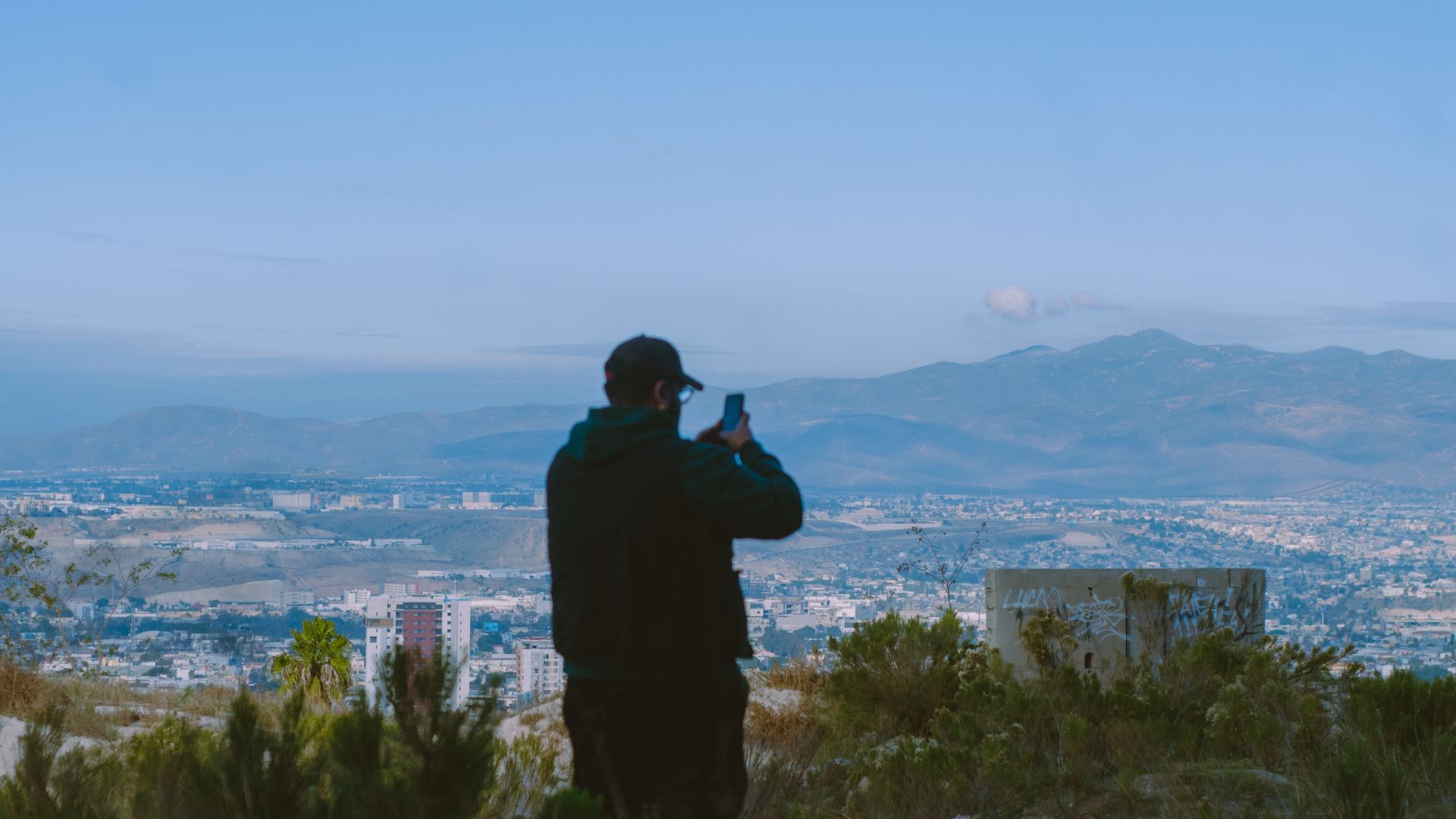
A photographer captures the expansive urban landscape of Tijuana, Mexico, from a scenic hillside vantage point during the golden hour.
Josue Misael on Pexels · Pexels License

A construction worker works alongside a skid-steer loader at a building site in Tijuana, Mexico.
El Bravo on Pexels · Pexels License
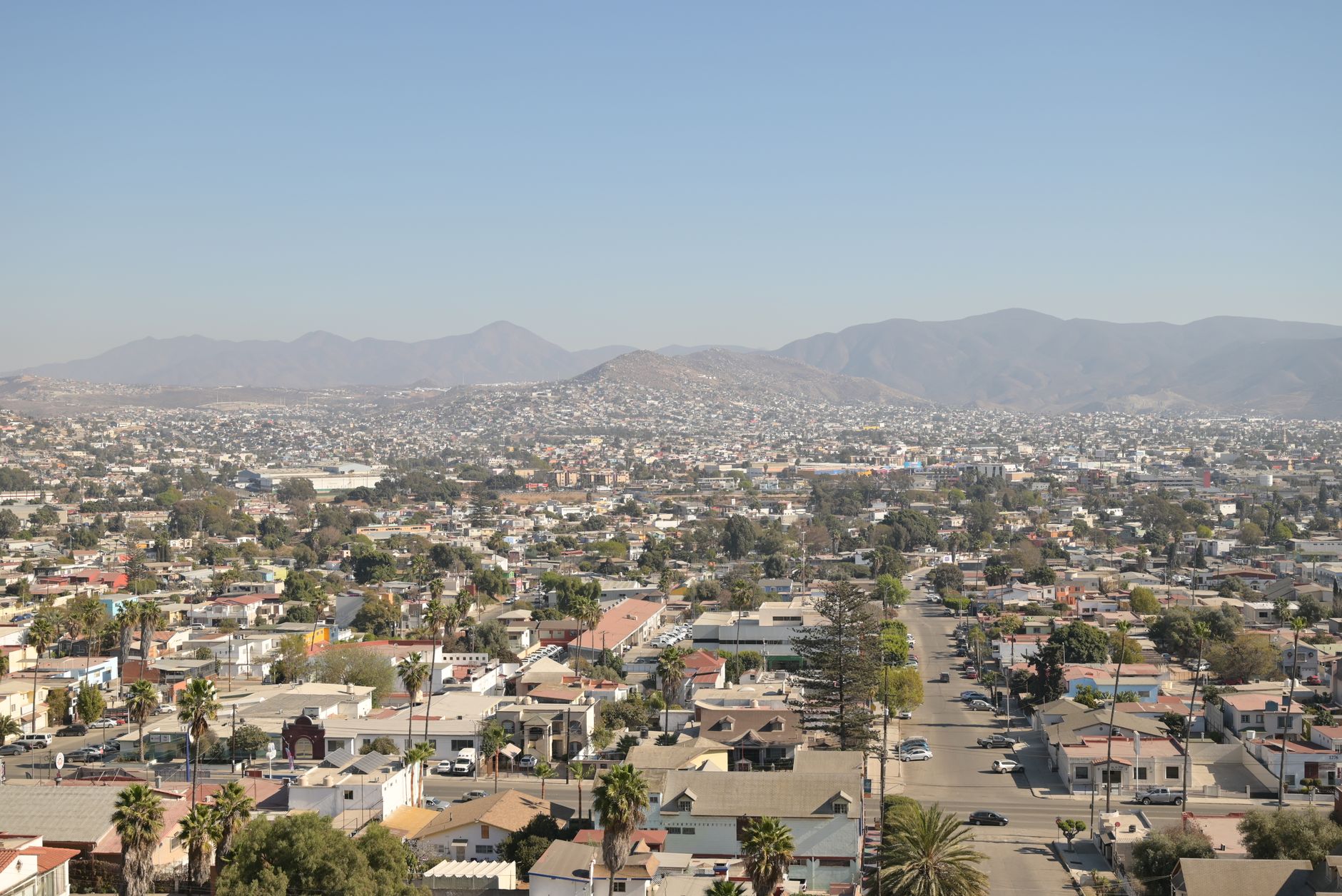
A wide-angle aerial perspective of the sprawling city of Tijuana, Mexico, showcasing its dense urban layout and scenic mountain backdrop.
Joel Martinez on Pexels · Pexels License

A vibrant long-exposure shot captures the nocturnal energy of Tijuana, Mexico, as traffic light trails illuminate the urban landscape.
Israyosoy S. on Pexels · Pexels License

Golden hour light illuminates a historic street corner in Tijuana, Mexico, where pedestrians navigate the bustling urban landscape.
Josue Misael on Pexels · Pexels License

A sprawling view of the residential neighborhoods in Tijuana, Mexico, showcasing a mix of modern architecture and distant mountain vistas.
Rhys Abel on Pexels · Pexels License
Practical Information
Getting There
Tijuana International Airport (TIJ) sits directly on the border. The Cross Border Xpress (CBX) pedestrian bridge connects the terminal to San Diego in eight minutes if you have a boarding pass. Official white taxis with green/red logos charge a fixed 450 MXN to Zona Centro in 2026. Uber is widely available and usually cheaper.
Getting Around
Tijuana has no metro or tram system in 2026. Blue-and-white buses and smaller Calafias cover the city but routes change without warning. Download the Pasajero app before you land. Uber and Didi remain the safest options after dark. Avoid cycling. Traffic is aggressive and there are almost no dedicated lanes.
Climate & Best Time
Mediterranean climate keeps winters mild (14–20°C) and summers warm (22–28°C). July to October sees the hottest days. Rain falls mostly December through March, rarely more than a drizzle. Late spring (March–May) and October offer the sweet spot: fewer crowds, comfortable temperatures, and the Pacific still warm enough for long beach walks.
Safety
Stick to Zona Río, Avenida Revolución, Colonia Cacho and Playas de Tijuana. Use Uber instead of street taxis after 10pm. Leave valuables in your hotel safe. The U.S. State Department still rates Baja California as Exercise Increased Caution in 2026. Private door-to-door tours for Valle de Guadalupe are considered the safest way to explore beyond the city.
Where to Eat
Don't Leave Without Trying
La Espadaña
local favoriteOrder: The chile relleno and fresh seafood ceviches—this place has been feeding Tijuana families for decades with honest, unfussy cooking.
With over 7,000 reviews, La Espadaña is where locals actually eat, not tourists. It's a Tijuana institution that proves longevity and consistency beat hype.
Marenca
local favoriteOrder: Aguachiles and fresh fish tacos—Marenca sources from local Baja fishermen and it shows in every bite.
Over 3,000 reviews prove this is where Tijuana goes for pristine seafood. The casual vibe and reasonable prices make it the perfect lunch spot in Zona Río.
Hamburguesas Titos
quick biteOrder: The adobada tacos and carne asada tortas—Titos keeps it simple and perfect, with meat grilled to order and fresh toppings.
Nearly 500 reviews and a 4.7 rating for a street-side spot means this is the real deal. It's where you eat when you want authentic, dirt-cheap Tijuana food.
Cervecería Insurgente
local favoriteOrder: Pair their house-brewed craft beers with local botanas (snacks)—this is Tijuana's craft beer scene done right.
Cervecería Insurgente is where the city's beer culture thrives. It's a gathering spot for locals who take their craft beer seriously, with excellent food pairings.
Cervecería Ramuri
local favoriteOrder: Sample their rotating seasonal brews alongside traditional Baja snacks and grilled meats.
Over 340 reviews show locals love this brewery's commitment to craft beer and food. It's a relaxed hangout that captures Tijuana's evolving beer culture.
BEAVEN Pasteleros Marrón - Pastelería en Tijuana
cafeOrder: Pan de muerto, conchas, and their signature pastries—BEAVEN uses traditional recipes with premium ingredients.
With 362 reviews and a 4.8 rating, this is where Tijuana goes for serious Mexican pastries. The Marron location is a local favorite for morning coffee and fresh pan dulce.
Festa Caffe
cafeOrder: Specialty espresso drinks and freshly baked pastries—Festa Caffe is meticulous about sourcing and preparation.
A 4.9 rating with a tight, loyal following in Zona Río. This is where you go for a proper coffee break away from the tourist circuit.
gSalinas Enoteca
fine diningOrder: Curated wine selections from Valle de Guadalupe paired with thoughtful small plates—this is Baja Med done with sophistication.
Located in the upscale Cacho neighborhood, gSalinas brings refined wine culture to Tijuana. It's where locals with refined palates gather for an intimate evening.
Dining Tips
- check Tip 10–15% in Mexican Pesos—never use foreign currency. 10% is acceptable for basic service; 15% is considered excellent.
- check Cash is king at street stalls and small spots. Mid-to-high-end restaurants accept credit cards, but always carry small Peso denominations.
- check Meal times: Breakfast is typically 8:00 AM – 11:00 AM. Lunch (the main meal) is 2:00 PM – 5:00 PM. Dinner starts around 7:00 PM or 8:00 PM.
- check Make reservations for high-end restaurants in Zona Río or Cacho, especially on weekends.
- check Many boutique spots may close on Sundays or Mondays—always check Google Maps or social media before visiting.
- check Mercado Hidalgo is open daily from 8:00 AM and is the most famous traditional market for spices, pottery, and food stalls.
Restaurant data powered by Google
Tips for Visitors
Visit in Spring
Late spring brings mild 20–24°C days with almost no rain. Book flights for April or May to avoid summer heat and winter border crowds.
Skip Street Taxis
Use Uber or Didi instead of yellow street cabs. Official white taxis with green/red logos from the airport fixed-rate stand cost around 450 MXN to downtown.
Follow the Lines
Longest queues at street taco stands mean freshest ingredients. Try Mariscos El Mazateño for smoked marlin tacos or Tacos Fitos for breakfast carne asada.
Carry Pesos
Merchants accept dollars but give terrible exchange rates. Withdraw pesos at Zona Río ATMs and tip 10–15% in restaurants.
Stay in Safe Zones
Stick to Zona Río, Colonia Cacho, and Avenida Revolución at night. Use ride-share apps rather than walking into unknown colonias after dark.
Catch the Wall Light
The border wall at Playas de Tijuana glows gold at sunset. The giant “Tijuana” sign and lighthouse make the best silhouettes between 6 and 7 pm.
Explore the city with a personal guide in your pocket
Your Personal Curator, in Your Pocket.
Audio guides for 1,100+ cities across 96 countries. History, stories, and local insight — offline ready.
Audiala App
Available on iOS & Android
Join 50k+ Curators
Frequently Asked
Is Tijuana worth visiting? add
Yes, if you want the real border story instead of a postcard. The city’s chaotic energy, birthplace-of-Caesar-salad restaurants, and world-class contemporary art scene at CECUT reward curious travelers who skip the preconceptions.
How many days should I spend in Tijuana? add
Three days works well. One for Avenida Revolución and CECUT, one for Colonia Cacho cafés and galleries, and one for Playas de Tijuana or a Valle de Guadalupe wine tour. Add two more if you cross via CBX from San Diego.
Is Tijuana safe for tourists in 2026? add
Tourist zones are manageable if you use common sense. Stay in Zona Río or Colonia Cacho at night, use Uber, and avoid wandering. The city’s reputation lags behind its current reality for visitors who stick to monitored areas.
How do I get from Tijuana airport to downtown? add
The fastest route is Uber or an official airport taxi for about 450 MXN. Blue-and-white buses cost 12 MXN but take longer and require exact change. CBX bridge users can walk straight into San Diego in minutes.
What food is Tijuana famous for? add
Caesar salad was invented here in 1924 at what is now Caesar’s Restaurant. Locals also claim the best carne asada tacos and Baja-style fish tacos in Mexico. Don’t leave without trying smoked marlin at Mariscos El Mazateño.
Should I visit Tijuana as a day trip from San Diego? add
Yes, but only if you cross via the Cross Border Xpress. The pedestrian bridge drops you at the airport; from there Uber reaches Avenida Revolución in 20 minutes. Return before evening if it’s your first visit.
Sources
- verified ArchDaily Tijuana City Guide — Architectural history, CECUT opening date, and 2024 World Design Capital context.
- verified UNESCO Creative Laboratories in Mexico — Contemporary arts scene and cultural policy developments.
- verified Baja Bound Tijuana History — Chronological timeline, Prohibition era, and key dates including 1889 founding.
- verified Travesías Gastronomic Routes — Contemporary art venues, gallery openings, and Colonia Cacho details.
Last reviewed: